

Note: This article contains affiliate links. If you click on these links and make a purchase, I may earn a small commission at no extra cost to you. This helps support my research and content. Read my full affiliate disclosure here.
Picking the right weeding tool for flower beds changes how much time and effort you spend maintaining borders and mixed plantings. The wrong tool can damage shallow-rooted ornamentals or leave root fragments that regrow. The right option makes removing entire taproots and fibrous weeds faster, with less kneeling or hand strain. This guide covers the top shortlisted weeding tools for flower beds and explains the practical tradeoffs gardeners face. We evaluated durability, soil penetration and root removal, ergonomics, and how the tools behave in different soil types to help you pick the best fit for your beds.
Top Picks at a Glance
| Best Overall The best all-around choice for most situations | Fiskars Ergo Garden Hand Weeder |  |
| Best Quality Built to a higher standard if you want something more solid | Fiskars 39" Deluxe Stand-Up 4-Claw Weed Puller | 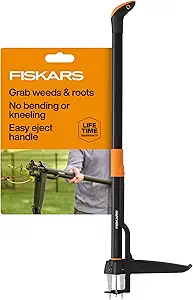 |
| Best Value The sweet spot between price and what you get | Suphan 3‑in‑1 Garden Weeding Tool Set (4‑Tooth Puller, L‑Shaped Crack Weeder, Ergonomic Scratch Tool) |  |
| Best Budget The cheapest option that still gets the job done reliably | Doubleggs 2-Pack 4-Tine Weed Puller and Uprooting Hand Tool |  |
| Highest Rated A top-rated pick with lots of positive feedback | Coopvivi 4-Tine Garden Hand Cultivator with Adjustable Long Handle |  |
| Most Popular A crowd favorite that many people choose with confidence | Grampa's Weeder Original Stand-Up Weed Puller with Bamboo Handle |  |
| Best Seller A high-volume bestseller chosen again and again | DonSail Adjustable Long-Handle Stirrup (Scuffle) Hoe |  |
Fiskars Ergo Garden Hand Weeder

| Material Type | Aluminum |
|---|---|
| Blade Material | Aluminum |
| Handle Material | Aluminum |
| Grip Type | Ergonomic |
| Manufacturer Warranty Description | Lifetime warranty |
The Fiskars Ergo Garden Hand Weeder is a heavy-duty hand tool built for removing deep-rooted weeds like dandelions and thistles. Its angled cast-aluminum head provides leverage to pry roots from compact soil while the contoured SoftGrip handle reduces wrist strain during repetitive use. Typical use is straightforward: push the angled head into the soil around a weed, rock the tool to loosen roots, then pull to extract the whole plant. Notable features include rust-resistant cast-aluminum construction for durability, an ergonomic grip for comfort, and a hang hole for convenient storage. In practice this weeder excels in small beds, borders, and lawns where precise, manual removal matters and where you want a tool that lasts season after season. Limitations are its short length, which requires kneeling or bending for larger areas, and the single-purpose design that is not a substitute for long-handled tools when managing large patches of weeds.
Best for: Buyers who want a durable, efficient hand tool for targeted weed removal and who value comfort and longevity over speed on large plots.
Less Ideal for: People who need to clear large areas of turf or who prefer long-handled tools to avoid frequent bending and kneeling.
- Angled cast-aluminum head delivers strong leverage for removing deep roots.
- Ergonomic contoured SoftGrip handle reduces hand and wrist fatigue during extended use.
- Rust-resistant aluminum construction for long-term durability in garden conditions.
- Short handheld design requires bending or kneeling for larger areas.
- Tool is single-function and not optimal for clearing extensive weed patches quickly.
Verdict: Choose this weeder if you want a comfortable, long-lasting hand tool that makes removing stubborn, deep-rooted weeds quick and reliable.
Fiskars 39" Deluxe Stand-Up 4-Claw Weed Puller

| Head Material | Stainless Steel |
|---|---|
| Handle Material | Aluminum |
| Grip Material | Thermoplastic Elastomer (TPE) |
| Number of Items | 1 |
The Fiskars 39" Deluxe Stand-Up Weeder is built for fast, permanent removal of dandelions, thistles, and other deep-rooted weeds without kneeling or herbicides. You position the head over the weed, step on the reinforced foot pedal to drive four serrated stainless-steel claws into the soil, pull back to extract the root, then use the easy-eject mechanism to clear the head. The long aluminum shaft and offset handle reduce back and wrist strain for longer sessions, while the viewing window in the pedal helps accurate placement. It performs best in moist or recently watered soil; in hard, compacted, or clay-heavy ground you will need to pre-soften the area for the claws to penetrate fully. The tool is light enough for extended use yet feels sturdy when you step down, and the stainless blades are made to stay sharp through repeated use. If you want a durable, ergonomically designed manual weeder that prioritizes effective root removal and less physical strain, this is a practical choice.
Best for: Buyers who want an efficient, ergonomic hand tool to remove broadleaf and taproot weeds by the root while avoiding bending and repeated chemical treatments.
Less Ideal for: Gardeners who need a tool for cutting large woody roots, heavy-duty excavation, or frequent use in hard, compacted clay without pre-wetting the soil should consider more heavy-duty or powered options.
- Long 39-inch shaft and offset handle reduce bending and wrist strain for extended use
- Four serrated stainless-steel claws grab roots for thorough removal
- Reinforced foot pedal and viewing window enable confident placement and penetration
- Easy-eject mechanism clears pulled weeds quickly for faster repetition
- Requires moist or softened soil to penetrate compacted or clay-heavy ground effectively
- Not suited for very large woody roots or extremely dense turf
Verdict: Choose this weeder if you want a durable, ergonomic stand-up tool that reliably extracts weeds by the root with minimal bending.
Suphan 3‑in‑1 Garden Weeding Tool Set (4‑Tooth Puller, L‑Shaped Crack Weeder, Ergonomic Scratch Tool)

| Manufacturer | Suphan |
|---|---|
| Item model number | Weeder |
| Materials | Manganese steel and stainless steel |
| Set | 3 pieces |
This compact 3-in-1 set covers the common weeding tasks you encounter in flower beds. The four-tooth manganese steel puller uses leverage to grab and uproot taproots like dandelions and crabgrass, the L-shaped stainless blade cleans moss and weeds from narrow gaps between pavers, and the angled scratch tool with a SoftGrip handle lets you scrape and loosen soil without tiring your wrist. Blades are described as heavy-duty and rust-resistant, so the set should hold up to regular backyard use; the different heads mean you can switch tools rather than reach for a separate specialty weeder. The main limitation is reach: these are handheld tools best for beds, borders, and cracks rather than deep or hard-to-reach root systems where a long-handled tool would be safer for your back. Also the blades are sharp, so gloves and cautious storage are advisable. For gardeners who prefer physical, chemical-free weed control and want a small, versatile kit for flower beds, this set offers practical value.
Best for: Gardeners who want a compact, no-nonsense kit to keep flower beds and adjacent paths tidy using physical weed removal rather than chemicals and who value versatility in a small set.
Less Ideal for: Anyone who needs long-reach tools for large lawns or vastly overgrown areas or who prefers powered or long‑handled weeders to avoid bending.
- Three distinct heads cover pulling, scraping, and crack weeding tasks without needing separate tools
- Manganese and stainless steel construction resists rust and provides strong, durable blades
- Ergonomic SoftGrip handle reduces hand and wrist fatigue during extended weeding
- Sharp tines and blade design make it effective at uprooting taproots and cleaning narrow joints
- Handheld design limits reach and can strain the back for deep or widespread weeding
- Blades are very sharp and require gloves and careful storage to avoid injury
Verdict: A versatile, durable three-piece handheld weeder set that gives flower bed gardeners a chemical-free way to remove taproots and clean cracks with minimal tool swapping.
Doubleggs 2-Pack 4-Tine Weed Puller and Uprooting Hand Tool

| Manufacturer | Doubleggs |
|---|---|
| Item model number | WPT1920 |
| Item Weight | 12.3 ounces |
This two-tool kit provides a simple, budget-friendly way to remove weeds by hand. The 4-tine puller is designed to dig a little deeper and grip roots for removal from flower beds, while the slender uprooting tool slips into joints and narrow spaces along paths and between plants. Both are manual tools, so you get precise control and can work gently around delicate perennials without powered equipment. The compact handles include hanging holes for tidy storage and make the tools easy to carry while working. Because they are small hand tools, they are best for routine weeding and targeted spot removal rather than clearing large areas quickly. Users working in very compacted or rocky soil may need to loosen the ground first or upgrade to longer-handled tools for back comfort. For the price, the set covers common garden and edging tasks and is convenient for regular maintenance of flower beds and borders.
Best for: Gardeners who want an affordable, no-frills solution for routine weeding in flower beds and borders and who prefer manual tools for precise control.
Less Ideal for: People needing to clear large beds quickly, those with limited bending ability who need long-handled tools, or gardeners working primarily in very compacted or rocky soil.
- Two complementary tools cover both deep-root removal and narrow-space uprooting
- Manual design provides precise control for working around delicate plants
- Compact handles with hanging holes make storage and transport easy
- Short, hand-held design can be tiring for larger areas or extended sessions
- Not ideal for very compacted, rocky, or deeply rooted infestations
Verdict: A low-cost, compact two-piece hand weeder set that gives precise control for routine maintenance of flower beds and edging.
Coopvivi 4-Tine Garden Hand Cultivator with Adjustable Long Handle

| Power Source | manual |
|---|---|
| Operation Mode | Manual |
| Material Type | Carbon Steel, Stainless Steel |
| Number of Items | 1 |
This Coopvivi 4-tine hand cultivator is built for gardeners who need a reliable, no-frills tool for tough soil and regular use. The forged sharp tines penetrate compacted ground to loosen soil, remove deep-rooted weeds, and aerate beds, while the reinforced joint and double-screw connection reduce wobble under heavy use. The long adjustable stainless steel handle reduces bending and gives extra leverage for standing work, making it practical for raised beds and larger vegetable plots. It is manually powered so it works anywhere without fuel or batteries and the rust-resistant finish and stainless components help it withstand wet outdoor conditions. Expect a straightforward, durable tool that replaces multiple hand tools for cultivation, raking, and mixing compost. The main limitations are that it is still a manual tool so it requires physical effort on very hard or rocky ground and the sharp tines require careful storage and handling.
Best for: Gardeners who prioritize a dependable, long-lasting hand tool for frequent soil work in raised beds or vegetable plots and who prefer a simple manual cultivator over motorized equipment.
Less Ideal for: People who need a motorized or low-effort solution for very large areas or who work primarily in rocky, compacted clay where powered tillers are more efficient.
- Forged high-carbon steel tines that penetrate compacted soil for effective aeration and weed removal
- Reinforced connection with double screws for stability and reduced wobble during heavy use
- Adjustable long stainless steel handle that reduces back strain and adds leverage
- Rust-resistant finish and stainless components for longer outdoor durability
- Manual operation requires physical effort in very hard or rocky soil
- Sharp tines present a puncture risk and need careful storage and handling
Verdict: Choose this cultivator if you want a sturdy, rust-resistant hand tool that reliably breaks compacted soil and holds up to frequent garden use.
Grampa's Weeder Original Stand-Up Weed Puller with Bamboo Handle

| Handle Material | Bamboo |
|---|---|
| Head Material | Alloy Steel |
| Item Weight | 2.3 pounds |
| Head Size | Small |
Grampa's Weeder is a simple, hand-operated stand-up tool that uses a 4-claw alloy steel head and a long bamboo handle to pinch and extract weeds by their roots. To use it you press the footpad into soft or recently watered soil, lean the handle toward the footpad so the forks close around the weed, then lift to remove the root. The lightweight bamboo handle and footpad make repeated weeding less strenuous on the back and knees than traditional hand pulling or kneeling. The steel claws are effective on dandelions, crabgrass, and similar taproot weeds in softer soils but the tool is not intended for very hard clay or rocky ground. Its straightforward design requires no power, so it is quiet and chemical-free, and the lifetime guarantee reflects a confidence in build quality. If you have compacted soil or deep-rooted tough perennial weeds you may need additional leverage or a different tool, but for routine weeding in beds and lawns after watering this is a durable, low-effort solution.
Best for: Gardeners who value proven, low-effort hand tools and want a durable, chemical-free way to remove common taproot weeds while protecting their back and knees.
Less Ideal for: People who need to clear large weedy areas quickly or who work primarily in compacted clay or rocky ground should consider heavier-duty or powered alternatives.
- Stand-up design reduces bending and kneeling for gentler, ergonomically easier weeding
- 4-claw alloy steel head grips and pulls taproots effectively in soft or recently watered soil
- Bamboo long handle keeps the tool lightweight while providing comfortable reach
- Simple mechanical operation requires no power or chemicals and is easy to maintain
- Performance drops on hard clay or rocky soil where forks cannot penetrate easily
- Small head size can be slow for very large infestations or broad areas
Verdict: A lightweight, reliable stand-up weeder that removes taproot weeds without bending, ideal for routine gardening in soft or watered soil.
DonSail Adjustable Long-Handle Stirrup (Scuffle) Hoe

| Extendable Length | 30", 43", 60" |
|---|---|
| Material – Pole | Premium steel |
| Material – Blade | Premium steel |
| Handle Top Material | Plastic |
The DonSail adjustable stirrup hoe is a simple long-handle weeding tool built around a hollow, commercial-grade steel shaft and a looped cutting blade for push-pull scuffle weeding. It assembles by screwing three pole sections together and extends to several lengths so you can work from a more upright position and avoid bending. In use the stirrup blade slices weed roots with a short back-and-forth motion, making it efficient for row gardens, flower beds, and vegetable patches without disturbing nearby plants. The tool is lightweight yet made from thicker steel for durability, and the plastic top provides a comfortable grip for longer sessions. Limitations are that it is a single-purpose hand tool best for surface weeds and light cultivation rather than heavy digging or chopping roots, and the adjustable pole depends on threaded joints that should be checked periodically for tightness.
Best for: A cautious gardener who prefers dependable, low-effort tools for regular bed maintenance and wants to minimize bending and back strain while removing surface weeds.
Less Ideal for: Gardeners who need a multipurpose digging tool or who frequently tackle deep-rooted or woody weeds should choose a different heavy-duty hoe or digging implement.
- Adjustable handle length reduces bending and improves comfort for different heights
- Stirrup (scuffle) blade efficiently severs weeds with a push-pull motion
- Commercial-grade hollow steel construction balances strength with light weight
- Quick tool-free assembly by screwing three pole sections together
- Not suitable for heavy-duty digging or cutting large, established roots
- Threaded pole joints may loosen over time and require periodic tightening
Verdict: A practical, easy-to-use stirrup hoe that reduces bending and speeds routine weeding in garden beds.
Choosing the Right Weeding Tool for Flower Beds: Key Factors to Consider
Root Type and Depth
Flower beds contain a mix of broadleaf weeds, long taproot species, and shallow fibrous weeds. The root type and typical depth will determine whether you need a narrow, pointed tool for prying out taproots or a flat-edged tool for lifting shallow crowns. Using an undersized tool on a deep taproot often leaves the lower root intact, allowing the weed to resprout.
Assess the common weeds in your beds before choosing. If dandelions and burdock are frequent, prioritize tools designed to reach and extract deep roots cleanly. For beds dominated by shallow annuals, a wider blade that removes root masses quickly may be more efficient.
Soil Texture and Moisture
Sandy soils are easier to penetrate but offer less grip on roots, so tools with firm prying edges work best to get a full extraction. Heavy clay holds roots tightly and requires a tool that can generate leverage without bending. Wet soils stick to blades and can dull cutting edges faster, while very dry soils may cause brittle root breakage if the tool cannot reach deeply.
Consider how often you water or irrigate beds and whether you typically weed after watering. A tool that penetrates compacted clay without excessive force will save time and protect surrounding plants' roots.
Bed Layout and Plant Spacing
Tightly planted borders and mixed perennial beds need tools that allow precision around stems and crowns. Wide-bladed hoes or long-handled spaders can be too clumsy in confined spaces and risk damaging flowers. Narrow, forked, or hooked tips help you work in narrow gaps and pull weeds from between plants without disturbing root zones.
If you maintain many container or raised bed plantings with close spacing, prioritize maneuverability and a compact head profile that lets you access weeds without lifting or moving plants.
Ergonomics and Working Posture
Weeding is repetitive labor. Handle length, grip shape, and overall weight determine whether you will spend more time on hands-and-knees work or can stand upright using a long-handled option. Proper ergonomics reduce back strain and wrist torque, especially during extended weeding sessions in large flower beds.
Look for tools with comfortable grips, shock-absorbing handles, and the option to use either kneeling or standing techniques. For gardeners with limited mobility, long shafts and angled heads can make standing weeding feasible while preserving control.
Material and Corrosion Resistance
Tools exposed to mulched, moist soils need blades and ferrules that resist rust and keep edges sharp. High-carbon steels take an edge well but can corrode without proper finishes. Stainless alloys and powder-coated finishes reduce maintenance but sometimes sacrifice edge retention.
Consider how much maintenance you will perform. If you prefer low-upkeep gear, prioritize corrosion-resistant materials and sealed connections. For those willing to sharpen and oil tools, options with harder steel may give better long-term cutting performance.
Maintenance and Sharpening Needs
Different weeding tools require varying levels of upkeep. Tools with thin edges or blades need periodic sharpening to slice roots cleanly, while blunt tools rely on leverage and may need less frequent attention. Moving parts or grips also demand inspection to avoid loosening or breakage during heavy use.
Factor in your willingness to sharpen, clean, and oil tools after use. Easy-to-disassemble designs simplify maintenance and prolong tool life in flower beds that see frequent wetting from irrigation or rainfall.
Best Techniques for Using a Hand Weeding Tool in Flower Beds
Start by loosening soil around the weed with a gentle pry or wedge motion rather than yanking. Work the tool deep enough to engage the root crown and then lever the root out using steady pressure. When roots are brittle, loosen a larger radius of soil before pulling to avoid breakage.
Work along the bed edges and between plants with targeted strokes. For taproots, insert a narrow tip straight down beside the root, then rock the tool to extract it vertically. For fibrous weeds, slice under the crown and lift. After pulling, inspect the hole and refill with loosened soil to minimize settling and provide a clean bed surface.
- Weed after light watering or when soil is slightly moist for easier extraction.
- Use a kneeling pad or long-handled tool to reduce back strain.
- Clear debris from blades between weeds to maintain grip and cutting effectiveness.
Standing Tools Versus Handheld Options
Standing tools offer the advantage of reduced bending but can be less precise in crowded beds. They are ideal for larger beds or gardeners who need to protect their lower back. Handheld options give greater control around delicate stems and are better for tight plantings and borders.
If you choose a standing tool, look for narrow heads and a comfortable weight balance. For handheld tools, prioritize grip comfort and blade strength so you can perform repeated extractions without hand fatigue.
- Standing tools: less back bending, better for larger open beds.
- Handheld tools: more precision, better for tight or heavily planted beds.
Protecting Desirable Plants While Weeding
Work slowly near perennial crowns and annual root balls. Use the tool tip to create a small working space rather than digging broadly. If a weed is growing very close to a prized plant, consider loosening the surrounding soil first and then hand-pulling to avoid root disturbance.
Mulch can hide small weeds. Rake back a thin layer before weeding to expose seedlings and make sure you remove the entire root. Replace mulch evenly after weeding to discourage new seedlings and protect your plants' root zones.
- Loosen soil around the target area before applying leverage.
- Rake mulch aside to see weed crowns and avoid accidental plant damage.
Care and Storage to Extend Tool Life
Clean soil from blades after each use and dry them before storage to prevent rust. Periodically sharpen cutting edges with a file or sharpening stone to keep roots slicing cleanly rather than tearing. Apply a light coat of oil to metal parts if you notice surface corrosion developing.
Store tools in a dry, ventilated area and check handle ferrules and grips for loosening. Replace or tighten hardware before heavy seasons to avoid failures while working in beds.
- Wipe blades and oil lightly to prevent surface rust.
- Sharpen once per season or more often if used heavily in gritty soils.
When to Use Chemical or Solarized Weed Control Alternatives
For persistent infestations in ornamental beds where mechanical removal is impractical, consider non-mechanical approaches that match garden goals and plant tolerance. Spot treatments or pre-plant solarization can reduce seed banks without mechanical disturbance to desirable roots.
Mechanical tools remain the best choice in mixed plantings where herbicidal options could harm flowers. Use alternatives selectively and always follow label guidance for compatibility with ornamentals.
- Reserve non-mechanical methods for wide open beds or before planting.
- Avoid chemicals near sensitive perennials unless they are labeled for such use.
How We Chose the Best Weeding Tool for Flower Beds
We shortlisted tools that suit the specific demands of flower beds: working close to delicate stems, extracting long taproots, and navigating mixed soil and mulch. Selection emphasized tangible, garden-relevant criteria so recommendations are decision-useful rather than theoretical. Key evaluation dimensions included soil penetration and uprooting effectiveness, because flower-bed weeds often have deep or fibrous roots that require full extraction to prevent resprouting. Ergonomics and handle design were assessed to reduce repetitive bending and wrist strain during frequent sessions. Build materials and corrosion resistance were considered for long-term reliability in moist, mulched beds. Maneuverability around plants and precision at the blade or tip determined how safely a tool can be used near desirable foliage. We excluded tools intended only for lawns, large-scale agricultural hoes, and multipurpose yard implements that cannot deliver the fine control flower beds need. Products that rely on unproven gimmicks or lack clear construction details were not considered. The final picks balance ease of use, root-removal performance, and durability for typical flower-bed conditions.
FAQ
What is the best time to weed flower beds for easiest root removal?
Weeding after a light rain or irrigation often makes roots easier to extract because soil is softer. Very wet soil can be heavy and clumpy, so aim for slightly moist, not waterlogged, conditions for the cleanest pulls.
Can I use a general garden hoe in tight flower borders?
General hoes can work but are often too wide for tightly spaced flower beds and risk damaging desirable plants. Narrow-bladed or pointed tools offer more precision for borders and mixed plantings.
How do I remove taproots without harming nearby perennials?
Insert a narrow tool beside the taproot and lever it out vertically, loosening soil around the root first. Work slowly and avoid broad digging; when in doubt, loosen soil and finish by hand to protect nearby roots.
How often should I sharpen my weeding tool?
Sharpening frequency depends on soil grit and use. For regular seasonal weeding, inspect and sharpen edges once per season. In gritty or heavy use situations, check and touch up more often to maintain clean cuts.
Are long-handled weeding tools better for older gardeners?
Long-handled tools reduce bending and can help gardeners with limited mobility stay standing while working. They trade some precision for ergonomics, so choose a long-handled head that is narrow and balanced for use in flower beds.
Final Verdict
For flower beds, prioritize tools that remove entire roots with minimal disturbance to surrounding plantings. Balance root removal effectiveness with ergonomics so you can weed comfortably and consistently. Consider your soil type, bed spacing, and maintenance willingness when choosing a tool. Ultimately, pick the tool that matches the common weed types and bed layout in your garden. Emphasize precision and durability for long-term ease and healthier flower beds.
