

Note: This article contains affiliate links. If you click on these links and make a purchase, I may earn a small commission at no extra cost to you. This helps support my research and content. Read my full affiliate disclosure here.
A good hand cultivator changes routine garden chores from a test of patience into efficient, low-impact work. When you spend time loosening soil, weeding tight beds, or working around seedlings, tool shape, tines, and handle comfort determine how quickly and cleanly the job gets done. This guide narrows the field to the top shortlisted options for Best Hand Cultivator across common garden situations. We evaluated each pick on how it handles soil, how comfortable it is to use for extended periods, and how well it lasts in damp, gritty conditions. Read on to see the tradeoffs between ergonomic designs, tine styles, and build materials before the product listings.
Top Picks at a Glance
| Best Overall The best all-around choice for most situations | DeWit 3-Tine Short-Handle Hand Cultivator (Steel/Wood) |  |
| Best Quality Built to a higher standard if you want something more solid | Garden Weasel Double-Sided Hand Cultivator/Tiller |  |
| Best Value The sweet spot between price and what you get | Fiskars 3-Piece Ergo Garden Hand Tool Set (Trowel, Transplanter, Cultivator) |  |
| Best Budget The cheapest option that still gets the job done reliably | Mr. Pen Garden Hand Cultivator (3-Prong Mini Hand Rake) |  |
| Highest Rated A top-rated pick with lots of positive feedback | DeWit 5-Tine Hand Cultivator (Tempered Boron Steel, Ash Handle) |  |
| Most Popular A crowd favorite that many people choose with confidence | Fiskars Ergo Hand Cultivator |  |
| Best Seller A high-volume bestseller chosen again and again | Grenebo 9-Piece Stainless Steel Gardening Tool Set with Tote Bag | 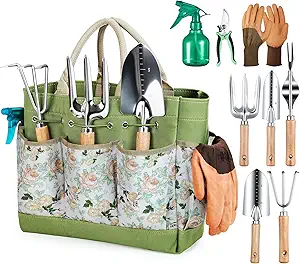 |
DeWit 3-Tine Short-Handle Hand Cultivator (Steel/Wood)

| Material Type | Steel / Wood |
|---|---|
| Power Source | Manual |
| Operation Mode | Manual |
| Item Count | 1 Count |
The DeWit 3-tine short-handle cultivator is a classic hand tool for light-duty soil work in raised beds, borders, and around plants. Constructed from heat-treated Swedish boron steel and fitted with an ash hardwood handle, it offers a stiff, durable head that penetrates compacted soil and an ergonomic short grip that gives precise control for weeding and aerating. Gardeners will appreciate its suitability for tight or hard-to-reach areas where long-handled tools are awkward. The solid construction and simple three-prong design make it ideal for mixing amendments, loosening the topsoil, and removing small weeds quickly. Because it is a manual tool with a short handle, it is not intended for large-scale turning or deep tilling and requires bending or kneeling during use. The tool’s straightforward, no-frills build and responsibly sourced handle mean it should last many seasons if stored dry and treated with basic care.
Best for: Buyers who want a reliable, heirloom-quality hand tool for routine bed prep, spot weeding, and working in raised beds or crowded plantings and who prioritize durability and precise control.
Less Ideal for: People needing a tool for large-scale or deep tilling, or those who prefer long-handled tools to avoid frequent bending and kneeling.
- Heat-treated boron steel tines for strength and long life
- Short ash hardwood handle provides precise control in tight spaces
- Three-tine design effectively loosens soil, aerates, and weeds
- Lightweight and easy to maneuver for quick spot work
- Short handle requires bending or kneeling for extended use
- Not suitable for large-scale tilling or deep soil turning
Verdict: A durable, precision-focused hand cultivator built to handle routine weeding and bed prep in tight spaces for gardeners who value long-lasting tools.
Garden Weasel Double-Sided Hand Cultivator/Tiller

| Power Source | Hand Powered |
|---|---|
| Operation Mode | Manual |
| Material Type | Polypropylene, Thermoplastic Elastomers |
The Garden Weasel double-sided hand cultivator is a compact, performance-focused tool for preparing garden beds and containers. It has three prongs with long smooth tips for general cultivating and short sharp tips for breaking up compacted soil, plus a built-in root-slicing hook for cutting through small roots and weeds. Constructed from the brand's Aluminiron alloy with a full-length tang and a soft-touch rubberized handle, it feels lightweight yet sturdy in use and resists corrosion for season-to-season reliability. Typical use is back-and-forth raking motions to loosen soil about 1.5 inches deep, aerate planting areas, incorporate compost, or prep seedbeds where a long-handled tiller would be overkill. The compact size makes it easy to control in tight beds and containers, and the hanging eyelet keeps it handy in a shed. The main limitations are its manual operation and shallow working depth, so it is not intended for deep digging or turning large amounts of heavy clay without repeated passes and more effort.
Best for: Gardeners who prioritize reliable, high-performing hand tools for prepping small beds, containers, and tight spaces and who prefer a durable tool that lasts season after season.
Less Ideal for: People who need to till large areas, dig deep trenches, or frequently break up heavy clay should choose a long-handled or powered tiller instead.
- Double-sided 3" tine design allows both gentle cultivating and aggressive soil breaking
- Built-in root-slicing hook speeds removal of small roots and persistent weeds
- Aluminiron one-piece construction provides lightweight durability and corrosion resistance
- Ergonomic non-slip rubberized grip reduces hand fatigue during extended use
- Manual tool only reaches shallow cultivation depths and requires more effort in heavy or compacted soil
- Small handheld size limits efficiency when preparing larger garden areas
Verdict: A compact, hard-wearing handheld cultivator built for effective, controlled soil prep in small gardens and containers.
Fiskars 3-Piece Ergo Garden Hand Tool Set (Trowel, Transplanter, Cultivator)

| Material Type | Aluminum |
|---|---|
| Handle Material | Soft-grip material |
| Blade Material | Aluminum |
| Grip Type | SoftGrip |
This Fiskars three-piece garden set includes a trowel, transplanter, and cultivator built for regular home garden use. Cast-aluminum heads and forked tines give the tools strength to cut through compacted or turf-covered soil while resisting rust, and the polished finish helps with cleaning after use. SoftGrip ergonomic handles reduce hand and wrist fatigue, improve control for precise digging and transplanting in tight beds, and each tool has a hang hole for easy storage. In a small garden the set covers the essential tasks of planting, weeding, aerating, and loosening soil without needing larger tools. The limitations are that hand tools only reach a few inches, so they are not suitable for deep digging or larger landscaping jobs, and aluminum heads are strong but not as heavy-duty as forged steel for extreme leverage. For everyday small-plot and container gardening this set is durable, comfortable to use, and replaces cheap plastic-handled alternatives.
Best for: Gardeners who work in small beds, raised planters, or containers and want a reliable, ergonomic set that handles common planting, weeding, and cultivating chores with minimal strain.
Less Ideal for: People tackling large-scale landscaping, deep digging, or heavy root removal should choose larger or heavier-duty tools instead.
- Cast-aluminum heads resist rust and provide strength for digging in compacted soil
- Ergonomic SoftGrip handles reduce hand and wrist fatigue during prolonged use
- Three complementary tools (trowel, transplanter, cultivator) cover core small-garden tasks
- Polished finish and hang holes make cleaning and storage straightforward
- Hand-tool reach is limited to shallow work and not intended for deep or heavy excavation
- Aluminum heads are durable but less robust than forged steel for extreme leverage tasks
Verdict: A compact, ergonomic three-piece set that reliably handles the everyday digging, transplanting, and cultivating needs of small gardens.
Mr. Pen Garden Hand Cultivator (3-Prong Mini Hand Rake)

| Material Type | Metal |
|---|---|
| Power Source | Manual |
| Operation Mode | Manual |
| Unit Count | 1 Count |
This Mr. Pen hand cultivator is a simple, no-frills garden tool for loosening soil, uprooting small weeds, and working tight spots around plants. The three metal prongs dig and break up surface soil effectively, and the short, lightweight handle makes it easy to use for quick spot work in raised beds, containers, or between closely spaced plants. Notable features are the metal construction that resists bending at the neck and an easy-grip handle with a hanging hole for storage. Because it is compact and manual it is best used for shallow cultivation and precision weeding rather than heavy-duty digging or breaking hardpan. The tool’s small size keeps it affordable and handy for everyday light gardening tasks, though users who need more leverage or larger-scale soil turning will want a longer-handled or heavier-duty cultivator. For basic maintenance, planted beds, and container gardens this cultivator offers straightforward performance at a low cost.
Best for: Gardeners on a tight budget who need a simple, reliable hand tool for container beds, raised beds, and spot weeding; ideal for quick maintenance and precision work.
Less Ideal for: Gardeners who regularly need to break hard or compacted soil, cover large areas, or require long-handle leverage should consider a heavier-duty or long-handled cultivator instead.
- Sturdy metal prongs that handle light digging and weeding without bending
- Compact, lightweight design suited for containers and tight garden spots
- Easy-grip handle with hanging hole for convenient storage
- Affordable and simple to use for routine garden maintenance
- Short handle limits leverage for heavy soil or deeper cultivation
- Not intended for large-scale soil turning or rocky ground
Verdict: A low-cost, sturdy little cultivator that delivers reliable performance for everyday container and bed maintenance.
DeWit 5-Tine Hand Cultivator (Tempered Boron Steel, Ash Handle)

| Material Type | Boron Steel, Ash Hardwood |
|---|---|
| Power Source | manual |
| Operation Mode | Manual |
| Unit Count | 1 Count |
The DeWit 5-Tine Hand Cultivator is a compact, durable garden claw designed for working in raised beds, borders, and containers. Its five hardened boron-steel tines are sharp and aggressive, making quick work of loosening soil, aerating, and pulling shallow-rooted weeds. The short 11-inch profile and ergonomic ash hardwood handle give good control for precise work in confined spaces and around plants. Because it is forged from tempered boron steel and built with traditional craftsmanship, the tool feels solid and resists bending and wear during regular use. Practical benefits include efficient soil breakup without kneeling for long periods and a lifetime guarantee that speaks to long-term reliability. Limitations are its small size and manual operation, which make it unsuitable for large plots or deep cultivation tasks where a long-handled tool or power equipment is faster. Expect excellent performance for routine bed maintenance but plan to use it alongside larger tools for heavy-duty digging or tilling.
Best for: Gardeners who prioritize a dependable, long-lasting hand tool for routine bed maintenance and precise work in confined spaces.
Less Ideal for: Those needing to cultivate large plots, perform deep digging, or replace mechanized tilling should choose long-handled or powered equipment instead.
- Tempered boron steel tines for strength and long edge retention
- Ergonomic ash hardwood handle sourced from FSC-certified forests for comfortable, durable grip
- Compact 5-tine head allows precise work in raised beds, borders, and containers
- Traditional forging and lifetime guarantee indicate long-term reliability
- Small manual tool not suited for large areas or deep soil turning
- No extendable handle limits leverage for very stubborn roots or compacted soil
Verdict: Buy this if you want a compact, professionally forged hand cultivator built to last for precise weeding and aeration in small beds.
Fiskars Ergo Hand Cultivator

| Material Type | Aluminum |
|---|---|
| Power Source | manual |
| Operation Mode | Manual |
| Item Type Name | Cultivator |
The Fiskars Ergo Hand Cultivator is a small, sturdy hand tool built for loosening soil, aerating, and removing weeds in beds and containers. It uses a polished cast-aluminum head and tines that resist rust and keep a sharp edge for digging into compacted dirt. The ergonomic non-slip handle improves grip and control during repetitive tasks and the hang hole makes storage simple. Because it is manual and lightweight, it is best for spot work such as prepping small planting areas, refreshing potting mixes, and weeding between plants rather than large-scale cultivation. Notable strengths are its durable aluminum construction and comfortable handle that reduce fatigue during short sessions. Limitations are inherent to its size and manual operation: it will not replace a powered tiller for deep or extensive soil preparation, and very heavy clay may require more leverage than a hand tool provides.
Best for: Home gardeners who need an affordable, reliable hand tool for spot cultivation, container work, and small bed maintenance and who prioritize durability and ease of use over mechanized speed.
Less Ideal for: Gardeners preparing large plots, breaking virgin ground, or those who need mechanized tilling for deep cultivation should choose a larger or powered tool instead.
- Cast-aluminum head and tines resist rust and hold an edge for digging
- Ergonomic non-slip handle improves control and reduces hand fatigue
- Compact size is convenient for beds, borders, and container gardening
- Hang hole allows easy storage when not in use
- Small manual tool not suited for large areas or heavy-duty deep tilling
- Limited leverage in very compacted clay soils
Verdict: A durable, budget-friendly mini cultivator that excels at spot digging and container gardening tasks.
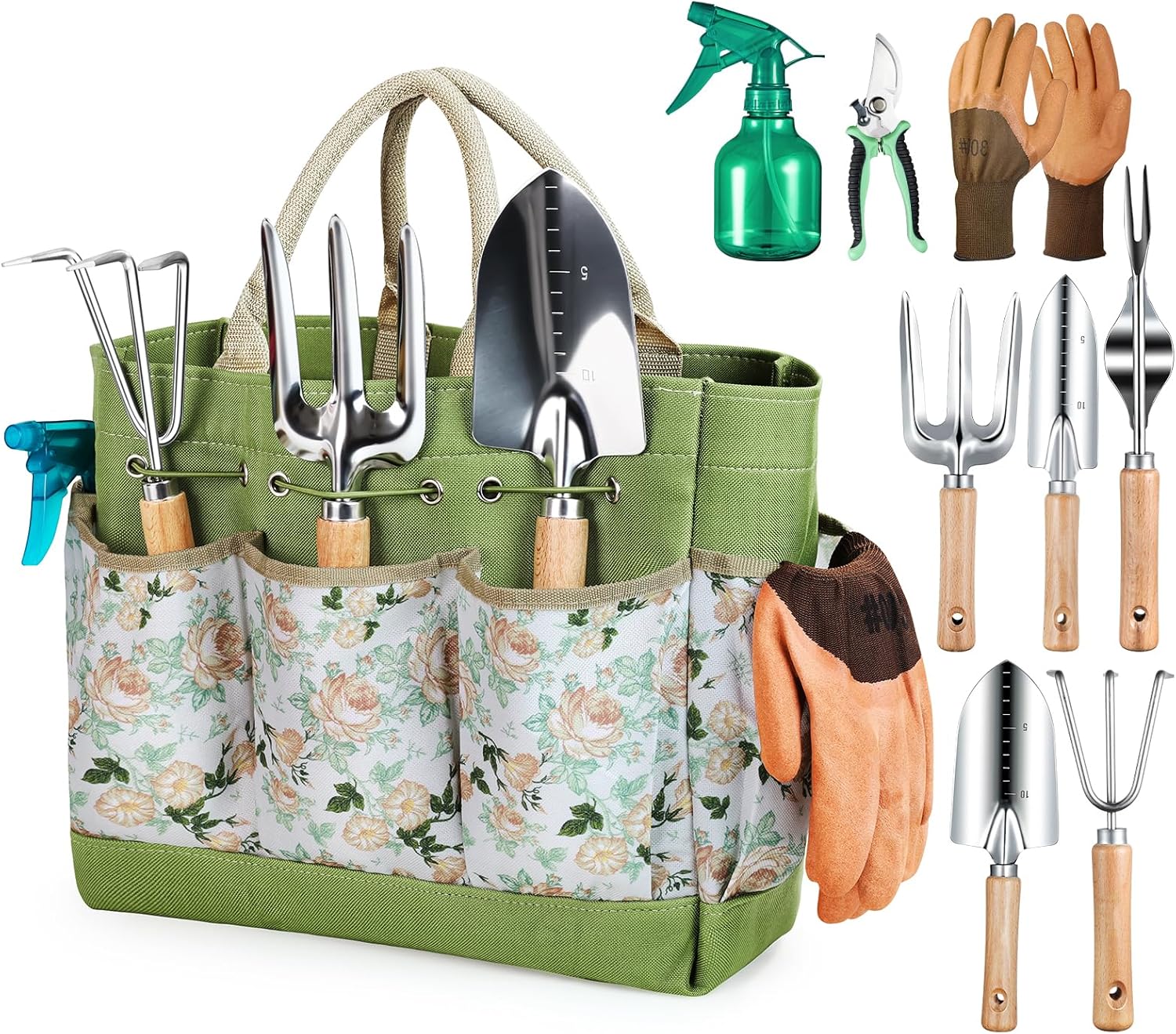
Grenebo 9-Piece Stainless Steel Gardening Tool Set with Tote Bag
| Number of Items | 9 |
|---|---|
| Material Type | Stainless Steel |
| Handle Material | Carbon Steel, Stainless Steel |
| Unit Count | 1 Count |
| Additional Features | Rust Resistant |
This Grenebo 9-piece set supplies the core hand tools needed for everyday weeding, transplanting and light pruning. The kit includes a transplanter, trowel, cultivator, weeder, pruning shears and other hand tools stored in a floral tote so everything stays together between jobs. Tools are made from stainless steel and marketed as rust resistant, which makes them suitable for regular outdoor use if cleaned and dried after each session. Wooden ergonomic handles help reduce wrist strain during repetitive tasks and the hanging holes on the handles make drying and storage easier. Practical benefits here are convenience and a complete starter selection for small beds, containers and borders. Limitations are that these are hand tools only so they are best for surface weeds and shallow roots rather than deep perennial roots or heavy digging, and handles are standard size so gardeners who need extra leverage or heavy-duty steel should look elsewhere.
Best for: Gardeners who want a ready-to-use, low-risk starter kit for regular bed and container maintenance and prefer tools that are easy to store and care for.
Less Ideal for: Those who need heavy-duty digging tools or long-handled weeders for large beds and deep-rooted perennial removal should consider more specialized equipment.
- Complete 9-piece set covers common weeding and planting tasks
- Stainless steel construction with rust-resistant finish for durability
- Ergonomic wooden handles reduce hand fatigue during use
- Included tote bag keeps tools organized and easy to carry
- Hanging holes on handles simplify drying and off-season storage
- Hand-tool design not intended for heavy digging or removing very deep perennial roots
- Handles are standard length and not designed for extra leverage on stubborn roots
Verdict: A complete, rust-resistant 9-piece hand tool set that reliably covers everyday weeding and light garden maintenance.
Choosing the Right Hand Cultivator: Key Factors to Consider
Tine Strength and Shape
Tine material and cross-section determine how easily the cultivator slices through compacted topsoil and how resistant it is to bending when it hits stones or stubborn roots. Thicker, heat-treated steel tines will resist deformation better, while spring-steel designs can flex and return to shape when used correctly.
Shape and spacing of the tines control the tool's intended use. Narrow, closely spaced tines are better for sifting and working around seedlings, while wider, sturdier tines are better for breaking crust and turning small patches of soil. Consider your primary tasks and soil composition when weighing tine profiles.
Handle Comfort and Length
Handle diameter, contour, and material all influence how long you can use a hand cultivator without wrist or palm discomfort. Ergonomic grips that fit the curve of your hand reduce pressure points and friction; tacky or textured grips also help when working with sweaty or dirty hands.
Length affects leverage and posture. A slightly longer handle lets you stand more upright and reduces lower-back bending in raised beds and wide borders. Short, compact handles offer precision in tight containers but can increase wrist pronation and fatigue during extended work.
Corrosion Resistance and Finish
Garden soil and moisture accelerate rust and can weaken metal parts over time. Look for finishes and materials that minimize corrosion risk such as stainless or coated steels and rust-inhibiting paint on metal components. For wooden handles, sealed or treated wood resists rot and swelling, while synthetic handles resist moisture entirely.
Fasteners and junctions are common failure points; corrosion-resistant rivets or welded connections last longer in damp conditions. Easy-to-clean finishes also limit soil buildup that can trap moisture and speed deterioration.
Weight, Balance, and Manoeuvrability
A cultivator that is too heavy tires your hand and forearm quickly, but a tool that is too light may feel flimsy and transmit shock when it meets roots or stones. Balance between head weight and handle feel influences how easily you can pivot the tool in tight rows or around transplants.
Consider the primary working environment: dense beds and larger areas benefit from a slightly heavier, more robust head, while container gardens and delicate seedlings work better with lightweight, agile designs.
Tine Spacing and Soil Type Compatibility
Soil texture and structure should guide tine spacing choices. Sandy, loose soils require less aggressive tine spacing and shallower penetration, while heavy clay benefits from thicker tines with more spacing to break clods and improve aeration.
For mixed garden use, favor medium-spacing tines that can perform modest aeration and light weeding without overly disturbing root systems. Tine spacing also affects how well debris is sifted out versus pulled up, influencing final bed finish.
Maintenance and Repairability
Simple upkeep extends a cultivator's service life. Tools designed with replaceable parts or simple welded connections are easier to maintain. Regular cleaning after use prevents soil buildup and corrosion, and a light coat of oil on metal surfaces can delay rust.
Consider whether the handle can be replaced if it cracks and whether tines can be re-tensioned or swapped. Ease of sharpening or straightening tines is useful when the tool is a long-term garden companion.
When a Hand Cultivator Is the Right Tool
A hand cultivator excels at shallow cultivation tasks that demand control rather than brute force. Use it for breaking crust on small beds, aerating the top inch or two of soil, and loosening soil around young plants where a fork or hoe would be too disruptive. It also works well in container gardens and between closely spaced rows where maneuverability matters.
- Best for shallow aeration and light weed disturbance
- Useful around seedlings and established perennials
- Ideal in pots, raised beds, and narrow paths
Matching Tine Styles to Garden Tasks
Different tine profiles suit distinct chores. Narrow, claw-like tines pull fine debris and lightly tease soil around transplants without uprooting them. Broad, flat tines are better for slicing through crust and chopping at weed crowns. Some cultivators use curved tines to gather loosened soil for efficient raking and smoothing.
- Curved tines gather and level soil
- Narrow tines for precision work
- Sturdy tines for breaking compacted areas
Using a Hand Cultivator Without Damaging Roots
Work gently and shallowly when cultivating around established plants. Angle the tool so only the tips enter the soil and use short, raking motions rather than deep stabbing actions. This minimizes root disturbance and preserves beneficial soil structure near plants you want to keep.
- Work in short, shallow strokes
- Focus on the top inch or two of soil
- Avoid heavy tugs near visible roots
Care and Seasonal Maintenance
Rinse soil off tines after each session, especially if you work in clay that cakes on metal. Dry the tool before storing and apply a light film of oil to metal surfaces to ward off rust. Tighten any fasteners checked at the start and end of the season and sand or reseal wooden handles if they show signs of wear.
- Clean and dry after use
- Lightly oil metal parts before storage
- Inspect and tighten fasteners seasonally
Using a Hand Cultivator in Raised Beds and Containers
Raised beds and containers change the working angle and required reach. In shallow raised beds, cultivate from the edge and use shorter, controlled strokes to avoid compacting bed sides. In containers, a compact, narrow-head cultivator lets you work between plants without uprooting them.
- Select compact heads for tight spaces
- Cultivate from edges to avoid compaction
- Use gentle motions near root zones
How We Chose the Best Hand Cultivator
We selected tools that balance real garden performance with long-term durability. First, we prioritized construction materials and joinery that resist bending and corrosion since hand cultivators see repeated lateral stress and frequent contact with wet soil. Next, we looked at ergonomic design elements that reduce wrist and lower-back strain during prolonged use, including handle shape, length, and non-slip grips. Tine geometry and spacing were reviewed for effectiveness across common tasks: breaking crust, aerating around roots, and uprooting small weeds without disturbing desirable plants. Ease of maintenance and the potential for simple repairs factored into our list to favor items gardeners can keep working season after season. We also considered weight and balance for maneuverability in raised beds, tight rows, and containers. Tools that failed basic durability or had uncomfortably awkward grips were excluded. We did not include specialist motorized tools or multi-tool systems that change the basic hand-cultivator use case. The final selection reflects a mix of tine styles and handle types that perform reliably in real garden settings and score well on the evaluation criteria used below.
FAQ
How deep should I cultivate with a hand cultivator?
Usually just the top 1 to 2 inches is sufficient. The goal is to break surface crust, aerate the seedbed, and disturb shallow weeds without harming roots deeper in the soil.
Can a hand cultivator damage plant roots?
It can if used too aggressively. To avoid damage, use shallow strokes and work around the dripline rather than placing vigorous tines right next to stems or visible roots.
What maintenance does a hand cultivator need?
Rinse off soil after use, dry it, and apply a light oil to metal parts to prevent rust. Check fasteners and the handle for wear; wooden handles benefit from occasional sanding and sealing.
Is a metal or wooden handle better?
Both have pros and cons. Metal or composite handles resist rot and often are lighter, while wooden handles absorb shock and are comfortable when sealed properly. Choose based on feel and the moisture exposure in your garden.
Are replaceable tines worth it?
Replaceable tines can extend a tool's usable life and make maintenance easier, especially if you often hit rocks. However, they can add complexity and potential failure points, so evaluate the fastening method.
Final Verdict
Prioritize handle comfort and tine design based on how and where you garden. If you spend long sessions in planters or raised beds, choose an ergonomic handle and a lighter, well-balanced head. For tougher, compacted soil, favor stronger tines and corrosion-resistant finishes, accepting a bit more weight for durability. Balancing these tradeoffs-ease of use versus durability-helps you pick a hand cultivator that stays in your shed for seasons. Focus on how the tool feels in your hand and how it performs in your typical soil; those practical checks will lead to the best everyday choice.
