

Note: This article contains affiliate links. If you click on these links and make a purchase, I may earn a small commission at no extra cost to you. This helps support my research and content. Read my full affiliate disclosure here.
When you need to move piles of fallen leaves, the right shovel makes the job faster and easier. A shovel optimized for leaves prioritizes a wide scooping face, a forgiving edge that slides under loose material, and a handle geometry that reduces bending and wrist fatigue. This guide covers our six shortlisted garden shovels for leaves, each chosen for how it behaves in lawns, beds, and compost piles. We evaluated options for blade shape, handle ergonomics, material durability, and turf friendliness so you can pick the best tool for seasonal cleanup, compost preps, or light mulch work. Read on to see which shovel style fits your routine and why those design differences matter.
Top Picks at a Glance
| Best Overall The best all-around choice for most situations | Bully Tools 42" One-Piece Poly Scoop Shovel with D-Grip |  |
| Best Value The sweet spot between price and what you get | AMES #12 Poly Scoop with Hardwood Handle and Ergonomic D-Grip | 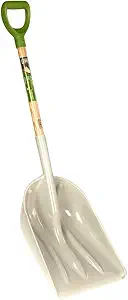 |
| Best Budget The cheapest option that still gets the job done reliably | Gardenised Pair of Plastic Leaf Scoops (2 Count) |  |
| Highest Rated A top-rated pick with lots of positive feedback | Bully Tools Heavy Duty Poly Scoop with X‑Long Fiberglass Handle |  |
| Most Popular A crowd favorite that many people choose with confidence | GardenHOME Leaf Picker Upper — Oversized Leaf Scoops (pair) |  |
| Best Seller A high-volume bestseller chosen again and again | True Temper Poly Scoop with Hardwood Handle and D-Grip |  |
Bully Tools 42" One-Piece Poly Scoop Shovel with D-Grip

| Material Type | Polypropylene |
|---|---|
| Grip Type | Ergonomic D-grip |
| Item Type Name | Poly Scoop |
| Included Components | 42" 1PC Poly Scoop |
This Bully Tools 42" poly scoop is a lightweight, one-piece shovel built for moving loose yard materials like leaves, mulch, and snow with fewer passes than a standard shovel. The wide 14" x 17" scoop holds a generous volume, so you can lift or push more material each motion, and the long 42" handle gives extra reach and forward momentum for sweeping long paths or driveways. Because it is molded from impact-tough polypropylene the head and handle will not rust, and it is gentler on composite decks, wooden steps, and vehicle surfaces than metal blades. The D-grip handle improves leverage and comfort while wearing gloves and helps control heavier loads. Expect excellent maneuverability and reduced fatigue during repeated clearing tasks, but know that a poly scoop will flex under very heavy, compacted snow or rocky loads and is not intended for digging into hard ground. For leaf cleanup and general seasonal hauling this tool speeds work while protecting finished surfaces.
Best for: Buyers who want a durable, easy-to-maneuver tool for clearing leaves and loose yard debris quickly while protecting finished surfaces and minimizing fatigue.
Less Ideal for: Not a good choice for gardeners who need a tool for digging, breaking compacted soil, or moving heavy rocky material; consider a metal shovel for those tasks.
- Large 14" x 17" scoop capacity reduces number of passes when clearing leaves or mulch
- One-piece polypropylene construction will not rust and is less likely to scratch decks or patios
- Lightweight 42" design eases prolonged use and improves reach for sweeping long stretches
- D-shaped grip provides better leverage and comfortable handling with gloves
- Poly construction can flex under very heavy, compacted snow or rocky material and is not suitable for digging into hard soil
Verdict: If your priority is fast, surface-safe clearing of leaves and loose materials, this lightweight one-piece poly scoop is a practical, low-maintenance choice.
AMES #12 Poly Scoop with Hardwood Handle and Ergonomic D-Grip

| Material Type | Polyurethane |
|---|---|
| Handle Material | Wood |
| Blade Material | Plastic |
| Grip Type | Ergonomic |
The AMES #12 Poly Scoop is a simple, purpose-built scoop for moving loose material around the yard. It combines a wide plastic blade with a long hardwood handle and an oversized ergonomic D-grip so you can scoop and transfer leaves, mulch, compost, or grain with fewer trips. The poly blade is rust-proof and non-sparking, so it holds up in wet conditions and around barns or sheds, while the hardwood handle gives leverage for heavier loads without adding much fatigue because the tool itself is light. Its 14-inch blade moves a lot of material per scoop, which makes leaf cleanup and bulk transfers noticeably faster than using a garden fork or small shovel. Limitations are that the plastic blade can flex under very heavy, compacted loads and it is not suited for digging into hard-packed soil or cutting roots. For routine leaf raking and moving loose yard debris this scoop speeds work and reduces bending compared with smaller hand tools.
Best for: Buyers who want a practical, low-effort tool to speed leaf pickup and move loose yard material with fewer trips and minimal fatigue.
Less Ideal for: If you need a shovel for digging, prying roots, or moving very dense loads, choose a metal digging shovel or a heavier-duty scoop instead.
- Wide 14-inch poly blade moves large volumes of leaves and loose material in fewer scoops
- Lightweight design reduces user fatigue during extended cleanup
- Hardwood handle with oversized ergonomic D-grip improves leverage and control
- Poly blade is rust-proof and non-sparking for reliable outdoor use
- Plastic blade can flex or deform under very heavy or compacted loads
- Not designed for digging into hard-packed soil or cutting roots
Verdict: A lightweight, wide-blade scoop that makes leaf and loose-material cleanup faster and less tiring for routine yard work.
Gardenised Pair of Plastic Leaf Scoops (2 Count)

| Unit Count | 2 Count |
|---|---|
| Head Material | Plastic |
| Handle Material | Plastic |
| Item Highlight | Yard Cleanup |
These Gardenised leaf scoops are a simple, low-cost tool for speeding up routine leaf and yard cleanup. Each scoop is a wide, curved plastic panel with an integrated ergonomic handle that lets you rake debris into a pile and then lift and carry it to a bag or compost bin without bending to scoop by hand. They are best used on lawns, patios, driveways, and garden beds to collect leaves, grass clippings, twigs, and similar lightweight material. The plastic construction keeps the tools extremely light and easy to maneuver and the smooth surface wipes clean after use. Because they are molded plastic, the scoops are inexpensive and stack for compact storage, but they are not intended for heavy-duty prying or lifting very wet, dense debris where plastic could flex or crack. For basic seasonal cleanup and frequent, low-effort tasks these scoops save time and protect your hands, though users needing a heavy-duty solution should look at sturdier materials.
Best for: Buyers who want an inexpensive, no-frills tool to speed up regular leaf and lawn cleanup and prefer something lightweight and easy to store.
Less Ideal for: Users who need a heavy-duty, long-lasting tool for wet, compacted debris or for prying and digging should choose metal or reinforced options instead.
- Wide curved scoop captures large amounts of leaves and lightweight debris
- Ergonomic integrated handle offers a comfortable, secure grip
- Lightweight plastic construction is easy to lift and maneuver
- Smooth surface wipes clean and the scoops stack for compact storage
- Plastic material can flex or crack with very heavy, wet, or sharp debris
- Not suitable for heavy-duty prying or digging tasks
Verdict: A budget-friendly, lightweight pair of scoops that makes routine leaf pickup faster and easier for everyday yard maintenance.
Bully Tools Heavy Duty Poly Scoop with X‑Long Fiberglass Handle

| Material Type | Polypropylene |
|---|---|
| Handle Material | Fiberglass |
| Blade Material | Polypropylene |
| Grip Type | D-Grip |
This Bully Tools poly scoop is built for repeated, heavy use: a rugged polypropylene blade and an extra-long fiberglass handle give good reach and reduce bending when moving leaves, soil, snow, or small stones. The oversized D-grip improves leverage and stays comfortable with work gloves, making extended raking and scooping sessions less fatiguing. Its surface-safe blade is shaped to lift and transfer loose material cleanly without scratching decking, pavers, or driveways, so you can scoop leaves into piles or into bags with less risk of damage. Assembly is quick and straightforward. Expect a tool that handles large-volume yard cleanup faster than a standard garden shovel, but note the broad poly scoop is not intended for digging into compacted ground or cutting roots. It is best used for collecting and moving loose debris rather than precision digging.
Best for: Buyers who prioritize a dependable, low-maintenance tool for repetitive yard cleanup and bulk leaf or debris moving and want something that lasts through seasons of heavy use.
Less Ideal for: If you need a tool for digging, trenching, or breaking compacted soil, a digging shovel or spade is a better choice than this scoop.
- Durable polypropylene scoop resists impact and surface damage when moving debris
- Extra-long fiberglass handle reduces back strain during extended scoop-and-transfer tasks
- Oversized D-grip offers secure control and is glove-friendly
- Surface-safe design lets you scoop on decks, pavers, and driveways without scratching
- Wide poly blade is not suitable for digging into compacted soil or cutting roots
Verdict: A reliable, heavy-duty scoop built to move large volumes of leaves and loose debris with less strain and no surface damage.
GardenHOME Leaf Picker Upper — Oversized Leaf Scoops (pair)

| Head Material | Plastic |
|---|---|
| Handle Material | Plastic |
| Grip Material | Plastic |
| Handle Type | Ergonomical |
| Manufacturer Warranty Description | 1 year manufacturer's warranty |
These GardenHOME leaf scoops are a simple, purpose-built tool for fast seasonal leaf cleanup. Each scoop has an oversized 15 x 12 inch claw that lets you gather large handfuls of leaves and grass in a single motion, then transfer the material directly into a bag, bin or compost pile. The plastic construction keeps the pair lightweight and easy to carry while the adjustable ergonomic handles help different users keep a secure grip even with gloves on. They nest together for compact storage and rinse clean after muddy jobs. Because they are molded plastic, they are best suited to lightweight debris and occasional heavy use; hard-packed soil, thick branches or frequent professional-level chores will put more stress on the claws and handles than a metal tool would. For homeowners who want a quick, low-effort way to move leaves and yard waste, these scoops noticeably cut the number of passes and the mess compared with a hand rake alone.
Best for: Homeowners and yard enthusiasts who want an easy, low-effort way to collect and transfer leaves and light garden debris quickly without heavy tools.
Less Ideal for: Landscapers or users who need a heavy-duty tool for frequent commercial use or to move large, wet, or woody debris should choose a sturdier metal implement.
- Large 15 x 12 inch scoop surface gathers more leaves per pass for faster cleanup
- Adjustable ergonomic handles accommodate different hand sizes and glove use
- Lightweight plastic construction is easy to carry and rinse clean
- Nesting design and hanging holes make storage compact and convenient
- All-plastic build is less durable under heavy or abrasive use compared with metal tools
- Not suited for picking up large branches, wet heavy debris, or hard-packed material
Verdict: A lightweight, easy-to-use pair of oversized plastic scoops that speeds up leaf collection for typical home yard cleanups.
True Temper Poly Scoop with Hardwood Handle and D-Grip

| Material Type | Wood, Poly |
|---|---|
| Handle Material | Wood |
| Blade Material | Poly |
| Grip Type | D-Grip |
The True Temper Poly Scoop pairs a strong poly blade with a sturdy hardwood handle and a D-grip to make moving loose yard material easier. It is typically used to scoop and transfer leaves, soil, mulch, grain, or small stones from beds, wheelbarrows, or storage piles. The deep poly blade resists rust and flexes slightly to reduce chipping when scooping irregular material while the hardwood handle provides a familiar, solid feel and the D-grip lets you use the tool comfortably with gloves. Practical benefits include low maintenance because the plastic blade is easy to clean and will not corrode, and the tool is well suited to repetitive scooping and loading tasks. Limitations are that the scoop is a hand tool rather than a powered or wheeled solution so it requires physical effort for large volumes, and the poly blade will not cut through compacted soil or roots the way a metal shovel edge can. For everyday leaf and mulch handling in a typical yard it is a reliable, low-fuss choice.
Best for: Home gardeners who want a low-maintenance, reliable hand tool for scooping and moving leaves, mulch, and other loose yard materials without specialty equipment.
Less Ideal for: People who need a tool for digging, chopping roots, or moving very large volumes quickly should consider a metal shovel or a wheeled mechanical solution instead.
- Poly blade resists rust and is easy to clean after moving leaves or mulch
- Hardwood handle offers sturdy, familiar grip and durability
- D-grip improves control and comfort when using gloves
- Deep scoop shape holds a large volume for fewer trips when collecting leaves
- Poly blade is not suitable for cutting into compacted soil or digging out roots
- Manual scoop design requires physical effort for large piles or extended use
Verdict: A low-maintenance, dependable scoop built for comfortable, efficient leaf and mulch handling in everyday yard work.
Choosing the Right Garden Shovel for Leaves: Key Factors to Consider
Blade Shape and Width
A wide, gently curved blade scoops loose leaves more efficiently than a narrow, flat spade. The curvature influences how many leaves the shovel will hold per lift and how well the load stays in place while you carry it to a compost pile or bag.
Wide scoops reduce the number of passes and make raking-to-shovel workflows quicker. However, very broad blades can be heavier and harder to maneuver in tight garden beds, so balance blade width with the spaces where you work most.
Edge Profile and Turf Friendliness
Shovels for leaves need an edge that slides under loose material without cutting into lawn crowns. A blunt or slightly tapered edge lifts leaves cleanly while minimizing damage to turf and exposed roots.
An overly sharp digging edge can slice grass and create holes, which leads to extra lawn repair after leaf removal. Look for an edge profile that is designed for scooping and sliding rather than soil cutting.
Handle Ergonomics and Length
Handle length and shape determine how much you bend and how your wrists and shoulders feel after repeated lifts. Longer handles let you stand more upright when moving piles, reducing lower-back strain, while D-grips or ergonomic curves improve control when the shovel is full.
Consider your height and the typical lift distance. A handle that is too short forces frequent bending; one that is too long can be awkward when working close to beds. Grip texture and diameter also matter for comfort in cold or wet conditions.
Material Durability and Corrosion Resistance
Leaves can hold moisture and organic acids, especially in late fall, so materials that resist rust and wear last longer. Powder-coated or stainless blades and sealed handle joints reduce maintenance and the chance of failure when the shovel is repeatedly exposed to damp compostable material.
Durable components also reduce flex and bending when the shovel is loaded. Pay attention to how the blade is attached to the shaft; welded or double-riveted connections usually hold up better over seasons of use.
Weight and Balance
A shovel that is too heavy adds fatigue during repetitive scooping, while one that is too light may feel flimsy when loaded. Balance between blade and handle helps the tool feel stable when carrying full scoops of leaves to a bag or bin.
Consider how many scoops you typically move in a session and whether you have mobility limits. Lightweight materials with a well-balanced profile are often the best compromise for frequent leaf cleanup.
Best Shovel Styles for Different Leaf Jobs
Different shovel shapes suit different leaf tasks. Scoop-style shovels with broad, slightly cupped blades work well for moving loose piles and transferring leaves to bags or bins. Narrower, rounded blades are better when you need to work between shrubs or in garden beds.
For heavy, wet leaves or when mixing leaves into compost, a more robust blade with a supportive shaft helps prevent flex. When clearing leaves from turf, prioritize a blunt, turf-friendly edge to avoid ripping grass.
- Scoop blades: best for bulk moves and bagging
- Rounded/narrow blades: better for tight spaces and beds
- Stiff, reinforced blades: useful for damp or compacted leaf loads
Using a Leaf Shovel Without Damaging Lawn
To protect grass while shoveling leaves, slide the shovel gently under piles rather than stabbing downward. Work along the grain of the lawn and avoid levering the edge aggressively into dense turf. When possible, rake leaves into loose piles first so the shovel only needs to lift, not cut.
If you encounter muddy or rooty patches, lift with your legs and transfer loads incrementally to avoid gouging. Regularly inspect the edge for burrs that can catch and pull grass blades.
- Slide rather than dig when working on turf
- Rake into loose piles before shoveling
- Maintain a smooth edge to protect grass
Maintaining Your Shovel After Leaf Season
After heavy leaf work, brush off debris and let the shovel dry before storage to prevent corrosion. Lightly oiling metal parts and checking fasteners will extend service life through wet autumns and into composting work in winter.
If your shovel was used for damp or acidic leaves, a quick rinse and drying session prevents long-term staining and rust. Store in a dry, covered area away from direct ground contact to reduce moisture exposure.
- Brush and dry before storing
- Oil metal joints occasionally
- Check and tighten rivets or bolts
Ergonomic Techniques to Reduce Strain
Adjust your stance and grip to reduce back and wrist stress. Keep the shovel close to your body when lifting and use your legs to power the motion. Swap hands or take short breaks during long sessions to avoid repetitive strain.
Consider pairing a longer-handled shovel with a small hand rake for final tidy-up along bed edges to limit awkward reaches and repeated over-the-head motions.
- Lift with legs, not back
- Keep loads close to your torso
- Alternate hands and take breaks
When to Use a Shovel Vs. a Leaf Scoop or Rake
Rakes are efficient for gathering leaves into loose piles, while shovels excel at moving those piles to compost bins or bags. For very light, dry leaves, a wide leaf scoop can speed bagging, but shovels offer more control for damp, heavier loads.
If you regularly manage large volumes, combining tools gives the best results: rake to pile, then shovel to transfer. For smaller gardens, a single well-chosen shovel can perform both tasks adequately.
- Rake for gathering, shovel for moving
- Scoop tools for bagging very light leaves
- Combine tools for efficiency with large volumes
How We Chose the Best Garden Shovel for Leaves
We focused on the traits that matter when moving loose, dry, or slightly damp leaf material across lawns, beds, and paths. Key evaluation criteria included blade shape and width for scooping efficiency; edge profile and turf friendliness to prevent tearing grass when raking leaves into piles; handle ergonomics and length to reduce bending and wrist strain during repetitive scooping; material durability and corrosion resistance for late-season wet leaves and compost contact; and overall weight and balance so a tool is easy to lift full of leaves without causing fatigue. We excluded heavy-duty digging shovels and spade-only designs that are optimized for soil penetration rather than scooping loose material. We also filtered out flimsy, undersized tools that do not hold a practical load when full. The shortlist emphasizes practical field performance in typical gardens and yards rather than specialized commercial equipment.
FAQ
Is a garden shovel the best tool for bagging leaves?
Often a shovel is excellent for transferring piled leaves to bags or bins because it carries larger loads than a hand scoop. For very fine, dry leaves, a wide leaf scoop or pick-up tool can be faster for direct bagging.
What blade material holds up best to damp leaves and compost?
Materials with corrosion resistance, such as powder-coated steel or stainless finishes, usually last longer when exposed to wet organic matter. The blade construction and how it is joined to the shaft also affect longevity.
How long should the handle be for comfortable leaf work?
Handle length depends on your height and typical working posture. Taller gardeners often prefer longer shafts to reduce bending, while gardeners working in beds or near shrubs may benefit from a slightly shorter, more maneuverable handle.
Will a broad shovel damage my lawn when lifting leaves?
It depends on the edge profile and technique. A blunt or tapered edge used with a sliding motion will lift leaves with minimal turf damage. Avoid stabbing motions or using a sharp digging edge on grass.
Can a leaf shovel double as a compost tool?
Usually yes. A sturdy shovel with a reinforced blade can mix and move leaves in a compost pile. For heavy turning or digging into dense material, a dedicated compost fork or spade may be more effective.
Final Verdict
Choose a garden shovel for leaves based on how and where you work most. Prioritize blade shape and a turf-friendly edge if you will be lifting from lawns, or a narrower, reinforced scoop if you often work between beds and shrubs. Match handle length and grip to your height and lifting style to avoid strain. Balancing weight, durability, and ergonomics will give you the most useful tool for seasonal leaf cleanup. Focus on the tradeoffs described here to pick a shovel that speeds work while protecting your lawn and your back.
