

Note: This article contains affiliate links. If you click on these links and make a purchase, I may earn a small commission at no extra cost to you. This helps support my research and content. Read my full affiliate disclosure here.
Picking the right garden shredder for composting changes how quickly and efficiently you convert branches, prunings, and leaves into usable compost. A machine that matches your garden volume and material types cuts down manual effort, reduces composting time, and helps you maintain a healthier pile. This guide covers six top options shortlisted for home and small-acreage composters. We evaluate motor power, feed capacity, durability, and how shredding style affects composting outcomes so you can match a unit to your routine and yard debris. Read on for clear, practical guidance to help you choose a shredder suited to your composting needs, plus the factors we used to select these top picks.
Top Picks at a Glance
| Best Quality Built to a higher standard if you want something more solid | Sun Joe CJ603E Electric Wood Chipper Shredder (15-Amp, 1.7" Cutting) |  |
| Best Value The sweet spot between price and what you get | EWORK 15 Amp Electric Leaf Mulcher/Shredder with Adjustable Rake |  |
| Best Budget The cheapest option that still gets the job done reliably | LawnMaster Electric Wood Chipper Shredder FD1501 (15‑Amp, 1.5" Cut) |  |
| Highest Rated A top-rated pick with lots of positive feedback | SOYUS Electric Bladeless Leaf Mulcher & Shredder, 15A 8400 RPM |  |
| Most Popular A crowd favorite that many people choose with confidence | WORX WG430 13 Amp Electric Leaf Mulcher |  |
| Best Seller A high-volume bestseller chosen again and again | Sun Joe SDJ616 Corded Electric Leaf Mulcher/Shredder |  |
Sun Joe CJ603E Electric Wood Chipper Shredder (15-Amp, 1.7" Cutting)

| Power Source | Corded Electric |
|---|---|
| Cut Type | Cross Cut |
| Audible Noise | 94 db |
| Operation Mode | Manual |
| Built-In Media | Feeding Paddle, Hopper, 6 in Wheels |
The Sun Joe CJ603E is a homeowner-focused electric wood chipper and shredder designed for routine yard cleanup. It accepts branches up to about 1.7 inches in diameter and uses a 15-amp motor with cross-cut blades to reduce material into mulch suitable for composting or spreading. Typical use is feeding pruned branches, twigs, and leaves through the hopper while the integrated feeding paddle helps draw material into the cutting chamber; a forward and reverse switch helps clear jams. The unit is corded so it starts instantly with no fuel or emissions and includes a safety lock and hopper lock to stop the machine when opened. Practical benefits are low maintenance compared with gas models, quieter operation for neighborhood use, and 7-inch wheels that make it reasonably portable for moving around a yard. Limitations to expect are the restrictive 1.7-inch maximum branch size and the need for extension power outdoors, which means heavier pruning or larger limbs require a larger or gas-powered chipper.
Best for: Homeowners who want a low-maintenance, no-fuss machine for routine pruning, leaf cleanup, and small-branch mulching and who prioritize safety and quiet operation.
Less Ideal for: Landscape contractors or homeowners who regularly chip large-diameter limbs or need untethered operation should consider more powerful gas or commercial models.
- 15-amp motor and cross-cut blades effectively reduce small branches and leaves into usable mulch
- Corded electric power gives instant start with no fuel, emissions, or spark-plug maintenance
- Safety features include an integrated hopper lock and safety switch to stop operation when opened
- Forward and reverse switch and feeding paddle help clear jams and feed material reliably
- Compact, wheeled design is easy to move and store in typical home yards
- Maximum branch capacity is limited to about 1.7 inches, so larger limbs must be pre-cut or handled separately
- Requires a nearby power outlet or heavy-duty extension cord for outdoor use
Verdict: A user-friendly corded electric chipper that safely and quietly turns routine yard trimmings into mulch, ideal for risk-averse homeowners doing regular small-branch cleanup.
EWORK 15 Amp Electric Leaf Mulcher/Shredder with Adjustable Rake

| Motor | 15 Amp, 8000 RPM |
|---|---|
| Compression ratio | 16:1 |
| Feed inlet width | 20 inches |
| Outlet width | 15 inches |
| Rake adjustable width | 7.5–24 inches |
This EWORK mulcher is a corded electric machine aimed at frequent yard cleanup and composting. Its 15 Amp motor runs at high speed to process piles of leaves, dry needles, and light twigs while producing a fine 16:1 reduction for mulch or faster composting. The unit offers three selectable shred textures so you can choose coarse fragments for ground cover or ultra-fine material for soil incorporation. A wide 20-inch feed inlet and 15-inch outlet help reduce clogging, and the upgraded wear-resistant cutting line should last longer than typical trim-line blades. The included adjustable rake extends reach and width to make gathering and feeding leaves quicker, while simple two-screw assembly gets the machine ready fast. Practical benefits include lower bag use, smaller composting volume, and less time spent clearing and reloading. Expect limitations typical of corded electric models: it is best for yard debris and small branches rather than heavy logs, and performance depends on available power and an extension cord for large properties.
Best for: Best for homeowners or small-property managers who prioritize efficient, repeatable leaf reduction and compost-ready mulch to cut disposal and bagging time.
Less Ideal for: Not a good fit for users needing a gasoline-powered chipper for large branches, brush, or remote sites without easy access to electricity.
- Powerful 15 Amp motor for steady shredding of leaves and light yard waste
- 16:1 compression ratio with three texture settings for versatile mulch output
- Wide 20-inch feed inlet and 15-inch outlet reduce clogging during use
- Wear-resistant cutting line designed to last longer than standard trim lines
- Adjustable rake included to gather and feed leaves more efficiently
- Corded design limits mobility on very large properties and needs a reliable power source
- Not intended for heavy logs or thick branches that require a chipper-style machine
Verdict: A high-speed electric mulcher that efficiently converts leaf piles into compost-ready mulch while speeding collection with the included adjustable rake.
LawnMaster Electric Wood Chipper Shredder FD1501 (15‑Amp, 1.5" Cut)

| Power | 15‑Amp |
|---|---|
| Cutting calibre | 1.5inch |
| Reduction rate | 10:1 |
| Collection | Bag |
The LawnMaster FD1501 is a straightforward, budget-focused electric chipper shredder for homeowners with light to moderate yard debris. It runs on a 15‑amp corded motor and accepts branches up to 1.5 inches thick, feeding material into a cutting chamber that reduces debris into finer mulch collected in the included bag. The unit’s polypropylene housing keeps weight and cost down while resisting small dents, and the supplied push paddle improves safety and makes feeding twigs and small branches easier. Expect a roughly 10:1 reduction rate so you can turn many bags of clippings into a single bag of mulch for composting or garden use. Limitations to note are the modest cutting diameter and electric motor power, which make this best for small yards and softwood or thin hardwood branches rather than heavy limbs, and the plastic body may feel less rugged than metal‑bodied machines. Replacement blades are available if the cutter dulls with heavy use.
Best for: Homeowners on a tight budget with small to medium yards who need an easy, low‑maintenance way to convert twigs and small branches into usable mulch.
Less Ideal for: Owners with large properties or who frequently need to chip thick hardwood limbs should look at higher‑capacity, steel‑bodied gas or heavy‑duty electric models.
- 15‑amp corded motor adequate for routine yard cleanup
- Handles branches up to 1.5 inches for typical residential pruning
- Included collection bag reduces cleanup and makes mulch easy to transport
- Push paddle improves safety when feeding material
- Polypropylene housing keeps unit lightweight and dent resistant
- 1.5-inch cutting capacity limits use on larger limbs
- Plastic housing is less durable than steel for heavy, long‑term use
Verdict: A cost‑conscious, easy‑to‑use electric chipper that turns small branches and yard waste into usable mulch for homeowners with modest needs.
SOYUS Electric Bladeless Leaf Mulcher & Shredder, 15A 8400 RPM

| Motor | 15 Amp, 8400 RPM |
|---|---|
| Reduction ratio | 18:1 |
| Throughput | Up to 55 gallons per minute |
| Control | 5-level adjustable dial |
The SOYUS bladeless leaf mulcher is built for fast backyard cleanup: a 15 amp motor spinning at 8400 RPM feeds leaves into a nylon cutting-line system that shreds material down with an advertised 18:1 reduction. You use the front hopper to feed wet or dry leaves and select one of five control-dial settings to match cutting aggressiveness to material. The design omits metal blades in favor of replaceable line, which simplifies maintenance and reduces the risk of large kickbacks while still producing a fine mulch suitable for composting or smaller collection bags. Practical benefits include high throughput of up to 55 gallons per minute and a compact, wheeled frame that is easy to move around the yard. Limitations are the reliance on cutting line that must be replaced over time and the lighter construction that favors routine yard debris rather than heavy branches or woody brush. For someone focused on quick, high-volume leaf shredding this machine delivers strong performance, but it is not a substitute for a heavy-duty chipper if you need to handle thick limbs.
Best for: Buyers who prioritize fast, high-volume leaf processing for routine yard cleanup and want a low-maintenance, maneuverable electric mulcher.
Less Ideal for: Those who need a machine for frequent heavy-duty chipping of branches or for commercial landscape work should choose a more robust chipper-shredder.
- Powerful 15A, 8400 RPM motor supports fast mulching throughput
- Bladeless nylon cutting-line system reduces maintenance complexity and kickback risk
- Five-level control dial lets you adjust processing for wet or dry leaves
- High 18:1 reduction ratio shrinks yard waste volume for easier disposal or composting
- Lightweight wheeled design improves mobility around the yard
- Not intended for heavy woody branches or thick brush
- Cutting line requires periodic replacement and is a consumable expense
Verdict: If you want a fast, high-throughput electric mulcher that turns large volumes of leaves into fine mulch with minimal fuss, this SOYUS bladeless model is a strong pick.
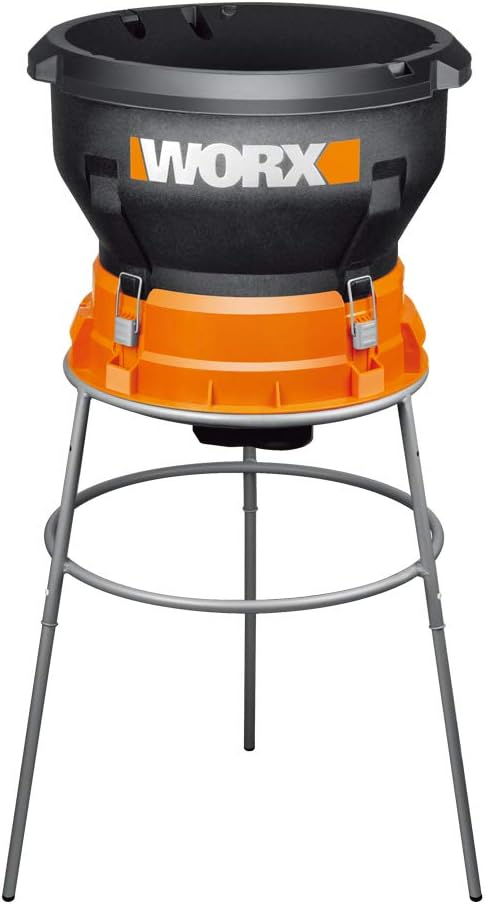
WORX WG430 13 Amp Electric Leaf Mulcher
| Motor | 13 Amp |
|---|---|
| Throughput | 53 gallons per minute |
| Mulch ratio | 11:1 |
| Cutting system | Flex-a-Line bladeless line |
The WORX WG430 is an electric leaf mulcher designed for homeowners who need to reduce large volumes of dry leaves and light yard debris quickly. It accepts leaves fed into the top funnel and shreds them with the bladeless Flex-a-Line string system, processing up to about 53 gallons per minute and reducing roughly 11 bags of leaves down to one. The unit sits over a standard bag held by the included support ring so mulch discharges directly into a receptacle for disposal or composting. Practical benefits include tool-free assembly and disassembly for seasonal storage, a dust-reducing motor cooling design, and an included supply of replacement cutting lines to simplify maintenance. Because it is a 13 amp corded electric tool it is quieter and cleaner than gas chippers and avoids blade sharpening, but it is not intended for heavy branches or thick woody material. The need for an appropriately rated outdoor extension cord and indoor storage in winter are additional considerations for regular use.
Best for: Homeowners who want a safer, low-maintenance electric solution to shrink large piles of leaves quickly and prefer a cleaner, quieter alternative to gas chippers.
Less Ideal for: Property owners who need to chip branches, thick brush, or heavy woody debris should consider a dedicated wood chipper or gas-powered shredder instead.
- High processing rate reported at up to 53 gallons of leaves per minute for fast cleanup
- 11:1 mulching ratio significantly reduces bag volume for easier disposal or composting
- Flex-a-Line bladeless system lowers blade-related hazards and includes tool-free line replacement
- Tool-free assembly and compact nesting parts for easier storage and off-season handling
- Not suitable for woody branches or heavy brush since it is a line-based leaf mulcher
- Requires a properly rated outdoor extension cord and access to an electrical outlet
Verdict: Choose the WORX WG430 if you need a fast, low-maintenance electric mulcher that turns large volumes of leaves into manageable mulch for disposal or composting.
Sun Joe SDJ616 Corded Electric Leaf Mulcher/Shredder

| Power Source | Corded Electric |
|---|---|
| Speed | 8000 rpm |
| Additional Features | Mulcher |
| Noise Level | 110 db |
The Sun Joe SDJ616 is a compact corded leaf mulcher that turns piles of leaves and light yard waste into fine mulch using a 13-amp motor spinning at 8,000 RPM. You feed leaves into the hopper and the unit shreds material at a claimed rate of up to 55 gallons per minute, reducing volume significantly for bagging or composting. An adjustable control dial lets you change the processing for wet or dry material, and the design mates to a bag-lined trash container for straightforward collection. It is relatively lightweight and portable for moving around a small to medium yard and includes a dust-reducing cooling approach that helps keep operation cleaner. Noise is high compared with quieter electric tools, and because it is corded you are limited by reach or must use an extension. The machine handles leaves and small twigs well but is not intended for heavy brush or thick branches. For routine seasonal cleanup and compost preparation it delivers fast, space-saving results with minimal fuss.
Best for: Buyers who prioritize practical, efficient yard cleanup and want a tool that quickly converts leaves into usable mulch or smaller-volume waste for disposal. Ideal for homeowners with small to medium lawns who value straightforward setup and fast results.
Less Ideal for: Not a good choice for properties with lots of thick branches or heavy brush or for buyers who need a cordless solution for large, remote lawns.
- Powerful 13-amp motor with 8,000 RPM that reduces yard waste volume substantially
- Adjustable control dial for processing wet or dry material
- Attaches to a bag-lined container for tidy, direct collection
- Compact and portable design that is easy to move around the yard
- Corded power limits reach unless you use an outdoor extension cord
- Noisy operation compared with quieter electric garden tools
- Not suitable for heavy brush or large branches
Verdict: Choose the Sun Joe SDJ616 if you want a straightforward, high‑speed corded mulcher that quickly converts leaves into compact mulch for easy disposal or composting.
Choosing the Right Garden Shredder for Composting: Key Factors to Consider
Motor Power and Torque
Motor power determines what materials the shredder can handle and how quickly it will process them. Higher motor wattage or horsepower helps cut through tough, dry branches and reduces the chance of the machine stalling when fed irregular loads.
Torque is as important as peak power because it sustains blade rotation under load. A machine with modest peak power but strong torque will often perform better on denser material. For composting, you want power that matches the hardest material you expect to feed the unit, whether that is green prunings or small-diameter hardwood cuttings.
Feed Capacity and Chute Design
Feed capacity affects how much material you can add before emptying or stopping for jams. A generous feed chute and a design that guides branches into the blades reduce time spent preparing and loading material, which matters if you regularly shred several wheelbarrows of trimmings.
Chute shape and safety features influence how easily you can feed awkward pieces without bending or forcing material. A wide, tall feed opening is helpful for leafy bundles and longer prunings, while a hopper with a smaller opening can be safer for high-speed cutting heads.
Cutting Mechanism and Chip Size
Different shredders use blades, discs, rollers, or hammer mills, and each produces a distinct chip profile. Finer chips increase surface area and speed microbial attack in a compost pile, accelerating decomposition. Coarser chips take longer to break down but are less likely to clog the machine when shredding mixed material.
Think about the type of composting you do: hot, fast compost benefits from smaller, uniform chips, while slower, passive composting can tolerate coarser output. Also consider whether you need occasional mulch-grade chips for paths or beds in addition to compost feedstock.
Build Quality and Maintenance Needs
A robust frame, corrosion-resistant components, and easy access to blades reduce downtime and extend service life when a shredder is used for seasonal cleanups. Steel cutters, replaceable blades, and straightforward belt or gear access make routine service manageable for a home gardener.
Maintenance tasks such as blade sharpening, belt replacement, and cleaning out debris are inevitable. Machines that simplify these tasks with clear access points, simple fasteners, and available spare parts minimize long-term effort and cost.
Safety Features and User Ergonomics
Shredders can be hazardous if feed mechanisms and interlocks are inadequate. Look for mechanical or electrical safety interlocks, emergency stop access, and well-positioned chutes that keep hands away from cutting components.
Ergonomics matters for regular use: the machine should be stable during feeding, have reachable controls, and ideally be maneuverable for storage. Consider how often you will move it and whether height or feed angle will strain your back during repeated sessions.
Noise Level and Neighborhood Impact
Noise and vibration affect how often and where you can run the shredder. Petrol machines tend to be louder but offer high power, while electric models are quieter and better for suburban or shared-space settings.
If you plan to run the shredder frequently or for long sessions during peak gardening seasons, prioritize lower-noise designs or plan usage times that minimize disturbance. Vibration can also hasten wear on components and make the machine less comfortable to use.
How Shredded Material Changes Composting Time
Shredded material composts faster because smaller pieces expose more surface area to microbes and heat. Fine chips and shredded leaves reach higher temperatures sooner in a hot compost pile, which speeds organic breakdown and reduces weeds or seed viability.
If you aim for quick, consistent compost, target material that resembles coarse sawdust to small wood chips. Alternately, if you practice slower, layered composting, coarser chips can be mixed with green material to maintain aeration without decomposing too rapidly.
- Fine chips = faster microbial action and heat generation
- Coarse chips = better long-term aeration and structure
- Balanced mix of green and brown shredded materials supports steady decomposition
Electric Vs Petrol: Siting, Power, and Practical Tradeoffs
Electric shredders are quieter, lighter, and simpler to maintain. They are a good choice for suburban gardeners who need lower noise and mostly process softer, green prunings or small branches. Their dependence on cord length or battery runtime limits continuous throughput compared with petrol units.
Petrol machines deliver higher sustained power and handle woody material with less risk of bogging down. They are heavier and noisier, require fuel and basic engine maintenance, and are better suited for larger properties or those with extensive woody debris.
- Electric: lower noise, less maintenance, limited by power source
- Petrol: higher throughput, more maintenance, louder operation
Preparing Material for the Shredder
Proper preparation prevents jams and extends blade life. Cut long branches into manageable lengths, remove excessive dirt or rock from roots and branches, and avoid feeding material that exceeds the machine's stated capacity. Loosely bundled leafy material can be fed in small batches to avoid clogging.
Seasonal timing helps as well. Fresh green prunings shred more easily than dry, brittle wood, but green material can be stringy and require different feed techniques. Mix materials thoughtfully to maintain good airflow in your compost pile after shredding.
- Trim long pieces to the recommended feed length
- Remove foreign debris like stones or thick roots
- Feed leafy bundles in smaller amounts to prevent clogs
Maintenance Tips to Keep a Shredder Ready
Regularly inspect blades and cutting components for wear and replace or sharpen as needed. Clean out accumulated debris after each major session to prevent moisture-related corrosion or blockages.
Check belts, fasteners, and engine components on petrol models according to the manual. Store the unit under cover in a dry place and consider applying light lubrication to pivot points before long storage periods.
- Sharpen or replace blades seasonally depending on use
- Clean the hopper and discharge areas after each use
- Follow engine maintenance schedule for petrol units
Using Shredded Output Beyond Compost
Shredded material can also serve as mulch, walkway material, or as a carbon source in sheet mulching. Coarser chips last longer on beds and paths, while finer shredded leaves work well in potting mixes or as a compost accelerator.
Think about how you will use the output when choosing chip size. If you plan to use a single machine for both compost and landscape tasks, favor models that produce a versatile mid-range chip size or those with adjustable cutting options.
- Fine shred = good for compost acceleration and potting additions
- Coarse chip = durable mulch and path material
- Adjust output use to match garden needs
How We Chose the Best Garden Shredder for Composting
We focused on attributes that directly affect how well a shredder prepares material for composting. Key evaluation criteria included motor power and torque, because stronger motors process woody branches faster and reduce stalling. Feed capacity and chute design were assessed to reflect real-world throughput and how easily users can add trimmings without repeated stops. Cutting mechanism and blade quality matter for the shredding pattern; some mechanisms produce finer chips that compost faster while others handle bulky material with less clogging. Build quality and maintenance requirements were scored to reflect expected lifespan and how much hands-on care a gardener must do. Noise and vibration were considered for comfort during regular use and for neighborhood tolerance. We excluded commercial-scale units intended for contractors and machines that require specialized training or on-site setup. Lightweight electric units and compact petrol models that suit home gardeners and small properties were prioritized. Product availability, user feedback trends, and spec sheets informed selection, but we did not rely on single reviews or brand reputation alone. The final shortlist represents machines that balance power, throughput, and practicality for compost-focused gardeners.
FAQ
What size branches can a typical home shredder handle?
Capacity varies by machine, but most home shredders handle branches from about 1/2 inch up to 1.5 inches in diameter. Heavier petrol models may accept larger limbs, while compact electric units are best for thinner prunings.
How often should I sharpen or replace shredder blades?
Blade maintenance depends on use and material. For seasonal home use, check blades yearly and sharpen or replace as soon as cutting performance declines. More frequent use or processing sandy, dirty wood will accelerate wear and require earlier service.
Can shredded woody material compost without extra additives?
Yes, woody material will compost but usually more slowly. Balance shredded wood with nitrogen-rich green material, ensure adequate moisture, and turn the pile to maintain airflow. Smaller chip sizes significantly speed the process.
Is it safe to feed piles of leaves into a shredder?
Leaves are generally safe and shred very quickly, but feeding large, wet bundles can cause clumping and clogging. Feed leafy material in smaller amounts and mix with twiggy material to keep the machine running smoothly.
How do I choose between a slow-rotor and high-speed cutter for composting?
Slow-rotor systems often produce coarser chips with less dust and are better for tougher, bulkier material. High-speed cutters make finer chips that compost faster but can clog on stringy or green material. Match the cutter type to your dominant feedstock and composting speed.
Will using a shredder reduce the time my compost needs to mature?
Usually yes. Smaller particles increase surface area for microbes and help piles heat up faster, shortening the active decomposition phase. The exact reduction depends on chip size, mix of materials, moisture, and how often you turn the pile.
Final Verdict
Choose a shredder that matches the toughest material you will regularly process and the volume you expect to handle. Prioritize motor torque and feed capacity if you have frequent woody pruning jobs, or quieter electric options for lighter, suburban use. Balance chip size with your composting method: finer output for faster hot composting, coarser material for long-term structure or mulch. Weigh maintenance needs and noise alongside cutting performance to find a machine that fits your schedule and garden. With the right choice, you will reduce manual chopping, speed compost production, and reclaim yard waste as valuable organic matter.
