

Note: This article contains affiliate links. If you click on these links and make a purchase, I may earn a small commission at no extra cost to you. This helps support my research and content. Read my full affiliate disclosure here.
Choosing the right plants for summer hanging baskets makes the difference between a soggy, sparse display and a vibrant, full cascade through the hottest months. In summer conditions you need species that handle heat, wick moisture efficiently, and keep producing flowers or foliage without constant fuss. This guide shortlists six top picks suited for summer hanging baskets and explains why each type works in real-world patio, porch, and balcony setups. We evaluate each option for heat tolerance, bloom duration, and everyday care so you can pick plants that match your routine and microclimate.
Top Picks at a Glance
| Best Overall The best all-around choice for most situations | AVERAR Lantana Live Plants, Pack of 2 |  |
| Best Value The sweet spot between price and what you get | BuggyBeds Petunia Seeds Mix — 1000 Pack |  |
| Best Budget The cheapest option that still gets the job done reliably | BuggyBeds Starry Sky Petunia Seeds (500) – Trailing Variegated Mix for Hanging Baskets |  |
| Highest Rated A top-rated pick with lots of positive feedback | Fuchsia Live Plant in 5-Inch Pot (White, Purple, Fuchsia) |  |
| Most Popular A crowd favorite that many people choose with confidence | The Lucky Stars Petunia Grandiflora Flower Seeds, Petunia Mix |  |
| Best Seller A high-volume bestseller chosen again and again | Seed Needs Alyssum Seeds Variety Pack — 4 Pack |  |
AVERAR Lantana Live Plants, Pack of 2

| Indoor Outdoor Usage | Outdoor |
|---|---|
| Sunlight Exposure | Full Sun |
| USDA Hardiness Zone | 8-11 |
| Moisture Needs | Moderate Watering |
| Unit Count | 2 Count |
These AVERAR lantana plants arrive as two well-rooted starters intended for outdoor planting and are useful for hanging baskets, containers, or garden borders. They produce clusters of bright, assorted flowers from spring through fall and are low maintenance when planted in full sun with well-drained soil. Typical use is to transplant each 4–7 inch plant into a basket or pot with good drainage, water moderately until established, then reduce frequency as the plants tolerate drier conditions. The notable benefits are continuous summer blooms, suitability for USDA zones 8 to 11, and versatility across containers and beds. Limitations to note are their preference for hot, sunny sites and moderate watering needs, so they will not perform well in shade or very wet soils, and in cooler climates they will need winter protection or to be treated as annuals. For gardeners seeking fuss-free, long-blooming color in summer baskets, these lantanas are a practical choice.
Best for: Gardeners who want an easy-care, long-blooming flowering plant for summer hanging baskets or containers and prefer reliable color with minimal upkeep.
Less Ideal for: People with predominantly shady yards, waterlogged soil, or gardeners in cold-winter zones looking for fully hardy perennials without winter protection.
- Continuous multi-colored blooms from spring through fall for long-season color
- Low maintenance once established in full sun and well-drained soil
- Versatile planting options including hanging baskets, containers, and garden beds
- Sold as well-rooted starters that simplify transplanting
- Performs poorly in shade and in poorly drained or very wet soils
- Suitable mainly for warmer climates (USDA zones 8 to 11) and not winter-hardy in cool regions
Verdict: A straightforward, low-maintenance pair of lantana starters that deliver long-lasting summer color in sunny hanging baskets and containers.
BuggyBeds Petunia Seeds Mix — 1000 Pack
| Indoor Outdoor Usage | Outdoor |
|---|---|
| Other Special Features of the Product | Attracts Butterflies |
| Unit Count | 1000 Count |
| Number of Pieces | 1000 |
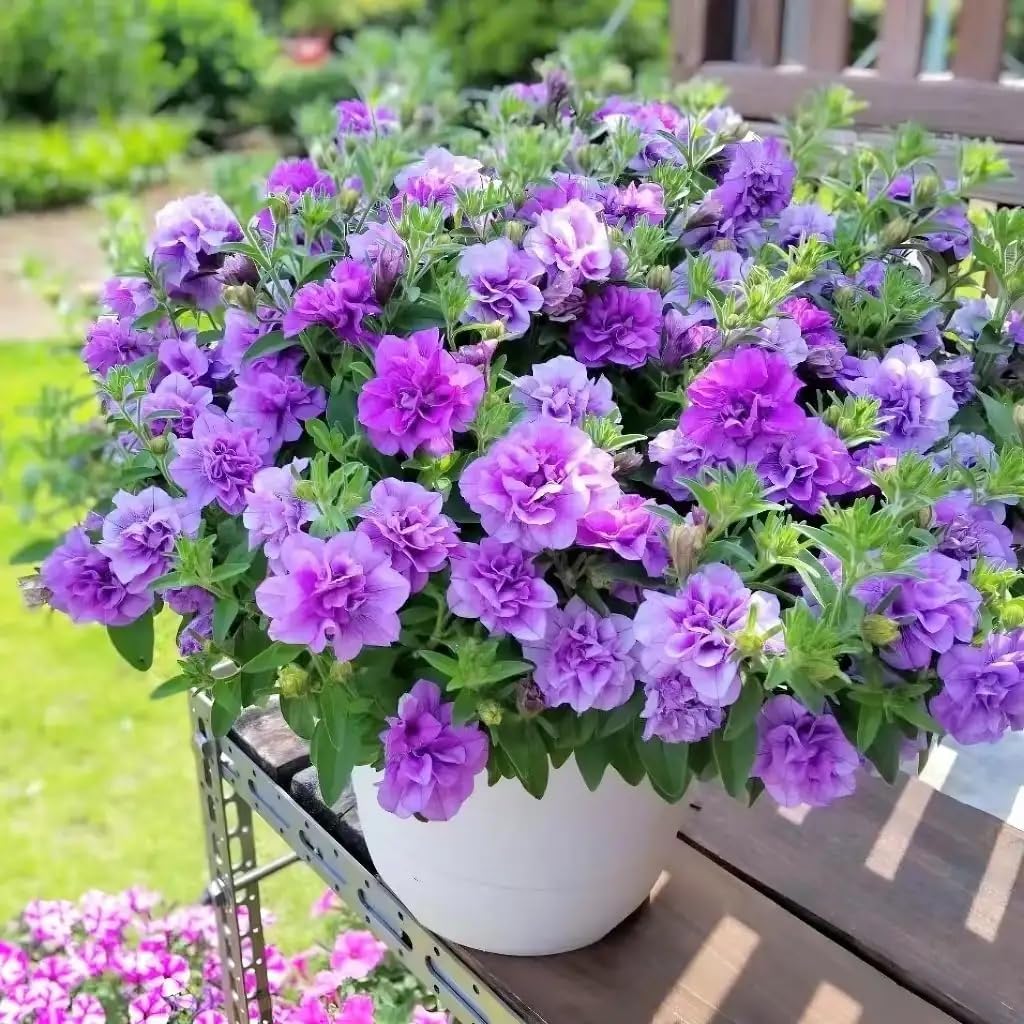
This seed mix supplies 1,000 petunia seeds intended to produce a steady display of multi-colored blooms suited to hanging baskets, pots, and garden edges. You would typically start them in seed trays or sow directly into prepared container soil, then transplant or thin as plants develop; the listing emphasizes that varieties are fast-growing and beginner-friendly, which helps shorten the wait from sowing to first blooms. The pack is explicitly marketed for outdoor use and notes that the flowers attract butterflies, so it is a good choice if you want pollinator activity around summer baskets. Benefits include high seed count for filling many baskets or repeating plantings through the season and a mix of colors for continuous visual interest. Limitations are that specific variety names, germination rate, and planting depth or spacing instructions are not provided on the listing, so expect some variability in results and plan for extra seed-to-plant loss when calculating how many baskets you can fill.
Best for: A practical gardener who wants an economical way to fill multiple summer hanging baskets or to succession-plant color displays while encouraging pollinators.
Less Ideal for: Growers who need certified varieties, exact germination guarantees, or precise cultivar information for competitive shows or breeding projects should look elsewhere.
- Large 1000-count package lets you seed many hanging baskets or replace plants over the season
- Designed for outdoor containers and baskets so varieties are suited to suspended displays
- Mix of colors provides continuous visual interest without buying multiple single-color packs
- Described as fast-growing and beginner-friendly which helps new gardeners establish blooms quickly
- Attracts butterflies, adding pollinator value to summer baskets
- Listing does not specify germination rate or individual variety names which makes precise planning difficult
- No detailed planting or care instructions included in product information
Verdict: Buy this pack if you want an affordable, high-count seed mix to quickly populate multiple summer hanging baskets with colorful, pollinator-friendly petunias.
BuggyBeds Starry Sky Petunia Seeds (500) – Trailing Variegated Mix for Hanging Baskets

| Indoor Outdoor Usage | Outdoor |
|---|---|
| Other Special Features | Attracts Pollinators |
| Sunlight Exposure | Full Sun |
| Material Features | GMO Free |
| Unit Count | 1 Count |
These BuggyBeds Starry Sky Petunia seeds come in a large 500-seed packet intended for filling hanging baskets and balcony planters with trailing, multi-colored blooms. The variety is described as heat and sun tolerant with a long flowering season from spring through autumn, and the trailing habit makes it easy to create a full, cascading display. Practical benefits for budget gardeners include the high seed count for covering multiple baskets or beds and the low-maintenance claim of strong adaptability that reduces time spent on delicate care. The seeds are listed as GMO free and attract pollinators, which is a plus for pollinator-friendly displays. Limitations are typical of seed purchases: germination rates and time to first bloom will vary and you'll need to start, thin, and transplant seedlings yourself rather than getting instant flowers. If you want guaranteed immediate color or uniform cultivar performance, nursery-grown transplants are more predictable than seeds.
Best for: Budget-focused gardeners who want to fill several hanging baskets or containers with colorful, pollinator-friendly petunias and are comfortable starting plants from seed.
Less Ideal for: Gardeners who need instant, uniform blooms with no seed starting; those who prefer low-uncertainty transplants should consider nursery plants instead.
- Large 500-seed count lets you fill multiple hanging baskets or retry planting if germination is uneven
- Trailing growth habit creates full cascading displays ideal for balconies and hanging containers
- Heat and full-sun tolerance supports long flowering through warm seasons
- Attracts pollinators and is labeled GMO free
- Seed performance depends on germination and grower skill so results can be inconsistent
- No guaranteed cultivar uniformity compared with purchased transplants
Verdict: A cost-effective seed packet for gardeners who want to grow lots of trailing, sun-loving petunias for hanging baskets from seed.
Fuchsia Live Plant in 5-Inch Pot (White, Purple, Fuchsia)

| Sunlight Exposure | Partial Shade |
|---|---|
| Unit Count | 1 Count |
This is a ready-to-plant fuchsia starter in a 5-inch pot that arrives small but well rooted and is meant for container and hanging-basket use. It blooms in white, purple and fuchsia tones and is best placed in partial to full shade where it will produce showy dangling flowers through the growing season. The plant is noted to go dormant in fall and winter and will lose foliage until spring, which is normal for fuchsia and helps with winter hardiness in many temperate areas. Practical advantages for container gardeners are its compact size and shade tolerance, which make it easy to fit on porches, balconies, or shaded beds. Limitations to expect are its seasonal dormancy and the need for well drained soil and regular watering to keep blooms prolific; it is not a set-and-forget perennial in all climates and may need overwintering care in cooler zones.
Best for: Gardeners who want an easy-to-place, shade-tolerant flowering plant for containers or hanging baskets and who value seasonal showy blooms over year-round foliage.
Less Ideal for: People seeking evergreen or continuously flowering plants for winter interest or those unwilling to provide basic seasonal care and watering.
- Thrives in partial to full shade, ideal for shaded patios and porches
- Compact 5-inch potted starter is ready for containers or hanging baskets
- Produces vivid hanging blooms that add seasonal color
- Goes dormant in winter and regrows in spring, matching seasonal cycles
- Enters dormancy and loses foliage in fall and winter, so it is not visually active year-round
- Requires well drained soil and consistent watering to maintain flowering
Verdict: A compact, shade-loving flowering starter ideal for containers and hanging baskets when you want reliable seasonal color.
The Lucky Stars Petunia Grandiflora Flower Seeds, Petunia Mix

| Indoor Outdoor Usage | Indoor, Outdoor |
|---|---|
| Expected Blooming Period | Spring to Fall |
| Sunlight Exposure | Full Sun |
| USDA Hardiness Zone | 3-11 |
| Soil Type | Fertile, Sandy, Well Drained pH 6-7 |
These Petunia Grandiflora seeds are aimed at gardeners who want a long-blooming, colorful display in pots and hanging baskets. The mix contains dwarf, spreading petunias with trumpet-shaped flowers in a range of colors that perform best in full sun and moderate watering. You can start seeds indoors 8 to 10 weeks before the last frost or direct sow after frost; light is required at sowing so seeds should be pressed onto the surface rather than covered. The packet notes suitability across USDA zones 3 to 11 and recommends fertile, well-drained soil with pH around 6 to 7, which makes the crop adaptable to many outdoor container conditions. Practical benefits include extended bloom time that supports pollinators and packaging designed to resist tears and moisture to preserve seed viability. Limitations are typical of petunia seed-grown plants: germination needs correct light and moisture management and results depend on your seed-starting skill and timing rather than delivering instant mature plants.
Best for: Practical gardeners who prefer growing colorful, pollinator-friendly annuals from seed for sun-filled pots and hanging baskets and who plan seed-starting or direct sowing on a predictable schedule.
Less Ideal for: Buyers who need immediate flowering plants or who avoid seed-starting because they prefer ready-to-plant nursery transplants.
- Heirloom seed mix that produces a variety of petunia colors
- Extended bloom period from spring through fall in full sun
- Suitable for containers, hanging baskets, and borders
- Works across a wide range of USDA zones (3 to 11)
- Packaging resistant to tears and moisture to help preserve seeds
- Requires light at sowing and careful seed-starting technique for reliable germination
- Results take time compared with purchasing established plants
Verdict: A reliable heirloom petunia seed mix for gardeners who want long-season, full-sun color in pots and hanging baskets grown from seed.
Seed Needs Alyssum Seeds Variety Pack — 4 Pack

| Expected Blooming Period | Summer to Fall |
|---|---|
| Sunlight Exposure | Partial Sun |
| Expected Planting Period | Spring |
| USDA Hardiness Zone | 3,4,5,6,7,8,9,10 |
| Moisture Needs | Moderate Watering |
This Seed Needs alyssum seed pack supplies multiple heirloom, open-pollinated varieties intended for quick, low-growing blooms that work well in containers, hanging baskets, rock gardens, or as a groundcover. Typical use is direct sowing in spring with sowing instructions printed on each packet; plants establish quickly, bloom through summer and into fall, and emit a sweet fragrance that attracts bees and butterflies. Notable features include heirloom seed stock, adaptability to several soil types, suitability for partial sun to full sun sites, and a packet count sized for sharing or multiple containers. Practical benefits are fast floral cover for hanging baskets and edging, pollinator support, and forgiving moisture needs once established. Important limitations are that these are annuals in many climates so they need reseeding each year, germination depends on correct sowing and local conditions, and the pack does not specify exact seed counts per variety which makes precise planning harder for larger displays.
Best for: Gardeners who prefer proven, pollinator-friendly annuals for quick color in hanging baskets and containers and who value seed quality backed by many other buyers.
Less Ideal for: People seeking permanent perennial plantings or those who want guaranteed germination without doing any seed starting work should consider live plants or plug transplants instead.
- Heirloom, open-pollinated seeds suitable for preserving true-to-type blooms
- Quick to establish and blooms profusely from summer into fall
- Attracts pollinators such as bees and butterflies, enhancing garden ecology
- Versatile use in hanging baskets, containers, rock gardens, and as groundcover
- Annual habit in most regions requires reseeding each year
- Germination and performance depend on correct sowing and local climate
- Seed counts per individual variety are not specified for exact planning
Verdict: A reliable heirloom seed pack that delivers fast, fragrant blooms ideal for filling full-sun hanging baskets and attracting pollinators.
Choosing the Right Plants for Summer Hanging Baskets: Key Factors to Consider
Light and Exposure
Where you hang a basket determines which plants will thrive. South- or west-facing locations expose baskets to prolonged sun and heat, favoring sun-loving, drought-tolerant species. East- or north-facing spots give morning sun or shade; choose plants that flower well with less intense light.
Consider how afternoon heat, reflected heat from walls, and seasonal sun angle will change light levels through summer. A plant that tolerates full sun in one garden may scorch in another where reflected heat or poor airflow intensifies conditions.
Watering Needs and Container Soil
Hanging baskets dry out faster than ground containers because they are exposed on all sides and have smaller soil volumes. Match plants to how often you can realistically water. Some bedding plants need daily attention in high heat; others survive with less frequent deep watering.
Use a well-draining, moisture-retentive potting mix formulated for containers. Add water-absorbing crystals sparingly if you need longer intervals between watering. Remember that irrigation frequency affects plant choices: heavy feeders and thirsty bloomers require more routine care to keep up summer flowering.
Growth Habit and Maintenance
Hanging baskets do best when plants either trail to create a flowing display or have a compact, mound habit to fill the basket. Consider how quickly a species spreads and whether it needs regular deadheading, pinching, or trimming to maintain shape.
Some vigorous trailers will quickly fill a large basket but may need pruning to prevent legginess. Compact bedding varieties can look tidy with minimal fuss but might not provide the dramatic drape some gardeners want. Balance desired visual effect against the maintenance you are willing to do.
Bloom Timing and Color Strategy
Summer baskets are often judged by continuous color. Choose plants with overlapping bloom periods so the basket has flowers from early summer through heat peaks. Mix contrast and harmony in color choices to match your outdoor decor and to ensure visual interest as some plants peak earlier or later.
Consider season-long bloomers as the backbone and add shorter-lived showstoppers to provide bursts of color. Pay attention to how flower colors hold up in intense sun; pale or white blooms can fade in midday heat while deeper tones may resist bleaching.
Hardiness and Heat Stress
Heat stress in summer is different from winter hardiness. For hanging baskets, prioritize species known to tolerate high daytime temperatures, high light intensity, and brief drought spells. Plants that wilt and never recover after afternoon heat are poor choices for exposed baskets.
Also consider nighttime temperatures and humidity. High humidity can increase disease pressure while cool nights can slow growth. Choose plants adapted to the typical summer climate in your region to reduce stress and keep blooms longer.
Fertilizer and Feeding Schedule
Plants in hanging baskets have limited access to nutrients and often flush with growth when regularly fed. Decide if you prefer a slow-release approach or routine liquid feeding. Heavy bloomers usually benefit from more frequent, balanced fertilization to sustain flower production.
Overfeeding can cause weak, leggy growth, so match fertilizer strength and frequency to the plant types you select. Consider a water-soluble feed applied at half strength on a consistent schedule for baskets that receive heavy sun and frequent watering.
Best Plants for Full Sun Baskets
For baskets hung in full sun choose species that stand up to strong light and heat while continuing to flower. Look for vigorous trailers and compact bloomers that tolerate drying between waterings and maintain foliage color.
Sun-tolerant plants often have thicker leaves, a tendency to close stomata in midday heat, or a naturally trailing habit that shades roots. These traits reduce stress and keep baskets attractive through long summer days.
- Choose trailing varieties that can cascade over the basket rim for visual impact
- Select plants with a reputation for continuous flowering in heat
- Group plants with similar water needs to simplify irrigation
Best Plants for Part Shade or Morning Sun
In spots that get morning sun and afternoon shade pick plants that enjoy cooler afternoon conditions but still need some light to flower. These selections resist scorch and maintain blooms without needing constant direct sun.
Part-shade baskets reward gardeners with more delicate flower forms and finer foliage textures that might burn in intense afternoon light. They also offer longer bloom life when afternoon heat is high.
- Avoid heavy feeders that require constant moisture
- Use a mix of foliage and flowering plants to keep visual interest
- Place baskets where they receive air circulation to reduce disease risk
Designing Color and Texture Combinations
A successful hanging basket combines a spiller, a thriller, and a filler. The thriller provides vertical interest, the filler keeps the center dense, and spillers cascade over the sides. Match plant habits to these roles for a balanced composition.
Texture plays a large role in perceived fullness. Mix fine-textured foliage with bold leaves or flower shapes to add depth. Repeat a color or foliage type across several baskets to create cohesion on a porch or along a walkway.
- Use a single dramatic focal plant sparingly to avoid overcrowding
- Repeat a color in different plants to tie the composition together
- Consider leaf texture as much as flower color for summer longevity
Watering Tips for Hot Weather
Water deeply and thoroughly until water runs from the drainage holes to ensure the root ball is fully moist. In very hot conditions you may need to water every day or even twice daily for shallow baskets. Early morning watering reduces midday stress and gives foliage time to dry.
Use saucers or self-watering inserts where practical to extend intervals between full soakings. Top watering encourages roots to stay near the surface; occasional deep soakings promote a more drought-resilient root system.
- Check soil moisture by feeling the root ball rather than relying on surface dryness
- Mulch the top of the basket mix with light materials to reduce evaporation
- Adjust feeding when increasing watering frequency to avoid nutrient leaching
Managing Pests and Summer Diseases
Warm, humid summers can raise the risk of fungal diseases and sap-sucking pests. Keep basket foliage airy and avoid overhead watering in the evening to reduce fungal pressure. Inspect baskets regularly and remove affected leaves promptly.
Integrated pest management helps: encourage beneficial insects, use targeted controls when necessary, and avoid broad-spectrum insecticides that remove natural predators. Healthy, well-fed plants usually withstand low pest pressure better than stressed specimens.
- Increase air circulation around baskets by spacing them apart
- Remove spent blooms and yellowing leaves to reduce disease sites
- Treat infestations early with cultural or low-toxicity options
Seasonal Care and Replanting Strategies
Some gardeners build baskets as season-long displays that are refreshed midseason. Pinch back overgrown plants early in summer to encourage branching and prolonged flowering. Consider replacing a tired centerpiece plant with a fresh root-balled specimen to extend life.
At the end of summer plan for cleanup: remove spent material, refresh soil in reusable baskets, and assess which species performed best for your microclimate so future plantings improve over time.
- Pinch or trim to control size and stimulate more blooms
- Top-dress soil and add slow-release granules if reusing containers
- Record which plants needed the most water or maintenance for next season
How We Chose the Best Plants for Summer Hanging Baskets
We selected plants based on practical garden performance in hot months and the traits that matter most for hanging baskets. Primary evaluation criteria included heat and drought tolerance, long bloom period, basket habit and fullness, susceptibility to pests and disease, ease of routine care including watering and feeding, and adaptability to container soil mixes. We favored plants that retain foliage and flower production despite confined root space and that maintain a neat appearance without frequent pruning. Plants were excluded if they require aggressive root pruning, need ground planting to thrive, or routinely outgrow typical basket sizes. We also filtered out varieties that demand intricate greenhouse care or are highly prone to summer pest outbreaks. The result is a curated set of species and cultivars likely to perform well for most gardeners using summer hanging baskets under common sun and shade exposures.
FAQ
How often should I water hanging baskets in hot summer weather?
It depends on basket size and exposure, but many baskets need daily watering in full sun. Check the root ball moisture each morning and water deeply until runoff; smaller or shallow baskets may need two waterings on very hot days.
Can I mix different types of plants together in one basket?
Yes. Mix trailers, fillers, and a central thriller with similar light and water needs. Grouping plants with different moisture requirements can cause some to suffer, so match cultural needs when composing a basket.
What is the easiest way to keep baskets blooming all summer?
Choose long-blooming varieties, deadhead spent flowers when practical, and maintain a consistent feeding schedule with a balanced container fertilizer. Regular pinching of leggy growth also encourages more flowers.
Are self-watering baskets worth using for summer displays?
They can reduce the time spent watering and help avoid extremes of drying and waterlogging. Self-watering systems work best when paired with plants that tolerate consistent moisture levels rather than those that need frequent wet-dry cycles.
How do I prevent plants from getting leggy midseason?
Pinch back long shoots in early summer to promote branching, trim back over-extended trailers, and maintain a feeding routine balanced for flower production rather than excessive leafy growth. Proper light levels also reduce legginess.
Final Verdict
When choosing plants for summer hanging baskets prioritize heat tolerance, reliable bloom duration, and a growth habit that suits the basket size and your maintenance routine. Tradeoffs are inevitable: the most flamboyant bloomers often need more frequent watering and feeding, while low-maintenance options may offer steadier but less dramatic color. Decide which factors matter most in your situation and select plants that match those priorities. With appropriate light placement, consistent watering, and periodic maintenance you can create hanging baskets that stay vibrant through the hottest weeks of summer.
