

Note: This article contains affiliate links. If you click on these links and make a purchase, I may earn a small commission at no extra cost to you. This helps support my research and content. Read my full affiliate disclosure here.
A sunny porch can become a standout feature when planted with varieties that thrive in direct sun and warm, reflected heat. Choosing the right full sun porch plants matters because containers heat up, soils dry quickly, and wind exposure can stress specimens that otherwise do well in garden beds. This guide shortlists seven top options suited to sunny porches and evaluates them for sun tolerance, container performance, maintenance needs, and seasonal interest. Read on for practical advice that helps you match plant habits, watering routines, and pot sizes to your porch conditions.
Top Picks at a Glance
| Best Overall The best all-around choice for most situations | Perfect Plants Confederate Jasmine Live Plant, 1 Gallon |  |
| Best Quality Built to a higher standard if you want something more solid | PERFECT PLANTS Frostproof Gardenia Live Plant, 1 Gallon |  |
| Best Value The sweet spot between price and what you get | Groundio Moss Rose (Portulaca grandiflora) Mixed-Color Seeds, 23,500 Count |  |
| Best Budget The cheapest option that still gets the job done reliably | Chapel Hill Yellow Lantana (2.5" Pot) |  |
| Highest Rated A top-rated pick with lots of positive feedback | CitronellaKing Hesperaloe Red Yucca Plants (2 pack) |  |
| Most Popular A crowd favorite that many people choose with confidence | Southern Living Obsession Nandina Shrub (2 Gal) |  |
| Best Seller A high-volume bestseller chosen again and again | KVITER Mix Moss Rose (Portulaca grandiflora) Heirloom Flower Seeds — Double Moss Rose Mix |  |
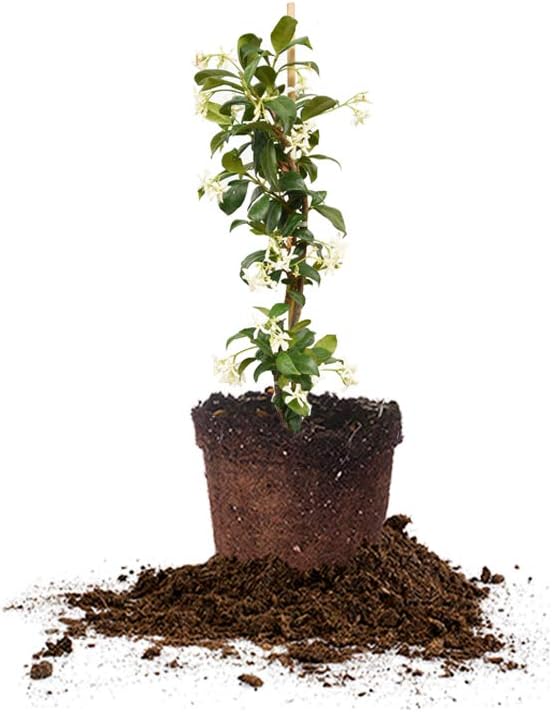
Perfect Plants Confederate Jasmine Live Plant, 1 Gallon
| Indoor Outdoor Usage | Outdoor |
|---|---|
| Other Special Features of the Product | Fragrant |
| Expected Blooming Period | Summer, Spring |
| Sunlight Exposure | Full Sun, Partial Shade |
| USDA Hardiness Zone | 4 |
This 1-gallon Confederate jasmine arrives as a young vine that quickly establishes in sunny spots and rewards with heavily scented, pale pinwheel flowers in spring and summer. Growers typically train it on a trellis, fence, hanging basket with support, or along railings; the vine is noted for cascading lime-green foliage and responds well to light shaping with clips or garden wire. Notable features from the listing include suitability for full sun to partial shade, moderate watering needs, and USDA hardiness to zone 4, which means it can persist in a wide range of climates when planted in appropriate sites. As a live plant it is straightforward to plant in loam-based soils and is described as easy to grow and maintain. Limitations to consider are that this is a young, single-plant offering so it will take time to reach its mature height and spread, and it requires support and periodic pruning to control vigor if used in baskets or confined containers. Also it does not ship to certain states according to the product notes.
Best for: Buyers who want an easy-care, fragrant climbing vine to add scent and cascading foliage to sunny baskets or supported containers and who value proven plant performance backed by customer feedback.
Less Ideal for: Gardeners seeking an instant full basket display or a no-maintenance groundcover should look elsewhere, as this vine needs time, training, and occasional pruning to fill space.
- Fragrant spring and summer blooms that add strong scent to outdoor spaces
- Tolerates full sun to partial shade making placement flexible
- Described as easy to grow which suits novice gardeners
- Hardy to USDA zone 4 so adaptable across many climates
- Sold as a single 1-gallon plant so it needs time and space to reach full coverage
- Requires a trellis or support and pruning to train and control growth
Verdict: A fragrant, easy-to-grow jasmine vine ideal for gardeners who want a proven, sun-tolerant climber to add scent and cascading foliage to hanging baskets and supported containers.
PERFECT PLANTS Frostproof Gardenia Live Plant, 1 Gallon

| Indoor Outdoor Usage | Outdoor |
|---|---|
| Other Special Features of the Product | Deer Resistant, Fragrant |
| Expected Blooming Period | Summer |
| Sunlight Exposure | Full Sun, Partial Shade |
| Expected Planting Period | Spring |
This 1-gallon Frostproof gardenia is a compact, fragrant shrub intended for outdoor landscape use. It arrives as a live plant with a recommended mature height around 5 feet and is typically planted in mulch beds, as a low hedge, or as an accent near entries where its scent can be enjoyed. Notable features include deer resistance, a history of reliable spring and summer blooms, and included easy-to-use plant food for a simpler start. The plant prefers full sun to partial shade, so it will tolerate some shaded locations but performs best where it receives several hours of direct light. Practical benefits for a cautious buyer are straightforward care, minimal pruning to maintain shape, and an aromatic presence that enhances small gardens or patios. Limitations are that it is sold as a 1-gallon specimen so it will need time to reach mature size, and the product text notes shipping exclusions to a few states which affects availability for some buyers.
Best for: Buyers who want an easy-care, scented shrub for a small garden or patio and prefer reliable, low-maintenance plants that establish steadily rather than instant large specimens.
Less Ideal for: Gardeners seeking an immediate tall screening hedge or a plant for deep, full shade should consider alternative species better suited to dense shade or instant privacy needs.
- Fragrant white blooms that enhance outdoor seating areas during spring and summer
- Deer resistant variety reduces need for protective measures in deer-prone yards
- Includes plant food to simplify initial establishment
- Tolerates partial shade, allowing placement in spots without full sun all day
- Sold as a small 1-gallon plant so it requires time to reach mature size
- Per product notes it does not ship to certain states which limits access for some buyers
Verdict: Choose this gardenia if you want a low-maintenance, fragrant shrub that tolerates some shade and adds seasonal white blooms to small outdoor spaces.
Groundio Moss Rose (Portulaca grandiflora) Mixed-Color Seeds, 23,500 Count

| Unit Count | 23500 Count |
|---|---|
| Expected Blooming Period | Summer to Fall |
| Sunlight Exposure | Full Sun |
| Material Features | GMO Free, Heirloom |
| Other Special Features of the Product | High Germination Rate |
These Groundio moss rose seeds supply a huge quantity of Portulaca grandiflora seed for quickly establishing a colorful carpet of low annual flowers. They are intended to be surface-sown in well-drained soil and will germinate quickly in warm temperatures, producing double-petaled blooms in mixed pinks, reds, yellows, oranges, whites, and purples from summer into fall. Key useful traits are high reported germination, non-GMO heirloom seed, and strong tolerance for heat and drought, which makes them easy to use in pots, hanging baskets, rock gardens, and dry sunny beds. Practical benefits include very broad coverage from one packet, minimal watering needs once established, and simple sowing that does not require a green thumb. Limitations are that the seed mix is aimed at full sun and well-drained soils only, so performance will drop in shadier or waterlogged locations, and buyers who need precise spacing or single-color uniformity may prefer smaller, variety-specific packets instead of this mixed bulk offering.
Best for: Gardeners who want a low-maintenance, high-coverage annual to fill pots and sunny containers quickly without fuss, and who prioritize easy establishment and drought tolerance over precise variety control.
Less Ideal for: People planting in shade, consistently moist containers, or those seeking single-color displays or tight spacing control for formal designs should choose a different seed selection.
- Very large seed count (23,500) provides extensive coverage for pots and containers
- High reported germination for faster, more reliable establishment
- Heat and drought tolerant once established, suitable for hot sunny sites
- Non-GMO heirloom seed for traditional varieties and genetic consistency
- Designed for full sun and well-drained soil so not suitable for shady or wet conditions
- Mixed colors mean less control if you want a single color or uniform look
Verdict: If you need an easy, low-water annual to rapidly fill sunny pots and hanging baskets with nonstop summer color, this giant pack of moss rose seeds delivers simple, reliable results.
Chapel Hill Yellow Lantana (2.5" Pot)

| Indoor Outdoor Usage | Outdoor |
|---|---|
| Expected Blooming Period | July until hard frost |
| Sunlight Exposure | Full Sun |
| USDA Hardiness Zone | 7+ |
This Chapel Hill Yellow Lantana is a compact, sun-loving flowering plant sold ready-to-plant in a 2.5-inch pot. It is used as a border, massing, or porch container plant where it will get full sun and space to spread about 3 feet. Notable features include strong cold hardiness for a lantana that will re-emerge in spring in zone 7 and produce continuous yellow blooms from July until the first hard frost, and an ability to attract butterflies while resisting deer, rabbits, and groundhogs. Practical benefits for a porch are clear: bright, long-lasting color through summer and fall, pollinator activity, and low maintenance once established. Limitations are that it needs full sun to perform well and will act as an annual in colder zones; it also reaches a broad spread so it will need room in containers or should be pruned to keep it compact. Plants arrive small in a 2.5" pot which means an early-season transplant and some initial care are required for best results.
Best for: Good for porch or patio gardeners who want a low-cost, long-blooming, pollinator-friendly plant that thrives in full sun and offers reliable summer color.
Less Ideal for: Not the best choice for heavily shaded porches or gardeners who need very compact plants for tiny containers or rail boxes.
- Blooms from July until first hard frost for a long season of color
- Attracts butterflies and other pollinators
- Cold-hardy for a lantana and can behave as a perennial in zone 7
- Needs full sun and regular spacing to reach its best form
- Arrives in a small 2.5" pot and requires transplanting and early care
Verdict: Pick this lantana if you want an inexpensive, sun-loving porch plant that provides months of bright yellow blooms and attracts butterflies.
CitronellaKing Hesperaloe Red Yucca Plants (2 pack)

| USDA Hardiness Zone | 5-11 |
|---|---|
| Sunlight Exposure | Full Sun to Partial Shade |
| Expected Blooming Period | Spring, Summer, Fall |
| Soil Type | Well-Draining Soil |
| Moisture Needs | Moderate Watering |
These two Hesperaloe red yucca starter plants arrive ready to plant in nursery cubes and are meant to provide low-maintenance vertical interest in drought-tolerant landscapes. They form neat, arching rosettes of narrow foliage and send up tall coral-red flower spikes that attract pollinators through spring to fall. Use them in full sun to partial shade beds, rock gardens, or large containers on well-draining soil; water sparingly after establishment and keep the top inch of soil dry between waterings. Notable features include broad USDA hardiness (zones 5–11), evergreen foliage, and strong drought and cold tolerance, which reduce seasonal chores and replacement risk. As starter plants they require transplanting and some early-season attention to settle in, and they will take a season or two to reach the reported mature height and bloom potential. If you need instant, full-size impact you will need to supplement with larger specimens, but for reliable, low-effort long-term structure in low-water designs these are a practical choice.
Best for: Buyers who prioritize reliable, low-maintenance perennial plants for drought-tolerant landscapes and want long-term structural interest with minimal ongoing care.
Less Ideal for: Gardeners seeking immediate large specimens, instant screening, or plants for heavily shaded locations should consider alternatives.
- Drought-tolerant and cold-hardy across USDA zones 5–11 for dependable outdoor performance
- Evergreen, architectural foliage with tall coral-red flower spikes that attract hummingbirds
- Low maintenance once established and suited to xeriscapes, rock gardens, borders, and containers
- Arrives as ready-to-plant nursery cubes that simplify initial planting and establishment
- Starter size means several seasons of growth are needed to reach full height and spread
- Not a quick fix for instant privacy or immediate large-scale impact
Verdict: A dependable, low-care choice for adding architectural form and long-lasting coral-red blooms to drought-tolerant gardens and containers.
Southern Living Obsession Nandina Shrub (2 Gal)

| Sunlight Exposure | Full Sun to Part Shade |
|---|---|
| USDA Hardiness Zone | 6, 7, 8, 9, 10 |
| Moisture Needs | Moderate Watering |
| Expected Planting Period | Year Round |
The Southern Living Obsession Nandina is a 2-gallon evergreen shrub prized for intense red foliage that holds color through much of the year. It is marketed for outdoor beds and containers, and performs in full sun to part shade across USDA zones 6 to 10. Typical use is as an accent in mixed borders, a colorful container specimen on a patio, or a low hedge where a 3- to 4-foot mature height is acceptable. Practical benefits include low maintenance, deer resistance, and moderate water needs once established; the plant is described as organic and suited to loam soils with well-drained conditions. Limitations to consider are that it does not produce notable blossoms and requires routine watering while establishing; it will also reach about 48 inches, so plan placement or pruning accordingly. For container use, choose a generous pot and monitor soil moisture to keep foliage vibrant in hot, sunny sites.
Best for: Gardeners who want a low-maintenance, colorful evergreen for patio containers or small landscape accents and value year-round foliage interest.
Less Ideal for: People seeking a showy flowering shrub or those who need a very small dwarf variety for tight spaces should consider other options.
- Bright red evergreen foliage provides season-long color
- Suitable for containers or landscape beds thanks to compact mature size
- Tolerates full sun to part shade across USDA zones 6–10
- Low maintenance and described as deer resistant
- Does not produce significant blossoms for floral interest
- Requires consistent watering until established
Verdict: Choose this nandina when you want an easy-care, brightly colored evergreen that performs well in pots and small garden settings.
KVITER Mix Moss Rose (Portulaca grandiflora) Heirloom Flower Seeds — Double Moss Rose Mix

| Indoor Outdoor Usage | Outdoor |
|---|---|
| Other Special Features of the Product | Drought Tolerant, Growing Guide Included, High Germination Rate, Made in the USA |
| Expected Blooming Period | Late Spring to Fall |
| Sunlight Exposure | Full Sun |
| USDA Hardiness Zone | 2-12 |
KVITER Mix Moss Rose seeds provide a straightforward way to establish a low, flowering ground cover that blooms from late spring through fall. The packet contains heirloom, non-GMO seeds of Portulaca grandiflora selected for double, ruffled blooms in pinks, reds, yellows and oranges; the included growing guide and high germination rate make direct sowing into warm, well-drained soil simple. These plants thrive in full sun and minimal water, so they are ideal for hot, dry spots, rocky borders, edging and shallow containers where you want continuous pink and mixed-color flowers without much care. Expect compact succulent foliage that spreads to form a colorful mat and attracts pollinators. Limitations are that moss rose prefers sandy or loamy, very well-drained soils and will not do well in shade or waterlogged conditions, and the low height means it is decorative rather than structural. Seed mix variability means color distribution is not uniform, so the result is a blended, natural look rather than a single solid block of pink.
Best for: Gardeners who want an easy, low-maintenance flowering ground cover for sunny, dry areas and who prioritize continuous seasonal color with minimal watering.
Less Ideal for: People seeking tall or structural plants, dense single-color lawns of pink flowers, or gardeners with shady, poorly drained sites should look elsewhere.
- Heirloom non-GMO seeds with high stated germination for reliable sprouting
- Drought tolerant and thrives in full sun, suited to hot, dry sites
- Large unit count suitable for covering substantial ground or many containers
- Includes step-by-step growing guide to simplify direct sowing for beginners
- Performs poorly in shade or wet soils so site selection is important
- Seed mix produces a varied color blend rather than uniform pink-only coverage
Verdict: A simple, low-water choice to create a long-blooming, low pink-and-mix ground cover in hot sunny spots.
Choosing the Right Full Sun Porch Plants: Key Factors to Consider
Sun Exposure and Microclimate
Direct sun intensity on a porch varies with orientation and nearby reflective surfaces. South- and west-facing porches get more intense afternoon heat, which raises container temperatures and increases water loss. Consider how hot and how long direct sun lasts each day when selecting plants.
Microclimates created by siding, concrete, or metal railings can amplify heat or reflect light. Plants that handle full sun in a garden bed may still scorch in a black plastic pot on a sunny porch. Choose specimens rated for strong sun and tolerate heat spikes in containers.
Container Size and Root Volume
A plant's available root volume controls how much moisture and nutrient it can access between waterings. Larger containers buffer temperature swings and reduce how quickly soil dries, but they are heavier and take more potting mix. Small pots dry fast and require more frequent watering and attention.
Match the expected mature root spread and depth of the plant to a pot that offers sufficient soil. For plants with vigorous root systems choose wider and deeper containers; for compact or trailing species, medium pots often work. Factor in whether you will repot yearly or allow plants to remain root-bound for seasonal display.
Watering Needs and Drought Tolerance
Some sun-loving porch plants are drought tolerant once established and can withstand irregular watering, while others bloom heavily only with consistent moisture. Containers dry more rapidly than ground soil, so drought-tolerant choices reduce maintenance and stress during hot spells.
Think about your daily routine and willingness to water. If you travel or prefer low-maintenance displays, pick plants with good drought resistance and use well-draining potting mixes and mulches to slow evaporation.
Maintenance and Pruning Requirements
Different porch plants demand different levels of upkeep. Long-blooming annuals may require deadheading and fortnightly feeding to keep flowers abundant. Perennial or woody specimens may need seasonal pruning to retain shape and vigor.
Assess how much time you want to spend deadheading, trimming, fertilizing, or overwintering containers. If you prefer minimal chores, choose low-maintenance varieties and group them by shared care needs to simplify watering and feeding.
Cold Hardiness and Overwintering Strategy
Porch displays often include tender plants that are not hardy in colder climates. Decide whether you will treat containers as annuals, move them indoors for winter, or plant cold-hardy species that survive local winters with minimal protection.
Consider the logistics of moving heavy pots, available indoor light for overwintering, and whether you want to swap plants seasonally. Cold-hardy choices reduce winter storage work but may limit color or form options.
Pest Pressure and Disease Risk
Porches can concentrate pests like aphids, spider mites, and scale due to warm sheltered conditions and close plant spacing. Container-grown plants may also suffer root problems from overwatering or poor drainage.
Favor plants with reputations for pest resilience if you plan dense groupings or limited pest management. Use well-draining mixes and inspect foliage regularly to catch issues early before they spread through a porch display.
Matching Plant Habit to Porch Style
Choose plants whose growth habits complement your porch layout. Upright specimens work well against railings or beside doors, while trailing plants soften rail edges and spill attractively from hanging baskets. Compact mounding plants are ideal for small table-top pots.
Also think about scale. A large urn filled with a bold, architectural plant suits a wide porch, but it can overwhelm a narrow entry. Mixing habits for height and spill creates layered interest and better light capture across container groupings.
- Upright: good for flanking entries and creating structure
- Trailing: softens railings and hides pot rims
- Mounding: fits small spaces and tabletops
- Clumping or bushy: fills larger containers and provides background
Soil Mixes and Drainage Tips for Sunny Containers
Use a high-quality, well-draining potting mix designed for containers rather than garden soil. A light mix with organic matter and components that retain some moisture will protect roots from extreme temperature swings.
Ensure pots have adequate drainage holes and consider adding a layer of coarse material at the bottom only if it improves overall drainage. Avoid overcompaction when planting, and top-dress containers with a thin layer of mulch to slow evaporation.
- Choose mixes with perlite or coarse sand for better drainage
- Add slow-release fertilizer at planting for steady nutrition
- Use breathable containers like terracotta carefully-they dry faster but moderate temperature
Watering Strategies for Hot Porches
Establish a watering routine that matches pot size and plant needs. Morning waterings reduce heat stress and let foliage dry before evening. On very hot days, check soil moisture in the afternoon because small pots can go from moist to dry quickly.
Use self-watering containers or capillary mats if you need consistent moisture with less daily attention. Group pots with similar water needs together so you do not over- or under-water individual plants.
- Water when the top inch of soil feels dry for most sun-loving annuals
- Deep soak rather than light surface waterings to encourage healthy roots
- Consider water-retentive gels or granules for vacation periods
Color, Texture, and Seasonal Interest Planning
Plan your porch display with seasonal peaks in mind. Combine long-blooming plants for steady color with foliage-focused specimens that carry interest when flowers fade. Vary leaf textures and contrast leaf colors to increase visual appeal in strong sunlight.
Think about bloom timing so something is always in peak. Use taller plants as anchors and fill with mid-height bloomers and trailing edge plants for continuous layered displays.
- Pair bold flower colors with silvery or variegated foliage to reduce glare
- Mix long-blooming and seasonal peak performers for continuous color
- Use repetition of color or texture to unify the display
Protecting Plants From Extreme Heat Spikes
Even sun-tolerant species can struggle during extended heat waves. Provide temporary afternoon shade with a removable screen or moveable umbrella for the hottest hours if containers sit on reflective surfaces.
Refresh mulch, increase watering frequency, and check for signs of heat stress such as wilting or flower drop. Lightweight shade cloth can reduce leaf scorch without eliminating the sunny conditions these plants need.
- Provide temporary shade during heat waves
- Increase watering and watch for wilting or scorched leaves
- Use reflective pots sparingly to avoid additional heat load
How We Chose the Best Full Sun Porch Plants
We focused on plants that perform reliably in direct sun and the microclimates created by porches and patios. Criteria emphasized sun tolerance, container adaptability, drought resistance, seasonal flowering or foliage interest, and pest and disease resilience under porch conditions. We prioritized options that establish quickly in pots and tolerate common porch stressors such as heat buildup, reflected light, or occasional wind. Plants with clearly different maintenance levels were included so gardeners can pick by time commitment. We excluded species that require sheltered, shaded, or ground-only planting or that need frequent root disturbance or invasive root space. Sources included horticultural trait information, widely accepted culture practices, and gardener experience reports to identify robust, container-suited full-sun plants for porch use.
FAQ
Can I grow full sun plants in small pots on a narrow porch?
Yes, but choose compact or trailing varieties and use larger pots than you might expect for the plant's size class. More soil volume reduces watering frequency and heat stress. Grouping smaller pots can also create the illusion of a fuller display while allowing you to manage each plant's needs.
How often should I fertilize sun porch containers?
Most flowering container plants benefit from regular feeding during the active season. Use a balanced liquid feed every two to four weeks or a slow-release granular fertilizer at planting. Adjust frequency based on growth and bloom performance.
What is the best way to overwinter tender porch plants?
Options depend on plant hardiness and available space. You can move containers to a protected, bright indoor spot, treat them as annuals and replant each season, or transplant hardy specimens into the ground before the first hard freeze. Consider pot weight and available indoor light when deciding.
How do I prevent root rot in sunny porch containers?
Prevent root rot by using a well-draining potting mix, ensuring drainage holes are clear, and avoiding constant waterlogging. Water deeply but allow the top inch of soil to dry between waterings for most sun-loving plants. Elevating pots slightly helps drainage and airflow under containers.
Are there low-water full sun plants suitable for porches?
Yes, several sun-loving species are drought tolerant once established and perform well in containers with infrequent watering. Look for plants described as drought tolerant or Mediterranean in origin, and pair them with well-draining mixes to reduce irrigation needs.
Final Verdict
Pick full sun porch plants by matching their sun tolerance and root needs to your porch conditions and the containers you plan to use. Prioritize container performance, drought resistance, and the maintenance level you can commit to. Balance long-blooming choices with foliage interest and arrange pots by similar watering needs. With practical choices and proper potting and watering, you can create a resilient, colorful porch display that handles heat and bright sun with minimal stress.
