

Note: This article contains affiliate links. If you click on these links and make a purchase, I may earn a small commission at no extra cost to you. This helps support my research and content. Read my full affiliate disclosure here.
Picking the right fertilizer for holly trees changes how dense, green, and healthy those evergreens look through the season. Hollies need steady, acid-friendly nutrition rather than quick bursts of soluble fertilizer, so the choice you make affects leaf color, berry set, and branch strength over months and years. This guide covers our six top picks for fertilizing hollies and explains the practical differences in nutrient formulas, release patterns, and application timing. Use the shortlist and evaluation notes below to match a product to your planting site, soil acidity, and maintenance rhythm.
Top Picks at a Glance
| Best Overall The best all-around choice for most situations | Espoma Holly-Tone Organic Fertilizer, 50 lb Bag |  |
| Best Quality Built to a higher standard if you want something more solid | Espoma Holly-Tone Organic 4-3-4 Fertilizer for Acid-Loving Plants, 36 lb Bag |  |
| Best Value The sweet spot between price and what you get | Espoma Organic Holly-Tone 4-3-4 Evergreen & Acid-Loving Plant Food, 4 lb. Bag (Pack of 2) |  |
| Best Budget The cheapest option that still gets the job done reliably | The Old Farmer's Almanac Natural Tree and Shrub Fertilizer Spikes (6-Count) |  |
| Highest Rated A top-rated pick with lots of positive feedback | TreeHelp Premium Holly Liquid Fertilizer |  |
| Most Popular A crowd favorite that many people choose with confidence | Miracle-Gro Tree & Shrub Plant Food Spikes, 12 Spikes |  |
Espoma Holly-Tone Organic Fertilizer, 50 lb Bag

| Item Form | Granules |
|---|---|
| Specific Uses For Product | Organic Plant Food – fertilizer |
| Coverage | 50 |
| Target Species | acid-loving plants |
| Mixing Ratio | No Mixing Required |
Espoma Holly-Tone is a long-standing organic granular fertilizer designed specifically for acid-loving shrubs and berries. It is typically applied in spring and fall around the drip line and watered in, with no mixing required. The 4-3-4 analysis and added sulfur make it suitable for maintaining the low soil pH many hollies and azaleas prefer while releasing nutrients slowly through natural organics and Espoma’s Bio-tone inoculant. Practical benefits include steady feeding that supports blooms and evergreen foliage and broad suitability across rhododendrons, hydrangeas, camellias and blueberries. The 50 lb bag covers a large area, which is convenient for established plantings but may be bulky for small yards. As an organic product, it breaks down gradually rather than giving a fast chemical boost, so results build over weeks rather than days. Users who want a precise, quick corrective soil treatment or a lightweight product for container plants may find this less convenient than concentrated water-soluble options.
Best for: Home gardeners who prefer proven organic products and want a low-maintenance, slow-release fertilizer for established acid-loving shrubs and berry plants.
Less Ideal for: Gardeners needing rapid, short-term nutrient correction or those who primarily grow small container plants where a lightweight, concentrated fertilizer is more practical.
- Formulated specifically for acid-loving plants so it matches hollies and azaleas needs
- Organic granular formula with Bio-tone for slow, steady nutrient release
- Ready to use with no mixing required makes application straightforward
- Large 50 lb bag provides coverage for multiple shrubs or a sizable planting bed
- Large bag is heavy and may be awkward for gardeners with limited storage or mobility
- Slow-release organic action does not provide immediate correction for acute nutrient deficiencies
Verdict: Choose Holly-Tone when you want a trusted organic, slow-release fertilizer tailored to hollies and other acid-loving shrubs.
Espoma Holly-Tone Organic 4-3-4 Fertilizer for Acid-Loving Plants, 36 lb Bag

| Item Form | Granules |
|---|---|
| Specific Uses For Product | Acid-loving plants |
| Application Method | Sprinkle around the drip line and water thoroughly |
| Coverage | Acid-loving plants (hollies, azaleas, camellias, evergreens, dogwoods, rhododendrons) |
Espoma Holly-Tone is an organic, granular plant food designed specifically for acid-loving plants and evergreens. You apply it by sprinkling around the drip line and watering it in, typically in spring and fall for flowering and evergreen shrubs; it is also recommended for blueberries and other acid-preferring species. The 4-3-4 NPK formulation with added sulfur and Bio-tone microbes provides a steady nutrient release that supports leaf color and flowering while improving soil biology over time. Because it is organic and approved for organic gardening, it suits gardeners who prefer natural inputs and want to avoid synthetic quick-release fertilizers. The product comes ready to use with no mixing required and covers multiple shrubs per bag, making it practical for yards and small landscapes. Limitations are that results build gradually rather than immediately and the large 36 lb bag may be bulky to handle for some users; detailed application rates by plant size are not provided on the product page, so careful dosing is needed to avoid over-application.
Best for: Gardeners who want a reliable, organic fertilizer for hollies, rhododendrons and other evergreens and prefer steady feeding and improved soil biology over instant results.
Less Ideal for: People who need fast, visible green-up within days or who only have tiny container plants where a smaller, more concentrated product would be easier to manage.
- Formulated specifically for acid-loving plants and broad evergreen coverage
- Organic granular formula with Bio-tone microbes supports soil health
- Slow-release nutrients provide longer-lasting feeding than quick-release products
- Ready-to-use granules require no mixing and are easy to apply around the drip line
- Large 36 lb bag can be heavy and awkward to handle for one person
- Nutrient uptake is gradual so visible improvement may take time
Verdict: Choose Espoma Holly-Tone when you want an organic, slow-release fertilizer tailored to acid-loving evergreens that improves plant health and soil life over time.
Espoma Organic Holly-Tone 4-3-4 Evergreen & Acid-Loving Plant Food, 4 lb. Bag (Pack of 2)

| Item Form | Powder |
|---|---|
| Specific Uses For Product | Organic,Plant Food |
| Application Method | Sprinkle over the root zone and water in |
| Coverage | Medium |
| Target Species | Acid-loving Plants |
Espoma Holly-Tone is a ready-to-use organic fertilizer made for acid-loving plants such as blueberries and raspberries. Supplied as a powder/granular form with an N-P-K of 4-3-4 and added sulfur, it is intended to be sprinkled around the root zone and watered in, providing a slow-release nutrient reservoir that supports blooms and fruiting over the growing season. Its organic ingredients and Bio-tone inoculant are designed to feed plants while improving soil biology, which suits gardeners who prefer low-chemical approaches. Practical benefits include simple application with no mixing, suitability for spring and fall feedings, and certification for organic gardening. Limitations are that it delivers modest nutrient levels per application, so heavy-feeding situations may need more frequent use or supplementary fertilizer, and the medium coverage means larger plantings require multiple bags. For cautious gardeners wanting predictable, organic nutrition for blueberries and raspberries, Holly-Tone offers a reliable, low-risk option that integrates easily into standard care routines.
Best for: Gardeners who prioritize organic, low-risk feeding for acid-loving fruit shrubs and want a simple, no-mix fertilizer to maintain soil health and steady fruiting.
Less Ideal for: Growers managing large commercial patches or plants that need high immediate nutrient boosts should consider higher-analysis or concentrated products instead.
- Organic formula with Bio-tone to support soil biology and gradual nutrient release
- Formulated specifically for acid-loving plants like blueberries and raspberries
- Ready-to-use granular powder that requires no mixing and is simple to apply
- Contains sulfur to help maintain acidic soil conditions favored by target plants
- Low N-P-K ratio means heavier feeders may need additional applications or supplements
- Medium coverage requires multiple bags for larger patches or rows
Verdict: A dependable organic, ready-to-use fertilizer that makes feeding blueberries and raspberries simple while supporting soil biology.
The Old Farmer's Almanac Natural Tree and Shrub Fertilizer Spikes (6-Count)

| Item Form | Sticks |
|---|---|
| Application Method | Drive into soil |
| Target Species | trees, evergreens and shrubs |
| Mixing Ratio | 13:3:3 |
These TruSpikes are solid fertilizer sticks intended for easy, low-maintenance feeding of trees and shrubs. You drive the spikes into the soil around the dripline and water them in; the spike slowly releases nutrients targeted for plant growth. The product lists a 13-3-3 mixing ratio and ingredients such as corn gluten meal and ammonium phosphate, which provide a boost of nitrogen with potassium and phosphorus. Application guidance is straightforward: place spikes in a circle along the dripline, avoid placing closer than 30 inches to the trunk, and follow per-inch or per-height recommendations so you do not over-apply. The main benefits are convenience and a measured slow-release feed that reduces the need for frequent granular applications. Limitations are that spikes deliver nutrients locally where inserted so placement matters for deep-rooted or newly transplanted cypress, and the fixed nutrient ratio may not match every soil test or seasonal need. This product is best used as part of a regular annual feeding routine rather than for correcting severe deficiencies quickly.
Best for: Buyers who want a reliable, low-maintenance feeding schedule for established cypress and other landscape trees and prefer a measured slow-release option over frequent granular or liquid applications.
Less Ideal for: Gardeners needing a customized nutrient program based on soil tests or rapid correction of nutrient deficiencies should consider soluble fertilizers or professional soil amendments instead.
- Simple, low-effort application that minimizes measuring and mixing
- Slow-release formulation provides steady nutrients over time
- Clear application instructions for spacing and placement tied to plant size
- Formulated specifically for trees, evergreens, and shrubs so guidance matches typical landscape use
- Fixed N-P-K ratio means it may not correct specific soil deficiencies
- Nutrient delivery is localized to spike placement and may not reach all root zones
Verdict: Use these spikes when you want a simple, dependable slow-release fertilizer to keep mature cypress healthy with minimal effort.
TreeHelp Premium Holly Liquid Fertilizer
| Item Form | Liquid |
|---|---|
| Specific Uses For Product | Root Development |
| Coverage | Full |
| Target Species | Holly |
| Unit Count | 52.9 Ounce |
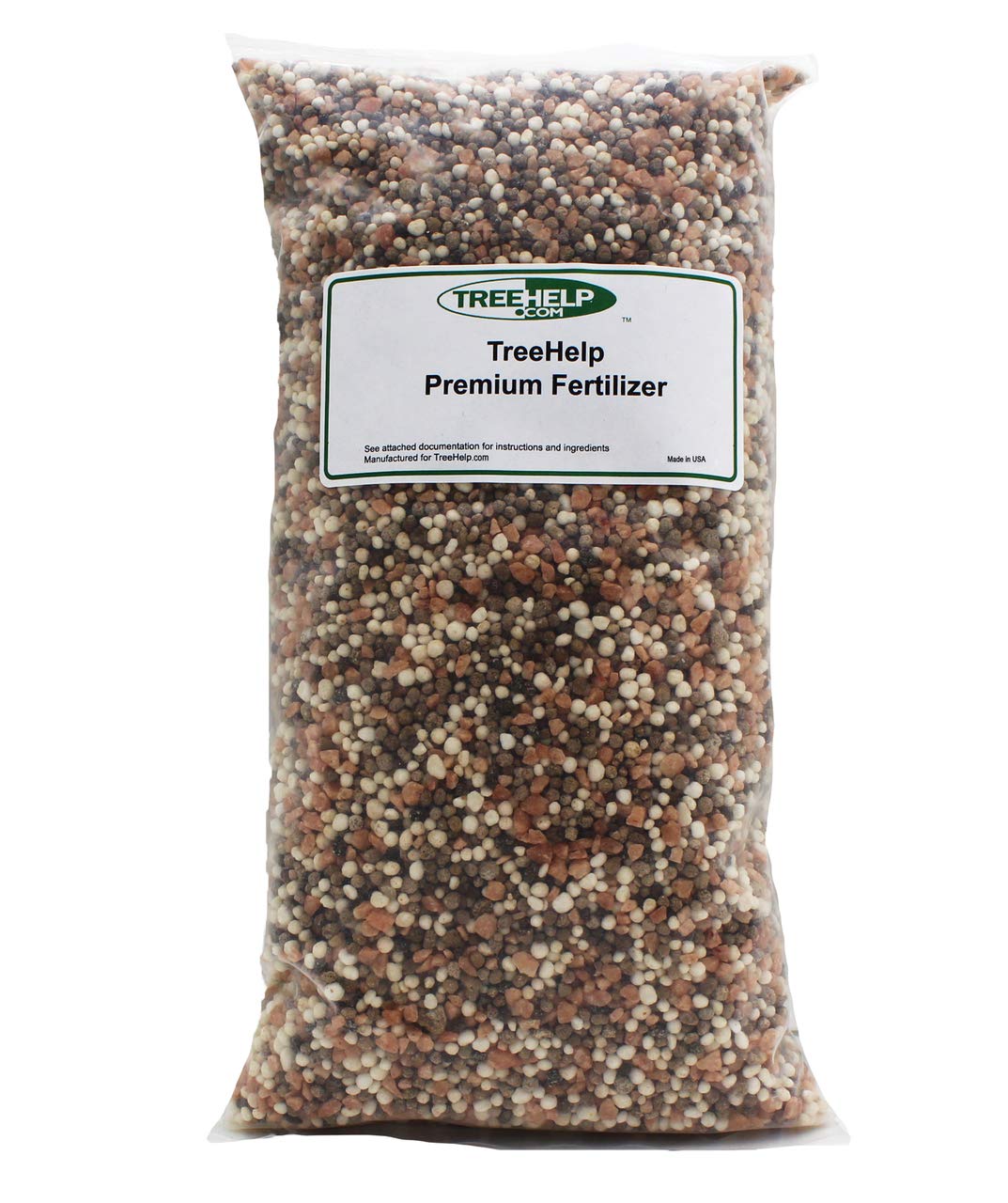
This TreeHelp liquid fertilizer is made for holly and is designed to improve root development while providing slow-release nitrogen through the growing season. It is typically mixed per the included directions and applied to the root zone of one large holly or several smaller or newly planted hollies. The product’s liquid form and specified mixing ratio make it easy to measure and apply, and the formula emphasizes sustained feeding rather than a quick burst. Practical benefits include targeted use for hollies, clear directions for treating a single large tree or multiple smaller shrubs, and a concentration that supports establishment and long-term vigor. Important limitations are that the product is specialized for hollies so it is not a multi-purpose shrub fertilizer, and safety precautions such as gloves and eyewear are recommended during handling. Also it is not available for sale in Washington state according to the packaging notice.
Best for: Gardeners who want a reliable, plant-specific fertilizer to establish and maintain holly bushes and who prioritize predictable, season-long feeding.
Less Ideal for: Buyers seeking a broad-spectrum fertilizer for mixed shrub beds or those who prefer granular or organic-only products should consider alternatives.
- Formulated specifically for holly to support root development
- Liquid concentrate with a clear mixing ratio for accurate application
- Slow-release nitrogen for sustained feeding through the growing season
- Directions provided to treat one large tree or multiple smaller/newly planted shrubs
- Specialized formula limits use to holly rather than a general-purpose shrub fertilizer
- Contains handling precautions and requires protective gear during application
Verdict: If you want a straightforward, holly-specific liquid fertilizer that encourages strong roots and steady nitrogen feeding, this product delivers dependable, season-long support.
Miracle-Gro Tree & Shrub Plant Food Spikes, 12 Spikes

| NPK | 15-5-10 |
|---|---|
| Coverage | 12 spikes per season |
| Target Species | trees, shrubs, evergreens and acid-loving plants |
| Application Method | Place spikes around the tree's drip line |
These Miracle-Gro Tree & Shrub Plant Food Spikes are pre-measured sticks that deliver slow-release nutrition directly to the root zone of trees and shrubs. They are typically used by watering the soil around the drip line, spacing spikes around the drip line at least 3 feet apart, and driving them into the ground so they sit below the soil surface. The 15-5-10 NPK mix supplies a higher proportion of nitrogen for foliage with phosphorus and potassium to support root and overall plant health, and the package contains 12 spikes intended for seasonal feedings. Practical benefits include simple, low-effort applications for established cherry trees where precise granular spreading is inconvenient, and the spikes help localize nutrients to the root zone rather than blanket-feeding the whole bed. Limitations are that they are designed for early spring and mid-fall use only, so they do not replace a tailored feeding schedule for trees needing summer supplements, and they require firm soil for insertion which can be difficult in very compacted or rocky sites. The product is best as an easy seasonal maintenance feed rather than an intensive corrective treatment.
Best for: Gardeners who want a low-effort, dependable seasonal feed for established flowering trees and shrubs and prefer an application that targets the root zone without granular spreading.
Less Ideal for: People needing aggressive summer corrections, quick nutrient fixes, or those working on newly planted trees that require a different feeding routine.
- Slow-release formula delivers nutrients directly to the root zone
- Pre-measured spikes make application simple and low-mess
- NPK 15-5-10 supports foliage color and overall tree vigor
- Includes 12 spikes, enough for multiple small trees or one larger drip line
- Intended for two seasonal applications only and not for summer feeding needs
- Can be hard to install in very rocky or compacted soils
Verdict: A simple, targeted seasonal feeding option that makes it easy to maintain vibrant foliage on established flowering trees with minimal effort.
Choosing the Right Fertilizer for Holly Trees: Key Factors to Consider
Nutrient Ratio and Micronutrients
The N-P-K ratio determines how a holly uses food for leaf growth, root development, and overall vigor. Hollies often benefit from moderate nitrogen to support evergreen leaf production without forcing overly rapid, weak shoots. Potassium helps winter hardiness and overall stress tolerance, while phosphorus supports root establishment for younger trees.
Micronutrients matter because hollies can show iron or manganese deficiency as yellowing between veins. A fertilizer that lists chelated iron or available manganese can prevent or correct that problem without repeated soil amendments. When comparing products, look for clearly labeled micronutrient contents and forms that are plant-available.
Release Type and Timing
How a fertilizer releases nutrients affects growth rhythm and risk of burn. Slow-release granular formulas and controlled-release prills supply steady nutrition over months, which suits hollies that prefer gradual feeding. Soluble or water-soluble fertilizers deliver quick correction and are useful for addressing visible deficiencies or for feeding container-grown specimens.
Consider timing as well. A spring application that supports new growth and a mid-summer top-up for persistent feeders can be effective. Avoid late-season high-nitrogen applications that promote late tender growth vulnerable to winter damage.
Soil pH and Acid Preference
Hollies prefer slightly acidic soils, and some fertilizers help maintain or lower pH around the root zone. Products labeled for acid-loving shrubs or containing sulfur-containing amendments can improve nutrient availability for hollies. Conversely, neutral-to-alkaline soils can cause micronutrient lockup even when total nutrients are adequate.
If your soil tends alkaline, choose a fertilizer that includes chelated micronutrients or plan to correct pH separately. Testing soil pH before selecting a fertilizer ensures you pick a formula that will actually deliver nutrients in a form the holly can take up.
Application Method and Ease
Different formats-granules, spikes, water-soluble powders, or liquids-fit different gardener needs. Granules spread around the drip line are simple for landscape trees and provide steady feeding. Spikes are tidy and low-labor for small numbers of trees but may not distribute nutrients evenly in larger root zones. Soluble feeds allow quick uptake for container or recently transplanted hollies.
Consider how often you want to apply fertilizer, whether you have access to irrigation for soluble feeds, and whether you prefer a low-maintenance option. Clear labeling for application rates and safety reduces the risk of overfeeding.
Plant Age and Size
Young hollies and newly planted specimens need fertilizer formulations that support root development and steady establishment rather than rapid top growth. A balanced or root-focused nutrient mix helps new plantings flourish without burning fine feeder roots.
Mature landscape hollies require less frequent feeding and benefit from maintenance-style formulas that preserve leaf color and berry production. Adjust rates and application frequency by age and canopy size rather than treating all hollies the same.
Environmental and Safety Considerations
Runoff and nutrient leaching can harm nearby planting beds and water features, so choose fertilizers with controlled-release properties when possible. Granular slow-release products reduce immediate nutrient loss after rain compared with high-solubility feeds. Observe label recommendations for buffer zones near water and avoid applying before heavy rain.
Safety for pets and children varies by formulation and added ingredients. Look for clear safety instructions and consider soluble feeds only if you can control access during and immediately after application.
When to Fertilize Holly Trees
Timing matters more than frequency for hollies. The best window is early spring as new growth begins, with an optional light follow-up in early summer if the tree shows slow growth or pale leaves. Avoid late-season feeding that encourages new shoots going into fall, which can be damaged by frost.
For container-grown hollies, follow a gentler schedule with smaller, more frequent feeds because pots drain faster and nutrients are used up sooner.
- Spring feeding supports leaf flush and berry development
- Early summer top-up corrects lingering deficiencies
- Do not fertilize late in the growing season
How to Apply Granular and Spike Fertilizers
Spread granular fertilizer evenly beneath the drip line rather than against the trunk. Lightly work granules into the topsoil or cover with mulch to reduce runoff. Use the labeled rate scaled to canopy or root spread rather than a per-tree flat amount.
For spikes, place them evenly around the root zone at the recommended spacing and depth. Spikes are low-mess but can concentrate nutrients if placed too close to the trunk, so follow directions carefully.
- Measure canopy spread to estimate application area
- Keep fertilizer away from direct trunk contact
- Water after applying soluble feeds to move nutrients into the root zone
Correcting Leaf Yellowing and Iron Chlorosis
Yellowing between leaf veins often indicates iron deficiency, common in hollies grown in high-pH soils. A fertilizer with chelated iron or a foliar iron treatment can quickly improve leaf color. For persistent problems, address soil pH as well, since lowering pH improves long-term iron availability.
Use foliar applications for fast results on young leaves, but pair them with a long-term soil strategy such as acidifying amendments or slow-release iron-containing fertilizers for lasting correction.
- Foliar iron gives rapid color improvement
- Soil pH adjustment yields longer-term benefits
- Combine short-term and long-term treatments for persistent chlorosis
Fertilizing Hollies in Containers Vs In-Ground
Container hollies use nutrients faster and need milder, more frequent feeding. Water-soluble formulations or lower-rate slow-release granules designed for pots work well. Flush containers once a year to prevent salt buildup from frequent soluble feeds.
In-ground hollies can get away with fewer applications and benefit from organic mulches and compost that slowly release nutrients while improving soil structure. Match the fertilizer format to where the holly grows and to the gardener's maintenance capacity.
- Containers: more frequent, lower-dose feeding
- In-ground: fewer applications and supplemental organic matter
- Monitor runoff and drainage in both setups
Organic Options and Soil-Building Alternatives
Organic fertilizers and composts release nutrients more slowly and build soil structure, which benefits hollies over time. Products like composted manure, well-aged leaf mold, and balanced organic blends add micronutrients and improve moisture retention.
If you prefer organic approaches, plan for gradual improvement rather than instant color change. Combining organic soil building with occasional targeted mineral feeds for iron or other deficiencies provides a practical hybrid approach.
- Organics improve long-term soil health
- Expect slower visual changes than with soluble mineral feeds
- Use targeted mineral supplements when organic amendments do not correct specific deficiencies
How We Chose the Best Fertilizer for Holly Trees
We focused on the fertilizer attributes that actually affect holly tree health and ornamental value. Primary criteria included nutrient ratio and micronutrient content, because hollies need an appropriate balance of nitrogen, phosphorus, and potassium plus iron and manganese to keep leaves green and reduce chlorosis. Release type was another core filter; slow-release and timed-release formulas reduce burn risk and support steady growth, while soluble options are useful for targeted corrections. Soil compatibility and acidity impact effectiveness, so we prioritized products that perform well in slightly acidic to neutral soils common to hollies. Application ease and packaging size matter for landscape and backyard gardeners, so we favored options with clear directions and manageable granule or spike formats. Finally, read patterns of gardener feedback and manufacturer guidance for safety and environmental handling. We excluded products that are purely high-phosphorus bloom fertilizers or specialized turf blends not formulated for acid-loving shrubs. We also filtered out fertilizers without clear N-P-K labeling or those lacking micronutrient listings. The resulting shortlist emphasizes balanced nutrition, appropriate release behavior, compatibility with holly soil pH, straightforward application, and safety guidance.
FAQ
How often should I fertilize established holly trees?
Established hollies usually need feeding once in early spring and only occasionally afterward. Depending on the product, a single slow-release application can last the season. Adjust based on growth, leaf color, and soil test results.
Can I use general-purpose shrub fertilizer on hollies?
General shrub fertilizers can work if they offer a balanced N-P-K and include micronutrients. Prefer products labeled for acid-loving shrubs or those that include chelated iron if your soil is prone to chlorosis.
Will high-nitrogen fertilizer make my holly grow faster?
High nitrogen does promote leafy growth but can create soft, tender shoots that are more susceptible to winter damage. For hollies, moderate nitrogen with balanced nutrients is safer for long-term structure and berry production.
How do I treat iron chlorosis in hollies quickly?
A foliar spray containing chelated iron provides the fastest visual improvement. For lasting results, combine foliar treatment with soil amendments or a fertilizer that supplies plant-available iron, and check soil pH.
Are organic fertilizers good enough for hollies?
Organic fertilizers are effective for long-term health and soil building but act more slowly. Use organics for steady maintenance and add targeted mineral supplements if rapid correction of deficiencies is needed.
When is the worst time to fertilize hollies?
Avoid fertilizing late in the season or just before expected freezes. Late nitrogen encourages new growth that may not harden off before winter, increasing the risk of dieback.
Final Verdict
Choose a fertilizer that matches your holly's soil conditions and your maintenance rhythm. Prioritize balanced N-P-K with chelated micronutrients if iron deficiency is a concern, and select a release type that fits how often you want to apply. For long-term health, combine appropriate fertilization with soil building and proper timing. With those tradeoffs in mind, you can confidently pick a formula that keeps hollies green, vigorous, and well structured.
