

Note: This article contains affiliate links. If you click on these links and make a purchase, I may earn a small commission at no extra cost to you. This helps support my research and content. Read my full affiliate disclosure here.
Growing fruit in pots is a practical way to get fresh produce when space is limited. Potted fruit plants let you control soil, move specimens for sun or frost protection, and fit productive specimens on patios, balconies, and small yards. This guide shortlists the best options for container culture and explains practical tradeoffs like pot size, pruning needs, winter hardiness, and pollination. Below are our top picks for fruit plants that thrive in containers, followed by clear criteria for choosing the right plant for your spot and routine.
Top Picks at a Glance
| Best Overall The best all-around choice for most situations | PERFECT PLANTS Tifblue Blueberry Bush, 1 Gallon |  |
| Best Quality Built to a higher standard if you want something more solid | DMOH Dwarf Avocado Tree Live Plant, 3 ft Tall in 3 Gallon Pot |  |
| Best Value The sweet spot between price and what you get | Bonnie Plants Strawberry Live Plants, 4-Pack |  |
| Best Budget The cheapest option that still gets the job done reliably | Mixrug Dwarf Orange Seeds (15 Count) — Non-GMO Heirloom |  |
| Highest Rated A top-rated pick with lots of positive feedback | UIOTER Pink Guava Live Plant (5–7 inch) |  |
| Most Popular A crowd favorite that many people choose with confidence | PERFECT PLANTS Chicago Hardy Fig Tree, 3 Gallon, Live Plant |  |
| Best Seller A high-volume bestseller chosen again and again | Hello Organics Dwarf Cavendish Banana Plants (4-pack) |  |
PERFECT PLANTS Tifblue Blueberry Bush, 1 Gallon

| Sunlight Exposure | Full Sun |
|---|---|
| USDA Hardiness Zone | 3 |
| Moisture Needs | Moderate Watering |
| Plant or Animal Product Type | Fruit |
The Tifblue blueberry bush arrives as a one-gallon live plant intended for sunlit spots and moderate watering. In practice it is used as a landscape shrub or in large containers where it can get full sun; it blooms pink to white flowers in spring and sets a heavy crop of tart-to-sweet blueberries in June and July when another compatible variety is nearby for pollination. Notable features from the listing include USDA hardiness to zone 3 and a reputation for high yields, plus included blueberry food to help establishment. In a pot, regular watering, acidic potting mix, and periodic pruning will keep the plant manageable and productive; mature plants respond well to pruning if you want to limit height. Limitations to consider are that the plant will need a pollinator partner to fruit well and will eventually reach several feet in size, so pick a sufficiently large container and plan for seasonal care. It also cannot be shipped to certain states due to restrictions.
Best for: Buyers who want a proven, productive blueberry variety for a sunny container or small-space orchard and who prefer plants with established performance and reviews to reduce risk.
Less Ideal for: Gardeners who need a permanently compact or very small plant for tiny balconies or who cannot provide a pollinator variety nearby.
- Suitable for full sun and a wide USDA hardiness range down to zone 3
- Described as a heavy producer with juicy summer berries
- Responds well to pruning, so height and shape can be controlled
- Includes blueberry food to help establishment from the one-gallon size
- Requires a compatible second variety nearby for reliable fruit set
- Mature plants can become several feet tall and wide, needing a large container and regular maintenance
Verdict: A reliable, high-yielding blueberry bush for sunny containers or small yards when paired with a pollinator.
DMOH Dwarf Avocado Tree Live Plant, 3 ft Tall in 3 Gallon Pot

| Sunlight Exposure | Full Sun |
|---|---|
| Moisture Needs | Moderate Watering |
| Hardiness | USDA Zones 9–11 |
| Container | 3 Gallon Pot |
This DMOH dwarf avocado arrives potted and ready to grow, marketed at roughly 3 feet tall and intended for container or garden planting. It is a compact variety that matures to about 4–6 feet, so it is practical for patios, balconies, and small yards where a full-size avocado would be unwieldy. The tree prefers full sun, well drained soil, and moderate watering, and is rated hardy in USDA zones 9–11; with enough light it can also be kept indoors in cooler climates. For buyers who want fruit from a potted tree, the dwarf habit and 3 gallon container make initial placement and routine maintenance straightforward. Expect a few seasons before reliable fruiting depending on local climate and care. Limitations include the climate restriction to warmer zones for outdoor success and the need for regular watering and sunlight to perform well in containers.
Best for: Gardeners who want to grow a productive fruit tree in a container or limited-space landscape and who prioritize compact, manageable plants that still yield fruit.
Less Ideal for: People in cold climates who cannot provide year-round warmth or strong supplemental light, or buyers seeking an instant harvest-ready plant.
- Dwarf growth habit suitable for pots, patios, and small yards
- Shipped in a 3 gallon pot ready for immediate planting or placement
- Requires only moderate watering and thrives in full sun for straightforward care
- Can be grown indoors in cooler climates if provided sufficient light
- Hardy only in USDA zones 9–11, so outdoor fruiting is limited in cooler regions
- May take multiple seasons to produce reliable fruit
Verdict: Choose this dwarf avocado when you need a space-saving, container-friendly fruit tree that can produce avocados without the footprint of a full-size tree.
Bonnie Plants Strawberry Live Plants, 4-Pack

| Sunlight Exposure | Full Sun |
|---|---|
| Expected Planting Period | Winter,Spring |
| USDA Hardiness Zone | 5 |
| Moisture Needs | Regular Watering |
| Unit Count | 4 Count |
These Bonnie strawberry plants arrive as ready-to-plant live starts designed for outdoor containers or garden beds. Each pack contains four plants that prefer full sun, loam or well-drained soil, and regular watering; they reach about 8 to 10 inches tall and begin producing sweet, red berries that are good fresh, in desserts, or preserved. Typical use is planting them in pots, hanging baskets, or sunny patio boxes where you can easily harvest the fruit and enjoy the ornamental flowers and foliage. Because the plants are perennial in zones 5 to 9, a single planting can yield fruit across seasons with basic care and occasional feeding. Notable features from the brand include size suited to container culture and clear care guidance encouraging consistent moisture and feeding for best yields. Limitations to expect are the need for regular water and well-drained soil to avoid rot, and variable productivity depending on local climate and pollination; these are live plants so you should plant them promptly and monitor for pests and transplant stress after shipping.
Best for: Gardeners who want an easy container-friendly strawberry to plant on a sunny patio or balcony and prefer a low-effort perennial that yields fresh fruit with routine care.
Less Ideal for: People who want instant supermarket quantities or a no-maintenance edible; those in colder zones below 5 or who cannot provide regular watering should consider alternative crops.
- Ready-to-plant live starts cut time to first harvest compared with seed
- Compact mature height fits well in pots, balcony boxes, and small garden spaces
- Suitable for USDA zones 5–9 so plants behave as perennials in many climates
- Attractive flowers and foliage add ornamental value in addition to fruit
- Requires consistent moisture and well-drained soil to prevent root problems
- Productivity depends on local conditions so yields may vary
Verdict: A practical four-pack of container-friendly strawberry plants that makes growing fresh, sweet berries on a sunny patio simple for gardeners seeking reliable perennial plants.
Mixrug Dwarf Orange Seeds (15 Count) — Non-GMO Heirloom

| Unit Count | 15 Count |
|---|---|
| Indoor Outdoor Usage | Outdoor |
| Sunlight Exposure | Full Sun |
| Expected Planting Period | Spring to Fall |
| Material Features | GMO Free, Heirloom |
These Mixrug dwarf orange seeds are sold as a small 15-count packet of non-GMO heirloom seeds intended for home gardeners who want to grow compact orange trees. They are described for outdoor full-sun planting and are marketed as low-maintenance, perennial fruit plants that attract pollinators and produce fragrant, sweet fruit when established. Typical use is sowing in spring to fall from seed, starting in pots or seed trays and transplanting outdoors or keeping in containers as patio dwarf trees. Practical benefits include heirloom genetics and a focus on high germination rates, which makes them suitable for budget-minded gardeners who want to try fruit trees without buying saplings. Limitations are the inherent uncertainty of growing tree fruits from seed — long time to fruit and variable results — plus the small seed count which gives few attempts if germination is imperfect. Also the listing lacks cultivar details and clear germination instructions, so success depends on the grower following general citrus seed-starting techniques.
Best for: Home gardeners on a tight budget who want to experiment with growing dwarf citrus in pots and are comfortable starting plants from seed and waiting for results.
Less Ideal for: Buyers who need a guaranteed, quick-fruiting potted orange tree or who prefer a named cultivar with documented performance should choose a grafted sapling instead.
- Non-GMO heirloom seeds suitable for growers who prefer open-pollinated varieties
- Packaged for outdoor full-sun planting and attracts pollinators
- Marketed as low-maintenance with reportedly high germination rate
- Small packet size keeps initial cost low for experimenting in pots
- Only 15 seeds included which limits replanting attempts if some fail
- No specific cultivar or provenance details provided for predictable fruit quality
- Growing oranges from seed is slow and may not produce true-to-parent trees
Verdict: A low-cost way to try growing dwarf oranges in pots for gardeners willing to start from seed and be patient for fruit.
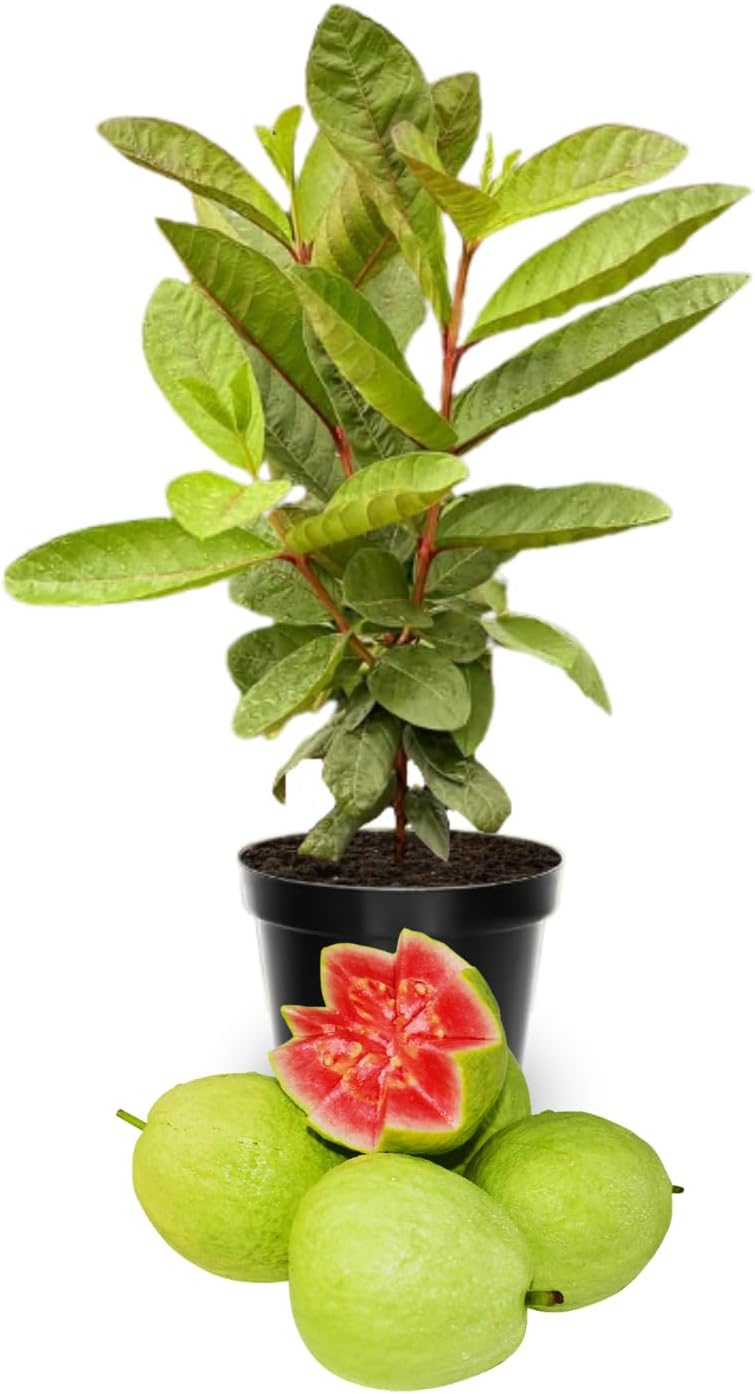
UIOTER Pink Guava Live Plant (5–7 inch)
| Sunlight Exposure | Full Sun |
|---|---|
| Plant or Animal Product Type | Fruit |
| Unit Count | 1 Count |
| Suitable Zones | Zone 9 to 11 |
This UIOTER pink guava arrives as a well-rooted live plant about 5 to 7 inches tall and is intended for planting in warm, humid sites or containers in USDA zones 9 to 11. It produces small white fragrant flowers that precede edible pink guava fruit, and it prefers full sun, which makes it a good candidate for a sunny patio pot or raised container. As a potted fruit plant it is compact enough for medium-sized containers but will need regular feeding, consistent watering, and a warm sheltered spot to thrive year-round in suitable climates. The single-plant presentation keeps transplanting simple, but buyers should expect typical young-plant variability and plan on gradual growth rather than immediate fruiting. Notable positives are its compact size and aromatic flowers, while limitations are its climate requirements and the need for active care to encourage fruit production when grown in a pot.
Best for: Buyers who want a reliable, easy-to-establish fruit plant for a sunny patio pot and are prepared to provide regular water and fertilizer to encourage steady growth and eventual fruiting.
Less Ideal for: Gardeners in climates colder than zone 9 or those seeking instant yields and no-maintenance plants should consider hardier or faster-producing alternatives.
- Sold as a well-rooted live specimen ready for transplanting into a pot
- Compact young size suits container growing on patios or balconies
- Produces fragrant white flowers that lead to edible guava fruit
- Designed for full sun so it performs well on sunny patios or balconies
- Limited to warm USDA zones 9 to 11 so not cold-hardy
- Small initial size means several seasons of care before substantial fruiting
Verdict: A compact, well-rooted pink guava that offers a dependable container fruiting option for gardeners in warm, sunny climates.
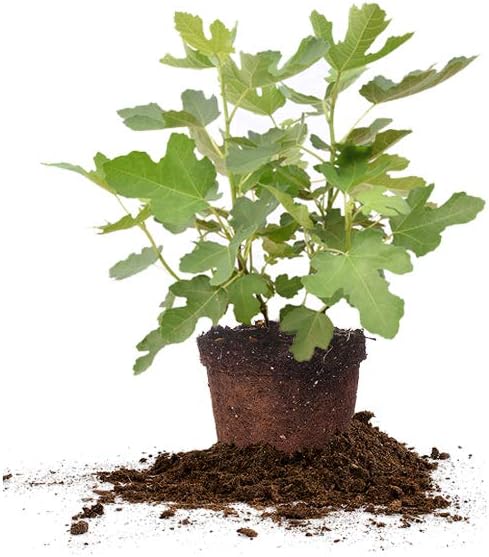
PERFECT PLANTS Chicago Hardy Fig Tree, 3 Gallon, Live Plant
| Sunlight Exposure | Full Sun |
|---|---|
| Moisture Needs | Moderate Watering |
| Other Special Features of the Product | Easy To Use |
| Item Type Name | Live Plant |
The Chicago Hardy Fig in a 3-gallon container is a live fruit tree meant for buyers who want a productive, low-fuss fig they can keep on a patio or plant in the landscape. It arrives as a young tree with upright, leggy branches and large green leaves and is described as self-pollinating and cold-hardy, so it will set fruit without another tree and tolerate below-freezing temperatures. Typical use is planting in full sun either directly in the ground or in a large pot; the included fig food and care guide simplify first-season establishment. Practical benefits include strong fruiting potential, suitability for container culture when pruned and managed, and resilience to cold snaps that extend its geographic usability. Important limitations are its eventual mature size, which can be large if planted in ground, and the need for regular watering and pruning when grown in pots to control vigor and keep fruiting within reach. Buyers should expect to invest time in seasonal pruning and container maintenance to get reliable harvests.
Best for: Gardeners who prioritize fruit production and want a dependable, cold-tolerant fig they can grow on a sunny patio or in a container with attentive pruning and watering.
Less Ideal for: People with very small balconies or those unwilling to perform seasonal pruning and container care should consider smaller dwarf varieties instead.
- Self-pollinating so it sets fruit without another fig tree nearby
- Cold-hardy variety that tolerates below-freezing temperatures
- Comes in a ready-to-plant 3-gallon container with a care guide
- Suitable for full-sun locations and can fruit reliably when established
- Matures into a large tree if planted in ground, requiring significant space or regular pruning
- Needs consistent watering and container maintenance when grown in pots
Verdict: Choose this cold-hardy, self-pollinating fig when you want a productive fruit tree that can be grown in a large pot or planted in sunny landscapes for dependable annual harvests.
Hello Organics Dwarf Cavendish Banana Plants (4-pack)

| Indoor Outdoor Usage | Outdoor |
|---|---|
| Sunlight Exposure | Full Sun |
| USDA Hardiness Zone | 8 |
| Soil Type | Sandy Soil |
| Moisture Needs | Moderate Watering |
These Hello Organics Dwarf Cavendish banana plants are sold as small, rooted starter plants intended for beginning a container or garden planting. Each shipment includes four 2-inch rooted plants about 3 to 6 inches tall that are easy to pot up into 4-inch to 1-gallon containers for early growth before moving to larger pots or the landscape. The Dwarf Cavendish is noted for its relatively compact pseudostem and good disease resistance, and this listing highlights outdoor, full-sun culture in USDA zone 8 and warmer. Practical benefits include the convenience of multiple starter plants to select staggered stalks for eventual fruiting and the recommendation to keep soil consistently moist without waterlogging. Limits to expect: these arrive very small and need repotting, regular watering and fertilization to reach productive size, and they are suited to warm climates or overwintering indoors in cooler areas. For pot growers the key is regular care and choosing sufficiently large containers as plants mature.
Best for: Buyers who want an easy entry into container fruiting plants and prefer low-risk, already rooted starters they can repot and nurse to maturity.
Less Ideal for: Gardeners in cold climates who cannot provide winter protection or growers looking for mature, near-fruiting specimens.
- Includes four starter plants so you can establish a small clump or replace losses
- Dwarf Cavendish cultivar has good disease resistance and a compact pseudostem habit
- Sold as already rooted plants that are simple to pot up and establish
- Recommended cultural guidance (sun, soil, watering) is provided to help successful growth
- Plants ship very small (2-inch rooted plugs) and require repotting and season-long care to reach fruiting size
- Suitable only for warm climates (USDA zone 8 and warmer) or for growers willing to overwinter plants indoors
Verdict: A convenient four-pack of rooted Dwarf Cavendish starters for gardeners who want to grow bananas in pots and are prepared to repot and care for them through maturity.
Choosing the Right Fruit Plants That Can Be Grown in Pots: Key Factors to Consider
Container Size and Root Volume
Container size dictates how large a plant can grow and how well it will fruit. Larger pots provide more soil moisture and nutrients, and they buffer temperature swings better than small containers. When a plant's roots are too confined, growth slows and flowering or fruit set can decline.
Think about the mature root volume of the species you want. Some fruit plants can be trained or kept dwarf and do fine in 10 to 15 gallon containers, while others need 20 gallons or more for reliable yields. Also consider the pot material and drainage because heavy clay pots slow drying in summer and thin plastic can overheat on a sunny deck.
Drainage and Soil Mix
Good drainage prevents root rot and nutrient lockup in containers. A freely draining, loose potting mix with organic matter and some aeration component, like coarse perlite or bark, helps roots breathe while retaining enough moisture between waterings.
Avoid using garden soil in pots. A tailored container mix encourages steady root growth and makes feeding predictable. For many fruit plants you will want a mix that holds moisture but still sheds excess water quickly after heavy rain or thorough irrigation.
Sun Exposure and Microclimate
Most fruiting plants need full sun for consistent flowering and fruit development. On balconies and patios, sun exposure can vary dramatically with surrounding buildings, railings, and shade from trees. Assess how many hours of direct sun your location receives and match plants to that light level.
Containers create their own microclimates: pots warm faster in spring and cool faster in fall than ground beds. That can extend or shorten the effective growing season. If you get intense afternoon heat or reflected heat from walls, choose varieties tolerant of warmer root zones or provide shade during the hottest part of the day.
Cold Hardiness and Winter Protection
Containers expose roots to colder temperatures than in-ground plantings, so cold-hardiness ratings are less forgiving in pots. Know your local winter lows and select plants or varieties that tolerate those conditions when roots are exposed. For marginally hardy plants, move containers to protected locations, insulate pots, or provide temporary coverings.
Evergreen or semi-evergreen species in containers can suffer from winter desiccation. Consider wind exposure and the need to water during dry cold spells. Some gardeners sink pots in the ground in winter or wrap them with insulating materials to protect roots.
Pollination Needs
Some fruit plants are self-fertile and will set fruit from their own flowers, while others require a compatible pollinator nearby. In a container setting, the availability of pollinators or the ability to place two compatible plants within flying distance matters a lot.
If you rely on insects, provide continuous blooms and a friendly environment to attract bees. For tiny balconies, choose self-fertile varieties or those that can be hand-pollinated when needed.
Pruning, Training, and Ongoing Maintenance
Container fruit plants often need more active pruning and training to stay productive and compact. Pruning controls size, improves light penetration, and encourages fruiting wood on many species. You will also need to maintain a feeding schedule because potted plants have limited nutrient reserves.
Think about your willingness to prune, repot, and feed regularly. Some plants fruit with minimal attention once established, while others require annual root pruning or seasonal shaping to maintain vigor in a container.
Best Container Practices Before You Plant
Start with the right pot and a quality container mix. Match the pot volume to the mature size the plant will reach, and prioritize good drainage. Add a layer of coarse material at the bottom only if it improves drainage in your chosen pot; often a uniform well-draining mix is enough.
Place containers where they will get the appropriate sun exposure and where you can move them if needed. Grouping pots makes watering and feeding easier and creates a slightly warmer microclimate that benefits fruiting.
- Choose pots with drainage holes and lift them off the ground slightly to improve airflow.
- Use saucers sparingly; standing water under the pot can cause root oxygen stress.
- Label pots with planting dates and variety so you can track pruning and feeding schedules.
Feeding and Irrigation Routines for Potted Fruit
Potted fruit relies on you for nutrients and consistent moisture. Use a balanced, slow-release fertilizer at planting and supplement with liquid feed during the growing season according to the plant's needs. Frequent light feedings often work better than infrequent heavy applications because smaller soil volumes cannot hold as much nutrient.
Watering frequency depends on pot size, pot material, and weather. Check moisture by feeling the top few inches of the mix and adjust. In hot weather, early morning watering reduces stress and evaporation losses.
- Consider a moisture meter for larger collections of pots to avoid over- or under-watering.
- Topdress with an inch of compost annually to replenish organic matter, then refresh the mix when repotting.
Pruning and Shaping for Productive Container Plants
Pruning keeps a container fruit plant within its allotted space while encouraging fruiting wood. Focus on removing dead or crowded branches, shortening vigorous shoots, and maintaining an open canopy for light and air. Timing matters: prune according to the species' flowering and fruiting cycle to avoid cutting off next season's crop.
Root pruning and occasional repotting are also part of container culture. If a plant becomes root bound, trim circling roots and refresh some of the potting mix to maintain health and vigor.
- Use clean, sharp tools and make cuts close to the bud without leaving stubs.
- For multi-season growers, plan a repotting rotation every 2 to 4 years depending on growth rate.
Protecting Potted Fruit From Pests and Diseases
Containers can concentrate pests and diseases if not monitored. Regularly inspect foliage and fruit for signs of pests, fungal spots, or nutrient deficiencies. Prompt action, such as targeted pruning, harvesting infested fruit, or using physical controls, keeps problems from spreading.
Good sanitation and crop rotation of container placements reduce disease buildup. Avoid overcrowding pots and keep foliage dry where possible to limit fungal issues.
- Remove fallen fruit and leaf litter from pots to reduce pest habitat.
- Introduce beneficial insects or use sticky traps for common sap-sucking pests when needed.
Using Containers to Extend the Season
One big advantage of container fruit is mobility. Move pots to warmer sunny spots in spring to encourage earlier growth, and shift them to sheltered locations in late fall to lengthen the productive season. In marginal climates, bringing containers indoors for brief cold snaps can protect buds and young fruit.
You can also use containers to grow slightly tender species beyond their usual hardiness zone by providing winter protection such as mulching the rootball, wrapping pots, or grouping containers near walls that radiate heat.
- Place pots on casters to make seasonal moves easier.
- Use frost cloth or temporary covers during unexpected late freezes.
How We Chose the Best Fruit Plants That Can Be Grown in Pots
We focused on traits gardeners actually need when growing fruit in containers. Key evaluation criteria included container adaptability, which gauges whether the plant sets fruit and stays healthy in restricted root volume; mature size and pruning tolerance, to ensure the plant can be kept at a manageable scale without losing productivity; fruiting reliability, meaning how consistently the plant produces edible harvests under container cultural practices; cold and heat tolerance relevant to container microclimates; and maintenance demands, covering pruning, feeding, and pest attention expected for a typical home gardener. We excluded plants that require ground-level root spread, heavy pollinator-dependent orchards, or lengthy juvenile periods that make container culture impractical. We also filtered out varieties that need specialized greenhouse conditions rather than standard outdoor containers. The resulting selection emphasizes proven container performers with manageable care requirements and predictable yields for patios, balconies, and small-space gardens.
FAQ
How large should a pot be for a fruit plant?
Pot size depends on the species, but many fruit plants do well in 10 to 20 gallon containers. Larger pots improve moisture retention and root health. If you want bigger yields or a longer repotting interval, choose the largest practical container you can manage.
Can I grow multiple fruit varieties in the same container?
You can, but mixed planting adds competition for water and nutrients and makes pruning and feeding more complex. For most gardeners, one plant per pot is simpler and healthier, while multi-variety containers are best for small strawberries or compact companion plantings.
Do potted fruit plants need special soil?
Yes. Use a loose, well-draining container mix with organic matter. Avoid garden soil, which compacts and limits root oxygen. Tailored mixes ensure better water retention without waterlogging and make nutrient management more predictable.
How do I protect potted fruit from winter damage?
Insulate pots by wrapping them or grouping them against a protected wall. Move tender plants to sheltered spots or indoors during extreme cold. Watering before hard freezes and reducing fertilizer late in the season also helps harden plants for winter.
Will potted fruit produce as much as in-ground plants?
Potted plants often yield less than in-ground counterparts because of restricted root space, but they can be very productive if given adequate pot size, regular feeding, and proper pruning. The convenience and mobility of containers trade off against maximum yield potential.
Final Verdict
Choose container fruit plants based on how much space and time you can commit, and be realistic about tradeoffs between yield and manageability. Prioritize appropriate pot size, a good container mix, and varieties known for compact growth or easy pruning. With the right container practices and routine care, you can enjoy reliable harvests from patio and balcony fruit plants. Focus on the factors that matter most for your site-sun, winter protection, and maintenance-and you will be able to pick the best plant for your container orchard.
