

Note: This article contains affiliate links. If you click on these links and make a purchase, I may earn a small commission at no extra cost to you. This helps support my research and content. Read my full affiliate disclosure here.
If you want containers that keep a garden bright through cold snaps and require minimal fuss, choosing hardy outdoor pot plants matters. These plants are selected for the way they tolerate lower temperatures in pots, resist stress from drying and wind, and hold seasonal color or structure when the rest of the yard is dormant. This guide shortlists the top hardy outdoor pot plants suited to exposed patios, balconies, and entryways. We evaluate each option for winter survival in containers, routine maintenance needs, and landscape impact so you can pick plants that match your climate and lifestyle. Read on to see the tops picks and why they made the list.
Top Picks at a Glance
| Best Overall The best all-around choice for most situations | Mountain Crest Gardens Sempervivum 25-Pack (5 Varieties, 2-inch Pots) |  |
| Best Quality Built to a higher standard if you want something more solid | Kleims Hardy Gardenia live flowering shrub (3 gal, potted) | 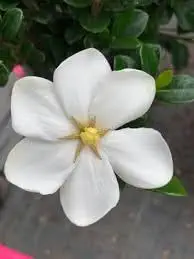 |
| Best Value The sweet spot between price and what you get | Mountain Crest Gardens Hardy Succulents 6-Pack (Live, Frost-Tolerant) |  |
| Best Budget The cheapest option that still gets the job done reliably | Chapel Hill Yellow Lantana (2.5" pot) |  |
| Highest Rated A top-rated pick with lots of positive feedback | Mountain Crest Gardens Sempervivum Succulents Variety Pack — 6 Live Rosette Plants (rooted in 2" pots) |  |
| Most Popular A crowd favorite that many people choose with confidence | PERFECT PLANTS Frostproof Gardenia Live Plant, 1 Gallon |  |
| Best Seller A high-volume bestseller chosen again and again | The Three Company Lavender (2-Pack) Live Fragrant Purple Perennials in 1-Qt Pots |  |
Mountain Crest Gardens Sempervivum 25-Pack (5 Varieties, 2-inch Pots)

| Unit Count | 25 Count |
|---|---|
| USDA Hardiness Zone | 5 |
| Sunlight Exposure | Full Sun, Partial Sun |
| Moisture Needs | Moderate Watering |
This 25-pack from Mountain Crest Gardens provides five each of five Sempervivum varieties, delivered rooted in 2-inch nursery pots so they are ready to arrange, transplant, or display. These hens-and-chicks style succulents are cold-hardy to about -20°F, making them a reliable choice for outdoor pots and rock gardens in USDA Zone 5 and warmer. They prefer full to partial sun and low-maintenance watering—deep watering only after the soil dries—which suits busy gardeners or designers installing multiple containers. The coordinated selection simplifies creating even groupings and consistent color and form across pots or a mixed planting. Practical materials like coconut coir in the pots and reusable plastic nursery containers make initial handling straightforward. Limitations to note are the small nursery pot size, which means you will likely need to up-pot or space them after planting for long-term container vigor, and the pack focuses solely on Sempervivum so you will need other plants for varied heights or textures in a mixed outdoor pot design.
Best for: Gardeners and landscapers who need hardy, low-maintenance succulents that establish quickly in outdoor pots and rock gardens and prefer ready-to-plant specimens for efficient installation.
Less Ideal for: Buyers seeking tall or trailing plants for dramatic mixed containers or those who want a multi-species collection for varied seasonal interest should look elsewhere.
- Cold-hardy varieties rated to about -20°F suitable for outdoor pots in Zone 5+
- Supplied rooted in 2-inch nursery pots for easy transplanting and quick installs
- Coordinated set with five plants of each variety makes uniform container layouts simple
- Low-water, low-maintenance care ideal for busy gardeners and outdoor plantings
- Plants arrive in small pots and will need repotting or spacing for long-term container health
- Pack contains only Sempervivum, so additional plant types are required for mixed-texture designs
Verdict: This pack is the fastest way to fill outdoor pots with hardy, low-maintenance Sempervivum that establish quickly and survive winter temperatures down to about -20°F.
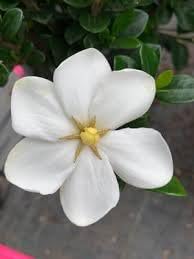
Kleims Hardy Gardenia live flowering shrub (3 gal, potted)
| Indoor Outdoor Usage | Outdoor |
|---|---|
| Expected Blooming Period | Winter to Spring |
| Sunlight Exposure | Full Sun |
| USDA Hardiness Zone | 5 to 9 |
| Soil Type | Well-draining, Acidic Soil |
The Kleims Hardy Gardenia is a nursery-grown outdoor shrub bred for better cold tolerance than typical gardenias, arriving potted and ready to transplant. It produces repeated, highly fragrant white flowers from winter into spring and keeps glossy evergreen leaves that give year-round structure to borders or containers. Best planted in well-draining acidic soil in a spot that gets partial to full sun, it prefers consistent moderate watering and benefits from acidic fertilizer during the growing season. The plant’s compact habit and drought-tolerant, weather-resistant foliage make it a good pick for containers, foundation plantings, or small gardens where reliable bloom and scent matter. Expect a manageable mature size and some leaf or flower litter to clean up in fall. Compared with less-hardy gardenias this variety improves winter survival in zones down to 5, but it still needs protection from harsh drying winds and very wet soils can harm roots, so site selection and soil drainage are important considerations.
Best for: Gardeners who want the classic gardenia scent and flowers but need a hardier variety for outdoor containers or small yards and who prioritize reliable bloom and winter survival.
Less Ideal for: People who want a no-maintenance shrub or who cannot provide acidic, well-draining soil and consistent moisture in winter-exposed sites.
- Cold-tolerant cultivar extends gardenia gardening into USDA zones 5–9
- Fragrant, repeat white blooms that add strong seasonal scent
- Evergreen foliage provides year-round structure and visual interest
- Compact growth habit suits containers and small garden spaces
- Requires acidic, well-draining soil and regular moisture management to perform well
Verdict: Choose this hardy gardenia when you want the scent and repeat blooms of gardenia with improved winter survival for outdoor pots and small gardens.
Mountain Crest Gardens Hardy Succulents 6-Pack (Live, Frost-Tolerant)

| Indoor Outdoor Usage | Outdoor |
|---|---|
| Frost tolerance | To 0°F |
| USDA Hardiness Zone | Zone 7-10 |
| Moisture Needs | Low |
| Sunlight Exposure | Full Sun, Partial Sun |
This 6-pack from Mountain Crest Gardens delivers a small, ready-to-plant assortment of hardy succulents—sempervivum, sedum and other rosette and trailing types—each arriving rooted in individual 2-inch nursery pots. Designed for outdoor rock gardens, patio containers and landscape edges, the varieties are rated frost-tolerant to around 0°F and are suitable for USDA zones 7–10. They need well-draining soil and only occasional deep water after the soil has fully dried, making them easy-care additions for sunny to partly sunny spots. Practical buyers will appreciate the diverse textures and seasonal color these plants add, plus the reusable plastic pots and coconut-coir potting that ease transplanting. Expect modest mature size and slow spread rather than instant groundcover, and plan to amend soil for drainage in heavier soils. Because the pack is a curated assortment without size-matching replacements, variety and color may differ from listing photos and individual plant hardiness can vary by microclimate.
Best for: A practical gardener who wants low-maintenance, frost-tolerant succulents to establish rock gardens, patio planters, or small perennial borders with minimal care and watering.
Less Ideal for: Gardeners seeking immediate, dense groundcover or large ornamental plants, or those who prefer tender, tropical succulents for indoor displays.
- Arrives rooted in individual 2-inch nursery pots for easy transplanting
- Cold-hardy selections rated to about 0°F for outdoor use in zones 7–10
- Low water needs and simple care instructions suitable for busy gardeners
- Varied forms and colors add texture to rock gardens, planters, and borders
- Plants are small at delivery so they require time to fill space or form mats
- Limited to hardy succulent types so not suitable if you need flowering annuals or large specimens
Verdict: Choose this six-pack if you want an easy-care, frost-tolerant set of succulents that establish outdoors and add long-lasting texture to rock gardens and patio containers.
Chapel Hill Yellow Lantana (2.5" pot)

| Indoor Outdoor Usage | Outdoor |
|---|---|
| Expected Blooming Period | July until hard frost |
| Sunlight Exposure | Full Sun |
| USDA Hardiness Zone | 7+ |
This Chapel Hill Yellow Lantana is a compact, sun-loving perennial for zone 7+ that delivers long-lasting yellow blooms and strong pollinator appeal. Sold in a 2.5" pot, the plant is typically transplanted into full sun where it establishes quickly and spreads to about 3 feet, making it useful for borders, mass plantings, or filling small beds. Notable features include exceptional cold hardiness for a lantana, continuous flowering from July until frost, and natural resistance to deer, rabbits, and groundhogs, which reduces the need for protective measures. It performs especially well in protected microclimates near foundations or patios where winters are milder. Limitations to consider are that it needs full sun and space to spread, and outside zone 7 it will be treated as an annual rather than a true perennial. For container gardeners, the mature spread may require pruning or larger containers to prevent crowding.
Best for: Gardeners on a budget who want an easy-care, pollinator-friendly perennial for sunny outdoor spots and quick visual impact in borders or mass plantings.
Less Ideal for: Shaded-site gardeners or those seeking compact plants for very small containers without regular pruning should consider other options.
- Hardy in USDA zone 7 and warmer for reliable perennial performance
- Long bloom period from July until first hard frost for extended color
- Attracts butterflies and other pollinators to the garden
- Resistant to deer, rabbits, and groundhogs which reduces pest damage
- Requires full sun and room to spread to reach its best form
- Acts as an annual in colder zones and will not overwinter reliably below zone 7
Verdict: A cost-effective, hardy sun-loving lantana that delivers long summer-to-frost blooms and strong wildlife appeal for zone 7+ gardens.
Mountain Crest Gardens Sempervivum Succulents Variety Pack — 6 Live Rosette Plants (rooted in 2" pots)

| Indoor Outdoor Usage | Indoor, Outdoor |
|---|---|
| Other Special Features of the Product | Drought Tolerant, Hardy outdoors in zones 5–10, Live Sempervivum rosettes, Low Maintenance, Multiple varieties per pack, Rooted in 2-inch pots |
| Sunlight Exposure | Full Sun, Partial Sun |
| USDA Hardiness Zone | 5 |
| Moisture Needs | Moderate Watering |
These Sempervivum from Mountain Crest Gardens are a practical choice for outdoor pots and rock gardens where reliability matters. The pack delivers six different sempervivum species or cultivars, each rooted in a 2-inch nursery pot so you can plant them into containers or keep them temporarily in the pots. They are drought tolerant, designed for full to partial sun, and hardy to USDA zone 5 which means they tolerate frost and seasonal cold once established. The plants arrive in coconut coir potting medium and plastic nursery pots that can be reused, and care instructions stress sharp drainage and watering only when the soil is dry — straightforward rules that suit busy gardeners. Expect seasonal color shifts and durable rosette forms that require little attention other than occasional deep watering and protection from prolonged wet soil. Limitations are the small pot size at arrival which means repotting for long-term container displays, and moderate watering needs that still require you to avoid overwatering in cool, wet seasons.
Best for: Gardeners who prioritize dependable, low-care plants for outdoor pots and rock gardens and want hardy succulents that survive seasonal cold with minimal fuss.
Less Ideal for: People seeking instant large container specimens or those who prefer moisture-loving container plants that tolerate constant damp conditions.
- Six distinct sempervivum varieties with no duplicates for visual variety in pots or rock gardens
- Hardy to USDA zone 5 so reliable through cold winters once established
- Low-maintenance and drought tolerant when planted into well-draining soil
- Arrives rooted in 2-inch nursery pots ready for easy transplanting
- Coconut coir medium and reusable plastic pots simplify initial setup
- Ships in small 2-inch pots so you will likely need to repot for long-term container displays
- Not suited to locations with prolonged wet soil without excellent drainage
Verdict: Choose this six-pack when you want hardy, low-maintenance sempervivum that reliably perform in outdoor pots and rock gardens through cold seasons.
PERFECT PLANTS Frostproof Gardenia Live Plant, 1 Gallon

| Indoor Outdoor Usage | Outdoor |
|---|---|
| Other Special Features of the Product | Deer Resistant, Fragrant |
| Expected Blooming Period | Summer |
| Sunlight Exposure | Full Sun, Partial Shade |
| Expected Planting Period | Spring |
This 1-gallon Frostproof gardenia is a compact, fragrant shrub intended for outdoor landscape use. It arrives as a live plant with a recommended mature height around 5 feet and is typically planted in mulch beds, as a low hedge, or as an accent near entries where its scent can be enjoyed. Notable features include deer resistance, a history of reliable spring and summer blooms, and included easy-to-use plant food for a simpler start. The plant prefers full sun to partial shade, so it will tolerate some shaded locations but performs best where it receives several hours of direct light. Practical benefits for a cautious buyer are straightforward care, minimal pruning to maintain shape, and an aromatic presence that enhances small gardens or patios. Limitations are that it is sold as a 1-gallon specimen so it will need time to reach mature size, and the product text notes shipping exclusions to a few states which affects availability for some buyers.
Best for: Buyers who want an easy-care, scented shrub for a small garden or patio and prefer reliable, low-maintenance plants that establish steadily rather than instant large specimens.
Less Ideal for: Gardeners seeking an immediate tall screening hedge or a plant for deep, full shade should consider alternative species better suited to dense shade or instant privacy needs.
- Fragrant white blooms that enhance outdoor seating areas during spring and summer
- Deer resistant variety reduces need for protective measures in deer-prone yards
- Includes plant food to simplify initial establishment
- Tolerates partial shade, allowing placement in spots without full sun all day
- Sold as a small 1-gallon plant so it requires time to reach mature size
- Per product notes it does not ship to certain states which limits access for some buyers
Verdict: Choose this gardenia if you want a low-maintenance, fragrant shrub that tolerates some shade and adds seasonal white blooms to small outdoor spaces.
The Three Company Lavender (2-Pack) Live Fragrant Purple Perennials in 1-Qt Pots

| Sunlight Exposure | Full Sun |
|---|---|
| USDA Hardiness Zone | 5-9 |
| Moisture Needs | Low |
| Expected Blooming Period | Late Spring to Summer |
These lavender plants arrive as two 1‑quart pots of Lavandula Purple intended for outdoor planting in full sun. They are compact, mounded perennials that reach roughly 12–18 inches tall and are typically used in containers, balcony planters, or low hedge borders where their purple blooms and strong scent add visual and aromatic interest. The plants prefer well‑draining soil and low moisture once established, which makes them low‑maintenance for sunny balconies. Notable features include pollinator‑attracting flowers, deer‑deterring scent, and suitability for USDA zones 5–9, which covers many temperate climates. Because these are live plants shipped from a greenhouse, success depends on initial care during the first weeks after planting and ensuring pots have drainage. Plant size on arrival and bloom timing will vary by season, and buyers in very hot or very cold microclimates should adjust care accordingly. For small‑space gardeners wanting fragrant, drought‑tolerant color in full sun, these lavenders are a practical choice when tended promptly after delivery.
Best for: Gardeners with sunny balconies who want low‑maintenance, fragrant flowering plants that perform well in containers and attract pollinators.
Less Ideal for: People with shaded or mostly north‑facing balconies or those unwilling to water and pot the plants promptly after delivery.
- Compact habit suited to containers and balcony planters
- Fragrant purple blooms that attract pollinators
- Low water needs once established for easy care
- Shipped as live plants directly from greenhouse so you receive established starts
- Success depends on prompt transplanting and initial watering care after arrival
- Not suitable for shady balconies since it requires full sun
Verdict: A compact, fragrant lavender pair that gives sunny balconies long‑lasting color and low‑maintenance scent when planted in well‑draining containers.
Choosing the Right Hardy Outdoor Pot Plants: Key Factors to Consider
Winter Hardiness in Containers
Cold tolerance for plants in pots differs from in-ground hardiness because root systems are exposed to colder air and freeze-thaw cycles. Pots can lose heat rapidly, so a plant rated hardy to a zone in the ground may still suffer root damage when potted. Consider the lowest temperatures your containers will face, whether you can shelter or insulate pots, and choose species with a safe margin of cold tolerance. When in doubt, select plants proven to survive at least two zones colder in containers than in-ground ratings.
Root insulation and pot placement also matter. Using larger pots, grouping containers, or placing them against a protected wall will reduce stress. For gardeners who cannot move pots, prioritize species known for true container winter hardiness rather than relying solely on hardiness maps.
Pot Size and Root Space
A plant's mature root volume determines the minimum pot size it needs to stay healthy and stable through weather extremes. Shallow-rooted or clumping plants tolerate smaller pots, while shrubs and plants with woody stems usually need a deeper, wider container to avoid toppling and to provide thermal mass for roots. Selecting the correct pot size limits the need for frequent repotting and reduces winter root exposure.
Think about the weight and location too. Large pots filled with soil are heavy and may be impractical on balconies or raised decking. Match plant ultimate size to the pot and the site to avoid early replanting or stunting growth due to cramped roots.
Watering Needs and Drought Tolerance
Potted plants dry out faster than those in the ground because pots have limited soil volume and more exposed surface area. A hardy plant that demands constant moisture is a poor match for unattended containers. Evaluate how often a plant needs water during the growing season and how well it tolerates brief dry spells.
Plants with good drought tolerance will survive temporary watering lapses and are often easier to winterize. If you plan vacations or plan to water infrequently, choose species with lower summer water demands or group plants with similar moisture needs to simplify care.
Maintenance and Pruning Requirements
Maintenance encompasses deadheading, pruning, feeding, and seasonal cleanup. For busy gardeners, plants that require minimal pruning and tolerate light feeding are preferable in pots. Some flowering perennials need annual cutting back to maintain shape, while evergreen shrubs may only require occasional shaping.
Consider how much time you want to spend on upkeep. Plants that need frequent grooming will increase your workload, especially in small collections of high-visibility pots. Choose plants with maintenance needs that match the time you can commit each season.
Seasonal Interest and Visual Impact
A container should contribute to the garden across seasons. Seasonal interest might be provided by long-lasting flowers, colored or textured foliage, seedheads that persist into winter, or architectural form that reads well even when dormant. Combining plants with complementary seasonal traits extends the visual appeal of a pot.
Think about whether you want peak summer color, autumn foliage, winter structure, or a mix. Choosing species with staggered interest reduces the need to replace entire containers as seasons change.
Resistance to Pests and Diseases
Containers concentrate plant material in close proximity, which can amplify pest and disease problems. Selecting species with inherent resistance, or that are known to suffer fewer common pests, lowers the chance of repeated treatment and replacement. Good airflow in placement and avoiding overcrowding also reduces disease risk.
Healthy potting mix, cleaning up spent foliage, and monitoring for early signs of pests are important cultural controls. When choosing plants, favor types that historically perform cleanly in container settings to minimize intervention.
Matching Plants to Your Climate and Exposure
First confirm your local last-frost and coldest average winter temperatures, but interpret those numbers differently for pots. Exposed patios, balconies, and rooftops can be several degrees colder than sheltered garden beds because of wind chill and radiative heat loss. Choose plants whose container hardiness aligns with your site exposure.
If a site faces strong winter winds, favor low, dense forms or plants you can tuck behind a wall or large evergreen. For partly sheltered areas, a wider selection is possible. Also consider microclimates such as sunny south-facing walls that provide additional warmth and light.
- Sheltered sites allow taller or less cold-tolerant choices
- Exposed sites work best with low, wind-resistant forms
- South-facing walls can extend the range of container-grown plants
Potting Mix and Drainage Strategies
Good potting mix supports root health, resists compaction, and provides necessary drainage to prevent winter root rot. Use mixes designed for containers that include components like composted bark, perlite, or grit to improve aeration.
Ensure pots have adequate drainage holes and consider adding a gravel layer or coarse material at the bottom only if it helps drainage for heavy clay mixes. In winter, excess water combined with cold conditions is more damaging than temporary dryness, so aim for a free-draining medium.
- Choose a free-draining, airy potting mix
- Avoid dense garden soil that holds water
- Check and clear drainage holes before winter
Winter Protection and Insulation Techniques
If your chosen plants are marginal in cold, simple protection steps can make a big difference. Grouping pots together, placing them against a thermal mass like a brick wall, or wrapping pots with insulating material reduces freeze-thaw stress on roots. Using larger pots with more soil volume also buffers temperature swings.
For short cold snaps, piling mulch on top of the soil surface and covering taller plants with frost cloth will protect crowns and root collars. Avoid wrapping foliage directly with plastic; breathable fabric covers are better to prevent moisture build-up and ice damage.
- Group and move pots to sheltered locations where possible
- Insulate pots with burlap or foam for severe freezes
- Use breathable frost cloths rather than plastic sheeting
Designing Long-Lasting Container Combinations
Build containers that look good across seasons by combining structural evergreens with perennials or bulbs that provide seasonal color. Use a tall focal plant, a foliage spiller, and a filler to create balance and reduce the need to replant every season. Choosing plants with overlapping seasons of interest keeps the container attractive for longer.
Also balance root needs and watering schedules. Group together species that prefer similar moisture levels to avoid overwatering or chronic drought in mixed pots.
- Combine structure, filler, and spiller for year-round interest
- Plant species with similar water needs together
- Include bulbs for early spring impact without disturbing established plants
Routine Care Through the Seasons
Plan a seasonal care routine: lighter feeding in spring, regular deadheading or spent-flower removal in summer, and cutting back or protecting in autumn. Keep an eye on pot moisture; top-dress with compost or fresh potting mix annually to maintain fertility and structure.
Regular checks for pests and removing diseased foliage early prevents larger problems. Repot or divide overcrowded specimens in spring when new growth resumes to maintain vigor.
- Top-dress containers each spring to refresh nutrients
- Monitor moisture daily in hot weather and reduce in winter
- Inspect regularly for pests and remove damaged material
How We Chose the Best Hardy Outdoor Pot Plants
We prioritized plants that reliably survive lower temperatures while planted in containers, focusing on traits that matter for potted culture rather than in-ground performance. Key evaluation criteria included winter hardiness in containerized conditions, drought and wind tolerance for exposed pots, and low maintenance demands such as pruning and watering frequency. We also considered seasonal interest, meaning blooms, foliage color, or architectural form that extend the container's appeal beyond a single season. Size and growth habit were evaluated so each plant works in common pot sizes and does not outgrow typical container limitations. Lastly, pest and disease resilience in close-quarter container settings was a factor to reduce ongoing care. We excluded plants that need greenhouse wintering, tropical species requiring indoor overwintering, and varieties that require specialized soil chemistry or constant monitoring. The remaining selections are versatile, broadly available types that perform predictably in outdoor pots when matched to appropriate climate zones and basic container care routines.
FAQ
Can hardy outdoor pot plants survive winter without moving indoors?
Often they can, especially if matched to your climate and planted in appropriately sized pots. Protection such as grouping, insulating pots, and placing containers in sheltered spots improves survival for marginally hardy plants.
How big should a pot be for a long-lasting outdoor plant?
Choose a pot that gives the plant room to establish a robust root ball without being oversized for the site. Larger pots offer better root insulation and require less frequent watering, but they are heavier and may be impractical in some locations.
What potting mix is best for winter survival?
A free-draining, airy container mix with organic matter and grit or perlite is best. Avoid dense garden soils that retain water and increase the risk of winter root rot in cold, wet conditions.
How often will potted hardy plants need watering in winter?
Usually much less often than in summer, but frequency depends on exposure and pot size. Check soil moisture by feeling the root zone; water only when the mix is dry to the touch and temperatures are above freezing to avoid ice damage.
Can I plant bulbs with hardy shrubs in the same pot?
Yes. Bulbs are a great way to add early spring interest without disturbing shrubs. Plant bulbs at proper depth around the shrub roots and choose species with compatible moisture needs for best results.
When should I repot or divide container-grown hardy plants?
Spring, just as new growth begins, is the best time to repot or divide. This timing gives roots the growing season to recover and fill fresh soil before the next winter.
Final Verdict
Prioritize winter hardiness, appropriate pot size, and low-maintenance habits when choosing hardy outdoor pot plants. Tradeoffs are inevitable: larger containers improve survival but add weight, and plants with dramatic seasonal flowers may require more deadheading. Decide which attributes matter most for your site and routine, then choose species that match those priorities for dependable performance. With the right match of plant, pot, and basic winter protection, you can enjoy container plantings that survive cold seasons and provide dependable structure and color year after year.
