

Note: This article contains affiliate links. If you click on these links and make a purchase, I may earn a small commission at no extra cost to you. This helps support my research and content. Read my full affiliate disclosure here.
Picking the right soil for Monstera matters more than most plant parents expect. These tropicals need mixes that give roots air, shed excess water quickly, yet hold enough moisture for consistent feeding between waterings. Poor soil leads to root rot, slow growth, or leaf issues that look like pests but are actually hydration problems. This guide covers seven shortlisted soil options that suit Monstera care across common indoor situations. We evaluated each mix for root aeration, moisture balance, and how it behaves in standard pot sizes and hanging baskets. Read on to understand the practical tradeoffs and which features matter most for healthy Monsteras.
Top Picks at a Glance
| Best Overall The best all-around choice for most situations | Top Tier Genetics Aroid Potting Mix for Monstera & Tropical Houseplants (8 qts) |  |
| Best Quality Built to a higher standard if you want something more solid | Molly's Aroid Potting Mix (5 Dry Quarts) |  |
| Best Value The sweet spot between price and what you get | Grow Queen Craft Aroid Potting Mix — Chunky, Peat-Free Soil for Monstera & Tropical Houseplants, 2 qt |  |
| Best Budget The cheapest option that still gets the job done reliably | Doter Monstera Potting Soil 1 qt — Tropical Blend with Rapid Drainage |  |
| Highest Rated A top-rated pick with lots of positive feedback | Gardenera Premium Monstera Potting Mix (3 Quart) |  |
| Most Popular A crowd favorite that many people choose with confidence | Rosy Soil Aroid Potting Mix (4 qt) — Chunky Biochar Indoor Potting Soil |  |
| Best Seller A high-volume bestseller chosen again and again | Back to the Roots Organic Indoor Potting Mix, 6 Quart |  |
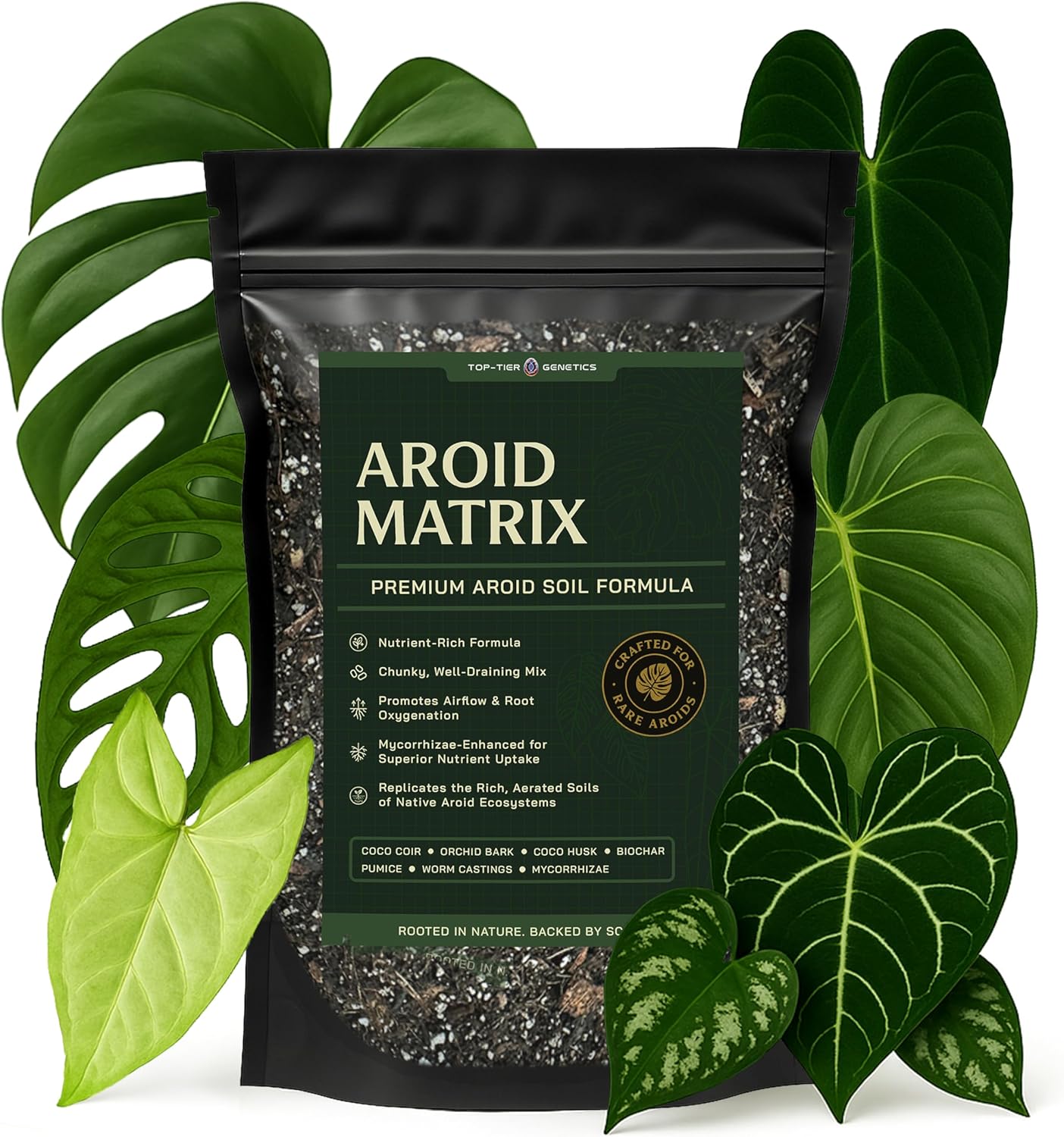
Top Tier Genetics Aroid Potting Mix for Monstera & Tropical Houseplants (8 qts)
| Volume | 8 quarts |
|---|---|
| Ingredients | Orchid bark, coco coir, pumice, coco husk, worm castings, biochar, mycorrhizae |
| Style Name | Nutrient-rich, moisture-retaining |
This aroid-specific potting mix is designed for Monstera and similar tropical houseplants, providing chunky aeration and organized moisture retention straight from the bag. The blend uses orchid bark, coco husk and pumice to keep the medium open so roots get oxygen and excess water drains quickly, while coco coir and worm castings supply steady moisture and nutrients. Biochar and mycorrhizae help build microbial life and improve nutrient availability over time, which can support stronger root systems and fuller foliage. It is convenient for repotting or top-ups because no additional mixing is required, and the organic ingredients make it appealing for growers who prefer natural amendments. Limitations are mainly pack size and precision: the 8-quart bag is convenient for one or two small to medium plants but means frequent repurchases for larger collections, and the ready mix does not allow heavy customization of drainage versus moisture for very particular setups.
Best for: Plant owners who want a reliable, low-effort potting mix tailored to Monstera and other aroids and who value organic amendments and biological support for steady growth.
Less Ideal for: Growers who prefer to create custom mixes for precise moisture control or those managing large collections who need bulk quantities in a single purchase.
- Chunky components (orchid bark, pumice, coco husk) provide excellent aeration and fast drainage to reduce root rot risk
- Contains worm castings and biochar to supply nutrients and support long-term soil health
- Includes mycorrhizae to improve root establishment and nutrient uptake
- Ready to use out of the bag, making repotting faster and simpler
- 8-quart bag is relatively small for people with multiple or large plants
- Pre-mixed formula limits ability to fine-tune drainage or moisture for very specific setups
Verdict: A convenient, ready-made organic mix that gives Monstera and other aroids the chunky drainage and biological boost they need for healthy roots and foliage.
Molly's Aroid Potting Mix (5 Dry Quarts)

| Volume | 5.5 liters |
|---|---|
| Unit Count | 1 Count |
| Item Highlight | Tropical Plant Mix with Coco Coir, Orchid Bark, Worm Castings & Perlite |
| Ingredients | Coir Fiber, Perlite, Expanded Clay, Coir Chips, Charcoal, Mycorrhizae, Worm Castings, Orchid Bark, Rhizobacteria |
Molly's Aroid Potting Mix is a chunky, soilless blend aimed at Monstera, philodendron and similar tropical houseplants; it pairs coarse components like orchid bark, expanded clay and perlite with coco coir, charcoal and organic amendments. In practice the mix drains quickly and resists compaction, so pots stay aerated between waterings and the risk of overwatering is reduced. The bagged mix includes mycorrhizal fungi and rhizobacteria plus worm castings, which can improve nutrient uptake and early root establishment when repotting. Because it contains no garden soil and is relatively light, it is cleaner to handle and easier to use in indoor containers. Limitations are that it is a soilless medium, so you should monitor long-term nutrient levels and supplement with fertilizer as needed, and the chunky texture means it will dry faster than heavier mixes so watering frequency may increase for some setups. Overall it suits growers who want reliable drainage and healthier root environments for monstera-style plants.
Best for: Best for houseplant owners focused on strong root health and fast drainage for Monstera and other tropical aroids who prefer a clean, easy-to-handle potting medium.
Less Ideal for: Not ideal for growers who want a low-maintenance, slow-drying soil that retains high moisture or for outdoor beds that require native soil structure.
- Fast-draining chunky texture reduces chance of root rot
- Includes mycorrhizal fungi and beneficial bacteria to support root nutrient uptake
- Clean, soilless formula that is lighter and easier to handle indoors
- Contains organic amendments like worm castings and horticultural charcoal for long-term plant health
- Soilless composition requires periodic fertilization since it does not supply sustained nutrients
- Chunky mix dries faster so watering cadence may need to be increased
Verdict: Choose this mix when you want a clean, chunky, fast-draining medium that promotes healthy roots and reduces overwatering risk for Monstera and similar aroids.
Grow Queen Craft Aroid Potting Mix — Chunky, Peat-Free Soil for Monstera & Tropical Houseplants, 2 qt

| Volume | 2 quarts |
|---|---|
| Ingredients | Douglas fir bark, pumice, lava rock, New Zealand tree fern fiber, charged biochar, coco coir, earthworm castings, alfalfa meal, gypsum |
| Peat status | Peat free |
Grow Queen Craft Aroid Mix is a ready-to-use chunky potting soil designed for Monstera and similar aroids. The blend pairs large bark pieces, pumice and lava rock for strong drainage and aeration with coco coir and charged biochar to hold moisture between waterings. Nutrient sources such as earthworm castings, alfalfa and gypsum support beneficial microbes so plants get gentle nutrition without immediate fertilizing. The mix is peat free and avoids perlite, using pumice and lava rock as the porous components, and it arrives pre-moistened so you can repot right away. In practice this means fewer soggy roots, less compaction over time, and a structure that suits plants that prefer an airy, rainforest-like medium. The bag is small at 2 quarts so it is best for repotting individual houseplants or top-ups rather than filling large pots. If you need a finer, uniform potting mix for seedlings or very small pots this chunky formula may be too coarse, but for Monstera and other collector aroids it provides the drainage and microbial support those plants prefer.
Best for: Buyers who want a practical, low-maintenance soil solution for individual Monstera and other aroids that prioritizes drainage and healthy root conditions over bulk volume.
Less Ideal for: Gardeners repotting many plants at once or growing seedlings and tiny pots should choose a larger bag or finer textured mix instead.
- Chunky mix (bark, pumice, lava rock) improves drainage and prevents compaction
- Peat-free, uses charged biochar and coco coir to retain balanced moisture
- Contains organic amendments (earthworm castings, alfalfa, gypsum) to support soil microbes and gentle nutrition
- Arrives pre-moistened and ready to use for immediate repotting
- Small 2 quart bag is limited for larger repots or multiple plants
- Coarse texture may be too rough for seedlings or very small pots
Verdict: Aready-to-use, chunky peat-free potting mix that gives Monstera and other aroids the drainage and living nutrients they need for healthier roots.
Doter Monstera Potting Soil 1 qt — Tropical Blend with Rapid Drainage

| Brand Name | Doter |
|---|---|
| Unit Count | 32 Ounce |
| Item Type Name | Garden soil |
| Volume | 1 quarts |
This 1‑quart Doter Monstera potting soil is a small, ready‑to‑use mix aimed at repotting or topping up indoor tropical plants. It combines drainage components with organic matter and a pH adjusted for tropical species so roots get air and nutrients without sitting in water. The lightweight texture makes filling pots and transplanting young Monsteras or dividing mature plants easy and less stressful. Slow‑release fertilizer in the blend reduces how often you need to feed, which is convenient for casual keepers. Because the bag is only one quart, it is best used for small pots, seedlings, or as an amendment rather than filling a large container or multiple plants. Expect to mix this with additional fresh mix or perlite when you need larger volumes or more aggressive drainage. For budget buyers, the small size lets you try a specialty mix without committing to a large bag, but you will need to plan for repeat purchases for multiple repots.
Best for: Anyone looking to repot a single Monstera or refresh soil in a small tropical houseplant who wants an easy, ready‑made mix and prefers low ongoing feeding maintenance.
Less Ideal for: Gardeners who need large volumes for multiple plants or those who build custom gritty mixes for aggressive drainage should choose bulk or component materials instead.
- Formulated for tropical houseplants with pH adjusted for Monstera nutrient uptake
- Includes drainage components to reduce risk of waterlogging
- Lightweight texture eases repotting and transplanting
- Contains slow‑release fertilizer to cut down on frequent feeding
- Sold in a small 1‑quart volume that is insufficient for larger pots or multiple plants
- Not a customizable mix if you need very chunky or very dry medium for specific setups
Verdict: A convenient small‑batch potting mix tailored to Monstera care that lets budget‑minded buyers try a specialty tropical blend without buying a large bag.
Gardenera Premium Monstera Potting Mix (3 Quart)

| Brand Name | Gardenera |
|---|---|
| Item Type Name | MONSTERA POTTING MIX |
| Volume | 3 quarts |
Gardenera Premium Monstera Potting Mix is a ready-to-use soil blend designed to give Monsteras an aerated, nutrient-rich root environment. It combines peat moss, coco coir, perlite, aged bark and biochar with worm castings to improve drainage while holding enough moisture for regular indoor watering. Typical use is repotting a Monstera into a container 4–6 inches larger, surrounding the root ball with this mix, watering thoroughly, then allowing the top two inches to dry between waterings. Notable features include sterilization to reduce pests and pathogens, a resealable bag for storage, and biochar to help retain and cycle nutrients. In practice this produces healthier root systems and reduces common problems like brown leaf spots and root rot when paired with proper watering. Limitations are the small 3 quart volume, which means frequent purchases for larger plants or multiple repots, and the product is a prepared blend so users who prefer to tweak exact ratios for very specific growing setups may find it less flexible.
Best for: Buyers who want a reliable, out-of-the-box potting mix that reduces common Monstera problems and simplifies repotting decisions.
Less Ideal for: Growers who need large volumes for many plants or who prefer to custom-blend their own potting media for exact proportions.
- Formulated components (peat moss, coco coir, perlite, bark) deliver both drainage and moisture retention.
- Includes biochar and worm castings for improved nutrient retention and microbial support.
- Sterilized mix reduces risk of pests, fungal issues, and transplant shock.
- Resealable bag keeps remaining mix fresh between uses.
- Small 3 quart bag may be insufficient for large Monsteras or multiple repots.
- Pre-blended formula limits customization of texture or nutrient ratios by advanced growers.
Verdict: Choose this mix if you want a ready-made, sterilized soil specifically balanced to keep Monsteras healthy with minimal guesswork.
Rosy Soil Aroid Potting Mix (4 qt) — Chunky Biochar Indoor Potting Soil

| Brand Name | Rosy Soil |
|---|---|
| Item Highlight | for Monstera, Philodendron, Anthurium & Tropical Plants – Peat-Free, Microbially Active, Superior Aeration & Drainage |
| Unit Count | 128 Ounce |
| Volume | 4 quarts |
Rosy Soil Aroid Potting Mix is a chunky, biochar-forward blend made for Monstera and other aroids that need airy, fast-draining media. You typically use it for repotting or refreshing containers: the mix contains pine bark fines, pumice and biochar to keep roots from sitting in water and to reduce compaction over time. It is enriched with worm castings and mycorrhizae so the soil is microbially active and supports nutrient uptake without added peat. Practical benefits include improved root aeration, easier watering control for plants that dislike soggy conditions, and a peat-free formulation aimed at sustainability. The bag size covers a few medium pots per package and the resealable packaging helps keep leftover mix usable. Important limitations are the relatively small 4 quart volume for larger repots and the chunky texture may require more frequent top dressing for very fine-rooted seedlings or plants that prefer denser mixes.
Best for: Plant owners repotting Monstera and similar tropical houseplants who prioritize reliable drainage, active soil biology, and environmentally conscious ingredients.
Less Ideal for: Growers looking to pot many large plants on a tight budget or those propagating seedlings that need a finer, moisture-retentive medium should consider other mixes.
- Chunky formula (pine bark, pumice, biochar) for excellent drainage and long-term aeration
- Microbially active with worm castings and mycorrhizae to support root health and nutrient uptake
- Peat-free, carbon-negative ingredients reduce peat use while adding stable organic carbon
- Resealable bag keeps unused mix fresh between repotting sessions
- Only 4 quarts per bag, so multiple bags are needed for large Monsteras or multiple repots
- Chunky texture may be too coarse for seedlings or plants that prefer a finer mix
Verdict: A purpose-built, peat-free aroid mix that delivers airy, fast-draining soil and active biology ideal for healthy Monsteras.
Back to the Roots Organic Indoor Potting Mix, 6 Quart

| Volume | 6 quarts |
|---|---|
| Unit Count | 192 Fluid Ounces |
| Item Type Name | Indoor Potting Mix 6qt |
| Ingredients | Coconut Coir, Yucca, Mycorrhizae, Perlite, Horticultural Sand |
| Made in | USA |
This 6‑quart Back to the Roots indoor potting mix is formulated for houseplants and is aimed at keeping container roots healthy without using peat. The blend lists coconut coir, yucca extract, mycorrhizae, perlite and horticultural sand, which gives it a lighter, well‑draining texture suited to monstera and other aroid species. Yucca extract helps the mix retain moisture without becoming waterlogged and the included mycorrhizae can improve root establishment after repotting. Being peat‑free and made in the USA also reduces concerns about peat sourcing. In practice the mix works well for standard 6–8 inch repots or for topping up containers, and it is less prone to indoor gnats compared with mixes that contain bark or compost. Limitations are the small 6‑quart bag size for larger plants or multiple repots and the product does not provide an NPK fertilizer, so you will still need to feed established monsteras. For risk‑averse buyers the clear ingredient list and organic positioning make this an easy, low‑surprise choice for everyday indoor repotting.
Best for: Buyers who prefer a conservative, low‑risk potting mix that avoids peat and prioritizes clear organic ingredients for common indoor plants like monstera and pothos.
Less Ideal for: Growers who need bulk soil for many large plants or those who want a fertilized all‑in‑one potting mix ready for long term feeding.
- Peat‑free organic blend reduces environmental impact.
- Yucca extract improves moisture retention without sogginess.
- Contains mycorrhizae to support root growth after repotting.
- Well‑draining components (perlite and horticultural sand) suit monstera needs.
- Small 6‑quart bag may require multiple purchases for larger plants.
- No built‑in fertilizer so regular feeding is still necessary.
Verdict: A safe, peat‑free potting mix with moisture‑helping yucca and root‑supporting mycorrhizae that fits risk‑averse indoor growers repotting monsteras.
Choosing the Right Soil for Monstera: Key Factors to Consider
Drainage and Aeration
Monstera roots need access to oxygen as much as they need moisture. A mix with visible chunky components such as bark, perlite, or pumice prevents the potting medium from becoming a dense, waterlogged mass. Good drainage reduces the risk of root rot and fungal issues and lets you water more confidently without long drying times.
Look for mixes that maintain air pockets over repeated wetting and drying cycles. If a mix compacts, it will need regular remixing or repotting to restore porosity, which is disruptive to the plant.
Moisture Retention Balance
Monsteras prefer consistent but not saturated moisture. Components like coco coir, peat, or well-aged compost hold water and release it slowly, so the upper and lower parts of the root zone do not go bone dry between waterings. Too much retention creates soggy conditions; too little forces very frequent watering and stresses the plant.
Consider the watering rhythm you can maintain. If you travel or forget waterings occasionally, favor a mix with a bit more water-holding capacity. For warm, well-ventilated homes, a faster-draining blend may be preferable.
Nutrient-Holding Capacity
Indoor Monsteras rely on the potting medium to store nutrients applied through fertilizer. Organic components such as composted bark or aged compost provide cation exchange sites and beneficial micro-nutrients that feed plants gradually. Sterile, inert-only mixes hold little nutrient, requiring more frequent fertilization to maintain vigorous growth.
Assess whether you plan to top-dress or feed regularly. A mix that holds nutrients reduces how often you must fertilize and helps maintain steady growth without spikes and plateaus.
pH and Chemical Stability
Monstera prefers slightly acidic to neutral pH. Some potting components, especially fresh bark or certain composts, can shift pH over time. A stable, near-neutral pH helps with nutrient availability and prevents leaf discoloration from locked-up elements.
If you use local amendments or well water with known alkalinity, choose a base mix that buffers pH. Avoid mixes with excessive soluble salts or recent high-nitrogen compost that can burn roots.
Texture, Particle Size, and Repotting Practicality
The texture and particle size of a mix determine how easy it is to repot, tease apart roots, and remove old soil from the root ball. Chunky particles make root inspection easier and prevent compaction, while very fine mixes can cling to roots and be messy to work with.
Pick a texture that matches your repotting routine. Frequent repotters may prefer coarser blends that rinse and shake off quickly. Beginners often like slightly finer textures that are easier to tamp into pots without leaving large voids.
Compatibility with Pots and Drainage Systems
Different containers influence how a mix behaves. Terracotta wicks moisture and makes a retaining mix dry out faster, while plastic pots keep moisture longer. Grow bags and hanging planters change airflow around the root ball. Choose a soil that performs predictably in the container style you use most.
Also consider whether you will use a drainage layer. Some gardeners add coarse aggregate at the bottom of a pot, but a well-structured mix usually removes the need for that. Match the soil to your pot type and watering habits to avoid frequent over- or under-watering.
Mixing Your Own Monstera Potting Blend
Blending a custom mix gives you control over drainage and moisture retention. A common approach combines a peat-free base like coco coir with chunky orchid bark, perlite or pumice, and a small percentage of compost or worm castings for nutrients. Adjust proportions based on how quickly your pots dry.
Start with a tested ratio and tweak after observing how the plant responds over a few weeks. If topsoil or compost is too dominant the mix can become heavy and poorly aerated. Use coarse components liberally for larger pots and reduce coarse fraction slightly for smaller containers to avoid excessive dryness.
- Typical starting ratio: 40% coco coir, 25% orchid bark, 20% perlite/pumice, 15% compost or worm castings.
- Add more bark for faster drainage; add more coir for longer moisture retention.
- Sterilize or fully compost any homemade additions to avoid pests.
Repotting Tips for Healthier Roots
When repotting Monsteras, gently loosen the root ball and remove compacted old soil. Inspect for brown, mushy roots and trim those away. Fresh, airy soil encourages new feeder root growth and improves water distribution around the root zone.
Choose a pot only one size larger than the current one for best root-to-soil ratio. Large pots filled with high-retention soil can stay waterlogged and delay root establishment.
- Water the plant a day before repotting to reduce stress.
- Place the plant at the same soil depth as before to avoid stem rot.
Adjusting Soil for Different Climates and Homes
Homes with high humidity and low airflow need faster-draining mixes to prevent persistent dampness. Conversely, heated apartments that dry out quickly benefit from blends with higher water-holding components. Monitor how quickly the top inch of soil dries after a watering and adjust the mix accordingly.
In very warm conditions, consider adding more chunky material to increase airflow. In cool or shaded rooms, increase organic retention to keep roots from becoming too dry between waterings.
- Use pumice in hot, humid spaces for stable porosity.
- Use more coco coir or fine compost in dry, warm apartments.
Feeding and Long-Term Soil Care
Soil does not remain static; nutrients are consumed and organic fractions break down over time. Top-dress with compost or slow-release fertilizer as needed and refresh the top few inches every year or two. For potted Monsteras, a mid-season feeding schedule helps sustain new leaf production.
If a mix compacts or loses structure after a year, repot with fresh blend or slightly amend the existing soil with chunky material. Regular monitoring of soil moisture and root health reduces the chance of surprise decline.
- Top-dress once or twice per year with compost or balanced slow-release feed.
- Replace or refresh potting mix every 12 to 24 months depending on plant vigor.
Common Soil Problems and How to Fix Them
Yellowing leaves and soft stems often indicate overwatering and poor drainage. If soil stays wet for days after watering, increase drainage components or repot into a coarser mix. Conversely, crispy brown edges and slow growth usually mean the mix dries too quickly or lacks nutrients.
If you suspect salt build-up from tap water or frequent fertilizer, flush the pot with ample water and allow full drainage, then reduce fertilizer frequency and use lower concentrations.
- To remedy compaction, remove topsoil, mix in pumice or perlite, then replace.
- For salt build-up, soak the root ball and repot in fresh, balanced soil.
How We Chose the Best Soil for Monstera
We focused on characteristics that directly influence root health and everyday care for Monstera. Key evaluation criteria included drainage and aeration to prevent waterlogging, moisture retention to reduce watering frequency, nutrient-holding capacity to support slow-release feeding, and physical stability so the mix does not compact around fragile roots. We also checked texture and particle size for ease of repotting and root inspection, and assessed suitability across common pot types including terracotta, plastic, and grow bags. Excluded from consideration were mixes designed for outdoor beds, cactus-only blends with very low organic content, and products formulated exclusively for succulents. We filtered out potting media that required extensive additives before they were usable with Monsteras; practicality for an indoor gardener was essential. The shortlist aims to represent ready-to-use mixes and sensible base blends that perform well for Monstera-specific needs.
FAQ
How often should I water a Monstera in a new potting mix?
It depends on the mix and container, but usually water when the top 1 to 2 inches feel dry. In airy, fast-draining mixes you may water more often; in mixes with higher coir or compost content you will water less frequently. Monitor soil moisture rather than following a strict schedule.
Can I use standard indoor potting soil for Monstera?
Standard indoor mixes can work, but many are too fine and retain water, which increases risk of root problems. Improving a standard mix with chunky bark and perlite or pumice creates better aeration suited to Monstera roots.
Is peat or coco coir better for Monstera?
Both hold moisture, but coco coir is more sustainable and tends to maintain structure better over time. Peat holds water well but can compact and shift pH. Choose based on availability and your watering routine.
Should I add fertilizer directly to the potting mix?
A small proportion of slow-release organic amendments like worm castings helps maintain steady nutrients. Most growers supplement with liquid feed during the growing season rather than relying solely on pre-fertilized mixes.
How can I tell if soil is compacted and needs replacing?
Compacted soil feels dense, drains slowly, and the plant may show yellowing or drooping despite regular watering. If roots circle tightly and little fresh root growth appears after repotting, it is time to refresh the mix and add chunkier components.
Final Verdict
Choose a Monstera soil that balances drainage and moisture retention based on your container type and home environment. Prioritize mixes with chunky components for aeration, a modest amount of organic material for nutrients, and a stable texture that resists compaction. Accept tradeoffs: coarser blends dry faster but prevent rot, while richer mixes reduce watering frequency but need careful monitoring. Focus on the scoring criteria above to pick a soil that fits how you water and repot, and you will give your Monstera the best chance to thrive.
