

Note: This article contains affiliate links. If you click on these links and make a purchase, I may earn a small commission at no extra cost to you. This helps support my research and content. Read my full affiliate disclosure here.
If you garden in a dry climate or want to reduce irrigation, choosing the right ground cover changes how your beds look and how much water you use. Drought-adapted ground covers preserve soil, suppress weeds, and keep roots cooler without constant attention. This guide highlights seven top ground covers suited for drought conditions and explains the practical tradeoffs you should expect in a real garden. We shortlisted resilient, low-water species and cultivars that establish reliably, tolerate poor soils or heat, and provide cover through multiple seasons. Below you will find straightforward evaluation points gardeners use to compare options, followed by detailed guidance on planting and long-term care.
Top Picks at a Glance
| Best Overall The best all-around choice for most situations | SunHaven Seeds Drought-Tolerant Wildflower Mix, 1 oz |  |
| Best Quality Built to a higher standard if you want something more solid | Plants for Pets 10" x 20" Sedum Groundcover Mat |  |
| Best Value The sweet spot between price and what you get | Groundio Moss Rose (Portulaca grandiflora) Mixed-Color Seeds, 23,500 Count |  |
| Best Budget The cheapest option that still gets the job done reliably | Carpet Creeping Creeping Thyme Seeds (150,000 Count) |  |
| Highest Rated A top-rated pick with lots of positive feedback | Carpet Creeping Prairie Smoke (Geum triflorum) Seeds — 50 Count | 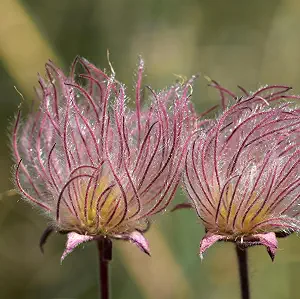 |
| Most Popular A crowd favorite that many people choose with confidence | Outsidepride Perennial White MiniClover Seed (4 oz) |  |
| Best Seller A high-volume bestseller chosen again and again | KVITER Purple Rock Cress (Aubrieta deltoidea) Heirloom Flower Seeds — 1,000 Count |  |
SunHaven Seeds Drought-Tolerant Wildflower Mix, 1 oz

| Indoor Outdoor Usage | Outdoor |
|---|---|
| Other Special Features of the Product | Drought Tolerant |
| Expected Blooming Period | Spring to Fall |
| Sunlight Exposure | Full Sun |
| Moisture Needs | Low |
This SunHaven wildflower mix is designed for low-water, sandy or well-draining sites where you want seasonal color with minimal upkeep. The packet contains a blend of hardy annuals and perennials such as coreopsis, California poppy, and coneflower that are selected for heat and drought resilience. Typical use is direct sowing in full sun onto prepared sandy soil; the resealable 1 oz pouch supplies roughly 100 square feet so you can seed a slope, meadow strip, or larger dry bed. Practically, the mix reduces irrigation needs once plants are established, attracts pollinators, and tolerates poor soil that holds little moisture. Limitations are that germination and early establishment still depend on at least occasional watering and good seed-to-soil contact in the first season, and a mixed annual/perennial blend means some plants may not return every year, giving a shifting look. For gardeners optimizing water use on sandy ground, this is an efficient, low-maintenance option that brings reliable color across spring to fall.
Best for: Gardeners who want to convert sandy, low-water areas into colorful, low-maintenance flower beds or meadows while minimizing irrigation and upkeep.
Less Ideal for: Those seeking a strictly perennial, permanent flower border or instant mature plants; this product is for sowing and establishment rather than immediate mature display.
- Formulated for drought and low moisture so established plants need minimal watering
- Non-GMO seed mix with species chosen for heat and dry-site performance
- Resealable 1 oz packet covers about 100 sq ft for efficient seeding of larger dry areas
- Attracts bees and butterflies, supporting pollinators in water-wise landscapes
- Contains a mix of annuals and perennials so the planting will change year to year rather than forming a uniform perennial stand
Verdict: An efficient, low-water seed mix that quickly establishes colorful, pollinator-friendly blooms on sandy, well-draining sites.
Plants for Pets 10" x 20" Sedum Groundcover Mat

| Indoor Outdoor Usage | Indoor, Outdoor |
|---|---|
| Sunlight Exposure | Full Sun |
| USDA Hardiness Zone | 3, 4, 5, 6, 7 |
| Soil Type | Sandy Soil |
| Moisture Needs | Moderate Watering |
This pre-planted sedum mat arrives as a 10 by 20 live tile of mixed sedum varieties intended for fast groundcover and vertical accents in full-sun locations. You can lay the mat directly into a well-drained, sandy bed, separate it into sections for multiple small plantings, or attach it to a living wall frame; the drought- and heat-tolerant succulents need bright sun and infrequent watering once established. Notable features include a ready-to-plant live mat that blooms in late spring to early summer, biodegradable material, and plant mixes that tolerate neglect and resume growth after dry periods. Practical benefits are quick visual coverage without transplanting many small pots, low watering needs for waterwise landscapes, and suitability for hardiness zones listed by the maker. Important limitations are the small tray size that covers only a modest area per unit and the seasonal sensitivities of some sedum types which may go semi-dormant under 50°F, so multiple tiles or dividing the mat is necessary for larger projects.
Best for: Buyers who want a low-maintenance, fast-establishing groundcover for sunny beds or living walls and prioritize reliable drought performance and easy installation.
Less Ideal for: Not a great fit for large-scale monoculture lawns where bulk coverage and uniformity are needed or for gardeners who need shade-tolerant groundcovers.
- Ready-to-plant live mat simplifies installation and speeds groundcover establishment
- Drought and heat tolerant sedum mix reduces watering and maintenance needs
- Versatile use for beds, edging, green roofs and vertical gardens
- Biodegradable mat material integrates into soil over time
- Small 10×20 mat covers a limited area so larger projects require multiple tiles
- Some varieties may go dormant or thin in cooler temperatures below about 50°F
Verdict: An easy-to-install live sedum mat that delivers fast, drought-tolerant groundcover for sunny spots where low maintenance and quick coverage matter.
Groundio Moss Rose (Portulaca grandiflora) Mixed-Color Seeds, 23,500 Count

| Unit Count | 23500 Count |
|---|---|
| Expected Blooming Period | Summer to Fall |
| Sunlight Exposure | Full Sun |
| Material Features | GMO Free, Heirloom |
| Other Special Features of the Product | High Germination Rate |
These Groundio moss rose seeds supply a huge quantity of Portulaca grandiflora seed for quickly establishing a colorful carpet of low annual flowers. They are intended to be surface-sown in well-drained soil and will germinate quickly in warm temperatures, producing double-petaled blooms in mixed pinks, reds, yellows, oranges, whites, and purples from summer into fall. Key useful traits are high reported germination, non-GMO heirloom seed, and strong tolerance for heat and drought, which makes them easy to use in pots, hanging baskets, rock gardens, and dry sunny beds. Practical benefits include very broad coverage from one packet, minimal watering needs once established, and simple sowing that does not require a green thumb. Limitations are that the seed mix is aimed at full sun and well-drained soils only, so performance will drop in shadier or waterlogged locations, and buyers who need precise spacing or single-color uniformity may prefer smaller, variety-specific packets instead of this mixed bulk offering.
Best for: Gardeners who want a low-maintenance, high-coverage annual to fill pots and sunny containers quickly without fuss, and who prioritize easy establishment and drought tolerance over precise variety control.
Less Ideal for: People planting in shade, consistently moist containers, or those seeking single-color displays or tight spacing control for formal designs should choose a different seed selection.
- Very large seed count (23,500) provides extensive coverage for pots and containers
- High reported germination for faster, more reliable establishment
- Heat and drought tolerant once established, suitable for hot sunny sites
- Non-GMO heirloom seed for traditional varieties and genetic consistency
- Designed for full sun and well-drained soil so not suitable for shady or wet conditions
- Mixed colors mean less control if you want a single color or uniform look
Verdict: If you need an easy, low-water annual to rapidly fill sunny pots and hanging baskets with nonstop summer color, this giant pack of moss rose seeds delivers simple, reliable results.
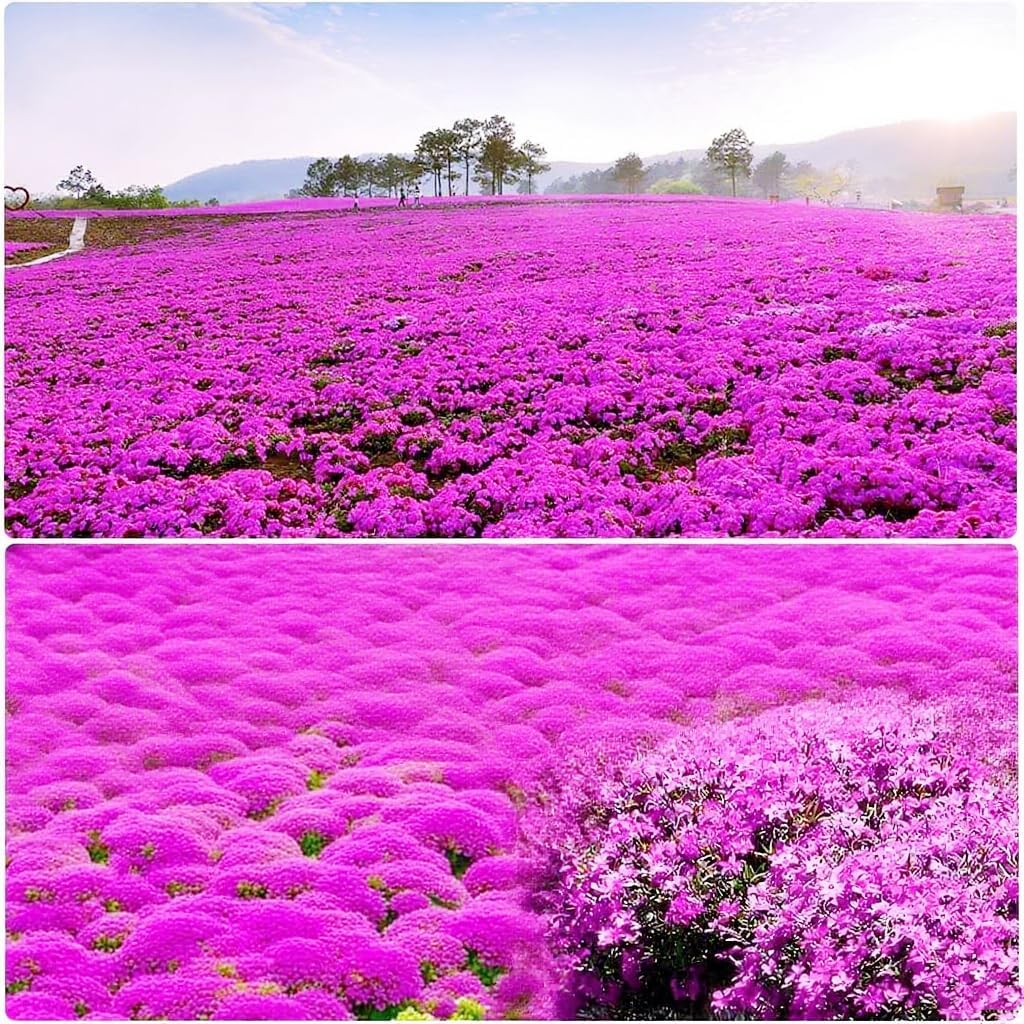
Carpet Creeping Creeping Thyme Seeds (150,000 Count)
| Indoor Outdoor Usage | Outdoor |
|---|---|
| Other Special Features of the Product | Attracts Pollinators, Fragrant, High Germination Rate |
| Expected Blooming Period | Spring to Fall |
| Sunlight Exposure | Full Sun |
| Unit Count | 150000 Count |
This packet of creeping thyme seeds is aimed at establishing a low-growing perennial groundcover that attracts pollinators and tolerates dry, sandy sites. It is typically sown in summer in full sun, where thin, well-drained soil and moderate watering help seedlings germinate in roughly two to four weeks. The listing emphasizes non-GMO, heirloom seeds and a high germination rate, which makes it a sensible option when you need a lot of seed to cover pathways, slopes, or large beds. Practical benefits include aromatic foliage useful for edging and light foot traffic, extended bloom from spring through fall, and minimal upkeep once established. Important limitations are that success depends on good drainage and full sun exposure, and buyers should expect a delay before a dense carpet forms since thyme can be slow to fill in compared with plug plants or established mats. The very large unit count suits broad projects but may be more seed than a small garden needs.
Best for: Gardeners needing an affordable way to seed large areas with a low-maintenance, fragrant perennial groundcover and who prioritize coverage over immediate results.
Less Ideal for: People wanting instant groundcover or small-plot gardeners who would prefer plugs or pre-grown mats to fill tight spaces quickly.
- Very large unit count suitable for covering extensive areas
- Non-GMO, heirloom seeds with stated high germination rate
- Drought tolerant and attractive to pollinators once established
- Long bloom period from spring through fall for extended color and nectar
- Requires full sun and well-drained, sandy soil to perform well
- Can take several weeks to germinate and more time to form a dense carpet
Verdict: If you need to seed a large area on a budget with a drought-tolerant, aromatic perennial, this bulk creeping thyme seed packet is a practical choice.
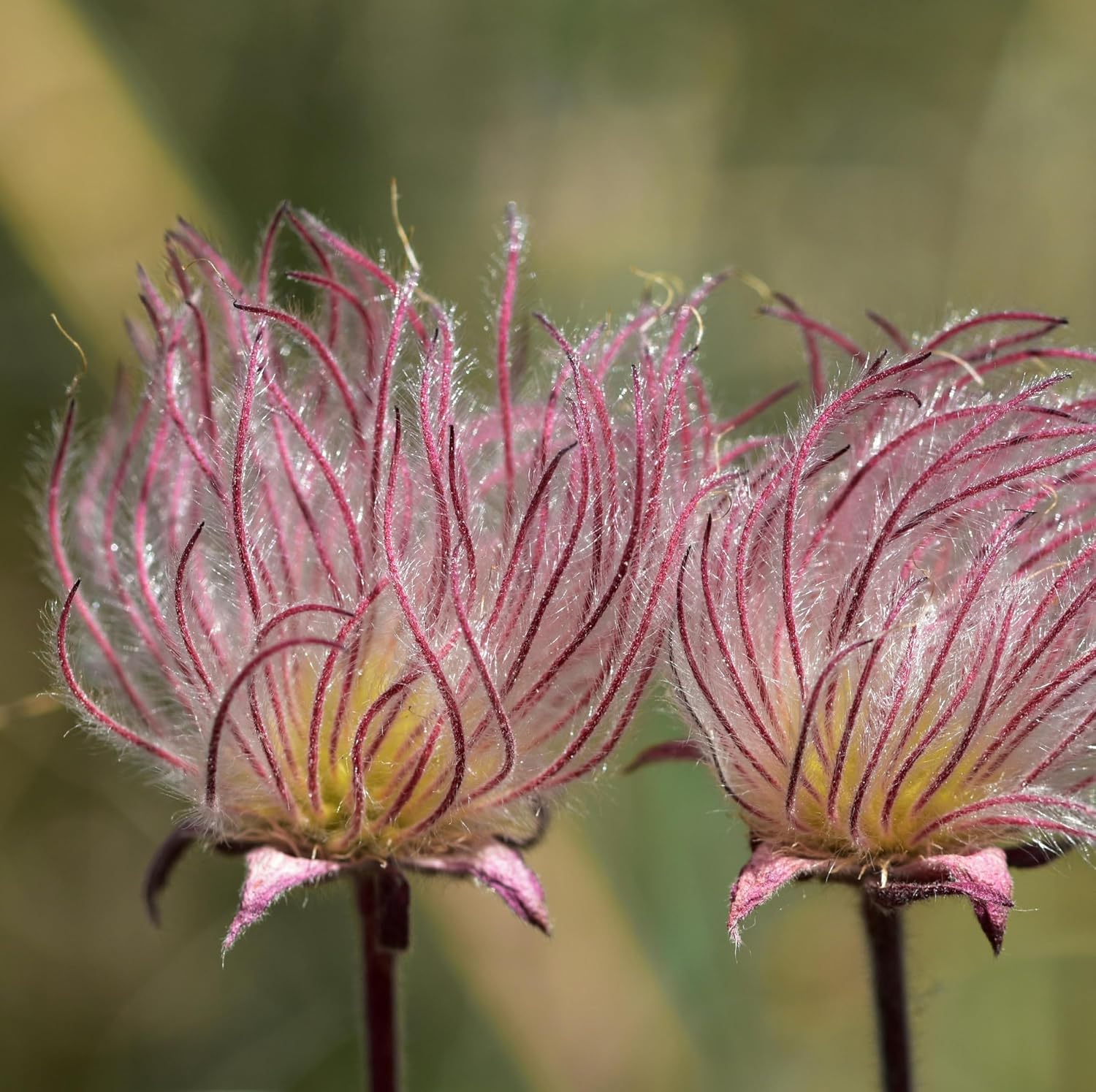
Carpet Creeping Prairie Smoke (Geum triflorum) Seeds — 50 Count
| Sunlight Exposure | Full Sun to Partial Shade |
|---|---|
| Expected Blooming Period | Spring to Fall |
| Soil Type | Sandy/Loam Soil |
| Moisture Needs | Moderate Watering |
| Unit Count | 50 Count |
These Prairie Smoke seeds are sold as a 50-count packet of Geum triflorum, a native perennial valued for its nodding pink flowers and plume-like seed heads. Gardeners sow the seed on the soil surface after a cold stratification period of 30–60 days, keep the bed moist until seedlings appear, then transplant or thin to 8–12 inch spacing. Once established plants form low-growing mats with 12–18 inch flower stems that add long-lasting pink, airy plumes to rock gardens, dry meadows, and xeriscapes. Notable features are drought tolerance, pollinator appeal, and self-seeding habit, which reduce maintenance and help the stand fill in over seasons. Limitations: seeds need refrigerated stratification to germinate reliably and require well-drained sandy or loamy soil, so they are not suited to heavy clay or constantly wet sites. Expect a few weeks to germination and a season or two for a fully settled planting.
Best for: Buyers who prioritize a dependable, low-maintenance perennial ground cover with ornamental pink plumes for dry, well-drained sites and naturalistic plantings.
Less Ideal for: Gardeners needing a rapid dense turf or those with heavy clay or waterlogged soils should consider other ground covers better adapted to wet conditions.
- Distinctive feathery pink seed plumes provide season‑long visual interest and dried flower use
- Drought tolerant once established, suitable for xeriscape and rock garden settings
- Attracts native bees and other pollinators
- Self-seeding habit helps the planting persist and expand with minimal intervention
- Seeds require cold stratification before sowing for reliable germination
- Performs poorly in heavy, poorly drained soils
Verdict: Choose these prairie smoke seeds if you want a reliable, low‑maintenance native ground cover that adds long‑lasting pink, feathery plumes to dry gardens.
Outsidepride Perennial White MiniClover Seed (4 oz)

| Indoor Outdoor Usage | Outdoor |
|---|---|
| Other Special Features of the Product | Drought Tolerant |
| Expected Blooming Period | Summer |
| Soil Type | Sandy Soil |
| Moisture Needs | Moderate Watering |
Outsidepride Perennial White MiniClover is a small-leaved micro clover sold for use as a lawn alternative, mix-in with grass seed, or standalone ground cover in full sun. It germinates quickly, produces stolons to form a dense mat, and reaches only about 4 to 6 inches, which makes it compatible with low-mow lawns and paths. Key features include nitrogen-fixing that improves soil fertility naturally, seasonal white flowers that attract pollinators if left unmowed, and good drought tolerance once established. Typical uses are overseeding thin turf, filling bare patches, stabilizing slopes for erosion control, or creating a low-maintenance green cover where regular mowing and watering are undesirable. Limitations to consider are that it is a perennial clover rather than a turf grass so it will produce flowers and a clover texture that differs from fine-bladed lawns, and it may not match the look of manicured turf. It prefers well-drained, sandy soils and moderate watering during establishment, and performance can vary by climate and how much it is mowed or mixed with other seeds.
Best for: Home gardeners and property owners who want a low-maintenance, pollinator-friendly ground cover for sunny areas and prefer reducing watering and fertilizer inputs over achieving a formal turf look.
Less Ideal for: People seeking a traditional, high-traffic turf with a fine-bladed, uniform appearance or those with consistently waterlogged soil conditions.
- Forms a dense, low-growing mat via stolons for effective ground cover and erosion control
- Nitrogen-fixing habit improves soil fertility and reduces need for fertilizer
- Drought-tolerant once established, reducing watering requirements
- Small leaves and low height tolerate lower mowing heights compared with standard clover
- Different appearance and texture than fine-bladed turf so it may not suit formal lawns
- Performs best in well-drained, sandy soils and may need attention in heavy clay or poorly drained sites
Verdict: Choose this miniclover seed if you want an easy-care, drought-tolerant ground cover for sunny spots that improves soil fertility and reduces mowing and watering.
KVITER Purple Rock Cress (Aubrieta deltoidea) Heirloom Flower Seeds — 1,000 Count

| Unit Count | 1000 Count |
|---|---|
| USDA Hardiness Zone | 3-10 |
| Sunlight Exposure | Full Sun |
| Expected Blooming Period | Spring to Summer |
| Material Features | GMO Free, Heirloom |
These KVITER Aubrieta (purple rock cress) seed packets supply 1,000 heirloom seeds for establishing a low, drought-tolerant ground cover. The seeds are surface-sown and need light to germinate, typically sprouting in 10–14 days around 60–65°F, and can be started indoors about six weeks before the last frost. Once established the plants form 6-inch mats with a cascading habit that works well in rock gardens, along paths, or on low walls. Key product features include a detailed growing guide in each packet, non-GMO heirloom seed, and suitability across USDA zones 3–10. Practical benefits are long seasonal color in late spring, low maintenance after establishment, and good tolerance of well-drained, sandy soils, which matches drought-tolerant plantings. Limitations to expect are the need for careful surface sowing and consistent moisture during germination, and that it performs best in full sun to part sun so shadier sites may underperform. Seed quantity is generous but germination rates in real gardens can vary, so plan accordingly.
Best for: Buyers who want a low-growing, drought-tolerant ground cover for rock gardens or sunny slopes and prefer a straightforward seed option with clear instructions and broad climate tolerance.
Less Ideal for: Gardeners seeking instant mature cover or those with heavily shaded, clay or poorly drained sites should consider plugs or different shade-tolerant species instead.
- Large 1,000-count pack suitable for covering larger areas or multiple plantings
- Heirloom non-GMO seeds with a growing guide included for step-by-step planting
- Adapted to USDA zones 3–10, making it usable across a wide range of climates
- Forms low, spreading mats that work well as drought-tolerant ground cover in well-drained soils
- Requires light for germination and consistent moisture during the seedling stage
- Performs best in full sun to part sun so heavily shaded spots may not thrive
Verdict: A cost-effective seed option for establishing low, drought-tolerant purple ground cover across a wide range of climates when planted in sunny, well-drained spots.
Choosing the Right Ground Cover for Drought: Key Factors to Consider
Drought Survival and Establishment
How a ground cover survives long dry spells is the most important factor for arid gardens. Some species need a season of regular water to establish a deep root system and then survive on natural rainfall or minimal supplemental irrigation. Others will require ongoing light watering during hot months. Consider whether you can provide extra water during the first year and how long a species typically needs to become drought-resilient.
Establishment also affects recommended planting times. In many dry regions, planting in late fall or early spring gives young plants cooler temperatures and occasional rains to develop roots. If you must plant in summer, select plugs with larger root balls and plan targeted early watering to prevent loss.
Soil Type and Drainage
Soil texture and drainage strongly influence survival during drought. Sandy soils drain quickly and heat up, which can stress shallow-rooted covers, while clay soils retain moisture but can be hard for roots to penetrate when surface soils dry. Some ground covers tolerate a wide range of soils; others perform only in well-drained, gritty mixes. Assess whether your site pools water after storms or stays bone dry, and choose a cover whose root structure matches those conditions.
Amending soil is an option but in large areas it is seldom practical. Instead, match plant choice to existing soil or focus amendments only in planting holes and initial topdressing to improve establishment without trying to change the whole bed.
Growth Habit and Coverage Rate
Different ground covers spread in fundamentally different ways: stolons, rhizomes, clumping mats, or slow single-stem runners. A fast-spreading stoloniferous cover will fill a large area quickly but can be harder to confine. Clumping or mat-forming species give tidy edges and make replacement easier but may leave gaps longer. Consider how quickly you need full coverage, whether you want a living mulch between shrubs or a formal carpet, and how much space you can devote to initial plugs or seed density.
Coverage rate also affects weed suppression. Dense, quick-covering plants reduce the window for weeds to establish, cutting maintenance. However, they may also require division sooner to prevent overcrowding.
Maintenance and Long-Term Care
Design for the maintenance you can realistically provide. Some drought-tolerant covers are essentially hands-off once established, requiring only occasional weeding. Others need seasonal trimming, periodic division, or removal of old growth to stay attractive. If you prefer low labor, favor species rated low for maintenance demand and that do not resprout aggressively into paths or adjacent beds.
Also consider seed or flower drop that can create unwanted seedlings and whether the plant tolerates being stepped on. Maintenance expectations shape whether a ground cover remains an asset or becomes a chore.
Erosion Control and Slope Stability
Ground cover in dry landscapes often doubles as an erosion-control method on slopes or bare banks. A plant that roots deeply and forms a dense surface mat will anchor soil during wind or occasional heavy rains. Long, spreading runners can knit soil together horizontally, while plants with a stronger root mass prevent undercutting. Evaluate the severity of slope, typical runoff events, and whether you need temporary soil stabilization during establishment.
If erosion is a key concern, favor covers with strong root-holding characteristics and avoid species that form only a shallow surface layer.
Seasonal Interest and Wildlife Value
Beyond practical performance, consider what the ground cover adds visually and ecologically. Some drought-tolerant covers flower profusely for pollinators, set seed that feeds birds, or retain winter structure that looks tidy in beds. Others remain evergreen and provide consistent color but little wildlife benefit. Choose based on whether you want seasonal blooms, year-round green, or specific habitat value for pollinators and beneficial insects.
Remember that more ornamental selections sometimes require slightly higher water or maintenance, so weigh aesthetics against practicality in hot, dry sites.
Best Planting Times and Soil Prep for Dry Sites
Timing and a little preparation make a big difference for drought-adapted ground covers. Planting in cooler, wetter windows lets roots develop before summer stress. In many dry climates that is late fall or early spring when temperatures are milder and rainfall is more reliable.
Soil preparation should focus on removing competing weeds and improving contact between roots and native soil. Avoid heavy mulches that trap heat near small crowns; instead use a shallow layer of coarse mulch to conserve moisture without suffocating young plants. If your soil is compacted, break the surface to a depth the roots will reach to encourage penetration.
- Plant when temperatures are cool and rainfall is likely
- Water deeply but infrequently during the first season to encourage deeper roots
- Limit soil amendments across large areas; amend planting holes for individual transplants
Watering Strategy for Establishment and Maturity
Establishment watering differs from long-term maintenance. Initially, frequent but light surface watering keeps new roots from drying. Transition to deeper, less frequent irrigations over several months to encourage roots to grow downward. When mature, most drought-adapted covers survive on minimal supplemental water except during prolonged heat waves.
Use a hose or targeted drip system to conserve water while giving transplants reliable moisture. Observe plants for signs of moisture stress rather than following a strict schedule; redness, wilting, or slowed growth indicate a need for short-term irrigation.
- Start with two to three waterings per week for newly set plants, then taper
- Switch to deep, infrequent watering after 8 to 12 weeks
- Top up during extreme heat or protracted droughts
Managing Weeds and Competing Vegetation
Weed control is often the deciding factor for success. Bare soil invites invasive annuals that outcompete young ground covers. Remove established weeds before planting and monitor regularly during the first season when cover density is still low.
Mulch can suppress weeds but choose materials that do not retain excessive heat. In many dry gardens where water conservation is crucial, a thin layer of gravel or coarse organic mulch helps suppress weeds while reflecting heat and allowing water to reach root zones.
- Pull or solarize major weed patches before planting
- Use shallow, coarse mulch to reduce weed pressure without overheating crowns
- Hand-weed early rather than relying on heavy mulching alone
Combining Ground Cover with Other Drought-Tolerant Plants
Ground cover can unify a planting of shrubs, perennials, and grasses while reducing irrigation needs across the bed. Match water schedule and sun exposure when combining species so that every element can thrive with similar care. Low-water ground cover works well beneath light-canopied shrubs and between ornamental grasses that allow airflow and light.
Leave planting pockets for larger plants and avoid completely smothering shrub root zones. Where root competition is a concern, place the ground cover slightly away from trunks to reduce stress on established woody plants.
- Group plants by water need to simplify irrigation
- Use ground cover as a living mulch under compatible shrubs
- Maintain a small mulch or bare ring around trunks to protect woody plant crowns
Seasonal Maintenance Calendar
A simple seasonal plan keeps drought-tolerant ground cover healthy without excessive work. In late winter or early spring tidy up dead material to make space for new growth. Early summer is usually hands-off except for occasional weeding and irrigation as needed. Late summer and fall are good times to assess coverage and divide or fill gaps where establishment failed.
If your cover flowers and you want to encourage seed or more blooms, plan light feeding in early spring rather than frequent summer fertilizing, which increases water demand.
- Late winter: clean up and divide crowded patches
- Spring: monitor for gaps and plant infill
- Summer: minimal intervention unless stressed by heat
How We Chose the Best Ground Cover for Drought
We focused on traits that matter in low-water gardens and excluded plants that need regular irrigation or intensive upkeep. Selection filtered for drought tolerance across establishment and mature phases, proven soil and heat tolerance, and realistic ground coverage rates for typical yard and bed sizes. We prioritized plants that suppress weeds naturally, present low pest or disease risk in dry conditions, and offer measurable erosion control on slopes or exposed soil. Evaluation criteria included drought survival and watering frequency during establishment and maturity, soil adaptability from sandy to heavier loams, growth habit and spread rate for coverage planning, and maintenance demands such as pruning, division, or reseeding. Cold and heat hardiness bands were considered so picks suit a range of climates where drought is the primary constraint. We excluded species that require constant fertilizer, frequent cutting, or are known invasive in dry regions. The final list balances low irrigation needs with predictable landscape performance and manageable upkeep.
FAQ
Can drought-tolerant ground cover thrive with no irrigation?
Often they can once fully established, but most ground covers need supplemental water during extended heat waves or in the first growing season. Performance depends on soil type and local climate.
How long does it take for ground cover to fill in bare soil?
It depends on the species and planting density. Some fast-spreading covers fill a small area in a single season, while others take two to three seasons. Plan according to the expected spread rate and whether you can tolerate temporary gaps.
Will a ground cover planted for drought control prevent erosion?
Many drought-adapted covers provide effective erosion control if they form a dense mat and have good root penetration. For steep or highly erodible slopes you may need additional stabilization measures during establishment.
Is it better to plant plugs or seed in dry sites?
Plugs often establish more reliably because they have an existing root system, which reduces early loss. Seed can work but usually requires more attention to soil contact and watering until seedlings are established.
Do drought-tolerant ground covers need fertilizer?
They typically need little to no fertilizer. Excess feeding can encourage soft growth that increases water needs and reduces drought resilience. Apply light, targeted feeding only if growth appears weak in spring.
Can I mow or walk on drought-tolerant ground cover?
It depends on the species. Some covers tolerate light foot traffic or occasional mowing, while others suffer from compaction and crown damage. Choose a ground cover rated for traffic if you expect regular use.
Final Verdict
Prioritize drought survival, soil compatibility, and realistic maintenance when choosing a ground cover for dry gardens. Tradeoffs are inevitable: faster-spreading plants give quicker weed suppression but may need occasional management, while clumping types are neater but take longer to fill in. Aim for species that establish with limited water, match your soil and sun exposure, and align with how much time you will spend on upkeep. With clear priorities-establishment plan, irrigation strategy, and intended coverage-gardeners can select a ground cover that reduces watering, stabilizes soil, and enhances the landscape with minimal long-term labor.
