

Note: This article contains affiliate links. If you click on these links and make a purchase, I may earn a small commission at no extra cost to you. This helps support my research and content. Read my full affiliate disclosure here.
If you garden where rainfall is scarce or summers bake the soil, choosing the right ground cover changes how your landscape looks and performs. The wrong choice can leave bare patches, worsen erosion, or demand more irrigation than you planned. The best ground cover for drought areas reduces evaporation, protects soil, and fills gaps with persistent, low-water foliage. This guide shortlists seven strong options suitable for dry gardens and patios. We evaluated each option for drought tolerance, establishment speed, erosion control, and ongoing care so you can match a plant or planting strategy to your site conditions. Read on to find practical choices for steep slopes, gravel beds, or sun-baked yards.
Top Picks at a Glance
| Best Overall The best all-around choice for most situations | Outsidepride Perennial White MiniClover Seed (1 lb) |  |
| Best Quality Built to a higher standard if you want something more solid | Plants for Pets 10" x 20" Live Sedum Succulent Mat |  |
| Best Value The sweet spot between price and what you get | SWEET YARDS Drought Tolerant Wildflower Mix — 1 oz (7,500+ Seeds) |  |
| Best Budget The cheapest option that still gets the job done reliably | Carpet Creeping Creeping Thyme Seeds (Ground Cover, 145,000 count) |  |
| Highest Rated A top-rated pick with lots of positive feedback | Carpet Creeping Prairie Smoke (Geum triflorum) Seeds — 50 Count | 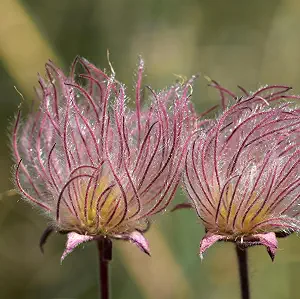 |
| Most Popular A crowd favorite that many people choose with confidence | Outsidepride White Dutch Clover Seed, 5 lb |  |
| Best Seller A high-volume bestseller chosen again and again | KVITER Purple Rock Cress (Aubrieta deltoidea) Heirloom Flower Seeds — 1,000 Count |  |
Outsidepride Perennial White MiniClover Seed (1 lb)

| Indoor Outdoor Usage | Outdoor |
|---|---|
| Other Special Features of the Product | Drought Tolerant |
| Expected Blooming Period | Summer |
| Moisture Needs | Moderate Watering |
Outsidepride Perennial White MiniClover is a micro clover seed intended as a low‑maintenance ground cover or lawn mix‑in. It is typically used for overseeding bare patches, creating a low-mow lawn alternative, stabilizing slopes or pathways, and improving soil nitrogen naturally. Notable features include very small leaves and stoloniferous growth that allow it to form a dense mat, low watering needs once established, and a short summer flowering period that attracts pollinators if left unmowed. Practical benefits are reduced mowing and irrigation, improved soil fertility through nitrogen fixation, and rapid establishment when sown at recommended rates. Limitations to consider are its preference for full sun to partial sun rather than deep shade, a modest one‑month bloom period if mowed regularly, and that it will reach only a few inches tall so it does not replace taller shade-tolerant groundcovers. For shaded areas this clover can work at garden edges or spots with filtered light, but it is not the best choice for densely shaded understories where true shade specialists perform better.
Best for: Gardeners who want a low‑maintenance, eco‑friendly ground cover or lawn mix‑in that reduces mowing and fertilizing and works well in sunny to partly shaded spots.
Less Ideal for: People seeking a groundcover for deep shade or for taller, year‑round ornamental coverage should consider shade‑specialist plants instead.
- Drought tolerant once established, reducing watering needs
- Fixes atmospheric nitrogen to improve soil fertility naturally
- Very small leaves and stolons create a dense, low-mow ground cover
- Suitable for erosion control on slopes and quick establishment of bare areas
- Not well suited to deep, heavily shaded areas and performs best in sun or partial sun
- Short seasonal flowering window if regularly mowed
Verdict: Choose this micro clover if you want an easy, low‑mow ground cover that improves soil naturally and cuts maintenance in sun or partly shaded areas.
Plants for Pets 10" x 20" Live Sedum Succulent Mat

| Indoor Outdoor Usage | Indoor, Outdoor |
|---|---|
| Other Special Features of the Product | Weather Resistant |
| Expected Blooming Period | Spring to Summer |
| Sunlight Exposure | Partial Sun |
| Moisture Needs | Little To No Watering |
This live sedum mat arrives as a pre-planted 10" x 20" tray of assorted stonecrop varieties meant for low-water landscaping and decorative planting. It is typically used as instant ground cover for dry areas, lawn edging, green roofs, or vertical gardens where drainage is good and sunlight is available. Notable features include drought and heat tolerance, weather resistance, and a mix of low-growing perennial sedums that produce small star-shaped flowers in spring to summer. Practical benefits are immediate coverage to reduce bare soil, minimal watering needs once established, and visual interest from varied textures and colors. Expect the tray to need a good soak on arrival and regular planting into sandy, well-drained soil for best results. Limitations are the small tray size for larger projects and the fact that varieties and colors vary by tray, so you may need multiple units for consistent coverage or a specific look. Some sedums will go dormant or look less robust in cooler climates without winter protection.
Best for: Gardeners prioritizing low-water performance who want a ready-to-plant solution for filling small dry patches, edging walkways, or creating a green roof or living wall with minimal maintenance.
Less Ideal for: Those needing uniform color or a large continuous planting area with a single purchase or gardeners seeking shade-loving ground covers.
- Pre-planted tray offers instant ground cover and easy installation
- Highly drought and heat tolerant once established
- Weather resistant and suitable for outdoor use including green roofs and living walls
- Produces spring to summer flowers that add seasonal interest
- Tray size (10" x 20") is small for larger beds so multiple trays are needed for full coverage
- Plant varieties and colors may vary between trays so look may be inconsistent
Verdict: Buy this sedum mat when you need a compact, low-water, pre-planted ground cover that establishes quickly and performs in drought-prone spots.
SWEET YARDS Drought Tolerant Wildflower Mix — 1 oz (7,500+ Seeds)

| Unit Count | 1 Ounce |
|---|---|
| Number of Pieces | 7500 |
| Sunlight Exposure | Full Sun |
| Moisture Needs | Moderate Watering |
| Expected Blooming Period | Spring to Fall |
This drought-tolerant wildflower mix is a performance-focused seed blend intended to establish a low-maintenance, pollinator-friendly display in sunny spots. The packet contains over 7,500 open-pollinated seeds across 21 dryland species, combining annuals and perennials so you get an early flush of color and plants that return in subsequent seasons. It is packaged in resealable premium packaging with planting instructions, which helps preserve seed viability between seasons. Recommended for full-sun sites and adaptable to most soils, the mix is formulated for moderate watering and is especially suited to areas where water is limited. In a raised bed the variety of bloom times and heights creates layered interest without intensive care, but expect some variability in germination and bloom density because mixes include both robust and slower-establishing species. If you want a fast, uniform carpet of a single flower type this is not that product, but for a resilient, pollinator-attracting meadow effect in a sunny raised bed it delivers strong, lasting value.
Best for: Gardeners who prioritize resilient, low-water flowerings and want an easy-to-establish pollinator mix for sunny raised beds that performs across seasons.
Less Ideal for: People who need a uniform carpet of a single flower species, exact color schemes, or rapid, perfectly even coverage in a small ornamental bed.
- Large seed count (over 7,500 seeds) suitable to cover about 100 sq. ft.
- Mix of 21 drought-tolerant species offering staggered bloom times and pollinator value
- Open-pollinated non-GMO seeds with premium resealable packaging and planting instructions
- Adaptable to most soils and formulated for full sun with moderate watering needs
- Mix composition leads to uneven germination and variable bloom density across the bed
- Not optimized for a uniform single-species display or precise color control
Verdict: Use this mix when you want a drought-tolerant, pollinator-friendly wildflower display that fills a sunny raised bed with seasonal color and minimal fuss.
Carpet Creeping Creeping Thyme Seeds (Ground Cover, 145,000 count)

| Indoor Outdoor Usage | Outdoor |
|---|---|
| Other Special Features of the Product | Attracts Pollinators, Fragrant, High Germination Rate |
| Expected Blooming Period | Spring to Fall |
| Sunlight Exposure | Full Sun |
| Moisture Needs | Moderate Watering |
These creeping thyme seeds are intended for establishing a fragrant, pollinator-friendly ground cover that blooms from spring through fall. They are typically sown in sandy, well-drained soil in full sun during the recommended planting period and will germinate in about two to four weeks. The listing emphasizes high germination, organic non-GMO seed stock, and suitability for dry, low-water sites, which makes it practical for rock gardens, between pavers, and large areas where a low mat of flowers is desired. Because the packet is a very large unit count, it suits budget-conscious gardeners covering wide areas or restoring erosion-prone slopes. Expect to maintain moderate watering while plants establish and occasional trimming to keep a neat carpet. Limitations are that thyme prefers full sun and sandy soils so it will perform poorly in heavy clay or dense shade, and establishing a uniform stand requires patience through the germination window and proper site prep.
Best for: Buyers who need an affordable way to establish a wide swath of flowering ground cover and prefer low-water, pollinator-friendly plantings in sunny sites.
Less Ideal for: Gardeners who want a ground cover for shady, moisture-retentive soils or those seeking a small packet for container-only planting.
- Very large seed count suitable for covering large areas on a single purchase
- Non-GMO, heirloom, organic seed sourcing
- Adapted to dry, sandy soils and full sun for low-water landscaping
- Attracts pollinators and produces fragrant blossoms across spring to fall
- Not well suited to heavy clay soils or shaded locations
Verdict: A budget-friendly, high-count seed option for quickly establishing a drought-tolerant, pollinator-attracting flowering carpet in sunny, sandy sites.
Carpet Creeping Prairie Smoke (Geum triflorum) Seeds — 50 Count
| Sunlight Exposure | Full Sun to Partial Shade |
|---|---|
| Expected Blooming Period | Spring to Fall |
| Soil Type | Sandy/Loam Soil |
| Moisture Needs | Moderate Watering |
| Unit Count | 50 Count |
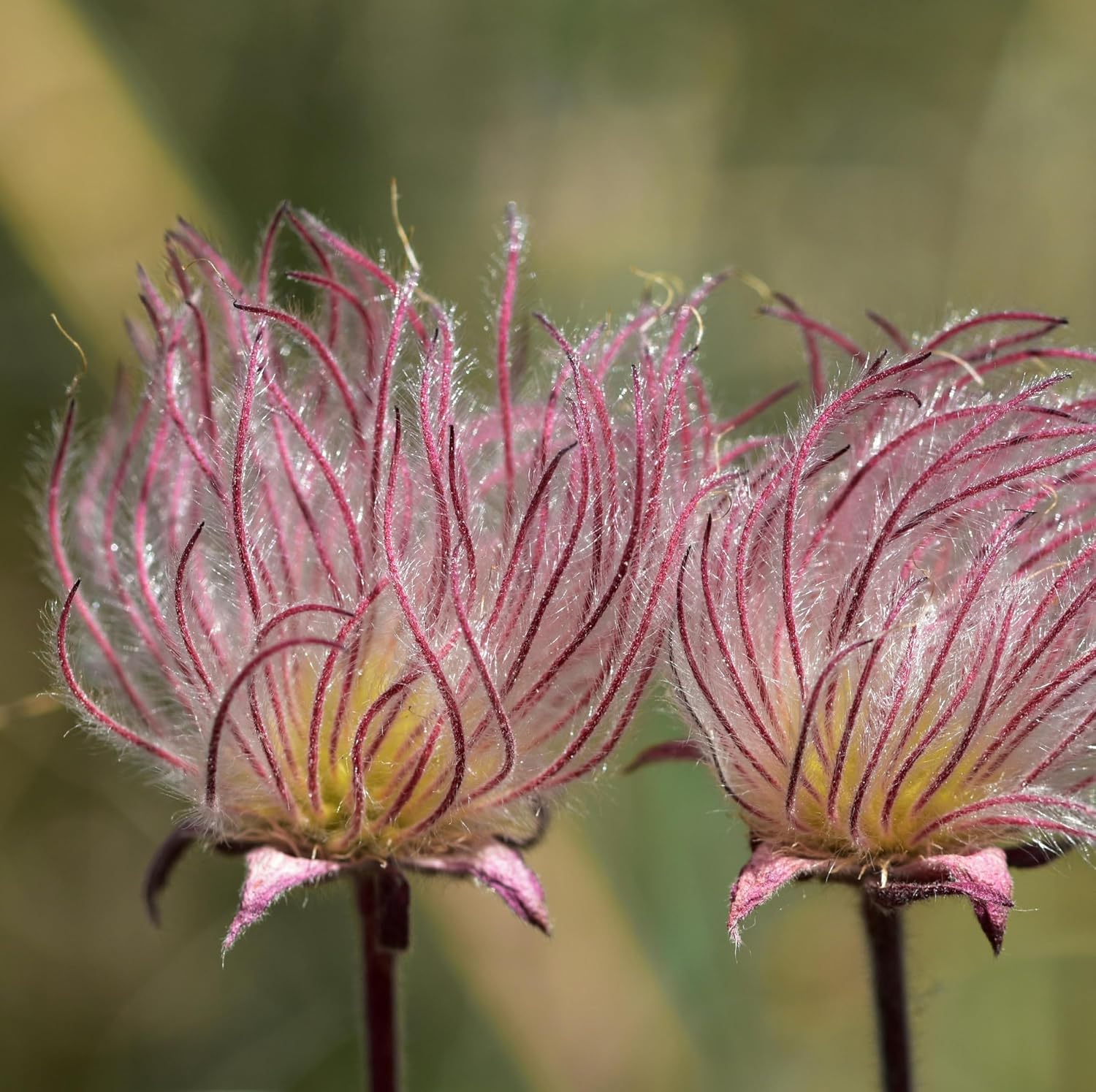
These Prairie Smoke seeds are sold as a 50-count packet of Geum triflorum, a native perennial valued for its nodding pink flowers and plume-like seed heads. Gardeners sow the seed on the soil surface after a cold stratification period of 30–60 days, keep the bed moist until seedlings appear, then transplant or thin to 8–12 inch spacing. Once established plants form low-growing mats with 12–18 inch flower stems that add long-lasting pink, airy plumes to rock gardens, dry meadows, and xeriscapes. Notable features are drought tolerance, pollinator appeal, and self-seeding habit, which reduce maintenance and help the stand fill in over seasons. Limitations: seeds need refrigerated stratification to germinate reliably and require well-drained sandy or loamy soil, so they are not suited to heavy clay or constantly wet sites. Expect a few weeks to germination and a season or two for a fully settled planting.
Best for: Buyers who prioritize a dependable, low-maintenance perennial ground cover with ornamental pink plumes for dry, well-drained sites and naturalistic plantings.
Less Ideal for: Gardeners needing a rapid dense turf or those with heavy clay or waterlogged soils should consider other ground covers better adapted to wet conditions.
- Distinctive feathery pink seed plumes provide season‑long visual interest and dried flower use
- Drought tolerant once established, suitable for xeriscape and rock garden settings
- Attracts native bees and other pollinators
- Self-seeding habit helps the planting persist and expand with minimal intervention
- Seeds require cold stratification before sowing for reliable germination
- Performs poorly in heavy, poorly drained soils
Verdict: Choose these prairie smoke seeds if you want a reliable, low‑maintenance native ground cover that adds long‑lasting pink, feathery plumes to dry gardens.
Outsidepride White Dutch Clover Seed, 5 lb

| USDA Hardiness Zone | 3 |
|---|---|
| Sunlight Exposure | Full Sun |
| Moisture Needs | Little To No Watering |
| Material Features | Heirloom |
| Expected Blooming Period | Early spring/Late summer |
Outsidepride White Dutch clover is a hardy perennial cover crop sold in a 5 lb bulk bag and treated (nitrocoated and inoculated) to support germination and soil health. It is used for quick-establishing ground cover, erosion control, lawn alternatives, pasture mixes, and deer or food plots. Typical use is broadcasting seed at the recommended rate, lightly raking it in, and keeping the soil moist until germination, which often appears within two weeks under favorable temperatures. Notable features include drought tolerance, the ability to fix atmospheric nitrogen to improve soil fertility, and fragrant white blooms that attract pollinators. Practical benefits are reduced need for watering and herbicides, faster soil stabilization on slopes, and improved soil structure when used in rotations. Limitations are that it establishes best with some site preparation and regular moisture during germination, it can be slow to outcompete aggressive weeds in very poor seedbeds, and its low stature means it is not a replacement for tall ornamental plantings. Overall it is a straightforward, low-maintenance option for durable, pollinator-friendly ground cover in dry landscapes.
Best for: Buyers who prioritize proven performance and want a low-water, pollinator-friendly ground cover with strong customer feedback to back its reliability for erosion control and lawn alternatives.
Less Ideal for: Gardeners seeking a tall, ornamental flowering display or immediate weed-free lawns should consider other perennial or turf options that provide instant height or faster weed suppression.
- Treated (nitrocoated and inoculated) seed for improved germination and soil inoculation benefits
- Drought tolerant once established, suitable for low-water landscapes
- Attracts pollinators with white flowers, supporting garden biodiversity
- Effective at crowding out weeds and stabilizing soil for erosion control
- Needs consistent moisture during germination window or establishment may be patchy
- Won't rapidly suppress very aggressive weeds without prior site prep or repeat sowing
Verdict: A drought-tolerant, treated white clover seed that delivers reliable, pollinator-friendly ground cover and soil improvement for low-water landscapes.
KVITER Purple Rock Cress (Aubrieta deltoidea) Heirloom Flower Seeds — 1,000 Count

| Unit Count | 1000 Count |
|---|---|
| USDA Hardiness Zone | 3-10 |
| Sunlight Exposure | Full Sun |
| Expected Blooming Period | Spring to Summer |
| Material Features | GMO Free, Heirloom |
These KVITER Aubrieta (purple rock cress) seed packets supply 1,000 heirloom seeds for establishing a low, drought-tolerant ground cover. The seeds are surface-sown and need light to germinate, typically sprouting in 10–14 days around 60–65°F, and can be started indoors about six weeks before the last frost. Once established the plants form 6-inch mats with a cascading habit that works well in rock gardens, along paths, or on low walls. Key product features include a detailed growing guide in each packet, non-GMO heirloom seed, and suitability across USDA zones 3–10. Practical benefits are long seasonal color in late spring, low maintenance after establishment, and good tolerance of well-drained, sandy soils, which matches drought-tolerant plantings. Limitations to expect are the need for careful surface sowing and consistent moisture during germination, and that it performs best in full sun to part sun so shadier sites may underperform. Seed quantity is generous but germination rates in real gardens can vary, so plan accordingly.
Best for: Buyers who want a low-growing, drought-tolerant ground cover for rock gardens or sunny slopes and prefer a straightforward seed option with clear instructions and broad climate tolerance.
Less Ideal for: Gardeners seeking instant mature cover or those with heavily shaded, clay or poorly drained sites should consider plugs or different shade-tolerant species instead.
- Large 1,000-count pack suitable for covering larger areas or multiple plantings
- Heirloom non-GMO seeds with a growing guide included for step-by-step planting
- Adapted to USDA zones 3–10, making it usable across a wide range of climates
- Forms low, spreading mats that work well as drought-tolerant ground cover in well-drained soils
- Requires light for germination and consistent moisture during the seedling stage
- Performs best in full sun to part sun so heavily shaded spots may not thrive
Verdict: A cost-effective seed option for establishing low, drought-tolerant purple ground cover across a wide range of climates when planted in sunny, well-drained spots.
Choosing the Right Ground Cover for Drought Areas: Key Factors to Consider
Drought Tolerance and Water Needs
How a ground cover handles extended dry periods determines whether it will survive on minimal irrigation. Plants with deep or wiry root systems, succulent leaves, or small waxy foliage generally lose less water and recover from drought stress better.
Consider the length and intensity of your dry season and whether you can provide any supplemental water during establishment. Some drought-tolerant ground covers still need regular watering for the first season before they reliably persist on rainfall alone.
Soil Stabilization and Root Structure
If erosion control is a priority, choose ground covers with dense fibrous roots or strong creeping stems that form a mat. These growth habits bind topsoil, slow runoff, and help trap organic matter and seed.
On slopes, planting density and root depth matter more than foliage alone. Even drought-tolerant species can fail to prevent erosion if planted too sparsely or in poor contact with the soil surface.
Establishment Rate and Weed Suppression
How quickly a cover fills bare ground affects its ability to outcompete weeds and reduce bare-soil evaporation. Fast-establishing spreads reduce maintenance early on, while slow starters need careful mulching and weed control until they fill in.
Also evaluate whether the species self-seeds or spreads vegetatively. Self-seeders can fill gaps cheaply but may require spot thinning; vegetative spreaders often provide consistent coverage without frequent reseeding.
Sun Exposure, Heat Tolerance, and Cold Hardiness
Drought areas often mean intense sun and heat during part of the year, but nights can be cool and winters may bring freezes. Choose plants rated for the full range of temperatures in your zone and for the light level where they will be planted.
Some drought-tolerant covers prefer part shade and scorch or decline in full afternoon sun. Others tolerate reflective heat from patios and rock gardens. Match the plant to the exact exposure to avoid surprises.
Maintenance Tasks and Long-Term Care
Maintenance expectations influence the practicality of any ground cover. Low-maintenance options require occasional clipping, seasonal clean-up, and very little irrigation once established. Higher-maintenance covers may need pruning to keep them from overtopping nearby plants or dividing to rejuvenate thin patches.
Think about how you will handle debris, annual trimming, and any invasive tendencies. A low-water plant that becomes weedy in your yard can create more work than a slightly thirstier but well-behaved alternative.
Aesthetic and Functional Fit
Ground cover decisions are both visual and functional. Leaf size, texture, flowering habits, and seasonal color affect how the planting reads in beds, pathways, or slopes. Small-leaved mats create a carpet effect, while sculptural succulents make a design statement.
Also consider whether you need wildlife value, pollen or nectar, or a non-slip surface for paths. The right ground cover balances appearance with the practical tasks you expect it to perform.
Site Preparation and Planting Tips for Dry Landscapes
Good planting practice increases survival and reduces irrigation needs. Prepare beds by loosening compacted topsoil to improve water infiltration and root penetration. On slopes, create shallow terraces or check rows to slow runoff and give roots a chance to establish.
When planting, firm soil around the roots to remove air pockets and add a small mulch ring of coarse material to limit evaporation while avoiding direct mulch contact with crowns. Water deeply at planting time, then taper supplemental watering as roots expand; this encourages deeper rooting and long-term drought resilience.
- Space plants slightly closer than dry-climate spacing recommendations to speed canopy closure and weed suppression.
- Use coarse mulch like gravel or decomposed granite in very dry spots to reduce evaporation and reflect heat.
- On windy sites, consider temporary windbreaks until covers can reduce soil exposure.
Using Ground Covers on Slopes and Erosion-Prone Areas
Slopes intensify runoff and wash soil away quickly. Choose covers that spread via runners or form dense mats and plant in staggered rows to create a fabric of roots that catches sediment. Establishment is critical early, so plan for initial irrigation or erosion-control matting if needed.
Combining ground covers with hardy shrubs and grasses can create structural diversity that slows water and traps debris. Avoid planting only widely spaced specimens; continuous coverage is the key to long-term stability.
- Install erosion-control fabric when slopes are steep and rainfall intense to give plants a chance to root.
- Stagger plantings in horizontal bands rather than single rows to intercept runoff.
Drought-Proof Mulching and Watering Strategies
Mulch conserves soil moisture, reduces surface temperatures, and suppresses weeds. In arid landscapes, use thin layers of inorganic mulch or coarse organic mulch that resists wind displacement. Keep mulch away from plant crowns to avoid rot and pests.
Watering strategy matters more than total water volume. Deep, infrequent waterings encourage roots to grow deeper and make plants more drought resilient. Use soak-and-wait cycles during establishment rather than daily light sprinklings.
- Consider drip irrigation for establishment only, then phase it off to let plants adjust.
- Monitor soil moisture below the surface rather than relying on surface dryness alone.
Design Ideas Using Low-Water Ground Covers
Drought-tolerant covers work in several landscape roles. Use low carpets between stepping stones to soften hard paths, plant them around rock gardens to create contrast with bolder succulents, or use them as underplanting beneath dry-climate shrubs to tie a design together.
Mix texture and height to avoid monotony. Combine small-leaved mats with taller, architectural plants in drifts to suggest natural slopes and reduce the perceived expanse of bare soil.
- Pair flowering ground covers with low shrubs for seasonal color without extra water.
- Use gravel or decomposed rock alongside drought-tolerant covers for a Mediterranean or desert aesthetic.
When Ground Cover Is Not the Best Choice
Ground cover is not always the right solution. In very heavy-traffic areas or driveways it will wear away quickly, and in highly fertile spots, some covers can become invasive without regular thinning. Also avoid relying solely on shallow-rooted mats on extremely steep soils where deep-rooted shrubs or engineered solutions are safer.
Evaluate the function before planting. If you need a walking surface, choose paving or gravel. If you need immediate erosion control on a very steep run, use structural measures first and introduce plants once the soil is stabilized.
- Consider alternatives like native grasses or low shrubs for difficult sites.
- Use temporary stabilizers such as jute netting when immediate cover is needed.
How We Chose the Best Ground Cover for Drought Areas
We prioritized traits that matter in arid and waterwise landscapes. Primary evaluation criteria included proven drought tolerance under minimal supplemental irrigation, ability to stabilize soil and resist erosion on slopes or compacted sites, establishment speed and competitiveness against weeds, and ongoing maintenance demands such as pruning or reseeding. We also looked at cold hardiness and sun exposure tolerance to ensure options work across a range of dry-climate microclimates. We excluded species that perform only in irrigated ornamental beds or that need frequent replanting to persist. Seed mixes and ephemeral annuals were set aside unless they are commonly used as reliable long-term ground covers in dry regions. Final selections emphasize resilient perennial habits or self-sustaining spreading forms that deliver long-term ground cover with minimal water and intervention.
FAQ
How long does it take for a drought-tolerant ground cover to establish?
Establishment varies by species and conditions but usually takes one growing season for fast spreaders and up to two seasons for slower types. Supplemental irrigation during the first months speeds root development and reduces plant loss.
Can ground covers reduce irrigation needs in a dry garden?
Yes, an established low-water ground cover reduces surface evaporation and shades soil, cutting irrigation needs. Expect some initial water for establishment, after which many drought-tolerant covers survive on occasional rainfall.
Will ground covers become invasive in dry climates?
Some vigorous ground covers can spread beyond intended areas, especially in favorable soils or with extra water. Choose species appropriate to your region and maintain occasional edge trimming to keep them contained.
Are ground covers suitable for steep slopes?
Many ground covers help stabilize slopes when planted densely and combined with good soil contact. On very steep or highly erosive sites, pair planting with erosion control measures to prevent washout during establishment.
How do I manage weeds while my ground cover is becoming established?
Use shallow cultivation, hand-pulling, and a conservative mulch layer to suppress weeds. Avoid heavy herbicide use that can stress young cover plants; targeted weeding and closer initial spacing often work best.
Do ground covers provide benefits for pollinators in dry areas?
Many drought-tolerant ground covers produce blooms that attract bees and other pollinators. Flowering covers can support local pollinator populations while still conserving water, depending on the species chosen.
Final Verdict
Choosing the right ground cover for drought areas means balancing water savings with soil protection and long-term maintenance. Prioritize plants with true drought tolerance, strong rooting or spreading habits for erosion control, and a growth rate that matches how much early care you can provide. Decide first on the primary function you need from the planting-stabilization, weed suppression, or aesthetic infill-then use the evaluation criteria above to pick an approach that fits your exposure and maintenance plan. With proper preparation and the right species, you can create a low-water ground plane that holds soil and looks good season after season.
