

Note: This article contains affiliate links. If you click on these links and make a purchase, I may earn a small commission at no extra cost to you. This helps support my research and content. Read my full affiliate disclosure here.
Picking the right ground cover for dry, sunny areas matters because heat and limited soil moisture change how plants root, spread, and survive. In parched spots you need species that conserve water, resist sunscald, and form stable mats without constant attention. This guide summarizes the top shortlisted ground covers chosen for these conditions and explains how each performs in real garden situations. We evaluated candidates on drought tolerance, sun exposure resilience, spread habit, and maintenance needs so you can match planting strategy to site conditions. Read on for practical notes that will help you plant, establish, and maintain ground cover that succeeds in hot, dry parts of the yard.
Top Picks at a Glance
| Best Overall The best all-around choice for most situations | Marde Ross Creeping Thyme Seeds — Dense Groundcover, 8,000 Seeds |  |
| Best Quality Built to a higher standard if you want something more solid | Plants for Pets 10" x 20" Sedum Groundcover Mat |  |
| Best Value The sweet spot between price and what you get | Groundio Moss Rose (Portulaca grandiflora) Mixed-Color Seeds, 23,500 Count |  |
| Best Budget The cheapest option that still gets the job done reliably | Carpet Creeping Creeping Thyme Seeds (Ground Cover, 145,000 count) |  |
| Highest Rated A top-rated pick with lots of positive feedback | Carpet Creeping Prairie Smoke (Geum triflorum) Seeds — 50 Count | 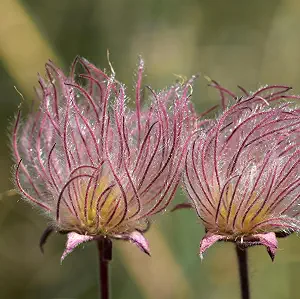 |
| Most Popular A crowd favorite that many people choose with confidence | Outsidepride White Dutch Clover Seed, 1 lb |  |
| Best Seller A high-volume bestseller chosen again and again | KVITER Purple Rock Cress (Aubrieta deltoidea) Heirloom Flower Seeds — 1,000 Count |  |
Marde Ross Creeping Thyme Seeds — Dense Groundcover, 8,000 Seeds

| Expected Blooming Period | Summer |
|---|---|
| USDA Hardiness Zone | 5 |
| Expected Plant Height | 6 inches |
| Number of Pieces | 8000 |
| Material Features | GMO Free |
These creeping thyme seeds are intended for direct sowing to create a dense, low thyme mat that blooms in summer and attracts pollinators. Typical use is sowing outdoors in late spring to midsummer when soil temperatures stay in the high 60s, pressing the tiny seeds into well-draining soil without covering them to ensure seed-to-soil contact. The seed count is very large so one packet can cover a substantial area for borders, between pavers, or a low-maintenance lawn substitute that tolerates moderate foot traffic. Notable features from the listing include hardiness to zone 4–9, a perennial habit, and frequent watering needs during establishment; the listing also notes the plants prefer full sun despite mentioning partial shade in one field. Practical benefits are a fragrant, flowering groundcover that supports pollinators and reduces bare soil. Important limitations are that tiny seeds need careful sowing and consistent moisture to germinate, some soil types (very heavy clay or very sandy) are discouraged, and fall sowing is not advised because of freeze risk.
Best for: Gardeners who want a long-lasting, pollinator-friendly groundcover for sunny, dryish sites and who are willing to invest time in careful sowing and watering during establishment.
Less Ideal for: Those needing an instant, low-effort groundcover plug-in solution or gardeners with persistently waterlogged clay soils should consider alternatives.
- Very large seed count suitable for seeding large areas or repeated sowings
- Hardy perennial across USDA zones 4–9 for multi-year coverage
- Flowers in summer and attracts pollinators, adding ecological benefits
- Can tolerate moderate foot traffic so useful between pavers or on pathways
- Seeds are tiny and require careful pressing and frequent watering for reliable germination
- Not recommended for very clayey or very sandy soils and fall plantings risk freeze damage
Verdict: A high-count seed packet to establish a hardy, pollinator-attracting creeping thyme groundcover ideal for sunny, dry landscapes where careful sowing and early watering are acceptable.
Plants for Pets 10" x 20" Sedum Groundcover Mat

| Indoor Outdoor Usage | Indoor, Outdoor |
|---|---|
| Sunlight Exposure | Full Sun |
| USDA Hardiness Zone | 3, 4, 5, 6, 7 |
| Soil Type | Sandy Soil |
| Moisture Needs | Moderate Watering |
This pre-planted sedum mat arrives as a 10 by 20 live tile of mixed sedum varieties intended for fast groundcover and vertical accents in full-sun locations. You can lay the mat directly into a well-drained, sandy bed, separate it into sections for multiple small plantings, or attach it to a living wall frame; the drought- and heat-tolerant succulents need bright sun and infrequent watering once established. Notable features include a ready-to-plant live mat that blooms in late spring to early summer, biodegradable material, and plant mixes that tolerate neglect and resume growth after dry periods. Practical benefits are quick visual coverage without transplanting many small pots, low watering needs for waterwise landscapes, and suitability for hardiness zones listed by the maker. Important limitations are the small tray size that covers only a modest area per unit and the seasonal sensitivities of some sedum types which may go semi-dormant under 50°F, so multiple tiles or dividing the mat is necessary for larger projects.
Best for: Buyers who want a low-maintenance, fast-establishing groundcover for sunny beds or living walls and prioritize reliable drought performance and easy installation.
Less Ideal for: Not a great fit for large-scale monoculture lawns where bulk coverage and uniformity are needed or for gardeners who need shade-tolerant groundcovers.
- Ready-to-plant live mat simplifies installation and speeds groundcover establishment
- Drought and heat tolerant sedum mix reduces watering and maintenance needs
- Versatile use for beds, edging, green roofs and vertical gardens
- Biodegradable mat material integrates into soil over time
- Small 10×20 mat covers a limited area so larger projects require multiple tiles
- Some varieties may go dormant or thin in cooler temperatures below about 50°F
Verdict: An easy-to-install live sedum mat that delivers fast, drought-tolerant groundcover for sunny spots where low maintenance and quick coverage matter.
Groundio Moss Rose (Portulaca grandiflora) Mixed-Color Seeds, 23,500 Count

| Unit Count | 23500 Count |
|---|---|
| Expected Blooming Period | Summer to Fall |
| Sunlight Exposure | Full Sun |
| Material Features | GMO Free, Heirloom |
| Other Special Features of the Product | High Germination Rate |
These Groundio moss rose seeds supply a huge quantity of Portulaca grandiflora seed for quickly establishing a colorful carpet of low annual flowers. They are intended to be surface-sown in well-drained soil and will germinate quickly in warm temperatures, producing double-petaled blooms in mixed pinks, reds, yellows, oranges, whites, and purples from summer into fall. Key useful traits are high reported germination, non-GMO heirloom seed, and strong tolerance for heat and drought, which makes them easy to use in pots, hanging baskets, rock gardens, and dry sunny beds. Practical benefits include very broad coverage from one packet, minimal watering needs once established, and simple sowing that does not require a green thumb. Limitations are that the seed mix is aimed at full sun and well-drained soils only, so performance will drop in shadier or waterlogged locations, and buyers who need precise spacing or single-color uniformity may prefer smaller, variety-specific packets instead of this mixed bulk offering.
Best for: Gardeners who want a low-maintenance, high-coverage annual to fill pots and sunny containers quickly without fuss, and who prioritize easy establishment and drought tolerance over precise variety control.
Less Ideal for: People planting in shade, consistently moist containers, or those seeking single-color displays or tight spacing control for formal designs should choose a different seed selection.
- Very large seed count (23,500) provides extensive coverage for pots and containers
- High reported germination for faster, more reliable establishment
- Heat and drought tolerant once established, suitable for hot sunny sites
- Non-GMO heirloom seed for traditional varieties and genetic consistency
- Designed for full sun and well-drained soil so not suitable for shady or wet conditions
- Mixed colors mean less control if you want a single color or uniform look
Verdict: If you need an easy, low-water annual to rapidly fill sunny pots and hanging baskets with nonstop summer color, this giant pack of moss rose seeds delivers simple, reliable results.
Carpet Creeping Creeping Thyme Seeds (Ground Cover, 145,000 count)

| Indoor Outdoor Usage | Outdoor |
|---|---|
| Other Special Features of the Product | Attracts Pollinators, Fragrant, High Germination Rate |
| Expected Blooming Period | Spring to Fall |
| Sunlight Exposure | Full Sun |
| Moisture Needs | Moderate Watering |
These creeping thyme seeds are intended for establishing a fragrant, pollinator-friendly ground cover that blooms from spring through fall. They are typically sown in sandy, well-drained soil in full sun during the recommended planting period and will germinate in about two to four weeks. The listing emphasizes high germination, organic non-GMO seed stock, and suitability for dry, low-water sites, which makes it practical for rock gardens, between pavers, and large areas where a low mat of flowers is desired. Because the packet is a very large unit count, it suits budget-conscious gardeners covering wide areas or restoring erosion-prone slopes. Expect to maintain moderate watering while plants establish and occasional trimming to keep a neat carpet. Limitations are that thyme prefers full sun and sandy soils so it will perform poorly in heavy clay or dense shade, and establishing a uniform stand requires patience through the germination window and proper site prep.
Best for: Buyers who need an affordable way to establish a wide swath of flowering ground cover and prefer low-water, pollinator-friendly plantings in sunny sites.
Less Ideal for: Gardeners who want a ground cover for shady, moisture-retentive soils or those seeking a small packet for container-only planting.
- Very large seed count suitable for covering large areas on a single purchase
- Non-GMO, heirloom, organic seed sourcing
- Adapted to dry, sandy soils and full sun for low-water landscaping
- Attracts pollinators and produces fragrant blossoms across spring to fall
- Not well suited to heavy clay soils or shaded locations
Verdict: A budget-friendly, high-count seed option for quickly establishing a drought-tolerant, pollinator-attracting flowering carpet in sunny, sandy sites.
Carpet Creeping Prairie Smoke (Geum triflorum) Seeds — 50 Count
| Sunlight Exposure | Full Sun to Partial Shade |
|---|---|
| Expected Blooming Period | Spring to Fall |
| Soil Type | Sandy/Loam Soil |
| Moisture Needs | Moderate Watering |
| Unit Count | 50 Count |
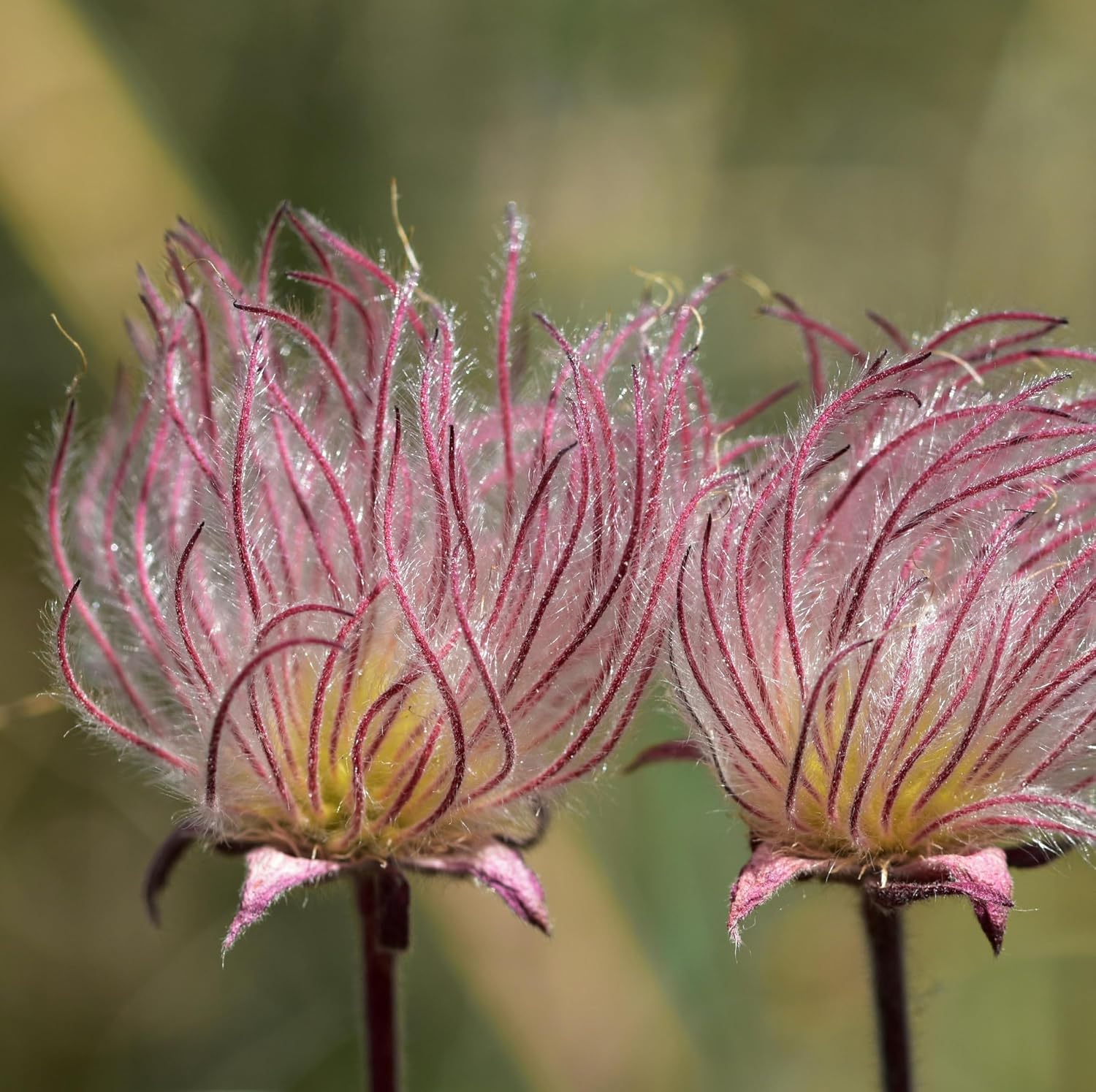
These Prairie Smoke seeds are sold as a 50-count packet of Geum triflorum, a native perennial valued for its nodding pink flowers and plume-like seed heads. Gardeners sow the seed on the soil surface after a cold stratification period of 30–60 days, keep the bed moist until seedlings appear, then transplant or thin to 8–12 inch spacing. Once established plants form low-growing mats with 12–18 inch flower stems that add long-lasting pink, airy plumes to rock gardens, dry meadows, and xeriscapes. Notable features are drought tolerance, pollinator appeal, and self-seeding habit, which reduce maintenance and help the stand fill in over seasons. Limitations: seeds need refrigerated stratification to germinate reliably and require well-drained sandy or loamy soil, so they are not suited to heavy clay or constantly wet sites. Expect a few weeks to germination and a season or two for a fully settled planting.
Best for: Buyers who prioritize a dependable, low-maintenance perennial ground cover with ornamental pink plumes for dry, well-drained sites and naturalistic plantings.
Less Ideal for: Gardeners needing a rapid dense turf or those with heavy clay or waterlogged soils should consider other ground covers better adapted to wet conditions.
- Distinctive feathery pink seed plumes provide season‑long visual interest and dried flower use
- Drought tolerant once established, suitable for xeriscape and rock garden settings
- Attracts native bees and other pollinators
- Self-seeding habit helps the planting persist and expand with minimal intervention
- Seeds require cold stratification before sowing for reliable germination
- Performs poorly in heavy, poorly drained soils
Verdict: Choose these prairie smoke seeds if you want a reliable, low‑maintenance native ground cover that adds long‑lasting pink, feathery plumes to dry gardens.
Outsidepride White Dutch Clover Seed, 1 lb

| USDA Hardiness Zone | 3-10 |
|---|---|
| Sunlight Exposure | Full Sun |
| Material Features | GMO Free |
| Other Special Features of the Product | High Germination Rate |
| Moisture Needs | Little To No Watering |
This 1 lb bag of Outsidepride White Dutch clover seed is aimed at establishing a low-maintenance, drought-tolerant ground cover that also improves soil fertility. The seeds are nitrocoated and inoculated to promote faster, more reliable germination and to encourage nitrogen fixation once established. Typical uses are overseeding bare sunny areas, mixing with pasture or cover-crop blends, and creating a flowered lawn alternative that attracts pollinators. Practical benefits include quick germination at warm soil temperatures, deep roots that help resist drought and erosion, and fragrant white flowers that support bees. The recommended seeding rate and simple planting instructions make it easy to apply by broadcast and light raking. Limitations are typical of clover: it forms a low-growing mat rather than a turfgrass look, it can be damaged by heavy, constant foot traffic, and it may need reestablishment in areas with extreme winter heaving or continuous shade. For dry sunny slopes and low-water landscapes this clover performs well, but expect a different appearance and use pattern than traditional lawns.
Best for: Gardeners and property owners who want a low-water, pollinator-friendly ground cover or pasture component that improves soil fertility and limits erosion in sunny, dry sites.
Less Ideal for: Homeowners seeking a formal, wear-resistant turf or those wanting a purely grassy lawn aesthetic should consider turfgrass varieties or synthetic options instead.
- Nitrocoated and inoculated seed for higher, faster germination and improved nitrogen fixation
- Drought-tolerant once established due to deep root system, suitable for dry sunny areas
- Attracts pollinators with white flowers, adding ecological benefits to the landscape
- Useful for erosion control and soil improvement as a ground cover or cover crop
- Produces a clover mat rather than traditional turfgrass appearance
- Not ideal for high-traffic lawn areas where wear resistance is required
Verdict: Choose this treated white Dutch clover if you want an easy-to-establish, drought-tolerant ground cover that improves soil nitrogen and attracts pollinators in sunny dry areas.
KVITER Purple Rock Cress (Aubrieta deltoidea) Heirloom Flower Seeds — 1,000 Count

| Unit Count | 1000 Count |
|---|---|
| USDA Hardiness Zone | 3-10 |
| Sunlight Exposure | Full Sun |
| Expected Blooming Period | Spring to Summer |
| Material Features | GMO Free, Heirloom |
These KVITER Aubrieta (purple rock cress) seed packets supply 1,000 heirloom seeds for establishing a low, drought-tolerant ground cover. The seeds are surface-sown and need light to germinate, typically sprouting in 10–14 days around 60–65°F, and can be started indoors about six weeks before the last frost. Once established the plants form 6-inch mats with a cascading habit that works well in rock gardens, along paths, or on low walls. Key product features include a detailed growing guide in each packet, non-GMO heirloom seed, and suitability across USDA zones 3–10. Practical benefits are long seasonal color in late spring, low maintenance after establishment, and good tolerance of well-drained, sandy soils, which matches drought-tolerant plantings. Limitations to expect are the need for careful surface sowing and consistent moisture during germination, and that it performs best in full sun to part sun so shadier sites may underperform. Seed quantity is generous but germination rates in real gardens can vary, so plan accordingly.
Best for: Buyers who want a low-growing, drought-tolerant ground cover for rock gardens or sunny slopes and prefer a straightforward seed option with clear instructions and broad climate tolerance.
Less Ideal for: Gardeners seeking instant mature cover or those with heavily shaded, clay or poorly drained sites should consider plugs or different shade-tolerant species instead.
- Large 1,000-count pack suitable for covering larger areas or multiple plantings
- Heirloom non-GMO seeds with a growing guide included for step-by-step planting
- Adapted to USDA zones 3–10, making it usable across a wide range of climates
- Forms low, spreading mats that work well as drought-tolerant ground cover in well-drained soils
- Requires light for germination and consistent moisture during the seedling stage
- Performs best in full sun to part sun so heavily shaded spots may not thrive
Verdict: A cost-effective seed option for establishing low, drought-tolerant purple ground cover across a wide range of climates when planted in sunny, well-drained spots.
Choosing the Right Ground Cover for Dry Sunny Areas: Key Factors to Consider
Drought Tolerance and Water Needs
How well a ground cover survives extended dry periods is the first consideration for sunny, dry areas. Some species enter a semi-dormant state and brown back during the hottest weeks but recover after cooler or wetter weather, while others maintain evergreen foliage with very little supplemental moisture.
Understand a plant's water strategy: true drought-tolerant ground covers have deep or efficient root systems and low-transpiration leaves. These types reduce irrigation needs and are more reliable on slopes or under exposed conditions. When planning, consider how long you can realistically water after planting, and choose species rated for that level of post-plant care.
Sun and Heat Resilience
Direct sun and reflected heat from paving can increase stress beyond what moderate sun exposures deliver. Ground covers differ in their tolerance to intense midday sun and hot surfaces.
Select plants with small, reflective, or thick leaves if you expect very high temperatures. Some species develop protective leaf hairs or a gray-green color that reduces leaf temperature. If your site includes heat-reflective materials like light-colored stone, favor ground covers known to handle the extra radiant heat.
Growth Habit and Coverage Pattern
How a ground cover spreads matters for both aesthetics and maintenance. Mat-forming species create tight carpets quickly but can be harder to remove. Clumping or slower-spreading types may suit planted pockets or mixed beds where you want defined shapes.
Consider whether you want aggressive coverage to suppress weeds or a more restrained spread to protect nearby plants. Rapid spreaders fill bare soil but may require periodic edge control. Also think about vertical tolerance if you are covering slopes; some ground covers are better at stabilizing soil than others.
Establishment Speed and Planting Methods
The time it takes a ground cover to establish affects weed pressure and watering needs. Faster-establishing plants close gaps sooner, reducing the chance for weeds to invade, but they may need more initial water to set roots. Slower starters often need mulching and weed management in year one.
Decide between plugs, potted plants, seed mixes, or vegetative mats based on how quickly you need coverage and how much labor you can invest. Plugs can be cost-effective and establish well when irrigated properly early on, while mats give instant effect but require careful planting to avoid gaps at seams.
Soil Type and Drainage Compatibility
Dry sunny sites frequently have well-draining sandy or rocky soils, but some pockets may hold more moisture. Ground covers vary in their tolerance for poor soils and compaction. Some thrive in lean, infertile substrates, while others benefit from modest soil preparation.
Match species to the existing soil rather than rebuilding large swaths of ground. If soil is extremely free-draining, choose drought-adapted types that do not need moisture-retentive amendments. For limited improvements, focus on localized planting holes with a little organic matter rather than wholesale soil replacement.
Maintenance, Pruning, and Long-Term Care
Maintenance needs determine whether a ground cover is practical for your schedule. Some require seasonal trimming to keep edges tidy, occasional division to renew vigor, or monitoring to prevent unwanted spread. Others survive with a single annual tidy-up.
Think about how often you will remove debris, control weeds, and refresh the planting. Low-maintenance selections cut long-term labor but may offer fewer seasonal flowers. Balance the desire for visual interest against your tolerance for routine upkeep.
Planting and Establishment Tips for Hot, Dry Sites
Planting technique strongly influences whether a ground cover survives the critical first season. Dig slightly larger planting holes, settle roots at the correct depth, and water deeply at installation to encourage downward rooting rather than surface root growth.
Use a short initial irrigation schedule to help plants establish, then taper watering to encourage drought hardiness. Mulch lightly with coarse materials where appropriate to reduce soil evaporation but avoid deep organic layers that hold too much moisture against crowns.
- Space plants according to final canopy, not plug size, to reduce future thinning.
- Avoid heavy fertilization at planting; lean soils promote drought-hardiness.
- Protect new transplants from reflective heat with temporary shade if extreme.
Managing Weeds and Competition During Establishment
Weed control is crucial in the first year because bare soil allows fast annuals to take hold. Combine mechanical control with mulching and close planting to reduce the window for weed invasion.
If weeds are already dominant, prepare the site by removing perennial roots and allowing a brief fallow period before installing ground cover. This reduces the need for repeated weeding after planting.
- Hand-weed or shallow cultivate before plants fill the canopy.
- Consider a pre-plant soil solarization or tarp in small areas to reduce weed seedbank.
Using Ground Cover on Slopes and Erosion-Prone Areas
In sunny, dry landscapes slopes are common and demand ground covers that root deeply and hold soil. Choose species with a spreading habit and fibrous roots for better slope stabilization.
Plant in staggered rows and use temporary erosion control like biodegradable matting if planting on loose soils. Once established, a dense ground cover both shades the soil and reduces surface runoff.
- Plant across the slope rather than straight up and down to slow water flow.
- Combine with small terraces or rock features to interrupt runoff on steep grades.
Design Ideas: Where Ground Cover Works Best
Ground cover is versatile in dry sunny gardens. It can fill narrow pathways, sit between stepping stones, create a living mulch under drought-tolerant shrubs, or soften rock garden edges.
Use contrasting textures and bloom seasons to add visual interest while keeping maintenance low. Low-growing foliage can also provide a cooling effect to soil and help reduce reflected heat.
- Pair with Mediterranean herbs and gravel mulches for a cohesive dry garden look.
- Use ground cover to reduce lawn area in hard-to-water corners of the yard.
Seasonal Care and Renewal Techniques
Even low-water ground covers benefit from seasonal attention. Late winter or early spring pruning refreshes growth and removes dead material that can harbor pests. Dividing mats periodically rejuvenates vigor and lets you propagate new plants.
Monitor for changes in vigor that indicate soil exhaustion or pest pressure. Minimal fertilization on a light schedule can help if plants show clear nutrient deficiencies, but overfeeding can increase water demand.
- Divide congested clumps every few years to maintain air flow and health.
- Remove accumulated leaf litter to avoid disease in humid microclimates.
How We Chose the Best Ground Cover for Dry Sunny Areas
We focused on plants and mixes suited to sustained high light and limited soil moisture, selecting entries that establish reliably without daily irrigation. Our evaluation emphasized how each ground cover handles prolonged sun exposure, drought survival after establishment, and the typical maintenance a home gardener will need. Concrete criteria included drought tolerance under dry soils, sun and heat resilience, spread rate and ground-hugging habit, ease of establishment from plug or seed, and maintenance workload such as pruning or invasive control. We also considered adaptability to common soil types found in dry gardens, like sandy, rocky, or compacted soils. Plants that required frequent supplemental watering, specialist soils, or heavy disease control were excluded. We excluded species known to require constant moisture, frequent fertilization, or invasive growth in similar climates. The result is a shortlist of low-water, sun-loving ground covers that suit patios, slopes, between stepping stones, and under dry shrubs. The scoring labels below reflect the attributes we applied when judging suitability for dry, sunny sites.
FAQ
How much water do drought-tolerant ground covers need after planting?
Most drought-tolerant ground covers need regular deep watering for the first six to twelve weeks to establish roots. After that initial period you can reduce frequency and water more deeply and less often. Long-term irrigation needs usually become minimal once plants are established, but frequency depends on local climate and soil.
Can ground cover stop erosion on a steep, sunny slope?
Yes, dense, mat-forming ground covers with fibrous root systems can help stabilize soil on slopes. Planting in staggered rows and combining with erosion-control fabric or terraces speeds stabilization. Very loose or newly placed fill may still need temporary measures until plants root in.
Will ground cover survive reflected heat from patios or walls?
Some ground covers handle reflected heat better than others, especially those with small, thick, or lightly colored leaves. In extreme cases provide temporary shade during establishment and choose plants noted for high sun and heat resilience to avoid leaf scorch.
How do I prevent aggressive ground covers from overtaking other plants?
Control aggressive spreaders with regular edging, physical barriers, or periodic thinning. Select less aggressive options near valued perennials and plant aggressive species in areas where full coverage is desired. Dividing and removing runners keeps vigor in check.
Can I plant ground cover between stepping stones in a dry area?
Yes, many low-growing, drought-tolerant ground covers thrive between pavers if they get full sun. Choose species that tolerate foot traffic if the path will be used, and space plants to fill gaps without needing excessive irrigation.
Do ground covers need fertilizer in poor, dry soils?
Generally ground covers for dry sunny areas do well in lean soils and need little fertilizer. If growth is unusually weak, a light, low-nitrogen feed in spring can help. Over-fertilizing can promote lush growth that demands more water, so use nutrients sparingly.
Final Verdict
For dry, sunny areas prioritize ground covers that combine true drought tolerance, sun-hardy foliage, and a spread habit that matches your design goals. Balance rapid coverage against long-term maintenance: aggressive carpets suppress weeds faster but require more edge control, while slower spreaders need more attention early on. Decide first how much irrigation and seasonal care you can commit to, then choose plants that fit your soil and exposure. With the right match, ground cover will reduce watering needs, stabilize soil, and provide reliable low-maintenance color in hot, dry parts of the garden.
