

Note: This article contains affiliate links. If you click on these links and make a purchase, I may earn a small commission at no extra cost to you. This helps support my research and content. Read my full affiliate disclosure here.
Aloe plants thrive on a mix that sheds excess water while offering some nutrient reserves between feedings. Choosing the right soil for aloe changes how often you water, how the roots develop, and how resilient the plant is to common pests and rot. This guide looks at seven shortlisted soils adapted for aloe use, chosen for their drainage profile, particle structure, and pH balance. Below we explain the key features that matter to growers, how each mix performs against those criteria, and practical tips for potting, repotting, and caring for aloe plants in containers and garden beds.
Top Picks at a Glance
| Best Overall The best all-around choice for most situations | Miracle-Gro Succulent Potting Mix, 4 qt. |  |
| Best Quality Built to a higher standard if you want something more solid | Happy Trees Premium Cactus & Succulent Potting Soil Mix, 8 Qt |  |
| Best Value The sweet spot between price and what you get | Back to the Roots 100% Organic Succulent & Cacti Mix, 12 Quart |  |
| Best Budget The cheapest option that still gets the job done reliably | Doter Aloe Vera Potting Soil Mix, 1 qt |  |
| Highest Rated A top-rated pick with lots of positive feedback | Leaves and Soul Professional Terrarium Soil Mix, 2.2 Quart |  |
| Most Popular A crowd favorite that many people choose with confidence | Miracle-Gro Indoor Potting Mix for Cactus & Succulent, 8 qt. (2-Pack) |  |
| Best Seller A high-volume bestseller chosen again and again | Back to the Roots Organic Succulent & Cacti Soil, 6 Quart |  |
Miracle-Gro Succulent Potting Mix, 4 qt.

| Brand | Miracle-Gro |
|---|---|
| Volume | 4 quarts |
| Unit Count | 128 Ounce |
| Style Name | Succulent |
This 4-quart Miracle-Gro Succulent Potting Mix is designed specifically for indoor succulents such as aloe vera and cacti and serves as a convenient repotting medium. The bag contains a blend of sphagnum peat moss, processed forest products, a wetting agent and built-in plant food so newly potted succulents get moisture retention, aeration and a light nutrient boost without needing immediate fertilization. It is used simply by filling a pot about a third full, easing the root ball in, topping up with mix and watering to let excess drain. Practical benefits include consistent texture that drains better than standard potting soil and the built-in plant food that supports early growth. Limitations are the small 4 qt. size, which only fills an 8-inch pot, so you will need multiple bags for larger collections, and the peat-based formula may compact over time so repotting or amending every couple of years is recommended. Follow basic succulent care such as using pots with drainage and waiting to feed with liquid cactus fertilizer after 30 days for best results.
Best for: A balanced indoor gardener who wants an easy, tailored soil for aloe and other succulents without mixing components themselves, ideal for occasional repotting and small collections.
Less Ideal for: Gardeners who maintain large succulent collections, landscape plantings, or prefer peat-free or custom-gritty mixes should consider larger-volume or specialized alternatives.
- Formulated specifically for succulents and cacti with a blend that improves drainage compared with regular potting soil
- Includes Miracle-Gro plant food to give seedlings and recently repotted plants an initial nutrient boost
- Ready to use with clear planting instructions for indoor container use
- Small 4 qt. bag is easy to handle and ideal for single repots or small collections
- Only 4 quarts per bag, so multiple bags are needed for larger pots or several plants
- Peat-based mix can compact over time and may require repotting or amendment every two years
Verdict: A convenient, ready-made potting mix that gives aloe and other indoor succulents better drainage and an initial nutrient boost without mixing your own soil.
Happy Trees Premium Cactus & Succulent Potting Soil Mix, 8 Qt

| Brand Name | Happy Trees Hemp |
|---|---|
| Item Highlight | Professional Mix for Agaves, Aloes, Echeverias, Euphorbias and cacti |
| Volume | 8 quarts |
| Item Weight | 10 pounds |
This mix is built specifically for dryland plants and performs well for aloes and other succulents that need quick drainage and good root aeration. It is ready to use out of the bag and typically serves as a standalone medium for potting, repotting, or improving drainage in heavy soils. The coarse mineral blend of pumice, lava rock, fir bark fines, coarse sand, and biochar keeps the profile airy so water moves through quickly and roots get oxygen, which reduces the risk of rot. Practical benefits include consistent texture across batches and suitability for both shallow and deeper-rooted succulents. Because it is peat-free and designed by growers, it also mixes well with existing potting mixes when you need a lighter, more mineral substrate. The main limitation is that very fast-draining mixes dry out quickly, so plants like aloe will need a watering schedule that accounts for more frequent top-ups in warm, dry conditions or during active growth.
Best for: Growers who prioritize plant health and drainage for aloes and other succulents and want a consistent, performance-oriented mix that promotes strong root systems.
Less Ideal for: Casual gardeners who prefer a low-maintenance, moisture-retentive potting mix or those wanting a bulk supply for large landscaping jobs.
- Fast-draining coarse mineral blend reduces risk of root rot
- Contains pumice, lava rock and biochar to improve aeration and long-term soil structure
- Ready-to-use mix suitable for repotting indoor and outdoor succulents
- Peat-free formula that can be blended into existing soils to boost drainage
- Dries out faster than general potting soils so watering frequency may need to increase
- Comes in an 8 quart bag which may be small for large projects
Verdict: Choose this fast-draining, mineral-rich mix when you want a reliable, grower-grade medium that keeps aloes healthy by preventing waterlogged roots.
Back to the Roots 100% Organic Succulent & Cacti Mix, 12 Quart

| Unit Count | 384 Fluid Ounces |
|---|---|
| Item Type Name | Potting Mix |
| Brand Name | Back to the Roots |
| Volume | 12 quarts |
This 12‑quart succulent and cacti mix is a ready-to-use organic potting soil designed to give desert plants the fast-draining, airy root environment they need. It combines aged bark, perlite, and horticultural sand to improve soil structure and speed water movement so aloe and other succulents spend less time sitting in moisture. The mix is enriched with organic nutrients and includes root-supporting mycorrhizae to encourage stronger early growth, which helps reduce the need for immediate fertilizing. Typical use is potting or repotting aloe into containers where drainage is critical, or refreshing the top inch of existing pots to improve aeration. Practical benefits are straightforward: less risk of root rot, easier watering cadence, and an organic base that fits common indoor succulent care routines. Limitations are that heavier feeders or large repots may need supplemental fertilizer after a few weeks and the bag size is modest for multiple large plants, so you may need several bags for a collection or bigger pots.
Best for: A practical gardener who wants a no-fuss, organic soil that reduces watering mistakes and promotes healthy root systems for aloe and similar succulents.
Less Ideal for: Growers who need large volumes for many or very large pots or those who prefer a pre-fertilized, long-term potting blend for heavy-feeding plants.
- Formulated specifically for succulents and cacti with added perlite and horticultural sand for rapid drainage
- Contains aged bark to improve aeration and root development
- Organic nutrients plus mycorrhizae help establish strong roots without synthetic inputs
- Ready-to-use mix that simplifies potting and repotting for beginners
- 12‑quart volume may be small for repotting multiple or large aloe plants
- Not fortified for long-term heavy feeding so additional fertilizer is recommended after establishment
Verdict: Choose this mix if you want a compact, organic, fast-draining soil that makes potting aloe simple and lowers the risk of overwatering.
Doter Aloe Vera Potting Soil Mix, 1 qt
| Brand Name | Doter |
|---|---|
| Item Type Name | Garden soil |
| Volume | 1 quarts |
| Manufacturer | Doter |
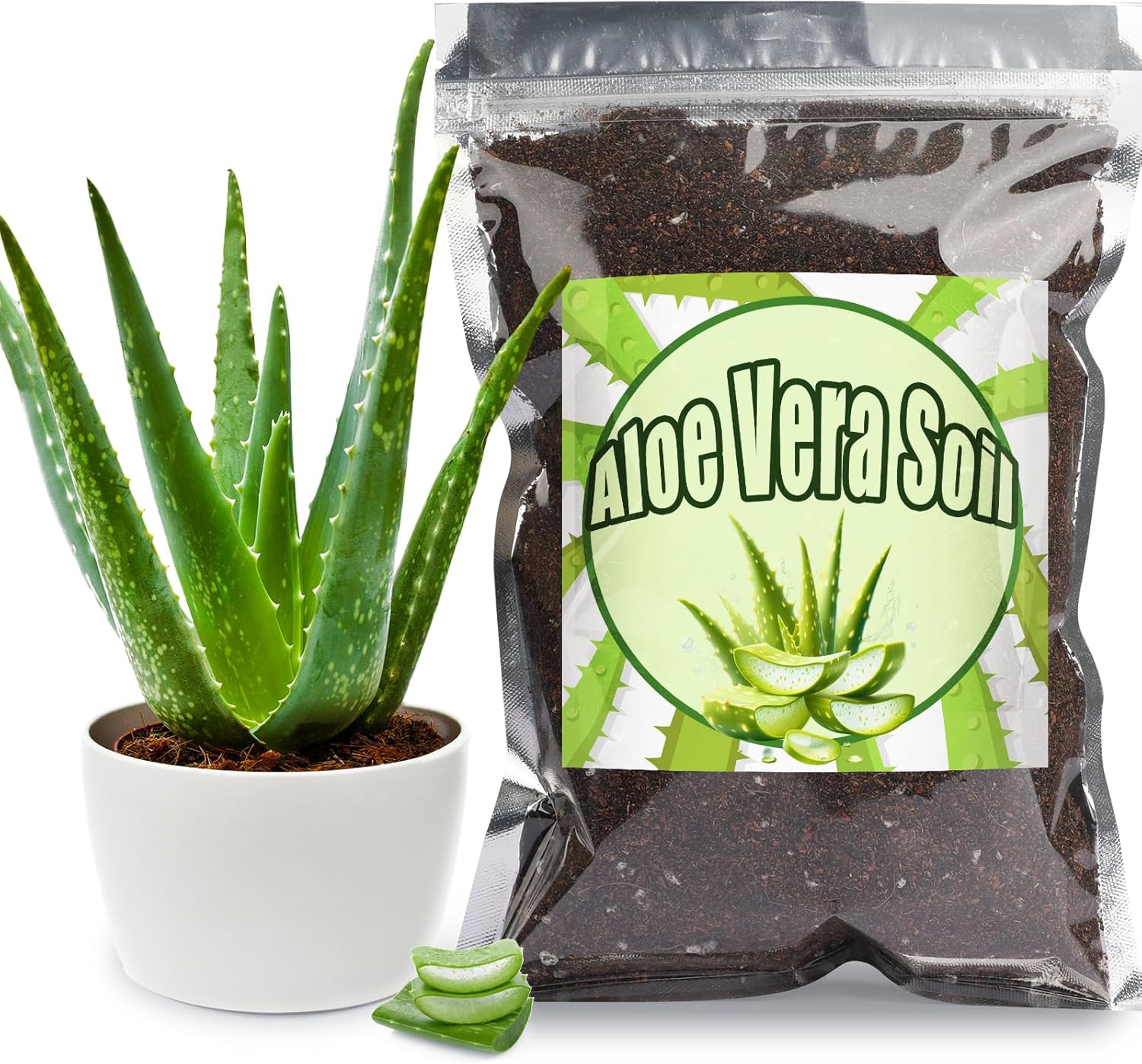
This 1-quart Doter Aloe Vera Potting Soil is a small, ready-to-use mix designed specifically for aloe and similar succulents. It combines well-draining components and aerating additives so water moves through the pot quickly, which helps prevent root rot and keeps leaves plump. The formula also includes nutrients and a balanced pH to support early growth after repotting or starting seedlings. In practice the bag is convenient for single pots, small repots, or topping up soil around offsets; it performs best when used in containers with drainage holes and occasional diluted fertilizer after a few months. The main limitation is the small volume — a single quart only covers one small pot, so you will need multiple bags or a larger size for several plants. Also the listing does not specify exact percentages of ingredients, so precise amendment decisions (for example adding extra pumice or perlite) depend on your preferred drainage and watering habits.
Best for: Buyers who want an affordable, purpose-made potting mix for one or two small aloe plants or for occasional repotting without blending multiple amendments.
Less Ideal for: Not a good choice for gardeners who need bulk soil for many pots or for those who prefer to custom-mix exact ratios of pumice, perlite, and compost.
- Formulated for succulents with good drainage to reduce risk of root rot
- Includes nutrients and balanced pH to support early growth
- Aeration-promoting mix helps roots breathe and establishes quickly for transplants
- Small 1-quart volume means multiple bags are required for more than one plant
- Ingredient proportions and specific components are not fully disclosed
Verdict: A convenient, budget-friendly 1-quart mix that gives aloe vera good drainage and basic nutrients for one small pot.
Leaves and Soul Professional Terrarium Soil Mix, 2.2 Quart

| Brand | Leaves and Soul |
|---|---|
| Volume | 2.2 quarts |
| Ingredients | Pine bark, peat, coarse sand |
| Made in | USA |
This Leaves and Soul terrarium soil mix is a preblended, ready-to-use potting medium aimed at indoor succulent and aloe care. It combines pine bark, peat, and coarse sand to create a light, well-aerated structure that encourages root growth while letting excess water drain away, which reduces the risk of root rot for aloe and other drought-tolerant plants. Typical use is straightforward: fill a pot or terrarium, plant your aloe or succulent, and water sparingly; the resealable 2.2 quart bag also makes it easy to store leftovers. Practical benefits include improved aeration to prevent soil compaction and a balance of moisture retention and drainage so you do not need to amend the mix for basic planting. Limitations are the small volume for multiple or larger pots and the lack of explicit nutrient or pH information, so growers who prefer a fertilized or custom-tailored medium may still want to add slow-release pellets or adjust amendments for long-term feeding needs.
Best for: Buyers who prioritize a dependable, ready-to-use mix for indoor succulents and aloe that limits overwatering risks and reduces the need for immediate soil preparation.
Less Ideal for: Gardeners who need bulk soil for many pots or those who want a pre-fertilized, long-term media without adding nutrients or custom amendments.
- Preblended formula with pine bark, peat, and coarse sand for balanced drainage and aeration
- Ready to use straight from the bag, saving time on mixing amendments
- Resealable 2.2 quart bag for easy storage between projects
- Light, breathable structure that helps prevent soil compaction and supports root development
- Small 2.2 quart volume may not be sufficient for multiple pots or large repots
- No listed nutrient analysis or pH value, so additional fertilization may be required for long-term plant health
Verdict: A convenient, professionally blended terrarium mix that reliably delivers the drainage and aeration aloe and other succulents need.
Miracle-Gro Indoor Potting Mix for Cactus & Succulent, 8 qt. (2-Pack)

| Item Highlight | Fast-Draining Cactus and Succulent Potting Mix with Plant Food |
|---|---|
| Number of Packs | 2 |
| Included Components | 2 bags |
| Item Type Name | Soil |
| Ingredients | Sphagnum Peat Moss, Sand, Perlite |
This ready-to-use potting mix is formulated specifically for cacti, succulents, and other indoor desert-type plants like aloe. The blend of sphagnum peat moss, sand, perlite, and forest products creates a light, airy medium that promotes fast drainage and reduces the risk of root rot when repotting or refreshing containers. Each 8 qt. bag is pre-enriched with Miracle-Gro plant food so newly repotted succulents get an initial nutrient boost; the manufacturer recommends waiting about 30 days before additional feeding. Typical use is straightforward: choose a pot with drainage, partly fill with mix, set the plant and top up, then water thoroughly and let excess drain. Practical benefits include consistency from bag to bag, a texture suited to aloe's shallow roots, and enough volume in the two-pack to refresh several small pots. Limitations are that the mix contains peat and added plant food, which some growers avoid for sustainability or prefer to control nutrient inputs, and very large specimens will need more bulk than a single bag provides.
Best for: Buyers who want a convenient, specialty potting mix that minimizes watering issues and gives indoor succulents like aloe a reliable, out-of-the-bag growing medium.
Less Ideal for: Those seeking peat-free, fully organic mixes or growers who prefer to custom-blend their own soil and nutrient levels for mature or large specimens.
- Formulated for cacti and succulents so drainage and texture suit aloe.
- Includes plant food for an initial nutrient boost after repotting.
- Light, fast-draining mix (peat moss, sand, perlite) reduces standing moisture around roots.
- Consistent, ready-to-use bags that simplify repotting small to medium containers.
- Contains sphagnum peat moss and pre-mixed plant food which may not suit organic or peat-free preferences.
- Bag volume is modest so multiple bags are needed for larger plants or many pots.
Verdict: A convenient, fast-draining potting mix tailored to aloe and other indoor succulents that simplifies repotting while providing an initial dose of plant food.
Back to the Roots Organic Succulent & Cacti Soil, 6 Quart

| Brand | Back to the Roots |
|---|---|
| Item Highlight | Fast-draining cactus and succulent soil |
| Ingredients | Dolomitic Limestone, Perlite, Horticultural Sand, Aged Bark, Plant Food |
| Volume | 6 quarts |
| Made in | USA |
This 6 quart Back to the Roots Succulent & Cacti Mix is a ready-to-use potting soil made specifically for desert plants like aloe. The blend includes aged bark, perlite, horticultural sand and dolomitic limestone to create a coarse, well-aerated medium that sheds water quickly and reduces the risk of root rot. It arrives lightly amended with plant food to help new transplants get established, and the peat-free formula suits growers who prefer organic inputs. In practice the mix makes repotting and top-ups simple: fill a pot, set the aloe at the same depth, and water sparingly after a few days. Because it is a premixed specialty soil, it saves time versus building your own cactus mix and is beginner-friendly for cautious gardeners who want predictable drainage. The main limitations are volume and amendment control — a single 6 qt bag is small for multiple plants and advanced growers may still want to add extra grit or mycorrhizae to suit specific pots or climates.
Best for: A cautious home gardener who wants a reliable, ready-made soil that reduces overwatering risk for aloe and other succulents without building a custom mix.
Less Ideal for: Specialist growers who repot large collections, need bulk volumes, or want to precisely control particle size and amendment levels.
- Fast-draining formula with perlite and horticultural sand to reduce overwatering risk
- Organic, peat-free blend suitable for gardeners preferring organic inputs
- Includes aged bark for improved aeration and root development
- Lightly amended with plant food to support initial establishment
- Only 6 quarts per bag, so multiple plants require several bags or larger purchases
- Pre-mixed formulation limits custom adjustments for growers who want a coarser or richer mix
Verdict: If you want a dependable, organic premixed soil that gives aloe excellent drainage with minimal setup, this ready-made succulent mix is an easy, low-risk choice.
Choosing the Right Soil for Aloe: Key Factors to Consider
Drainage and Percolation Rate
Aloe roots need soil that sheds excess water quickly to prevent rot. Fast percolation reduces the time the root crown remains wet after watering, which is the most common cause of decline in container aloes.
Evaluate mixes by how freely water moves through them. Look for coarse mineral components like pumice, coarse sand, or gravel that keep channels open. A mix that drains in a few seconds to a minute after thorough watering is ideal for most indoor and patio aloes.
Particle Texture and Structure
The mix should contain a blend of particle sizes so it packs slightly but does not compact into a dense block. Coarse particles create pore space; finer particles hold a small amount of moisture and nutrients. Too many fines will increase water retention and reduce aeration.
Choose soils with noticeable grit or pumice up to pea-size for larger containers. For very small pots, proportionally smaller grit is preferable so roots can move through the medium without excessive resistance.
pH Compatibility
Aloes prefer a slightly acidic to neutral pH range. Soil pH affects nutrient availability and microbial activity around roots. A mix that is too alkaline or too acidic can lock up essential minerals or encourage issues like leaf discoloration.
Opt for soils with a measured pH near 6.0 to 7.0 or mixes that list neutral peat-free components. If your tap water is very alkaline, a slightly acidic starting soil can help buffer the root zone.
Nutrient Balance and Longevity
Aloes are light feeders compared with many houseplants, so they do not need high-fertilizer base soils. However, a small amount of slow-release nutrients or an organic component helps sustain growth between occasional feedings.
Look for mixes that provide modest, long-lasting fertility rather than high starter charges that dissipate quickly. Stability of organic components is also important; materials that break down too fast will reduce porosity over a single season.
Salt Content and Amendments
Excess soluble salts from fertilizers or amendable components can stress aloe roots, especially in smaller containers with limited leaching. Check whether a mix is labeled low-salt or rinsable and whether any additives are soluble.
Also consider beneficial amendments like pumice, perlite, or lava rock for structure and slow-release organic bits such as coconut coir or well-aged compost that do not introduce high salt levels. If salt buildup is likely from fertilizer or hard water, plan for periodic flushing and occasional repotting.
Texture Adjustment for Container Size and Climate
Container size and local climate change what a good soil looks like. In hot, dry climates a mix that retains a bit more moisture reduces watering frequency; in humid or cool conditions, leaner, grittier mixes are safer.
For small pots choose a finer aggregate mix to avoid overly rapid drying and frequent stress. For large pots and outdoor beds use chunkier materials that keep a stable structure and allow roots to access oxygen even when the surface dries.
Potting Tips for Aloe
Use a pot with a clear drainage hole and choose a shallow-to-moderate depth container, because aloes have relatively shallow root systems. Fill the container with your chosen mix, leaving space at the rim so water poured in will not overflow.
When transplanting, gently tease the roots and position the plant so the base of the rosette sits slightly above the soil line to prevent water pooling at the crown. After potting, wait several days before watering to allow any root damage to callus.
- Avoid deep pots that hold excess moisture around roots.
- For terracotta pots expect faster drying and adjust mix moisture retention accordingly.
- Use a saucer only to catch excess drainage, then empty it to prevent rewetting the pot base.
How to Amend Existing Garden Soil for Aloe
If planting aloes in a garden bed, improve heavy native soil by working in coarse grit, small gravel, and organic matter in moderation. The goal is to increase drainage and create larger pore spaces while preserving some nutrient-holding capacity.
Amendments should be mixed well through the planting area to prevent a sharp boundary between loose planting pit and compacted surrounding soil, which can trap water.
- Aim for roughly one part grit or coarse sand to two parts native soil for moderately heavy clay.
- In very heavy clay, increase the mineral amendment proportion and consider raised planting mounds for fast runoff.
Watering Strategy Based on Soil Type
Adjust watering to the soil's drainage speed. In fast-draining mixes you can water thoroughly but infrequently, allowing the medium to dry between soakings. In mixes that retain more moisture, reduce the volume and frequency to keep the root zone from staying wet.
Always check moisture at the root zone rather than relying only on surface dryness. A finger probe or a moisture meter pushed into the lower two-thirds of the pot gives a better indication for when to water.
- Water less in winter when growth slows.
- Flush the pot occasionally to prevent soluble salt buildup if you fertilize regularly.
Repotting Frequency and Signs You Need Better Soil
Aloe plants generally need repotting every one to three years, depending on growth rate and how quickly the mix breaks down. Signs you need new soil include slowed drainage, frequent waterlogging, or visible compacted fines at the surface.
When repotting, refresh the medium completely and select a mix better matched to your climate and pot type if problems recurred in the previous container.
- Lift the root ball and inspect for soft or blackened roots before replanting.
- Refresh only the top layer for large established plants if root disturbance would be risky.
Managing Fertility Without Overwatering
Because aloes are light feeders, prefer diluted, infrequent feeding with balanced, low-salt fertilizers. Heavy fertilizer concentrates can force rapid, tender growth that is more susceptible to rot.
If using a pre-fertilized mix, skip additional feeding for the first season. For lean mixes, apply a weak liquid feed during the active growth months and ensure good drainage when applying fertilizer so salts do not accumulate.
- Use slow-release formulations at a low rate for steady nutrition.
- Rinse containers with extra water periodically to limit salt buildup.
How We Chose the Best Soil for Aloe
We focused on properties that directly affect aloe health in pots and shallow garden beds. Selection prioritized mixes and soils with documented fast drainage, coarse particle structure, and balanced nutrient content so slow-growing aloes do not sit wet. We also evaluated pH compatibility for aloes, weighing mixes that fall in the slightly acidic to neutral range. Longevity and stability were important: we favored soils that keep structure over months rather than breaking down into fine silt that holds water. Exclusions included plain heavy garden loam without amendments and mixes formulated for high-water tropical plants. We also excluded proprietary blends with opaque ingredient lists where particle composition and drainage performance could not be assessed. Final picks were judged on measurable dimensions: drainage rate, particle size and texture, pH, and nutrient level and longevity. These criteria map to the scoring labels used in the product cards so gardeners can compare what matters for container and outdoor aloe culture.
FAQ
Can I use regular potting soil for aloe?
Regular potting soil often retains too much moisture for aloe unless amended. If you use it, add generous amounts of coarse grit or pumice to improve drainage and reduce water retention.
What drainage amendments work best for aloe soil?
Pumice, coarse horticultural sand, perlite, and small lava rock are effective. Pumice and lava rock also hold less water than perlite and help maintain structure over time.
How often should I repot aloe into fresh soil?
Repotting every one to three years is typical. Repot sooner if the mix compacts, drainage slows, or roots become crowded.
Does aloe need acidic soil?
Aloe prefers slightly acidic to neutral pH but is tolerant within a moderate range. Aim for roughly pH 6.0 to 7.0 to keep nutrients available without stressing the plant.
Can I mix my own soil for aloe plants?
Yes. A common approach is to combine coarse mineral components with a small fraction of organic matter. Test and adjust the blend so it drains quickly yet retains a bit of moisture and nutrients.
How can I tell if my soil is holding too much salt?
White crust on the surface, slow leaf tip dieback, or poor growth despite watering and light are indicators. Leach the pot with extra water and consider repotting into a fresh, low-salt mix.
Final Verdict
Prioritize a fast-draining, stable soil structure when choosing soil for aloe. Balance coarse mineral particles with a small, long-lasting organic fraction and keep pH near neutral to maintain nutrient availability. Tradeoffs include slightly more frequent watering in very lean mixes versus greater rot risk in heavier mixes. Decide based on your pot size, climate, and watering habits. For most gardeners, a grittier mix with pumice or coarse sand will reduce rot risk and make growing aloe more reliable over time.
