

Note: This article contains affiliate links. If you click on these links and make a purchase, I may earn a small commission at no extra cost to you. This helps support my research and content. Read my full affiliate disclosure here.
If you install or repair interior trim, the right hand saw makes the difference between tight joints and hours of extra sanding and fitting. A saw designed for trim work gives you thin, accurate kerfs, reliable starts at corners, and comfortable control for short crosscuts and rip cuts around moldings. This guide covers five shortlisted hand saws suited to finish carpentry and trim installation. We evaluate cut quality, control and comfort, and ease of tuning so you can pick a tool that helps your trim sit flush and look professional. Read on for the features and tradeoffs that matter when choosing a trim-focused hand saw.
Top Picks at a Glance
| Best Quality Built to a higher standard if you want something more solid | Gyokucho Razorsaw Double-Edge Flush Cutting Saw 125mm (1151) |  |
| Best Value The sweet spot between price and what you get | Frocopo 6-inch Double-Edge Pull Hand Saw with Wooden Handle | 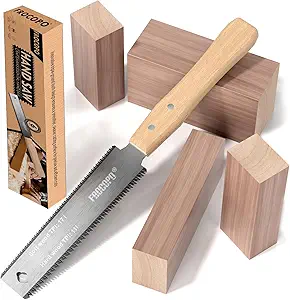 |
| Best Budget The cheapest option that still gets the job done reliably | EXTYQWC 6" Ryoba Japanese Pull Saw, SK5 Double-Edge |  |
| Highest Rated A top-rated pick with lots of positive feedback | SUIZAN Ryoba 7" Double-Edge Japanese Pull Saw |  |
| Most Popular A crowd favorite that many people choose with confidence | RUITOOL 6" Japanese Ryoba Pull Saw with SK5 Blade and Beech Handle |  |
Gyokucho Razorsaw Double-Edge Flush Cutting Saw 125mm (1151)

| Blade Material | Stainless Steel |
|---|---|
| Handle Material | Beechwood |
| Blade Length | 12.5 centimeters |
| Number of Teeth | 265 |
This Gyokucho Razorsaw is a purpose-built flush-cut saw for precise trim and finishing work. It has a thin, flexible stainless steel blade with impulse-hardened teeth and two tooth counts: a fine edge (32 TPI) for hardwoods and a coarser edge (21 TPI) for softwoods, so you can switch sides depending on the material. The blade’s flexibility and low profile let you make very clean, nearly invisible flush cuts against surfaces such as door trim, stair trim, and molding without gouging the substrate. The beechwood handle is riveted to the blade for a traditional feel and compact control when working in tight spaces or inside a tool pouch. Because the blade is narrow and thin the saw excels at detail work but is not intended for heavy ripping or long crosscuts. Also the short blade means you may need more strokes on wider pieces. For anyone focused on neat, controlled finish cuts this saw delivers professional-level results in a small package.
Best for: Skilled DIYers and tradespeople who prioritize precise, blemish-free trim and finish work and need a compact tool for tight joints and flush cuts.
Less Ideal for: Users who need a general-purpose handsaw for long crosscuts, ripping, or heavy-duty rough carpentry should choose a larger saw designed for those tasks.
- Double-edged blade with two tooth densities for hardwoods and softwoods
- Thin, flexible 0.12" blade optimized for clean flush cuts and fine detail
- Impulse-hardened teeth for longer wear
- Compact overall length for access in tight spaces and easy storage
- Short blade length limits efficiency on wide workpieces and long crosscuts
- Not suited for heavy ripping or demolition cutting
Verdict: Choose this saw when you need a small, dual-tooth flush cutter that delivers exceptionally clean, professional trim and finish cuts.
Frocopo 6-inch Double-Edge Pull Hand Saw with Wooden Handle

| Blade Material | SK5 Steel |
|---|---|
| Blade Length | 6 inches |
| Number of Teeth | 17 |
| Power Source | Hand Powered |
| Handle Material | Wood |
This Frocopo 6-inch hand saw is a small pull-style saw built for accurate finishing and quick trim work. The thin, flexible SK5 steel blade is double-edged—11 TPI on one side for faster cuts and 17 TPI on the other for finer finishes—so you can switch between speed and precision without changing tools. Its triple-ground, hardened teeth help produce cleaner cuts, and the lightweight wooden handle makes the saw comfortable for extended use when working on small projects, flush cuts, or detail carpentry. The compact blade length and flexibility make it especially useful for flush-cutting trim, model making, and cutting engineered wood in tight spots. Limitations are its short 6-inch blade and small size, which are not suited to ripping large boards or heavy demolition; larger saws will cut faster on big stock. For shoppers focused on straightforward, affordable finishing work, this saw offers sharp teeth, an ergonomic grip, and versatility between coarse and fine cutting in a single, pocketable tool.
Best for: Practical buyers who need an affordable, precise hand saw for trim, small woodworking projects, and flush cuts and who prioritize value and versatility in a compact tool.
Less Ideal for: Tradespeople who regularly cut large lumber or need a saw for heavy demolition should choose a larger handsaw or power tool instead.
- Double-edged SK5 steel blade provides both coarse and fine cutting options
- Triple-ground hardened teeth for cleaner, more accurate cuts
- Lightweight wooden handle designed for comfortable, fatigue-free use
- Compact 6-inch blade fits tight spaces and enables flush cuts
- Short blade length limits efficiency on large or long boards
- Not intended for heavy-duty ripping or pruning tasks
Verdict: A budget-friendly, compact pull saw that gives you both coarse and fine cutting in one lightweight tool for precise trim and small woodworking tasks.
EXTYQWC 6" Ryoba Japanese Pull Saw, SK5 Double-Edge

| Blade Material | Alloy Steel |
|---|---|
| Number of Teeth | 168 |
| Power Source | manual |
| Other Special Features of the Product | Lightweight |
This 6-inch ryoba pull saw is a compact, budget-friendly hand tool aimed at trimming, joinery and flush-cut tasks. It cuts on the pull stroke and features two edges: a 17 TPI side for finer work in hardwoods and an 11 TPI side for faster cuts in softwoods, so you get more versatility from a single short blade. The flexible SK5 high-carbon steel blade with hardened teeth lets you do close flush cuts on dowels, plugs and protruding joints while the triple-ground teeth help the saw bite cleanly and remove material efficiently. The all-metal handle and lightweight construction make it easy to maneuver for detailed work in tight spaces. Important limitations are the short 6-inch blade length and compact handle, which reduce reach and are not ideal for breaking down large stock or long rip cuts; this saw is best used for trim, furniture repair and small joinery tasks rather than framing. For a low-cost trim saw, it delivers precise control and useful dual-tooth edges in a small package.
Best for: A buyer who needs an inexpensive, precise trim and joinery saw for furniture repair, dowel trimming and small-scale woodworking where control in tight spaces matters.
Less Ideal for: Not a good choice for users needing a general-purpose handsaw for long rip cuts, framing, or frequent heavy-duty lumber work.
- Dual-edge ryoba blade gives both fine (17 TPI) and faster (11 TPI) cutting options in one tool
- Flexible SK5 high-carbon steel blade suited for flush cuts and close trimming
- Triple-ground, hardened teeth improve cutting efficiency and smoother finishes
- Compact, lightweight design is easy to control in tight spaces
- 6-inch blade limits reach and makes it unsuitable for long or large stock cuts
- Alloy steel handle may offer less ergonomic comfort than dedicated wooden or molded grips
Verdict: A compact, low-cost ryoba pull saw that delivers precise flush trimming and versatile fine-or-coarse cuts for small trim and joinery jobs.
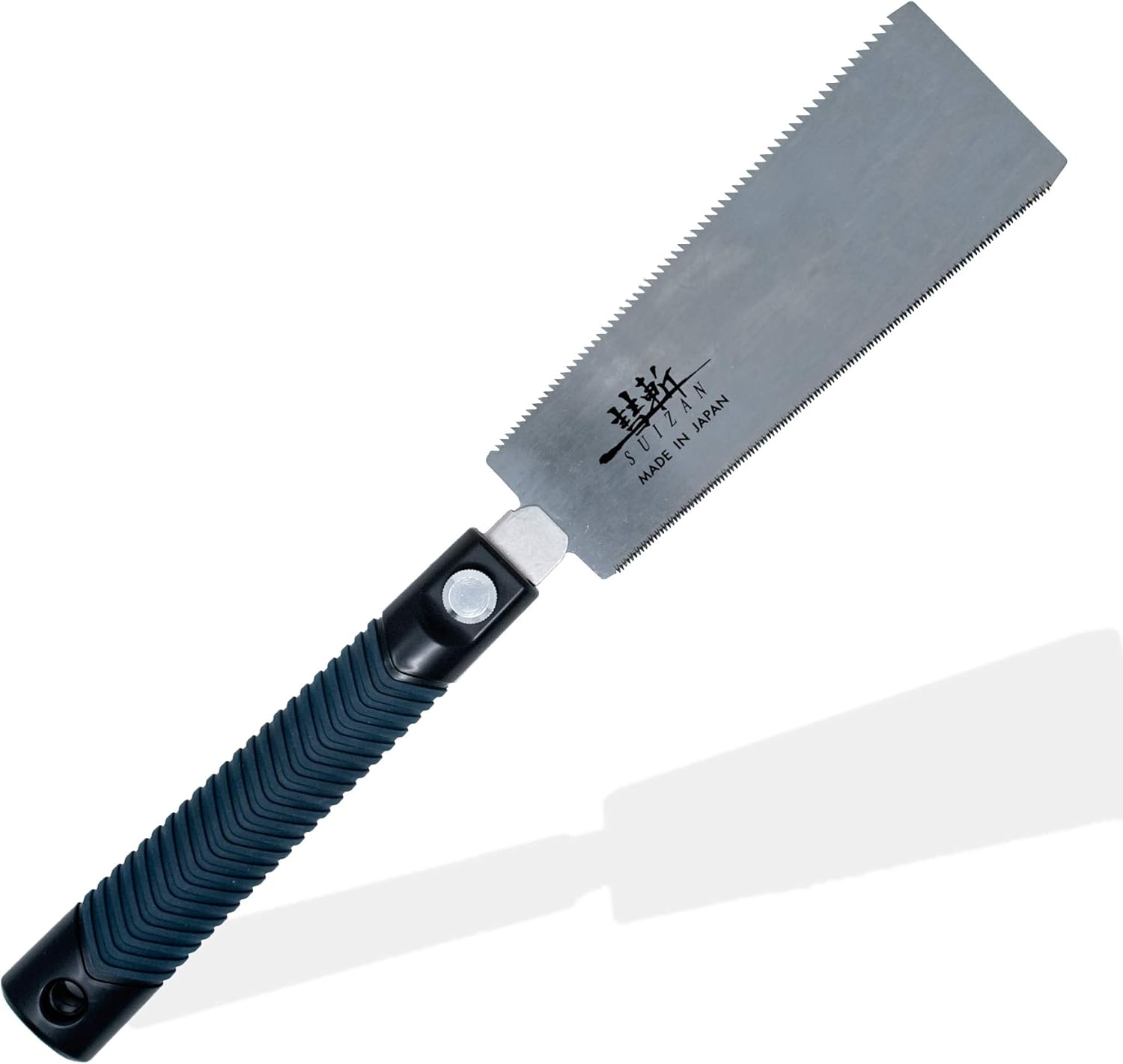
SUIZAN Ryoba 7" Double-Edge Japanese Pull Saw
| Blade Material | Japanese Steel |
|---|---|
| Blade Length | 7 inches |
| Blade Thickness | 0.02" (0.5mm) |
| TPI | 7-11 rip / 19 crosscut |
| Handle Material | Elastomer |
The SUIZAN Ryoba 7" is a compact Japanese pull saw built for clean, accurate trim and joinery work. It has a double-edge blade with coarse rip teeth on one side and fine 19-TPI crosscut teeth on the other, so you can switch between cutting along and across the grain without changing tools. The 0.02" (0.5 mm) thin blade produces a very narrow 0.03" kerf, which minimizes tearout and leaves a smooth finish useful for molding, trim and fine carpentry. The blade cuts on the pull stroke, which reduces user fatigue and gives more control for delicate cuts. The elastomer handle offers a secure, non-slip grip and the blade is user-replaceable without special tools. Important limitations are its short 7" blade, which is ideal for detail and small stock but not suited to long rip cuts, and the thin blade is more flexible than Western saws so it requires careful support when cutting wider pieces. For reliability-minded users this saw’s high-quality Japanese steel and replaceable blade make it a durable tool for precision trim tasks.
Best for: Buyers who prioritize consistent, professional-looking trim and joinery results and want a reliable, long-lasting hand saw for small to medium detail work.
Less Ideal for: Contractors or users who need a single saw for long ripping or heavy stock removal should consider longer or stiffer saws instead.
- Double-edge design (rip and crosscut) covers common trim cuts without swapping tools
- Very thin 0.02" blade and 0.03" kerf for clean cuts and minimal material waste
- Made from high-quality Japanese steel for long-lasting sharpness and durability
- Non-slip elastomer handle and pull-stroke cutting reduce fatigue and improve control
- Tool-free blade replacement keeps the saw serviceable over time
- Short 7" blade limits reach and is not efficient for long rip cuts
- Thin blade can flex on wide stock and needs careful support for straight long cuts
Verdict: A compact, dependable pull saw that delivers razor‑sharp, low‑tearout cuts for trim and fine woodworking while remaining serviceable through replaceable blades.
RUITOOL 6" Japanese Ryoba Pull Saw with SK5 Blade and Beech Handle

| Blade Material | SK5 Steel |
|---|---|
| Blade Length | 6 inches |
| Number of Teeth | 17 (double-edge: 14 & 17 TPI) |
| Handle Material | Beechwood |
This 6-inch RUITOOL Ryoba pull saw is built for precise trim and finish work where control and a clean surface matter. The thin, flexible SK5 high-carbon blade and dual edges (14 and 17 TPI) let you switch between faster crosscuts and finer cuts for hardwood or softwood without changing tools. The hardened three-edge teeth and slim blade profile produce quick, low‑tear cuts that are useful for molding, door trim, and flush cutting close to surfaces. Its compact length and lightweight beech handle make it easy to maneuver in tight spots and comfortable for detail work, although the short blade limits long ripping cuts and large stock removal. The blade is not replaceable as shipped, so heavy-duty demolition or repeated rough cutting will dull it sooner than a full‑size saw. For carpenters and hobbyists who value clean finish cuts and portability, this saw offers precision and simplicity; tradespeople needing long strokes or replaceable blades may prefer a larger saw system.
Best for: Buyers who need a nimble, accurate saw for trim, molding, and small finish jobs and who prioritize clean cuts over heavy material removal.
Less Ideal for: Contractors or users who frequently make long rip cuts, do heavy demolition, or require interchangeable blades for continuous on-site use.
- Flexible SK5 high-carbon blade produces thin, low‑tear cuts ideal for finish work
- Double-edge design (14 and 17 TPI) covers both faster and finer cutting needs
- Hardened three-edge teeth for improved sharpness and faster chip removal
- Compact 6-inch blade and lightweight beech handle for easy control in tight spaces
- Short 6" blade limits long rip cuts and makes large stock removal slower
- Blade is not supplied as a replaceable cartridge, so heavy use will require sharpening or replacement of the whole saw
Verdict: A compact, precision-focused pull saw that delivers clean finish cuts for trim and molding tasks.
Choosing the Right Hand Saw for Trim Work: Key Factors to Consider
Tooth Geometry and Kerf Width
Tooth shape and size determine how the saw severs wood fibers and how much material the blade removes. For trim work you want fine, closely spaced teeth that make a narrow kerf. Narrow kerfs waste less material and leave a cleaner surface that needs minimal sanding, which is important when working with delicate moldings or thin stock.
Different tooth patterns favor crosscutting or rip cutting. Many trim tasks require accurate crosscuts across grain, so a crosscut-style tooth with an angulated hook and fine pitch often produces the cleanest finish. Consider the tooth count per inch and whether the pattern is filed for crosscut, rip, or hybrid use to match the cuts you do most.
Blade Thickness and Stiffness
Blade thickness affects straightness and the likelihood of blade flex during a cut. A thin blade reduces kerf width but can flex if not reinforced, causing wandering cuts and tearout on delicate profiles. Look for blades with adequate thickness and a flatness profile that resists bending on short, controlled strokes used during trimming.
Some finish saws use a back or a heat-treated laminate to increase stiffness without adding excessive mass. Blade stiffness also influences how the saw tracks at the start of a cut. A stiffer blade helps maintain a straight kerf from the first stroke, which is vital when cutting to scribed lines or mating trim pieces.
Handle Design and Ergonomics
Handle geometry strongly influences control in tight spaces and reduces fatigue during repetitive small cuts. A well-shaped handle lets you apply consistent pressure and keeps the blade aligned with your sightline. Look for handles that fit your hand size, offer a secure grip, and have comfortable contours so you can make short, deliberate strokes without slippage.
Materials matter too. Wooden handles offer traditional feel and can be shaped for a close fit, while molded synthetic handles can provide texture and vibration damping. The relationship between handle orientation and blade angle also affects how the saw clears molding profiles when cutting inside corners or coping joints.
Tooth Hardening and Sharpening Ease
How teeth are hardened determines how long the saw will hold a keen edge and how often you will need to sharpen. Hardened teeth can stay sharp longer but are more difficult to re-sharpen if they do dull. For a trim saw that sees regular use, choose a blade with a balance between durability and the ability to be tuned at home.
Consider whether the teeth are filed for a standard pattern you can replicate with a common file, whether the blade accepts replacement sharpening, or if it will require professional rework. Ease of re-setting tooth set is also important because set affects kerf width and binding on thin stock.
Cutting Action and Stroke Length
Trim work is often done with short, controlled strokes rather than long, aggressive sawing. The saw's cutting action should be smooth on short pulls or pushes and give consistent material removal without snagging. Some blades are optimized for long rips and feel sluggish when used in the short strokes needed to trim a door casing or make a coped joint.
Assess whether the saw returns to the starting position smoothly and whether the teeth bite predictably on small initial strokes. A saw that tracks well on short strokes reduces tearout at corners and helps you keep joints tight without overcutting.
Finish and Compatibility with Trim Materials
Trim materials vary from soft pine to dense hardwoods and painted or veneered boards. The saw's finish, tooth pattern, and kerf width determine how it behaves on different surfaces. A blade that produces minimal splintering on MDF and veneered stock is valuable, while the same blade should still cut hardwoods cleanly when required.
Also consider whether the blade's finish resists pitch and glue buildup, which is common when cutting adhesive-backed materials. A surface treatment or polished finish helps the blade glide and stay cleaner over repeated cuts.
Best Practices for Cutting Trim Accurately
Mark and clamp work at eye level where possible so you can see the cut line clearly and control the blade orientation. Use a fine pencil or marking knife to define the shoulder line and make a shallow starter notch to guide the saw on the first strokes.
When making cope and miter joints, cut slightly long and trim back with light passes until the joint seats. Short, deliberate strokes reduce chatter and minimize tearout on delicate profiles. Keep the saw perpendicular to the face until the shoulder is established, then adjust angle for the final fit.
- Make a shallow starter notch for precise alignment
- Use short strokes to avoid tearout on profiles
- Check mating pieces frequently and remove small amounts at a time
Sharpening and Maintaining a Trim Saw
Regular maintenance keeps a trim saw cutting cleanly and reduces the need for aggressive reshaping. Clean pitch and glue from the blade after sessions and store the saw in a dry place to prevent rust. Lightly oil the blade if you work in humid environments.
For sharpening, use a fine file matched to the tooth pitch and maintain the original rake and set. If teeth are hardened and not easily filed, consider professional sharpening or replacing the blade. Reset tooth set only when binding becomes noticeable; over-raising set will widen the kerf unnecessarily.
- Clean blade surface after use to prevent buildup
- Use a matched file and preserve original tooth geometry
- Reset tooth set sparingly to maintain narrow kerf
Coping Versus Miter Cutting Techniques
Coping gives the tightest internal corner joints, especially on complex molding profiles. Use the saw to make a relief cut behind the profile and then pare back the waste with a file or chisel to match the contour precisely. A saw that tracks well keeps the relief cut straight and predictable.
Mitering is faster for simple profiles and external corners. For best results, make full-length cuts on a stable miter box or fence, then fine-tune the fit with a block plane or sanding block. For painted trim, score the cut line first to reduce paint tearout.
- Use coping for internal corners and detailed profiles
- Use miter cuts for external corners and quick joins
- Score painted edges before cutting to prevent flake-out
Working with Different Trim Materials
Softwoods are forgiving and respond well to fine crosscut teeth, while dense hardwoods benefit from a slightly coarser tooth to clear chips. Engineered products and veneered boards need a blade that minimizes splintering-thin kerfs and polished tooth faces help reduce surface damage.
When cutting painted or sealed trim, keep blades clean and consider a light sanding of the cut face to refresh the paint edge. For thin or fragile profiles, support the workpiece near the cut to prevent vibration and break-out.
- Match tooth pitch to material density
- Support thin workpieces close to the cut
- Keep blades clean when cutting painted or glued surfaces
Storing and Transporting Hand Saws
Protecting the blade and teeth during storage prevents dulling and damage. Use blade guards or hang saws on a pegboard with the teeth protected. Avoid stacking saws so teeth do not contact other metal which can nick the cutting edges.
When transporting saws for jobsite work, pack them in a tool roll or dedicated compartment to keep the handle secure and the blade from rattling. Inspect teeth before use after transport to ensure no accidental damage occurred.
- Use blade guards or hang saws with teeth protected
- Pack saws securely when moving between sites
- Inspect blades before each use to catch damage early
How We Chose the Best Hand Saw for Trim Work
We limited our shortlist to saws built for finish carpentry and trim work, focusing on tools hobbyists and pros will use indoors and on delicate wood moldings. We evaluated each candidate using concrete, practical criteria: tooth geometry and kerf width to judge cutting cleanliness; handle ergonomics and weight for control during precise short cuts; blade stiffness and set for straight, chatter-free sawing; ease of sharpening and maintenance so the tool stays serviceable; and compatibility with common trim materials such as softwoods, hardwoods, and veneered stock. Excluded items included heavy-duty framing saws, panel saws, and multi-blade power tools that do not behave like a hand saw during fine finish work. We also excluded novelty blades and one-off custom saws with limited availability. The final list emphasizes repeatable cutting performance, control in tight spaces, and straightforward upkeep-attributes that matter most when fitting baseboards, casings, chair rails, and other finish elements.
FAQ
What tooth count is best for trim work?
Higher tooth counts per inch produce smoother cuts on trim. For most interior trim, a fine pitch in the range commonly used for finish saws gives clean edges with minimal tearout. The exact number depends on material density and whether you are crosscutting or ripping.
Can I use a utility saw for coping and fine work?
Utility saws can work for simple cuts but they often lack the fine tooth geometry and blade control needed for precise coping. A dedicated finish hand saw designed for short, accurate strokes will yield better results on detailed profiles.
How often should I sharpen a hand saw used for trim?
Frequency depends on use and material. Light home use may need attention once or twice a season, while heavy professional use requires more frequent tuning. Watch for increased effort to start cuts or visible tearout as signs it is time to sharpen.
Is a reinforced back necessary on a trim saw?
A back can add stiffness which helps tracking on short strokes, but it also increases weight and can limit reach into tight areas. Many trim saws balance thin blades with heat treatment or partial backing to get stiffness without excessive bulk.
Should handle fit influence my choice even if blade specs are ideal?
Yes. Handle fit affects control and comfort during repetitive fine cuts. A saw with excellent blade geometry but an uncomfortable handle will undermine precision work, so prioritize a handle that matches your grip and cutting technique.
Final Verdict
Choosing the right hand saw for trim work means balancing a thin, clean-cutting blade with enough stiffness to track on short strokes and a handle that gives secure control. Prioritize tooth geometry that matches the materials you cut and a blade finish that resists pitch and minimizes splintering on veneered or painted edges. Decide whether you need a backed blade for extra stiffness or a lighter blade for tight access, and factor in how easy the saw will be to maintain and sharpen. Focus on cut cleanliness, start control, and ergonomics when selecting a trim saw. With those priorities in mind you can pick a tool that reduces fitting time and produces professional-looking joints.
