

Note: This article contains affiliate links. If you click on these links and make a purchase, I may earn a small commission at no extra cost to you. This helps support my research and content. Read my full affiliate disclosure here.
Picking the right soil for an aloe vera plant makes the difference between a thriving succulent and one that sits in soggy, stressed roots. Aloe plants need a mix that sheds excess water, resists compaction, and still delivers enough nutrients for steady growth. This guide looks at seven shortlisted soils suited for aloe vera, evaluated for drainage, texture, and plant health. Below we walk through what matters when choosing a potting mix or amendment for aloe vera and why each shortlisted soil earned a place on the list. Read on to match a soil type to your pot, light conditions, and watering routine.
Top Picks at a Glance
| Best Overall The best all-around choice for most situations | Miracle-Gro Succulent Potting Mix, 4 qt. |  |
| Best Quality Built to a higher standard if you want something more solid | Rosy Soil Cactus & Succulent Potting Mix (4 Quart) |  |
| Best Value The sweet spot between price and what you get | Midwest Hearth Cactus & Succulent Potting Soil Mix, Fast Draining, 4 Quart |  |
| Best Budget The cheapest option that still gets the job done reliably | Doter Aloe Vera Potting Soil Mix, 1 qt |  |
| Highest Rated A top-rated pick with lots of positive feedback | Rosy Soil Indoor Plant Soil Bundle (4 qt each) |  |
| Most Popular A crowd favorite that many people choose with confidence | Miracle-Gro Indoor Potting Mix for Cactus & Succulent, 2-pack (8 qt. each) |  |
| Best Seller A high-volume bestseller chosen again and again | Hoffman Organic Cactus & Succulent Soil Mix (4 Quart) |  |
Miracle-Gro Succulent Potting Mix, 4 qt.

| Brand Name | Miracle-Gro |
|---|---|
| Unit Count | 128 Ounce |
| Style Name | Succulent |
| Volume | 4 quarts |
Miracle-Gro Succulent Potting Mix is a small, pre-formulated soil blend designed for repotting indoor succulents such as aloe vera and cacti. It combines sphagnum peat moss, processed forest products, and built-in Miracle-Gro plant food to give young or established succulents a light, moisture-managing medium. Typical use is straightforward: choose a pot with drainage, fill about one third, set the plant, top up with the mix, then water and allow to drain. The mix is packaged to fill an 8-inch container from a 4 qt. bag, making it convenient for single-pot repotting and for beginners who want a plug-and-play solution. Practical benefits include improved aeration compared with ordinary garden soil and a nutrient boost from the included plant food, which supports indoor growth without immediate fertilizing. Limitations are the small bag size, which means multiple purchases for several plants, and the peat base, which may compact over time and require repotting or amendment every couple of years for best performance.
Best for: A balanced buyer who wants an easy, no-fuss potting medium for indoor aloe vera and other succulents and values convenience and consistent results.
Less Ideal for: Gardners who need large volumes for many containers or who prefer peat-free or specialty inorganic cactus mixes should look elsewhere.
- Formulated specifically for succulents and cacti, helping with drainage and root health
- Includes Miracle-Gro plant food for initial nutrient support
- Convenient 4 qt packaging suited to repotting a single 8-inch container
- Light, peat-based blend that is easier to work with than heavy garden soils
- Small 4 quart bag is insufficient for multiple pots or larger containers
- Peat-based mix can compact over time and may need repotting or refreshing
Verdict: A convenient, ready-made potting mix that gives indoor aloe vera and other succulents better drainage and starter nutrition for easy repotting.
Rosy Soil Cactus & Succulent Potting Mix (4 Quart)

| Unit Count | 64 Ounce |
|---|---|
| Item Type Name | Soil |
| Item Highlight | Organic Succulent Potting Soil, Chunky Fast Draining, Peat-Free, Root Boosting Mix |
| Ingredients | Biochar, Pumice, Mycorrhizae, Sand, Pine Bark Fines, Compost |
| Style Name | Cactus & Succulent |
This 4-quart Rosy Soil cactus and succulent mix is built for plants that need gritty, fast-draining media, making it a good match for aloe vera. The chunky blend of pumice, sand, pine bark fines and biochar keeps the soil loose so water drains quickly and roots get oxygen instead of sitting in moisture. It also includes mycorrhizae and worm castings to support root development and feed plants biologically rather than relying on synthetic fertilizers. The peat-free formula reduces compaction and helps prevent overwatering problems common with denser potting mixes. Pack size and resealable packaging make it convenient for repotting a few small to medium houseplants. Important limitations are the small 4-quart volume, which limits this to several pots rather than large containers, and the safety note about potential skin or inhalation irritation when handling the dry mix, so use a mask and gloves if you are sensitive. For growers focused on performance, this mix emphasizes drainage and biological activity over moisture retention.
Best for: Serious indoor growers and performance-focused plant owners who prioritize fast drainage and biological soil health for aloe vera and other succulents.
Less Ideal for: People who need large volumes for outdoor beds or big containers or those who want a high-moisture, water-retentive potting mix.
- Chunky, fast-draining blend suitable for drought-tolerant plants
- Includes biochar, mycorrhizae, and worm castings to support root health naturally
- Peat-free formula that resists compaction and reduces overwatering risk
- Resealable bag keeps remaining mix fresh between uses
- Small 4-quart volume limits use to a few small or medium pots
- Contains ingredients that can irritate skin or lungs when dry, requiring protective handling
Verdict: Choose this mix if you want a performance-oriented, peat-free soil that promotes fast drainage and biological root health for aloe vera and other succulents.
Midwest Hearth Cactus & Succulent Potting Soil Mix, Fast Draining, 4 Quart

| Brand Name | Midwest Hearth |
|---|---|
| Unit Count | 128 Ounce |
| Item Type Name | Potting Soil |
| Volume | 4 quarts |
This Midwest Hearth cactus and succulent soil is a preblended, ready‑to‑use potting mix designed to give drought‑tolerant plants the drainage and aeration they need. It combines peat moss with perlite and vermiculite to move excess water away from roots while retaining enough moisture for steady growth, which makes it useful for repotting established aloe vera or starting cuttings. The mix is pH balanced for desert plants and comes in a resealable 4 quart bag that will fill a couple of standard pots, so small indoor collections are easy to maintain. Practical features include a fast‑draining texture to reduce root rot risk and a formulation that removes the need to measure and mix multiple amendments. Limitations are mainly volume related — the 4 quart bag suits a few pots but not larger collections — and users sensitive to dust should handle it with gloves and eye protection as the bag warns. For growers who want a no‑fuss cactus mix tailored to aloe and similar succulents, this is a solid, convenient choice.
Best for: Buyers who want a low‑effort, ready‑mixed soil that reliably drains for indoor aloe vera and small succulent collections and who prioritize convenience and predictable performance.
Less Ideal for: Gardeners who need potting mix in bulk for many plants or large outdoor beds should choose a larger sized product or buy amendments separately for custom blends.
- Ready‑to‑use blend removes need to mix peat, perlite, and vermiculite
- Fast‑draining texture helps prevent root rot in drought‑tolerant plants
- pH balanced for cacti and succulents, suitable for aloe vera
- Resealable bag keeps unused mix fresh between uses
- 4 quart volume is small for larger collections or multiple repottings
- Contains fine components that can irritate skin and eyes if handled without protection
Verdict: A convenient, pH‑balanced fast‑draining mix that makes repotting and caring for aloe vera and other succulents simple and low effort.
Doter Aloe Vera Potting Soil Mix, 1 qt
| Brand Name | Doter |
|---|---|
| Item Type Name | Garden soil |
| Manufacturer | Doter |
| Volume | 1 quarts |
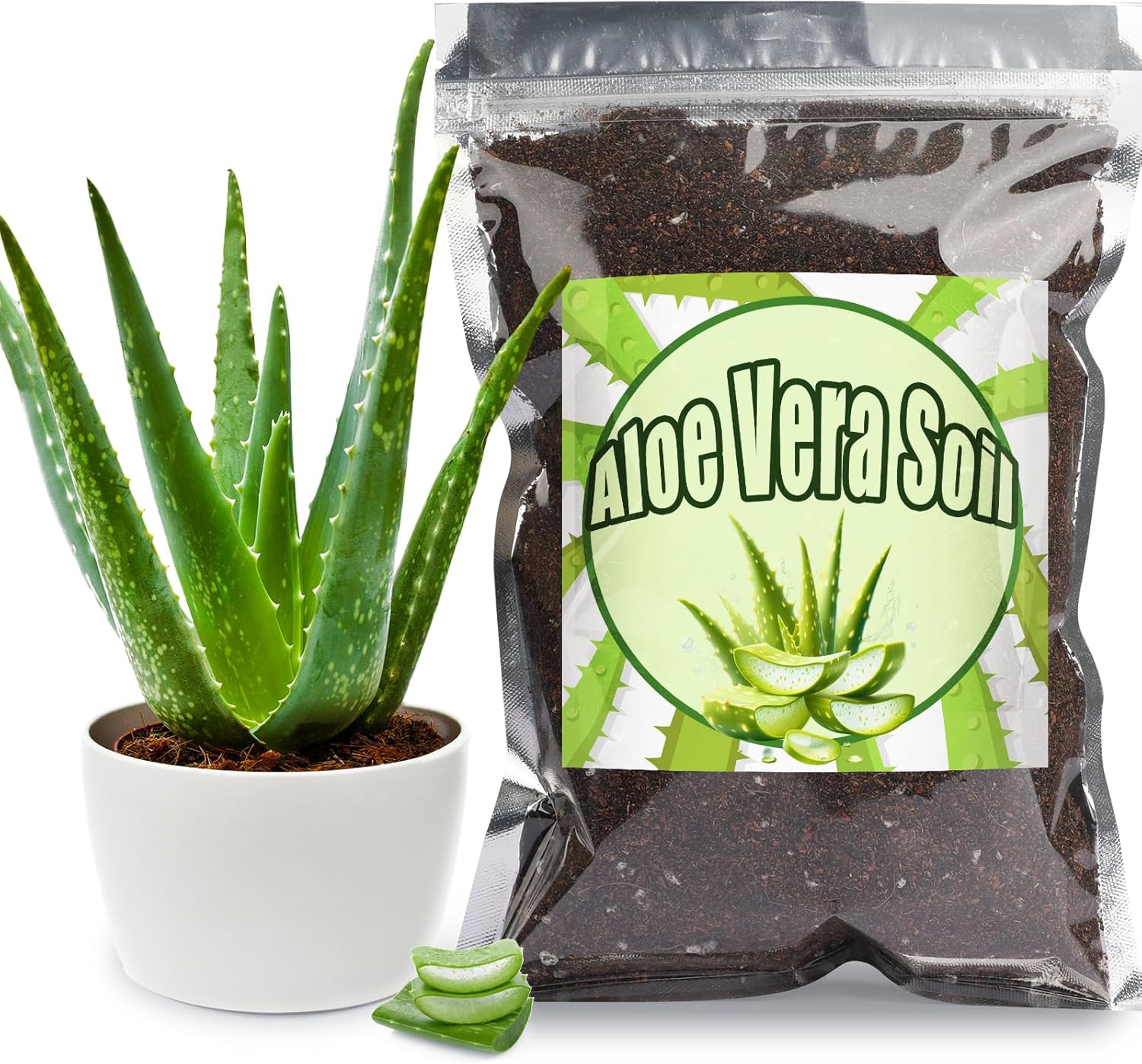
This 1-quart Doter potting mix is blended specifically for aloe vera, emphasizing fast drainage and good aeration to prevent root rot. It is designed for direct use when repotting seedlings or refreshing small containers and contains a modest nutrient content and balanced pH to support steady leaf growth. The mix is easy to handle for indoor growers and small outdoor containers and can be used straight from the bag without extra amendments for most aloe plants. Because the bag is small, it is most practical for single pots, propagation or topping up soil rather than large-scale repotting. The formula’s focus on drainage means it will dry between waterings, so you may need to add a light fertilizer for longer-term potted plants. Overall, it offers a convenient, aloe-focused medium for gardeners who want a reliable, low-effort substrate for succulents and houseplants.
Best for: Budget-minded growers who need a ready-made, small-batch soil for potting or propagating aloe vera and other small succulents around the home.
Less Ideal for: Gardeners repotting multiple large plants or filling several large containers should choose bulk soil blends or larger bags instead.
- Formulated for excellent drainage to reduce risk of overwatering and root rot
- Balanced pH and added nutrients support healthy foliage and root development
- Ready-to-use mix suitable for seedlings and small pots without extra amendments
- Compact 1 quart size is convenient for single pot use and propagation
- Small volume makes it impractical for larger repotting jobs without buying multiple bags
- May require supplemental fertilizer over time for mature plants
Verdict: A convenient, low-cost 1-quart mix that gives aloe vera the well-draining, nutrient-balanced medium needed for healthy small-pot growth.
Rosy Soil Indoor Plant Soil Bundle (4 qt each)

| Unit Count | 256 Ounce |
|---|---|
| Style Name | Nutrient-rich, indoor potting soil mix with cactus & succulent specific additives |
| Volume | 4 quarts |
| Ingredients | Biochar, Pumice, Mycorrhizae, Sand, Pine Bark Fines, Compost |
This Rosy Soil bundle pairs a gritty cactus and succulent mix with a moisture-balanced houseplant potting soil so you can support both drought-tolerant and tropical indoor plants from the same brand. The cactus mix is deliberately chunky and fast-draining, using pumice and sand to keep roots airy and prevent waterlogging, which is exactly what aloe vera needs. The houseplant mix blends biochar, worm castings and mycorrhizae to improve aeration and provide slow-release nutrients for plants that prefer more consistent moisture. Both mixes are peat-free, include beneficial microbes, and come in resealable bags with planting guidance for first-time growers. For a reliability-focused buyer, the clear separation of formulas reduces guesswork when repotting different plant types and the microbial ingredients help establish a healthier root zone that can reduce fertilizer dependence. Limitations to note are the modest 4 quart bag size per mix, which means frequent repotting or multiple bags are needed for larger collections, and the product is labeled for indoor use only so it is not intended for outdoor garden beds.
Best for: Buyers who want dependable, purpose-built soils for indoor plants and prefer ready-made mixes that reduce repotting mistakes and support plant health without frequent fertilizer input.
Less Ideal for: Gardeners needing large volumes for outdoor beds or landscapers working on outdoor projects should choose bulk garden soil or outdoor-specific mixes instead.
- Includes two targeted mixes so drought-tolerant and tropical indoor plants can be repotted with the appropriate medium
- Cactus mix is chunky and fast-draining, suitable for aloe vera and other succulents
- Houseplant mix contains biochar, worm castings and mycorrhizae to boost soil biology and steady moisture retention
- Peat-free, sustainably formulated ingredients and resealable bags with planting guidance for beginners
- Each bag is only 4 quarts, which may not be enough for multiple or larger pots
- Label specifies indoor use only, so not suitable for outdoor planting
Verdict: Choose this bundle if you want reliable, plant-specific indoor mixes—especially a fast-draining cactus mix for aloe vera paired with a biologically active houseplant soil.
Miracle-Gro Indoor Potting Mix for Cactus & Succulent, 2-pack (8 qt. each)

| Item Highlight | Fast-Draining Cactus and Succulent Potting Mix with Plant Food |
|---|---|
| Number of Packs | 2 |
| Included Components | 2 bags |
| Item Type Name | Soil |
| Ingredients | Sphagnum Peat Moss, Sand, Perlite |
This two-bag pack of Miracle-Gro Indoor Potting Mix is blended for desert-type houseplants and is meant to make repotting straightforward. The mix combines sphagnum peat moss, sand, perlite and other forest products to create a light, fast-draining medium that helps prevent root rot when you water aloe vera and other succulents. Each bag is labeled as plant-food enriched so newly potted plants get an initial nutrient boost; the manufacturer recommends waiting about 30 days before additional feeding. In practice this mix is convenient for filling several small pots without needing to amend or sieve components yourself. It is best used in containers with drainage and for regular indoor care routines like occasional deep watering and full-spectrum light. Limitations to note are the single-purpose formulation and modest bag volume per unit, so larger plants or frequent repotting will require multiple bags or supplemental amendments for specific needs like increased grit or coarser drainage.
Best for: Buyers who want a convenient, low-effort potting mix tailored to indoor succulents and who prefer a proven, widely used product with added plant food.
Less Ideal for: Gardeners repotting large specimens, creating outdoor beds, or those who need a very coarse, gritty mix for species with extreme drainage demands.
- Formulated for cacti and succulents to provide fast drainage suitable for aloe vera
- Includes plant food to give newly repotted plants an initial nutrient boost
- Ready-to-use blend eliminates the need to mix peat, sand and perlite yourself
- Two-bag bundle covers multiple small pots or a small indoor succulent collection
- Each 8 qt. bag is relatively small for larger pots or frequent repotting
- Not formulated for water-loving or in-ground plants that need moisture-retentive mixes
Verdict: A convenient, plant-food enriched, fast-draining potting mix that makes repotting aloe vera and other indoor succulents quick and reliable.
Hoffman Organic Cactus & Succulent Soil Mix (4 Quart)

| Unit Count | 40 Ounce |
|---|---|
| Style Name | Organic |
| Ingredients | Compost, Peat Moss, Sand, Limestone |
This Hoffman organic cactus and succulent mix is a pre-mixed, ready-to-use potting medium designed to give drought-tolerant plants the fast drainage they need. It is typically used straight from the bag for repotting cacti, succulents, and similarly water-sensitive plants like aloe vera; the formula combines compost, peat moss, sand, and limestone to create a light, airy texture that reduces water retention and encourages root and bloom development. The small 4-quart bag is convenient to store and pour, and it saves time versus blending your own mix. Because the product is formulated for succulents, it helps prevent overwatering problems and can promote healthier, faster-growing roots. Limitations are the small bag size for larger projects and that the mix contains peat moss and compost which may compress over time and require occasional refreshment; heavier-duty or large-scale landscaping needs will require more volume or a coarser mix for very rapid drainage.
Best for: Buyers who want a simple, low-risk potting solution for aloe vera or other succulents and prefer a ready-made mix that minimizes overwatering issues.
Less Ideal for: Gardeners planning to fill many pots, large planters, or landscape beds who need bulk soil or a coarser, custom drainage blend.
- Ready-to-use formula saves time versus mixing components yourself
- Designed for fast drainage to reduce risk of root rot in succulents and aloe vera
- Contains compost and limestone to support root and bloom development
- Convenient, easy-to-pour 4-quart bag for small pots and repotting tasks
- Small 4-quart volume is not suited to multiple or larger repots
- Contains peat which can compact over time and may need periodic refreshing
Verdict: A convenient, ready-made organic mix that gives aloe vera and other succulents the quick drainage they need to stay healthy.
Choosing the Right Soil for Aloe Vera Plant: Key Factors to Consider
Drainage and Porosity
Aloe vera needs soil that moves water away from the root zone quickly. Mixes with large particles and air spaces let excess moisture escape, reducing the chance of root rot. When a soil holds too much water between particles the roots become deprived of oxygen, which leads to soft stems and eventual collapse.
Look for components such as coarse sand, pumice, perlite, or grit that increase porosity without holding water themselves. The right porosity also helps the soil dry to an appropriate depth between waterings, which supports the succulent's natural drought tolerance.
Soil Texture and Particle Size
Texture determines how the soil packs and how easy it is to water evenly. A mix that is too fine compacts over time and reduces airflow. Coarser textures resist compaction and provide stable anchorage for the plant's root ball.
Aim for a blend of coarse and medium particles so the soil drains but still supports the plant. Particle size matters for both container-grown and in-ground plants; in pots you want faster drainage and more structure, while in ground you may rely more on amending heavy soils with gritty materials.
Nutrient Balance and Feeding Needs
Aloe vera is not a heavy feeder. Soils that provide a mild, slow-release nutrient profile keep growth controlled and foliage healthy without encouraging leggy, weak growth. High-organic mixes can feed too strongly and retain moisture, which is a double problem for succulents.
Choose mixes labeled for cacti and succulents or those with low to moderate organic matter. That provides baseline nutrients while letting you supplement with a dilute fertilizer during active growth if needed.
pH and Chemical Stability
Aloe vera prefers a slightly acidic to neutral pH. Soil pH affects nutrient availability and microbial activity around the roots. Extremely alkaline or acidic mixes can lock up nutrients or promote unwanted organisms.
Stable substrates with predictable pH are easier to manage. If you use amendments such as limestone or sulfur to adjust pH, do so cautiously and test the soil once established.
Disease Resistance and Cleanliness
Sterile or low-organic soils reduce the chance of fungal and bacterial problems that lead to root rot. Materials that have been heat-treated or are inert lower the initial pathogen load. Dense, nutrient-rich soils can harbor opportunistic pathogens when kept moist.
Consider mixes that list sterilized components or that rely on inorganic bulking agents. Clean soil is particularly important when repotting older specimens to avoid transferring pathogens from old media.
Longevity and Ease of Repotting
Soils that hold their structure through repeated wet-dry cycles make repotting easier and reduce stress on the plant. A mix that collapses into fine dust forces more frequent repotting and root disturbance.
Pick substrates that retain porosity and are easy to tease away from roots during repot. This minimizes root damage and speeds recovery after repotting.
Choosing Between Ready-Mix and Custom Blends
Pre-mixed cactus and succulent soils offer convenience and a predictable starting point for aloe vera. They usually combine an organic base with inert drainage additives so you get acceptable drainage out of the bag. Custom blends give you control over particle sizes and ingredients, but require sourcing components like pumice, coarse sand, and well-aged compost.
If you are new to succulents, a quality ready-mix often makes the first few seasons easier. Gardeners with specific potting needs or unusual containers benefit from custom mixes because they can tailor the porosity and nutrient profile to match local climate and watering habits.
- Ready-mix: convenient, consistent structure, useful for beginners
- Custom blend: customizable porosity, better for specific container setups
- Adjust ready-mixes by adding more grit if you need extra drainage
Best Inorganic Amendments for Faster Drying
Inorganic materials such as pumice, perlite, and coarse sand increase drainage without adding organic matter that holds moisture. Pumice and crushed lava rock also contribute long-term structure and do not break down quickly, while perlite is lightweight and helps with aeration.
Use a mix of amendments to balance weight and porosity. Too much lightweight perlite can make a pot top-heavy when watered, while heavier grit improves stability for larger plants.
- Pumice: durable, excellent porosity
- Perlite: lightweight aeration, best mixed with heavier grit
- Coarse sand or grit: adds weight and helps water percolate
Pot Size, Drainage Holes, and Soil Volume
Pot selection influences how often you water and what soil behavior you need. Smaller pots dry faster and work well with a slightly denser mix, while large pots hold more moisture and need more aggressive drainage. Always use containers with drainage holes to allow excess water to escape.
For tall, leggy aloe specimens, choose a mix with more weight to keep the plant stable. For small rosettes in shallow pots, lighter mixes that drain extremely well are preferable.
- Small pots: faster drying, use less organic matter
- Large pots: slower drying, increase inorganic content
- Ensure drainage holes are not blocked by saucers or gravel
Watering Routine and How Soil Affects It
Soil and watering go hand in hand. A fast-draining mix allows you to water more deeply and less frequently, which aligns with aloe vera's drought-adapted biology. Overwatering is the single biggest soil-related mistake for aloe.
Match your watering to the soil's drying rate. If the mix dries out in a few days, water less frequently and by volume. If it stays moist for weeks, increase ventilation, reduce organic matter, or repot into a grittier mix.
- Deep, infrequent watering suits fast-draining mixes
- Check dryness several inches down before watering
- Adjust frequency seasonally as growth slows in winter
Amending Garden Soil for Outdoor Aloes
When planting aloe vera in ground or large beds, improving heavy garden soil is crucial. Incorporate coarse sand, gravel, or pumice to break up clay and improve percolation. Avoid adding large amounts of fresh compost directly into the planting hole, as that can hold water around the roots.
Create a raised mound or berm with amended soil to encourage runoff and avoid water pooling around the crown. Outdoor planting still benefits from monitoring local rainfall and drainage patterns to prevent saturation.
- Break up clay with coarse, inorganic amendments
- Build raised planting areas to encourage drainage
- Avoid high-organic amendments directly at the root zone
How We Chose the Best Soil for Aloe Vera Plant
We focused on performance traits that actually affect aloe vera health rather than marketing claims. Each candidate had to offer a fast-draining structure, stable pH in the mildly acidic to neutral range, and a balance of slow-release nutrients suitable for succulents. We also checked for natural disease-suppressing attributes such as sterilized components or low organic density that reduce fungal pressure. Selection criteria included particle size and porosity to ensure water passes freely, the presence of inert drainage additives to prevent compaction, and nutrient content appropriate for low-feeding succulents. We prioritized mixes that are easy to re-pot and that maintain structure over time. Excluded items were heavy garden soils, pure composts, or mixes formulated for high-moisture houseplants. Practical performance in containers, compatibility with common watering schedules, and gardener reports of reduced root rot were the main filters applied.
FAQ
Can I use regular potting soil for aloe vera?
Regular potting soil is often too moisture-retentive for aloe vera. It can be amended with inorganic materials like pumice or coarse sand to improve drainage. Alternatively, choose a cactus-and-succulent mix that is formulated to dry faster.
How can I tell if my aloe's soil is compacted?
Compacted soil will feel dense and resist water penetration, and the plant may show yellowing or soft leaves. Gently remove the plant and inspect the root ball; compacted mixes form tight clumps and have little visible air space. Repotting into a grittier mix usually fixes the issue.
What is the ideal watering schedule with fast-draining soil?
With a fast-draining mix, you can water deeply then allow the soil to nearly dry out before watering again. Frequency depends on pot size, light, and season but commonly ranges from every 2 to 4 weeks for indoor plants in bright light. Always check moisture a few inches down first.
Should I add fertilizer to aloe vera soil?
Aloe benefits from light feeding during the active growing season. Use a diluted, balanced fertilizer sparingly. Excessive feeding can promote weak, watery growth and increase moisture retention in the soil, so keep applications minimal.
Which amendments help prevent root rot?
Inorganic amendments like pumice, coarse sand, and crushed lava rock improve aeration and reduce water retention, lowering root rot risk. Also opt for sterile or low-organic mixes and ensure pots have drainage holes so water does not pool at the bottom.
Final Verdict
Prioritize a fast-draining, stable mix with low to moderate organic matter when choosing soil for an aloe vera plant. The most important tradeoffs are between drainage and nutrient supply: too much organic content increases rot risk, while too little can slow growth. Aim for a balance of coarse particles and just enough nutrient content to support steady growth. Match the mix to your pot size and watering habits, and focus on structure and cleanliness to keep aloe plants healthy and long-lived.
