

Note: This article contains affiliate links. If you click on these links and make a purchase, I may earn a small commission at no extra cost to you. This helps support my research and content. Read my full affiliate disclosure here.
Picking the right perennial pot plants for full sun matters because containers on patios, terraces, and rooftop gardens face harsher heat, reflected light, and faster drying than in-ground beds. The wrong plant will wilt, drop blooms, or demand constant watering. The options shortlisted here are proven to handle sustained sun exposure in pots while delivering reliable blooms, structure, and seasonal interest. This guide covers seven top perennial container choices suited to bright, hot sites and explains how we evaluated drought tolerance, bloom timing, maintenance needs, and container behavior to help you choose the best performers for your sunny spots.
Top Picks at a Glance
| Best Overall The best all-around choice for most situations | Sisyrinchium angustifolium 'Lucerne' (Blue‑Eyed Grass) Quart Perennial |  |
| Best Quality Built to a higher standard if you want something more solid | Perennial Farm Marketplace Rudbeckia 'Goldsturm' (Black-Eyed Susan) Live #1 Container |  |
| Best Value The sweet spot between price and what you get | Plants for Pets Euphorbia 'Crown of Thorns' Live Plant (4" Pot) |  |
| Best Budget The cheapest option that still gets the job done reliably | Chapel Hill Yellow Lantana (2.5" pot) |  |
| Highest Rated A top-rated pick with lots of positive feedback | ELLA'S HOMES Lantana Live Plants (2-Pack) |  |
| Most Popular A crowd favorite that many people choose with confidence | The Three Company Lavender (2-Pack) Live Fragrant Purple Perennials in 1-Qt Pots |  |
| Best Seller A high-volume bestseller chosen again and again | Green Promise Farms Rudbeckia fulgida 'Goldsturm' (Black-Eyed Susan) live perennial |  |
Sisyrinchium angustifolium 'Lucerne' (Blue‑Eyed Grass) Quart Perennial

| Expected Blooming Period | May to July |
|---|---|
| Sunlight Exposure | Full Sun, Partial Shade |
| USDA Hardiness Zone | 5-8 |
| Soil Type | Sandy Soil |
| Moisture Needs | Moderate Watering |
Sisyrinchium angustifolium 'Lucerne' is a compact, hardy perennial grown in a 1‑quart pot that produces blue star-shaped flowers with a golden center from May through July. It is typically planted 12 inches apart as an edging, rock garden accent, or in sun‑loving perennial containers. The plant favors well‑drained, sandy soil and tolerates both full sun and partial shade, making it adaptable on sunny patios and beds that receive some afternoon shade. At about 8 inches tall it provides low, consistent color without crowding taller companions and requires only moderate watering once established. Because it ships fully rooted in the pot and can arrive dormant in colder months, planting timing matters but establishment is straightforward. Limitations include its small stature for those seeking taller focal plants and a preference for well‑drained soils that may require raised beds or amended soil in heavier sites. For gardeners seeking an easy, low‑maintenance perennial to add blue spring color in sunny spots this is a practical choice.
Best for: Gardeners who want a low-growing, easy-care perennial to add spring and early-summer blue color in sunny patios, containers, rock gardens, or as a neat edging plant.
Less Ideal for: Those looking for tall or showy focal plants or gardeners with consistently waterlogged or heavy clay soil who cannot improve drainage.
- Compact 8 inch height works well for edging, rock gardens, and container fronts
- Blooms May to July with distinctive blue star-shaped flowers and gold centers
- Tolerates full sun to partial shade, increasing planting flexibility
- Prefers well-drained, sandy soil and requires only moderate watering once established
- Small size makes it unsuitable as a focal specimen in larger beds
- Needs well-drained soil and may struggle in heavy clay without soil amendment
Verdict: A compact, low‑maintenance perennial that delivers reliable blue spring color in sunny containers, rock gardens, and edging beds.
Perennial Farm Marketplace Rudbeckia 'Goldsturm' (Black-Eyed Susan) Live #1 Container

| Indoor Outdoor Usage | Outdoor |
|---|---|
| Sunlight Exposure | Full Sun |
| Expected Blooming Period | Fall |
| USDA Hardiness Zone | 4 |
| Moisture Needs | Moderate Watering |
Rudbeckia 'Goldsturm' is a straightforward, low-maintenance perennial prized for its long summer bloom and classic black-eyed yellow flowers. Sold as a #1 container, the plant arrives potted and ready to set into a sunny spot where it will bloom from July through September. It tolerates a wide range of soils and moderate watering needs, and it reliably attracts pollinators and makes an attractive cut flower. For container use on sunny patios or decks the 2 foot habit and sturdy stems give a solid presence, and its native status means it adapts well without fuss. Limitations to consider are its seasonal peak bloom window rather than continuous flowers, and while hardy across many zones it may require winter protection or mulching in the coldest sites. Expect a dependable, long-lived performer that pairs easily with ornamental grasses and late-summer perennials to create a full, low-effort pot display.
Best for: Buyers who want a low-maintenance, pollinator-friendly perennial for sunny pots that provides reliable late-summer color with minimal fuss.
Less Ideal for: Gardeners seeking continuous bloom through the season or those needing plants shipped to the seller’s restricted states should look elsewhere.
- Long summer blooms with showy golden-yellow flowers that attract pollinators
- Adaptable to many soil types and moderate watering, making it low maintenance
- Sold in a ready-to-plant container for immediate use
- Sturdy 2 foot habit suitable for visible container placement and cut flowers
- Blooms mainly July through September rather than continuously
- Not recommended for restricted USDA states listed by the seller
Verdict: Choose Rudbeckia 'Goldsturm' for a dependable, low-maintenance full-sun perennial that delivers bold late-summer color in pots and attracts pollinators.
Plants for Pets Euphorbia 'Crown of Thorns' Live Plant (4" Pot)

| Indoor Outdoor Usage | Indoor, Outdoor |
|---|---|
| Other Special Features of the Product | Drought Tolerant |
| Sunlight Exposure | Full Sun |
| Soil Type | Loam Soil |
| Moisture Needs | Moderate Watering |
This Crown of Thorns (Euphorbia milii) arrives in a 4-inch nursery pot and is meant as a low-maintenance flowering succulent for sunny spots on a patio or a bright indoor window. It produces persistent pink bracts held on woody, thorned stems and tolerates a range of light levels, although it performs best in full sun. The plant stores water in its stems so it only needs moderate watering and well-draining loam, which makes it suitable for busy owners or those who prefer fuss-free potted displays. Practical benefits include pest resistance and a compact habit that fits in small containers or mixed sunny containers. Important limitations are the plant sap, which is caustic and toxic if ingested and can irritate skin and eyes, and the sharp spines that require careful handling and placement out of reach of children and pets. Expect a long-blooming, drought-tolerant accent plant that adds color where larger shrubs would not fit.
Best for: Buyers who want a low-maintenance, sun-loving flowering succulent for small pots or sunny patios and prioritize easy care and seasonal color without frequent watering.
Less Ideal for: Those seeking child- and pet-safe houseplants or grab-and-go plants for high-traffic areas should choose a non-toxic, spineless alternative.
- Drought tolerant and stores water in thick stems for low-frequency watering
- Suitable for full sun and bright indoor locations, making it versatile for patios or sunny windows
- Compact form fits small pots and crowded container arrangements
- Naturally resistant to common garden pests, reducing maintenance
- Caustic white sap is toxic and can irritate skin and eyes, so it requires careful handling
- Woody stems bear sharp spines that limit placement in homes with close contact
Verdict: A compact, sun-loving, low-maintenance flowering succulent ideal for practical gardeners who need a drought-tolerant potted accent for full-sun spots.
Chapel Hill Yellow Lantana (2.5" pot)

| Indoor Outdoor Usage | Outdoor |
|---|---|
| Expected Blooming Period | July until hard frost |
| Sunlight Exposure | Full Sun |
| USDA Hardiness Zone | 7+ |
This Chapel Hill Yellow Lantana is a compact, heat‑loving perennial that provides months of bright yellow blooms from midsummer until the first hard frost. Supplied in a 2.5 inch pot, it is typically used as a border or mass planting in full‑sun spots where its spreading habit fills gaps and attracts butterflies. Notable attributes include strong cold tolerance for a lantana that can re-emerge in zone 7 after winter, natural resistance to deer, rabbits, and groundhogs, and a low‑maintenance preference for protected microclimates near walls or patios. Practical benefits for a sunny perennial pot are long bloom duration, pollinator value, and ease of transplanting from the small pot into the landscape. Limitations are that it needs full sun and space to spread up to about 3 feet, so it is not suited to tight containers or deep shade, and plants from 2.5 inch pots may require a season to fully establish before reaching mature spread and peak flowering.
Best for: Gardeners looking for an inexpensive, low‑effort perennial to add continuous summer color and pollinator interest in sunny beds or borders in zone 7 and warmer.
Less Ideal for: Those wanting a quick container specimen for small pots or gardeners with heavily shaded yards should consider other plants better suited to tight containers or low light.
- Long bloom period from July until first hard frost
- Attracts butterflies and other pollinators
- Tolerant of common garden browsers like deer, rabbits, and groundhogs
- Performs well in protected full‑sun sites and is hardy to zone 7
- Arrives in a small 2.5 inch pot so plants need time and space to reach full spread
- Requires full sun and a fairly open planting area to perform well
Verdict: A budget‑friendly, full‑sun perennial that delivers long‑running yellow blooms and strong pollinator appeal for zone 7 gardens.
ELLA'S HOMES Lantana Live Plants (2-Pack)

| Unit Count | 2 Count |
|---|---|
| Plant Type | Perennial Flower Plant |
| Sun Exposure | Full sun |
| Size at Shipment | 5-12 Inches Tall |
This 2-pack of Lantana live plants arrives ready to transplant into pots or garden beds and is aimed at straightforward, low-maintenance summer color. Each plant is described as well-rooted and 5 to 12 inches tall, with random blooming colors that provide mixed orange, yellow, red, and purple clusters. In practice these lantanas perform best in full sun and are valued for long bloom periods and drought tolerance once established, making them a reliable option for sunny patios and containers. The plants are perennial where climate allows but go dormant in winter, so they are best used as outdoor seasonal or multi-year accents depending on your zone. Limitations are the random color selection and modest initial size, so buyers who need specific color schemes or instant large specimens may want larger or labeled starts. For gardeners seeking fuss-free, sun-loving container plants, these lantanas are an easy way to add sustained bloom without heavy care requirements.
Best for: Buyers who want dependable, low-effort full-sun container plants that provide long-lasting color on patios and in sunny beds.
Less Ideal for: Gardeners who need specific flower colors on demand or immediate large displays should consider larger nursery specimens or labeled varieties.
- Ready-to-transplant, well-rooted plants for quick establishment
- Long-blooming, colorful flower clusters that thrive in full sun
- Low maintenance and drought-tolerant once established
- Sold as a two-pack for easy pairing in pots or beds
- Color is random so exact flower shades are not guaranteed
- Plants are small on arrival and may take a season to reach full size
Verdict: A simple, dependable two-pack of sun-loving lantanas that delivers long-lasting color with minimal care.
The Three Company Lavender (2-Pack) Live Fragrant Purple Perennials in 1-Qt Pots

| Sunlight Exposure | Full Sun |
|---|---|
| USDA Hardiness Zone | 5-9 |
| Moisture Needs | Low |
| Expected Blooming Period | Late Spring to Summer |
These lavender plants arrive as two 1‑quart pots of Lavandula Purple intended for outdoor planting in full sun. They are compact, mounded perennials that reach roughly 12–18 inches tall and are typically used in containers, balcony planters, or low hedge borders where their purple blooms and strong scent add visual and aromatic interest. The plants prefer well‑draining soil and low moisture once established, which makes them low‑maintenance for sunny balconies. Notable features include pollinator‑attracting flowers, deer‑deterring scent, and suitability for USDA zones 5–9, which covers many temperate climates. Because these are live plants shipped from a greenhouse, success depends on initial care during the first weeks after planting and ensuring pots have drainage. Plant size on arrival and bloom timing will vary by season, and buyers in very hot or very cold microclimates should adjust care accordingly. For small‑space gardeners wanting fragrant, drought‑tolerant color in full sun, these lavenders are a practical choice when tended promptly after delivery.
Best for: Gardeners with sunny balconies who want low‑maintenance, fragrant flowering plants that perform well in containers and attract pollinators.
Less Ideal for: People with shaded or mostly north‑facing balconies or those unwilling to water and pot the plants promptly after delivery.
- Compact habit suited to containers and balcony planters
- Fragrant purple blooms that attract pollinators
- Low water needs once established for easy care
- Shipped as live plants directly from greenhouse so you receive established starts
- Success depends on prompt transplanting and initial watering care after arrival
- Not suitable for shady balconies since it requires full sun
Verdict: A compact, fragrant lavender pair that gives sunny balconies long‑lasting color and low‑maintenance scent when planted in well‑draining containers.
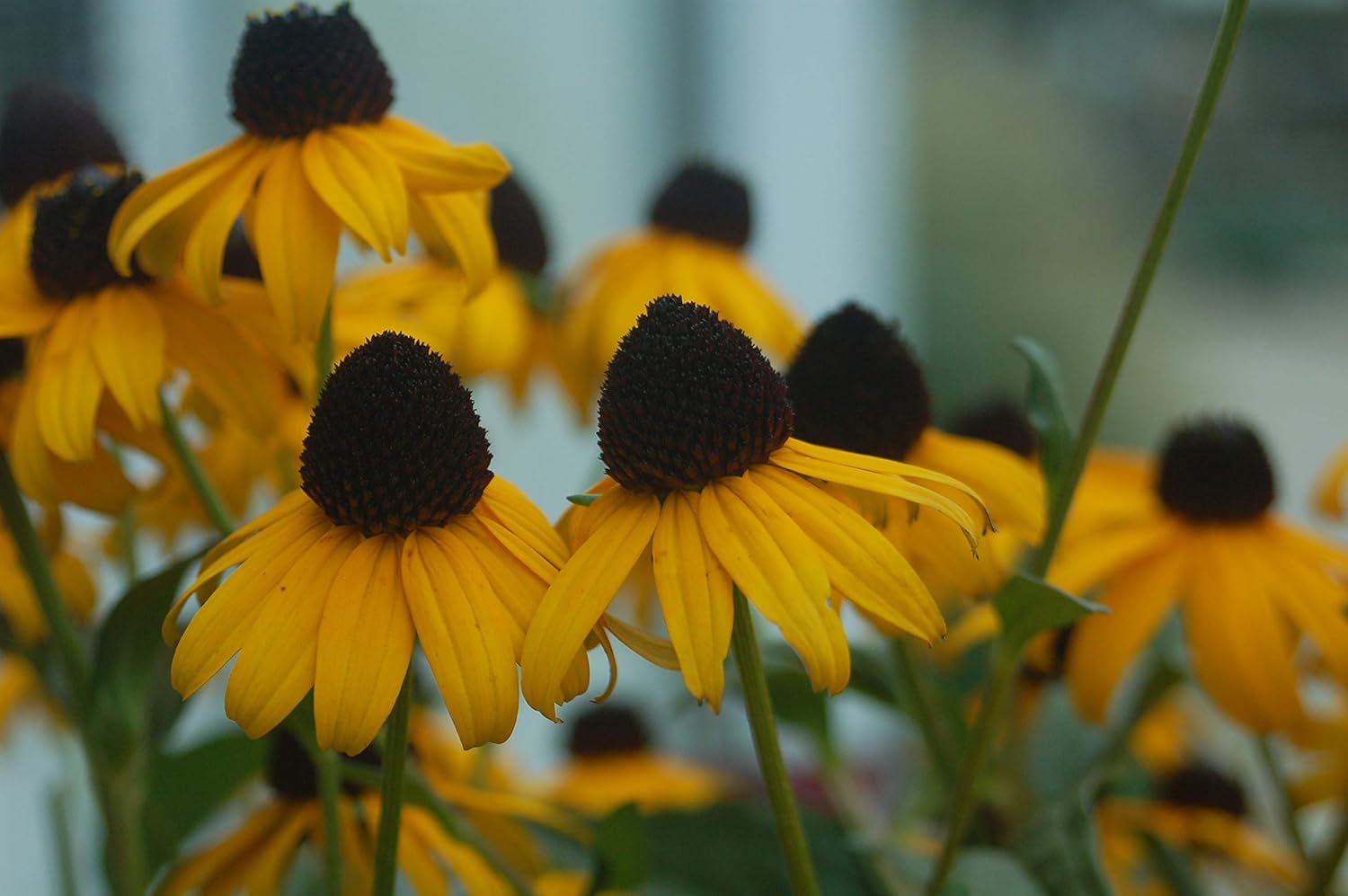
Green Promise Farms Rudbeckia fulgida 'Goldsturm' (Black-Eyed Susan) live perennial
| Expected Blooming Period | Summer to Fall |
|---|---|
| Sunlight Exposure | Full Sun |
| USDA Hardiness Zone | 4 |
| Soil Type | Loam Soil |
| Product Care Instructions | moist soil |
This Rudbeckia fulgida 'Goldsturm' is a classic, easy-care perennial that produces bright golden daisy-like flowers with dark centers from mid summer into fall. Supplied in a #1 container and fully rooted for immediate planting, it is typically used as a sunny border, filler in mixed perennial beds, or in large containers on patios where full sun is available. Notable features include a long bloom period, attractiveness to butterflies and songbirds, and a compact habit that fills space with 3–4 inch blooms above green foliage. In practice it benefits from consistently moist, well-draining loam and performs reliably in USDA zones 4 through 8. Limitations are that it prefers full sun and regular moisture, so it is less suitable for very dry, shady, or small shallow containers that dry out quickly. Also mature width can spread, so allow room or use regular thinning to keep plants looking tidy.
Best for: Buyers who want a reliable, low-fuss flowering plant for sunny containers or borders and prioritize proven garden performance and visible results.
Less Ideal for: Gardeners with only shady sites, very small shallow pots that dry quickly, or those wanting strictly compact, non-spreading specimens.
- Long bloom period from summer into fall for extended color
- Attracts butterflies and songbirds, adding wildlife interest
- Arrives potted and ready to plant, so can be placed immediately
- Hardy to zone 4 and adaptable across a range of temperate climates
- Requires full sun and consistent moisture to perform well
- Can spread to a substantial width and may need thinning in confined spaces
Verdict: A tough, long-blooming sun lover that reliably brings bright late-summer color and wildlife interest to containers and sunny beds.
Choosing the Right Perennial Pot Plants for Full Sun: Key Factors to Consider
Drought Tolerance in Containers
Pots dry out faster than garden beds because they have less soil volume and more surface area exposed to sun. Choose perennials that tolerate intermittent drying and recover quickly after watering. Plants with thicker leaves, deep root tendencies relative to pot size, or physiological drought adaptations will cope better.
Consider how often you can water and whether you use self-watering containers or mulch on the soil surface. Even drought-tolerant perennials need consistent moisture when newly potted, so plan for more frequent checks during heat waves until roots fill the container.
Heat and Sun Exposure Response
Full sun sites can include reflected heat from pavement or walls, not just direct sunlight hours. Some perennials handle direct sun but struggle with intense reflected heat that scorches foliage. Look for plants described as heat-tolerant or adapted to hot, dry climates.
Think about microclimates around your container placement. If your pot sits against a south- or west-facing wall, choose specimens with proven leaf resilience or lighter foliage that reflects light. Grouping pots to create some shared shade during the hottest part of day can also reduce stress.
Bloom Timing and Seasonal Interest
Container perennials are most useful when they provide extended color or structural interest across the season. Evaluate whether a plant blooms in flushes, continuously, or briefly. Long bloomers reduce the need for frequent replanting or seasonal replacements in containers.
Also consider complementary foliage and seedheads that add winter or late-season interest when flowers fade. Perennials that give multi-season value help containers look intentional even outside peak bloom.
Growth Habit and Container Size
Different perennials have compact, clumping, or spreading habits that affect pot choice and placement. Compact clumpers suit smaller pots and crowded arrangements, while plants that naturally spread may need larger containers or regular division to prevent overcrowding.
Assess mature size and root pattern. A vigorous rooter in a small pot will become root-bound quickly and decline. Choosing a plant with a growth habit that matches the pot size and your tolerance for repotting will keep containers healthy.
Soil, Fertility, and Watering Needs
Container mixes drain differently than garden soil and will influence how often you must water and fertilize. Perennials suited for full sun often prefer well-draining, moderately fertile mixes and respond well to a light fertilizer schedule during the growing season.
Avoid species that demand heavy feeding or constant moisture unless you are prepared to adjust watering and fertilizing routines. Consider slow-release fertilizer or periodic liquid feeds to support sustained blooming in a confined soil volume.
Cold Hardiness and Overwintering in Pots
Winter conditions affect container perennials differently from in-ground plants because roots are more exposed to cold. If you live in a climate with freezing winters, check whether a perennial can survive in a pot or whether it needs insulation, moving indoors, or lift-and-store treatment.
For marginally hardy species, select sturdier cultivars or plan for protective measures like grouping pots, using insulated containers, or burying pots in ground mulch to increase survival rates.
Designing Sunny Container Combinations
Build balanced pots by combining a structural focal perennial with trailing and textural companions. In full sun, pair a heat-tolerant upright perennial with lower-growing annuals or foliage plants that can take reflected heat without wilting.
Consider contrast in leaf color and texture as much as flower color. Silver, gray, or variegated leaves reflect light and help reduce perceived heat stress while creating visual depth. Use repeated colors or foliage types across a grouping of pots to create cohesion on a sunny patio.
- Place taller perennials toward the back or center depending on visibility.
- Use spillers to soften pot edges and ground cover to hide bare soil.
- Choose lightweight, reflective mulch like pebbles or light-colored gravel to reduce surface evaporation.
Watering Strategies for Sunny Pots
Watering frequency in full sun depends on pot size, container material, and soil mix. Terra-cotta pots dry faster than glazed ceramic and plastic. Check soil moisture by finger or probe rather than relying on a fixed schedule.
Deep soak thoroughly when you water so roots have access to moisture down the soil profile. Shallow, frequent watering encourages surface roots and increases drought stress during hot afternoons.
- Water early morning to reduce evaporation.
- Use water-absorbing crystals or a layer of compost in the mix to improve moisture retention.
- Group pots with similar water needs to simplify care.
Container and Soil Choices for Full Sun
Select containers that balance drainage with soil volume. Larger containers buffer temperature swings and drying, but avoid pots that trap heat against roots. Light-colored or glazed finishes reflect heat and help keep root zones cooler.
A well-draining potting mix amended with organic matter supports both moisture retention and aeration. Adding a small proportion of grit or perlite improves drainage for sun-loving perennials that resent waterlogged roots.
- Consider insulating liners for very hot sites.
- Ensure at least one drainage hole and use saucers sparingly to prevent standing water.
- Repot or divide every few years to refresh soil and prevent decline from depleted nutrients.
Seasonal Care and Deadheading
Regular deadheading extends the flowering window for many perennials and keeps containers tidy. Remove spent blooms and trim back legginess to encourage new growth rather than seed production.
Adjust care across the season. Increase watering during heat waves, reduce fertilization as days shorten, and cut back perennials according to their natural life cycles to maintain vigor and structure in pots.
- Check for pests more frequently in hot weather when plants can be stressed.
- Top up soil level and refresh mulch annually to maintain appearance and function.
Protecting Containers From Extreme Heat
In extreme heat, temporary shading with a light fabric or repositioning pots into afternoon shade can prevent leaf scorch while still giving plants adequate sun. Reflective materials behind pots can amplify heat, so monitor for unexpected stress.
Consider moving sensitive pots to cooler microclimates such as under a pergola or near taller shrubs during peak summer heat. For immovable pots, increase watering and mulch depth to protect roots.
- Use portable stands to elevate pots off hot surfaces and improve airflow.
- Apply anti-transpirant sprays sparingly for short-term protection during heat waves when appropriate.
How We Chose the Best Perennial Pot Plants for Full Sun
We focused on traits that predict real-world success in sunny, containerized settings rather than open-ground performance alone. Key evaluation criteria included drought tolerance in pots, continuous or repeat bloom season, heat tolerance and foliage resilience, container root behavior and growth habit, maintenance needs for pruning and deadheading, and winter hardiness when applicable for your region. We prioritized plants that establish in pots without excessive root-bound stress and that maintain visual appeal under reflected heat. Selection excluded species that reliably need shade, constant moisture, or greenhouse conditions. We also excluded highly invasive spreaders and plants that require specialized soils or frequent fertilization to thrive in standard container mixes. The final list represents plants that balance low daily care with long bloom windows and structural interest for sunny patios, balconies, and other full-sun containers.
FAQ
How often should I water perennial pots in full sun?
It depends on pot size, material, and weather, but most full-sun pots need checking daily during heat waves. Water thoroughly when the top inch of soil feels dry, and reduce frequency after cool or rainy stretches.
Can I grow just one perennial in a large sun-exposed container?
Yes. A single specimen can make a strong architectural statement, especially if it has bold foliage or long bloom spikes. Ensure the pot is large enough for mature roots and that soil moisture is managed to match the plant's needs.
Do full-sun perennials need special fertilizer in containers?
Containers have limited nutrient reserves, so a light, regular feeding during the growing season helps sustain blooms. Use slow-release or periodic liquid feeds according to the plant's vigor and flowering intensity.
How do I overwinter perennials in pots in colder climates?
Many hardy perennials survive winter in pots if you insulate containers, group them together, and avoid extreme root freezing. For marginally hardy species, consider moving pots to an unheated garage or applying extra mulch around the pot.
Are there pests that prefer sunny container perennials?
Yes, some pests like spider mites and certain beetles thrive in hot, dry conditions and can stress sun-exposed plants. Monitor foliage regularly and use physical controls, increased watering to reduce stress, or targeted organic treatments when necessary.
Final Verdict
Choose perennial pot plants for full sun by prioritizing drought and heat tolerance, appropriate growth habit for your container size, and bloom timing that matches your desire for continuous color. Balance low-maintenance foliage with at least one long-blooming performer in each pot to reduce upkeep while keeping visual interest. Accept tradeoffs between showy but higher-maintenance bloomers and tougher, foliage-driven perennials. With the right container, soil, and seasonal care, you can create resilient sunny pots that stay attractive through hot months.
