

Note: This article contains affiliate links. If you click on these links and make a purchase, I may earn a small commission at no extra cost to you. This helps support my research and content. Read my full affiliate disclosure here.
An exposed balcony presents a harsh microclimate: strong wind gusts, full sun for long stretches, faster drying soil, and limited root space. Choosing plants that survive and look good under those conditions matters more than choosing the flashiest bloom. The right selections will resist wind damage, tolerate intermittent drought, stay compact in containers, and maintain seasonal interest. This guide shortlists five top plants suited to exposed balconies and explains the practical traits that make them work in pots and railing planters. We assess candidates on wind resistance, drought tolerance, growth habit, and ease of maintenance so you can pick plants that perform for your exact exposure and upkeep routine.
Top Picks at a Glance
| Best Overall The best all-around choice for most situations | Southern Living Obsession Nandina Shrub (2 Gal) |  |
| Best Value The sweet spot between price and what you get | Mountain Crest Gardens Sempervivum Succulents Variety Pack, 6 Live Rosette Plants |  |
| Highest Rated A top-rated pick with lots of positive feedback | HILROQG Aptenia (Red Ice Plant) Live Succulents, 2-Pack in 2" Pots |  |
| Most Popular A crowd favorite that many people choose with confidence | Perfect Plants Confederate Jasmine (2-Pack), Star Vine, 1 Gal |  |
| Best Seller A high-volume bestseller chosen again and again | PERFECT PLANTS Frostproof Gardenia Live Plant, 1 Gallon |  |
Southern Living Obsession Nandina Shrub (2 Gal)

| Sunlight Exposure | Full Sun to Part Shade |
|---|---|
| USDA Hardiness Zone | 6, 7, 8, 9, 10 |
| Moisture Needs | Moderate Watering |
| Expected Planting Period | Year Round |
The Southern Living Obsession Nandina is a 2-gallon evergreen shrub prized for intense red foliage that holds color through much of the year. It is marketed for outdoor beds and containers, and performs in full sun to part shade across USDA zones 6 to 10. Typical use is as an accent in mixed borders, a colorful container specimen on a patio, or a low hedge where a 3- to 4-foot mature height is acceptable. Practical benefits include low maintenance, deer resistance, and moderate water needs once established; the plant is described as organic and suited to loam soils with well-drained conditions. Limitations to consider are that it does not produce notable blossoms and requires routine watering while establishing; it will also reach about 48 inches, so plan placement or pruning accordingly. For container use, choose a generous pot and monitor soil moisture to keep foliage vibrant in hot, sunny sites.
Best for: Gardeners who want a low-maintenance, colorful evergreen for patio containers or small landscape accents and value year-round foliage interest.
Less Ideal for: People seeking a showy flowering shrub or those who need a very small dwarf variety for tight spaces should consider other options.
- Bright red evergreen foliage provides season-long color
- Suitable for containers or landscape beds thanks to compact mature size
- Tolerates full sun to part shade across USDA zones 6–10
- Low maintenance and described as deer resistant
- Does not produce significant blossoms for floral interest
- Requires consistent watering until established
Verdict: Choose this nandina when you want an easy-care, brightly colored evergreen that performs well in pots and small garden settings.
Mountain Crest Gardens Sempervivum Succulents Variety Pack, 6 Live Rosette Plants

| Indoor Outdoor Usage | Indoor, Outdoor |
|---|---|
| Sunlight Exposure | Full Sun, Partial Sun |
| USDA Hardiness Zone | 5 |
| Moisture Needs | Moderate Watering |
| Unit Count | 6 Count |
This six-plant sempervivum variety pack delivers hardy, low-maintenance rosette succulents that arrive rooted in 2-inch nursery pots and are ready to transplant into rock gardens, containers, or mixed displays. The plants are winter-hardy to USDA zone 5 and suited to full or partial sun, so they can be left outdoors year-round in many climates where drainage is sharp and soil does not stay wet. Mountain Crest Gardens uses coconut coir in the pots and ships multiple distinct cultivars with no duplicates, which makes the set useful for creating a coordinated but varied planting. Care is minimal: water deeply only when the soil is completely dry and avoid prolonged saturation. Practical limitations are that the plants are small when shipped and need good drainage and sun to develop their best colors, and gardeners in very wet climates or with heavy clay soil will need to amend soil or use raised containers. For buyers who want dependable, established starter succulents that tolerate frost and require little fuss, this pack is a solid choice.
Best for: Buyers who prioritize dependable, low-maintenance outdoor succulents that will survive frost and establish reliably in sunny, well-drained settings.
Less Ideal for: People who need instant large specimens for immediate focal displays or those with persistently waterlogged soil who cannot provide sharp drainage.
- Hardy to USDA zone 5, suitable for year-round outdoor use in many climates
- Plants arrive rooted in 2-inch pots and are ready to transplant
- Low-maintenance rosettes that require watering only when soil is completely dry
- Assortment includes six unique varieties with no duplicates for visual variety
- Plants are small on arrival and need time and proper conditions to fill out
- Requires sharp drainage and protection from prolonged wet soil in humid areas
Verdict: Choose this six-pack if you want reliably hardy, low-care sempervivum starters that establish easily in sunny, well-drained outdoor plantings.
HILROQG Aptenia (Red Ice Plant) Live Succulents, 2-Pack in 2" Pots

| Sunlight Exposure | Full Sun |
|---|---|
| Moisture Needs | Moderate Watering |
| Unit Count | 2 Count |
| Hardiness Zones | 9–11 |
These Aptenia (red ice plant) starters arrive as two well-rooted 2-inch potted succulents intended for bright outdoor spots. They are trailing succulents with glossy foliage and small red flowers that are commonly used as ground cover, in hanging baskets, or in containers on exposed balconies. The plants are drought tolerant and perform best in full sun with well-draining soil, which makes them low-maintenance once established. Because they are supplied as starter plants, expect some initial time to settle them into larger pots or a planting bed before they spread. They are suitable for warm climates within USDA hardiness zones 9 to 11 and will need protection or to be moved indoors in cooler areas. Practical benefits include quick establishment in hot, sunny sites, attractive seasonal blooms, and minimal watering needs. Limitations are their climate restriction to warmer zones and the small starter pot size that requires repotting for long-term container growth on balconies.
Best for: Buyers who want a dependable, low-maintenance flowering succulent for a sunny, exposed balcony and prefer plants that establish quickly with minimal ongoing care.
Less Ideal for: Not a good fit for gardeners in cool climates or those who want large, mature container specimens immediately without repotting or additional growth time.
- Drought tolerant and low-water once established
- Produces vibrant red flowers and attractive glossy foliage
- Versatile use as ground cover, in hanging baskets, or containers
- Supplied well-rooted in small starter pots for quick establishment
- Hardy only in USDA zones 9–11 so not cold-tolerant
- Arrives in small 2-inch pots and will need repotting for long-term container display
Verdict: A reliable, low-water flowering succulent pack for sunny exposed balconies that establishes quickly and adds seasonal color.
Perfect Plants Confederate Jasmine (2-Pack), Star Vine, 1 Gal
| Indoor Outdoor Usage | Outdoor |
|---|---|
| Expected Blooming Period | Spring |
| Sunlight Exposure | Full Sun, Partial Shade |
| Moisture Needs | Moderate Watering |
| Unit Count | 1 Count |
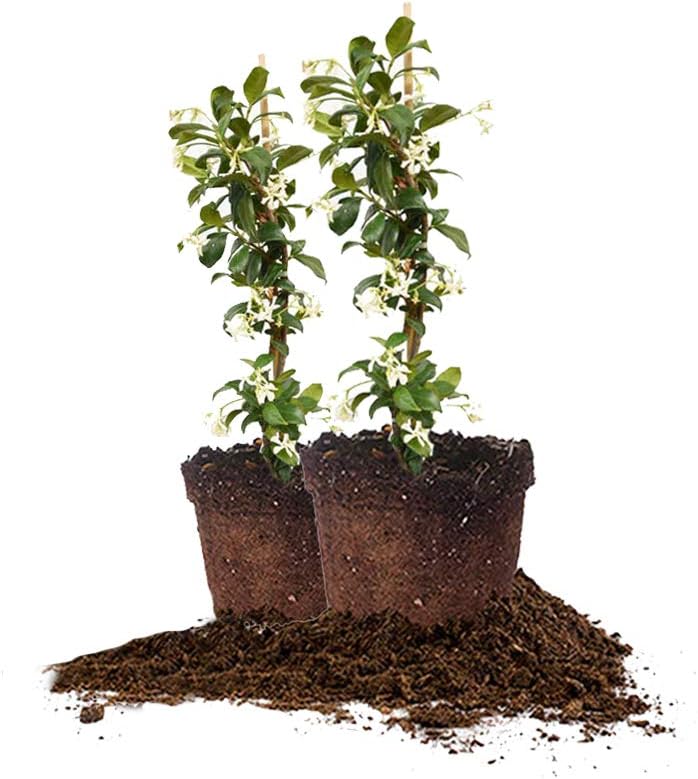
These two Confederate jasmine vines arrive in individual 1‑gallon nursery pots and are meant to be trained on fences, trellises, railings or other supports to form a fragrant, evergreen screen. They perform best in full sun to part shade and are rated for USDA zones 7–11, so on a shaded porch they will tolerate lower light but bloom most reliably where they get some sun. The plants are described as easy to establish; new arrivals need deep watering every day or two for the first two weeks and can drop some leaves while roots settle. Notable features are the glossy evergreen foliage, sweet white pinwheel flowers in spring and early summer, and organic plant material. Limitations include that each order contains small 1‑gallon pots so expect a period of growth before reaching the listed mature height, and some variability between the two plants. Buyers should plan to provide a structure and basic training to get a neat coverage and to monitor moisture while the plants establish.
Best for: Gardners who want a fragrant, evergreen climbing vine to train on a porch trellis or railing and who prefer a low‑maintenance plant that establishes quickly with basic watering.
Less Ideal for: Those seeking instant privacy or mature coverage right away or gardeners unwilling to train or support vines as they grow.
- Two evergreen vines per order for quicker coverage when planted together
- Fragrant white spring blooms that add scent to a porch area
- Tolerates full sun to partial shade, making it adaptable to sheltered porches
- Ships in 1‑gallon nursery pots so plants are ready to plant immediately
- Described as easy to establish with straightforward watering guidance
- Plants are small 1‑gallon specimens so visual impact takes time as they grow to mature height
- Some leaf drop and minor shipping damage to stems is possible during establishment
Verdict: A practical choice for porch gardeners who want a fragrant, adaptable evergreen vine they can train for seasonal blooms and long‑term screening.
PERFECT PLANTS Frostproof Gardenia Live Plant, 1 Gallon

| Indoor Outdoor Usage | Outdoor |
|---|---|
| Other Special Features of the Product | Deer Resistant, Fragrant |
| Expected Blooming Period | Summer |
| Sunlight Exposure | Full Sun, Partial Shade |
| Expected Planting Period | Spring |
This 1-gallon Frostproof gardenia is a compact, fragrant shrub intended for outdoor landscape use. It arrives as a live plant with a recommended mature height around 5 feet and is typically planted in mulch beds, as a low hedge, or as an accent near entries where its scent can be enjoyed. Notable features include deer resistance, a history of reliable spring and summer blooms, and included easy-to-use plant food for a simpler start. The plant prefers full sun to partial shade, so it will tolerate some shaded locations but performs best where it receives several hours of direct light. Practical benefits for a cautious buyer are straightforward care, minimal pruning to maintain shape, and an aromatic presence that enhances small gardens or patios. Limitations are that it is sold as a 1-gallon specimen so it will need time to reach mature size, and the product text notes shipping exclusions to a few states which affects availability for some buyers.
Best for: Buyers who want an easy-care, scented shrub for a small garden or patio and prefer reliable, low-maintenance plants that establish steadily rather than instant large specimens.
Less Ideal for: Gardeners seeking an immediate tall screening hedge or a plant for deep, full shade should consider alternative species better suited to dense shade or instant privacy needs.
- Fragrant white blooms that enhance outdoor seating areas during spring and summer
- Deer resistant variety reduces need for protective measures in deer-prone yards
- Includes plant food to simplify initial establishment
- Tolerates partial shade, allowing placement in spots without full sun all day
- Sold as a small 1-gallon plant so it requires time to reach mature size
- Per product notes it does not ship to certain states which limits access for some buyers
Verdict: Choose this gardenia if you want a low-maintenance, fragrant shrub that tolerates some shade and adds seasonal white blooms to small outdoor spaces.
Choosing the Right Plants for Exposed Balcony: Key Factors to Consider
Wind Resistance and Stem Structure
Wind is the single biggest stress on an exposed balcony because gusts can shred foliage, snap stems, or desiccate leaves. Look for plants with flexible, fibrous stems, low center of gravity, or dense, low-growing forms that reduce sail effect. Woody shrubs with tough, leathery leaves or grasses with pliant blades often cope better than tall, brittle-stemmed perennials.
Wind resistance affects where you place a plant on the balcony and whether you need windbreaks or protective cages. Plants that flex rather than break will recover quickly after storms and require less corrective pruning and re-staking.
Drought Tolerance and Root Zone Needs
Exposed balconies dry out quickly because containers heat up and are subject to constant air movement. Plants that tolerate intermittent drought or have water-storing tissues will survive longer between waterings. Consider root depth and how much soil volume a species needs; shallow-rooted, fibrous-rooted plants typically suit small pots better than deep-rooted shrubs.
Drought-tolerant plants also reduce maintenance, letting you vacation without daily watering. Still, even drought-tolerant species need consistent moisture while establishing, so plan for a short acclimation period after planting.
Size at Maturity and Growth Habit
Knowing how large a plant will get in a container is essential to avoid crowding and overloading rail planters. Compact cultivars, mounding habits, and tidy clump-forming perennials fit best on balcony trays. Vining or excessively fast-growing plants can become unmanageable, require regular pruning, and create a sail in windy conditions.
Match pot size to expected mature size and prune to maintain shape. A predictable growth habit makes seasonal maintenance and winter storage easier for container-grown specimens.
Sun Exposure and Leaf Durability
Exposed balconies often receive intense, prolonged sun that can bleach foliage and scorch tender leaves. Choose plants with sun-hardy leaves, waxy cuticles, or silver hairs that reflect light and reduce water loss. Plants adapted to full sun also use water more efficiently, reducing stress on the rootball.
Leaf durability also matters in terms of aesthetics. Tough leaves show fewer wind and salt blemishes, staying attractive longer and reducing the need for frequent replacement.
Salt and Coastal Tolerance
If your balcony is near the coast, airborne salt can damage sensitive foliage and stunt growth. Plants with waxy leaves, succulent tissues, or natural coastal distribution are better equipped to shed salt and recover quickly. Salt tolerance prevents leaf tip burn and reduces fertilizer loss through tissue damage.
Choosing salt-tolerant species lowers long-term replacement costs and keeps container displays healthier in salty wind zones.
Maintenance Requirements and Practical Care
Consider how much time you will spend watering, deadheading, pruning, and overwintering plants. Low-maintenance options that need only occasional feeding and pruning fit busy lifestyles. Some species require seasonal protection or rootball lift in freezing climates; factor that into your plan if you cannot store containers indoors.
Maintenance also covers pest and disease susceptibility. Exposed sites often have better air circulation, which reduces fungal issues, but plants stressed by wind and drought can attract pests. Pick species with straightforward care to minimize problems.
Container and Soil Tips for Exposed Balconies
Good soil and container selection mitigate many exposure problems. Use a well-draining container mix with added organic matter and water-retaining granules to balance moisture retention and drainage. Containers should have adequate drainage holes and be appropriately sized: too small and the soil dries out rapidly; too large and the volume becomes heavy and expensive to move.
- Choose lightweight, wind-stable pots such as heavier ceramic or weighted composite to resist tipping.
- Line shallow railing planters with cushioning material to prevent chafing and secure them with proper brackets.
- Use a mix with components that retain moisture yet drain well, for example compost, coir, and grit or perlite.
Microclimate Adjustments and Windbreak Strategies
You can improve survival and appearance by modifying the microclimate. Install temporary windbreaks like slatted screens or frost fabric on particularly exposed sides. Grouping pots together creates a buffer and reduces individual plant stress. Consider using taller, denser plants as a wind buffer for more delicate specimens behind them.
- Place most wind-tolerant plants at the balcony edges and more delicate ones in sheltered corners.
- Rotate containers seasonally to even out sun exposure and wear.
- Use breathable screening to reduce wind speed without completely blocking airflow.
Irrigation Approaches for High-Exposure Sites
Frequent light waterings encourage surface root development and faster drying. Instead, water deeply and less often so roots explore the container and plants become more drought resilient. Self-watering containers or a simple drip-timer can help maintain consistent moisture in an exposed setting when daily hand watering is impractical.
- Water in the morning so foliage can dry during the day and reduce disease risk.
- Mulch the top of containers with gravel or decorative bark to slow evaporation.
- Check soil moisture below the surface before watering-surface dryness alone is not a reliable indicator.
Seasonal Care and Overwintering Considerations
Exposed balconies can magnify winter cold and summer heat. Move tender plants to warmer, sheltered spots for cold snaps or use frost cloth for short freezes. In winter, lighter potted soil can freeze solid; reduce watering and insulate pots with bubble wrap or group them against a protected wall.
- Prune lightly in late season to reduce sail area before winter storms.
- Lift the most vulnerable containers indoors or to an unheated garage in regions with hard freezes.
- Reduce fertilization in late season to harden plants off before cold sets in.
Designing for Year-Round Interest
Balance evergreen or semi-evergreen foliage with seasonal bloomers to keep balcony plantings attractive across months. Structural elements like ornamental grasses or small evergreen shrubs provide form when perennials are dormant. Use containers of varied heights and repetition of a few key colors to create cohesion without clutter.
- Combine textural contrasts, such as silvery foliage with glossy leaves, to hide wind wear.
- Include at least one low-maintenance evergreen or grass for winter structure.
- Use consistent pot color or material to unify a mixed-plant display.
How We Chose the Best Plants for Exposed Balcony
We focused on real-world performance in container and railing situations typical of exposed balconies. Selection prioritized species and cultivars known for flexible stems, low center of gravity, or dense leaf structure that reduce wind stress. We gave weight to drought tolerance because exposed sites dry out faster and frequent watering is not always practical. Compact mature size and predictable growth habit were essential so plants stay manageable in limited soil volumes. Salt tolerance and UV resistance were considerations when coastal exposure applied. Our filters excluded plants that require heavy staking, large root volumes, or high humidity to thrive. We also excluded species that need constant shade or highly specialized soils. The final shortlist reflects durability in small containers, straightforward pruning and watering needs, and traits that reduce winter or heat damage in exposed positions.
FAQ
How often should I water plants on an exposed balcony?
It depends on container size and plant type, but exposed balconies typically need deeper watering every 3 to 7 days in warm weather. Check moisture below the surface and water thoroughly when the soil is dry an inch or two down.
Can I protect balcony plants from strong gusts without blocking all the view?
Yes. Use breathable wind screens, narrow slatted panels, or groups of taller pots to break wind while retaining sightlines. Temporary screens that you can remove when wind subsides work well.
Will moving plants closer to the building help?
Placing containers nearer the wall reduces exposure and reflecting heat, which often decreases wind speed and helps retain warmth. Sheltered corners are good spots for less hardy or newly planted specimens.
Are self-watering containers a good solution for exposed balconies?
Self-watering containers help maintain steady moisture and reduce watering frequency, which is useful in exposed sites. They still require monitoring because high temperatures can increase evaporation and sometimes draw salt build-up in the reservoir.
How do I prevent pots from tipping in high winds?
Use heavier or wider-based containers, add weight to the base with gravel, secure planters to railings with proper brackets, or group pots tightly so they support one another. Avoid tall, top-heavy combinations near the edge.
What maintenance is essential after a storm?
Remove broken or severely shredded foliage, check for root damage, re-secure toppled pots, and wait a few days before fertilizing. Prune ragged growth to encourage recovery and monitor soil moisture as rain can compact topsoil in containers.
Final Verdict
For exposed balconies, prioritize wind resistance, drought tolerance, and compact container habit over purely decorative traits. Matching plant habit to pot size and using good soil, proper irrigation, and microclimate tweaks will prevent most failures. Expect tradeoffs: the toughest plants may not have continuous high-impact blooms but will provide reliable structure and less maintenance. Focus on plants that handle wind and sun, place them strategically, and plan for seasonal protection where necessary. Doing so gives you a durable, attractive balcony garden that requires predictable routine care rather than constant intervention.
