

Note: This article contains affiliate links. If you click on these links and make a purchase, I may earn a small commission at no extra cost to you. This helps support my research and content. Read my full affiliate disclosure here.
If you want consistent color and structure on a sunny patio, choosing the right perennial potted plants for full sun makes a big difference. Sun-loving perennials behave differently in containers than in the ground: pots warm up faster, dry out sooner, and restrict root spread. That affects water needs, feeding schedules, and the kinds of varieties that thrive. This guide presents the top shortlisted perennial potted plants for full sun, selected for strong bloom performance, drought tolerance, and reliable container growth. We evaluated practical factors that matter in real garden conditions like heat resilience, watering frequency, and pot-friendly root habits. Read on for quick decision help and care pointers before the product list.
Top Picks at a Glance
| Best Overall The best all-around choice for most situations | Perfect Plants Confederate Jasmine Live Plant, 1 Gallon |  |
| Best Quality Built to a higher standard if you want something more solid | Perfect Plants Peach Drift Rose, 1 Gallon Live Flower Plant |  |
| Best Value The sweet spot between price and what you get | Plants for Pets Euphorbia 'Crown of Thorns' Live Succulent (4" Pot) |  |
| Best Budget The cheapest option that still gets the job done reliably | Live Lavender Plant in 3.5" Pot |  |
| Highest Rated A top-rated pick with lots of positive feedback | Green Promise Farms Proven Winners Dianthus 'Fruit Punch' – #1 Gallon Perennial |  |
| Most Popular A crowd favorite that many people choose with confidence | The Three Company Lavender (2-Pack) Live Fragrant Purple Perennials in 1-Qt Pots |  |
| Best Seller A high-volume bestseller chosen again and again | PERFECT PLANTS Jubilation Gardenia Live Plant (1 Gallon) |  |
Perfect Plants Confederate Jasmine Live Plant, 1 Gallon

| Indoor Outdoor Usage | Outdoor |
|---|---|
| Other Special Features of the Product | Fragrant |
| Expected Blooming Period | Summer, Spring |
| Sunlight Exposure | Full Sun, Partial Shade |
| USDA Hardiness Zone | 4 |
This 1-gallon Confederate jasmine arrives as a young vine that quickly establishes in sunny spots and rewards with heavily scented, pale pinwheel flowers in spring and summer. Growers typically train it on a trellis, fence, hanging basket with support, or along railings; the vine is noted for cascading lime-green foliage and responds well to light shaping with clips or garden wire. Notable features from the listing include suitability for full sun to partial shade, moderate watering needs, and USDA hardiness to zone 4, which means it can persist in a wide range of climates when planted in appropriate sites. As a live plant it is straightforward to plant in loam-based soils and is described as easy to grow and maintain. Limitations to consider are that this is a young, single-plant offering so it will take time to reach its mature height and spread, and it requires support and periodic pruning to control vigor if used in baskets or confined containers. Also it does not ship to certain states according to the product notes.
Best for: Buyers who want an easy-care, fragrant climbing vine to add scent and cascading foliage to sunny baskets or supported containers and who value proven plant performance backed by customer feedback.
Less Ideal for: Gardeners seeking an instant full basket display or a no-maintenance groundcover should look elsewhere, as this vine needs time, training, and occasional pruning to fill space.
- Fragrant spring and summer blooms that add strong scent to outdoor spaces
- Tolerates full sun to partial shade making placement flexible
- Described as easy to grow which suits novice gardeners
- Hardy to USDA zone 4 so adaptable across many climates
- Sold as a single 1-gallon plant so it needs time and space to reach full coverage
- Requires a trellis or support and pruning to train and control growth
Verdict: A fragrant, easy-to-grow jasmine vine ideal for gardeners who want a proven, sun-tolerant climber to add scent and cascading foliage to hanging baskets and supported containers.
Perfect Plants Peach Drift Rose, 1 Gallon Live Flower Plant

| Indoor Outdoor Usage | Outdoor |
|---|---|
| Sunlight Exposure | Full Sun |
| Other Special Features of the Product | Drought Tolerant |
| Expected Blooming Period | Winter |
| Moisture Needs | Moderate Watering |
The Peach Drift rose is a compact, groundcover-style rose sold as a 1-gallon live plant intended for outdoor planting in full sun. It produces peach-colored blooms for much of the year and is offered with plant food to help establishment. Typical uses are massing along walkways, in pots on sunny patios, or as a low hedging/groundcover where a 1 to 2 foot plant height and spreading habit are desired. Notable features listed are drought tolerance, winter hardiness across multiple USDA zones, and moderate water needs, which together make it forgiving for busy gardeners and suitable for containers that drain well. Practical benefits include long bloom periods, attractive low-maintenance form, and easy placement in full-sun spots. Limitations are that it ships as a small 1-gallon specimen so it will take a season or two to fill a space, and it is not suitable for shady locations or climates outside the listed hardiness zones.
Best for: Buyers who want a low-maintenance, sun-loving container plant or groundcover that provides long-lasting color with minimal fuss and proven customer satisfaction.
Less Ideal for: Gardeners seeking an instant, mature specimen or plants for shady locations should look elsewhere.
- Long bloom period with peach-colored flowers for seasonal interest
- Drought tolerant and winter hardy across several USDA zones for low-maintenance care
- Compact, groundcover growth habit works well in pots or mass plantings
- Includes easy-to-use plant food to support establishment
- Arrives as a 1-gallon plant so it needs time to reach mature spread and height
Verdict: An easy-care, sun-loving rose that delivers long-lasting peach blooms in containers or mass plantings for gardeners who prioritize reliable performance.
Plants for Pets Euphorbia 'Crown of Thorns' Live Succulent (4" Pot)

| Indoor Outdoor Usage | Indoor, Outdoor |
|---|---|
| Other Special Features | Drought Tolerant |
| Sunlight Exposure | Full Sun |
| Moisture Needs | Moderate Watering |
This Crown of Thorns (Euphorbia milii) is a small, showy succulent shrub sold in a 4-inch nursery pot that works well as a sunny patio or sunny-window houseplant. It produces clusters of pink bracts for much of the year in mild climates and stays compact enough for pots, mixed containers, or small garden beds. The plant stores water in its thick stems so it can handle dry spells and requires well-draining soil and allowing the potting mix to dry between waterings. Notable features are its tolerance for full sun and partial shade, low pest pressure, and year-round decorative color in suitable climates. Buyers should handle it carefully because injured stems exude a caustic, irritating sap that can harm skin and eyes and is toxic if ingested. As a practical, low-maintenance flowering succulent for sunny spots, it delivers reliable color without much fuss, but keep it out of reach of children and pets and use protective gloves when pruning.
Best for: Buyers who want a low-maintenance, sun-loving flowering succulent to add reliable color to pots, sunny patios, or bright indoor windows without frequent watering or pest work.
Less Ideal for: Homes with small children or curious pets where a poisonous, sap-producing plant would be a safety concern or for gardeners who prefer completely sap-free, non-spiny plants.
- Drought tolerant and stores water in stems, reducing watering frequency
- Compact 4-inch nursery pot size fits small pots, mixed containers, and tight garden spaces
- Produces colorful pink bracts most of the year in mild climates for long-lasting visual interest
- Tolerates full sun and partial shade, making placement flexible for sunny patios or bright windows
- Releases a caustic, toxic sap when injured that can irritate skin and eyes and is hazardous if ingested
Verdict: A compact, sun-tolerant flowering succulent that delivers long-lasting pink bracts with minimal watering, ideal for pots and sunny spots.
Live Lavender Plant in 3.5" Pot

| Indoor Outdoor Usage | Outdoor |
|---|---|
| Expected Blooming Period | Late Spring To Mid-summer (June Through August) |
| Sunlight Exposure | Full Sun; Minimum 6 To 8 Hours Of Direct Sunlight Per Day |
| USDA Hardiness Zone | 5–9 |
| Moisture Needs | Low To Moderate; Allow Soil To Dry Between Waterings |
This live lavender arrives potted and ready to transplant into a sunny spot in the garden or a larger container. It thrives in full sun and well-draining soil, producing aromatic silver-green foliage and violet-purple spikes from late spring through mid-summer that draw bees and butterflies. The plant is drought tolerant once established, needs only low to moderate watering, and benefits from light pruning and occasional low-nitrogen fertilizer. Practical benefits include easy care for beginners, multiple uses for borders or containers, and the ability to harvest blooms for drying or crafts. Limitations are that it requires at least 6 to 8 hours of direct sun daily and prefers alkaline to neutral soil, so it is not suitable for consistently shady or waterlogged locations; because it ships in a small 3.5-inch pot, plan to replant soon for best long-term growth.
Best for: Buyers looking for an affordable, low-maintenance perennial to add immediate color and fragrance to sunny container displays or small garden beds.
Less Ideal for: Gardeners who have mostly shady yards, heavy clay or poorly drained soil, or who want an instant mature specimen without replanting should consider alternatives.
- Ready-to-plant potted specimen simplifies establishment
- Fragrant blooms that attract pollinators
- Drought tolerant once established, reducing watering needs
- Low-maintenance perennial suitable for containers or beds
- Small nursery pot means transplanting is recommended soon after purchase
- Needs full sun and well-drained soil so not suitable for shady or wet sites
Verdict: A budget-friendly, easy-care perennial that delivers classic lavender fragrance and pollinator-friendly blooms for sunny pots and small beds.
Green Promise Farms Proven Winners Dianthus 'Fruit Punch' – #1 Gallon Perennial

| Indoor Outdoor Usage | Outdoor |
|---|---|
| Expected Blooming Period | Spring to Summer |
| Sunlight Exposure | Partial Sun |
| USDA Hardiness Zone | 4, 5, 7, 8, 9 |
| Moisture Needs | Moderate Watering |
The Proven Winners Dianthus 'Fruit Punch' is a compact, pollinator-friendly perennial grown in a #1 gallon container and intended for sunny outdoor spots. It produces fragrant double coral-pink flowers on a tight mound of blue-green foliage, blooming from spring into summer and suited to edging, containers, and rock gardens. The plant prefers full sun, well-drained soil, and moderate watering and becomes drought tolerant once established, so it is low-maintenance for busy gardeners. It is recommended to deadhead spent blooms and apply organic fertilizer annually to sustain repeat flowering. Practical limitations include regional shipping restrictions that exclude several western states and territories and a mature height of about a foot, so it works best where a low, compact habit is desired rather than for tall displays. For container use, choose a pot with good drainage and a sunny exposure to get the best flowering performance.
Best for: Gardeners who want a low-maintenance, showy container or border perennial for full-sun locations and value fragrance and pollinator-friendly blooms.
Less Ideal for: Those seeking tall or dramatic vertical plants or gardeners who only have shady containers or consistently waterlogged soil.
- Compact mound habit that fits well in containers and borders
- Fragrant, double coral-pink blooms that attract pollinators
- Drought tolerant once established, reducing watering needs
- Suitable bloom period from spring through summer for extended color
- Does not ship to several states and territories which limits availability
- Best performance requires full sun and well-drained soil, so it can suffer in heavy shade or poorly drained containers
Verdict: A compact, fragrant dianthus that delivers reliable full-sun color in containers and borders while staying easy to care for.
The Three Company Lavender (2-Pack) Live Fragrant Purple Perennials in 1-Qt Pots

| Sunlight Exposure | Full Sun |
|---|---|
| USDA Hardiness Zone | 5-9 |
| Moisture Needs | Low |
| Expected Blooming Period | Late Spring to Summer |
These lavender plants arrive as two 1‑quart pots of Lavandula Purple intended for outdoor planting in full sun. They are compact, mounded perennials that reach roughly 12–18 inches tall and are typically used in containers, balcony planters, or low hedge borders where their purple blooms and strong scent add visual and aromatic interest. The plants prefer well‑draining soil and low moisture once established, which makes them low‑maintenance for sunny balconies. Notable features include pollinator‑attracting flowers, deer‑deterring scent, and suitability for USDA zones 5–9, which covers many temperate climates. Because these are live plants shipped from a greenhouse, success depends on initial care during the first weeks after planting and ensuring pots have drainage. Plant size on arrival and bloom timing will vary by season, and buyers in very hot or very cold microclimates should adjust care accordingly. For small‑space gardeners wanting fragrant, drought‑tolerant color in full sun, these lavenders are a practical choice when tended promptly after delivery.
Best for: Gardeners with sunny balconies who want low‑maintenance, fragrant flowering plants that perform well in containers and attract pollinators.
Less Ideal for: People with shaded or mostly north‑facing balconies or those unwilling to water and pot the plants promptly after delivery.
- Compact habit suited to containers and balcony planters
- Fragrant purple blooms that attract pollinators
- Low water needs once established for easy care
- Shipped as live plants directly from greenhouse so you receive established starts
- Success depends on prompt transplanting and initial watering care after arrival
- Not suitable for shady balconies since it requires full sun
Verdict: A compact, fragrant lavender pair that gives sunny balconies long‑lasting color and low‑maintenance scent when planted in well‑draining containers.
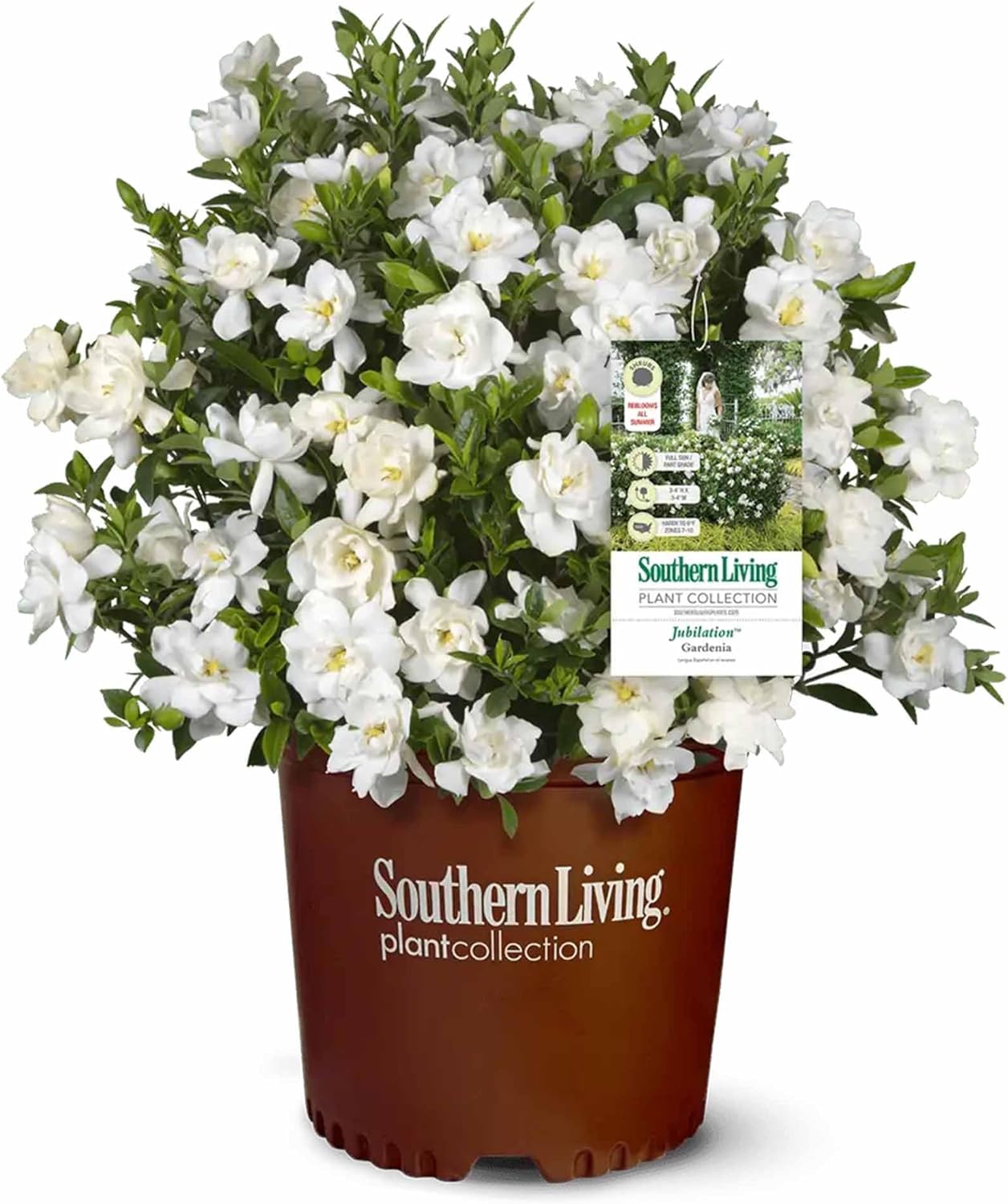
PERFECT PLANTS Jubilation Gardenia Live Plant (1 Gallon)
| Indoor Outdoor Usage | Outdoor |
|---|---|
| Other Special Features of the Product | Attracts Pollinators, Compact, Deer Resistant, Disease Resistant, Fragrant |
| Expected Blooming Period | Spring to Fall |
| Sunlight Exposure | Full Sun |
| USDA Hardiness Zone | 10, 7, 8, 9 |
The Jubilation Gardenia is a compact evergreen shrub selected for reliable, repeat blooming and strong fragrance from late spring through fall. In practice it works well as a potted patio specimen or small foundation plant placed in full to partial sun where its creamy white flowers and glossy foliage can be appreciated up close. Notable features include improved reblooming, heat and humidity tolerance for USDA zones 7–10, and a naturally rounded habit that keeps the plant tidy with minimal pruning. For container use it prefers well drained, slightly acidic loam and regular watering plus occasional fertilizing to sustain heavy bloom cycles. Limitations to consider are its climatic range and the need for consistent moisture and feeding to get the long flowering season; it is not suited to cool northern climates and cannot be shipped to certain states. For gardeners who want a high-performing, fragrant potted shrub for sunny outdoor spots, Jubilation delivers strong visual and olfactory impact with manageable care needs.
Best for: Gardeners who want a high-performing, fragrant shrub in a container or small sunny bed and prioritize frequent blooms and reliable summer heat tolerance.
Less Ideal for: Those gardening in cool northern zones, or buyers seeking a low-water, no-maintenance patio plant should consider alternatives.
- Compact, naturally rounded habit that fits well in containers and small sunny spaces
- Long flowering season with repeat blooms from spring through fall
- Strong, classic gardenia fragrance useful for placement near entries or seating areas
- Improved tolerance for heat and humidity, suitable for zones 7–10
- Glossy evergreen foliage provides year-round structure when not in bloom
- Requires consistent watering and periodic fertilizing to maintain heavy bloom performance
- Not cold-hardy outside USDA zones 7–10 and unsuitable for cooler climates
Verdict: Choose this gardenia when you want a compact, highly fragrant potted shrub that reliably reblooms and handles summer heat in sunny outdoor spots.
Choosing the Right Perennial Potted Plants for Full Sun: Key Factors to Consider
Heat And Sun Tolerance
Sunny containers can reach much higher temperatures than garden beds, so choose perennials rated for prolonged sun exposure. Heat-tolerant species keep foliage from scorching and maintain bloom set during hot spells. In practice this means looking for plants with small or silvery leaves, deep root systems relative to pot size, or physiological adaptations like thickened leaves that reduce transpiration.
When heat tolerance is strong, you will spend less time protecting pots with shade cloth or moving containers. If a plant is marginal for full sun, expect more frequent monitoring and possible midday water stress that reduces flowering.
Drought Resistance
Containers lose moisture quickly, especially on exposed patios and balconies, so drought-resistant perennials are easier to keep healthy. Drought resistance affects how often you need to water and whether you can rely on thicker potting mixes or self-watering setups. Well-adapted plants often have traits like deep or fibrous roots, reduced leaf area, or seasonal dormancy that conserves water.
Choosing species with higher drought tolerance reduces the risk of sudden wilting and crown rot caused by irregular watering cycles. It also makes container plantings more resilient during vacations or hot weekends.
Container Root Habit
Some perennials have aggressive, deep root systems that quickly outgrow small pots, while others form compact clumps suited to container life. Root habit determines pot size, repotting frequency, and whether you need root pruning or splitting every few years. A good container perennial either stays relatively contained or tolerates periodic root restriction.
Understanding root habit helps prevent common problems like pot-bound stress, uneven watering, and poor winter survival. Choose plants whose root behavior matches the size and style of container you plan to use.
Bloom Duration
For patio impact, bloom duration matters more than a single spectacular display. Some perennials bloom for several weeks then require deadheading to encourage repeat flowers, while others provide a steady, showy presence all season. Consider whether you prefer long continuous color, intermittent flushes, or bold seasonal peaks.
Bloom duration also interacts with maintenance. Long-blooming types may need lighter feeding and deadheading to keep looking their best, whereas short-blooming performers might be chosen for seasonal accents.
Maintenance Needs
Maintenance covers pruning, deadheading, feeding, pest scouting, and overwinter care in containers. Low-maintenance perennials reduce time spent tending pots and are better for busy gardeners or renters. Maintenance needs influence whether you can use a richer potting mix, how often to fertilize, and if plants should be moved or insulated for winter.
Realistic assessment of required care prevents disappointment and helps choose plants that fit the time you want to spend on container gardening.
Best Potting Mix And Drainage Tips
A free-draining potting mix is the foundation for healthy sun-loving perennials in containers. Mixes with high-quality organic matter plus coarse components like perlite or pumice shed excess water while retaining enough moisture for roots between waterings. Avoid garden soil that compacts and holds water.
Ensure pots have adequate drainage holes and use saucers only when you can monitor standing water. Adding a layer of coarse material at the pot base does not substitute for a well-formulated mix, but elevating the root ball slightly can help with airflow.
Light-colored pots reflect heat and keep root zones cooler on blazing patios. For very small containers, choose plants with modest root systems and increase watering frequency accordingly.
- Use a potting mix labeled for containers or mix your own with one-third compost, one-third coconut coir or peat substitute, and one-third coarse aggregate.
- Choose pots with multiple drainage holes and avoid overly deep, narrow containers for sun-exposed placements.
- Consider insulating large pots in extreme heat to protect roots.
Watering Strategies For Sunny Containers
Water needs vary by plant size, pot volume, and prevailing heat. Check moisture with your finger an inch or two into the mix rather than relying on a schedule. Early-morning watering reduces evaporation and helps plants recover from daytime heat.
Mulching the surface of the pot with small gravel or decorative bark helps reduce surface evaporation and stabilizes soil temperature. Self-watering containers or using moisture-retentive granules can reduce daily watering for drought-tolerant perennials.
- Water deeply until excess drains to ensure full root wetting.
- Avoid wet-dry cycling by checking moisture before watering again.
- Adjust frequency during heat waves and cooler spells.
Container Size And Placement
Match pot size to the plant's mature root spread. Small pots dry out faster and can stunt growth; larger pots provide more buffer but weigh more and may be harder to move. For sunny patios, a medium-to-large container often balances stability with moisture retention.
Placement affects microclimate. South- or west-facing spots receive the most heat and need the toughest perennials. If you want afternoon shade, place pots where building eaves or taller plants provide relief during peak sun.
- Use saucers to catch overflow but empty them if they retain water for long periods.
- Group pots to create a microclimate that reduces wind and evaporation.
- Consider casters under heavy pots to allow moving for seasonal care.
Feeding And Fertilizing Potted Perennials
Container perennials rely entirely on you for nutrients. Use a balanced, slow-release fertilizer at potting time and supplement with light liquid feeds during the growing season for continuous bloom. Overfeeding can cause lush foliage at the expense of flowers, so follow label guidance and err on the conservative side.
Top-dress with compost or organic fertilizer in spring to refresh containers after winter and before new shoot growth. Monitor for yellowing leaves which can indicate nutrient deficiency or watering issues rather than hunger alone.
- Apply slow-release fertilizer at repotting and liquid feed every 4 to 6 weeks during active growth.
- Flush containers occasionally to prevent salt buildup if using regular liquid feeds.
- Adjust fertilizer strength for compact or small-flowered perennials to avoid excessive legginess.
Overwintering Perennials In Pots
Some perennials tolerate cold in containers if given protection, while others need to be lifted and stored or treated as annuals. Insulating pots with bubble wrap, straw, or moving them to an unheated garage reduces freeze-thaw stress on roots. Reduce watering in late fall once plants go dormant to prevent crown rot. If you plan to keep perennials in pots through winter, use larger containers to buffer temperature swings and top-dress with mulch. Divide and repot aggressive clumpers in spring to maintain vigor and prevent pot-bound stress.
- Move sensitive containers to sheltered locations before hard freezes.
- Use larger pots for better winter insulation when overwintering outdoors.
- Consider lifting tender perennials and storing roots in slightly moist medium in cool, dark spaces.
How We Chose the Best Perennial Potted Plants for Full Sun
Our selection prioritized traits that matter for sunny container gardening. We focused on bloom persistence and seasonal color to ensure perennials actually provide visible impact across the growing season. Drought tolerance and heat resilience were next, because containers on sunny patios experience faster soil moisture loss and higher root-zone temperatures. Root habit and container adaptability were considered so the plants fit common pot sizes and respond well to repotting or trimming. We looked at typical maintenance needs including pruning and fertilizer frequency to favor low- to moderate-care specimens. Cold hardiness and overwintering potential in containers were included where relevant, since many gardeners keep perennials in pots year to year. We excluded plants that typically need deep beds or heavy staking, and any varieties that require shade or consistently moist soils. Final choices balanced aesthetic interest with practical container performance using the evaluation dimensions above.
FAQ
Can I grow perennial potted plants for full sun on a small balcony?
Yes. Choose compact, drought-tolerant varieties with modest root systems and use medium-sized containers. Group pots to reduce wind and consider lighter-colored containers to reflect heat.
How often should I water sun-exposed container perennials?
It depends on pot size, mix, and heat, but typically daily checks are needed in hot weather. Water deeply when the top inch feels dry and reduce frequency during cooler periods.
Do perennial potted plants need special soil compared with annuals?
Perennials benefit from a nutrient-rich, well-draining container mix similar to annuals, but you may prefer mixes with better moisture retention and organic content to support year-round root health.
How do I prevent sun scorch on potted perennials?
Use heat-tolerant varieties, provide afternoon relief with taller neighbors or temporary shade, and ensure consistent watering. Mulch and lighter pot colors also reduce root heating and leaf stress.
Can I leave perennial pots outside over winter?
Some perennials tolerate being left outside if in large, insulated pots and placed in sheltered spots. Others may need lifting, wrapping, or indoor storage depending on hardiness and local winter severity.
Final Verdict
For sunny patios and hot balconies, prioritize perennials that combine heat tolerance, drought resistance, and a compact root habit. Match pot size and mix to the plant's root behavior and be realistic about watering and maintenance needs. Long-blooming, low-maintenance types reduce seasonal fuss while more dramatic varieties can be used as accents if you can meet higher care needs. Balance the tradeoffs between continuous color and maintenance. Choose plants that fit your container size and daily care rhythm so your sunny pots stay healthy and vibrant through the season.
