

Note: This article contains affiliate links. If you click on these links and make a purchase, I may earn a small commission at no extra cost to you. This helps support my research and content. Read my full affiliate disclosure here.
If you grow lotus in a pond, tub, or container, the right fertilizer makes a big difference in bloom size, foliage vigor, and long-term rhizome health. Lotus have specific nutrient needs and respond differently to granular, tablet, and liquid formulations. This guide shortlists seven top options gardeners use for aquatic lotus, then evaluates them by feeding profile, ease of use, and suitability for different pond and container setups. Whether you want bigger flowers, stronger roots, or cleaner water, the picks below cover the common scenarios and application styles you may prefer.
Top Picks at a Glance
| Best Overall The best all-around choice for most situations | TPS Nutrients Lotus Fertilizer Liquid Plant Food, 32 oz |  |
| Best Quality Built to a higher standard if you want something more solid | Aquascape Once-A-Year Pond Plant Fertilizer Capsules (6-Pack) |  |
| Best Value The sweet spot between price and what you get | CrystalClear Thrive Aquatic Plant Fertilizer Tablets (200 count) |  |
| Best Budget The cheapest option that still gets the job done reliably | PondBloom Pond Fertilizer Tablets (20-count) |  |
| Highest Rated A top-rated pick with lots of positive feedback | TATAWORM Organic Lotus Liquid Kelp Fertilizer, 2 oz |  |
| Most Popular A crowd favorite that many people choose with confidence | Plantabbs Pondtabbs aquatic plant fertilizer tablets, 60 count |  |
| Best Seller A high-volume bestseller chosen again and again | CrystalClear Thrive Aquatic Plant Fertilizer Tablets (60 Count) |  |
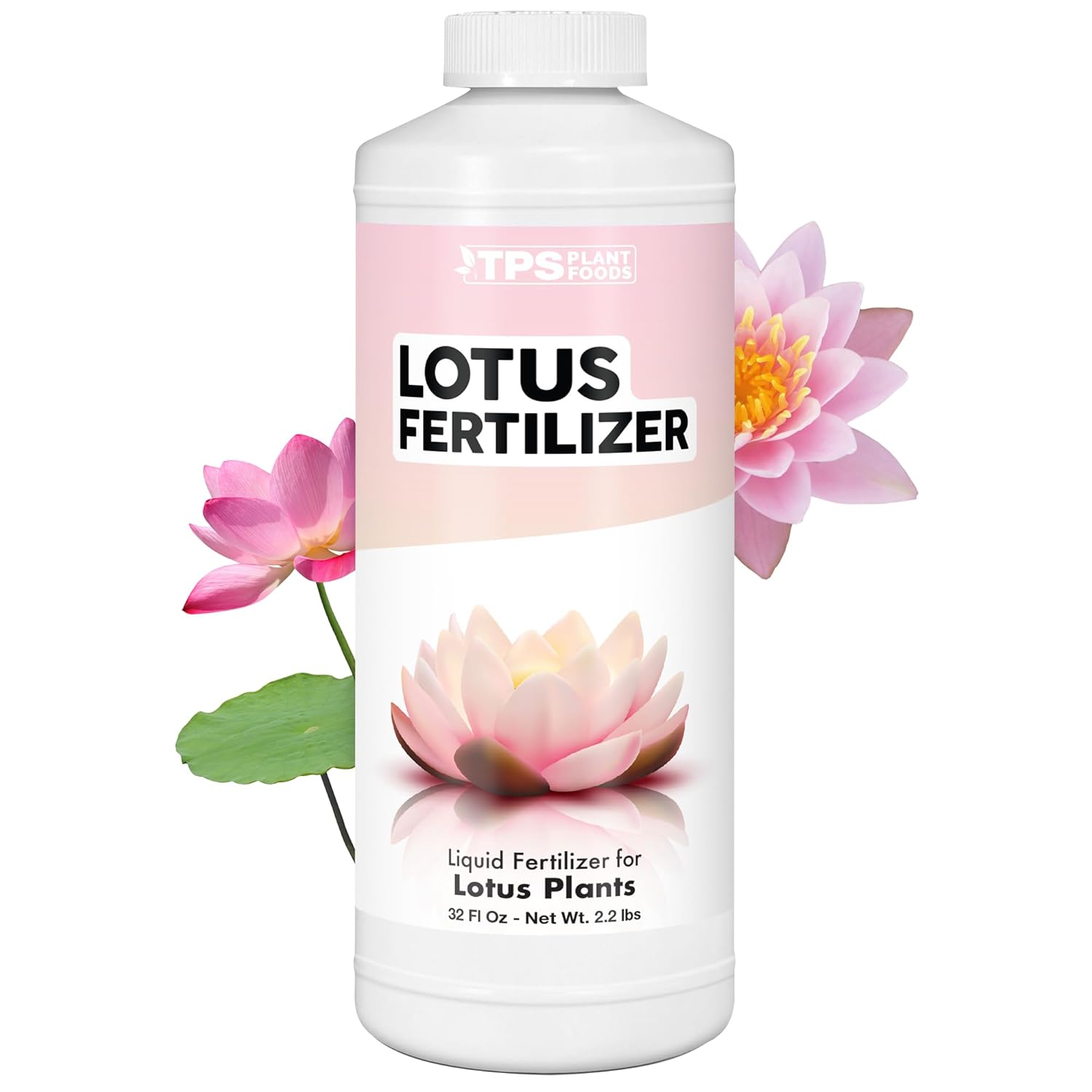
TPS Nutrients Lotus Fertilizer Liquid Plant Food, 32 oz
| Item Form | Liquid |
|---|---|
| Specific Uses For Product | Plant Growth |
| Coverage | lotus plants |
| Target Species | Lotus |
| Liquid Volume | 32 fluid ounces |
This 32 oz liquid fertilizer from TPS Nutrients is made specifically for lotus and other water plants and is intended for monthly dosing in ponds, water containers and aquatic planters. It supplies a balanced nutrient mix that encourages more blooms, fuller foliage and stronger tubers and rhizomes so plants establish better root systems and uptake nutrients more effectively. Application is straightforward: follow the included directions to dose the pond or container water, making it practical for regular maintenance rather than one-off heavy feeds. Notable features include a low nitrogen formulation aimed at bloom production and safety guidance for handling. Practical benefits are healthier-looking lotus with improved flowering and easier monthly upkeep for hobbyist water gardeners. Limitations are that the listing gives no complete N-P-K ratio or concentration details, so precise nutrient planning for mixed plantings may require caution, and users should follow safety directions to avoid skin or eye contact and prevent accidental runoff.
Best for: Buyers who want a ready-to-use, plant-specific fertilizer for regular pond or container maintenance and who prioritize encouraging blooms and healthy rhizomes in lotus collections.
Less Ideal for: Gardeners who need exact nutrient breakdowns for custom fertilization plans or who grow a wide mix of non-aquatic plants requiring different formulations.
- Formulated specifically for lotus and aquatic plants to support blooms and foliage
- Liquid form allows easy monthly dosing in ponds and containers
- Low nitrogen emphasis to encourage flowering and tuber development
- Designed to strengthen rhizomes and roots for better nutrient uptake
- N-P-K values or full nutrient analysis are not provided on the listing
- Safety instructions warn against allowing product into waterways, which means careful application is required
Verdict: A simple, liquid fertilizer tailored to lotus and water gardens for regular monthly feeding to boost blooms and strengthen rhizomes.
Aquascape Once-A-Year Pond Plant Fertilizer Capsules (6-Pack)

| Item Form | Capsules |
|---|---|
| Application Method | Push into soil |
| Coverage | 6 1-gallon pots |
| Target Species | Pond Plants |
These Aquascape capsules are designed to simplify feeding for waterlilies, lotus, and other pond plants by providing a single push-in dose that releases nutrients for up to 180 days. The 11-3-14 NPK ratio emphasizes potassium to encourage flowering while keeping phosphorus low to reduce algae risk, and the low extra nitrogen helps avoid stressing aquatic plants. Use the capsules by inserting them into the planting media of potted aquatic plants or established baskets at planting or in spring maintenance. The convenience of a once-a-year application is the main strength here for owners who want reliable, long-running nutrition without monthly dosing. Practical limitations are that coverage is specified as six 1-gallon pots per pack, so larger ponds or many plants will need multiple packs, and the capsule form is less convenient for broadcast feeding of unpotted marginals. The formula is fish-safe and made specifically for pond species, making it a focused choice for maximizing blooms with minimal upkeep.
Best for: Gardeners who prioritize dependable performance and big, consistent blooms with minimal maintenance and who manage potted or basketed pond plants.
Less Ideal for: People with large naturalized ponds, extensive plantings, or those who prefer broadcast or liquid feeding methods should consider alternatives.
- Time-release formula feeds plants for up to 180 days from a single application
- NPK 11-3-14 with higher potassium to promote stronger flowering
- Capsule form pushes into soil for neat, no-mess application
- Designed for pond plants and labeled safe for fish
- Pack coverage is limited to six 1-gallon pots so multiple packs are needed for larger collections
- Capsules are not ideal for directly treating unpotted or widely spaced marginal plants
Verdict: Choose these time-release capsules to get big, reliable blooms from waterlilies and other pond plants with a single annual feeding.
CrystalClear Thrive Aquatic Plant Fertilizer Tablets (200 count)

| Fertilizer analysis (N-P-K) | 10-14-8 |
|---|---|
| Form | Tablets |
| Target species | aquatic plants |
| Unit count | 200 Count |
CrystalClear Thrive is a tablet-style fertilizer made specifically for container and potted aquatic plants such as water lilies and lotus. You push individual tablets into the planting media near the crown and reapply every 2–4 weeks when water temperatures exceed about 75°F. Each tablet delivers a 10-14-8 N-P-K balance plus trace micronutrients to encourage root development, fuller foliage, and larger blooms. The tablet format makes dosing straightforward for multiple containers and larger ponds where you need repeatable, measured feedings. Practical benefits include an easy application that keeps fertilizer in the soil rather than dissolved in the pond water and a formulation that is labeled safe for fish and common aquatic life when directions are followed. Limitations are that the product is intended for use in planted soil or media rather than broadcast into open water and that feeding guidance is temperature dependent, so it is less useful in cooler seasons or climates where water rarely reaches the recommended temperature for application.
Best for: Buyers who want a low-effort, reliable way to feed potted water lilies and lotus across a season and who prioritize predictable dosing and fish-safe formulations.
Less Ideal for: Not a good choice for ponds relying on submerged oxygenators that do not use planting media or for gardeners in cool climates where water temperatures rarely reach the recommended level.
- Tablet form gives simple, repeatable dosing for individual pots and lilies
- Balanced 10-14-8 N-P-K formula plus trace micronutrients to support blooms and root growth
- Labelled safe for fish and common pond animals when used as directed
- Large 200‑tablet count suitable for season-long feeding of multiple plants
- Designed for placement into planting media so not suitable for fertilizing submerged plants by dissolving in open water
- Requires water temperatures above about 75°F for recommended feeding schedule
Verdict: If you want an easy, fish-safe tablet fertilizer that reliably promotes bigger blooms in potted water lilies and lotus, this 200‑tablet pack delivers season-long, measured feedings.
PondBloom Pond Fertilizer Tablets (20-count)

| Item Form | Tablets |
|---|---|
| Specific Uses For Product | Plant Growth, Root Development |
| Application Method | Push into soil |
| Target Species | Aquatic Plants |
PondBloom Pond Fertilizer Tablets are slow-release root tabs made for water lilies, lotus and other rooted aquatic plants. You push a tablet into pond soil near the plant crown and the tablet gradually supplies nitrogen, phosphorus, potassium and micronutrients to support root development, greener foliage and bigger blooms. The root-zone delivery reduces nutrient loss to the water column so you are less likely to cause clouding or short-lived nutrient spikes compared with liquid feeds. These tablets are easy to use for koi ponds, decorative water gardens and container ponds and can help plants look fuller and support clearer water over time. On the downside the product is a single-purpose root tab so it does not replace routine pond maintenance or broad-spectrum water treatments, and you must place tablets individually which takes time for larger plantings. For budget-focused gardeners this offers a straightforward, low-effort way to keep lilies and marginal plants fed without frequent applications.
Best for: Gardeners who want an easy, low-maintenance way to feed water lilies and other rooted pond plants and prefer targeted, root-zone nutrition over frequent liquid applications.
Less Ideal for: People managing very large ponds or extensive plantings who need bulk, automated feeding solutions or who expect a single product to address algae and overall water chemistry.
- Slow-release root delivery that limits nutrient loss to the pond water
- Formulated for aquatic plants including water lilies and lotus
- Simple application: push tablet into soil near roots
- Includes micronutrients as well as NPK to support blooms and root growth
- Requires placing tablets individually so it can be time-consuming for many plants
- Not a substitute for routine pond water care or algae management
Verdict: An affordable, easy-to-use slow-release root tab that reliably boosts water lily and pond plant growth with minimal impact on pond water.
TATAWORM Organic Lotus Liquid Kelp Fertilizer, 2 oz

| Item Form | Liquid |
|---|---|
| Application Method | soil drench or light foliar spray |
| Target Species | Lotus, Water Lilies, Aquatic Plants |
| Mixing Ratio | 1:128 |
This TATAWORM liquid kelp fertilizer is a concentrated seaweed extract made for lotus, water lilies, and small water gardens. Mixable at 1 tsp per gallon (mixing ratio 1:128), the 2 oz bottle treats multiple gallons of water and is applied as a soil drench or a light foliar spray during cool hours. Its low NPK profile and kelp-derived nutrients favor steady root development, improved nutrient uptake, and more resilient plants rather than forcing rapid leafy growth. The product is OMRI listed, made from Maine-harvested Ascophyllum nodosum, and designed to be mild enough to lower the risk of leaf burn or root stress when used as directed. Practical benefits include an easy mix-and-feed routine, included measuring spoon, and a formulation intended to be safe for the surrounding pond environment. Limitations are the small bottle size for larger ponds and the low coverage rating, so frequent purchases or a larger concentrate may be necessary for bigger water gardens. Follow storage and dilution guidance and monitor plants for response before increasing frequency.
Best for: Buyers who prioritize predictable, gentle nutrition for lotus and small water gardens and who prefer organic, low-risk feeding routines over aggressive growth hacks.
Less Ideal for: Those managing large ponds or seeking a fast-acting, high-nitrogen bloom booster should consider a higher-coverage or different formulation.
- Concentrated liquid kelp (makes up to 12 gallons) for economical routine feeding
- Formulated from Maine-harvested Ascophyllum nodosum and OMRI listed for organic use
- Gentle low-NPK formula reduces risk of leaf burn and supports steady root development
- Easy to mix and apply as a soil drench or light foliar spray with included teaspoon
- Small 2 oz bottle has low coverage for medium to large ponds
- Coverage described as low, so regular reapplication is needed for visible results
Verdict: A gentle, OMRI-listed liquid kelp fertilizer that delivers reliable organic nutrition for lotus and small water gardens.
Plantabbs Pondtabbs aquatic plant fertilizer tablets, 60 count

| Application Method | Insert tablets with your finger deep into the soil |
|---|---|
| Coverage | Aquatic plants in ponds and other water features |
| Specific Uses For Product | outdoor |
| Mixing Ratio | 10-14-8 |
Pondtabbs 60ct are pre-measured fertilizer tablets designed for feeding aquatic plants such as water lilies in ponds, water gardens, and similar features. You push a tablet into the planting soil near the crown or root ball and the tablet begins releasing nutrients within minutes with a controlled slow-release profile to sustain growth. The formula contains macro and micronutrients and follows a 10-14-8 mixing ratio listed by the manufacturer, which supports leafy and flowering development for pond plants. In practice they simplify routine feeding because you can place tablets monthly during cooler growth and increase frequency as water warms. The primary practical benefits are easy, mess-free application, consistent nutrient delivery, and compatibility with submerged or marginal plantings. Limitations are that dosing guidance is general rather than plant-specific and tablets must be placed into soil so they are less useful for truly free-floating species; you will still need to monitor water quality and fish health because added nutrients affect pond chemistry.
Best for: Gardeners who want a low-effort, predictable fertilizer for rooted pond plants and value straightforward monthly maintenance over fiddly measuring or mixing.
Less Ideal for: People who primarily grow free-floating aquatic plants or who need highly tailored fertilization plans for specialized specimens.
- Pre-measured tablets for simple, low-mess application
- Controlled slow-release formula provides both immediate and sustained nutrients
- Balanced macro and micronutrient mix suitable for flowering aquatic plants
- Works with a range of water features including koi ponds and water gardens
- Not formulated for free-floating plants that are not rooted in soil
- Dosing instructions are general and may require adjustment for specific species or pond sizes
Verdict: If you want an easy, reliable monthly fertilizer for rooted water lilies and other pond plants, these pre-measured tablets make feeding straightforward and consistent.
CrystalClear Thrive Aquatic Plant Fertilizer Tablets (60 Count)

| Item Form | Tablets |
|---|---|
| Specific Uses For Product | Plant Growth, Root Development |
| Coverage | 1-2 Tablets per 1 Water Lily |
| Unit Count | 60 Count |
| Fertilizer Analysis | N 10% · P2O5 14% · K2O 8% |
These pre-measured tablets are designed to be pushed into the planting media of potted pond plants to deliver a balanced 10-14-8 nutrient mix that encourages root development, lush foliage, and more blooms. Typical use is straightforward: insert one to two tablets per gallon of soil or one to two tablets per water lily every two to four weeks when water temps are above 75°F; lotus plants get a higher dose. The tablet form makes dosing simple and keeps nutrients in the root zone instead of dispersing through the water column. Practical benefits include targeted feeding for containerized water lilies and other marginal plants, an easy schedule for seasonal maintenance, and a formula labeled safe for fish and other pond animals when directions are followed. Limitations to expect are the need for regular reapplication during warm months and reduced usefulness in fully submerged oxygenating plants, which generally do not require tablet feeding. Also the product relies on adequate water temperatures to be effective, so performance will be limited in cooler climates or early season use.
Best for: Buyers who want an easy, reliable way to boost blooms and root growth in potted water lilies and other marginal pond plants and who prefer simple, low-fuss dosing.
Less Ideal for: Gardeners managing planted ponds dominated by fully submerged oxygenators or those needing an all-season solution for cool-climate ponds.
- Balanced 10-14-8 N-P-K formula tailored for flowering aquatic plants
- Tablet form for simple, measured dosing and root-zone application
- Formulated and labeled safe for fish and common pond wildlife when used as directed
- Clear dosing guidance for lilies and lotus simplifies seasonal feeding
- Requires warm water temperatures (above about 75°F) to be most effective
- Not intended for fully submerged oxygenating plants that absorb nutrients from the water column
Verdict: An easy-to-use tablet fertilizer that reliably feeds potted water lilies and marginal pond plants to promote bigger blooms and healthier roots.
Choosing the Right Lotus Fertilizer: Key Factors to Consider
Nutrient Balance and Timing
Lotus need a nutrient profile that supports strong foliage and abundant blooms without encouraging excessive leafy growth at the expense of flowers. Look for fertilizers with a moderate nitrogen level, elevated phosphorus to promote flowering, and adequate potassium for overall plant vigor.
Timing matters because lotus are dormant in cooler months and actively grow from late spring through summer. Apply feedings during active growth and flowering phases and reduce or stop applications as the plants enter dormancy to prevent wasted nutrients and potential water-quality issues.
Application Method and Accuracy
Fertilizers come as tablets, spikes, granules, or liquids. Tablets and spikes placed near the rhizome provide controlled release and precise dosing for each plant, which is useful in containers or when avoiding dissolved nutrients in open water. Granules can be worked into the soil but may be less precise. Liquid feeds give rapid availability and are useful for quick corrections but require careful dosing to avoid overfeeding.
Choose a method that matches your setup: point-source placement for containers and isolated plantings, and conservative broadcast methods with attention to dilution for open ponds.
Impact on Water Quality
Any fertilizer used in or near standing water can affect water clarity and algae growth. Highly soluble phosphorus and nitrogen increase the risk of algal blooms, which reduce oxygen and can harm fish or other wildlife. Slow-release or tablet formulations reduce the immediate nutrient load in the water column and limit algal food. Consider products labeled for aquatic use and follow recommended application spacing and timing to minimize runoff.
Also factor in pond filtration and circulation; well-filtered, moving water tolerates more frequent feeding than stagnant systems.
Safety for Pond Wildlife
If your pond houses fish, snails, or amphibians, fertilizer choice should minimize toxic additives and heavy metals. Look for products that provide ingredient transparency and guidance about use around wildlife. Even safe formulations can cause oxygen dips indirectly by fueling algae, so apply in moderation and avoid late-afternoon feedings that could worsen night-time oxygen stress.
Avoid untested or industrial fertilizers not intended for ornamental aquatic plants.
Container Vs Pond Use
Container-grown lotus have different constraints than pond-planted specimens. Containers limit leaching and allow closer placement of controlled-release tablets, while open ponds disperse nutrients more widely and interact with the larger ecosystem. For containers, prioritize precise, low-dose products and potting mixes that retain nutrients. For ponds, favor formulations designed to minimize dissolved nutrient spikes and that have clear instructions for spacing and timing of feedings.
Ease of Storage and Seasonal Handling
Lotus fertilizers should remain stable between seasons because many growers buy a single supply to last through the growing season. Check product stability in damp conditions and whether packaging reseals. Some formulations require special handling to avoid clumping or degradation. Also note whether the product advises different winter storage practices or has shelf-life information that affects multi-season use.
Seasonal handling guidance reduces waste and helps you apply fertilizer safely when plants resume growth.
Choosing a Feed Strategy for Different Lotus Setups
Decide first whether your lotus are in deep ponds, shallow marginal bays, or containers. Deep-pond lotus benefit from low, regular dosing that keeps nutrients near the rhizome while minimizing dissolved nutrients in the open water. Container lotus accept point-source tablets or measured liquid feeds directly at the root ball and often require more frequent, smaller applications because of limited substrate volume.
Match the feed rhythm to plant vigor. Heavy feeders or young plants may need a graduated schedule that increases during active growth and reduces as blooms mature.
- Deep ponds: slow-release tablets placed near rhizomes or careful broadcast dosing
- Shallow bays: controlled feeds to avoid rapid water nutrient changes
- Containers: point-source tablets or diluted liquid feeds every few weeks
How to Apply Fertilizer Without Encouraging Algae
Place pellet or tablet fertilizers directly into the soil near the rhizome rather than scattering on the water surface. This concentrates nutrients where the plant can use them and keeps the water column cleaner. When using liquids, dilute to the recommended strength and apply earlier in the day so plants can use nutrients while sunlight is available, reducing the chance that algae will capitalize overnight.
Avoid overfeeding by following dosing rates per plant or per square foot of surface area. If you see increasing algae after feeding, reduce dosage and lengthen intervals between applications.
- Use point-source placement for best root uptake
- Apply on calm, cool mornings when possible
- Monitor algae and adjust frequency before increasing dose
Adjusting Feeding by Plant Age and Bloom Goals
Young lotus with developing rhizomes need a different balance than mature plants focused on flowering. Early season feeding should support root establishment and leaf growth with a modest phosphorus boost. As plants enter flower production, shift to formulations with proportionally higher phosphorus to encourage bud set and bloom size.
If your primary goal is spectacular blooms, accept that some leaf growth tradeoffs may occur and plan fertilizer timing to concentrate flower production during peak bloom windows.
- Establishment phase: support roots and leaves with balanced N and P
- Flowering phase: increase phosphorus for bud development
- Maintenance: reduce feeding as plants go dormant
Organic Options and Soil Amendments
Organic fertilizers and slow-release soil amendments can provide steady nutrients and improve substrate structure, but they release nutrients more slowly and in variable amounts. For container lotus, adding composted aquatic-safe matter or well-aged compost can improve root environment and nutrient retention. In ponds, organic inputs should be used conservatively to avoid sudden nutrient pulses that feed algae.
Pairing modest organic amendments with targeted supplemental feeds gives a balance between long-term soil health and predictable bloom-focused nutrition.
- Compost for containers: use aged, aquatic-safe compost
- Organic slow-release: better for steady growth, not quick corrections
- Combine with targeted tablets for predictable flowering
Monitoring Results and Adjusting the Plan
Track leaf color, bloom frequency, and root development to judge fertilizer effectiveness. Pale or yellowing leaves often indicate nitrogen deficiency, while poor bud set can signal low phosphorus. Keep a simple feeding log noting product used, dosage, and plant response so adjustments are systematic rather than reactive.
If water clarity changes or algae increases after feeding, scale back and reassess. Environmental factors such as sunlight, temperature, and pond ecology interact strongly with fertilization outcomes.
- Record feed dates and plant observations
- Watch for nutrient-deficiency leaf signs
- Adjust frequency before increasing dose
How We Chose the Best Lotus Fertilizer
We looked for fertilizers formulated specifically for aquatic or marginal plants and evaluated each option across criteria that matter to lotus growers. Key evaluation points included nutrient ratio and bioavailability to support flowering and rhizome development, delivery method and dosing accuracy for pond and container use, potential impacts on water clarity and algae risk, material safety for fish and nearby wildlife, and product stability for seasonal storage. Exclusions included generic garden fertilizers with no guidance for aquatic use and products that rely on unverified organic claims without nutrient analysis. We prioritized balanced N-P-K ratios tailored toward flowering aquatic plants, clear dosing instructions for submerged or potted lotus, low-soluble-phosphate formulations when appropriate to limit algal blooms, and options with clear labeling about safety for pond ecosystems. The selected criteria reflect how the fertilizer behaves in real garden ponds, tubs, and containers rather than marketing language.
FAQ
How often should I feed lotus during the growing season?
Most lotus benefit from feedings every three to six weeks during active growth, but frequency depends on the fertilizer type. Slow-release tablets often need less frequent application, while liquid feeds are more regular. Adjust based on plant vigor and water quality.
Can I use regular garden fertilizer for lotus?
Regular garden fertilizers may be too soluble or contain ingredients unsuitable for aquatic use. Choose products formulated for water gardens or that give explicit guidance for marginal plants to avoid harming water quality or pond life.
Are phosphorus-rich fertilizers safe for ponds?
Phosphorus encourages flowering but can also feed algae if it dissolves into the water. Use low-solubility or point-source products and follow dosing guidance to minimize dissolved phosphorus in the water column.
When should I stop feeding lotus for the season?
Stop regular feeding as plants begin to yellow and enter dormancy, typically in late summer to early fall depending on climate. Continuing to feed dormant plants wastes nutrients and increases the risk of water-quality problems.
Is it safe to feed lotus in ponds with fish?
Yes, if you use products labeled safe for aquatic environments and follow dosing instructions. Even safe fertilizers can indirectly affect fish by promoting algae, so monitor oxygen levels and avoid overfeeding.
How do I correct poor blooming despite fertilization?
Check light levels, rhizome health, and nutrient balance. Insufficient sunlight, crowded roots, or incorrect phosphorus levels are common causes. Adjust feed timing, thin crowded plants, and ensure pots or planting sites give rhizomes room to expand.
Final Verdict
Pick a fertilizer that matches your lotus setup and bloom goals, balancing nutrient ratio, application method, and ecosystem safety. For containers, prioritize precise, controlled-release options; for ponds, favor formulations that limit dissolved nutrients and algae risk. Track plant response and adjust timing and dose rather than increasing strength. With the right feed strategy, you can reliably improve bloom size and rhizome health while protecting pond water quality.
