

Note: This article contains affiliate links. If you click on these links and make a purchase, I may earn a small commission at no extra cost to you. This helps support my research and content. Read my full affiliate disclosure here.
If you want bigger, brighter blooms without synthetic chemicals, choosing the right natural fertilizer matters. Flowering plants respond differently to sources of nitrogen, phosphorus, and potassium, and the wrong feed can produce lush foliage with few flowers or inconsistent bloom cycles. This guide shortlists the top Natural Fertilizers for Flowering Plants and explains how each type behaves in real garden beds, containers, and borders. We evaluated options for nutrient balance, release rate, and ease of use so you can match a product to your planting style. Read on for practical guidance and the shortlisted picks that performed best for gardeners seeking stronger flowering results.
Top Picks at a Glance
| Best Overall The best all-around choice for most situations | Down To Earth Organic Flower Garden Fertilizer, 2-6-5, 1 lb |  |
| Best Quality Built to a higher standard if you want something more solid | Dr. Earth 707P Organic Bud and Bloom Fertilizer, 4 lb |  |
| Best Value The sweet spot between price and what you get | Espoma Organic Plant-Tone 5-3-3 All-Purpose Granular Plant Food (2 × 4 lb.) |  |
| Best Budget The cheapest option that still gets the job done reliably | Down To Earth Organic Rose & Flower Mix Fertilizer 4-8-4, 1 lb |  |
| Highest Rated A top-rated pick with lots of positive feedback | Down To Earth Organic Rose & Flower Mix Fertilizer, 40 lb |  |
| Most Popular A crowd favorite that many people choose with confidence | FoxFarm Big Bloom Liquid Plant Food, 16 fl oz |  |
| Best Seller A high-volume bestseller chosen again and again | Grow Queen Organic Liquid Indoor Plant Food 5-5-5 with Sea Kelp, 8 oz | 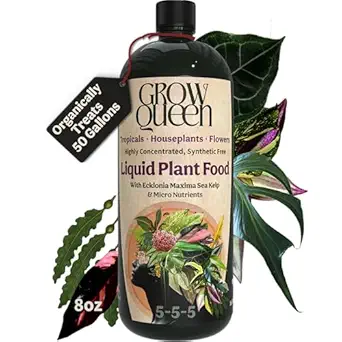 |
Down To Earth Organic Flower Garden Fertilizer, 2-6-5, 1 lb

| Item Form | Powder |
|---|---|
| Specific Uses For Product | Plant Growth |
| Target Species | Flowers |
| Unit Count | 16 Ounce |
This 1 lb Down To Earth organic flower fertilizer is a powder designed to boost blooms and support flowering annuals, perennials, bulbs and flowering shrubs. It combines fish bone meal, rock phosphate, seaweed meal, langbeinite and other natural ingredients to deliver a 2-6-5 N-P-K profile that favors flower production and root strength. In practice you can mix it into potting soil for new plantings, side-dress established beds monthly, or use lightweight amounts in containers and raised beds where granular bulk would be excessive. Because it is OMRI-listed and made from recognizable inputs, it also helps feed soil biology rather than just supplying soluble salts, which is useful for gardeners aiming for long-term soil health. The small 1 lb size is convenient for trialing on a small garden or windowsill but means frequent repurchase for larger areas. As a powdered organic product it works slower than synthetic bloom boosters, so expect gradual improvement over weeks rather than immediate color surges.
Best for: Gardeners who want an organic, soil-friendly bloom fertilizer for containers, small beds, or trial use and prioritize long-term soil health over quick, dramatic results.
Less Ideal for: People managing large flower borders or commercial plantings who need fast, high-volume feeding or immediate visible results.
- High phosphorus formulation aimed at promoting abundant blooms and stronger root development
- OMRI-listed natural ingredients that support soil biology and organic gardening practices
- Compact 1 lb size convenient for containers, raised beds, and small trial areas
- Powder form that mixes easily into potting mixes or can be applied as a side-dressing
- Small package size is not economical for large flower beds or extensive landscapes
- Slower acting than soluble synthetic fertilizers, so results appear over weeks rather than days
Verdict: A compact OMRI-listed bloom fertilizer that reliably supports healthier roots and fuller flowering in small gardens and containers.
Dr. Earth 707P Organic Bud and Bloom Fertilizer, 4 lb

| Item Form | Granules |
|---|---|
| Specific Uses For Product | Plant Growth |
| Coverage | Medium |
| Target Species | Bulbs, tubers, corms and rhizomes |
| Mixing Ratio | 3-9-4 |
Dr. Earth 707P is an all-natural granular fertilizer designed to supply steady phosphorus-heavy nutrition from fish bone meal, alfalfa and feather meals plus rock phosphate and potassium sulfate. It is applied to the soil around plants and watered in, where nutrients release gradually to support sustained flowering and root development for several months. The formula includes multiple mycorrhizal strains to improve nutrient uptake and drought tolerance, and the product labels itself pet- and people-safe and free of GMOs and chicken manure. For rose growers this fertilizer offers dependable bloom and root support without synthetic chemicals, making it suitable for organic beds and mixed borders. Limitations are that the packaging is relatively small for larger rose gardens and the product contains phosphorus, which may be restricted by local regulations and can contribute to runoff if overapplied. Follow the stated application rates and local guidance to avoid environmental issues.
Best for: Gardeners who prefer proven organic inputs and want a steady, flower-focused feed for roses without synthetic chemicals; suited to conscientious home growers who follow label directions.
Less Ideal for: Those managing very large rose plantings who need bulk fertilizer or gardeners restricted by local rules on phosphorus application.
- 100% organic ingredients with no GMOs or chicken manure
- Contains a phosphorus-rich 3-9-4 formula aimed at improving bloom and root development
- Includes ecto and endo mycorrhizae to enhance nutrient uptake and drought tolerance
- Granular form releases nutrients over several months for steady feeding
- Small 4 lb bag may require multiple purchases for larger rose beds
- Contains phosphorus which may be regulated in some areas due to runoff concerns
Verdict: A reliable organic granular fertilizer that supports stronger blooms and root health for rose growers who prioritize natural, slow-release nutrition.
Espoma Organic Plant-Tone 5-3-3 All-Purpose Granular Plant Food (2 × 4 lb.)

| Item Form | Granules |
|---|---|
| Specific Uses For Product | Organic,Plant Food |
| Coverage | All-purpose |
| Target Species | all flowers, vegetables, trees and shrubs |
| Mixing Ratio | 5-3-3 |
Espoma Plant‑Tone is a ready‑to‑use granular organic fertilizer designed to feed a wide range of garden plants, from roses and perennials to shrubs and vegetables. You broadcast it around the drip line and water it in; because it is slow‑releasing, it builds a steady nutrient reservoir rather than delivering a quick burst. Notable features include its 5-3-3 NPK formulation with added calcium and the Bio‑Tone microbial blend that aids nutrient breakdown and uptake. Practical benefits are improved bloom and foliage development with monthly applications for flowers and vegetables and spring/fall feeding for trees and shrubs, plus certification for organic gardening. Limitations are that results are gradual compared with synthetic quick‑release fertilizers and the product is sold in multiple small bags, which may require more frequent replenishing for larger beds. Also it is a general all‑purpose formula, so gardeners seeking highly specific high‑nitrogen or bloom‑boost mixes will need to supplement or choose a specialized product.
Best for: Gardeners who prioritize steady, plant‑friendly performance and organic inputs for shrubs and flowering beds and who plan regular seasonal or monthly feedings.
Less Ideal for: Growers who need immediate, high‑intensity nutrient boosts for rapid vegetative growth or who prefer single large bulk bags for extensive acreage.
- Organic, slow‑release granules that feed plants steadily over time
- Includes Bio‑Tone microbes to help break down organics and improve nutrient availability
- Versatile all‑purpose formula suitable for flowers, vegetables, trees and shrubs
- Slower visible results compared with fast‑acting synthetic fertilizers
- Packaging is in 4 lb. bags which may be small for very large gardens
Verdict: Choose Espoma Plant‑Tone when you want a proven organic, slow‑release fertilizer that reliably improves shrubs and flowering plants over the season.
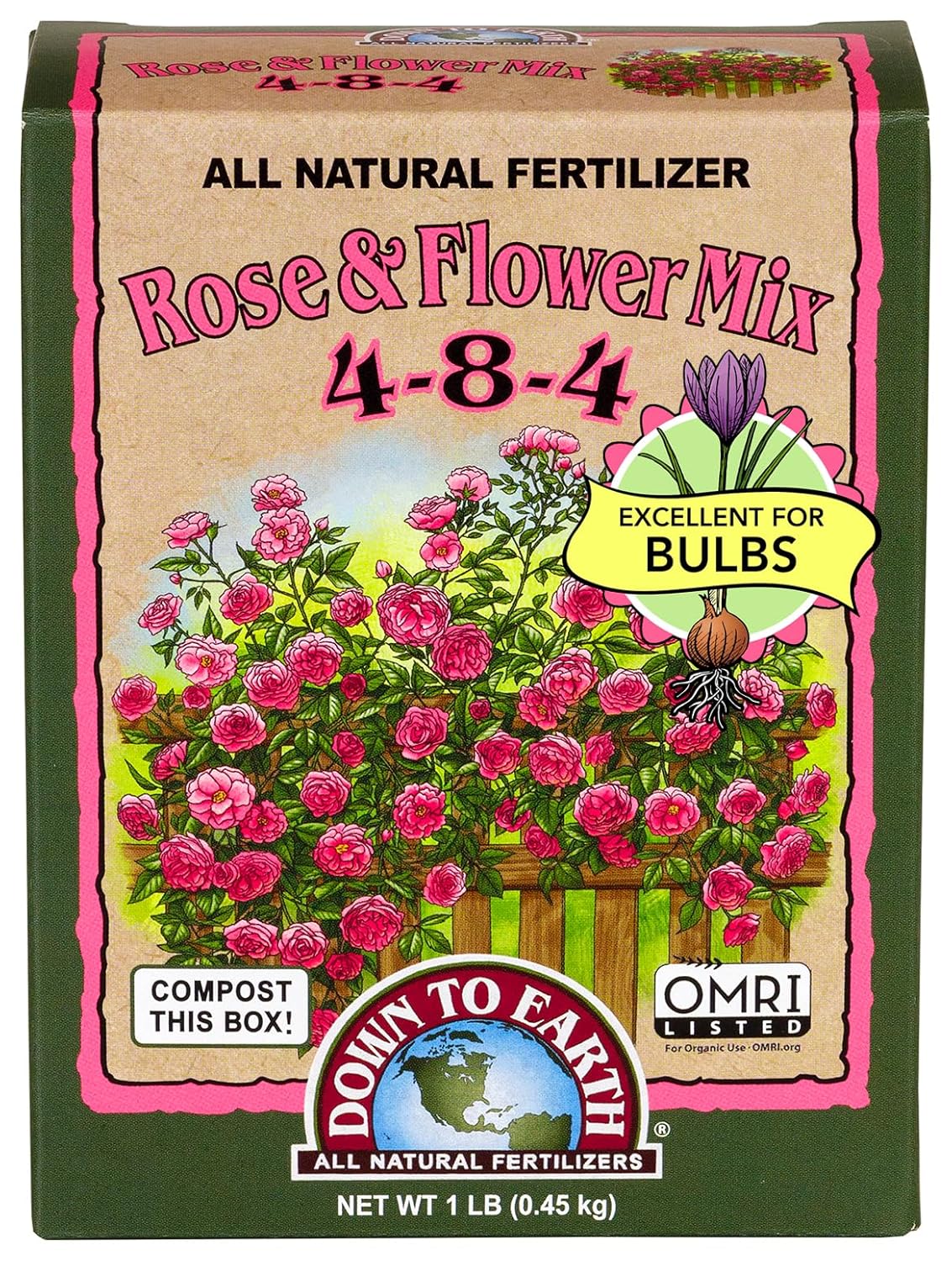
Down To Earth Organic Rose & Flower Mix Fertilizer 4-8-4, 1 lb
| NPK | 4-8-4 |
|---|---|
| Item Form | Granules |
| Specific Uses For Product | Plant Growth |
| Coverage | Medium |
| Mixing Ratio | 2 tbsp per gallon of soil |
This 1 lb box of Down To Earth Organic Rose & Flower Mix is a granular, OMRI-listed fertilizer designed specifically to encourage flowering and healthier root systems in roses and other ornamentals. Gardeners typically work it into the soil around established plants or use the brand mixing guidance for containers and small beds to provide periodic feeding. The relatively high middle number (phosphorus) helps stimulate prolific blooms while the balanced nitrogen and potassium support foliage and overall plant vigor. Because it is derived from natural plant, animal, and mineral resources it also contributes organic matter that supports soil microorganisms over time. The mini box size is convenient for trialing on a few plants or for container and patio gardens, but it means frequent reorders or multiple boxes are needed for larger beds. Users should follow the recommended mixing ratio and avoid overapplication since organic granules release nutrients more slowly than synthetic feeds and are best used as part of a regular feeding schedule.
Best for: Practical gardeners who prioritize organic inputs and want a bloom-focused feed for a few roses, containers, or small flower beds and who prefer predictable, soil-building nutrition over quick synthetic fixes.
Less Ideal for: Gardeners managing large rose borders or commercial plantings who need fast-acting, high-volume feeding or a single large-bag supply.
- Phosphorus-forward 4-8-4 formula supports larger and more frequent blooms
- OMRI-listed organic formulation suitable for organic rose care
- Granular form adds organic matter that benefits soil microbial activity
- Compact 1 lb size is convenient for containers, patio gardens, and small beds
- Small package size requires multiple purchases for larger rose gardens
- Slower nutrient release compared with synthetic fertilizers, so results take longer to appear
Verdict: A compact, OMRI-listed granular fertilizer that favors bloom production and soil health, making it a sensible organic choice for home rose growers with small gardens or containers.
Down To Earth Organic Rose & Flower Mix Fertilizer, 40 lb

| Item Form | Granules |
|---|---|
| Coverage | 800 square feet |
| Target Species | Flowers |
| Unit Count | 640 Ounce |
This 40 lb Down To Earth Rose & Flower Mix is a granular, OMRI-listed organic fertilizer designed to boost blooms and root health across flower beds and containers. With a 4-8-4 NPK profile and ingredients such as fish and bone meal, rock phosphate, alfalfa and seaweed meal, it supplies steady phosphorus for flowering and potassium for stress resistance while feeding soil microbes. It is typically broadcast or worked into the topsoil before planting and can be used for roses, perennials, bulbs and ornamentals over an area the manufacturer lists as about 800 sq ft. The heavy 40 lb bag is useful for larger beds or multiple planting seasons, and the natural amendments help build long-term soil fertility rather than forcing rapid, short-lived growth. Limitations include the weight and the slower-release nature of organic granules, which means results appear over weeks rather than days and occasional supplemental feeding may be needed for container plants or very nutrient-hungry varieties.
Best for: Gardeners who prioritize dependable, organic nutrition and want a proven, microbe-friendly fertilizer to encourage sustained flowering in beds and containers.
Less Ideal for: People who need rapid, high-salt quick-fix feeding for immediate bloom color or gardeners who only have a few small pots and prefer small, lightweight packages.
- OMRI-listed organic formula that avoids synthetic chemicals
- Balanced 4-8-4 NPK ratio targeted to promote flowering and root development
- Contains diverse natural amendments (fish, bone, rock phosphate, alfalfa, seaweed) to feed soil biology
- Large 40 lb bag covers roughly 800 square feet, suitable for multiple beds or seasons
- Granular organic nutrients release slowly, so blooms take weeks rather than days to improve
- Large 40 lb bag is heavy to handle and may be more than a casual gardener needs
Verdict: Choose this OMRI-listed 4-8-4 granular mix when you want reliable, long-term organic feeding that strengthens soil and promotes consistent flowering.
FoxFarm Big Bloom Liquid Plant Food, 16 fl oz

| Item Form | Liquid |
|---|---|
| Specific Uses For Product | Organic |
| Application Method | watering can, sprayer, or drip system |
| Unit Count | 16 Fluid Ounces |
| Mixing Ratio | 4 |
Big Bloom is a ready-to-mix liquid plant food intended for flowering and fruiting plants; you dilute 4 tablespoons per gallon of water and apply with a watering can, sprayer, or through drip systems. The formula centers on natural inputs such as bat guano and earthworm castings and is OMRI listed for organic gardening, so it supplies readily available nutrients that can boost blooms and help struggling plants recover quickly. Because it is a low-NPK, bloom-focused concentrate it is useful through multiple growth stages without overwhelming foliage with high nitrogen. Practical benefits include easy integration into existing irrigation, fast uptake for visible response, and suitability for organic beds, containers, and fruiting ornamentals. Important limits are that it contains phosphorus, which some local regulations restrict for turf or lawns, and the small 16 fl oz bottle means frequent refills for larger plantings. Users should follow dilution guidance and local rules to avoid runoff issues.
Best for: Buyers focused on maximizing blooms and fruit on ornamentals, container plants, and small fruiting crops who prefer organic, fast-acting feeding and want a product that fits existing watering systems.
Less Ideal for: People managing large turf areas, large-scale vegetable plots, or those who need a high-nitrogen general-purpose fertilizer should look for formulations designed specifically for those uses.
- Organic certified and OMRI listed, suitable for certified organic gardens
- Natural nutrient sources (bat guano and earthworm castings) that support flowering and fruit set
- Versatile application: watering can, sprayer, hose-end, or drip irrigation compatible
- Low-NPK bloom-focused formula that can be used throughout flowering stages without excessive foliage growth
- Contains phosphorus, which may be restricted by local regulations for some lawn or turf applications
- Smaller 16 fl oz bottle may require frequent repurchasing for medium to large gardens
Verdict: Choose Big Bloom if you want an OMRI-listed, easy-to-use liquid fertilizer that reliably boosts flowering and fruiting in small to medium organic gardens.
Grow Queen Organic Liquid Indoor Plant Food 5-5-5 with Sea Kelp, 8 oz

| Item Form | Liquid |
|---|---|
| Mixing Ratio | 1:1 |
| Specific Uses For Product | Plant Growth |
| Application Method | Watering |
| Target Species | Plants |
Grow Queen's 8 oz concentrated liquid plant food is a balanced 5-5-5 organic fertilizer designed for regular use on houseplants, tropicals and container gardens. You mix one capful (about 4 ml) per gallon of water and either drench the soil or apply as a foliar mist every one to three weeks, which makes it straightforward to fold into a weekly watering routine. The formula includes Ecklonia maxima sea kelp and trace micronutrients, which help support greener foliage, stronger stems and root development without the burning risk of high-strength synthetic feeds. At the stated dilution the bottle treats up to 50 gallons so it will last a small collection for months. It is also labeled safe for aerated hydroponic systems when reservoirs are changed regularly, though it can form a film in stagnant water so fresh mixes are recommended. The product has an earthy ocean scent from real kelp and excludes perfumes and dyes, but that natural smell may bother some users. Directions are simple and the fertilizer pairs well with slow-release feeds for longer-term nutrition.
Best for: Buyers who want a simple, one-bottle solution to feed a mixed collection of houseplants regularly and prefer organic ingredients and seaweed benefits.
Less Ideal for: Growers who need precision nutrient formulas for specific flowering or high-yield vegetable crops or those who require ready-to-use sprays without mixing.
- Balanced 5-5-5 NPK suitable for general indoor plant feeding
- Concentrated formula stretches up to 50 gallons from an 8 oz bottle
- Contains sea kelp and micronutrients to promote foliage color and root strength
- Safe for regular use at recommended dilution with low burn risk
- Natural kelp scent may be noticeable indoors
- Can form a film in standing water so not ideal for non-aerated reservoirs
Verdict: A concentrated, easy-to-use organic 5-5-5 liquid fertilizer with sea kelp that provides straightforward, all-purpose nutrition for indoor plant collections.
Choosing the Right Natural Fertilizer for Flowering Plants: Key Factors to Consider
Nutrient Ratio and Bloom Support
Flowering plants need a different balance of nutrients than leafy ornamentals. Phosphorus and potassium are especially important for bud formation, root development, and flower retention, while nitrogen supports leaf growth. A product with a clearly labeled N-P-K ratio that leans toward bloom-promoting phosphorus and potassium will usually encourage better flowering without excess vegetative growth.
Look beyond the simple ratio and check for available sources of those elements. Some natural sources release phosphorus slowly and may take longer to influence a bloom cycle, so consider timing when planning applications before peak bloom periods.
Release Rate and Timing
Natural fertilizers vary from quick-acting liquid feeds to slow-release granular or organic matter-based options. Fast-release feeds give a quick bloom boost but may require repeat applications, while slow-release materials feed steadily over weeks to months and reduce the risk of nutrient burn.
Think about your gardening routine and the plants you grow. Annual bedding plants and container specimens often benefit from more frequent, gentler feeding, whereas established perennials and shrubs can be fed with longer-lasting amendments that improve soil over the season.
Soil Biology and Organic Matter Benefits
Many natural fertilizers do more than supply nutrients; they feed soil microbes and increase organic matter. Compost, well-rotted manures, and certain seaweed or fish-based products stimulate beneficial biology that improves nutrient cycling and water retention. That can translate into healthier root systems and longer-lasting flowering displays.
If you garden in poor or depleted soil, prioritize options that build organic matter alongside nutrients. In high-quality soil, a targeted nutrient supplement may be sufficient for bloom strengthening without heavy additions of bulk organic material.
Suitability for Containers and Pots
Containers present specific challenges: limited root volume, faster drying, and quicker nutrient depletion. Some natural fertilizers are formulated or sized for containers, releasing nutrients at a rate suited to frequent watering and smaller soil volumes. Others, like coarse compost or large granular amendments, can be slow to act and may alter potting mix texture.
When feeding potted flowering plants, choose products that are safe for close quarters, have low odor, and provide predictable release so you do not need to repot frequently or risk salt buildup.
Application Method and Safety
Consider how you prefer to feed plants: top-dressing, side-dressing, foliar spray, or soil drench. Some natural inputs are messy or have strong odors that make them less suitable for patio or entryway containers. Others require dilution or specific handling to avoid root burn.
Safety around children and pets is also important. Products that are non-toxic and easy to wash from hands and tools reduce risk in family gardens. Clear application instructions and forgiving release rates make dosing simpler for casual gardeners.
Compatibility with Existing Soil and Plants
Not all flowering plants have the same nutrient needs. Acid-loving species may react differently to certain mineral amendments, while bulbs and Mediterranean perennials have lower nitrogen demands. Also, some natural fertilizers can temporarily raise soil salt levels or change pH, affecting sensitive species.
Assess your existing soil and the specific plants you grow before selecting a fertilizer. A soil test can reveal deficiencies or pH issues that inform whether you need a balanced feed, a phosphorus-focused boost, or a gentle organic amendment to build long-term fertility.
When to Feed Flowering Plants
Timing fertilizer applications to plant life stages makes a big difference. Feed early in the growing season to support root establishment and again at the onset of bud formation for many species. Avoid heavy late-season nitrogen applications that push foliage growth at the expense of bloom set.
For container plants, a lighter, more frequent schedule works best because pots lose nutrients faster. In-ground perennials and shrubs often respond well to a single early-season application of a slow-release natural product.
- Start light in spring, increase slightly during bud set
- Use water-soluble feeds for quick boosts before events or displays
- Apply slow-release amendments once per season for long-term beds
Liquid Feeds Versus Granular Amendments
Liquid natural feeds such as fish emulsion or seaweed extracts deliver nutrients quickly and are useful for container plants or to revive a struggling display. They are easy to apply and are absorbed faster by foliage and roots.
Granular or particulate amendments, including composted materials and pelletized organics, change soil structure and release nutrients over time. They are better for established beds where you want to build fertility and improve moisture retention rather than produce instant results.
- Liquid: fast acting, repeat applications, good for foliar feeding
- Granular: long-term soil improvement, fewer applications needed
Using Natural Fertilizers with Compost and Mulch
Combining targeted natural fertilizers with regular compost additions gives plants both immediate nutrients and long-term soil benefits. Compost supplies micronutrients and improves texture, while a bloom-focused fertilizer supplies the higher phosphorus or potassium the flowers need.
Apply granular fertilizers beneath mulch to reduce wash-off and release nutrients more gradually. Avoid burying high-odor amendments too close to living spaces; many gardeners place them lower in beds or mix them into the soil well before flowering.
- Top-dress with compost annually to maintain soil health
- Place targeted feeds under mulch for steady release
Adjusting Feeding for Different Flower Types
Bulbs, annuals, shrubs, and container mixes all have different feeding rhythms. Bulbs generally need a nutrient boost when foliage first appears and should be given time to translocate nutrients before cutting back foliage. Annuals and bedding plants often benefit from continuous low-level feeding to keep blooms abundant.
Woody shrubs and roses may respond best to two or three seasonal applications of a balanced natural fertilizer combined with organic matter for root health. Match feed strength and frequency to the plant type to avoid overstimulation or reduced flowering.
- Bulbs: feed at green-up and avoid heavy late-season feed
- Annuals: steady feeding for continuous bloom
- Shrubs and roses: seasonal applications with compost
Storing and Handling Natural Fertilizers
Proper storage preserves nutrient strength and reduces nuisance odors. Keep dry materials in sealed, cool containers away from direct sunlight and moisture. Liquids should be stored according to label guidance and used within recommended periods to avoid spoilage.
Handle concentrated organic liquids with gloves and dilute according to directions. For bulky natural amendments, use a dust mask when spreading very dry or dusty products to prevent irritation.
- Store dry products sealed and dry
- Keep liquids in original containers and away from heat
- Follow safety guidance for handling concentrated materials
How We Chose the Best Natural Fertilizer for Flowering Plants
We focused on formulations and sources that reliably support floral development while fitting organic gardening practices. Our selection criteria prioritized nutrient profile clarity, release characteristics, and suitability across typical flowering scenarios such as containers, perennial beds, and annual displays. Concrete evaluation criteria included the balance of bloom-supporting nutrients (available phosphorus and potassium relative to nitrogen), release rate and longevity in soil, impact on soil biology and organic matter, ease and safety of application for home gardeners, and adaptability to container versus in-ground use. We also considered user reports about odor and handling when used around patios and entryways. We excluded synthetic or chemically enhanced fertilizers, products lacking clear ingredient information, and specialty formulations intended only for vegetables or lawns. The resulting shortlist contains broadly useful natural fertilizers that offer predictable bloom support and manageable application steps.
FAQ
How often should I feed flowering plants with a natural fertilizer?
It depends on the product. Fast-acting liquid feeds are often applied every two to four weeks, while slow-release granular or organic amendments may be used once or twice per season. Match frequency to the product instructions and your plant type.
Will natural fertilizers improve soil structure as well as feed plants?
Many natural options such as compost and well-rotted manures improve soil texture and microbial activity while supplying nutrients. Some concentrated natural feeds mainly supply nutrients and have less impact on soil structure.
Can I use the same natural fertilizer for containers and in-ground beds?
Some products are versatile, but containers often need gentler, more frequent feeding and low-odor options. If using a soil-building granular product in pots, monitor drainage and avoid overpacking the mix.
Are natural fertilizers safe around pets and children?
Many natural fertilizers are low-toxicity, but safety varies. Compost and plant-based extracts are generally safe, while some manures or concentrated organic liquids can cause irritation. Store products securely and follow handling instructions.
When is the best time to apply a bloom-boosting fertilizer?
Apply a bloom-focused feed as buds start to form and again during peak flowering if needed. For long-term beds, an early-season application helps root growth and sets up plants for a productive bloom period.
Will feeding more fertilizer increase the number of blooms?
More is not always better. Excess nitrogen can lead to vigorous foliage at the expense of flowers. Use a fertilizer with the appropriate nutrient balance and follow recommended application rates for your plant type.
Final Verdict
Prioritize a natural fertilizer that matches the plants you grow and the way you garden. If you want quick bloom responses, choose a gentler liquid feed timed for bud set; if you prefer long-term soil improvement, use slow-release granular organics and regular compost additions. Consider container needs, safety, and how the product affects soil biology when deciding. Balancing nutrient ratio, release rate, and soil-building qualities will give you the most reliable flowering results. Choose the approach that fits your routine and planting style to keep blooms abundant and soil healthy.
