

Note: This article contains affiliate links. If you click on these links and make a purchase, I may earn a small commission at no extra cost to you. This helps support my research and content. Read my full affiliate disclosure here.
Choosing the right hardy trees for pots matters when you want real tree presence on a patio, balcony, or small courtyard without committing to a large root zone. In containers the wrong species can become root-bound, become unstable in wind, or suffer winter damage. You need choices that handle cold, develop predictable root habits, and fit available container sizes. This guide covers a shortlist of seven top hardy trees for pots suitable for small-space gardeners. Each candidate was evaluated for cold tolerance, container adaptability, maintenance demands, and seasonal interest so you can pick trees that provide shade, flowers, or architectural form without excessive upkeep. Read on for practical selection criteria and care guidance before the product list.
Top Picks at a Glance
| Best Overall The best all-around choice for most situations | Peter’s Honey Fig Tree Live Plant in Nursery Pot |  |
| Best Quality Built to a higher standard if you want something more solid | Green Promise Farms Picea glauca 'Conica' (Dwarf Alberta Spruce) #3 in 3‑Gallon Container |  |
| Best Value The sweet spot between price and what you get | Ficus carica ‘Little Ruby’ Dwarf Fig Tree (nursery-grown) |  |
| Best Budget The cheapest option that still gets the job done reliably | Sandys Nursery Blue Point Juniper, 4-inch Pot |  |
| Highest Rated A top-rated pick with lots of positive feedback | Little Gem Magnolia 3 gal nursery pot |  |
| Most Popular A crowd favorite that many people choose with confidence | PERFECT PLANTS Chicago Hardy Fig Tree, 3 Gallon, Live Plant |  |
| Best Seller A high-volume bestseller chosen again and again | Brussel's Bonsai Green Mound Juniper Live Bonsai Tree (Potted) |  |
Peter’s Honey Fig Tree Live Plant in Nursery Pot

| USDA Hardiness Zone | 7,8,9,10,11 |
|---|---|
| Sunlight Exposure | Full Sun |
| Other Special Features | Self-pollinating, Cold hardy, Container friendly, High-yielding |
| Soil Type | Loamy,Sandy,Well-draining,Compost-rich |
| Moisture Needs | Moderate Watering |
The Peter’s Honey Fig is a container-friendly live fig tree grown in a nursery pot and intended for patios, small gardens, or home orchards. It produces amber, honey-flavored figs and is described as self-pollinating, so you do not need a second tree for fruit set. Planting is straightforward: place in full sun in a well-draining, loamy or sandy mix, water moderately to keep soil moist but not waterlogged, and fertilize monthly during the growing season. The variety is cold hardy to USDA zones 7 through 11 and has a compact habit that works well in pots or limited spaces. Practical benefits include strong flavor, manageable size for container culture, and lower maintenance compared with more demanding fruit trees. Important limitations are that it does require regular sun and consistent moisture, young trees need frost protection in colder winters, and expected height (listed as up to 10 feet) may require pruning or larger containers over time. The plant ships rooted in organic nursery soil and is ready to establish on arrival.
Best for: Buyers who want a flavorful, low-fuss fruit tree for a patio or small garden and value container culture and easy maintenance.
Less Ideal for: People seeking an instant, high-volume orchard tree or those with consistently shady yards or very cold winter climates outside USDA zones 7–11.
- Self-pollinating so no companion tree required
- Compact, container-friendly growth suitable for patios and small gardens
- Cold hardy across USDA zones 7–11 for wider regional suitability
- Shipped fully rooted in nursery pot with organic soil base
- Described as high-yielding with very sweet, honey-flavored fruit
- May reach up to 10 feet without pruning which can outgrow small containers
- Requires full sun and regular watering to produce well
- Young plants need protection from heavy frost in colder seasons
Verdict: A compact, cold-hardy fig tree well suited to container growing for buyers who want very sweet, easy-to-grow fruit on a patio or small garden.
Green Promise Farms Picea glauca 'Conica' (Dwarf Alberta Spruce) #3 in 3‑Gallon Container

| USDA Hardiness Zone | 3 |
|---|---|
| Sunlight Exposure | Partial Shade |
| Moisture Needs | Moderate Watering |
| Expected Planting Period | Spring |
This Dwarf Alberta Spruce (Picea glauca 'Conica') is a compact, pyramidal evergreen shipped in a 3‑gallon container and intended for outdoor planting. It is typically used as a specimen, in containers on patios, or as a small living screen where a tidy vertical form is desired. Notable features include slow growth, year-round evergreen foliage, and tolerance of partial shade to full sun, which makes it lower maintenance than faster-growing conifers. Practical benefits are predictable mature height and spread, reliable hardiness across zones 3–8, and an attractive dense shape that works well in large pots or foundation beds. Limitations are that it is a slow grower so it will take several years to reach its mature 6–8 foot height and it requires moderate watering and appropriate soil to avoid stress in containers. Also plan for eventual root space or periodic repotting if you keep it in a pot long term.
Best for: Gardeners who want a hardy, low-maintenance evergreen for a container or small-yard specimen and value a compact, predictable upright form over rapid size increase.
Less Ideal for: Buyers who need a fast screen or instant large privacy hedge or those unwilling to repot or provide increasing root space over time.
- Slow, predictable growth and pyramidal form suitable for formal or container plantings
- Hardy across USDA zones 3–8 so it tolerates cold climates
- Arrives in a 3‑gallon pot, fully rooted and ready to plant
- Low maintenance once established with moderate watering needs
- Slow growth means several years to reach mature height
- Will need larger root space or repotting if kept in a container long term
Verdict: Choose this Dwarf Alberta Spruce when you need a cold-hardy, slow-growing evergreen with a neat pyramidal silhouette that performs well in large pots.
Ficus carica ‘Little Ruby’ Dwarf Fig Tree (nursery-grown)
| Indoor Outdoor Usage | Outdoor |
|---|---|
| Sunlight Exposure | Full Sun |
| USDA Hardiness Zone | 6, 7, 8, 9 |
| Moisture Needs | Moderate Watering |
| Other Special Features of the Product | Compact dwarf habit, breba and fall crop producer |
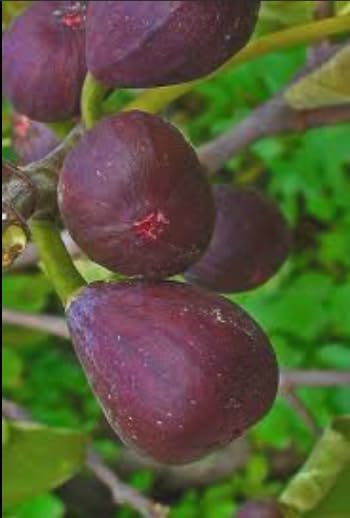
The ‘Little Ruby’ dwarf fig is a container-friendly fig tree that brings ornamental value and edible fruit to small patios or pots. It grows with a naturally compact habit suitable for bonsai training and reliably produces both breba and fall crops, so you can expect early and late harvests when grown in full sun. Practical features include cold tolerance for USDA zones 6–9 and guidance to plant in well-draining soil with moderate watering, which helps avoid root problems in containers. Because it is nursery grown and non-GMO, establishment is straightforward for gardeners who prune in winter to maintain size and encourage fruiting. Limitations to consider are the need for full sun to ripen fruit well and extra winter protection for potted specimens in the coldest site edges; also expect routine pruning and seasonal watering rather than a set-and-forget specimen. For a small-space gardener wanting edible returns, this fig balances productivity and manageability in pots.
Best for: Gardeners with limited space who prioritize a productive, manageable fruit tree for pots or patios and who are willing to prune and protect container plants seasonally.
Less Ideal for: Gardeners who want a carefree, low-light shrub or those unwilling to provide seasonal pruning and winter protection for container specimens.
- Naturally compact habit makes it well suited to containers and bonsai training
- Produces both breba and fall crops for extended harvests
- Cold tolerant for use in cooler summer climates within USDA zones 6–9
- Attractive amber-mauve fruit with a strawberry-pink interior adds ornamental and edible value
- Requires full sun to reliably ripen fruit, which may limit placement options
- Potted plants will need winter protection in colder sites and regular pruning to control size
Verdict: A compact, cold-tolerant fig bred for containers that delivers multiple harvests and fits small patios when you want an edible, manageable tree.
Sandys Nursery Blue Point Juniper, 4-inch Pot

| Expected Blooming Period | Winter |
|---|---|
| Sunlight Exposure | Full Sun |
| USDA Hardiness Zone | 4,5,6,7,8,9 |
| Unit Count | 1 Count |
This Blue Point juniper arrives in a 4-inch nursery pot and grows into a narrow, pyramidal evergreen that reaches roughly 10–14 feet tall with a 4–5 foot spread. It is typically used as a privacy border, wind screen, group planting, or accent specimen and prefers full sun but tolerates part shade. Notable features are its upright columnar habit, moderate to fast growth, and good winter color retention with minimal bronzing. The plant is drought and wind tolerant once established and only needs regular watering while roots develop, then occasional watering except during droughts. Practical benefits for container gardening include its narrow profile that works well in tighter pot spaces and its low pruning needs beyond an annual shaping. Limitations are that the plant ships small in a 4-inch pot so it will take multiple seasons to reach its mature height, and as a woody evergreen it will require a large, deep container and eventually transplanting or pruning to keep size manageable in pots.
Best for: Budget-minded gardeners who want a hardy, narrow evergreen for containers or small-space screening and are willing to grow the plant on from a small nursery pot over a few seasons.
Less Ideal for: Buyers seeking an immediate large specimen or a low-maintenance container plant that will stay small without pruning should consider alternatives.
- Upright, narrow habit ideal for tight spaces or linear privacy screens
- Tolerates drought and windy conditions once established
- Retains good winter color with minimal bronzing
- Hardy across USDA zones 4–9, broad climate adaptability
- Ships in a small 4-inch pot so multiple seasons are needed to reach mature size
- Requires a large, deep container or eventual transplanting to accommodate mature root system
Verdict: A cost-friendly way to add a narrow, hardy evergreen to pots or small gardens if you are prepared to grow it on from a 4-inch nursery pot.
Little Gem Magnolia 3 gal nursery pot

| USDA Hardiness Zone | 7-9 |
|---|---|
| Sunlight Exposure | Full Sun |
| Expected Planting Period | Spring to Fall |
| Soil Type | Acidic |
| Moisture Needs | Regular Watering |
The Little Gem Magnolia is a compact evergreen specimen sold in a 3 gallon nursery pot that brings large, fragrant, creamy-white saucer-shaped flowers to a small landscape or container. It is typically used as a patio or small-yard specimen where space is limited but year-round glossy foliage and seasonal blooms are desired. Notable features include its slow growth habit (about 1.5 feet per year), extended flowering season, and tolerance to cooler temperatures down to roughly 5 degrees Fahrenheit, which makes it more adaptable than many southern magnolias. In a pot you will appreciate its manageable size and attractive form, and regular watering plus acidic, well-drained soil and spring fertilization help it establish and bloom. Limitations are that it still ultimately becomes a small tree over time so it will need a large or deep container and occasional pruning for shape, and it prefers full sun which may restrict placement options on shaded patios. Expect to care for watering and mulch needs to keep a containerized Little Gem healthy through dry spells.
Best for: Buyers who want a reliable, low-maintenance ornamental tree for a patio or large container that offers year-round foliage and repeat blooms without rapid size increase.
Less Ideal for: People who need an instant small shrub for tight indoor spaces or those unwilling to commit to periodic repotting or pruning as the tree matures.
- Compact, slow-growing habit suited to containers or small yards
- Large, fragrant creamy-white flowers that bloom for an extended season
- Evergreen glossy foliage provides year-round interest
- Cold hardier than many southern magnolias, hardy to about 5°F
- Will reach tree size over time so requires a large/deep pot and occasional pruning
- Prefers full sun which limits shaded placement options
Verdict: A dependable, compact evergreen magnolia that delivers year-round foliage and long-lasting fragrant blooms for patios and large pots.
PERFECT PLANTS Chicago Hardy Fig Tree, 3 Gallon, Live Plant

| Sunlight Exposure | Full Sun |
|---|---|
| Moisture Needs | Moderate Watering |
| Other Special Features of the Product | Easy To Use |
| Item Type Name | Live Plant |
The Chicago Hardy Fig in a 3-gallon container is a live fruit tree meant for buyers who want a productive, low-fuss fig they can keep on a patio or plant in the landscape. It arrives as a young tree with upright, leggy branches and large green leaves and is described as self-pollinating and cold-hardy, so it will set fruit without another tree and tolerate below-freezing temperatures. Typical use is planting in full sun either directly in the ground or in a large pot; the included fig food and care guide simplify first-season establishment. Practical benefits include strong fruiting potential, suitability for container culture when pruned and managed, and resilience to cold snaps that extend its geographic usability. Important limitations are its eventual mature size, which can be large if planted in ground, and the need for regular watering and pruning when grown in pots to control vigor and keep fruiting within reach. Buyers should expect to invest time in seasonal pruning and container maintenance to get reliable harvests.
Best for: Gardeners who prioritize fruit production and want a dependable, cold-tolerant fig they can grow on a sunny patio or in a container with attentive pruning and watering.
Less Ideal for: People with very small balconies or those unwilling to perform seasonal pruning and container care should consider smaller dwarf varieties instead.
- Self-pollinating so it sets fruit without another fig tree nearby
- Cold-hardy variety that tolerates below-freezing temperatures
- Comes in a ready-to-plant 3-gallon container with a care guide
- Suitable for full-sun locations and can fruit reliably when established
- Matures into a large tree if planted in ground, requiring significant space or regular pruning
- Needs consistent watering and container maintenance when grown in pots
Verdict: Choose this cold-hardy, self-pollinating fig when you want a productive fruit tree that can be grown in a large pot or planted in sunny landscapes for dependable annual harvests.
Brussel's Bonsai Green Mound Juniper Live Bonsai Tree (Potted)

| Indoor Outdoor Usage | Outdoor |
|---|---|
| Sunlight Exposure | Full Sun, Partial Shade |
| Soil Type | Loam Soil |
| Moisture Needs | Moderate Watering |
This Green Mound Juniper is a compact, beginner-friendly outdoor bonsai that arrives potted and ready to display on a patio, porch, or balcony. As a hardy conifer it tolerates full sun to partial shade and stays evergreen year-round, making it suitable for small containers where low growth habit is preferred. Typical use is simple: set the pot in a bright outdoor spot, water moderately to keep loam-based soil evenly moist but not waterlogged, and prune or train gradually as the plant grows. Notable features include its slow growth, compact foliage that responds well to shaping, and a ceramic pot presentation that works for outdoor décor. Practical benefits are low maintenance for novice growers and long-term longevity compared with many decorative plants. Limitations are that the listing notes small overall size and container color may vary and that this is an outdoor plant so it does not suit year-round indoor display in colder climates without special care.
Best for: Gardeners who want a low-maintenance, long-lived bonsai to display in pots on patios or balconies and prefer a forgiving, easy-to-train conifer for outdoor container planting.
Less Ideal for: People seeking a large statement tree or a flowering specimen for seasonal color; not recommended for those who need a guaranteed matching decorative pot.
- Hardy evergreen conifer that tolerates full sun to partial shade
- Beginner friendly and slow-growing, easy to prune and train
- Arrives potted and ready to place in outdoor containers or small spaces
- Low to moderate watering needs suitable for routine container care
- Small mature size may be too tiny for buyers seeking a larger focal tree
- Container color and shape can vary and are not guaranteed
Verdict: Choose this juniper bonsai when you want a hardy, low-maintenance evergreen that performs well in pots on patios and small outdoor spaces.
Choosing the Right Hardy Trees for Pots: Key Factors to Consider
Cold Hardiness and Microclimate
Cold tolerance determines whether a tree will survive winter in a pot because containers offer less insulation than ground soil. Consider the lowest winter temperatures in your area and whether the chosen tree has reliable hardiness ratings at or below that range.
Microclimates around walls, under eaves, or on sheltered patios can raise winter temperatures slightly and help marginally hardy trees survive. However, exposed balconies and rooftop terraces can be colder and windier. Plan for wind chill and the increased freeze-thaw stress containers impose, and select trees that tolerate those conditions.
Container Size and Root Volume
A tree's long-term health depends on available root volume. Larger containers reduce the need for frequent repotting and buffer temperature swings, while small pots limit root growth and may shorten the tree's useful life in the container.
Think about the mature root spread relative to the pot diameter you can provide. Some hardy trees adapt to being root-bound for years without decline; others need space to avoid rapid drying and nutrient depletion. Choosing the right pot size also affects stability and wind resistance.
Root Habit and Stability
Root habit influences how well a tree anchors in a pot and how often it will need staking. Trees with shallow, fibrous root systems usually establish secure, stable root balls in containers, while tap-rooted or very vigorous rooters are prone to tipping or becoming root-bound quickly.
Stability also relates to crown size and wind exposure. Smaller-crowned species or those with denser wood are less likely to uproot in gusts. If you expect windy conditions, prioritize species with a history of stable container performance.
Growth Rate and Maintenance Needs
Growth rate affects pruning, repotting frequency, and nutrient demand. Fast-growing trees can outgrow containers quickly, requiring more frequent root pruning and pot upgrades. Slow to moderate growers are often easier to manage in restricted soil.
Also factor in routine tasks like watering, feeding, and pest checks. Containers dry faster than in-ground plantings, so species that tolerate intermittent drying or have lower nutrient demands make better low-maintenance container subjects.
Seasonal Interest and Function
Decide what you want the tree to provide: shade, spring flowers, autumn color, or winter bark interest. Some hardy trees for pots offer multi-season appeal that justifies slightly higher maintenance.
Matching function to placement matters. If you need summer shade on a terrace choose a species with a dense canopy; if winter structure is important, pick trees with attractive bark or branch silhouette. Balancing ornamental goals with the practical limits of container culture leads to better long-term satisfaction.
Choosing the Right Container
Container material and drainage greatly influence moisture retention and winter protection. Unglazed clay breathes and cools roots but dries out faster and may crack in freeze-thaw cycles. Lightweight composite and fiberglass pots retain heat and are easier to move, while wooden planters offer insulation but need rot-resistant construction.
Thicker-walled containers and double-potting strategies help buffer roots against cold. Ensure drainage holes are present and consider a footed base to keep the pot off cold or saturated surfaces.
- Use the largest pot you can reasonably move; volume matters more than height.
- Provide adequate drainage and use a free-draining container mix to avoid waterlogging in winter.
- Consider pot liners or insulating wraps for extreme cold, but avoid trapping moisture against the root ball.
Potting Mix and Fertilization for Containers
A tailored potting medium is essential because garden soil compacts and retains too much water in containers. Use a mix with good structure, such as a blend of bark, composted material, and a mineral component to improve drainage and aeration.
Fertilize on a schedule suited to the tree's growth rate. Containers exhaust nutrients faster than beds, so a steady but measured feeding strategy avoids salt buildup and excessive leafy growth that increases wind-sail.
- Choose a mix with roughly 20 to 30 percent organic matter and added grit or perlite for drainage.
- Apply a balanced, slow-release fertilizer according to label guidance and supplement with liquid feeds during the growing season if growth slows.
Winter Protection and Overwintering Techniques
Because containers expose roots to colder temperatures, winter protection is often necessary for marginally hardy specimens. Grouping pots together near a sheltered wall, wrapping pots with insulating material, and moving smaller pots to protected locations can prevent root freeze.
Mulching the top of the root ball with straw or bark in late fall reduces freeze-thaw cycles, and temporary windbreaks reduce desiccation. For extremely cold climates, consider moving containers into an unheated garage or cold frame until spring.
- Elevate pots slightly to avoid sitting in frozen water.
- Water plants well before a hard freeze to ensure roots are hydrated but not waterlogged.
- Avoid heavy late-season fertilization that stimulates tender late growth vulnerable to frost.
Pruning and Shaping for Container Health
Regular crown and root pruning keep trees manageable in pots. Light crown reduction preserves form and reduces top-heaviness, while periodic root pruning at repotting time prevents root circling and allows fresh potting mix to replenish nutrients.
Train young specimens to a strong central leader or desired form early, and remove crossing or congested branches to maintain architecture and airflow. Pruning also helps balance shoot growth with constrained root systems.
- Perform root pruning every few years, reducing the root ball by up to one third for mature container trees.
- Prune in the dormant season for most species to limit sap loss and reduce stress.
How We Chose the Best Hardy Trees for Pots
We shortlisted trees that reliably perform in containers in climates where winter cold is a concern. Selection focused on species and cultivars with documented cold hardiness, compact mature size, and root systems that adapt to restricted soil volumes. We excluded fast-spreading forest species, trees that require extensive grafting maintenance, and those known for invasive roots that damage pots or nearby structures. Evaluation criteria emphasized cold hardiness rating and known performance in outdoor containers; container adaptability including root habit and responsiveness to pruning; seasonal ornamental interest such as flowers, bark, or foliage color; structural stability and wind tolerance when grown in pots; and maintenance needs including watering frequency and pruning sensitivity. We also considered availability of sizes suited to containers and typical life span in restricted soil. Plants not regularly grown in containers or lacking regional cold hardiness data were omitted from the list.
FAQ
Can any tree be grown successfully in a pot?
Not any tree will thrive in a container. Trees with naturally compact growth habits or fibrous root systems adapt best. Large, fast-rooting species or those with deep taproots usually struggle long term in pots.
How large should the pot be for a small tree?
Choose the largest pot you can accommodate. For small trees, a wide, deep container that provides ample soil volume will reduce watering frequency and increase stability. Exact dimensions depend on the species and the expected root spread.
How often will container trees need watering in summer?
Watering frequency varies with pot size, pot material, and weather. In hot weather small pots may need daily checks, while large insulated containers may go several days between waterings. Monitor the top few inches of the potting mix for dryness.
Do container trees need different fertilizer than in-ground trees?
Yes. Containers have limited nutrient reserves and need regular feeding. Use a balanced slow-release fertilizer as a base and supplement with liquid feed during active growth, watching for salt buildup.
When should I repot or root-prune a tree in a container?
Repot or root-prune every few years depending on growth rate and pot size. Slow-growing, well-behaved trees may only need minimal root work occasionally; faster growers require more frequent attention to avoid becoming root-bound.
Can I overwinter potted trees outdoors in cold climates?
Many hardy container trees survive outdoors with proper protection such as insulating wraps, sheltered placement, and mulched root balls. However, marginally hardy species or those in very exposed sites may need to be moved to a protected area for winter.
Final Verdict
Potted trees can give patios and small gardens scale, shade, and seasonal interest when you match species to space and climate. Prioritize cold hardiness, container adaptability, and root stability over purely ornamental traits to reduce winter risk and maintenance hassles. Accept tradeoffs between size and longevity in a pot: larger containers extend a tree's lifespan but require more room and weight handling. Use the decision criteria above to pick a tree that fits your microclimate, desired function, and the container you can provide for dependable results.
