

Note: This article contains affiliate links. If you click on these links and make a purchase, I may earn a small commission at no extra cost to you. This helps support my research and content. Read my full affiliate disclosure here.
If you have a dim hallway, north-facing room, or apartment with small windows, picking the right plants matters more than watering routines. Plants that tolerate very low light stay healthier, suffer fewer leaf losses, and need less frequent repositioning. This guide covers seven shortlisted plants suited to very low light conditions, selected for steady foliage, forgiving care, and indoor resilience. We evaluate each option on core gardener concerns like true low-light tolerance and routine maintenance demands. Read on to find the best low-light choices and quick tips for keeping them thriving.
Top Picks at a Glance
| Best Overall The best all-around choice for most situations | Tropical Plants of Florida ZZ Plant (Zamioculcas zamiifolia) in 6" Nursery Pot |  |
| Best Quality Built to a higher standard if you want something more solid | Costa Farms Chinese Evergreen (Aglaonema) Live Indoor Plant, Medium, in Grow Pot |  |
| Best Value The sweet spot between price and what you get | Plants for Pets Essential Houseplant Collection, 4‑Pack (4.25" Nursery Pots) | 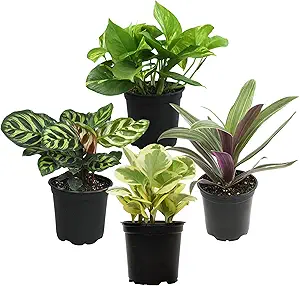 |
| Best Budget The cheapest option that still gets the job done reliably | Prime Plants California Sansevieria trifasciata 'Superba' (Dwarf Snake Plant) in 4" Pot |  |
| Highest Rated A top-rated pick with lots of positive feedback | Thorsen's Greenhouse Live Golden Pothos, 4" Pot |  |
| Most Popular A crowd favorite that many people choose with confidence | Costa Farms Snake Plant 3-Pack (Live Indoor Plants, 8–12 in, in Grower Pots) |  |
| Best Seller A high-volume bestseller chosen again and again | Plants for Pets Pothos 4-Pack (4" Assorted) |  |
Tropical Plants of Florida ZZ Plant (Zamioculcas zamiifolia) in 6" Nursery Pot

| Indoor Outdoor Usage | Indoor, Outdoor |
|---|---|
| Other Special Features of the Product | Air Purification, Compact, Drought Tolerant, Low Maintenance |
| Sunlight Exposure | Partial Sun |
| USDA Hardiness Zone | 9, 10, 11 |
| Moisture Needs | Little To No Watering |
The ZZ Plant (Zamioculcas zamiifolia) is a resilient, performance-focused houseplant suited to low- or no-sun interiors like offices, bathrooms, and windowless rooms. Arriving in a 6-inch grower pot, it produces upright stems of glossy green leaflets that keep their shape with minimal intervention. Care is straightforward: place in low to bright indirect light and water only when the top inch of soil is dry so the pot drains fully. Notable features include drought tolerance, low maintenance needs, and reported air-purifying qualities, which make it forgiving for busy owners or frequent travelers. Because it tolerates low light better than many houseplants, it functions well as a decorative, long-lived green accent where light is limited. Important limitations are that it prefers indirect light for best growth and is susceptible to overwatering, which causes yellowing; it is not a fast grower, so you should not expect rapid size gains. For someone prioritizing dependable, low-effort greenery in low-light spaces, the ZZ Plant delivers consistent, attractive results.
Best for: Buyers who want a dependable, low-effort green accent for low-light rooms and prioritize a plant that survives neglect while still looking polished.
Less Ideal for: People seeking a fast-growing statement plant or someone who wants flowering houseplants or bright direct-sun lovers.
- Tolerates low to bright indirect light making it suitable for windowless or dim spaces
- Very drought tolerant and forgiving of infrequent watering
- Compact size from the 6-inch nursery pot fits desks, shelves, and small corners
- Glossy, upright foliage provides year-round decorative interest and air-purifying benefits
- Slow grower compared with faster houseplants
- Sensitive to overwatering and root rot if not allowed to dry between waterings
Verdict: If you need a low-light, low-maintenance plant that stays healthy with minimal care, the ZZ Plant is a top practical choice.
Costa Farms Chinese Evergreen (Aglaonema) Live Indoor Plant, Medium, in Grow Pot

| Indoor Outdoor Usage | Indoor |
|---|---|
| Other Special Features of the Product | Air Purification |
| Sunlight Exposure | Partial Sun |
| Moisture Needs | Regular Watering |
| USDA Hardiness Zone | 10-11 |
The Costa Farms Chinese Evergreen is a straightforward choice when you want a tall, low-light houseplant that does most of the work for you. It’s an Aglaonema sent in a plastic grow pot and described as reaching about three feet tall, with variegated leaves that provide a strong decorative focal point for a living room, office, or bedroom. Care needs are minimal: the plant tolerates a range of light levels (does well in partial to low light) and requires only regular watering—about a cup once a week as a starting guideline. The listing highlights air-purifying qualities and farm-fresh packaging, so you get a plant ready to display on arrival. Important limitations are that it is not frost-hardy and needs indoor temperatures consistent with USDA zones 10 to 11, and the grow pot is basic plastic so you may want to transplant to a decorative container for long-term display. For someone focused on performance in low-light spaces, this plant delivers attractive foliage and reliable vigor with modest maintenance.
Best for: Buyers who need a tall, low-light tolerant plant that performs reliably with minimal attention and makes an immediate decorative statement indoors.
Less Ideal for: People who want an outdoor-hardy specimen or who prefer flowering plants or compact desk plants; also not suited for unheated spaces exposed to cold.
- Tolerates low to medium light, suitable for dim rooms and offices
- Low watering needs with simple weekly guideline
- Variegated large leaves provide strong decorative presence
- Advertised air-purifying benefit for indoor environments
- Shipped in a basic plastic grow pot so transplanting may be desirable
- Not cold-hardy and requires indoor temperatures above cool-zone ranges
Verdict: A reliable, tall Aglaonema that delivers impressive foliage and low-light performance for buyers who prioritize dependable indoor plant performance with minimal upkeep.
Plants for Pets Essential Houseplant Collection, 4‑Pack (4.25" Nursery Pots)

| Indoor Outdoor Usage | Indoor, Outdoor |
|---|---|
| Other Special Features of the Product | Air Purification, Compact, Low Maintenance |
| Sunlight Exposure | Partial Sun |
| Moisture Needs | Regular Watering |
This four-pack of assorted houseplants delivers a convenient starter set for low-light indoor spaces by shipping four healthy greenhouse-grown plants in 4.25" nursery pots. The assortment includes popular, easy-care genera such as Pothos, Philodendron, Peperomia, Calathea and similar foliage plants that tolerate indirect or lower light. Typical use is to place these on shelves, desks, or bathrooms with limited sunlight and follow simple care guidance: bright indirect to partial sun and water when the soil begins to dry. Notable features are the hand-selected stock from climate-controlled greenhouses, small nursery pots for easy placement, and emphasis on low maintenance and air purification. Practical benefits include variety in foliage types for quick visual impact, minimal initial upkeep for new plant owners, and plant choices that broadly tolerate lower light. Important limitations are the small pot size which means more frequent watering and earlier repotting for long-term growth, and the exact varieties are randomized so you cannot guarantee a specific species in each pack.
Best for: Buyers who want a practical, low-effort way to add greenery to dim rooms and prefer a ready-to-place assortment that requires minimal initial care.
Less Ideal for: Collectors who need specific species or mature specimens and gardeners who want plants already planted in decorative or larger containers.
- Includes four different, easy-care houseplants that tolerate indirect and lower light
- Shipped in small 4.25" nursery pots that are easy to place around the home
- Plants are greenhouse-grown and hand-selected for health and vibrant foliage
- Promoted as low-maintenance with general air purification benefits
- Small nursery pots limit long-term growth and require repotting sooner
- Assortment is randomized so you may not receive a specific desired variety
Verdict: A convenient, low-maintenance four-pack of small houseplants that makes it easy to add tolerant foliage to low-light indoor spaces.
Prime Plants California Sansevieria trifasciata 'Superba' (Dwarf Snake Plant) in 4" Pot

| Plant Type | Sansevieria trifasciata 'Superba' |
|---|---|
| Pot Size | 4-inch nursery pot |
| Light Requirements | Low to bright indirect light |
| Watering | Water when the whole pot is dry |
| USDA Hardiness Zone | 8-11 |
The Dwarf Snake Plant 'Superba' is a small, hardy Sansevieria that ships ready in a 4-inch pot and is designed for small indoor spaces. It is typically placed on desks, shelves, windowsills, or nightstands where low to bright indirect light is available. Notable features include bold yellow variegation, drought tolerance, and NASA-recognized air-purifying properties, which make it both decorative and functional. Practical benefits are minimal care requirements, strong tolerance for missed waterings, and compact size that fits crowded apartments or offices. Because it arrives fully rooted, there is no potting setup required other than an eventual move to a larger container as it grows. Important limitations are its mild toxicity to pets if chewed and the small nursery pot size, which means you may need to repot within months if you want a larger specimen. For buyers focused on easy, low-maintenance greenery that improves indoor air, this cultivar is a sensible, low-effort option.
Best for: Ideal for budget-minded beginners or busy people who want a resilient, attractive houseplant that needs little attention and fits into tight indoor spaces.
Less Ideal for: Not the best choice for buyers wanting a large statement plant right away or households with pets that aggressively chew plants.
- Very low maintenance and drought tolerant, tolerates missed waterings
- Performs well in low to bright indirect light, suitable for dim rooms
- Compact dwarf form fits desks, shelves, and small apartments
- Ships fully rooted in a 4-inch pot so it is ready to display immediately
- Mildly toxic to pets if ingested
- Arrives in a small nursery pot and may need repotting sooner than larger plants
Verdict: A very affordable, low-care dwarf snake plant that brings bold variegated foliage and easy maintenance to small, low-light indoor spaces.
Thorsen's Greenhouse Live Golden Pothos, 4" Pot

| Indoor Outdoor Usage | Indoor |
|---|---|
| Other Special Features of the Product | Air Purification, Low Maintenance |
| Sunlight Exposure | Partial Sun |
| Soil Type | Peat Soil |
| Moisture Needs | Moderate Watering |
This Golden Pothos is a straightforward, reliable houseplant for people who want a low-maintenance trailing vine that tolerates low light. It arrives in a 4-inch grower pot placed inside a white plastic cache pot and typically ships 5 to 8 inches tall. Golden Pothos thrives in partial to lower light and needs only moderate watering, so it is well suited to hanging baskets, shelves, or trailing down bookcases. The plant is noted for air-purifying qualities and the yellow-green variegation becomes more pronounced with brighter light. Practical benefits include easy care, adaptable light tolerance, and an attractive trailing habit that adds greenery with minimal fuss. Limitations are that the decorative cache pot has no drainage holes so you must be careful not to overwater or transplant into a drained container for long-term growth, and the small 4-inch starter pot means frequent repotting if you want larger vines quickly.
Best for: Buyers who want a dependable, low-effort indoor plant that looks good in dim rooms and requires minimal daily care.
Less Ideal for: People seeking a mature, large specimen or a pot with built-in drainage should consider larger nursery plants or a planter with drainage instead.
- Very low maintenance and tolerant of low light conditions
- Trailing habit works well in hanging baskets or on shelves
- Ships in a grower pot inside a decorative cache pot for immediate display
- Recognized for air-purifying properties
- Cache pot has no drainage holes which increases risk of overwatering
- Comes in a small 4-inch pot so repotting may be needed soon for bigger growth
Verdict: A reliable, low-care pothos that delivers easy greenery and air-purifying benefits for very low-light indoor spaces.
Costa Farms Snake Plant 3-Pack (Live Indoor Plants, 8–12 in, in Grower Pots)

| Indoor Outdoor Usage | Indoor |
|---|---|
| Other Special Features of the Product | Air Purification, Drought Tolerant, Low Maintenance |
| Sunlight Exposure | Partial Sun |
| Moisture Needs | Little To No Watering |
| Product Care Instructions | Bright, Indirect Sunlight; Water 2-3 cups once a week |
These Costa Farms snake plants are a practical choice when you want low-maintenance greenery that still makes a visual impact. The 3-pack arrives in grower pots with plants sized about 8 to 12 inches tall, ready to place on shelves, desks, or narrow corners. Snake plants tolerate a wide range of light and require very little water, so they work well in dim bedrooms, windowless offices, or busy homes where regular care is unlikely. Notable features include drought tolerance, air-purifying qualities, and packaging designed to protect upright leaves during transit. The main benefits are instant decor with architectural vertical foliage, ease of care for beginner plant owners, and the flexibility to split the trio across rooms or give individual plants as gifts. Limitations are inherent to small potted plants: they are starter-size rather than mature floor specimens and come in plain grower pots so you may want to repot into decorative containers for long-term display.
Best for: Buyers who want reliable, low-effort houseplants to brighten low-light rooms or busy spaces and who value proven, widely purchased varieties with straightforward care.
Less Ideal for: People seeking large, mature statement floor plants or those who want decorative pots included out of the box.
- Very low water needs and tolerant of neglected watering
- Performs well in low to partial sun, suitable for dim indoor spots
- Arrives in a coordinated 3-pack for consistent styling across multiple areas
- Small, vertical growth habit fits narrow shelves and desks
- Advertised air-purifying benefit for healthier indoor air
- Ships in basic grower pots, so repotting or decorative containers are needed for long-term display
- Plants are starter-size (8–12 inches) rather than fully mature floor specimens
Verdict: Choose this 3-pack if you want dependable, nearly indestructible plants that add vertical greenery to low-light rooms with minimal care required.
Plants for Pets Pothos 4-Pack (4" Assorted)

| Indoor Outdoor Usage | Indoor |
|---|---|
| Other Special Features of the Product | Air Purification |
| Sunlight Exposure | Full Sun |
| Moisture Needs | Regular Watering |
| USDA Hardiness Zone | 3 |
This four-pack delivers beginner-friendly pothos varieties that suit low-light rooms and simple indoor care routines. Each plant comes rooted in a 4" nursery pot and the assortment rotates between familiar types such as Marble Queen, Golden, Neon, and Satin, so you get visual variety without extra effort. Pothos are typically grown in hanging planters, on shelves, or trained up a support; they prefer bright, indirect light but tolerate lower light levels that many apartments and offices have. The listing emphasizes air-purifying benefits and gives clear care guidance: allow the soil to dry between waterings and keep temperatures above about 60 F. Practical strengths are resilience, fast trailing growth for a lush look, and compatibility with common indoor spots like living rooms, kitchens, or bathrooms. Limitations are that you may receive different varieties than pictured and plants arrive in small 4" pots, so plan to repot sooner if you want bigger specimens or longer-term display without frequent watering.
Best for: Buyers who want low-maintenance greenery for indoor spaces and prefer reliable, easy-to-care-for plants that tolerate lower light and occasional neglect.
Less Ideal for: Growers seeking large, mature plants ready for instant statement displays or those who want guaranteed, specific rare varieties.
- Easy to grow and tolerant of low to bright indirect light
- Four different varieties provide visual variety in one purchase
- Ships in small nursery pots that establish quickly and are ready for hanging or shelving displays
- Listed care guidance is straightforward for first-time plant owners
- Arrives in 4" pots so plants may need repotting soon for faster growth or long-term display
- Specific varieties are not guaranteed and assortment can vary
Verdict: A simple, low-maintenance way to add trailing, low-light-friendly pothos to your home with minimal fuss.
Choosing the Right Plants for Very Low Light: Key Factors to Consider
True Low-Light Tolerance
Not all shade is the same. Very low light means little direct or reflected sun for most of the day, so choose plants that can photosynthesize effectively with minimal photon input. Plants adapted to understory conditions usually produce larger, thinner leaves that capture more light, and they grow more slowly. Expect reduced growth and avoid species that need bright, indirect light to maintain color or variegation.
Assess the actual light you have by observing whether you can read comfortably without artificial light during the day or by noting how close windows are and whether they face north or are shaded by buildings or trees. Match plants with their documented low-light ratings rather than relying on “easy” labels.
Watering and Soil Drainage Needs
Low light slows soil drying, so overwatering is the most common mistake. Look for plants that tolerate infrequent watering and can handle a brief period of drought. Use well-draining mixes and pots with drainage holes to avoid root rot in dim corners.
Consider whether you have a routine for checking soil moisture and whether you prefer to err on the dry side. Mulching topsoil or using soil additives can help balance moisture, but proper pot selection is the simplest control against over-saturation.
Growth Habit and Space Requirements
Plants suited for very low light often have compact or upright growth habits but some trailing species also perform well. Think about eventual size and how the plant fits the space: a tall, slow-growing specimen can work in a narrow hallway, while a trailing plant looks best on a shelf or high cabinet.
Plan for pot rotation or occasional pruning to keep plants proportional to their setting. Source plants that maintain an attractive form at smaller sizes if you cannot relocate them to brighter spots periodically.
Tolerance to Indoor Conditions
Indoor environments vary in temperature swings, heating dryness, and fluctuating humidity. Choose plants that tolerate typical household climates rather than those needing greenhouse-level humidity or stable temperatures.
Hardier indoor plants cope with heating-season dryness and brief cold drafts near doors or poorly insulated windows. If your home runs exceptionally dry, factor in humidity-tolerant options or plan to use simple humidity boosts like pebble trays or occasional misting.
Pest and Disease Resilience
Low-light, low-airflow areas can invite scale, mealybugs, and fungal issues if plants are stressed. Favor species with a track record of resisting common indoor pests or that respond well to routine inspections and simple treatments.
Good cultural practices reduce risk: avoid overwatering, remove yellowing leaves promptly, and keep foliage clean. Choose plants that reveal problems early through visible symptoms so you can intervene before infestations spread.
Maintenance and Aesthetic Longevity
Consider how much pruning, cleaning, or leaf removal you will tolerate. Some low-light plants demand minimal grooming and maintain a tidy appearance for months; others drop leaves more frequently and require ongoing cleanup.
Decide whether you want a plant that will be decades-long and slowly change form or a short-term decorative piece. The right match reduces maintenance friction and keeps rooms looking purposeful rather than cluttered with decaying foliage.
Placement Strategies in Very Low Light Rooms
Positioning matters as much as species selection. Place plants as close to the brightest available windows without exposing them to cold drafts or hot sun patches. Hallways and interior rooms with only artificial daytime light can still support the right selections if you use reflective surfaces or mirror placement to maximize available light.
- Group plants near doors or stairwells that have occasional indirect light to create microclimates.
- Rotate pots periodically when a room gets uneven light to prevent lop-sided growth.
- Use light-colored walls or a small mirror behind a plant to increase reflected light without adding fixtures.
Supplemental Light Options Without Overcomplicating Care
If natural light is extremely limited, small, low-output LED grow lamps can make a big difference while keeping maintenance simple. Opt for broad-spectrum, low-heat fixtures and position them on a timer for consistent daylength. Even a few hours of supplemental light can maintain leaf color and reduce legginess in many low-light species.
- Set timers for 8 to 10 hours of light rather than full daytime length to mimic understory conditions.
- Place lamps 12 to 24 inches above the canopy for even coverage and to avoid concentrated hot spots.
- Choose fixtures that fit your space size so you do not need constant repositioning.
Potting Mix and Repotting Frequency for Dim Interiors
Use a well-draining potting mix with some organic matter to retain modest moisture without becoming waterlogged. In low light, plants grow more slowly, so repotting is less frequent; most low-light species need repotting every 2 to 4 years depending on root crowding. When repotting, increase container size by one increment to avoid excessive soil volume that holds too much moisture.
- Include perlite or coarse sand to improve drainage in mixes.
- Avoid oversized pots that increase wet soil duration.
- Inspect roots when repotting to trim any rotten or overly dense sections.
Seasonal Care and Dormancy Expectations
Many low-light plants enter a semi-dormant phase in winter with slower growth and reduced watering needs. Reduce fertilizer and water during this time to match lower metabolic activity. Expect less visual vigor in short-day months and adjust expectations for flowering: most very low light plants prioritize leaf health over blooms.
- Stop heavy feeding in late fall and resume light feeding in spring.
- Keep plants away from cold windowsills at night to prevent temperature stress.
- Monitor humidity in winter heating season and compensate if leaves show browning tips.
How We Chose the Best Plants for Very Low Light
We selected plants based on traits that matter for growers dealing with very low light indoors. Primary evaluation criteria included demonstrated low-light tolerance, ease of cultural care, pest and disease resistance in indoor settings, growth form and space footprint, and adaptability to typical household conditions such as dry air or irregular watering. We favored plants that maintain foliage color and structure rather than those that merely survive for a short time. We excluded plants that require bright indirect light, seasonal forcing, or complex humidity systems. We also removed varieties known for heavy flowering needs or strict temperature ranges that are impractical for most homes. Selection focused on species-level characteristics and general habit rather than particular cultivars so recommendations remain useful across common interiors. The list emphasizes durable, low-maintenance options that give predictable results under very low light and typical indoor care routines.
FAQ
Can any plant survive in a windowless room?
Some plants can tolerate very low or no direct natural light for extended periods, but true survival often depends on the presence of consistent artificial light or periodic relocation to brighter conditions. Choose species known for low-light tolerance and provide routine care to avoid decline.
How often should I water plants in very low light?
Water less frequently than for brighter spots because soil dries slowly. Check moisture with a finger probe or moisture meter and only water when the top inch or two of soil feels dry. Overwatering is a more common hazard than underwatering in dim interiors.
Will low light cause pests to appear more often?
Pests are more likely when plants are stressed, which can happen in low light. Reduced growth and slower leaf turnover create conditions where pests or fungal issues can persist. Regular inspection and good cultural care reduce the risk.
Can I keep variegated plants in very low light?
Variegated varieties usually need more light than solid-green counterparts because the pale leaf areas have less chlorophyll. In very low light, variegation often fades and plants become leggy. For dim rooms, select solid-leaf species for the most reliable results.
Do low-light plants need fertilizing?
They need less fertilizer because slow growth reduces nutrient demand. Apply a diluted, balanced fertilizer during the growing season and reduce or pause feeding in winter. Over-fertilizing weak, slow-growing plants can cause salt buildup and leaf damage.
Final Verdict
For very low light situations, prioritize species that are documented as shade-adapted, tolerate infrequent watering, and resist common indoor pests. Accept slower growth and select plants with a compact or adaptable habit so they remain attractive in dim corners. Tradeoffs are inevitable: greater low-light tolerance usually means less frequent flowering and slower visual change. Focus on the scoring criteria that matter most for your space, and you will end up with durable houseplants that keep interiors green with minimal fuss.
