

Note: This article contains affiliate links. If you click on these links and make a purchase, I may earn a small commission at no extra cost to you. This helps support my research and content. Read my full affiliate disclosure here.
If you want attractive containers that endure frost, choosing truly cold hardy potted plants makes the difference between a lively winter porch and a frozen mess. Cold-hardy specimens behave differently in pots than in-ground plants because roots are exposed to colder air and limited soil volume. This guide shortlists seven top options suited to colder climates and container culture, with notes on hardiness, winter protection, and routine container care. Below we explain how we evaluated each pick and which plant traits matter most for overwintering in pots, so you can pick containers that keep their shape and interest through the cold season.
Top Picks at a Glance
| Best Overall The best all-around choice for most situations | Green Promise Farms Helleborus x 'Ivory Prince' (Christmas Rose) 1-Gallon Perennial |  |
| Best Quality Built to a higher standard if you want something more solid | Perfect Plants Russian Pomegranate Tree, 3 Gallon, Live Plant |  |
| Best Value The sweet spot between price and what you get | Mountain Crest Gardens Hardy Succulents 6-Pack (Rooted in 2" Pots) |  |
| Best Budget The cheapest option that still gets the job done reliably | Chokecherry Live Plant, Cold-Hardy Berry Shrub in 5" Pot |  |
| Highest Rated A top-rated pick with lots of positive feedback | Mountain Crest Gardens Sempervivum Succulents Variety Pack, 6 Live Rosette Plants |  |
| Most Popular A crowd favorite that many people choose with confidence | PERFECT PLANTS Frostproof Gardenia Live Plant, 1 Gallon |  |
| Best Seller A high-volume bestseller chosen again and again | Daylily Nursery Hellebore (3-pack) in 2.5-inch Pots |  |
Green Promise Farms Helleborus x 'Ivory Prince' (Christmas Rose) 1-Gallon Perennial

| Sunlight Exposure | Full Shade |
|---|---|
| USDA Hardiness Zone | 6 |
| Expected Blooming Period | Fall |
| Soil Type | Sandy Soil |
| Moisture Needs | Moderate Watering |
The Green Promise Farms Helleborus x 'Ivory Prince' is a ready-to-plant perennial that performs in shade where many potted flowers struggle. It arrives in a 1‑gallon container with established roots and forms a tidy mound of leathery evergreen leaves; reddish-pink buds open to up-facing creamy white flowers from late fall into early spring, extending visual interest when most other plants are dormant. Use it in shaded patio containers, mixed shade borders, or as a low groundcover in rock gardens. It prefers organically rich, well-drained soil and moderate watering, and tolerates summer heat and humidity in USDA zones 5–8. Notable practical benefits are low ongoing maintenance, winter-to-spring bloom timing that fills a seasonal gap, and a compact habit that fits small pots and tight shade spots. Limitations are that it is adapted to part to full shade so it will not perform well in hot full sun, and buyers seeking very large showy summer blooms should consider other species. Planting instruction and care guidance are included to help ensure quick establishment after planting.
Best for: Gardeners who need a low‑maintenance, high‑impact shade perennial for patios, containers, or shaded borders and who prioritize seasonal performance over large summer blooms.
Less Ideal for: Those wanting bright full‑sun annuals or very large, showy summer flowering plants should look elsewhere.
- Delivered in a 1‑gallon pot ready to plant, reducing transplant shock
- Blooms in late fall through early spring to provide color when most shade flowers are dormant
- Evergreen, leathery foliage forms an attractive low mound year‑round
- Performs reliably in part to full shade and tolerates heat and humidity in appropriate zones
- Not suited for full sun exposure which can stress the plant
- Mature spread recommends planting multiple inches apart, so single small pots limit long‑term growth potential
Verdict: Choose this Helleborus if you want an easy‑care potted perennial that reliably blooms in late fall to early spring and thrives in shaded patios and containers.
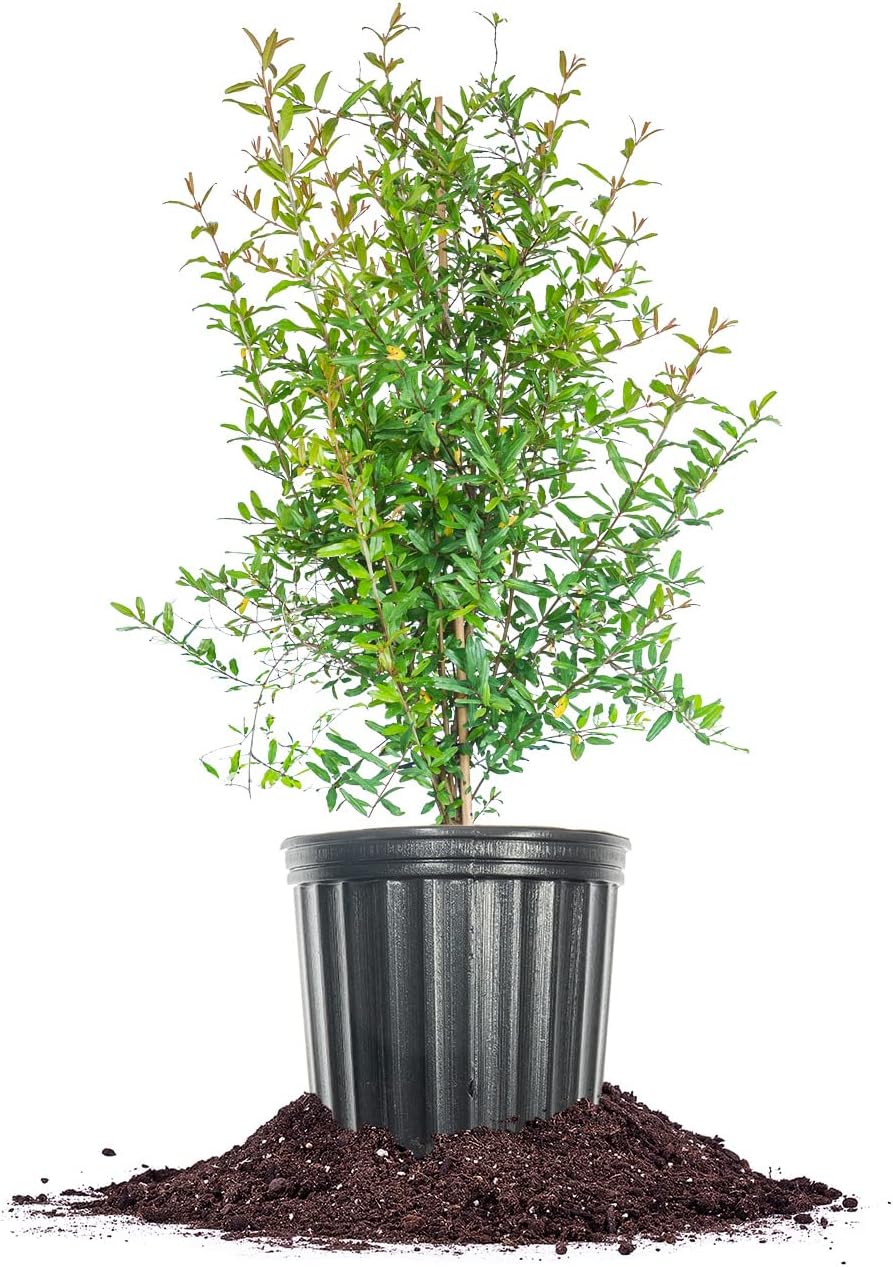
Perfect Plants Russian Pomegranate Tree, 3 Gallon, Live Plant
| Indoor Outdoor Usage | Outdoor |
|---|---|
| USDA Hardiness Zone | 6, 7, 8, 9 |
| Sunlight Exposure | Full Sun |
| Moisture Needs | Little To No Watering |
| Other Special Features of the Product | Attracts Pollinators, Drought Tolerant, Fragrant |
This Russian pomegranate arrives as a 3-gallon live plant intended for outdoor planting in full sun and delivers both ornamental value and edible fruit. It is typically used as a compact shrub or trained into a small tree that blooms in spring and can begin fruiting within a couple of years. Notable features include cold hardiness to USDA zones 6–9, drought tolerance, self-pollinating fruit set, and fragrant, long-blooming red flowers that attract pollinators. For gardeners focused on reliable performance in cooler climates, the variety’s hardiness and low moisture needs mean less fuss once established and predictable fruit production without needing additional pollinators. Limitations are that it is best planted in full sun and sandy soils for optimal results and it may require training or pruning to develop a single-trunk tree form; it is not suited for indoor growing. Expect a robust ornamental that rewards sunlit spots with both blooms and sizeable fruit but plan site conditions and pruning for long-term form and yield.
Best for: Gardeners in cold-hardy zones who want a low-maintenance fruiting shrub or small tree that reliably produces edible fruit and ornamental blooms with minimal watering and pollination management.
Less Ideal for: People looking for a houseplant or a shade-tolerant specimen are better off choosing a plant suited to indoor conditions or low-light gardens.
- Cold hardy down to about USDA zone 6, letting you grow pomegranates in cooler climates
- Self-pollinating habit so it will set fruit without additional trees
- Drought tolerant and low moisture needs once established
- Attractive spring flowers that attract pollinators and extend seasonal interest
- Performs best in full sun and sandy soils, so shade or heavy soils will reduce vigor
- Sold as a 3-gallon plant that may need several seasons of pruning and training to reach a tree form and full production
Verdict: If you want a cold-hardy, low-water fruiting shrub that provides showy spring flowers and reliable self-pollinating fruit, this Russian pomegranate is a strong choice.
Mountain Crest Gardens Hardy Succulents 6-Pack (Rooted in 2" Pots)

| Indoor Outdoor Usage | Outdoor |
|---|---|
| Frost tolerance | To 0°F |
| USDA Hardiness Zone | Zone 7-10 |
| Moisture Needs | Low |
| Sunlight Exposure | Full Sun, Partial Sun |
This 6-pack from Mountain Crest Gardens delivers six distinct frost-tolerant succulents—sempervivum, sedum and other rosette and trailing forms—each arriving rooted in a 2-inch nursery pot and ready to transplant. Designed for outdoor use in USDA zones 7 to 10, the plants tolerate temperatures down to about 0°F and perform well in rock gardens, patio containers, and edging where full or partial sun and well-draining soil are available. Care is straightforward: water deeply but only after the soil has fully dried, and avoid heavy, moisture-retentive mixes. The collection gives visual variety for low-maintenance color and seasonal interest from spring through fall. Expect small mature sizes, so they are best for groupings or accents rather than large focal specimens. As living plants, individual vigor and exact variety appearance can vary, and gardeners in colder zones or very wet climates will need to provide winter protection or ensure excellent drainage to prevent rot.
Best for: Buyers who want durable, low-maintenance potted succulents for outdoor rock gardens, borders, or patio containers and prioritize plants that survive light frost with minimal care.
Less Ideal for: Gardeners seeking large, instant focal plants or those in very wet, poorly drained sites where succulents are likely to rot should consider other options.
- Cold-hardy selections rated to about 0°F suitable for outdoor planting in zones 7–10.
- Arrive rooted in individual 2-inch nursery pots for easy transplanting.
- Low water needs and simple care instructions make them good for low-maintenance landscapes.
- Varied forms and colors provide texture and seasonal interest in rock gardens and containers.
- Small nursery pots mean plants will need repotting or grouping to fill a space.
- Specific varieties and exact appearance can vary between shipments because they are living plants.
Verdict: Choose this 6-pack when you want a ready-to-plant selection of hardy, low-water succulents that add reliable color and texture to cold-prone outdoor containers and rock gardens.
Chokecherry Live Plant, Cold-Hardy Berry Shrub in 5" Pot

| Sunlight Exposure | Full Sun |
|---|---|
| Moisture Needs | Moderate Watering |
| Unit Count | 1 Count |
This chokecherry arrives as a 5 to 10 inch live shrub in a 5-inch nursery pot and is intended for outdoor planting in full sun. It produces white spring flowers, then abundant dark berries in summer, and shows colorful foliage in autumn, so it functions as a multi-season ornamental and fruiting shrub for small gardens or larger containers. Use it as a specimen in a mixed border, planted in well-drained soil with regular watering; it also tolerates dormancy through winter as a cold-hardy species. The plant’s compact size makes it easy to handle and establish, but buyers should expect additional growing time before the shrub reaches mature fruiting size and higher yields. Because it comes as a young nursery plant, success depends on proper siting and consistent moisture while roots establish. For gardeners who want a budget-friendly cold-hardy fruiting shrub that adds seasonal interest, this chokecherry is a practical starter plant, though patient care and transplanting into a larger container or the ground will be necessary for best results.
Best for: Gardeners looking for an inexpensive, cold-hardy shrub to add seasonal flowers and berries to a small yard or container who are willing to establish and care for a young plant.
Less Ideal for: People who need immediate large-scale fruit production or no-maintenance plants for tiny indoor spaces should consider more mature specimens or different plant types.
- Cold-hardy species that goes dormant in winter for reliable survival in cooler climates
- Provides multi-season interest with spring flowers, summer berries, and autumn foliage color
- Compact nursery size is easy to plant or pot up for small gardens and containers
- Prefers full sun and moderate watering which fits common garden conditions
- Sold as a small 5–10 inch plant so it requires time and transplanting to reach full fruiting size
Verdict: A budget-friendly, cold-hardy starter shrub that delivers spring flowers and summer berries for small gardens or containers when given proper establishment care.
Mountain Crest Gardens Sempervivum Succulents Variety Pack, 6 Live Rosette Plants

| Indoor Outdoor Usage | Indoor, Outdoor |
|---|---|
| Sunlight Exposure | Full Sun, Partial Sun |
| USDA Hardiness Zone | 5 |
| Moisture Needs | Moderate Watering |
| Unit Count | 6 Count |
This six-plant sempervivum variety pack delivers hardy, low-maintenance rosette succulents that arrive rooted in 2-inch nursery pots and are ready to transplant into rock gardens, containers, or mixed displays. The plants are winter-hardy to USDA zone 5 and suited to full or partial sun, so they can be left outdoors year-round in many climates where drainage is sharp and soil does not stay wet. Mountain Crest Gardens uses coconut coir in the pots and ships multiple distinct cultivars with no duplicates, which makes the set useful for creating a coordinated but varied planting. Care is minimal: water deeply only when the soil is completely dry and avoid prolonged saturation. Practical limitations are that the plants are small when shipped and need good drainage and sun to develop their best colors, and gardeners in very wet climates or with heavy clay soil will need to amend soil or use raised containers. For buyers who want dependable, established starter succulents that tolerate frost and require little fuss, this pack is a solid choice.
Best for: Buyers who prioritize dependable, low-maintenance outdoor succulents that will survive frost and establish reliably in sunny, well-drained settings.
Less Ideal for: People who need instant large specimens for immediate focal displays or those with persistently waterlogged soil who cannot provide sharp drainage.
- Hardy to USDA zone 5, suitable for year-round outdoor use in many climates
- Plants arrive rooted in 2-inch pots and are ready to transplant
- Low-maintenance rosettes that require watering only when soil is completely dry
- Assortment includes six unique varieties with no duplicates for visual variety
- Plants are small on arrival and need time and proper conditions to fill out
- Requires sharp drainage and protection from prolonged wet soil in humid areas
Verdict: Choose this six-pack if you want reliably hardy, low-care sempervivum starters that establish easily in sunny, well-drained outdoor plantings.
PERFECT PLANTS Frostproof Gardenia Live Plant, 1 Gallon

| Indoor Outdoor Usage | Outdoor |
|---|---|
| Other Special Features of the Product | Deer Resistant, Fragrant |
| Expected Blooming Period | Summer |
| Sunlight Exposure | Full Sun, Partial Shade |
| Expected Planting Period | Spring |
This 1-gallon Frostproof gardenia is a compact, fragrant shrub intended for outdoor landscape use. It arrives as a live plant with a recommended mature height around 5 feet and is typically planted in mulch beds, as a low hedge, or as an accent near entries where its scent can be enjoyed. Notable features include deer resistance, a history of reliable spring and summer blooms, and included easy-to-use plant food for a simpler start. The plant prefers full sun to partial shade, so it will tolerate some shaded locations but performs best where it receives several hours of direct light. Practical benefits for a cautious buyer are straightforward care, minimal pruning to maintain shape, and an aromatic presence that enhances small gardens or patios. Limitations are that it is sold as a 1-gallon specimen so it will need time to reach mature size, and the product text notes shipping exclusions to a few states which affects availability for some buyers.
Best for: Buyers who want an easy-care, scented shrub for a small garden or patio and prefer reliable, low-maintenance plants that establish steadily rather than instant large specimens.
Less Ideal for: Gardeners seeking an immediate tall screening hedge or a plant for deep, full shade should consider alternative species better suited to dense shade or instant privacy needs.
- Fragrant white blooms that enhance outdoor seating areas during spring and summer
- Deer resistant variety reduces need for protective measures in deer-prone yards
- Includes plant food to simplify initial establishment
- Tolerates partial shade, allowing placement in spots without full sun all day
- Sold as a small 1-gallon plant so it requires time to reach mature size
- Per product notes it does not ship to certain states which limits access for some buyers
Verdict: Choose this gardenia if you want a low-maintenance, fragrant shrub that tolerates some shade and adds seasonal white blooms to small outdoor spaces.
Daylily Nursery Hellebore (3-pack) in 2.5-inch Pots

| Expected Blooming Period | Winter |
|---|---|
| Sunlight Exposure | Full Shade, Partial Shade |
| Expected Planting Period | Fall |
| USDA Hardiness Zone | 4 |
| Moisture Needs | Moderate Watering |
These three Helleborus plants arrive in 2.5-inch pots and are intended to add early-season color to shady containers or border edges. Hellebores are evergreen perennials that set nodding, long-lasting blooms as early as midwinter and keep glossy foliage year-round, making them good for winter interest in pots placed in full to partial shade. They are marketed as tolerant of a wide range of conditions and resistant to many pests and diseases, so they work well for gardeners who want low-maintenance, reliable shade flowers. Practical benefits include showy blooms for cutting, evergreen structure through winter, and a reputation for hardiness down to USDA zone 4. Limitations are that plants shipped small in 2.5-inch pots will need time to establish before reaching full size and may require careful handling after transit; the seller recommends waiting about a week before repotting. For potted use expect to replant into larger containers and provide regular moisture until roots fill the new pot.
Best for: Gardeners who want low-maintenance, winter-flowering plants for shady containers and value proven performance and community reviews when choosing plants.
Less Ideal for: Those seeking instant, full-size container specimens or gardeners who do not want to repot young plants and nurse them through establishment.
- Winter-blooming evergreen provides color and foliage interest in shade when few other plants flower
- Described as disease and pest resistant, reducing routine maintenance needs
- Three-plant bundle gives immediate visual impact for containers or grouping
- Suitable for full to partial shade and hardy to USDA zone 4
- Plants ship in small 2.5-inch pots and will need repotting and time to establish
- Sensitive to extreme shipping temperatures and may arrive stressed in heat or cold
Verdict: Choose this three-pack of hellebores when you want dependable, low-maintenance winter blooms for shady pots that will establish into attractive evergreen specimens.
Choosing the Right Cold Hardy Potted Plants: Key Factors to Consider
True Cold Hardiness in Containers
Cold tolerance is different for plants in pots than for those in garden beds because root systems in containers are exposed to colder air temperatures and can freeze faster. Look for species rated several zones harder when grown in pots or for notes that specifically cite container performance.
Knowing the minimum temperatures a plant can tolerate in a pot helps you decide whether it will survive your average winter lows. Consider microclimates around your home too; a south-facing wall or sheltered porch can raise temperatures enough to allow marginally hardy selections to persist.
Root Insulation and Heaving Risk
Containers allow soil to expand and contract with freeze-thaw cycles, which can heave roots and damage the plant. Choose plants whose root systems tolerate winter soil movement or plan for insulation methods like wrapping, moving pots to the ground, or adding thick mulches around the root ball.
Deeper-rooted or fibrous-rooted species often fare better because they have more anchored mass. Plants with shallow, brittle roots are more at risk during repeated freeze-thaw events.
Watering Needs and Winter Moisture Management
Overwatering combined with cold soil is a common cause of winter loss in containers. Cold-hardy does not mean water-tolerant in winter. Prefer species that tolerate drier winter soil or that you can easily water from below when surface water is frozen.
Plan a winter watering routine: check soil moisture on mild days, avoid saturating containers before a deep freeze, and use well-draining potting mixes to reduce standing cold moisture around roots.
Container Size, Material, and Placement
The pot itself affects winter survival. Large pots hold more soil and buffer roots against extreme swings, while small pots freeze through quickly. Pot material matters: thick-walled stone or heavy ceramic offers better insulation than thin plastic.
Placement is equally important. Grouping containers, tucking them against a protected wall, or raising them off cold surfaces can reduce exposure. Consider raised or insulated pot stands if you cannot move larger containers indoors.
Seasonal Appearance and Structure
Part of choosing cold-hardy potted plants is deciding what you want to see in winter. Evergreen foliage provides year-round structure, while plants with attractive bark, berries, or seedheads can add interest after foliage drops.
Select plants whose winter form you appreciate, because some hardy options may look dormant or sparse. Balance purely functional choices with specimens that contribute color, texture, or form through cold months.
Establishment Time and Ease
Plants that establish well in a pot before the first hard freeze are more likely to survive. Look for species that root readily in container mixes and do not demand long acclimation periods.
Consider how much time you can invest in early-season care. Faster-establishing plants reduce the need for protective interventions and lower the risk of winter loss in newly potted specimens.
Preparing Containers for Winter
Before temperatures drop, inspect pots for drainage and consider topping the soil with extra insulating mulch such as chopped bark, straw, or horticultural fleece. Drainage holes should be clear to prevent waterlogging, but you can add a layer of dry material at the top to reduce frost penetration into the root ball.
If you use clay or ceramic pots, bring lighter containers into an unheated garage or wrap them with bubble wrap or horticultural fabric to reduce crack risk during freeze-thaw cycles. Grouping pots together and placing them against a south- or east-facing wall reduces exposure and creates a warmer microclimate.
- Check pot drainage and clear holes
- Add insulating mulch over the root zone
- Group pots and use protected placements
- Wrap vulnerable pots or move lightweight containers indoors
Insulation Techniques That Work
Insulation aims to keep root temperatures stable; good options include bubble wrap around the pot, insulating sleeves, or surrounding pots with straw bales. For long-term installations, sink the pot slightly into the ground and surround it with mulch for better thermal buffering.
When using covers for the plant itself, avoid sealing moisture in. Use breathable fabric that keeps cold out but lets excess moisture escape to prevent rot.
- Use breathable fabric for plant covers
- Wrap pot walls, not just the soil surface
- Consider sinking large pots into the ground for winter
Choosing the Right Potting Mix
A well-draining, slightly coarse potting mix helps prevent winter root rot by shedding excess moisture quickly. Amend mixes with grit or perlite to improve drainage while retaining enough organic matter to insulate roots.
Avoid heavy garden soil in containers. Potting mixes designed for outdoor container gardening balance moisture retention and drainage and reduce the risk of saturated cold soil around roots.
- Use coarse, well-draining mixes for winter containers
- Add grit or perlite to improve drainage
- Avoid heavy garden soil in pots
Seasonal Maintenance and Winter Checks
Monitor moisture on mild winter days and water only when the soil is slightly dry below the surface. Overwatering before or during freezes is a common reason for winter losses. If foliage looks desiccated but the soil is moist, consider light protection rather than more water.
Inspect containers periodically for cracks, root heaving, and pest issues. Remove snow accumulation from top-heavy specimens to prevent branch breakage and clear ice build-up that can harm stems.
- Water sparingly on mild days
- Remove heavy snow from branches
- Check for cracks and root heave regularly
Styling Winter Containers
Design containers with multi-season interest in mind. Use a structural evergreen or woody element as the anchor, layer in ornamental grasses, winter-flowering bulbs, or berry-producing shrubs, and finish with textural fillers like dried seedheads or sculptural branches.
Choose a color and texture palette that reads well in low light. Metallic containers, evergreen foliage, and bright berry colors can lift a winter display without needing summer flowers.
- Anchor with an evergreen or woody element
- Add textural fillers and winter bulbs
- Use color contrasts for low-light interest
How We Chose the Best Cold Hardy Potted Plants
We focused on traits that predict reliable survival and attractive winter performance when plants are grown in containers rather than in the ground. Key evaluation criteria included documented cold hardiness for container conditions, root insulation behavior in small soil volumes, and seasonal ornamental value such as evergreen foliage, interesting stems, or winter blooms. We also considered container-specific needs like tolerance for restricted root space, resistance to freeze-thaw root heaving, and low winter maintenance requirements. Practical durability was another filter: plants prone to rapid winter rot in wet, cold pots were excluded. We favored species and cultivars with a track record across multiple hardiness zones and varied microclimates such as exposed patios or sheltered porches. Health and establishment ease were weighed, emphasizing options that establish quickly before the first hard freeze. Plants requiring complex or time-consuming winterization were deprioritized in favor of those that need simple protective steps like mulching or moving to a protected spot. Excluded from the list are tender annuals, tropical houseplants forced into containers outdoors, and varieties that need significant greenhouse protection to survive normal winter lows. The choices highlight container performance, not landscape-only hardiness.
FAQ
Can potted plants survive the same temperatures as in-ground plants?
Potted plants are usually less tolerant of cold than the same species in the ground because container roots are exposed to colder air. Expect to give potted specimens extra insulation or choose plants rated a few zones harder for container use.
How should I water containers during prolonged freezing weather?
Water sparingly on milder days when the soil is not frozen solid. Avoid saturating the pot before a deep freeze. If the surface is frozen, wait for a thaw or water deeply prior to a predicted warm spell so moisture reaches the roots without sitting at the surface.
Is it better to move pots indoors or insulate them outside?
It depends on pot size and plant hardiness. Small, tender containers are easiest to move indoors or to a garage. Large, established pots are often best insulated and grouped in a protected outdoor spot to avoid transplant shock and root disturbance.
Will wrapping the pot damage the plant?
Wrapping the pot walls with insulating material is safe when you use breathable materials and avoid smothering the root crown. Do not wrap foliage tightly; focus insulation on the pot and soil to reduce freeze-thaw stress on roots.
How does pot material affect winter survival?
Thicker materials like heavy ceramic and stone buffer temperature swings better than thin plastic. However, heavy pots can crack if water inside freezes, so ensure good drainage. Lightweight plastic can be moved easily but offers less insulation.
Can I protect roots by adding extra soil on top for winter?
Adding a shallow layer of mulch over the potting mix can help insulate roots, but piling too much soil onto the root crown can suffocate stems and hide problems. Use loose organic mulch or straw and avoid burying the graft union or stem bases.
Final Verdict
When choosing cold-hardy potted plants, prioritize species with demonstrated container tolerance, stable root behavior in freeze-thaw cycles, and winter ornamental value that meets your aesthetic goals. Match pot size and material to the plant and your ability to move or insulate containers. Expect tradeoffs: the hardiest options may be less showy, while decorative specimens often need extra protection. Focus on insulation, drainage, and establishment time to improve survival odds. With the right combinations of plant selection and simple winter care, you can keep containers attractive and resilient through cold seasons.
