

Note: This article contains affiliate links. If you click on these links and make a purchase, I may earn a small commission at no extra cost to you. This helps support my research and content. Read my full affiliate disclosure here.
Picking the right insect control for flowering beds and containers matters because blooms are fragile and many treatments can harm petals, foliage, or pollinators. You want something that targets the pests reducing flower health while preserving color, scent, and beneficial insects where possible. This guide covers the top shortlisted insect control options specifically for flowering plants, all evaluated for plant safety, application ease, and how effectively they remove common flower pests. Below you will find our top picks followed by practical buying guidance and answers to common gardener questions to help you choose the right product for your flower beds and pots.
Top Picks at a Glance
| Best Overall The best all-around choice for most situations | BioAdvanced All-in-One Rose & Flower Plant Care Spray, 24 fl oz | 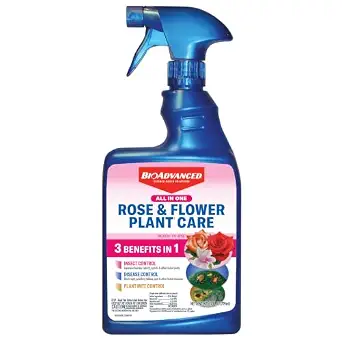 |
| Best Value The sweet spot between price and what you get | Ortho Rose & Flower Insect Killer Ready-to-Use, 24 oz |  |
| Best Budget The cheapest option that still gets the job done reliably | BioAdvanced Rose & Flower Insect Killer Spray, 24 oz |  |
| Highest Rated A top-rated pick with lots of positive feedback | BioAdvanced All-in-One Rose & Flower Care Granules, 64 oz |  |
| Most Popular A crowd favorite that many people choose with confidence | BioAdvanced Dual Action Rose & Flower Insect Killer, 24 oz |  |
BioAdvanced All-in-One Rose & Flower Plant Care Spray, 24 fl oz

| Unit Count | 24 Fluid Ounces |
|---|---|
| Item Form | Liquid |
| Target Species | Fungus |
| Included Components | CARE ROSE&FLOWER RTU 3IN1 24OZ |
This ready-to-use BioAdvanced spray delivers three actions in one bottle: it kills listed insects on contact, controls common fungal diseases, and tackles spider mites while leaving a protective residue that lasts up to 14 days. You use it like a normal garden spray—apply to rose bushes, ornamentals, vines, shrubs, and similar plants when pollinators are not present. The product lists active ingredients (bifenthrin and myclobutanil) and is formulated to be rainproof within about four hours, so it holds up in typical garden conditions. Practical benefits include saving time by combining insect, disease, and mite control in a single application and being convenient as a ready-to-spray bottle. Important limitations are that it targets only the listed pests and diseases, must be used with pollinator safety in mind, and contains synthetic active ingredients that some gardeners prefer to avoid. Follow label directions and safety guidance for effective and responsible use.
Best for: Gardeners who want a simple, time-saving solution to keep roses and ornamental flowers healthy without mixing concentrates and who prioritize broad, short-term protection.
Less Ideal for: Growers seeking strictly organic or pollinator-safe products or those who need treatment for pests or diseases not listed on the label should look elsewhere.
- Three-in-one formula combines insecticide, fungicide, and miticide for fewer separate treatments
- Ready-to-use spray is convenient for spot and whole-plant applications
- Rainproof within about four hours and provides protection up to 14 days
- Kills listed pests on contact for fast visible results
- Active ingredients are synthetic and may be undesirable for organic gardeners
- Protection only covers pests and diseases specifically listed on the label
Verdict: Choose this ready-to-use spray if you want a convenient, single-product solution to kill common rose pests, control fungal diseases, and suppress mites with up to two weeks of protection.
Ortho Rose & Flower Insect Killer Ready-to-Use, 24 oz

| Item Form | Spray |
|---|---|
| Target Species | Insects |
| Manufacturer | The Scotts Company LLC |
Ortho Rose & Flower Insect Killer is a ready-to-use spray designed to control a long list of insect pests on roses and other flowering plants. You use it by adjusting the spray nozzle and applying directly to foliage and blooms; the product combines contact knockdown with a systemic action so treated plants continue to control listed pests for up to four weeks. It is labeled for both indoor and outdoor use and is formulated to avoid harming blooms when used as directed. Practical benefits include simple application from the bottle with no mixing, multi-week residual control that reduces re-spraying, and a formulation targeted specifically for ornamentals rather than general lawn use. Limitations are that protection is limited to the insects listed on the label and the stated duration, so heavy or recurring infestations may still require repeat treatments or integrated pest practices. As with any insecticide, follow label directions and safety precautions when applying around pollinators and during bloom periods.
Best for: Gardeners who want a straightforward, low-fuss insect control for roses and ornamental flowers and value multi-week residual protection with minimal setup.
Less Ideal for: Organic gardeners or those seeking an all-in-one solution for every garden pest should look at non-synthetic or broader integrated pest approaches instead.
- Ready-to-use spray requires no mixing and is simple to apply
- Dual-action formula provides immediate contact kill plus systemic control
- Labeled safe for use on roses and flowers without harming blooms when used as directed
- Provides up to four weeks of residual protection against listed insects
- Protection applies only to pests listed on the label and may not cover every garden pest
- Repeated applications may be needed for heavy infestations or new pest introductions
Verdict: A simple, ready-to-use spray that gives targeted multi-week insect control for roses and flowering plants with minimal effort.
BioAdvanced Rose & Flower Insect Killer Spray, 24 oz

| Unit Count | 24 Fluid Ounces |
|---|---|
| Item Form | Spray |
| Target Species | Insects |
| Active Ingredients | Cyfluthrin |
| Specification Met | EPA |
This ready-to-use BioAdvanced spray is designed for quick spot treatment of roses, flowers, shrubs and vegetable gardens. The bottle delivers a fast-acting cyfluthrin formula that kills common pests such as aphids, whiteflies, Japanese beetles and caterpillars on contact, and the label claims protection for up to 14 days after application. Typical use is a direct spray to foliage until leaves are coated but not dripping, making it convenient for spot treatments or treating individual plants without mixing. The product is easy to apply and covers many common garden pests, which is helpful when you want an immediate reduction in visible damage. Important limitations are that it is a chemical insecticide with a synthetic active ingredient and is formulated for above-ground pests only, so it does not target soil-dwelling stages and should be used according to label precautions around beneficial insects and flowering pollinators. For gardeners needing occasional, effective knockdown of common pests, this is a practical ready-to-use option.
Best for: Gardeners who want an affordable, no-mix spray to quickly knock down visible pests on roses and ornamental plants and who prioritize convenience and immediate results.
Less Ideal for: People looking for organic or pollinator-safe options or those needing systemic or soil-targeted pest control should consider alternatives.
- Ready-to-use sprayer for easy spot application
- Kills a wide range of listed pests on contact
- Provides up to 14 days of residual protection as stated on the label
- Contains a synthetic pyrethroid active ingredient which can harm beneficial insects if applied to blooms
- Not intended for control of soil-dwelling pests or grubs
Verdict: A convenient, budget-friendly ready-to-use spray for rapidly reducing common above-ground garden pests on roses and flowers.
BioAdvanced All-in-One Rose & Flower Care Granules, 64 oz

| Unit Count | 64 Ounce |
|---|---|
| Item Form | Granules |
| Target Species | Insects |
| Specification Met | EPA |
BioAdvanced All-in-One Rose & Flower Care is a granular, three-in-one product that combines fertilizer, insect control, and fungicide into a single application for roses and other flowering shrubs. You apply the granules around the base of the plant, pulling back mulch first, and the systemic formula is taken up by roots so no spraying is required and protection remains effective through rain for up to six weeks. Notable features include a balanced N-P-K analysis and active ingredients (acephate and tebuconazole) that target common pests like aphids and leafhoppers while reducing fungal issues such as black spot and powdery mildew. For a gardener seeking convenience, this simplifies routine rose care by reducing separate feeding and spray steps and helps maintain stronger roots and better blooms. The main limitations are that it contains conventional active ingredients that some gardeners may wish to avoid and it is formulated for listed pests and diseases rather than every possible problem, so you should follow label directions and local regulations when using it.
Best for: Gardeners who want a straightforward, low-effort way to feed roses and reduce common insect and fungal problems with a single seasonal application.
Less Ideal for: People who prioritize organic or all-natural products or who need treatments for pests or diseases not listed on the label.
- Combines fertilizer, insect control, and disease control in one granular application
- Systemic, rainproof formula provides protection for up to six weeks
- Easy to apply around the plant base with no spraying required
- Targets common rose pests and diseases, helping improve blooms and plant health
- Contains conventional pesticides and fungicides that may not suit organic gardeners
- Protection covers only listed pests and diseases and requires correct placement and timing
Verdict: Choose this product when you want a convenient single-product solution to feed roses and provide multiweek, rainproof insect and disease protection.
BioAdvanced Dual Action Rose & Flower Insect Killer, 24 oz

| Brand | BioAdvanced |
|---|---|
| Item Type Name | Garden Insecticide |
| Liquid Volume | 24 fluid ounces |
| Target Species | Insects |
This ready-to-use BioAdvanced Dual Action spray is formulated to control common garden pests on roses, flowers, and potted plants including aphids, whiteflies, caterpillars and Japanese beetles. It uses a continuous mist nozzle so you can get even coverage and reach undersides of leaves and tight flower clusters without awkward repositioning. One application claims up to 30 days of residual protection and the formula is rainproof after it dries, which reduces the need for frequent reapplications in typical outdoor conditions. It is convenient for treating geraniums and other ornamentals because you can take small houseplants outside, spray, let them dry, and return them indoors. Limitations to note are that it is a broad-spectrum insecticide so it will affect beneficial insects if sprayed indiscriminately and it is a chemical treatment rather than an organic option, which may matter for edible plants or organic gardens. For everyday home gardeners wanting an effective, easy-to-use spray for ornamentals, it balances performance and convenience.
Best for: Home gardeners who want a convenient, effective ready-to-use spray to protect geraniums and other ornamentals with minimal fuss and occasional reapplication.
Less Ideal for: Growers focused on organic methods, edible crops, or those who need insecticides that spare beneficial pollinators should consider alternative products.
- Kills many common pests on contact including aphids, whiteflies and Japanese beetles
- Continuous spray mist delivers even coverage and reaches undersides of leaves
- Provides residual protection for up to 30 days and is rainproof after drying
- Ready-to-use formulation requires no mixing or special equipment
- Nonselective chemical that can harm beneficial insects if oversprayed
- Not labeled or promoted as an organic or food-safe insecticide
Verdict: A convenient ready-to-use spray that gives reliable contact kill and up to 30 days' residual protection for geraniums and other decorative plants.
Choosing the Right Insect Killer for Flowers: Key Factors to Consider
Plant Safety and Flower Sensitivity
Flower petals and tender new growth absorb and show damage more readily than woody stems. Some insect control chemicals or high-concentration oils can discolor petals, cause petal drop, or burn delicate foliage. Consider whether a product specifically lists safe use on flowering ornamentals and read directions for application timing, such as treating in the evening to reduce sunscald risk. Also check for instructions about testing on a small area or waiting periods before cutting flowers for bouquets.
Matching product strength to flower sensitivity reduces the chance of visible damage. For highly delicate species, lower-concentration or natural-based options are often safer, while tougher bedding plants may tolerate stronger treatments. Always follow label guidance about rates, dilution, and temperature limits to minimize harm to blossoms.
Spectrum of Pests Controlled
Flowers attract a range of pests from sucking insects like aphids and whiteflies to chewing caterpillars and minor borers. A useful insect control lists the specific pests it targets so you can match the product to the problem you see. Broad-spectrum options can handle multiple pest types but may also impact beneficial insects; selective controls are better when you have a specific pest issue.
Inspecting plants and identifying the pest life stage helps you pick the right mode of action. For example, contact sprays often work well against visible adults and nymphs, while systemic or translaminar products can reach hidden larvae. Consider whether you need immediate knockdown or longer-term suppression when choosing a product.
Impact on Pollinators and Beneficials
Flowering plants are frequented by pollinators and predatory insects that help control pests naturally. Some insect control products have high toxicity to bees and lacewings, especially when applied during bloom. Look for options with lower toxicity to pollinators, clear guidance to avoid spraying during open bloom, or products formulated to be less harmful when used correctly.
Timing applications for early morning or evening and avoiding drift onto non-target flowers can reduce collateral harm. If pollinators are active in your area, consider integrated approaches that combine physical removal and targeted treatments rather than blanket sprays.
Application Method and Ease
How a product is applied affects accuracy, coverage, and convenience in flower beds and containers. Gardeners often prefer hand-held sprays, ready-to-use bottles with adjustable nozzles, or hose-end applicators for larger beds. Concentrates require mixing but can be more economical for larger areas. Consider nozzle type, droplet size, and whether the product clogs easily on fine-misted spray tips used for delicate flowers.
Ease of application also affects safety. Products with clear measuring markings and simple dilution instructions reduce the risk of over-application. If you regularly treat many potted displays or a mixed border, choose a method that fits your workflow and gives precise coverage of foliage and undersides of leaves where pests hide.
Residual Activity and Reapplication Needs
Residual activity determines how long a treatment continues to affect pests after application. Longer residuals can reduce how often you need to reapply but may increase exposure risk to pollinators. Shorter residuals require more frequent treatments but allow quicker recovery for beneficial insects.
Think about the pest pressure in your garden and whether repeated safe applications are practical. Some products list days of residual control; others rely on repeated contact applications. Balance the convenience of longer control with the need to protect blooms and pollinator activity.
Label Clarity and Safety Instructions
Clear label instructions are crucial when treating flowers, which may be handled closely for cutting and arranging. Labels should explain safe application rates, protective equipment, reentry intervals, and whether treated flowers are safe to bring indoors. Look for products that provide explicit directions for flowering ornamentals and guidance on timing treatments to avoid peak pollinator activity.
A well-written label reduces guesswork and helps you use the product effectively and legally. Avoid products with vague or overly technical directions that do not translate to typical home garden situations.
Common Flower Pests and How They Show Up
Knowing which pests attack your flowers helps you choose an appropriate control method. Aphids cluster on new shoots and buds, leaving sticky honeydew and distorted growth. Whiteflies are tiny and fly up in a cloud when you disturb leaves. Thrips can streak petals, causing silvery discoloration, while caterpillars make obvious chewing damage.
Regular inspection of flower undersides, new growth, and the soil surface catches problems early. Record the timing and affected plant parts so you can match the control's mode of action to the life stage you see.
- Aphids: sticky residue, curled leaves, often on shoots and buds
- Whiteflies: tiny white insects under leaves, cause leaf yellowing
- Thrips: streaks or silvery patches on petals and buds
- Caterpillars: irregular holes and chewed margins on leaves and petals
Integrated Pest Management for Flower Beds
Integrated Pest Management combines monitoring, cultural controls, physical removal, and targeted treatments. Start with cultural steps like maintaining plant vigor, avoiding overhead watering late in the day, and removing heavily infested growth. Hand-picking visible pests and using water sprays to dislodge aphids can reduce reliance on chemical controls.
When treatments are needed, use the least disruptive effective option and follow label timing to protect pollinators. Rotating modes of action and alternating contact and systemic approaches can slow pest resistance and prolong product usefulness.
- Inspect weekly and after weather events
- Encourage beneficial insects with diverse plantings
- Remove infested blooms promptly to limit spread
Application Timing and Weather Considerations
Apply controls when plants are dry and temperatures are moderate to reduce leaf burn and volatilization. Early morning or late evening applications typically lower exposure to pollinators and reduce rapid breakdown from sunlight. Avoid spraying before or during rain unless the product label allows for it because rain can wash away contact treatments.
High temperatures can increase phytotoxicity for some formulations. If heat is forecast, delay application or choose a product with explicit heat-tolerance instructions to avoid damaging blooms.
- Spray in calm conditions to minimize drift
- Avoid mid-day sun on heat-sensitive plants
- Check label for rainfastness and reapplication windows
Protecting Cut Flowers and Arrangements
If you grow flowers for cutting, read label guidance about harvest intervals and whether treated blooms are safe to bring indoors. Some treatments require waiting periods after application before harvesting cut flowers for arrangements. Mechanical controls and low-residue options are often preferable when you intend to use blooms indoors.
Rinsing cut stems and removing damaged petals reduces the chance of introducing pests into indoor arrangements. Keep a dedicated treatment log for beds intended for cut flowers so you can plan applications around harvest schedules.
- Check harvest interval statements before treating
- Prefer low-residue controls on cutting beds
- Keep treated and untreated beds labeled to avoid mix-ups
Safe Storage and Disposal in Garden Settings
Store insect control concentrates and sprays away from children, pets, and food, in a cool, dry, well-ventilated area. Keep original labels intact so you can reference dilution rates and safety instructions later. Dispose of unused mix and empty containers according to local regulations to avoid contaminating soil or water.
Never reuse pesticide containers for household purposes. When rinsing sprayers and tools after use, do so in a way that avoids runoff into storm drains or ornamental ponds.
- Keep products locked or out of reach
- Rinse equipment in a contained area and collect rinse water when possible
- Follow local disposal laws for chemical products
How We Chose the Best Insect Killer for Flowers
We shortlisted options that are appropriate for use directly on flowering plants and evaluated each across concrete, garden-focused dimensions. Criteria emphasized how treatments behave on delicate blooms, the range of pests controlled, and safety for nearby beneficial insects. We prioritized formulations that allow targeted application and clear reentry or harvest guidance for cut flowers. Our selection filtered out any products labeled only for non-flowering ornamentals or for use in agricultural settings where usage rates and equipment differ from home gardens. We also excluded broad industrial insect controls that lack flower-specific safety information. The remaining candidates were judged on plant safety on open blooms, spectrum of pest control (aphids, thrips, whiteflies, caterpillars, etc.), ease of application in tight garden spaces, residual activity balanced against pollinator risk, and clarity of instructions for repeat treatments. Lab-only efficacy claims were weighed alongside documented gardener reports and manufacturer guidance to ensure practical suitability for flower-focused gardens.
FAQ
Can I use insect controls while flowers are in full bloom?
It depends on the product. Many controls advise against spraying during open bloom because of pollinator risk. If treatment is necessary, apply in the evening when pollinators are inactive and choose low-toxicity or targeted options where possible.
Are there insect killers safe for cut flowers intended for indoor arrangements?
Some low-residue or short-residual products list safe harvest intervals for cut flowers. If you plan to bring blooms indoors, look for products with explicit harvest guidance or use mechanical and cultural controls instead.
How often should I reapply treatments on flowering plants?
Reapplication frequency depends on the product's residual activity and the level of pest pressure. Short-residual contact sprays may need repeating weekly, while products with longer residuals reduce frequency. Always follow label intervals to avoid over-application.
Will treatments harm beneficial insects visiting my garden?
Some treatments can harm beneficials, especially broad-spectrum options applied during bloom. Timing applications for low pollinator activity, using targeted methods, and selecting lower-toxicity options help minimize impacts on beneficial insects.
What should I do if a product seems to scorch or damage my flowers?
Stop applications immediately and rinse foliage with water if recommended on the label. Check whether the product was applied at the correct dilution and under appropriate temperature conditions. Test future applications on a small area before treating the whole planting.
Final Verdict
Choosing the right insect control for flowering plants means balancing effective pest reduction with protection of blooms and beneficial insects. Prioritize plant safety statements, a pest spectrum that matches the insects you see, and an application method that gives you precise coverage without risking drift onto adjacent flowers. Weigh residual activity against pollinator exposure and follow label timing closely. By matching product characteristics to your flower types and garden habits, you can protect blooms with minimal collateral harm and keep flowering displays healthy season after season.
