

Note: This article contains affiliate links. If you click on these links and make a purchase, I may earn a small commission at no extra cost to you. This helps support my research and content. Read my full affiliate disclosure here.
If you spend time gardening, hiking, or working outdoors, clothing insect repellent can be the simplest way to reduce bites without reapplying sprays to skin. The right option treats garments or integrates into fabric so your clothes keep offering a protective barrier when you are outside. In this guide we shortlisted seven top clothing insect repellents that suit different fabrics and use patterns. We evaluated each pick for how long the protection lasts, how gentle the chemistry is on textiles, and how it performs during sweating and washing. Read on to match the treatment style to your typical outdoor routines.
Top Picks at a Glance
| Best Overall The best all-around choice for most situations | Ranger Ready P2Pak Permethrin 0.5% + Picaridin 20% Insect Repellent (Scent Zero, 8 oz) |  |
| Best Quality Built to a higher standard if you want something more solid | Insect Shield Easy Pack Clothing Permethrin Treatment Service |  |
| Best Value The sweet spot between price and what you get | Repel Permethrin Clothing & Gear Insect Repellent, 6.5 oz, 3-Pack |  |
| Best Budget The cheapest option that still gets the job done reliably | Repel Permethrin Clothing & Gear Insect Repellent, 6.5 oz |  |
| Highest Rated A top-rated pick with lots of positive feedback | Chloe & Lex Insect Shield Lightweight Scarf |  |
| Most Popular A crowd favorite that many people choose with confidence | Sawyer SP657 Permethrin Insect Repellent Spray for Clothing & Gear, 24 oz |  |
| Best Seller A high-volume bestseller chosen again and again | Sawyer SP6572 Permethrin Clothing & Gear Insect Repellent, 24 oz Twin Pack |  |
Ranger Ready P2Pak Permethrin 0.5% + Picaridin 20% Insect Repellent (Scent Zero, 8 oz)

| Active ingredients | Picaridin 20%, Permethrin 0.5% |
|---|---|
| Protection duration (body) | Up to 12 hours |
| Protection duration (clothing) | Up to 5 washings or 40 days sun exposure |
| Application | 360-degree trigger spray |
This P2Pak pairs a picaridin body spray with a permethrin clothing spray to cover both skin and gear against ticks, mosquitoes, and other biting insects. In practice you spray the picaridin directly on exposed skin for up to 12 hours of protection and use the permethrin on clothing, shoes, and outdoor gear, letting treated items dry for two hours before wearing. Notable features include a scent-free formulation, a 360-degree trigger for reach, and permethrin’s claimed durability through up to five washings or prolonged sun exposure. The combination is practical for day trips, yard work, and longer outdoor outings because it defends both the body and fabrics without greasy residues or obvious odor. Limitations to note: permethrin must not be applied to skin and requires outdoor application and drying time, and the product contains active insecticidal ingredients so users should follow safety directions carefully around young children and pets. For someone seeking broad, long-lasting coverage without DEET smell, this kit covers both personal and clothing protection in a single package.
Best for: Pregnant women and caregivers who prioritize a DEET-free, broad-coverage approach and want both skin and clothing protection for everyday outdoor activities.
Less Ideal for: Those who prefer a single spray for both skin and clothing or who want to avoid any insecticidal treatments on garments should consider alternatives.
- Combines picaridin for skin and permethrin for clothing to cover both exposure routes
- Picaridin 20% offers up to 12 hours of protection from ticks and mosquitoes
- Permethrin 0.5% treatment remains effective through multiple washings or extended sun exposure
- Scent-free, non-greasy formula suitable for users who dislike strong smells
- 360-degree trigger spray aids coverage in hard-to-reach areas
- Permethrin is for fabrics only and requires outdoor application and a two-hour drying period before wearing
- Contains active insecticide ingredients that require following safety directions around children and pets
Verdict: If you want DEET-free, full-coverage mosquito and tick protection for both skin and clothing during pregnancy, this paired picaridin-plus-permethrin kit is a practical all-in-one choice.
Insect Shield Easy Pack Clothing Permethrin Treatment Service

| Item model number | EPACK-PACK1-NS |
|---|---|
| Department | unisex-adult |
| Manufacturer | Insect Shield |
| Date First Available | October 19, 2022 |
The Insect Shield Easy Pack is a mail-in permethrin treatment service that lets you send batches of washed clothing to have durable insect repellent applied professionally. You pack 10 to 15 items into the supplied 19 x 14 envelope, include the completed form, and use the pre-attached return label so you do not need to arrange shipping. The brand applies a permethrin treatment that is intended to provide long-lasting bite protection without altering garment design, and the service is useful for treating multiple pieces at once rather than treating them yourself. Notable points are the convenience of pre-paid return shipping and the clear prep instructions such as washing items beforehand and avoiding garments labeled dry clean only. Expect some shrinkage from the treatment, slightly more than a first wash, and a processing window of about 7 to 10 days from receipt rather than instant turnaround. The service does not accept certain items like undergarments or shoes and has limited reimbursement for lost packages, so plan shipments accordingly.
Best for: Buyers who prioritize effective, professional insect protection for multiple garments and value convenience over doing treatments themselves.
Less Ideal for: People who need instant on-demand protection, want to treat individual shoes or delicate dry-clean-only pieces, or who cannot accept potential shrinkage.
- Professional permethrin application designed for durable, long-lasting insect protection
- Pre-paid Easy Pack envelopes with return labels make shipping convenient
- Can treat multiple garments in one batch, saving time compared with treating items individually
- Treatment causes noticeable shrinkage, more than a standard wash
- Not suitable for items labeled dry clean only, waterproof fabrics, undergarments, or shoes
- Processing is not immediate and typically takes 7 to 10 days after receipt
Verdict: If you want professional, batch-treated permethrin protection for multiple garments with minimal effort, this mail-in Easy Pack service is the simplest option.
Repel Permethrin Clothing & Gear Insect Repellent, 6.5 oz, 3-Pack

| Net weight | 6.5 oz |
|---|---|
| Pack quantity | 3 Pack |
| Intended use | Clothing and gear |
| Residual duration | Up to 2 weeks per treatment |
This permethrin clothing and gear spray is designed to be applied to fabrics and equipment rather than skin, making it a focused solution for protecting clothing, tents, sleeping bags, nets, and backpacks from mosquitoes, ticks, and mites. One application bonds to fabric and provides residual protection for a minimum of two weeks and withstands several machine washes, so treated garments remain effective through normal outdoor use. The unscented formula is practical for campers and hikers who do not want added odors on their gear. Because it is formulated specifically for fabric, you should use a skin-registered repellent in tandem when you need personal protection. Important instructions and safety precautions are on the label, and the product should not be applied to skin. For buyers watching costs, the three-pack format reduces per-treatment expense compared with single cans and simplifies re-treating multiple items before a trip. Expect reliable fabric protection but remember this is not a standalone whole-body solution.
Best for: Buyers who need an affordable way to protect multiple pieces of outdoor clothing and camping gear from ticks and mosquitoes and who plan to re-treat items before trips.
Less Ideal for: People seeking a single product that provides direct, whole-body repellent should look for skin-approved insect repellents instead.
- Treats clothing and gear, providing targeted protection for tents, backpacks, sleeping bags, and nets
- One treatment lasts up to two weeks and endures multiple machine washes
- Unscented formula avoids adding odors to outdoor clothing and gear
- Three-can pack lowers per-treatment cost for repeated use
- Not intended for direct skin application so you need a separate skin repellent for full protection
- Protection is limited to treated fabrics and must be re-applied at intervals
Verdict: A cost-conscious way to add dependable fabric protection for clothing and camping gear against ticks and mosquitoes.
Repel Permethrin Clothing & Gear Insect Repellent, 6.5 oz

| Net weight | 6.5 oz |
|---|---|
| Intended use | Clothing and gear |
| Duration | Up to two weeks |
| Scent | Unscented |
Repel Permethrin Clothing & Gear is an aerosol treatment meant for fabrics and outdoor equipment rather than skin. You spray garments, tents, sleeping bags, backpacks or nets from about 6 to 8 inches until the fabric is lightly moist, let items dry for a few hours, and the active ingredient binds to the fibers to provide residual protection. A single treatment is rated to last about two weeks and will withstand several machine washes, making it useful for short camping trips or treating frequently used gear. The product is unscented and formulated specifically for application to clothing and gear, which reduces unwanted odor on equipment. Important practical limitations are that it must not be applied to skin, requires drying time before use, and should not be re-treated more often than directed. Users should follow safety instructions to avoid contact with skin or eyes and wash treated clothing separately if concerned about residue transfer.
Best for: Campers and hikers who want an inexpensive way to protect tents and clothing from mosquitoes and ticks without masking gear with perfume and who prefer treating equipment rather than relying solely on topical repellents.
Less Ideal for: People who need instant, skin-level protection or who prefer a single product that is safe to apply directly to skin should consider a topical repellent instead.
- Designed specifically for clothing and gear so treated fabrics repel and kill mosquitoes and ticks on contact
- Provides residual protection for up to two weeks and endures multiple machine washes
- Unscented formula avoids adding repellent smell to tents and clothing
- Can be used on a wide range of gear including tents, sleeping bags, backpacks, and nets
- Not for use on skin and requires careful handling to avoid contact with skin or eyes
- Needs several hours to dry before gear can be used and should not be applied more often than directed
Verdict: Treat your tents and clothing with this affordable permethrin spray for simple, unscented protection against mosquitoes and ticks between trips.
Chloe & Lex Insect Shield Lightweight Scarf
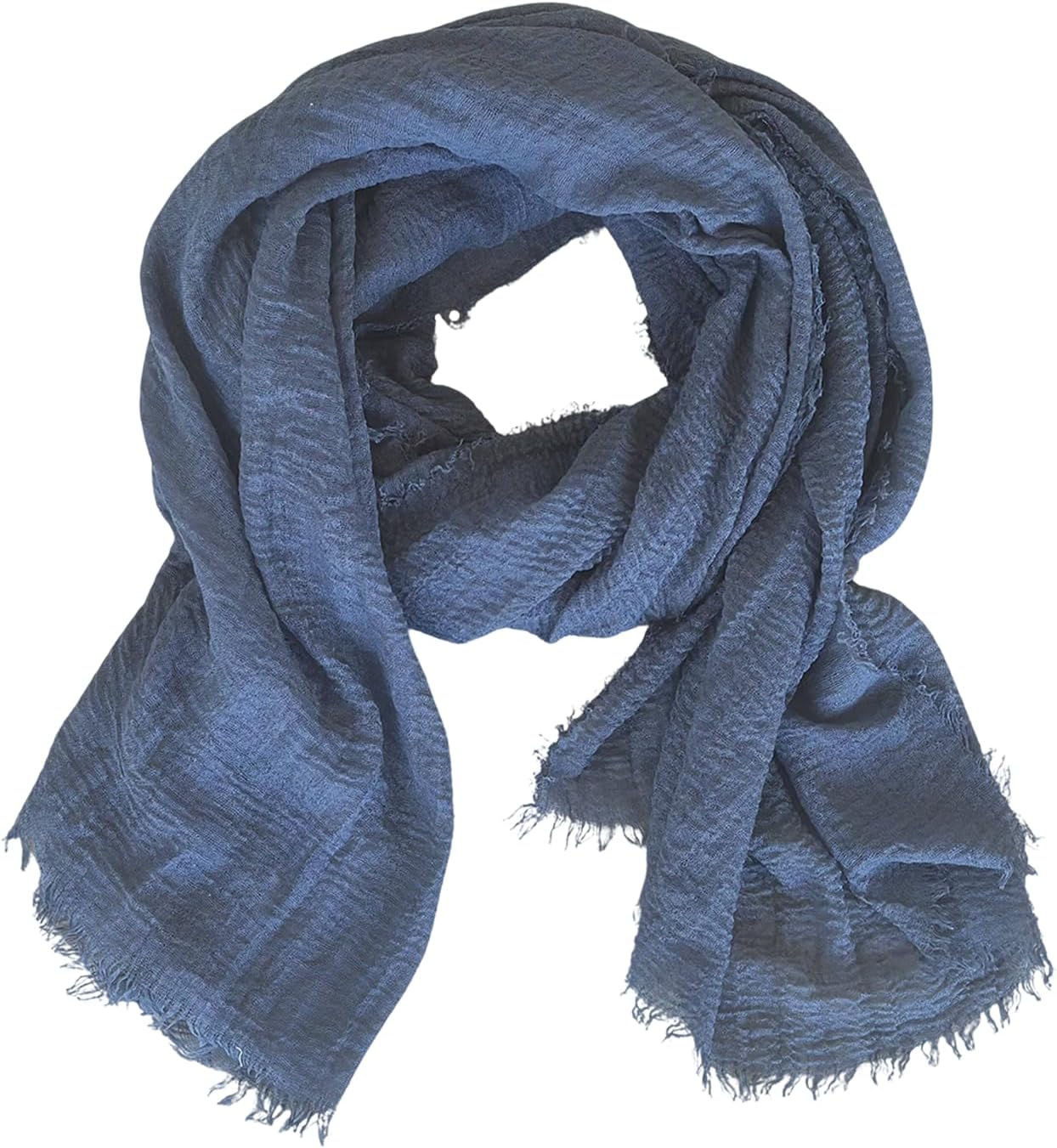
| Active ingredient | 0.52% permethrin (Insect Shield) |
|---|---|
| Material | Polyester blend |
| Care | Hand wash only |
| Intended pests | Mosquitoes, ticks, ants, flies, chiggers, midges |
This Chloe & Lex scarf is a wearable insect repellent designed for outdoor use where biting bugs are a concern. Infused with 0.52% permethrin using Insect Shield technology, it repels mosquitoes, ticks, ants, flies, chiggers and midges without the need for sprays or nets. The fabric is a soft, lightweight polyester blend intended to be comfortable draped around the neck, shoulders or as a head covering and the generous dimensions allow multiple styling options for travel, hiking or evening patios. Practical benefits include continuous protection for the fabric's lifespan, no noticeable odor, and easy spot care by hand washing. Important limitations are that the treatment is fabric-based rather than a topical repellent so it protects where the scarf covers and does not replace full-body protection, and it requires hand washing to preserve the treatment. Buyers should also be mindful of permethrin sensitivity on contact and follow any use instructions.
Best for: Buyers who prioritize reliable, low-maintenance insect protection for travel and outdoor time and want a single accessory that combines comfort and ongoing pest defense.
Less Ideal for: People seeking full-body insect protection, those who prefer spray-topical repellents only, or anyone with known sensitivity to permethrin should consider alternatives.
- Insect Shield treatment with 0.52% permethrin provides continuous, fabric-based protection against multiple pests
- Lightweight, soft polyester blend suitable for all-day wear and multiple styling options
- Generous dimensions allow use as a scarf, shoulder cover or headwrap
- No strong chemical odor reported and easy to care for with hand wash
- Protection only applies where the scarf covers skin and does not substitute for full-body repellents or treated clothing beyond the scarf
- Requires hand washing to maintain the treatment and fabric condition
Verdict: A comfortable, multipurpose scarf treated with Insect Shield that delivers continuous, reliable localized protection against biting insects.
Sawyer SP657 Permethrin Insect Repellent Spray for Clothing & Gear, 24 oz

| Active ingredient | 0.5% Permethrin |
|---|---|
| Application type | Trigger Spray |
| Duration | Up to 6 weeks or 6 washings |
| Item model number | SP657 |
This Sawyer SP657 permethrin spray is made to add a protective layer to clothing and outdoor gear rather than to be applied to skin. You spray garments, socks, shoes, sleeping bags, or tents from about 6 to 8 inches away and let them dry; the active ingredient bonds to fabric fibers and remains effective for up to six weeks or six washings. In practice it is useful for camping, backpacking, hunting, and backyard use because it targets ticks and mosquitoes and is formulated not to stain or damage fabrics. Notable features include an odorless finish after drying and clear application directions with an EPA-recommended amount per outfit. The main limitation is that it treats fabrics only and must be reapplied after the stated time or laundering; it also degrades with UV exposure so heavy sun can shorten protection. For those wanting comprehensive bite protection you will still want a skin-applied repellent in addition to treating gear.
Best for: Buyers who prioritize proven, gear-focused protection against ticks and mosquitoes and want an evidence-backed way to reduce bite risk while spending time outdoors.
Less Ideal for: People who need an on-skin repellent or a solution that provides continuous protection without periodic re-treatment of clothing and gear.
- Bonds to fabric fibers for up to six weeks or six washings, providing long-lasting protection on treated gear
- Formulated not to stain or damage clothing, tents, or outdoor equipment
- Odorless after drying, so treated items do not carry a strong scent
- Effective against ticks, mosquitoes, and more than 55 other insect types according to product description
- Only for use on clothing and gear, not for direct application to skin
- Protection degrades with UV exposure and requires reapplication after laundering or the six-week window
Verdict: Treat clothing and gear with this permethrin spray for a proven, long-lasting layer of protection against ticks and mosquitoes during outdoor activities.
Sawyer SP6572 Permethrin Clothing & Gear Insect Repellent, 24 oz Twin Pack

| Active ingredient | 0.5% Permethrin |
|---|---|
| Application type | Trigger Spray |
| Duration | Up to 6 weeks or 6 washings |
| Intended use | Clothing, tents, sleeping bags, and gear |
Sawyer SP6572 is a permethrin-based trigger spray designed to add long-lasting, fabric-level protection to tents, sleeping bags, clothing, and other outdoor gear. You apply it in a well-ventilated area by spraying evenly about 6 to 8 inches away and letting treated items dry for 2 to 4 hours; the treatment bonds to fabric fibers and remains effective through sun exposure for roughly six weeks or about six wash cycles. In practice this makes it well suited for campsite use where you can treat tent walls, netting, and gear once before a multiweek trip or a season of weekend outings. Notable features include an odorless finish after drying, a formulation that will not stain most fabrics, and proven high efficacy against ticks and many mosquito species. Important limitations are that this product is not for direct skin application and it degrades under heavy UV exposure or routine washing, so treated items need reapplication for long-term use. Also you must follow safety directions to avoid contact with mouth, eyes, and pets during application.
Best for: Campers and outdoor organizers who want a practical, low-maintenance way to protect tents and gear from ticks and mosquitoes without repeated daily spray-on skin treatments.
Less Ideal for: People who need an immediate on-skin repellent or who cannot follow safe ventilation/application steps should choose a topical product instead.
- Long-lasting fabric protection: bonds to fibers for up to six weeks or six washings
- Formulated not to stain or damage clothing, tents, or most outdoor gear
- Odorless after drying, keeping camp and gear free of strong chemical smell
- Effective against ticks and a wide range of biting insects, reducing bite risk on treated gear
- Not for application to skin so you must pair with a topical repellent for full personal protection
- Effectiveness declines with UV exposure and repeated washing, requiring reapplication
Verdict: Treat tents and gear once before a trip to get durable, odorless protection from ticks and mosquitoes without applying repellent to skin.
Choosing the Right Clothing Insect Repellent: Key Factors to Consider
Repellency Duration
How long a clothing treatment keeps insects away is the single most practical factor for gardeners and outdoor workers. A short-lived product that protects for an hour is less useful than one offering multi-hour coverage, because you are likely to be outside for extended periods. Consider both protection time per application and whether the product maintains effectiveness through sweat or light rain. Longer-lasting repellency reduces the need for re-treatment during a workday or outing, which is especially valuable when you are handling plants or tools and cannot frequently reapply.
Fabric Compatibility
Different repellents interact with textiles in different ways. Some bond well to synthetic fibers like nylon or polyester, while others are formulated for cotton, blends, or delicate fabrics. Choose a product that explicitly lists compatibility with the garments you wear most often, such as work shirts, pants, or light jackets. Fabric-safe treatments should not cause discoloration, stiffness, or breakdown of protective coatings already in performance fabrics. If you plan to treat clothing you value, test the product on an inconspicuous seam first and follow any temperature or drying recommendations.
Wash Durability
If a treatment washes out after a single laundering, its convenience and economy decline quickly. Many clothing repellents advertise persistence through a certain number of washes or a number of days of wear. Decide whether you want a seasonal treatment that survives multiple wash cycles or a short-term application for a single trip. For gardeners who launder their work clothes often, wash durability matters both for ongoing protection and for cost over a season. Check manufacturer guidance on washing frequency and whether re-treatment is needed after a specific number of cycles.
Ease Of Application
Some repellents come as sprays you apply at home, while others require professional treatment or specialized equipment. Consider whether you prefer a quick aerosol or pump-on application, a wash-in formula added during laundry, or a pre-treated garment option. Simpler application saves time and reduces user error. Also look for clear instructions, drying times, and any required curing period before wearing. If you will treat multiple garments, factor in how many pieces a single bottle or kit covers.
Comfort And Wearability
A repellent that leaves clothes stiff, sticky, or heavily scented will discourage regular use. Comfort covers how the treated fabric feels against skin, breathability after treatment, and any noticeable odors. For active outdoor work, prioritize options that preserve the garment's original hand and allow moisture transfer. Treatments that impair wicking or make fabrics cling can make hot, active days uncomfortable and reduce practical protection because you will avoid wearing the treated items.
Safety And Transfer To Skin
Clothing treatments may transfer small amounts of active ingredient to skin, especially when you sweat or if garments rub against bare areas. Evaluate the likelihood and whether the product requires keeping treated items away from infants or people with sensitive skin. Look for treatments with clear safety data and recommended waiting periods after application. For gardeners who wear lightweight clothing or work close to plant foliage, minimizing skin exposure is an important consideration when selecting a treatment.
Types Of Clothing Treatments
There are several common ways to turn everyday garments into insect barriers. Home-applied sprays deposit active molecules onto fibers, wash-in concentrates are added to laundry cycles, and pre-treated clothing arrives with repellency already bonded into the fabric. Each approach has practical tradeoffs around convenience, longevity, and control over where the treatment is applied.
Sprays are flexible because you can treat only the pieces you want, but application technique matters to get even coverage. Wash-in treatments reach the whole garment but require laundering and may not be ideal for delicate items. Pre-treated garments are simplest to use but limit you to the available styles and sizes.
- Sprays: targeted application, quick use, variable durability
- Wash-in formulas: whole-garment coverage, depends on laundering
- Pre-treated clothing: ready to wear, consistent factory application
Treating Different Garment Materials
Natural and synthetic fibers absorb and retain repellents differently. Synthetics often hold onto certain active ingredients better, while cotton can release them more readily during washing. Workwear with durable finishes or water-repellent coatings may require special guidance to avoid damaging that finish.
When treating mixed wardrobes, sort garments by material and follow the manufacturer's fabric recommendations. For high-value or delicate items, treat a sacrificial piece or a small area first to confirm colorfastness and hand feel.
- Check tags for fiber content before treatment
- Avoid treating leather, suede, or specialty coated fabrics without explicit guidance
Application Best Practices
Prepare a well-ventilated area and follow safety instructions provided with the treatment. For sprays, lay garments flat or hang them and apply from the recommended distance to avoid over-saturation. Allow treated clothes to dry fully before wearing and avoid stacking them until dry.
For wash-in treatments, use the suggested water temperature and detergent conditions. Track how many cycles the treatment claims to withstand and re-treat after the indicated number of washes. Store leftover product securely and keep it away from children and pets.
- Test on a hidden seam prior to full application
- Dry completely before wearing to reduce skin transfer
- Record treatment dates to track wash-based durability
Managing Scent And Residue
Some repellents leave a noticeable odor or residue on fabric. If scent is a concern, choose unscented or low-odor formulations and air garments fully before use. Residue that stiffens fabric can often be reduced by following dilution guidelines or by applying lighter coats.
For gardeners who work with delicate blooms or strong-smelling crops, minimize fragrance transfer by treating outer layers rather than base garments that come into contact with produce or flowers.
- Air out treated garments several hours after application
- Use lighter application on inner layers to limit skin contact
Reapplication And Seasonal Use
Decide whether you need single-trip protection or a seasonal regimen. For occasional outings, a quick spray before leaving the house may be sufficient. For regular outdoor work, a treatment that survives multiple washes and wears will save time and provide consistent bite reduction.
Plan reapplication around laundry cycles and major seasonal changes in pest pressure. Keep spare treatments on hand during peak insect months so you can refresh garments quickly when protection drops.
- Track number of washes to know when to re-treat
- Schedule treatments before peak tick or mosquito season
How We Chose the Best Clothing Insect Repellent
We prioritized products designed specifically to protect clothing rather than skin-applied formulations that might not bond with textile fibers. Longevity in real-world conditions was a primary filter: we favored treatments that maintain repellency through hours of exposure and through several wash cycles when the manufacturer claims durability. Fabric compatibility was another exclusionary criterion; products that warn against use on common garment materials or that degrade finishes were screened out. Safety and regulatory clarity mattered, so we looked for products with clear active ingredients, usage limits, and handling instructions. Ease of application and wearability were included as selection factors – treatments that require complex procedures or leave heavy residues scored lower. Finally, we excluded any options intended only for nets, gear, or tents to keep the list focused on everyday clothing treatments. The result is a set of choices balanced for durability, textile safety, and practical performance in garden and trail settings.
FAQ
Are clothing insect repellents safe to use around children?
It depends on the product and the child's age. Many treatments have specific age restrictions or recommend avoiding use on infants. Follow label instructions closely, wash treated items separately if advised, and keep treated garments out of a young child's mouth and hands.
Will treating clothing affect its water repellency or breathability?
Some treatments can alter fabric finishes and slightly reduce breathability, especially if applied heavily. Choose formulations that state compatibility with treated performance fabrics, and test a small area first to confirm there is no unacceptable change in handle or function.
How often do I need to reapply clothing treatments if I wash my gear weekly?
Reapplication frequency varies by product, but many wash-in or spray-on treatments advertise durability for a certain number of wash cycles. If you launder weekly, pick a treatment rated for several cycles or plan to re-treat monthly during high-exposure periods.
Can I treat work gloves, hats, or socks with the same products I use on shirts and pants?
Often yes, but check fabric compatibility and manufacturer guidance. Some treatment chemistries may be too harsh for knit fabrics or leather. Treat accessories according to instructions and avoid direct application to items that contact the mouth.
Do treated clothes need to be kept separate in the wash?
Some products recommend washing treated garments separately for the first cycle or avoiding delicate wash items. Follow the product label to prevent transfer of residues to other clothing and to maintain the treated garment's effectiveness.
Final Verdict
When choosing a clothing insect repellent, balance how long protection lasts against fabric safety and laundering habits. Prioritize treatments that match the fibers you wear most and that advertise wash durability aligned with your laundry frequency. For everyday outdoor use favor options that are easy to apply, maintain garment comfort, and minimize transfer to skin. With those tradeoffs in mind you can pick a treatment approach that fits your routine and keeps insects at bay during gardening, hiking, and other outdoor activities.
