

Note: This article contains affiliate links. If you click on these links and make a purchase, I may earn a small commission at no extra cost to you. This helps support my research and content. Read my full affiliate disclosure here.
If you want greener, stronger turf without relying on synthetic chemicals, choosing the right natural liquid lawn fertilizer matters. Liquids deliver nutrients quickly through the soil and leaf surface, which helps stressed grass recover faster after mowing, drought, or traffic. This guide covers seven top natural liquid lawn fertilizers shortlisted for gardeners who value organic inputs and fast uptake. We evaluate each pick for nutrient profile, ease of application, and how the formula performs in typical yard conditions. Read on to see which options fit your lawn maintenance routine and feeding schedule.
Top Picks at a Glance
| Best Overall The best all-around choice for most situations | FOOP Organic Liquid Lawn & Turf Food Concentrate (32 oz) |  |
| Best Quality Built to a higher standard if you want something more solid | GS Plant Foods Liquid Fish & Kelp Fertilizer (1 Gallon) |  |
| Best Value The sweet spot between price and what you get | GS Plant Foods Liquid Kelp Fertilizer (1 Gallon) |  |
| Best Budget The cheapest option that still gets the job done reliably | Grow More Liquified Seaweed Extract Kelp Fertilizer, 16 oz |  |
| Highest Rated A top-rated pick with lots of positive feedback | Blue Planet Nutrients Liquid Kelp Seaweed Fertilizer Concentrate (32 oz) | 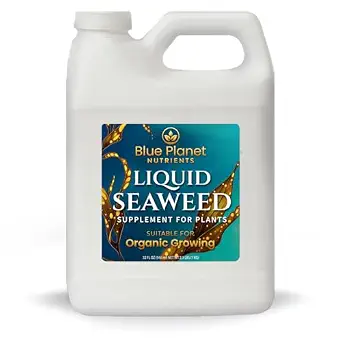 |
| Most Popular A crowd favorite that many people choose with confidence | Bloom City Organic Seaweed & Kelp Liquid Fertilizer, 32 oz |  |
| Best Seller A high-volume bestseller chosen again and again | GS Plant Foods Liquid Fish Fertilizer (1 Gallon) | 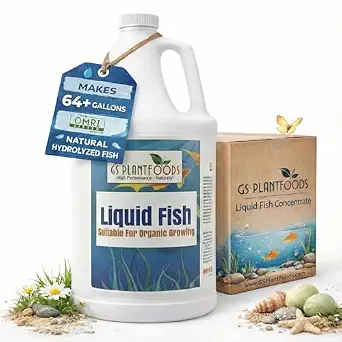 |
FOOP Organic Liquid Lawn & Turf Food Concentrate (32 oz)

| Volume | 32 oz |
|---|---|
| Coverage | Up to 5,000 Sq Ft |
| Ingredients | Fish manure, fish emulsion, sea kelp, volcanic ash, mycorrhizal fungi |
This organic liquid lawn food is a concentrated, water-soluble fertilizer designed to revive color and soil health across existing turf or newly sown/laid lawns. It combines fish emulsion, sea kelp, volcanic ash and mycorrhizal fungi to supply nitrogen, potassium, calcium, magnesium and silica while introducing beneficial microbes that support soil biology. In practice you dilute the concentrate and spray or spread it over turf for a fast green-up and improved root environment; the formula is advertised as kid and pet friendly so it can be applied on family lawns without harsh chemicals. The practical benefits are visible color improvement, healthier soil life over time, and the convenience of a concentrated bottle that covers a lot of area. Limitations are that organic concentrates can be slower to correct severe nutrient deficiencies than synthetic quick-release products and smell more strongly during and just after application, and results depend on correct dilution and regular use.
Best for: Homeowners who prioritize natural, soil-building lawn care and want a pet- and child-safe concentrate that improves color and long-term turf health.
Less Ideal for: People who need an immediate, high-dose nutrient correction or odor-free applications for very small lawns should consider alternative products.
- Certified organic formula with natural inputs like fish emulsion and sea kelp
- Includes mycorrhizal fungi and broad-spectrum microbes to improve soil biology
- Supplies multiple plant nutrients (N, K, Ca, Mg, silica) in one product
- Concentrated 32 oz bottle covers large areas when diluted
- Kid and pet friendly when used as directed
- Can have a noticeable odor after application due to organic ingredients
- Slower acting on severe nutrient deficiencies compared with synthetic quick-release fertilizers
Verdict: Choose this concentrate if you want an organic, soil-building liquid fertilizer that improves lawn color and supports long-term soil health.
GS Plant Foods Liquid Fish & Kelp Fertilizer (1 Gallon)

| Item Form | Liquid |
|---|---|
| Application Method | foliar spray or soil drench |
| Liquid Volume | 128 fluid ounces |
| Mixing Ratio | 1:128 (Indoor), 1:64 (Outdoor) |
GS Plant Foods Liquid Fish & Kelp is an organic, cold-processed concentrate intended to feed garden plants via soil drenches or foliar sprays. It mixes at recommended rates (about 2 fl oz per gallon for outdoor use) and supplies natural compounds from fresh fish hydrolysate and Ascophyllum nodosum kelp that support root strength, microbial activity, and nutrient uptake. Typical use is every 2–4 weeks on vegetables, flowers, shrubs, lawns, and even houseplants at a weaker indoor dilution. Notable features are its OMRI listing for organic growing, dual application method (foliar or drench), and a large 1 gallon volume that covers multiple feedings. Because it is a biological product, results accumulate over weeks as soil life and plant physiology respond rather than giving an immediate synthetic nutrient spike. Some gardeners may notice an initial odor and will need to follow mixing and application rates carefully to avoid overapplication. The product is straightforward to handle and pairs well with a regular feeding schedule for growers focused on improving soil biology and long-term plant performance.
Best for: Gardeners who prioritize plant performance through soil biology and want an organic, repeatable feeding program for vegetables, ornamentals, and turf.
Less Ideal for: People seeking rapid, high-analysis synthetic nutrient boosts or immediate visible change after a single application should consider a different product.
- OMRI-listed organic formula suitable for certified organic gardens
- Dual application as foliar spray or soil drench for flexible use
- Made from fish hydrolysate and North Atlantic kelp to support soil biology and root development
- Large 1 gallon concentrate provides many feedings for home gardens and hobby farms
- Biological, slow-acting nutrition that does not provide immediate synthetic nutrient spikes
- May have a noticeable fishy odor on mixing
Verdict: Buy this if you want an OMRI-listed, kelp-and-fish concentrate that builds soil biology and long-term plant performance rather than quick synthetic results.
GS Plant Foods Liquid Kelp Fertilizer (1 Gallon)

| Unit Count | 128 Fluid Ounces |
|---|---|
| Item Form | Liquid |
| Application Method | Spray |
| Mixing Ratio | 2 ounces: 1 gallon |
| Specific Uses For Product | Lawns,Organic,Plant Food |
GS Plant Foods Liquid Kelp is a concentrated seaweed extract made from Ascophyllum nodosum that gardeners mix into water and apply by spray to lawns, shrubs, vegetables, and ornamentals. Designed for organic growing, the product is mixed at 2 ounces per gallon and the one-gallon jug claims enough concentrate to make hundreds of gallons of feed solution, which makes it practical for regular turf and landscape applications. Users will notice the fertilizer is low in synthetic nutrients and instead delivers trace minerals and carbohydrates that support root development, nutrient uptake, and stress resilience during heat or drought. Because it is a foliar and soil drench-compatible liquid, it can be used as part of a regular maintenance program or to revive stressed areas. Limitations are that it is not a complete NPK fertilizer so it should be paired with a balanced feed when plants need significant nitrogen or phosphorus for rapid growth, and application requires measuring and mixing rather than a ready-to-use spray.
Best for: Buyers who prioritize plant performance and resilience using organic inputs and who want a concentrated seaweed feed to support root health and stress tolerance across lawns and landscape plants.
Less Ideal for: Gardeners seeking a single-product, high-nitrogen fertilizer for rapid greening or heavy feeding needs should choose a balanced NPK product instead.
- OMRI listed and suitable for certified organic production
- Concentrated formula with a 2 oz per gallon mixing ratio for long-lasting supply
- Contains Ascophyllum nodosum seaweed extract plus trace minerals to support roots and stress tolerance
- Versatile application by foliar spray or soil drench for lawns, vegetables, and ornamentals
- Low macronutrient content so it is not a standalone NPK solution for aggressive growth
Verdict: Choose this concentrated, OMRI-listed kelp extract if you want an organic performance boost that strengthens roots and improves lawn and plant stress resilience.
Grow More Liquified Seaweed Extract Kelp Fertilizer, 16 oz

| Item Form | Liquid |
|---|---|
| Application Method | foliar spray or soil drench |
| Coverage | gardens and lawns |
| Unit Count | 16 Fluid Ounces |
| Mixing Ratio | 0.1:0:0.44 |
Grow More Liquified Seaweed Extract is a concentrated liquid kelp fertilizer intended as a gentle, natural boost for gardens and lawns. It is applied as a foliar spray or soil drench and is especially useful at transplanting, seed starting, and during periods when plants need a nudge for root growth and vigor. The product contains naturally occurring plant hormones and micronutrients such as boron, molybdenum, copper, and zinc, which support stronger roots and darker green foliage without leaving chemical residues. Practical benefits include easy mixing and application, flexibility across vegetables, ornamentals, fruiting plants, and turf, and a formulation that can be used any time in the growing season. Limitations are the small 16-ounce bottle size for larger lawns or extensive beds and the relatively low nutrient analysis compared with conventional synthetic fertilizers, so it is best used as a supplement rather than a primary NPK source.
Best for: Gardeners seeking an affordable, natural supplement to support transplants, seedlings, and overall plant vigor who prioritize low-chemical inputs and straightforward application.
Less Ideal for: Those looking for a single product to supply high primary nutrients for large turf areas or to fully replace balanced NPK fertilizers for heavy-feeding crops.
- Natural liquefied kelp with plant growth hormones for transplant protection and root stimulation
- Can be applied as foliar spray or soil drench for flexible use on many garden plants and turf
- Contains micronutrients (boron, molybdenum, copper, zinc) that support overall plant health
- No harsh chemical residues so it can be used throughout the growing season
- 16-ounce volume may be insufficient for treating large lawns or extensive gardens
- Low NPK means it should be used as a supplement, not a complete fertilizer
Verdict: A budget-friendly natural kelp supplement that helps prevent transplant shock and strengthens roots for gardeners who want a low-chemical boost rather than a full-strength fertilizer.
Blue Planet Nutrients Liquid Kelp Seaweed Fertilizer Concentrate (32 oz)

| Item Form | Liquid |
|---|---|
| Unit Count | 32 Fluid Ounces |
| Specific Uses For Product | Kelp Seaweed Supplement Fertilizer For All Gardens and Plants |
| Mixing Ratio | 1:650, 1:325, 1:162 |
This liquid kelp concentrate is a versatile transplant and growth booster derived from cold-water Ascophyllum nodosum. Gardeners use it as a root drench, foliar spray, transplant soak, or reservoir additive to encourage rapid root development and help plants recover from transplant shock. The product is highly concentrated so a 32 oz bottle dilutes to hundreds of gallons of feed at recommended rates, which makes regular applications affordable for large beds or repeated transplant cycles. Notable features include a pH-neutral, non-clogging formula suitable for seedlings through flowering and compatibility with soil, coco, hydroponic, and aeroponic systems. Practical benefits are stronger roots, improved stress tolerance to heat and drought, and potential yield and flavor improvements in vegetables and herbs. Limitations are that it is a seaweed supplement rather than a complete fertilizer so it should be paired with a balanced nutrient program when plants need specific NPK feeding, and users must follow dilution guidelines carefully to avoid overuse.
Best for: Gardeners and growers who prioritize vigorous transplant recovery and fast root establishment and who plan regular supplemental feedings across beds, containers, or hydro systems.
Less Ideal for: Casual gardeners seeking an all-in-one fertilizer or anyone wanting a single product to meet complete macronutrient needs without pairing it with a balanced nutrient program.
- High concentration stretches one quart into up to 470 gallons of feed making it cost-effective for repeated transplanting
- Derived from Ascophyllum nodosum with natural growth hormones, trace minerals, and amino acids to stimulate root growth
- 100% soluble and pH-neutral so it works in soil, hydroponics, coco, and foliar applications without clogging
- Safe for seedlings to harvest allowing use as a gentle transplant soak and regular weekly applications
- Not a complete NPK fertilizer so you will need to combine it with base nutrients for full feeding schedules
- Requires careful dilution and dosing to match application (multiple recommended mixing ratios)
Verdict: Use this concentrated liquid kelp when you want an effective, budget-friendly transplant and root stimulator to speed recovery and promote strong root systems.
Bloom City Organic Seaweed & Kelp Liquid Fertilizer, 32 oz

| Item Form | Liquid |
|---|---|
| Specific Uses For Product | Lawn,Organic |
| Application Method | watering, root dips, foliar sprays, compost teas |
| Unit Count | 31.79 Fluid Ounces |
| Mixing Ratio | 5mL per gallon (veg), 5-10mL per gallon (bloom) |
Bloom City Seaweed and Kelp is an organic liquid fertilizer you mix with water for use as a watering drench, root dip, foliar spray, or in compost teas. It is typically used at low dilution during the vegetative phase and slightly higher during bloom, with an option for stronger foliar feeds for rapid uptake. The formula is made from multiple kelp species and is intended to promote stronger roots, improve nutrient absorption, and help plants tolerate transplant shock and environmental stress. Practical features include a clear mixing guide for every watering, compatibility with hose-end sprayers for larger areas, and versatility across pots, garden beds, and indoor plants. Limitations are that it is a nutritional supplement rather than a complete N-P-K bloom fertilizer, so growers seeking higher phosphorus for heavy flowering will want to combine it with a bloom-specific feed. Users should also measure carefully because the product is concentrated and instructions differ between soil and foliar applications.
Best for: Gardeners who want a natural, easy-to-use supplement to strengthen roots and improve plant resilience across containers, beds, and indoor plants while keeping routines simple and low-risk.
Less Ideal for: Growers focused on maximizing bloom size with high-phosphorus feedings who need a complete N-P-K bloom fertilizer as their primary nutrient source.
- Organic kelp-based formula that supports root growth and stress tolerance.
- Multiple application methods including soil drench, foliar spray, root dips, and compost teas.
- Simple, published mixing ratios for vegetative and bloom phases to make dosing straightforward.
- Works with watering cans and hose-end sprayers for both small and larger plantings.
- Not a complete bloom fertilizer on its own since it does not list specific N-P-K values.
- Concentrated formula requires careful measuring to avoid overapplication.
Verdict: Pick this organic kelp concentrate if you want a versatile, low-effort supplement that boosts root strength and plant resilience during vegetative and bloom cycles.
GS Plant Foods Liquid Fish Fertilizer (1 Gallon)

| Item Form | Liquid |
|---|---|
| Specific Uses For Product | Plant Growth, Root Development |
| Application Method | watering can, sprayer, or hose-end applicator |
| Mixing Ratio | 1:32 |
GS Plant Foods Liquid Fish Fertilizer is a concentrated, hydrolyzed fish emulsion designed for routine feeding of gardens, container plants, and landscape beds. It supplies a 2-3-1 balance of nitrogen, phosphorus, and potassium plus organic compounds that help soil biology and steady plant nutrition across the season. You mix at the recommended 1:32 ratio (about 4 oz per gallon) and apply with a watering can, sprayer, or hose-end applicator, which makes it easy to use on everything from vegetables and herbs to shrubs and houseplants. The product is OMRI-listed for organic growing and made in the USA, so it fits gardeners who prefer organic inputs. Because it is a liquid concentrate, it works quickly compared with dry fertilizers, but it does require regular applications and careful mixing to avoid smell and potential foliar spotting if overapplied. This gallon size balances economy and convenience for small to medium gardens, though users who want an odorless or synthetic option may look elsewhere.
Best for: Gardeners who prioritize straightforward, organic feeding and want a flexible concentrate that works across vegetables, ornamentals, containers, and beds while supporting soil life.
Less Ideal for: Users seeking a completely odor-free fertilizer or those who prefer slow-release granular products that require less frequent application.
- OMRI-listed for organic production, suitable for certified organic gardens
- Concentrated hydrolyzed fish formula (2-3-1) that supports balanced nutrition and soil biology
- Flexible application methods: watering can, sprayer, or hose-end applicator
- Made in the USA by a dedicated plant-food manufacturer
- Strong natural fish odor typical of fish emulsions
- Requires regular mixing and repeated applications to maintain results
Verdict: A reliable OMRI-listed fish emulsion concentrate that gives practical, organic nutrition for a wide range of garden plants when you want flexible, repeatable liquid feeding.
Choosing the Right Natural Liquid Lawn Fertilizer: Key Factors to Consider
Nutrient Composition and Concentration
Liquid fertilizers vary in their ratios of nitrogen, phosphorus, and potassium and in whether nutrients are immediately plant-available. A balanced nitrogen concentration supports leaf growth and color, while phosphorus and potassium influence root health and stress tolerance. Concentrated liquids require careful dilution; weak solutions may need more frequent applications.
Understanding the stated N-P-K and any micronutrients helps you match a feed to your lawn's needs. For example, high-nitrogen liquids are useful for quick green-up in established lawns, while formulas with added iron or seaweed extract can correct chlorosis or improve stress resilience. Always follow label rates to avoid burning turf.
Application Method and Compatibility
Liquids are applied through a variety of means: hose-end sprayers, pump or backpack sprayers, or mixed in watering cans. Compatibility with your existing equipment affects how evenly the product spreads and how convenient routine feeding will be. Some formulations are thick or contain particulates that can clog fine nozzles.
Also consider whether the product is suitable for foliar spraying versus soil drench. Foliar feeds act faster but may require calmer weather to avoid drift. Products that clearly state dilution ratios and sprayer compatibility reduce user error and make it easier to apply the correct amount across large or small lawns.
Uptake Speed and Visible Turf Response
One advantage of liquid fertilizers is faster availability to grass roots and leaves compared with many granular feeds. Uptake speed depends on nutrient form, soil moisture, and the timing of application. Fast-acting feeds can correct pale color quickly, but the speed of response should be balanced against the duration of effect.
Expect quicker greening with soluble nitrogen and chelated micronutrients, but recognize that repeated light feedings may be necessary to sustain results. Consider seasonal timing: rapid feeds are useful during active growth, while slower nutrient release is preferable heading into dormancy.
Environmental Profile and Runoff Risk
Natural liquid products differ in their source materials and how they behave in soil and water. Plant- and seaweed-derived extracts tend to be lower risk for water contamination than concentrated synthetic salts, but any soluble nutrient can contribute to runoff if applied before heavy rain.
Look for formulations with lower salt index, clear biodegradability information, and guidance on applying to saturated or sloped turf. Choosing appropriate rates and avoiding overspray near hard surfaces reduces the chance of nutrient loss and protects nearby water features.
Frequency of Application and Maintenance Needs
Liquid feeds often require more frequent applications than slow-release granules. Depending on concentration and lawn goals, you may be applying every two to six weeks during the growing season. That schedule affects time and cost over a season and should match how much maintenance you want to perform.
Also factor in the need to irrigate after application in some cases, or avoid irrigation to allow foliar uptake. Products that offer clear seasonal feeding plans and flexible rates make long-term maintenance easier to plan.
Storage, Shelf Life, and Measurement Accuracy
Because liquids can oxidize or separate over time, packaging and storage instructions are important. Containers with clear measuring marks, tamper-proof seals, and UV-resistant bottles help preserve product quality. Shelf life affects how much you can buy at once and whether leftovers remain viable season to season.
Accurate measurement reduces the risk of over- or under-application. If a product requires complex measuring or supplemental additives, evaluate whether the extra steps fit your routine.
When to Use Natural Liquid Lawn Fertilizer
Natural liquid fertilizers are best used during active growth periods when grass can take up nutrients quickly. They work well for corrective feeding after visible signs of nutrient deficiency, for green-up in spring, or for a quick pick-me-up after stress events like heat, compaction, or heavy foot traffic.
Avoid applying liquids to dormant turf or right before heavy rain. For foliar applications, choose calm, cooler parts of the day to reduce evaporation and drift.
- Spring green-up and early season growth
- Quick recovery after drought, compaction, or construction
- Supplemental feeding between granular applications
How to Apply for Even Coverage
Measure your lawn area and calculate dilution so you apply the right amount per square foot. Use a consistent walking speed and overlapping spray pattern with a hose-end or pump sprayer to avoid striping and uneven growth. For small yards, a watering can with measurements can provide accurate coverage.
Rinse equipment after use to prevent clogging. If a product includes surfactants or spreaders, follow the label to avoid leaf scorch.
- Calibrate sprayer on a test area before full application
- Keep records of application date, rate, and weather conditions
Combining Liquid Feeding with Cultural Practices
Liquid fertilizer works best as part of an integrated lawn care routine. Pair timely mowing, aeration, and proper irrigation with liquid feeding to improve nutrient uptake and long-term turf density. Aeration before feeding helps roots access applied nutrients, especially in compacted soils.
Match fertilizer timing to mower height and watering schedule to minimize stress. Avoid heavy nitrogen loads immediately after deep core aeration unless following a recommended program.
- Apply after aeration for better root access
- Coordinate feeding with irrigation for root uptake rather than runoff
Safety Around People, Pets, and Water Features
Natural does not always mean inert. Follow label instructions for reentry intervals and pet access. Keep children and pets off treated areas until surfaces are dry if the product recommends it. Store concentrates out of reach and in original containers to avoid accidental ingestion.
Be cautious near ponds and storm drains. Use buffer zones and avoid application before significant rain to reduce contamination risk.
- Observe label safety and reentry guidance
- Avoid spraying toward waterways or hard surfaces
Seasonal Feeding Plans
Tailor your liquid feeding schedule to the grass type and climate. Cool-season grasses benefit from feeds in spring and fall, while warm-season varieties respond to feeding in late spring through summer. Liquids can supplement a granular base program or provide corrective mini-applications as needed.
Reduce or stop high-nitrogen applications as turf moves into dormancy to prevent soft growth that is vulnerable to cold or disease.
- Spring and fall focus for cool-season lawns
- Late spring through summer for warm-season lawns
How We Chose the Best Natural Liquid Lawn Fertilizer
We focused on formulas and features that matter to real gardens. Key evaluation criteria included nutrient composition and concentration, because predictable N-P-K ratios and available micronutrients determine how well a liquid feed addresses common turf deficiencies. Application practicality was assessed, covering dilution flexibility, compatibility with hose-end or pump sprayers, and instructions clarity. Uptake speed and visible turf response were considered, since liquids are often used for quick green-up or recovery. Environmental profile covered source materials, biodegradability, and runoff risk to favor low-impact choices. Packaging and storage usability was checked for measuring accuracy and shelf life. We excluded granular-only products and synthetic-only formulations to keep the list focused on natural liquid options. Products were filtered out if they lacked clear nutrient information or application guidance. The remaining candidates were selected because they align with common homeowner needs: clear dosing, safe use around people and pets when used as directed, and reliable performance in standard lawn care cycles.
FAQ
Can I use natural liquid fertilizer on newly seeded lawns?
Often you should wait for seedlings to establish before applying a full-strength liquid feed. Light, diluted applications can help young grass once seedlings have a few true leaves, but heavy nitrogen loads risk burning delicate roots. Follow seeding and fertilizer timing guidance for best results.
How soon will I see results after applying a liquid feed?
You can often see visible greening within a week, especially with soluble nitrogen or iron. Full improvement in vigor and density may take several applications over a month depending on soil conditions and weather.
Are natural liquid fertilizers safe for pets and children?
Many natural products have lower toxicity profiles, but safety varies. Observe label reentry times and keep people and pets off wet turf until it dries. Store concentrates securely and follow all handling instructions.
Can I mix natural liquid fertilizer with other lawn products?
Compatibility depends on formulation. Some liquids can be tank-mixed with herbicides or insecticides, but many cannot. Check product labels for mixing instructions and perform a small jar test for compatibility when in doubt.
How often should I apply a liquid lawn fertilizer?
Frequency depends on concentration and lawn goals. Light feeds may be repeated every two to four weeks during active growth, while stronger formulations are used less often. Match frequency to the product label and your turf's response.
Will liquid fertilizers leach more than granular products?
Soluble nutrients can move with water, so liquids applied before heavy rain or to saturated soil have higher runoff risk. Proper timing, correct rates, and avoiding application near drainages reduce leaching potential.
Final Verdict
Natural liquid lawn fertilizers are a practical tool for gardeners who want faster nutrient availability and targeted corrective feeding. Prioritize clear nutrient profiles, application compatibility with your equipment, and environmental guidance to minimize runoff. Balance the convenience of rapid uptake against the need for more frequent maintenance, and align feeding schedules with your grass type and season. Choose a product that fits your application method and time commitment, follow label rates, and integrate liquid feeding with core cultural practices for the best long-term turf health.
