

Note: This article contains affiliate links. If you click on these links and make a purchase, I may earn a small commission at no extra cost to you. This helps support my research and content. Read my full affiliate disclosure here.
When you have large lawns, thick weeds, or frequent heavy-duty trimming tasks, the right heavy-duty gas string trimmer makes the work faster and less stressful. This guide focuses on durable, high-power trimmers built to handle long runtimes, tough vegetation, and regular maintenance cycles. You will find a concise shortlist of top options selected for real garden use, and a clear explanation of the strengths that matter in the field. We evaluated each trimmer on cutting performance, engine reliability, build quality, ease of maintenance, and handling characteristics. Read on for practical guidance that helps you match a heavy-duty trimmer to the size of your yard and the types of vegetation you manage.
Top Picks at a Glance
| Best Overall The best all-around choice for most situations | Husqvarna 525L 25.4cc Straight-Shaft Gas String Trimmer | 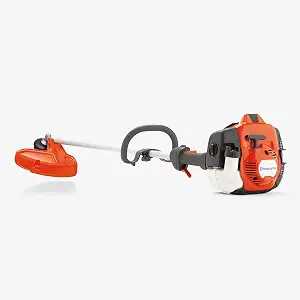 |
| Best Quality Built to a higher standard if you want something more solid | Husqvarna 330LK Gas String Trimmer (970545002) |  |
| Best Value The sweet spot between price and what you get | PROYAMA PBC43 42.7cc 3-in-1 Gas Brush Cutter and String Trimmer | 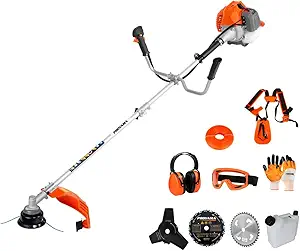 |
| Best Budget The cheapest option that still gets the job done reliably | COOCHEER 58cc 4-in-1 Gas Straight-Shaft Weed Eater (18.5" Cutting Path) |  |
| Highest Rated A top-rated pick with lots of positive feedback | Elegarden 51.7cc 2-Cycle Gas 4‑in‑1 Weed Wacker and Brush Cutter |  |
| Most Popular A crowd favorite that many people choose with confidence | Husqvarna 130L Gas String Trimmer, 18-Inch Straight Shaft |  |
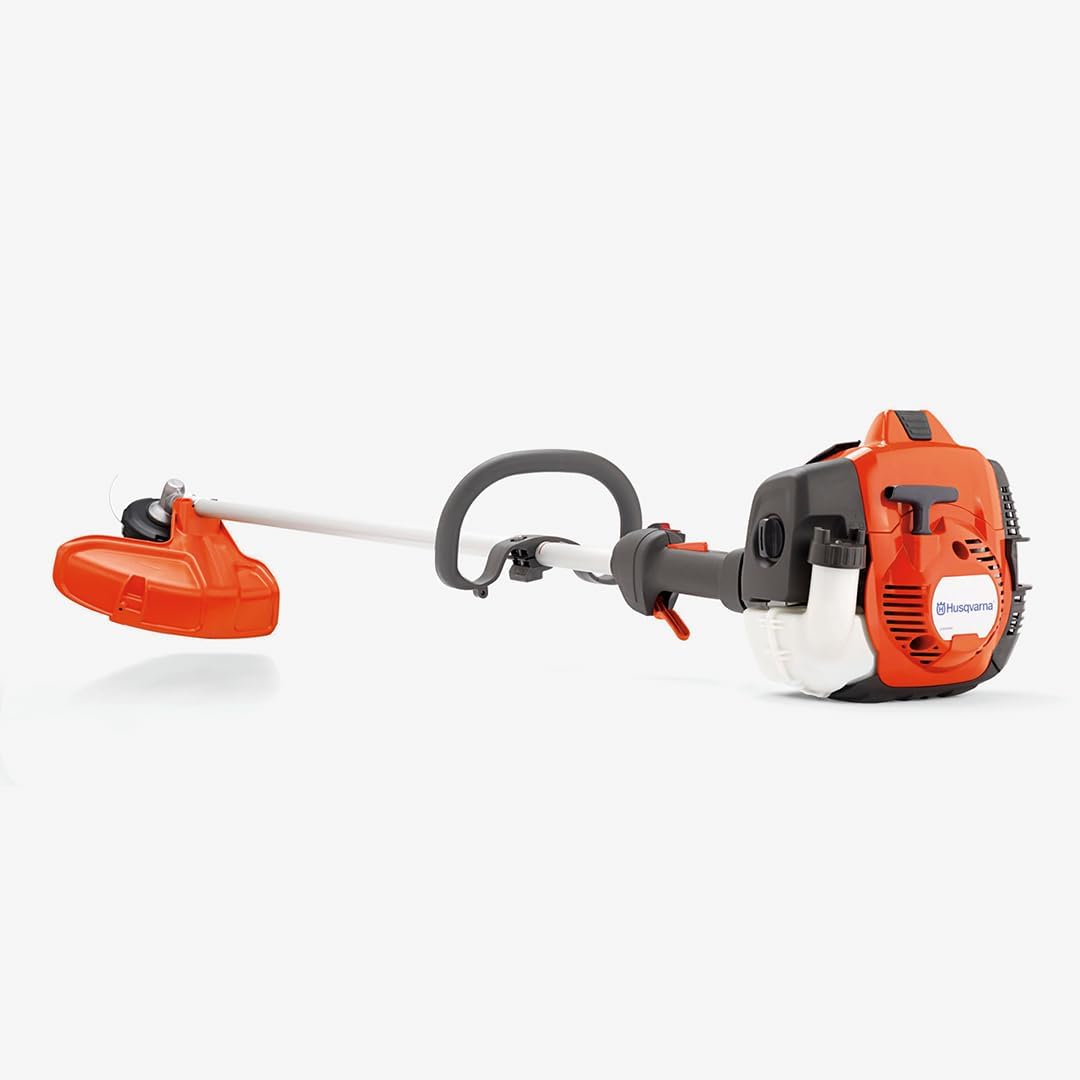
Husqvarna 525L 25.4cc Straight-Shaft Gas String Trimmer
| Power Source | Gas Powered |
|---|---|
| Cutting width | 17 inches |
| Engine Displacement | 25.4 CC |
| Engine Cycle | 2-Cycle |
| Attachment Capable | No |
The Husqvarna 525L is a gas-powered straight-shaft string trimmer built for regular yard maintenance and light professional use. It uses a 25.4cc X-Torq 2-cycle engine with Smart Start and Air Purge to reduce startup effort and fuel consumption, and a Tap-n-Go head that makes line advancement and reloads quick. The 17-inch cutting width covers more area per pass than compact consumer trimmers, and the intuitive controls and high-capacity line head help when edging, clearing overgrown grass, or doing seasonal cleanup. Practical benefits include stronger cutting performance than battery models and a durable design intended for frequent use. Important limitations are the typical noise and vibration of a gas two-stroke unit and the need for fuel mixing, routine maintenance, and hearing protection for longer sessions. This model is not attachment-capable, so you cannot expand it with other tools, but it delivers straightforward, reliable trimming where cordless runtime or power would be a constraint.
Best for: Buyers who prioritize dependable gas power for frequent trimming and want a machine that starts easily and handles heavier grass without relying on battery runtime.
Less Ideal for: Those who need a quiet, low-maintenance option for small yards or who prefer cordless convenience and zero-emission operation.
- Powerful 25.4cc X-Torq engine for robust cutting and improved fuel efficiency
- Smart Start and Air Purge reduce effort when starting the trimmer
- Tap-n-Go trimmer head for fast line advance and easier reloading
- 17-inch cutting width speeds up work on larger patches and edges
- Two-cycle gas engine requires fuel mixing and regular maintenance
- Higher noise and vibration levels compared with electric or battery trimmers
- Not compatible with attachments for other yard tools
Verdict: Choose the 525L when you need a reliable, easy-starting gas trimmer that handles frequent trimming and heavier grass better than cordless alternatives.
Husqvarna 330LK Gas String Trimmer (970545002)

| Power Source | Gas Powered |
|---|---|
| Cutting width | 20 inches |
| Speed | 8000 rpm |
| Recommended Uses For Product | Large areas, thick vegetation, landscaping with attachments |
The Husqvarna 330LK is built for serious property maintenance and landscapers who need a durable gas trimmer that performs across large areas and dense vegetation. It offers a selectable cutting path (20 inches for coverage or 18 inches for more torque) and an 8000 rpm engine that makes short work of thick grass and overgrowth. The Rapid Replace trimmer head simplifies reloading line so you spend less time stopped and more time trimming. A spring-assisted start and Air Purge reduce pull effort and improve first-start reliability, while the LowVib system and comfortable handle cut operator fatigue during longer sessions. The shaft detaches for easier transport and the unit accepts a wide range of click-on attachments to convert it into an edger, hedge trimmer, pole saw, blower, or cultivator. Expect typical gas-trimmer maintenance such as fueling, spark plug and carburetor care, and higher noise and vibration levels than electric models despite the anti-vibration features.
Best for: Owners who prioritize performance and productivity for large lawns or heavy vegetation and who need a robust gas trimmer that can handle extended use and multiple landscaping tasks.
Less Ideal for: People with small yards who prefer low-maintenance, quiet equipment or gardeners who want a cordless, emission-free option.
- Selectable 18/20-inch cutting width balances coverage and power for different vegetation
- Rapid Replace trimmer head for faster, easier line changes
- Spring-assisted start and Air Purge for easier and more reliable starting
- LowVib anti-vibration system and ergonomic handle reduce operator fatigue
- Detachable shaft and compatibility with multiple attachments expand functionality
- Requires regular gas-engine maintenance and fuel handling
- Heavier and louder than battery or electric alternatives
Verdict: Buy this if you need a performance-focused gas trimmer that covers large areas, starts easily, and converts to multiple landscaping tools.
PROYAMA PBC43 42.7cc 3-in-1 Gas Brush Cutter and String Trimmer

| Power Source | Gas Powered |
|---|---|
| Cutting width | 18 inches |
| Speed | 10000 rpm |
| Size | 42.7cc |
The PROYAMA PBC43 pairs a 42.7cc two-cycle gas engine with a straight steel shaft and multiple cutting attachments so you can move between lawn edging, light trimming, and heavy brush clearing without buying separate machines. Typical use is garden maintenance on medium to large lots: fit the trimmer head for grass near fences and trees, then swap to the 3T or 40T metal blades or chain blade for thick weeds, brush, and small woody stems. Notable features include an ergonomic harness and a U-shaped bike handle that improve control during extended runs, and a claimed easy-start system that reduces starter cord resistance. In practice the metal blades make quick work of dense vegetation, while the straight shaft gives reach for awkward spots. Expect some learning curve for correct starting and carburetor adjustments and occasional tuning if the engine stalls under load. It is a heavier, louder tool best suited to established mower-operator workflows rather than casual backyard trimming.
Best for: Buyers who need a single, gas-powered tool to handle both regular trimming and aggressive brush cutting on medium to large properties and who value robust cutting power over low noise.
Less Ideal for: Not a good fit for users who want a lightweight, low-maintenance electric trimmer or who need a quiet tool for small urban yards.
- Powerful 42.7cc two-cycle engine for cutting thick weeds and brush
- Four cutting attachments (trimmer head plus metal blades and chain) for versatile tasks
- Straight steel shaft and bike-style handle give good reach and control
- Included harness reduces operator fatigue on longer jobs
- Requires regular carburetor tuning and proper fuel mix for reliable starting and idle
- Heavier and louder than electric models, so less suitable for small yards or noise-restricted areas
Verdict: Choose this PROYAMA if you want a single gas machine that shifts from lawn trimming to heavy brush clearing without swapping tools.
COOCHEER 58cc 4-in-1 Gas Straight-Shaft Weed Eater (18.5" Cutting Path)

| Power Source | Gas Powered |
|---|---|
| Engine Type | 2-Stroke, air-cooled |
| Displacement | 58CC |
| Engine Power | 1600W |
| Cutting width | 18.5 inches |
The COOCHEER 58cc 4-in-1 weed eater is a straight-shaft gas trimmer built for heavy-duty backyard work. It pairs a 58cc two-stroke engine with four detachable heads — two string trimmer heads, an 18.5-inch 3‑tooth blade and an 18.5-inch 40‑tooth circular blade — so you can switch between precise edging, thick grass trimming and brush clearing. The long straight shaft and two-hand control make it easier to reach under shrubs and along fences while distributing weight for steadier handling. Practical touches include an easier-to-reload spool, a high-safety throttle switch, and a claimed fuel-efficient tune for more run time. Important limitations are that it is a basic gas two-stroke so you will need to mix oil and gasoline and perform routine carburetor and spark maintenance, and the machine is heavier and louder than battery alternatives. For budget-minded buyers who need raw cutting power over long runtimes or cordless convenience this trimmer offers a lot of capability for the price.
Best for: Buyers on a tight budget who need strong, gas-powered cutting performance for sizeable yards or overgrown patches and prioritize raw power over cordless convenience.
Less Ideal for: Those who prefer low-noise, low-maintenance battery tools or need a lightweight trimmer for small yards and frequent quick touch-ups.
- Powerful 58cc two-stroke engine suited for thick grass and brush
- Four interchangeable heads let you switch between string trimming and heavy brush cutting
- Straight shaft and two-hand control improve reach and balance for large yards
- Large 18.5-inch cutting path covers more ground per pass
- Requires gas and two-stroke oil mixing and routine engine maintenance
- Heavier and louder than electric or battery trimmers
Verdict: If you need maximum cutting power on a tight budget, this 58cc straight‑shaft trimmer delivers versatile, heavy-duty performance for large yards.
Elegarden 51.7cc 2-Cycle Gas 4‑in‑1 Weed Wacker and Brush Cutter

| Power Source | Gas Powered |
|---|---|
| Cutting width | 16 inches |
| Speed | 10000 rpm |
The Elegarden 51.7cc gas weed wacker is built for heavy yard work where a battery trimmer would struggle. Its 2-cycle 51.7cc engine delivers about 2 HP and up to 10,000 rpm, driving a 16-inch dual-line head for wide swaths and multiple metal blades (3T, 40T and 80T) for cutting dense weeds, brush and small saplings. The straight shaft, U-handle and shoulder strap make longer sessions more manageable, and the quick-release split shaft simplifies assembly, transport and storage. The kit ships with protective gear and tools so you can switch cutting attachments on the job. Expect strong cutting performance and durability for farm, trail or overgrown-property cleanup, but keep in mind it is a two-stroke gas tool so it needs fuel mixing, regular maintenance and generates more vibration and noise than electric models. It is not CARB certified and cannot be used in California.
Best for: Buyers who prioritize a dependable, gas-powered cutter for heavy-duty trimming and brush clearing and who prefer a tool that handles a variety of tough cutting tasks with metal blades.
Less Ideal for: Casual lawn owners who prefer quieter, low-maintenance electric or battery trimmers or users restricted by state emissions rules.
- Powerful 51.7cc 2-cycle engine provides strong cutting performance up to 10,000 rpm
- 4-in-1 configuration includes dual-line trimmer plus 3T, 40T and 80T metal blades for versatile cutting tasks
- Straight shaft with U-handle and shoulder strap improves control and reduces fatigue during extended use
- Quick-release split shaft enables faster assembly, transport and storage
- Complete kit includes safety gear and installation tools so it is ready to use out of the box
- Requires two-stroke fuel mixing and regular engine maintenance
- Not CARB certified and cannot be used in California
Verdict: Choose this robust gas trimmer if you need a reliable, heavy-duty machine that swaps between line and metal blades to tackle thick grass, dense weeds and brush.
Husqvarna 130L Gas String Trimmer, 18-Inch Straight Shaft

| Power Source | Gas Powered |
|---|---|
| Cutting width | 18 inches |
| Speed | 8000 rpm |
The Husqvarna 130L is a gas straight-shaft string trimmer built for homeowners who need a powerful, reliable unit for edging and trimming around yards and tough spots. Its 28-cc 2-cycle engine and 18-inch cutting width let you cover more area faster than smaller trimmers, and features like digital ignition, Air Purge and Smart Start reduce the fuss when starting the engine. The Rapid Replace trimmer head simplifies line changes by letting you align, load and twist the line instead of wrestling with small parts. LowVib anti-vibration design and a comfortable handle help reduce fatigue during longer runs. Expect robust cutting performance and straightforward controls suitable for routine lawn maintenance. The trade-offs are those common to gas models: it requires fuel mixing, occasional tune-ups, and produces more noise and emissions than battery alternatives, so it is less suitable where quiet or zero-emission operation is a priority.
Best for: Homeowners who want a robust gas trimmer that starts reliably and handles larger yards or tougher vegetation, and who prioritize proven features and ease of use.
Less Ideal for: People who need a quiet, low-emission tool for small yards or who prefer low-maintenance battery systems should consider electric alternatives.
- Powerful 28-cc engine with 18-inch cutting width covers more area per pass
- Digital ignition, Air Purge and Smart Start make cold starts easier
- Rapid Replace trimmer head speeds up line changes
- LowVib anti-vibration system and ergonomic handle reduce operator fatigue
- Requires mixed fuel and regular engine maintenance typical of 2-cycle gas units
- Noisy and produces emissions compared with battery trimmers
Verdict: Choose the Husqvarna 130L when you want a dependable, easy-starting gas trimmer that delivers strong cutting performance for medium to large yards.
Choosing the Right Heavy Duty Gas String Trimmer: Key Factors to Consider
Engine Size and Torque
Engine displacement and torque determine how well a trimmer handles thick grass, stubborn weeds, and light brush. Larger displacement usually translates to steadier cutting under load and fewer bogging moments, both important when trimming large areas or tackling heavy growth.
Higher torque at lower RPM helps the cutting head push through dense stems without stalling. Consider jobs you do most often: frequent edging and tall, fibrous weeds benefit from a higher-displacement engine, while occasional touch-ups may not need as much power. Also factor in how fuel consumption scales with engine size if you expect long run sessions.
Drive Shaft and Head Construction
A stiff, well-supported drive shaft resists bending and reduces wobble when the head encounters resistance. Heavy-duty trimmers often use solid metal shafts or reinforced designs that survive knocks and bending stresses better than thin hollow shafts.
The cutting head and gearbox must be robust enough for frequent impacts and high RPM torque. Look for replaceable, serviceable heads and durable gearbox housings. Quick-change head systems are handy but must lock securely to avoid slippage under heavy load.
Build Materials and Corrosion Resistance
Exposure to moisture, debris, and fuel residues demands corrosion-resistant materials and coatings. Steel components that contact the ground or cut material should be hardened or treated, while exposed fasteners and mountings benefit from rust-resistant finishes.
Plastic housings are fine for weight savings, but critical load-bearing parts should be metal. Proper gasketing and sealed joints help keep water and dust out of the engine and gearbox, extending service intervals and preventing early failures.
Comfort, Balance, and Vibration Control
Heavy trimmers can become fatiguing over extended use. Balance between the engine and cutting head reduces arm strain and makes precise edging easier. Padded harness points or dual-strap harness compatibility spread the load across your shoulders and back, reducing fatigue for long sessions.
Vibration dampening in the handle and a thoughtfully placed throttle control make jobs less tiring and improve accuracy. Test how a unit sits when worn with a harness if you plan multiple-hour tasks.
Serviceability and Maintenance Access
Routine maintenance keeps heavy-duty trimmers running reliably. Easy access to spark plugs, air filters, and carburetor adjustments shortens downtime for seasonal servicing. Fuel system details, like primer bulbs and quality fuel lines, influence cold starts and consistent running.
Availability of common replacement parts such as trimmer heads, drive shafts, and seals is also important. Choose a design that allows field repairs with basic tools to avoid extended downtime during peak trimming seasons.
Fuel System and Starting Ease
Two-stroke engines are common in gas trimmers and require correct fuel mixing and a reliable primer or choke system. Easy starting features reduce time wasted on pull starts, especially when the engine is hot or after long breaks.
Consider how often you will refuel and whether the trimmer offers a larger tank for extended runtime. A well-designed fuel cap and venting system prevents spills and vacuum lock during use.
Matching Trimmer Power to Yard Size
Estimate the typical vegetation and acreage you maintain before choosing a heavy-duty unit. Small properties with occasional thick patches do not always need the highest displacement engine, whereas acreage with mixed grass and brush benefits from extra torque and a larger fuel tank.
Also factor in job duration. For frequent long sessions, prioritize fuel capacity, cooling design, and ease of refueling so you minimize stops while maintaining consistent cutting performance.
- Smaller lots with dense patches: mid-range heavy-duty models can be sufficient
- Multiple acres or brush: higher displacement and larger tanks reduce interruptions
- Frequent edging: balance power with maneuverability for tight spaces
Harnesses, Handles, and Operator Comfort
Operator comfort has a direct effect on how quickly and accurately work gets done. A well-fitted harness transfers weight from your arms to your torso and allows you to use the trimmer for longer periods. Look for adjustable straps and quick-attach points for safety.
Grips and handle placement determine control during edging and near obstacles. A loop handle offers nimble control in small areas, while a bicycle-style handle provides better leverage for broad cutting lines and reduces wrist fatigue.
- Try different grip positions during use if possible
- Check harness fit and padding for longer sessions
- Balance head-to-engine distance to reduce wrist torque
Routine Maintenance Schedule for Heavy Use
Establish a maintenance routine based on hours of operation rather than calendar days. Heavy-duty use requires more frequent cleaning of air filters, inspection of the cutting head and gearbox, and periodic replacement of fuel lines. Keep a small kit with common spare parts and tools for field repairs.
Document hours logged and note any symptoms like hard starting, smoke, or reduced RPM under load. These early warnings let you address small issues before they become failures during busy season.
- Air filter: clean or replace more often under dusty conditions
- Spark plug: inspect every season or by hours used
- Gearbox: check lubricant and head mounting regularly
Attachment Options and Versatility
Some heavy-duty trimmers accept accessory attachments such as brush cutters, edgers, and pole saws. These expand the tool's usefulness and can reduce the number of machines you need. Verify that the shaft and gearbox are rated for the torque of attachments you plan to use.
Attachment systems should lock securely and be serviceable in the field. While attachments increase versatility, they also add complexity to maintenance and may require additional harness considerations for safe use.
- Confirm attachment compatibility and torque ratings
- Consider storage and transport space for extra tools
- Evaluate whether accessories are serviceable with basic tools
Noise, Emissions, and Local Regulations
Gas trimmers produce significant noise and emissions compared with electric alternatives. Check local noise ordinances and community rules before choosing a heavy-duty gas model for regular use. In some areas, restricted hours or limits on engine sizes may apply.
Plan work times to minimize neighbor disruption and wear hearing protection during extended use. Proper maintenance also reduces exhaust smoke and helps engines run cleaner and more efficiently.
- Wear hearing protection for prolonged use
- Schedule noisy tasks during reasonable hours
- Maintain fuel and carburetor settings to limit smoke
How We Chose the Best Heavy Duty Gas String Trimmer
We focused on tools designed for heavy yard work and frequent use. Selection criteria emphasized engine displacement and torque characteristics to ensure consistent cutting through thick grass and small brush. Durability of the drive components and head assembly was weighed heavily because heavy use accelerates wear. Ergonomics and vibration control were included so prolonged jobs remain manageable. Fuel system design and ease of routine maintenance were also critical, since daily or weekly use demands accessible filters, straightforward carburetor access, and replaceable wear parts. Finally, we considered available attachments and shaft strength because they extend utility and reduce failure points under load. Items were excluded if they were explicitly marketed for light or occasional residential use, had two-stroke designs without recommended maintenance pathways, or lacked clear specifications on power output and component materials. The final shortlist reflects products that meet real-world gardener expectations for power, serviceability, and long-term durability.
FAQ
How often should I service a heavy-duty gas string trimmer?
Service frequency depends on hours used, but for heavy-duty use check air filters and spark plugs every 25 to 50 hours, inspect the gearbox and head every 50 hours, and replace fuel lines or seals annually or when deterioration appears.
Can I use attachments on most heavy-duty trimmers?
Many heavy-duty trimmers accept attachments, but compatibility varies. Confirm shaft type and gearbox ratings before attaching heavier accessories like brush cutters or pole saws to avoid premature wear or failure.
What fuel mix works best for a two-stroke heavy trimmer?
Follow the manufacturer's recommended oil-to-fuel ratio if available. For heavy use, use fresh fuel mixed with the proper grade of two-stroke oil and avoid fuel that has been stored for long periods to prevent carburetor blockages.
How do I reduce vibration and fatigue during long trimming sessions?
Use a padded, adjustable harness to redistribute weight off your arms, choose a well-balanced model, and look for vibration-damping handles. Taking short breaks and alternating tasks can also reduce fatigue.
Is shaft type important for durability?
Yes. Solid metal or reinforced shafts resist bending and wobble better than thin hollow shafts, especially under heavy loads or when striking debris. A stiff shaft preserves head alignment and reduces wear on the gearbox.
Final Verdict
For heavy-duty gas string trimmers, prioritize cutting power, shaft and head durability, and ease of maintenance. Bigger engines and robust drive components make a noticeable difference when cutting thick grass or working across large areas. Balance power with operator comfort and a good harness system to keep jobs efficient and reduce fatigue. Decide based on how much time you spend trimming and the toughest vegetation you face. If you plan long, frequent sessions, favor durability, serviceability, and usable accessories. For less frequent heavy patches, a mid-range heavy-duty option with strong build quality will often offer the best compromise between performance and upkeep.
