

Note: This article contains affiliate links. If you click on these links and make a purchase, I may earn a small commission at no extra cost to you. This helps support my research and content. Read my full affiliate disclosure here.
Getting reliable shrub cuttings to root changes how you expand and maintain the garden. The right rooting hormone helps stimulate root formation, shortens the time to a usable plant, and reduces losses from rot or desiccation. Whether you are propagating broadleaf shrubs, evergreen specimens, or ornamental hedging, choosing a formulation suited to woody cuttings makes a big difference in results. This guide covers seven shortlisted rooting hormones for shrubs and explains the practical tradeoffs we used to evaluate them. Read on to learn which product features affect success in real garden situations and what to expect when you use rooting hormone on shrub cuttings.
Top Picks at a Glance
| Best Overall The best all-around choice for most situations | Hormex Liquid Rooting Hormone Concentrate with Vitamin B1, 8 oz |  |
| Best Quality Built to a higher standard if you want something more solid | Clonex Rooting Gel High-Performance Rooting Compound, 100 ml |  |
| Best Value The sweet spot between price and what you get | Hormex Rooting Hormone Powder #8 (0.8% IBA), 1 lb |  |
| Best Budget The cheapest option that still gets the job done reliably | Bonide Bontone II Rooting Powder, 1.25 oz |  |
| Highest Rated A top-rated pick with lots of positive feedback | Herrdemia 3-in-1 Rooting Powder (IBA + NAA + Mycorrhizae) |  |
| Most Popular A crowd favorite that many people choose with confidence | Garden Safe TakeRoot Rooting Hormone Powder, 2-Pack (2 oz) | 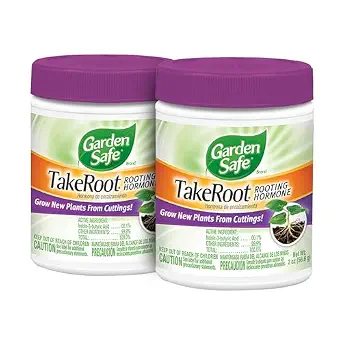 |
| Best Seller A high-volume bestseller chosen again and again | Bonide Root & Grow Concentrate 32 oz |  |
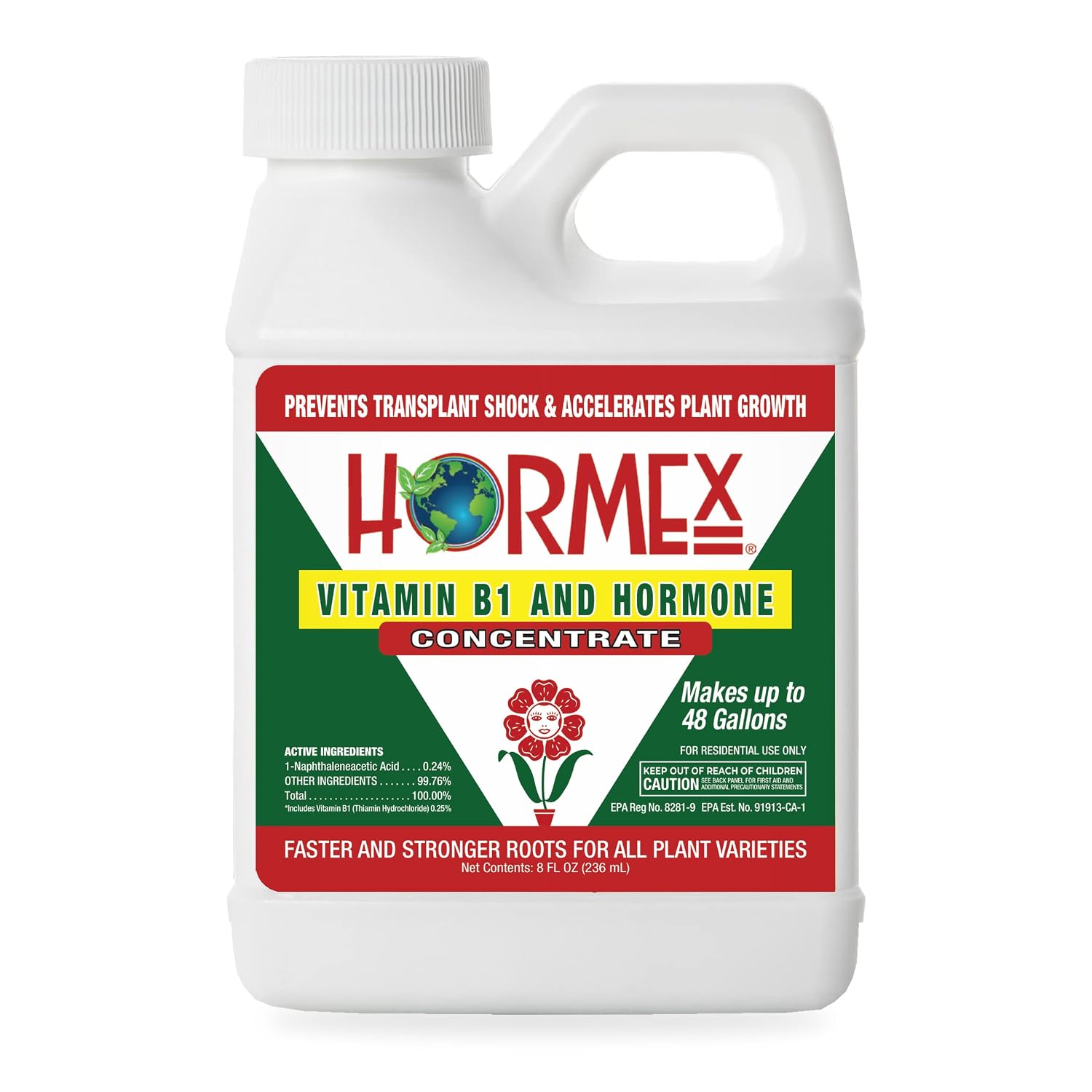
Hormex Liquid Rooting Hormone Concentrate with Vitamin B1, 8 oz
| Item Form | Liquid |
|---|---|
| Specific Uses For Product | Root Stimulator – Enhances Rooting and Growth for All Plant Varieties and Growing Mediums. |
| Application Method | Mix into watering routines or hydroponic systems |
| Coverage | Transplanting – Hydroponics – Indoor Plants – Cut Flowers – Bare Root Planting – Lawn & Ground Cover |
| Mixing Ratio | 1 teaspoon per quart of water |
Hormex Liquid Rooting Hormone is a versatile concentrate designed for water propagation, transplanting, repotting and hydroponic use. You dilute it by drops or teaspoons depending on the task: a few drops per 16 oz of water for rooting cuttings in jars, 1 to 2 teaspoons per gallon for transplants or hydroponic reservoirs, and a short full-strength dip for tender cuttings. The formula pairs a rooting hormone with vitamin B1 and micronutrients to encourage feeder root growth and help plants recover from transplant stress. Practical benefits include clear dosing guidance for common propagation scenarios, compatibility with soil and soilless media, and concentrated volume so a small bottle treats many propagations. Limitations to note are that effective results depend on following the mixing instructions and choosing the right strength for woodier versus softer cuttings, and it is not a single-step solution for very difficult woody cuttings where a specialized powder strength may be better.
Best for: Gardeners who prefer low-risk, proven solutions for propagating houseplant cuttings and protecting newly transplanted plants and who value clear, conservative dosing guidance.
Less Ideal for: Specialist propagators who routinely root very woody or hard-to-root species and expect a single product to handle all cutting types without matching different strength formulas.
- Specifically dosed for water propagation with clear drop-based instructions
- Includes vitamin B1 and micronutrients to support transplant recovery and root development
- Concentrated formula where a small bottle treats many propagations and transplants
- Works across media: soil, coco, rockwool and hydroponic systems
- Requires careful measuring for different uses which adds a small learning step
- May not replace specialist powder strengths for very woody or difficult cuttings
Verdict: A reliable, easy-to-measure liquid rooting concentrate that makes water propagation and post-transplant recovery straightforward for cautious gardeners.
Clonex Rooting Gel High-Performance Rooting Compound, 100 ml

| Item Form | Gel |
|---|---|
| Application Method | Dip |
| Specific Uses For Product | Gardening, Propagation |
| Liquid Volume | 100 ml |
Clonex Rooting Gel is a tenacious, water-based rooting compound designed for dipping cuttings to speed root initiation. You apply it by dipping the cut end into the gel, then place the treated cutting into your chosen rooting medium and keep it warm and moist. The gel formula adheres to tissue so it stays in contact longer than powders or liquids, delivering a measured dose of IBA and nutrients that encourage consistent root development across many soft-tissue plant types. For growers focused on reliable, repeatable propagation results the product is easy to use, stores compactly, and is widely trusted by nurseries. Important limitations are that root timing still depends on species and environment, and a 100 ml bottle suits moderate use but may be small for large-scale commercial propagation. It is best paired with good sanitation, a stable humidity environment, and appropriate rooting media to get the strongest results.
Best for: Growers who prioritize predictable, high-performance propagation and want a proven rooting compound that gives repeatable results for soft-tissue cuttings.
Less Ideal for: Casual gardeners who rarely propagate and prefer single-use powders or non-hormonal methods, or operations that need bulk quantities for very large-scale propagation.
- Gel formulation adheres to cuttings for prolonged contact and effective delivery of rooting hormones
- Contains IBA and additional nutrients formulated to encourage root initiation and development
- Simple dip application that integrates easily into standard propagation workflows
- Trusted formulation used by hobbyists and commercial growers for consistent results
- 100 ml bottle may be insufficient for very large propagation runs
- Effectiveness still depends on plant species and environmental conditions
Verdict: Choose Clonex Rooting Gel when you want a proven, professional-grade gel that reliably accelerates rooting for soft-tissue cuttings.
Hormex Rooting Hormone Powder #8 (0.8% IBA), 1 lb

| Item Form | Powder |
|---|---|
| Application Method | Dip |
| Unit Count | 16 Ounce |
| Coverage | Semi-Hardwood Plants, medicinal and tree cuttings |
| Specific Uses For Product | Rooting hormone for cloning plants, root starter for cuttings |
Hormex #8 is a dip-applied rooting powder designed for semi-hardwood and moderately difficult woody cuttings such as azalea, grape and many shrubs. You moisten the cutting, dip the end into the powder, tap off excess and plant into a prepared rooting medium. The 0.8% IBA concentration targets firmer stems that need stronger stimulation than softwood formulas and helps encourage faster root initiation when used with proper humidity and moisture control. The 1 lb jar is sized for regular propagators, nurseries or anyone tackling multiple cuttings at once and the product images include a plant-strength guide to match plants to the right Hormex formula. Limitations to note are that powder application requires care to avoid contaminating the whole jar and that success still depends on cutting quality and aftercare rather than the hormone alone. For single or occasional hobbyists a smaller format or liquid alternative may be easier to manage, but for repeated shrub propagation this delivers a concentrated, proven option.
Best for: Gardeners and small-scale growers who regularly propagate shrubs and woody ornamentals and prioritize efficient, repeatable results when taking many cuttings.
Less Ideal for: Casual or first-time propagators who only take a few cuttings per season or who prefer premeasured liquid formulations for single-use convenience.
- Formulated specifically for semi-hardwood and woody shrub cuttings with 0.8% IBA
- Dip-and-plant powder is simple to use and works with soil, coco coir, rockwool or rooting cubes
- 1 lb jar provides a bulk supply suitable for frequent propagation or larger projects
- Plant strength guide helps match the correct Hormex formula to specific varieties
- Powder format can risk contamination of the jar if unused powder is returned
- Bulk 1 lb size may be more than needed for casual hobbyists
- Requires correct aftercare and suitable growing conditions to achieve reliable rooting
Verdict: If you propagate shrubs or other semi-hardwood cuttings regularly, this 0.8% IBA powder gives a concentrated, workhorse rooting solution sized for repeated sessions.
Bonide Bontone II Rooting Powder, 1.25 oz

| Item Form | Powder |
|---|---|
| Specific Uses For Product | Root Development |
| Application Method | dip and shake |
| Target Species | azaleas, mums, geraniums, pachysandra, poinsettias and others |
| Unit Count | 1.25 Ounce |
Bonide Bontone II is a classic IBA-based rooting powder sold in a small 1.25 oz dust jar for home gardeners and hobbyists. You apply it by dipping a cutting’s wound into the powder, shaking off excess, and planting into moist media; it can also be used to coat seeds or bulbs in a bag before planting. The product’s straightforward formulation of indole-3-butyric acid targets root initiation and is effective on both softwood and hardwood cuttings as well as many ornamentals and vegetables. In practice the powder is convenient to use, has a medium coverage per package, and reduces the time and failure rate for many common cuttings. Limitations are the small unit size if you plan to take large numbers of cuttings, and because it is a dry powder it can be messier to apply than gel alternatives. Safety precautions are also reasonable to follow since it is a plant hormone rather than an inert filler.
Best for: Gardeners who want a reliable, easy-to-use rooting hormone backed by long-standing use and positive user feedback and who take a cautious approach to selecting proven products for their cuttings.
Less Ideal for: Propagation professionals or growers who take very large numbers of cuttings and need bulk quantities or who prefer the tidier application of gels or liquid dilutions.
- Contains indole-3-butyric acid (IBA), a proven rooting hormone for cuttings
- Ready-to-use powder that is simple to apply by dip and shake
- Versatile for cuttings, seeds, bulbs, and transplants across many ornamental and edible plants
- Compact jar size convenient for occasional home garden use
- Small 1.25 oz package may not be economical for frequent or large-scale propagation
- Powder form can be messier and harder to control than gel or liquid formulations
Verdict: A proven, ready-to-use IBA powder that reliably speeds rooting for home gardeners focused on successful cuttings.
Herrdemia 3-in-1 Rooting Powder (IBA + NAA + Mycorrhizae)

| Item Form | Powder |
|---|---|
| Application Method | dip or mix with water |
| Specific Uses For Product | Root Development, plant propagation |
| Target Species | Houseplants |
| Unit Count | 1.1 Ounce |
This rooting powder is designed to accelerate root initiation and improve survival of cuttings across soil and hydroponic systems. It is typically used as a dip for soil propagation or dissolved in water for water and LECA propagation; the package includes mixing ratios and step-by-step directions. The formula combines IBA for feeder roots, NAA for a strong central root, and R. irregularis mycorrhizae to extend nutrient uptake, plus adjuncts such as seaweed extract and chitosan to reduce stress and protect cut sites. Practical benefits include faster visible rooting in 1–2 weeks in many species, compatibility with popular houseplants and woody cuttings, and an estimated high coverage per bottle suited to repeated propagation projects. Important limitations are the need to follow the dosage carefully because overuse can inhibit rooting, and the product is a concentrated chemical powder that requires careful handling and must be kept away from children and pets. Overall it is a reliable option for gardeners who want consistent rooting performance when propagating a variety of plants.
Best for: Buyers who prioritize dependable, repeatable propagation results and want a single product that works across soil and water systems for houseplants and woody cuttings.
Less Ideal for: Gardeners who prefer purely organic, food-safe options or who will not follow precise dosing and safety precautions should consider alternative gentler methods.
- Broad-spectrum formula combining IBA, NAA, and mycorrhizae for stronger, more complete root systems
- Works in both soil and water propagation and is compatible with hydroponic media like LECA
- Includes practical directions and mixing ratios for dips and water solutions
- High estimated coverage per bottle suitable for many cuttings or repeated propagation sessions
- Concentrated formula requires precise dosing since overuse can suppress rooting
- Contains active ingredients that are hazardous if swallowed or inhaled and must be stored safely
Verdict: Choose this powder when you want a single, lab-tested rooting hormone that reliably speeds and strengthens root formation across soil and water propagation.
Garden Safe TakeRoot Rooting Hormone Powder, 2-Pack (2 oz)

| Item Form | Powder |
|---|---|
| Specific Uses For Product | Plant Growth, Root Development |
| Application Method | Stir cut ends in powder |
| Number of Packs | 2 |
| Active Ingredient | Indole-3-butyric acid |
Garden Safe TakeRoot is a simple powder rooting hormone intended to help grow new plants from stem cuttings. You moisten the cut end, dip or stir it in the powder, tap off excess and plant the treated cutting in a rooting medium, then mist regularly. The active ingredient is indole-3-butyric acid, a commonly used auxin that encourages root initiation on a wide range of houseplant and garden varieties such as African violets, geraniums, roses, poinsettias and many woody ornamentals. In practice the powder form is easy to apply, low-mess compared with liquids, and the included two-pack gives extra supply for repeated propagation attempts. Limitations are that it is a basic, single-concentration product so you cannot adjust strength for difficult species, and you must avoid cross-contaminating the jar when treating multiple plants. For cautious gardeners who prefer a proven, no-frills rooting aid, this product reliably increases the odds that common cuttings will form roots when used with proper cutting and aftercare techniques.
Best for: Buyers who want a straightforward, proven rooting aid to improve success with common cuttings and who favor reliable, low-risk products over experimental approaches.
Less Ideal for: Propagators seeking adjustable-concentration hormones, specialized formulations for very difficult-to-root plants, or liquid dosing systems should consider other options.
- Contains indole-3-butyric acid, a widely used rooting hormone that promotes root formation
- Powder form is easy to apply and reduces spills compared with liquid formulations
- Suitable for many common houseplants and garden cuttings including roses, geraniums and African violets
- Two-pack supply lets you treat multiple cuttings or keep a back-up jar
- Single-strength powder does not allow dosing adjustments for very sensitive or hard-to-root species
- Requires careful handling to avoid contaminating the container when treating multiple plants
Verdict: A dependable, easy-to-use powder rooting hormone that raises your chances of success with typical houseplant and garden cuttings.
Bonide Root & Grow Concentrate 32 oz

| Item Form | Liquid |
|---|---|
| Specific Uses For Product | Root Development |
| Application Method | Pouring directly onto the soil and roots |
| Target Species | fruit, vegetables, flowers, trees, and bedding plants |
| Mixing Ratio | 4:10:3 |
Bonide Root & Grow is a liquid concentrate designed for use when seeding or transplanting to speed early root formation and help plants establish. You dilute the concentrate per label instructions and pour the solution onto soil and roots when potting seedlings, transplanting plugs, or setting out young vegetables and ornamentals. Notable features include an active IBA rooting hormone and a 4-10-3 nutrient ratio that supplies extra phosphorus to support root growth. In practice it can reduce transplant shock and promote quicker, stronger root systems, which is useful for both container-grown seedlings and recently set out bedding plants. Because it is a concentrate, a single 32 oz bottle yields multiple applications, which stretches a limited budget. Important limitations are that it is a specialized root stimulator rather than an all-purpose feed for ongoing growth and it requires careful dilution and label compliance to avoid overapplication.
Best for: Buyers wanting an affordable, concentrated product to give seedlings and recent transplants a stronger start and who prioritize preventing transplant shock over routine feeding.
Less Ideal for: Gardeners looking for a general weekly fertilizer or a balanced feed for mature plants should choose a different product.
- Contains IBA rooting hormone to stimulate root initiation
- 4-10-3 fertilizer ratio provides extra phosphorus for root development
- Concentrated 32 oz bottle yields many applications, good for tight budgets
- Easy to apply by diluting and pouring directly onto soil and roots
- Formulated mainly for root stimulation so not ideal as a regular all-purpose feed
- Requires careful mixing and label reading to use safely and effectively
Verdict: A budget-friendly concentrated root stimulator that helps seedlings and transplants establish faster by combining IBA with a phosphorus‑rich fertilizer.
Choosing the Right Rooting Hormone for Shrubs: Key Factors to Consider
Type of Cutting and Wood Maturity
The maturity of the shrub cutting-softwood, semi-ripe, or hardwood-directly affects which rooting hormone formulation will work best. Softwood cuttings are younger and typically root faster with lower-concentration auxin preparations, while semi-ripe and hardwood cuttings often need stronger concentrations or longer exposure to initiate root primordia.
Matching the hormone strength to wood maturity reduces failures caused by overapplication or under-stimulation. For example, a high-concentration powder that is ideal for hardwood cuttings can scorch tender softwood shoots, while a very mild solution may not trigger roots in dense, lignified material. Plan propagation timing and select a formulation that lists woody cuttings on its label to improve your odds.
Formulation Format: Powder, Gel, or Liquid
Powders are convenient for quick dipping of many small cuttings and generally have long shelf life. They cling to the stem base and deliver a measured dose of hormone, but they can sometimes carry pathogen spores if not stored dry. Gels offer controlled coverage and reduce dust; they are helpful when you need to apply hormone to narrow cuts or work in windy conditions. Liquids, including concentrated solutions, allow you to control concentration precisely and soak hardwood cuttings, but they require careful measuring and can degrade faster once opened.
Think about how you propagate: if you routinely treat single cuttings for special specimens, a gel or small powder pot may be the easiest. If you prepare large batches, a liquid concentrate with clear dilution guidance can be more economical and consistent.
Concentration and Dilution Flexibility
Different shrub species and cutting maturities need different auxin concentrations. Products that offer clear dilution instructions or come in multiple concentration strengths provide flexibility across seasons and species. Fixed-strength powders are simple but less adaptable; concentrated liquids can be diluted to match softwood or hardwood needs, but that adds a step and potential for error.
A formulation that includes a chart or label guidance for woody cuttings reduces guesswork for gardeners. If you plan to propagate a wide variety of shrubs, favor options that allow you to adjust strength safely so you can tailor treatment by cutting type.
Compatibility with Propagation Environment
How you root cuttings-in mist benches, humidity domes, pots under plastic, or in plain trays-affects what product characteristics matter. In constantly moist environments, a formulation that minimizes rot risk or that pairs well with fungicide treatments is advantageous. Some hormones may promote callus growth but also make cuttings more susceptible to fungal attack if the base stays wet for too long.
Consider whether you will use a rooting medium that drains quickly, such as perlite blends, or a moisture-retentive mix like peat-based media. The medium and propagation microclimate determine how much hormone contact and moisture control you need to avoid losses.
Shelf Life and Storage Requirements
Rooting hormones vary in how long they remain effective once opened and how they should be stored. Powders generally keep well in a cool, dry place, while liquid concentrates may be sensitive to light or air and can slowly lose potency. Some formulations recommend refrigeration after opening; others are stable at room temperature.
If you propagate infrequently, choose a stable format or a smaller container to prevent waste. Take note of expiration dates and storage guidance on the label because using degraded hormone can reduce strike rates and give misleading results when troubleshooting propagation failures.
Safety, Handling, and Disposal
Auxin-based rooting hormones are generally low-risk for home gardeners but still require responsible handling. Powders can be dusty and should not be inhaled; concentrate liquids should be measured with appropriate tools to avoid skin contact. Many products recommend gloves and avoiding contact with eyes or open cuts.
Disposal of unused concentrate or contaminated mixing water should follow label instructions. Safe handling reduces personal exposure and prevents accidental overapplication that can harm cuttings or the surrounding environment.
Preparing Shrub Cuttings for Best Results
Take cuttings in the morning when plant tissues are hydrated and temperatures are moderate. Use sharp, clean tools and make a clean angled cut below a node so the rooting surface has living tissue to callus.
Remove lower leaves to reduce transpiration and concentrate energy at the cutting base. For woody shrubs, lightly wound the base by scraping a thin layer of bark on one side to expose cambial tissue when working with tougher wood; this can improve hormone uptake for semi-ripe and hardwood cuttings.
- Select healthy, disease-free parent plants.
- Cut sections 3 to 6 inches long depending on species.
- Make fresh cuts just before applying hormone.
Applying Rooting Hormone Safely and Effectively
For powders, dip the freshly cut base lightly and tap off excess so you get a thin, even coating. For gels, apply a small dab that covers the basal 1/2 inch of stem. For liquid concentrates, either quick-dip for a few seconds or soak larger hardwood cuttings per label instructions.
Avoid overcoating, which can trap moisture and increase rot risk. After application, insert the cutting into the propagation medium immediately to maintain contact between hormone and tissue.
- Wear gloves and avoid inhaling powders.
- Measure liquid concentrates carefully and label mixed solutions.
- Work in a clean area to minimize pathogen transfer.
Timing and Environmental Controls During Rooting
Maintain high humidity without saturating the rooting medium. Use clear domes, misting, or a humid microclimate to reduce transplant shock and keep foliage from wilting while roots form. Provide bright, indirect light rather than direct sun to prevent overheating.
Temperature influences rooting speed. Most shrubs root faster in warm soil and moderate air temperatures. Keep cuttings in a stable environment and avoid frequent handling until roots are established to reduce mechanical stress.
- Target consistent substrate moisture, not waterlogged conditions.
- Provide airflow to limit fungal growth.
- Be patient-woody cuttings can take weeks to months to root.
Troubleshooting Common Propagation Problems
If cuttings fail to callus or rot at the base, reassess moisture levels and consider whether the hormone concentration was appropriate for the wood type. Excess moisture and poor drainage are frequent causes of rot even when hormone application was correct.
Slow rooting may result from low temperatures, low light, or insufficient hormone strength for hardwood material. When success rates are inconsistent, try varying one factor at a time: adjust concentration, change medium drainage, or alter humidity to identify the limiting variable.
- Look for white, healthy-looking roots before potting on.
- Discard cuttings with soft, foul-smelling bases.
- Keep records of methods and outcomes to refine technique.
Storing and Reusing Rooting Hormone Safely
Store powders in a sealed, dry container away from sunlight. Keep liquid concentrates tightly closed and follow manufacturer temperature guidance if listed. Small containers are often better for occasional propagators to avoid potency loss.
Keep a dedicated set of tools for propagation to limit cross-contamination. Label mixed solutions with date and dilution so you do not use old or overly diluted product by mistake.
- Avoid using contaminated powder from wet trays.
- Discard any mixed solution after the timeframe recommended on the label.
- Store away from children and pets.
How We Chose the Best Rooting Hormone for Shrubs
We shortlisted products that are commonly used for woody and semi-woody shrub cuttings and that offer clear application instructions for home gardeners. Our selection prioritized formulations and formats gardeners will actually use in the yard: powders, gels, and concentrated liquids that are labeled or commonly applied to woody shoots. Key editorial filters focused on documented strike effectiveness with woody material, ease of measuring and applying the product safely, and packaging that supports repeated small-batch propagation. Evaluation criteria emphasized measurable, garden-relevant attributes: how reliably the product stimulates root initiation on shrub wood, the ease and consistency of applying the product to small cuttings, the formulation's shelf life and storage requirements, safety and handling for home use, and whether the product resists causing rot or fungal issues in moist propagation environments. We excluded products intended only for herbaceous annuals, seeds, or tissue culture because those use cases have different hormonal needs. We also excluded agricultural-only formulations that require special licensing or industrial equipment. The remaining candidates were compared across the criteria above and across typical shrub propagation scenarios like softwood versus semi-ripe cuttings.
FAQ
Do all shrubs need rooting hormone to root from cuttings?
Not all shrubs require rooting hormone; some species root readily on their own. However, hormone increases the speed and consistency of rooting for many woody and semi-woody species, especially for difficult-to-root cultivars or when working with hardwood cuttings.
Which format is best for a hobby gardener who only propagates occasionally?
For occasional propagation, small powder pots or premeasured gel tubes are convenient because they keep well and minimize waste. These formats reduce the need to mix solutions and lower the risk of measuring errors.
Can I use rooting hormone and a fungicide together?
Often you can use a fungicide as part of a propagation routine, but follow product labels for compatibility. Some gardeners lightly dust a fungicide on the cutting base before applying hormone in high-rot situations, while others rely on sterile technique and well-draining media.
How long after applying rooting hormone will I see roots?
Rooting time varies widely by species and cutting type. Softwood cuttings may show roots in a few weeks, while hardwood cuttings can take several months. Expect at least several weeks under favorable temperature and humidity conditions.
Is there a risk of overdosing cuttings with rooting hormone?
Yes, applying too much auxin can inhibit root formation or cause tissue damage. Use recommended concentrations or minimal powder coating and avoid repeated heavy applications. When in doubt, use a milder concentration for tender wood and increase strength for denser hardwood cuttings.
How should I prepare a liquid concentrate before use?
Follow dilution instructions on the label; if none are provided for your use, consult general propagation resources for concentration guidance by cutting type. Use clean measuring tools, mix in clean water, and label the solution with the date.
Final Verdict
When propagating shrubs, balance hormone strength, application method, and propagation environment to match the wood type you are working with. Prioritize a formulation that you will apply correctly and store safely so you can repeat successful runs. Expect tradeoffs between convenience and flexibility: powders and gels are user-friendly, while concentrates give more control for varied cuttings. Focus on consistent technique, clean tools, and appropriate moisture management as much as product choice. With the right combination of hormone format, concentration, and environmental control, you can increase strike rates and expand your shrub collection with confidence.
