

Note: This article contains affiliate links. If you click on these links and make a purchase, I may earn a small commission at no extra cost to you. This helps support my research and content. Read my full affiliate disclosure here.
If you are battling persistent weeds in beds, slopes, or bare patches, choosing the right ground cover shrubs can cut weed pressure and reduce maintenance. The right shrub forms a dense canopy, shades soil, and competes effectively with weed seedlings while fitting your light and moisture conditions. This guide presents six shortlisted ground cover shrubs for weeds that perform well in typical garden situations. We evaluated how each plant establishes, how quickly it covers ground, tolerance to traffic and mowing where relevant, and long-term maintenance needs. Read on to match plant habit and care to the trouble spots in your landscape.
Top Picks at a Glance
| Best Quality Built to a higher standard if you want something more solid | Florida Foliage Juniper Procumbens 'Nana' — 10 Live Dwarf Groundcover Plants |  |
| Best Value The sweet spot between price and what you get | Florida Foliage Blue Rug Juniper (Juniperus horizontalis) — 3 Live Plants |  |
| Best Budget The cheapest option that still gets the job done reliably | Juniper Blue Rug (Wilton) Groundcover — 4" Pot |  |
| Highest Rated A top-rated pick with lots of positive feedback | Green Promise Farms Juniperus horizontalis 'Blue Chip' Creeping Juniper (Evergreen) |  |
| Most Popular A crowd favorite that many people choose with confidence | Groundcover Pachysandra terminalis Japanese Spurge — 100 Bare Root Plants |  |
| Best Seller A high-volume bestseller chosen again and again | Florida Foliage Blue Rug Juniper (10 Live Plants) |  |
Florida Foliage Juniper Procumbens 'Nana' — 10 Live Dwarf Groundcover Plants

| Sunlight Exposure | Full Sun |
|---|---|
| Soil Type | Sandy Soil |
| Moisture Needs | Moderate Watering |
| Expected Planting Period | Winter |
| Product Care Instructions | Well-drained |
These ten fully rooted Juniper Procumbens 'Nana' plants form a dense, low mound of ground-hugging branches that make an effective evergreen groundcover in sunny, dry locations. Typically used in mass plantings on slopes, rock gardens, or cascading over walls, the plants establish as a spreading mat that suppresses weeds by shading soil and filling gaps. Notable features from the listing include tolerance for hot, dry and somewhat poor soils, preference for sandy, well-drained conditions, and winter foliage that can take on a purple tint. Practical benefits are quick surface coverage in the right conditions, low ongoing water needs once established, and good urban tolerance to pollution. Limitations include the need for full sun and well-drained soil to perform well; these plants are not suited to consistently wet or heavy clay sites. Also, as a dwarf variety they reach only about a foot tall but can spread widely, so allow room for mature spread when planting.
Best for: Gardeners who need a low-maintenance, drought-tolerant groundcover to quickly occupy sunny, dry areas and outcompete weeds through dense coverage.
Less Ideal for: Those with shady beds, consistently wet or clay-heavy soils, or very small container plantings should consider shade-tolerant or moisture-loving alternatives.
- Dense, low-growing habit provides good ground coverage to reduce weed establishment
- Tolerates hot, dry and moderately poor soils, lowering irrigation and soil amendment needs
- Adaptable to slopes, rock gardens, and cascading over retaining walls for erosion control
- Comes fully rooted and ready for planting in groups to establish a continuous mat
- Requires full sun and well-drained, sandy soils to thrive so performance drops in shade or heavy clay
- Will spread widely over time so spacing and future maintenance should be planned
Verdict: Choose these dwarf junipers when you want a low, drought-tolerant groundcover that establishes dense coverage in sunny, well-drained spots to help suppress weeds.
Florida Foliage Blue Rug Juniper (Juniperus horizontalis) — 3 Live Plants

| Indoor Outdoor Usage | Outdoor |
|---|---|
| Other Special Features of the Product | Drought Tolerant, Low Maintenance |
| Sunlight Exposure | Full Sun |
| Soil Type | Sandy Soil |
| Moisture Needs | Moderate Watering |
The Blue Rug Juniper (Juniperus horizontalis) is a low, spreading evergreen groundcover used to create a dense mat of silvery-blue foliage across rock gardens, borders, slopes, and other sunny areas. It is typically planted in full sun and well-draining or sandy soils where it establishes quickly and suppresses weeds by shading and crowding the ground. Notable features include drought tolerance, low maintenance needs, and a sprawling habit that helps with erosion control on banks or slopes. In practical use you can plant the three young shrubs in a staggered pattern to fill in a patch; occasional pruning or selective thinning keeps the mat tidy without frequent care. Limitations are that it prefers full sun and moderate watering only, so it will not perform well in heavy shade or consistently wet soils, and its winter flowering period offers little ornamental floral display. Buyers should also expect a gradual spread over seasons rather than instant coverage.
Best for: Buyers who want a low-effort, practical groundcover to suppress weeds and stabilize soil on sunny banks, rock gardens, or borders and prefer plants that need little ongoing care.
Less Ideal for: Gardeners seeking a flowering groundcover, a shade-tolerant solution, or plants for consistently moist soils should choose a different species.
- Forms a dense, weed-suppressing mat that reduces hand-weeding over time
- Drought tolerant once established, lowering irrigation needs
- Effective for erosion control on slopes and rocky sites
- Low maintenance and well suited to sandy, well-drained soils
- Requires full sun and will decline in heavy shade or poorly drained soils
- Provides minimal showy flowers so it is primarily valued for foliage and ground coverage
Verdict: Choose Blue Rug Juniper when you want a low-maintenance, sun-loving groundcover that suppresses weeds and stabilizes slopes with minimal irrigation.
Juniper Blue Rug (Wilton) Groundcover — 4" Pot

| Sunlight Exposure | Full Sun |
|---|---|
| USDA Hardiness Zone | 9 |
| Soil Type | Sandy Soil |
| Moisture Needs | Moderate Watering |
This plant is the classic blue rug juniper used to form a dense, carpet-like mat on sunny slopes and rock gardens. It arrives as a 4-inch potted specimen and, once planted in well-drained, sandy or poor soils, spreads rapidly to create erosion-controlling coverage 6 to 8 feet across while staying only 4 to 6 inches tall. The needle-like evergreen foliage provides season-long color and the species tolerates seaside exposure and dry conditions, so it is suited to low-maintenance landscapes that need durable groundcover. Expect moderate to rapid growth of roughly 0.5 to 1.5 feet per year until it fills a space. Important limits are its need for full sun and well-drained soils and its intolerance of excessive moisture; it is not appropriate for waterlogged or heavily shaded areas. Plants are sold individually, so larger projects require multiple purchases and time for the mat to establish.
Best for: Gardeners who need a durable, low-maintenance groundcover for sunny slopes, rock gardens, or banks and value erosion control and year-round color.
Less Ideal for: Homeowners with shaded yards, heavy clay or poorly drained sites, or those wanting immediate full-coverage without planting multiple specimens should consider alternatives.
- Forms a dense, low carpet that controls erosion on slopes
- Tolerates poor, sandy soils and seaside exposure
- Evergreen blue-green foliage provides year-round color
- Low maintenance and drought-tolerant once established
- Sold as single 4-inch pots so covering large areas requires multiple plants and time to spread
- Requires full sun and good drainage and will not thrive in shade or wet soils
Verdict: Choose this blue rug juniper when you want a hardy, low-growing evergreen that quickly establishes a dense, erosion-resistant mat on sunny, well-drained slopes.
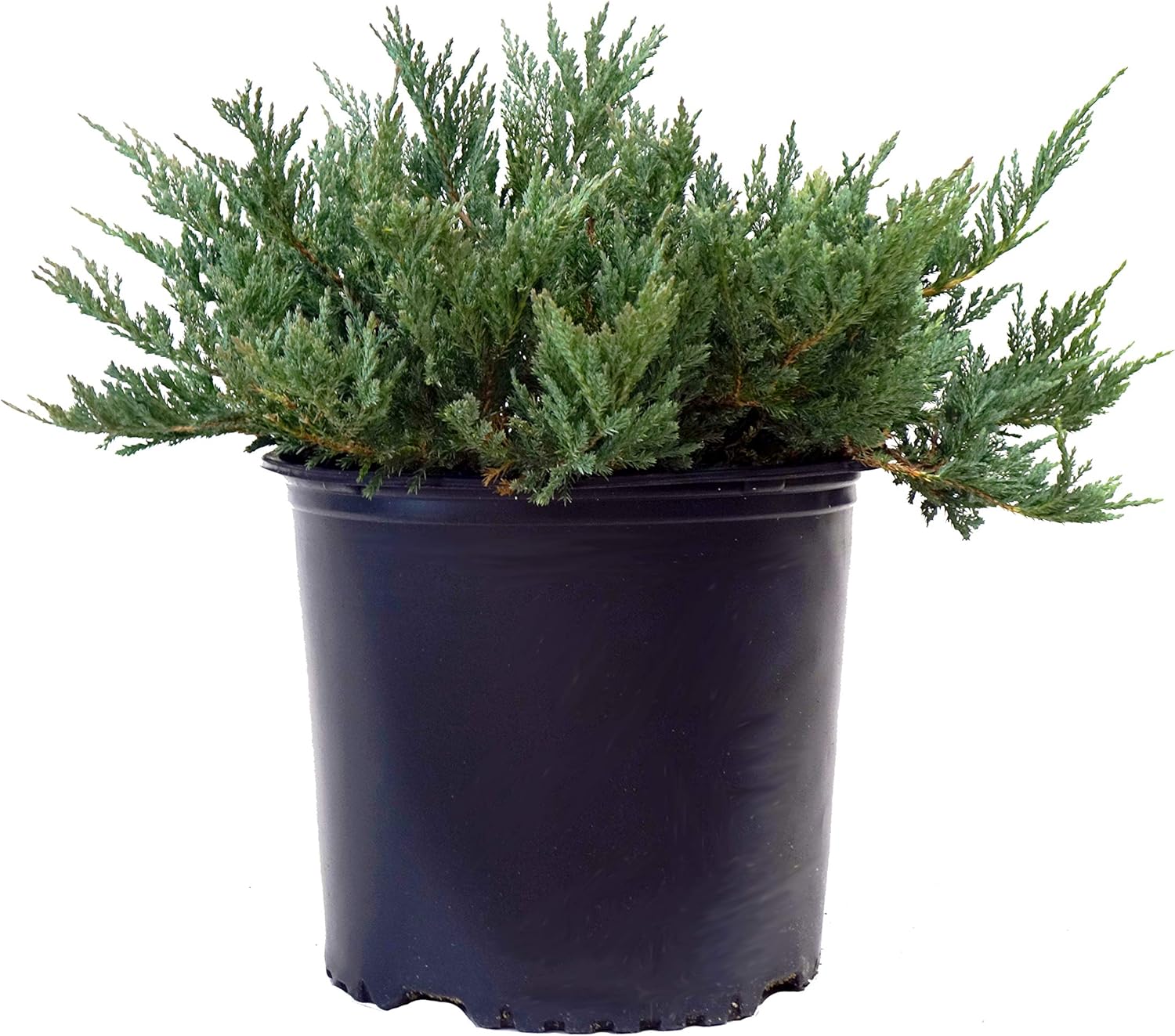
Green Promise Farms Juniperus horizontalis 'Blue Chip' Creeping Juniper (Evergreen)
| Sunlight Exposure | Full Sun |
|---|---|
| Expected Planting Period | Spring |
| USDA Hardiness Zone | 3-8 |
| Soil Type | Sandy Soil |
The Green Promise Farms 'Blue Chip' creeping juniper is a prostrate evergreen grown for fast, reliable ground cover on sunny, dry sites. It is typically planted in masses on slopes, between rockeries, or to smother weeds in sandy soils where full sun is available. Notable features include its steel-blue foliage and strong spreading habit that quickly fills space, plus good tolerance of sandy, poor soils and road salt. Practical benefits are low maintenance once established, season-long color, and a filling habit that reduces open soil where weeds can take hold. Important limitations are that it prefers full sun and well-drained sandy soils so it will not perform well in heavy clay or shady locations, and its aggressive spread means it can crowd nearby small plants. Also, planting should follow the provided care instructions because initial establishment matters for long-term reliability.
Best for: Homeowners seeking a reliable, low-maintenance ground cover to suppress weeds on sunny slopes, banks, or sandy soils who prioritize durability and consistent performance.
Less Ideal for: Gardeners with heavy clay soils, shady yards, or those wanting slow-growing, delicate companion plantings should consider alternatives.
- Quick, prostrate spreading habit that establishes dense ground cover
- Steel-blue evergreen foliage provides year-round color
- Tolerates sandy soils and road salt, suitable for exposed sites
- Low maintenance once established
- Requires full sun and well-drained soils to perform well
- Too aggressive for small, tightly planted beds where delicate perennials need space
Verdict: Choose 'Blue Chip' juniper when you need a tough, fast-spreading evergreen ground cover that reliably suppresses weeds in sunny, well-drained sites.
Groundcover Pachysandra terminalis Japanese Spurge — 100 Bare Root Plants

| Quantity | 100 heavily rooted plants |
|---|---|
| Hardiness Zone | 5 to 9 |
| Height | 6 to 12 inches |
| Spread | 1 to 1.5 feet |
| Sun | Part shade to full shade |
This offering supplies 100 heavily rooted Pachysandra terminalis (Japanese spurge) plants designed to establish a dense, low-maintenance evergreen groundcover in part to full shade. Pachysandra spreads by underground stems to form a carpet of dark green foliage 6 to 12 inches high and about 1 to 1.5 feet across, producing small white April blooms. It is typically planted on 6 to 9 inch centers to close in quickly for erosion control, borders, or under trees where grass struggles. The key practical benefits are rapid lateral spread that suppresses weeds, year-round foliage in suitable zones, and very low maintenance once established. Important limits are climate and placement: it is suited to USDA zones 5 to 9 and prefers shady conditions, so it will not perform well in full sun or outside its hardiness range. Buyers should also plan spacing and quantity carefully because the pack size and recommended spacing determine how much area these 100 plants will cover and how long it takes to fill in.
Best for: Gardeners who need a reliable, low-maintenance evergreen groundcover for shaded beds or under trees and want to establish coverage quickly with a ready supply of plants.
Less Ideal for: People seeking a sun-loving groundcover, a flowering show-plant, or those with planting areas outside USDA zones 5 to 9 should look at other options.
- Evergreen foliage that provides year-round groundcover in shaded sites
- Spreads rapidly via underground stems to form a dense, weed-suppressing carpet
- Low maintenance once established, useful for erosion control and borders
- Large quantity (100 heavily rooted plants) lets you cover a substantial area or accelerate fill-in
- Only recommended for part shade to full shade and USDA zones 5 to 9
- Pack requires planning for spacing since 100 plants may not cover very large areas at tight spacing
Verdict: A straightforward, low-maintenance choice for quickly establishing an evergreen carpet in shaded garden areas.
Florida Foliage Blue Rug Juniper (10 Live Plants)

| Sunlight Exposure | Full Sun |
|---|---|
| Expected Blooming Period | spring, year round |
| Soil Type | Sandy Soil |
| Unit Count | 10 Count |
Blue Rug Juniper is sold here as a ten-plant bundle of low, spreading evergreen shrubs that form a dense silver-blue carpet across bare soil. In practice you plant these along slopes, rock gardens, or open beds where you want rapid, low-maintenance coverage to suppress weeds and reduce erosion. The plants are noted for year-round color, good drought tolerance once established, and adaptability to sunny or partially shaded sites. Practical benefits include minimal mowing or trimming, reduced watering needs after establishment, and effective ground-hugging habit that competes with weeds. Limitations to consider are that junipers prefer well-drained, sandy soils so they do not perform well in consistently wet or clay-heavy sites, and their low profile means they will not provide vertical screening or flowering interest. Also, establishing a uniform carpet takes time and proper spacing at planting to avoid gaps. For a risk-averse gardener this is a predictable, low-care option when matched to appropriate soil and sun conditions.
Best for: Buyers who want a low-maintenance, reliable ground cover to suppress weeds and stabilize soil on sunny to partly shaded sites and who prioritize predictable, drought-tolerant plantings.
Less Ideal for: Gardeners seeking tall shrubs, showy seasonal flowers, or plants for poorly drained clay soils should consider other options.
- Low-growing habit creates dense ground cover that suppresses weeds and reduces erosion
- Drought-tolerant once established, lowering irrigation needs
- Year-round silver-blue foliage adds consistent color and texture
- Suitable for slopes, rock gardens, and borders where low maintenance is desired
- Prefers well-drained sandy soils and does poorly in persistently wet or heavy clay soils
- Does not provide height or seasonal flowering interest
Verdict: Choose this ten-plant Blue Rug Juniper pack when you need a dependable, low-water ground cover that quickly suppresses weeds and stabilizes slopes.
Choosing the Right Ground Cover Shrubs for Weeds: Key Factors to Consider
Growth Habit and Spread Rate
How a shrub grows is the core determinant of its ability to outcompete weeds. Low, mat-forming or wide-spreading shrubs that branch near the ground close soil surface faster and create a shade layer that prevents weed seeds from germinating. Upright or vase-shaped shrubs leave gaps where weeds will reappear unless you plant more densely.
Spread rate matters for planning. Fast-spreading shrubs control weeds quicker but require more monitoring at edges and may need trimming to prevent encroachment onto lawns or paths. Slower spreaders need closer initial spacing or companion planting to achieve weed suppression in the same timeframe.
Light and Soil Adaptability
Match shrub tolerance with the planting site's light and soil. Some ground cover shrubs thrive in full sun and dry soils, using dense foliage to outcompete sun-loving weeds. Others perform better in part shade or under trees where weed pressure is different and soil moisture tends to be higher.
Soil pH, drainage, and fertility influence establishment. Plants adapted to a wide soil range are easier to plant across varied beds and slopes. If you have heavy clay or very sandy soil, choose species with known tolerance to those conditions to prevent washing out or poor growth that creates bare patches for weeds.
Root System and Invasiveness Risk
The type of root system affects both weed control and future management. Fibrous, shallow roots help stabilize soil and create a dense, intertwined zone that resists weeds. Deep taproots may access moisture but leave surface gaps where weeds establish.
Be cautious with species that spread aggressively by runners or suckers if you need contained borders. Some ground cover shrubs can become invasive outside managed beds. Choose plants with predictable, controllable spread or plan physical barriers where necessary.
Maintenance and Pruning Requirements
Maintenance determines whether a ground cover solution stays effective long term. Some shrubs need seasonal pruning to rejuvenate growth and prevent woody leggy stems that allow weeds through. Others remain dense with little intervention aside from occasional trimming to shape edges.
Consider access and time available. Low-maintenance shrubs reduce labor but may still require annual cleanup of dead foliage or selective thinning. If you plan to mow or edge nearby, pick plants tolerant of light trampling and mechanical disturbance.
Ecological Benefits and Wildlife Considerations
Ground cover shrubs can provide pollinator resources, nesting shelter, and fall or winter berries for birds. Selecting species with ecological benefits supports garden biodiversity while suppressing weeds. However, some fruiting or thorny shrubs attract wildlife that can create other maintenance tasks.
Balance ecological value with the primary goal of weed suppression. In some settings, non-fruiting, thornless shrubs reduce unwanted wildlife activity while still offering habitat structure and seasonal interest.
Establishment Cost and Replacement Risk
Initial planting density and costs influence how quickly beds close and suppress weeds. Denser planting speeds coverage but raises upfront costs and labor. Also consider replacement risk: species that establish reliably in your climate lower the chance of replanting bare spots that welcome weeds.
Assess whether you will start from small liners, larger containers, or cuttings. Plants that root easily from cuttings or respond well to in-ground division give future options for filling gaps without buying more stock.
Matching Shrub Habit to the Trouble Spot
Different weed-prone situations call for different shrub habits. Slopes and erosion-prone areas benefit from sprawling, low-rooted shrubs that form a tight carpet and hold soil. Urban beds or pathways need compact, turf-border-friendly shrubs that will not spill over into walkways.
Before planting, map the trouble spot and note sun exposure, drainage, and nearby plants. That will guide your choice of a mat-forming versus a clumping ground cover shrub and determine spacing to close gaps without overcrowding.
- Slopes: choose deep-rooting, spreading shrubs to stabilize soil.
- Under trees: select shade-tolerant, shallow-rooting shrubs to avoid competition.
- Borders: opt for compact forms with tidy edges to reduce edging work.
Establishing New Plantings in Weedy Ground
Prepare the site to give young shrubs the best chance to outcompete existing weeds. Remove heavy weed growth by hand or with shallow cultivation, then add organic mulch and improve soil where necessary. Avoid burying crowns when adding amendments.
Plant at the right season for your region so shrubs establish roots before stress periods. Water regularly during the establishment window and monitor for weed resurgence at the edges. Temporary weed fabric can be used under mulch for the first season if needed, but plan to remove or adjust it as the shrub fills in.
- Clear heavy perennial weeds and their roots before planting.
- Use a 2 to 3-inch layer of organic mulch to suppress surface weed seeds.
- Water strategically to favor the shrubs over opportunistic weeds.
Long-Term Management to Keep Weeds Out
Even dense ground cover shrubs need occasional attention to remain effective. Annual light pruning, removing woody stems that rise above the canopy, and filling thin patches with cuttings or transplants keeps coverage continuous. Address any drainage or soil fertility problems that create bare spots.
Monitor for pest or disease issues that can open corridors for weeds. Rapid response to dieback, localized pest damage, or compaction extends the life of the groundcover and maintains a continuous weed-suppressing canopy.
- Rejuvenate leggy areas by cutting back to healthy growth in early spring.
- Replace or transplant into thin patches during the growing season.
- Avoid overfertilizing which can encourage fast weed growth and reduce shrub competitiveness.
Designing Attractive Groundcover Beds
Ground cover shrubs can be both functional and attractive. Combine forms, foliage textures, and seasonal interest-such as evergreen groundcover for winter soil shading or flowering varieties for pollinators-to create a bed that suppresses weeds and enhances the landscape.
Use repetition and spacing to create visual unity while ensuring coverage. Leave planting lines for access and maintenance so edges can be trimmed cleanly without disturbing the main canopy.
- Mix evergreen and deciduous groundcovers for year-round coverage.
- Add lower annuals or bulbs between shrubs for seasonal color without weakening canopy density.
- Plan planting lines for easy access and maintenance.
When Groundcover Shrubs Are Not the Best Choice
There are situations where other strategies work better. Small, heavily used lawn patches, vegetable beds, or very narrow strips next to sidewalks may be better served by turf alternatives, paving, or low-maintenance perennials that tolerate constant traffic.
If rapid, temporary weed control is the priority, mulches or dense herbaceous covers may be quicker to establish. Evaluate whether a permanent shrub solution fits the use and aesthetic of the space before committing to long-lived plantings.
- High-traffic patches: consider paving or hardscape.
- Vegetable beds: prioritize seasonal rotation and dedicated cover crops.
- Narrow strips: choose plants tolerant of edging and mechanical disturbance.
How We Chose the Best Ground Cover Shrubs for Weeds
We focused on shrubs that create continuous low canopy and actively suppress weed seedlings through rapid ground coverage and dense branching. Selection prioritized species and cultivars that are proven to establish within one to three seasons, tolerate common site stresses, and require low ongoing maintenance. Concrete evaluation criteria included establishment speed and spread habit, shade and drought tolerance, root behavior and potential invasiveness, resistance to common pests and diseases, and pruning or rejuvenation needs. We excluded tall upright shrubs and specimens intended for hedging rather than ground coverage. Also excluded were species known for aggressive invasive root systems in most garden settings. The shortlist favors plants that balance competitive canopy with predictable spread, suit a range of light and soil conditions, and allow easy long-term management. These filters help gardeners choose ground cover shrubs that reduce weed seedling success without introducing new maintenance headaches.
FAQ
How long does it take ground cover shrubs to suppress weeds?
It usually takes one to three growing seasons for a well-chosen ground cover shrub to close canopy gaps and significantly reduce weed germination. Faster-spreading varieties can show control in the first season if planted at moderate density and given proper care.
Can I plant ground cover shrubs under existing trees?
Yes if you choose shade-tolerant shrubs with shallow, non-competitive roots. Work around tree roots carefully, avoid deep cultivation, and expect slower establishment where root competition for water and nutrients is strong.
Will ground cover shrubs damage nearby lawns or beds?
Some spreading shrubs can encroach on lawns or adjacent beds if not edged. Selecting compact forms, installing a physical barrier, or maintaining a pruning line will prevent unwanted spread.
Do ground cover shrubs need fertilizer to beat weeds?
Most ground cover shrubs do not need heavy fertilization to suppress weeds and too much fertilizer can favor weeds. A soil test and moderate soil improvement at planting are usually enough; after establishment, minimal feeding supports plant health without promoting weed dominance.
How do I repair thin spots where weeds are returning?
Fill thin spots by transplanting small divisions or adding new shrubs during the growing season. Remove weeds, loosen the soil, and firm plants in with mulch to encourage rooting and prevent further weed ingress.
Are there ecological downsides to using shrubs for weed control?
If you select non-native, aggressively spreading species, you can create ecological problems by displacing native plants. Choose species appropriate for your region and avoid known invasive types to maintain local biodiversity while controlling weeds.
Final Verdict
Ground cover shrubs offer a durable, low-maintenance way to reduce weed pressure when you match plant habit to site conditions. Prioritize spread habit, root behavior, and tolerance to your light and soil to ensure the canopy fills in and stays dense. Accept tradeoffs between speed of coverage and containment: faster spreaders need more edge management, while slower forms require denser initial planting. Focus on long-term maintenance rhythms-light pruning, patching thin areas, and monitoring for pests-to keep weeds from reclaiming the space.
