

Note: This article contains affiliate links. If you click on these links and make a purchase, I may earn a small commission at no extra cost to you. This helps support my research and content. Read my full affiliate disclosure here.
Hanging planters free up floor space, lift trailing plants into brighter zones, and add vertical interest without crowding a room. Choosing the right indoor hanging planter affects how much light your plants receive, how easy watering and maintenance are, and whether the mounting will stay secure over time. This guide examines seven top indoor hanging planters shortlisted for everyday use, different mounting situations, and a range of plant sizes. We evaluated each planter against durability, mounting options, weight capacity, and maintenance ease so you can pick a style that suits your plants and home. Read on to compare features and decide which hanging planter will work best in your space.
Top Picks at a Glance
| Best Overall The best all-around choice for most situations | Fielda 10-Inch Self-Watering Hanging Planters, 2-Pack |  |
| Best Quality Built to a higher standard if you want something more solid | Chonsun 8" Glazed Ceramic Hanging Planter with Drainage Hole |  |
| Best Value The sweet spot between price and what you get | Vanslogreen 8" Self-Watering Hanging Planters, 2-Pack (White) |  |
| Best Budget The cheapest option that still gets the job done reliably | Kvetto 2-Pack 10-inch Hanging Planters with Chains and Hooks |  |
| Highest Rated A top-rated pick with lots of positive feedback | montresor 10" Self-Watering Hanging Planters (Set of 2) |  |
| Most Popular A crowd favorite that many people choose with confidence | GARDENIX DECOR Self-Watering Hanging Planter with Coco Coir and Water Level Indicator, 11" |  |
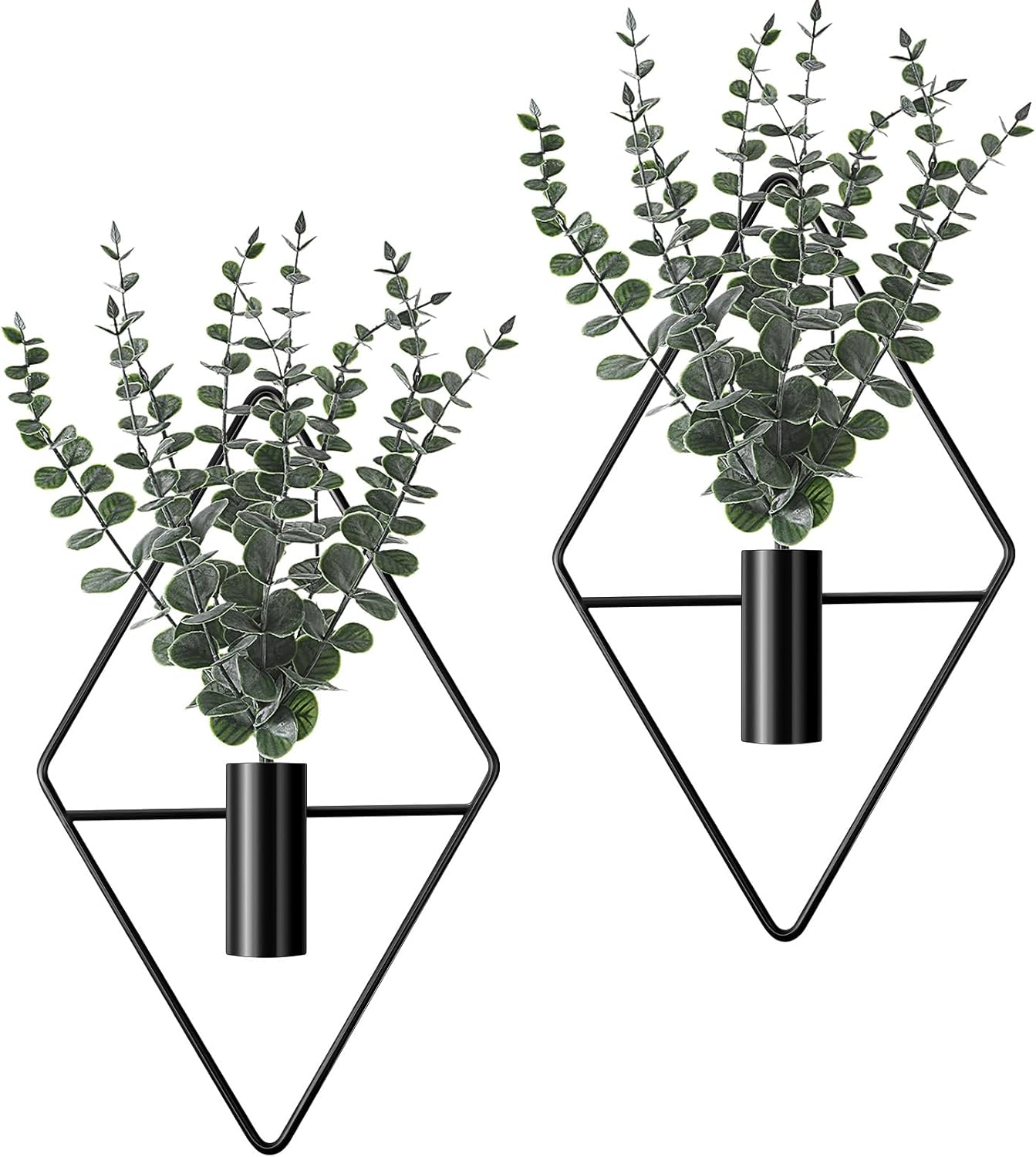
| Best Seller A high-volume bestseller chosen again and again | Jexine 2-Pack Modern Geometric Hanging Wall Planters with Artificial Eucalyptus |  |
Fielda 10-Inch Self-Watering Hanging Planters, 2-Pack

| Capacity | 2.6 gallons |
|---|---|
| Included Components | 2 Planters, 2 Reservoir Trays, 2 Cotton Wicks, 2 Metal Chains, 2 Macrame Hangers |
| Material Type | Plastic |
| Mounting Type | Hanging |
| Indoor Outdoor Usage | Indoor, Outdoor |
These Fielda 10-inch self-watering hanging planters are designed to simplify care for medium trailing and foliage plants. Each pot includes a removable reservoir tray with a clear water-level window and cotton wicks that feed moisture to the soil, which can reduce top-up frequency to roughly 7–10 days depending on conditions. The pots have grid drainage holes and side ventilation to keep roots aerated and help prevent waterlogging. Two hanger choices are included: decorative cotton macramé for indoor spaces and rust-resistant metal chains for outdoor use. Practical benefits are a roomy root zone for plants like pothos, spider plant and ferns, easy visual monitoring of reservoir water, and less frequent watering for busy households. Important limitations are the plastic construction, which while lightweight and weather-resistant may not suit buyers seeking natural materials, and the system still requires initial top watering to activate the wicks and occasional checks since reservoir duration varies by plant and environment.
Best for: Buyers who want a low-maintenance hanging planter that reduces frequent watering and offers flexible styling for both indoor and outdoor spots.
Less Ideal for: Those who prioritize natural materials or a high-end decorative finish should consider ceramic or handcrafted hangers instead.
- Self-watering reservoir with visible water window for easy monitoring
- Includes both macramé hangers and rust-resistant metal chains for indoor or outdoor styling
- Grid drainage and side ventilation to reduce waterlogging and improve root airflow
- Roomy 10-inch interior suitable for medium trailing plants and ferns
- Plastic construction may feel less premium than ceramic or terracotta
- Reservoir performance varies by plant, soil and environment so refill interval is not guaranteed
Verdict: A practical two-pack of self-watering hanging planters that makes caring for medium trailing houseplants easier while offering indoor and outdoor hanger options.
Chonsun 8" Glazed Ceramic Hanging Planter with Drainage Hole

| Material Type | Ceramic |
|---|---|
| Finish Types | Glazed |
| Mounting Type | Hanging |
| Other Special Features of the Product | Drainage Hole, Hangable |
| Indoor Outdoor Usage | Indoor, Outdoor |
This Chonsun 8-inch hanging planter is a glazed ceramic pot made for display and everyday plant care. It ships with a rope hanger so you can suspend it in a sunny window, on a porch, or use it as a shallow tabletop pot after removing the hanger. The shallow 4.1-inch depth and built-in drainage hole make it suitable for succulents, snake plants, aloe, and other small to medium houseplants where excess water needs to escape. The ceramic construction and reactive glaze give it a sturdy, attractive finish that resists sun and humidity better than plastic or metal alternatives. Practical touches include the drainage hole plus a silicone stopper for temporary water retention and a textured geometric pattern that hides minor soil splashes. Limitations to note are the shallow planting depth, which restricts larger root systems and long-term growth, and the ceramic material which is breakable if dropped or knocked in high-traffic areas. For growers wanting a stylish, durable hanging pot for compact or slow-growing indoor plants, this performs well.
Best for: Buyers who prioritize reliable plant health and neat watering control while keeping a modern look for indoor hanging displays, especially those growing succulents, small foliage, or slow growers.
Less Ideal for: Not the best choice for gardeners wanting deep pots for vigorous or large-rooted plants or for outdoor locations where impact and rough handling are likely.
- Glazed ceramic construction offers a durable, attractive finish resistant to sun and humidity
- Includes hanger and a drainage hole plus silicone stopper for controlled watering
- Shallow profile suits succulents and other small to medium indoor plants
- Textured geometric design conceals minor soil stains and fits modern decor
- Shallow 4.1-inch depth limits use with deep-rooted or rapidly growing plants
- Ceramic is breakable if dropped or bumped in busy areas
Verdict: A stylish, practical glazed ceramic hanging planter that keeps small indoor plants healthy with built-in drainage and a ready-to-hang design.
Vanslogreen 8" Self-Watering Hanging Planters, 2-Pack (White)

| Material Type | Plastic |
|---|---|
| Other Special Features of the Product | Drainage Hole, Rust Resistant, Self Watering, Weather Resistant |
| Mounting Type | Hanging |
| Number of Pieces | 2 |
| Included Components | Hook |
These Vanslogreen hanging planters are a practical option for adding greenery to small indoor spaces or covered outdoor areas. Each 8-inch pot is made of polished plastic with a vertical, round profile and includes drainage holes, a removable saucer that doubles as a water reservoir, and a cotton-rope self-watering path so plants can draw moisture over several days. The supplied rust-resistant chains and hooks improve stability for porch or balcony hanging and the thickened sidewalls resist deformation. In use they suit trailing plants, small ferns, herbs, and compact flowering varieties and can be hung or placed on tabletops. Expect low maintenance benefits when you travel because the reservoir can keep soil moist for about a week or two depending on plant type and conditions. Limitations are typical for plastic planters: they offer less insulation than ceramic for roots and are best for lightweight plants, and the white finish will show dirt faster outdoors without periodic cleaning.
Best for: Buyers who prioritize low-maintenance, space-saving solutions and want reliable hanging planters that reduce watering frequency for indoor or sheltered outdoor displays.
Less Ideal for: Gardeners seeking heavy-duty decorative pots with high thermal mass or those who want to grow large, heavy plants should consider sturdier ceramic or larger containers instead.
- Self-watering system with cotton-wick and removable tray that extends time between waterings
- Multiple drainage holes to prevent overwatering and keep roots healthy
- Rust-resistant chains and hooks for stable hanging and outdoor durability
- Thickened plastic walls resist squeezing and deformation for longer life
- Plastic construction offers limited thermal insulation for roots compared with ceramic or terracotta
- Sized for small to medium houseplants only, not for large or heavy specimens
Verdict: A practical, low-maintenance pair of self-watering hanging planters that keep small indoor plants healthy with minimal attention.
Kvetto 2-Pack 10-inch Hanging Planters with Chains and Hooks

| Included components | 2 chains, 2 pots with internal saucers, 2 screw-in hooks |
|---|---|
| Material Type | Iron, Polypropylene (PP) |
| Features | Drainage Hole, Self Watering |
| Mounting Type | Hanging |
| Indoor Outdoor Usage | Indoor, Outdoor |
These Kvetto hanging planters are a budget-friendly two-pack that makes adding vertical greenery easy. Each pot is molded from thick polypropylene with a matte finish and striped texture, and ships with internal saucers, metal chains and screw-in hooks so you can hang them right away. The pots have a drainage hole with a removable plug and a self-watering reservoir that the manufacturer says can hold moisture for up to two weeks, which reduces daily watering for busy owners. Metal chains and hooks are described as rust-resistant and the thick PP resists fading and cracking outdoors, though heavier plants will still need secure mounting. Practical benefits include ready-to-hang hardware, integrated saucers to protect surfaces, and a simple self-watering design for trailing plants like ivy or philodendron. Limitations are that the pots are plastic rather than ceramic, which some buyers may find less premium, and the 10-inch shallow profile means very large root-bound plants will outgrow them sooner.
Best for: Buyers who want an affordable, ready-to-hang solution for indoor trailing or small flowering plants and prefer low-maintenance pots that cut down on frequent watering.
Less Ideal for: Anyone seeking high-end materials or very deep containers for large shrubs or trees should consider heavier ceramic or larger planters instead.
- Includes chains, screw-in hooks and internal saucers for immediate hanging and drip protection
- Self-watering reservoir with drainage plug reduces how often you need to water
- Made from thick polypropylene that resists fading and cracking for outdoor or indoor use
- Matte striped finish provides a modern look that blends with many interiors
- Plastic construction feels less premium than ceramic or terracotta
- 10-inch shallow shape limits long-term use for large, heavy-rooted plants
Verdict: A practical, low-cost two-pack of ready-to-hang, self-watering planters that make indoor vertical gardening easy for budget-minded buyers.
montresor 10" Self-Watering Hanging Planters (Set of 2)

| Material Type | Polypropylene (PP) |
|---|---|
| Mounting Type | Hanging |
| Other Special Features of the Product | Breathable, Drainage Hole, Fade Resistant, Lightweight, Self Watering |
| Indoor Outdoor Usage | Indoor, Outdoor |
These 10-inch montresor hanging planters are aimed at people who want low-maintenance, reliable displays of trailing or compact houseplants. Each pot is molded from polypropylene and includes a recessed removable saucer that acts as a small reservoir so plants get steady moisture while you are away. The pots also have an aperture and mesh-like base area to promote drainage and air circulation and reduce the risk of root rot. The set ships with two hanger options: a metal chain for stronger outdoor mounting and a decorative rope-style hanger for indoor placement, plus S-shaped hooks. In real use they are lightweight, fade-resistant, and simple to hang from ceilings, porches, or brackets. Expect straightforward cleaning and inexpensive replacement if damaged, but know these are plastic planters so they do not have the heft or visual depth of ceramic or terracotta. For reliability in routine care and consistent watering, these pots are an efficient, practical choice for busy plant owners.
Best for: Best for plant owners who prioritize dependable, low-effort care and want hanging planters that maintain steady soil moisture with minimal babysitting.
Less Ideal for: Not the right choice for buyers seeking premium heavy ceramics, sculptural planters, or very large specimen plants that need deeper root volume.
- Built-in removable saucer creates a self-watering reservoir for consistent moisture
- Drainage aperture and mesh-like base improve aeration and help prevent overwatering
- Includes two hanger styles and S-hooks for flexible indoor or outdoor mounting
- Lightweight, fade-resistant polypropylene designed to withstand outdoor conditions
- Plastic construction lacks the weight and aesthetic presence of ceramic or terracotta
- Reservoir capacity is limited compared with larger self-watering containers
Verdict: Choose these self-watering 10" hanging planters when you want a dependable, low-maintenance solution to keep hanging houseplants consistently watered.
GARDENIX DECOR Self-Watering Hanging Planter with Coco Coir and Water Level Indicator, 11"

| Material Type | Polypropylene (PP) |
|---|---|
| Mounting Type | Hanging |
| Other Special Features of the Product | Drainage Hole |
| Included Components | Coco Pellet, Chain |
| Indoor Outdoor Usage | Indoor |
This GARDENIX DECOR hanging planter is designed to keep indoor plants watered and aerated for about two weeks with minimal attention. It uses a two-pot nesting design: an inner basket lifts roots above a water reservoir so plants can wick moisture up through the pot legs, while a water-level indicator shows when to refill. The kit includes a coco coir pellet that improves aeration and helps prevent root rot, plus hanging chains for easy installation. Made of polypropylene, the pot is lightweight and weather-resistant for bright indoor spots. Practical benefits include reduced watering frequency, better moisture retention compared with a standard pot, and simpler monitoring thanks to the indicator. Limitations are that the reservoir system favors small to medium houseplants rather than large, heavy-rooted specimens and that the included coco pellet will need mixing with potting mix for many plant types. The unit is intended for indoor hanging use and does not replace regular fertilizing or pruning routines.
Best for: Buyers who want a low-maintenance indoor hanging planter backed by good user feedback and clear features, and who prioritize reliable moisture control over decorative complexity.
Less Ideal for: If you need a planter for large, fast-growing plants or want a decorative statement piece with premium materials, look for heavier-duty or designer alternatives.
- Self-watering two-part design reduces watering frequency and lowers risk of overwatering
- Visible water-level indicator makes it easy to know when to refill the reservoir
- Includes coco coir pellet to improve root aeration and moisture retention
- Lightweight, durable polypropylene construction suitable for indoor hanging
- Reservoir design is best for small to medium plants and not ideal for large root systems
- Coco pellet is basic and typically needs to be blended with potting mix for optimal nutrition
Verdict: A practical self-watering hanging planter that reliably reduces watering chores and simplifies moisture monitoring for small to medium indoor plants.
Jexine 2-Pack Modern Geometric Hanging Wall Planters with Artificial Eucalyptus
| Unit Count | 2 Count |
|---|---|
| Mounting Type | Hanging,Wall Mount |
| Material Type | Ceramic, Iron, Metal, Plastic |
| Indoor Outdoor Usage | Indoor |
These Jexine hanging planters are a ready-to-hang decorative set intended for indoor use. Each set includes two metal geometric planters and two faux eucalyptus stems so you can mount them quickly without potting or plant care. The triangular/rhombus frames are metal with a coated finish and a small ceramic insert that holds the supplied plastic stems or other small faux arrangements. Because the plants are artificial and the planters are lightweight, they are low maintenance and work well in hallways, bathrooms, kitchens, or small living areas where you want vertical interest without watering or soil. The modern geometric look pairs with minimalist, boho, and contemporary interiors. Limitations are the small planting tube and light construction, which mean they are meant for faux or very small dried displays rather than live, heavy potted plants, and the set is sized for accent use rather than as a primary statement piece.
Best for: Buyers who want an immediate, low-maintenance indoor accent that adds vertical interest without the hassle of real plants or regular upkeep.
Less Ideal for: People wanting to grow or display live, larger potted plants or who need heavy-duty planters for outdoor exposure should look elsewhere.
- Comes with artificial eucalyptus so no watering or plant care is required
- Durable coated metal frames with ceramic inserts for a polished look
- Lightweight and easy to hang on indoor walls
- Modern geometric design that fits a variety of décor styles
- Small inner tube and lightweight construction are not suitable for live or heavy plants
- Included faux stems limit customization unless replaced with similar-size fillers
Verdict: If you want a fuss-free indoor wall accent, this ready-to-hang two-pack with faux eucalyptus delivers instant, low-maintenance style.
Choosing the Right Indoor Hanging Planter: Key Factors to Consider
Mounting Method and Surface Compatibility
Where and how you attach a hanging planter determines what hardware and installation approach you need. Ceilings, drywall, plaster, concrete, and studs all hold weight differently. Anchors that expand behind drywall are often adequate for small planters, but for heavier pots a ceiling joist or masonry anchor is safer.
Consider whether you can access a stud or joist in the desired location and whether you are comfortable drilling. Alternative mounting options include tension hangers for windows or rails and removable adhesive hooks rated for the expected load. Matching the mounting method to both the surface and the planter's weight capacity reduces the risk of falls and damage to walls or ceilings.
Weight Capacity and Load Safety
A planter's listed capacity must cover the combined weight of the pot, saturated soil, and the plant at maturity. Wet soil is substantially heavier than dry soil, and trailing or bushy roots can add load over time. Always add a safety margin rather than installing at the exact rated limit.
Check the rating of any hanging hardware separately from the planter itself; a decorative hanger may look sturdy but be rated only for light loads. If you plan to swap plants seasonally, choose a system that can accommodate a heavier specimen to avoid repeated reinstallation. Properly rated hardware and periodic inspections of knots, hooks, and anchor points keep installations secure.
Material and Finish for Indoor Conditions
Materials matter for longevity and indoor compatibility. Ceramic and terracotta are attractive but can be heavy and brittle when dropped. Plastic and fiberglass are lightweight and moisture resistant but vary in durability and finish quality. Metals offer strong support; however, untreated metals can corrode when exposed to constant dampness from watering.
Consider finishes that resist water stains and are easy to wipe clean, especially if you plan to hang planters in high sunlight where fading could show. Breathable materials or incorporated drainage trays help manage moisture, but if a planter lacks a saucer you will need a catch system to protect floors and furniture below.
Drainage, Watering Ease, and Root Health
Drainage is one of the most practical concerns for indoor hanging planters. Planters with drainage holes help prevent root rot but require a tray or liner to catch run-off. Self-watering inserts can reduce watering frequency, but not all plants respond well to consistently moist conditions.
Think about how you will water the planter in place. Some hanging pots allow easy removal for sink watering, while others work better with a long-spouted watering can or hose attachment. Accessibility for occasional repotting and root inspection is also important; designs that permit safe removal without disturbing the mounting are preferable.
Size, Plant Compatibility, and Growth Forecasting
Choose a planter size that suits your plant's current root mass and anticipated growth. A pot that barely fits the root ball may limit growth, while an oversized container can retain excess moisture for too long. Consider the mature size of both the plant and its canopy to avoid overcrowding or blocking light.
Account for trailing habits and whether the plant will cascade beyond the pot. Hanging planters are also decorative elements, so scale relative to surrounding furniture and window frames affects the overall look. Planning for a single season of growth versus multi-year use will change how large a planter you select.
Maintenance Access and Practical Handling
How easy it is to access a hanging planter affects daily care. If the planter hangs high, routine tasks such as checking soil moisture, pruning, and pest inspection become more cumbersome. Choose systems that lower easily, or that you can remove without re-routing the entire hanger.
Also evaluate whether the hanger materials resist tangling and how easy it is to adjust length. Cleaning the pot, wiping leaves, and swapping liners should not require full disassembly. For renters or seasonal decorators, quick-release options make temporary displays manageable while reducing the chance of accidental drops.
Best Mounting Practices for Indoor Hangings
Start by identifying the structural element behind your ceiling or wall before drilling. A stud or joist offers the most secure anchor for heavier planters. Use a stud finder and test with a small pilot hole if unsure.
When a stud is not available, choose anchors rated for the combined weight of pot, soil, and plant. For masonry ceilings or concrete, use appropriate masonry anchors and follow torque recommendations to avoid cracking the substrate.
Consider distributing weight across multiple points for large installations. A ceiling beam converted into a hanging area or a decorative bracket mounted to a stud can spread the load and add stability.
- Use corrosion-resistant hooks for rooms with frequent watering or high humidity
- Check anchor tightness periodically and re-tighten if movement is detected
- Label load limits on removable hangers to prevent accidental overload
Hanging Planter Styles and When to Use Them
Macrame and rope hangers work well for lightweight pots and lend a bohemian aesthetic. They are simple to swap out but require inspection of fibers where moisture may weaken them over time.
Solid metal or ceramic hangers support more weight and suit heavier planters, but ensure the mounting hardware matches the load. Planters with integrated metal frames often make removal easier and improve balance.
Wall-mounted pocket planters and rail systems are ideal for window displays where ceiling mounting is not possible. They provide a series of shallow pots for propagation or succulents and reduce pendulum motion from drafts.
- Choose rope styles for small trailing plants and airy displays
- Select rigid frames for heavier foliage or ceramic pots
- Use pocket or rail systems for sunny windows and greenhouse shelves
Water Management Solutions for Suspended Pots
Protect floors and furniture by using drip trays or removable liners when pots have drainage holes. For planters without built-in trays, add a catch basin beneath or opt for a self-contained reservoir system.
If watering in place, use a narrow-spouted can or a long-neck sprayer to avoid splashing. Alternatively, lower the planter for a thorough soak and allow excess water to drain before rehanging.
Monitor soil moisture rather than following a strict schedule. Hanging planters dry at different rates depending on airflow and sun exposure, so tailor watering frequency to each microclimate.
- Use lightweight saucers to reduce added load
- Consider soil mixes that retain moisture but drain well
- Place a waterproof mat under the hanging area during heavy watering
Safety and Long-Term Care
Regularly inspect hardware, knots, and anchors for signs of wear, rust, or loosening. Replace natural-fiber hangers that show fraying and avoid reusing hardware that has bent under load.
Account for seasonal changes: humidity and temperature swings can affect both plant weight and the condition of mounting materials. Adjust hanging heights to avoid heat sources or direct drafts that stress plants.
Plan for eventual repotting. Install hangers that allow safe removal so you can refresh soil and check roots without risking a drop.
- Keep a small repair kit with spare hooks, anchors, and cord
- Rotate pots periodically to encourage even light exposure
- Anchor overhead lights or ornaments separately to avoid combined loads
Design Tips to Integrate Hanging Planters Indoors
Scale planters to room proportions. Large, dense planters work as focal points in rooms with high ceilings, while small groupings add texture and color in compact spaces.
Use groupings at varying heights to create depth and visual interest. Mix pot shapes and hanger types for contrast, but keep a consistent color palette or material to unify the display.
Consider the plant's light needs when placing hangers. Position sun-loving specimens near east or west windows and shade-tolerant varieties in indirect light areas to minimize relocation.
- Pair trailing plants with upright forms for balanced compositions
- Match hanger finishes to other room hardware for cohesion
- Use lightweight planters in clusters to reduce combined load on a single anchor
How We Chose the Best Indoor Hanging Planter
We chose products that reliably meet the needs of indoor gardeners who want vertical plant displays without structural risks. Selection started with planters built from materials suited to indoor use and finishes that resist water and soil contact. We prioritized mounting systems that are appropriate for typical household surfaces, including screw-in ceiling hooks, wall anchors, and tension-style fittings for window frames or curtain rods. Durability was judged by material strength and resistance to moisture and UV exposure for sun-facing spots. Size and capacity criteria ensured the shortlist covers small trailing plants up to medium-sized foliage specimens. Ease of maintenance focused on how simple it is to water, drain, and check roots without destabilizing the hanger. Aesthetic options were included only if they did not compromise function. We excluded outdoor-only hardware, planters requiring professional installation, and designs intended solely for very large, heavy plants. Final selections balanced safety, usability, and compatibility with common indoor mounting surfaces.
FAQ
Can I hang planters from drywall without a stud?
Often you can if you use an appropriate anchor rated for the expected load. For lightweight pots, expanding drywall anchors or toggle bolts work, but for anything heavier you should locate a stud or use a ceiling joist for a secure attachment.
How do I prevent water from dripping onto furniture below a hanging planter?
Use a saucer, liner, or self-watering insert to contain excess water. If the pot has drainage holes, place a catch basin or waterproof mat beneath the hanging area while watering to avoid stains or damage.
What weight capacity should I choose for a medium foliage plant?
Pick hardware and a planter that exceed the combined weight of the pot, saturated soil, and mature plant by a comfortable safety margin. For medium plants, this often means choosing components rated higher than the current measured weight to allow for seasonal moisture changes.
Are natural-fiber hangers safe for long-term use indoors?
Natural fibers can be attractive and strong initially, but moisture and constant tension can cause fraying over time. Inspect them regularly and replace if fibers show wear. Synthetic cords or metal hangers offer longer service life in humid conditions.
How high should I hang a planter over a living area?
Hang planters high enough to avoid head clearance issues but low enough for practical care. For traffic areas, keep them above normal head height and ensure they do not swing into people. Near windows, position them to capture light without blocking sightlines.
Can I use the same hanging system for different pot shapes?
Depends on the system. Adjustable hangers and frames accommodate various pot shapes, while fixed cradle-style hangers fit specific contours. Choose a versatile mounting method if you plan to rotate pot styles frequently.
Final Verdict
When choosing an indoor hanging planter, prioritize a safe mounting method and a weight capacity that comfortably exceeds the combined load of pot, soil, and plant. Balance material, drainage, and ease of access so routine watering and repotting are manageable. Tradeoffs are inevitable: lightweight planters are easier to handle but may limit plant size, while heavier materials last longer but require more secure anchors. Focus on the mounting surface, expected plant growth, and how you will water and maintain the display to make a confident selection.
