

Note: This article contains affiliate links. If you click on these links and make a purchase, I may earn a small commission at no extra cost to you. This helps support my research and content. Read my full affiliate disclosure here.
If you have a room that gets little natural sun but still want houseplants that survive and look good, choosing truly low-light tolerant varieties matters. Plants labeled for extreme low light behave differently than typical houseplants: they grow slowly, need less frequent watering, and tolerate lower photosynthetic light levels. This guide covers seven top picks suited to dim corners, bathrooms, and north-facing rooms where light is minimal. We shortlisted options that perform reliably in low irradiance and explained how we judged light tolerance, watering demands, and maintenance. Read on to see which plant habits match your space and routine.
Top Picks at a Glance
| Best Overall The best all-around choice for most situations | Costa Farms Chinese Evergreen (Aglaonema) Live Indoor Plant, Medium in Grow Pot |  |
| Best Quality Built to a higher standard if you want something more solid | Tropical Plants of Florida ZZ Plant (Zamioculcas zamiifolia) in 6-inch Nursery Pot |  |
| Best Value The sweet spot between price and what you get | Altman Plants Essential House Plant Collection, 4-Pack (4" Pots) |  |
| Best Budget The cheapest option that still gets the job done reliably | Aspidistra 'Milky Way' Cast Iron Plant (4-inch) |  |
| Highest Rated A top-rated pick with lots of positive feedback | Thorsen's Greenhouse Live Golden Pothos, 4" Pot |  |
| Most Popular A crowd favorite that many people choose with confidence | Costa Farms Snake Plant 3-Pack (Live Indoor Plants, 8–12 in, in Grower Pots) |  |
| Best Seller A high-volume bestseller chosen again and again | Plants for Pets Pothos 4‑Pack (4" Pots) |  |
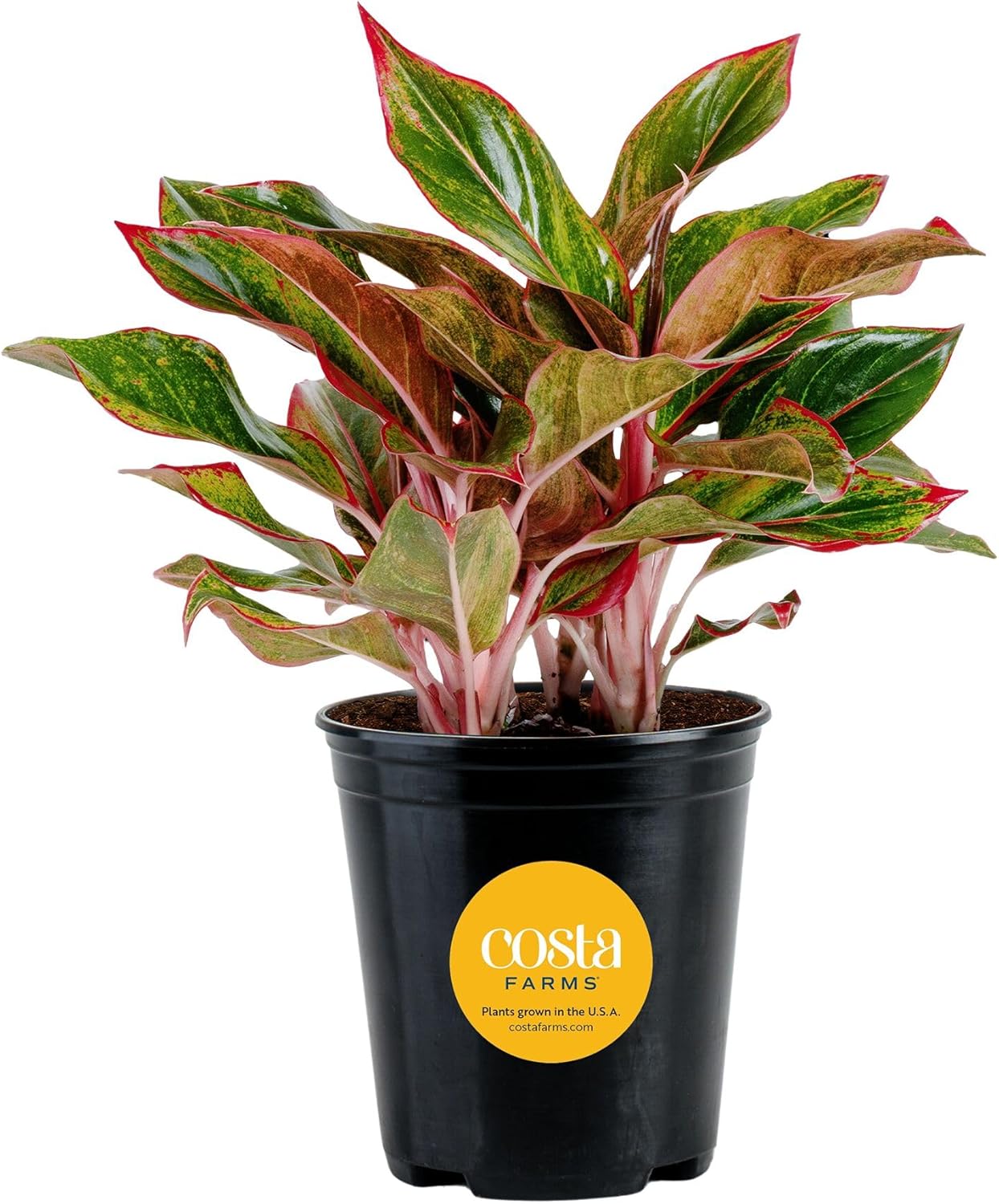
Costa Farms Chinese Evergreen (Aglaonema) Live Indoor Plant, Medium in Grow Pot
| Indoor Outdoor Usage | Indoor |
|---|---|
| Other Special Features of the Product | Air Purification |
| Sunlight Exposure | Partial Sun |
| Moisture Needs | Regular Watering |
| Product Care Instructions | Medium, Indirect Light; Water 1 cup once a week |
The Costa Farms Chinese Evergreen is an easy-care Aglaonema sold in a plastic grow pot that works well as a low-light indoor focal plant. It thrives in medium to low light and requires only a modest watering routine — the listing recommends about one cup once a week — making it a convenient choice for offices, bedrooms, and corners that do not get direct sun. Notable features are its large variegated leaves that add visual interest and its air-purifying claim, which together make it useful for both decor and improving indoor air quality. Because it is shipped potted and described as tolerant of a range of light levels, most buyers can set it out immediately with minimal transplanting. Limitations are typical of live plants: it is not cold-hardy and should be kept away from freezing temperatures, and size can reach up to around three feet over time so it may need repotting or pruning if space is tight. For someone wanting a low-effort, attractive houseplant that performs in dim rooms, this Aglaonema is a practical pick.
Best for: Buyers who want a low-maintenance, decorative houseplant that tolerates low light and minimal watering and who prefer a ready-to-display plant for living rooms, bedrooms, or offices.
Less Ideal for: People who need a frost-tolerant outdoor plant or growers seeking a strictly compact specimen for very small windowsills.
- Performs well in low to medium light, suitable for dim rooms and offices
- Low watering needs with simple care instructions (water about 1 cup weekly)
- Attractive variegated foliage provides strong decorative impact
- Sold potted and ready to display without immediate repotting
- Not cold-hardy and can be stressed by freezing temperatures
- May outgrow small spaces and require repotting or pruning as it reaches mature height
Verdict: A fuss-free, attractive houseplant that reliably tolerates very low indoor light and minimal weekly watering, ideal for busy buyers who want immediate greenery.
Tropical Plants of Florida ZZ Plant (Zamioculcas zamiifolia) in 6-inch Nursery Pot

| Indoor Outdoor Usage | Indoor, Outdoor |
|---|---|
| Other Special Features | Air Purification, Drought Tolerant, Low Maintenance |
| Sunlight Exposure | Partial Sun |
| Moisture Needs | Little To No Watering |
| USDA Hardiness Zone | 9, 10, 11 |
The ZZ Plant (Zamioculcas zamiifolia) is a tough, sculptural houseplant that performs well in extreme low-light indoor spaces. It ships in a 6-inch nursery pot and typically reaches a compact size suitable for desks, shelves, or corners. This plant is valued for glossy, upright leaflets and its drought tolerance so you only need to water when the top inch of soil is dry. It also helps filter common indoor air pollutants, making it a useful addition to offices and windowless rooms. Care instructions emphasize indirect light and thorough drainage between waterings to avoid yellowing from overwatering. Practical strengths are resilience to neglect, suitability for small spaces, and easy placement in a variety of indoor settings. Limitations include the live-plant variability so individual specimens may differ from photos and the need to avoid overwatering despite its hardy reputation. For growers in colder climates, winter shipping precautions are advised to protect the plant during transit.
Best for: Ideal for buyers who prioritize reliable, low-effort performance in extreme low-light rooms and need a durable plant that survives travel or irregular care.
Less Ideal for: Not a good fit for someone seeking a fast-growing statement tree or a flowering houseplant that requires frequent attention.
- Performs reliably in very low to indirect light, suitable for windowless offices
- Very drought tolerant so watering can be infrequent
- Compact size fits desks, shelves, and small corners
- Naturally helps improve indoor air quality by filtering common pollutants
- Susceptible to root rot if allowed to sit in wet soil from overwatering
- Individual plants can vary in appearance compared with listing photos
Verdict: Choose this ZZ plant when you need a compact, extremely low-maintenance performer that thrives in windowless or very low-light indoor spaces.
Altman Plants Essential House Plant Collection, 4-Pack (4" Pots)

| Indoor Outdoor Usage | Indoor |
|---|---|
| Other Special Features of the Product | Air Purification, Low Maintenance |
| Sunlight Exposure | Indirect Light |
| Moisture Needs | Regular Watering |
This four-pack from Altman Plants delivers a surprise assortment of popular, low-maintenance houseplants in 4-inch nursery pots, making it an easy way to add greenery to dim rooms. Each order contains a grower-selected mix that may include pothos, snake plant, peperomia, calathea and similar varieties that tolerate indirect or low light. Plants arrive potted and rooted, ready to unbox and place on shelves, desks or hanging spots; they are intended for regular watering and basic indoor care rather than specialized attention. The practical benefits are convenience and variety: you get multiple hardy starters at once and can match individual plants to different corners of the home. Limitations are the unknown assortment and small nursery pot size at delivery, so expect to repot sooner for long-term growth and check care needs for any included species with specific humidity or watering requirements. Also avoid ordering during extreme heat advisories to prevent shipping stress on the plants.
Best for: Buyers who want a practical, low-effort way to green darker indoor spaces and prefer value through a ready-to-place starter set rather than picking individual species.
Less Ideal for: Plant collectors who need specific varieties or mature specimens and people seeking fully grown decorative plants ready for display without repotting.
- Includes four live, rooted plants ready to display or repot
- Rotating assortment of popular, low-light tolerant houseplants
- Plants come in 4" nursery pots that are easy to handle and place indoors
- Low-maintenance selections suitable for beginners and busy owners
- Assortment is randomized so you cannot pick specific species
- Plants arrive in small pots and will likely need repotting for long-term growth
Verdict: An easy, cost-effective starter pack for adding several low-light tolerant houseplants to indoor spaces quickly.
Aspidistra 'Milky Way' Cast Iron Plant (4-inch)

| Indoor Outdoor Usage | Indoor |
|---|---|
| Sunlight Exposure | indirect light |
| Moisture Needs | Moderate Watering |
| Unit Count | 8 Ounce |
| Plant or Animal Product Type | plant |
The Aspidistra Milky Way, commonly called the cast iron plant, is a low-maintenance indoor foliage plant sold ready-rooted in a grower pot. It thrives in bright indirect to very low light and tolerates irregular watering, so you can place it in dim corners, hallways, or offices where most houseplants struggle. Notable features include its reputation for durability and drought resistance and its role as a natural air purifier. Practical benefits are straightforward: it requires little attention, rarely needs fertilizing, and does not demand frequent repotting — in fact repotting too often can harm it. Limitations are that it is slow-growing and will not produce showy flowers, and buyers should avoid frequent repotting or overwatering. For small-space or low-light setups this plant provides long-lasting green foliage with minimal care, but it is best treated as a foliage accent rather than a fast-growing statement specimen.
Best for: Buyers who want a nearly indestructible, low-effort houseplant to brighten low-light rooms and who prioritize ease of care and long-term survival over fast growth.
Less Ideal for: Gardeners seeking fast-growing, flowering, or decorative seasonal plants should choose a different species with more visual impact.
- Extremely tolerant of low and indirect light, suitable for dim indoor spots
- Drought resistant and forgiving of irregular watering schedules
- Ships rooted in a grower pot ready to display with minimal setup
- Slow growth and rare flowering limit it to foliage interest
- Sensitive to frequent repotting and can decline if repotted too often
Verdict: If you need a budget-friendly, nearly indestructible plant for extreme low-light spots, the Aspidistra Milky Way is a top practical choice.
Thorsen's Greenhouse Live Golden Pothos, 4" Pot

| Indoor Outdoor Usage | Indoor |
|---|---|
| Other Special Features of the Product | Air Purification, Low Maintenance |
| Sunlight Exposure | Partial Sun |
| Soil Type | Peat Soil |
| Moisture Needs | Moderate Watering |
This Golden Pothos is a straightforward, reliable houseplant for people who want a low-maintenance trailing vine that tolerates low light. It arrives in a 4-inch grower pot placed inside a white plastic cache pot and typically ships 5 to 8 inches tall. Golden Pothos thrives in partial to lower light and needs only moderate watering, so it is well suited to hanging baskets, shelves, or trailing down bookcases. The plant is noted for air-purifying qualities and the yellow-green variegation becomes more pronounced with brighter light. Practical benefits include easy care, adaptable light tolerance, and an attractive trailing habit that adds greenery with minimal fuss. Limitations are that the decorative cache pot has no drainage holes so you must be careful not to overwater or transplant into a drained container for long-term growth, and the small 4-inch starter pot means frequent repotting if you want larger vines quickly.
Best for: Buyers who want a dependable, low-effort indoor plant that looks good in dim rooms and requires minimal daily care.
Less Ideal for: People seeking a mature, large specimen or a pot with built-in drainage should consider larger nursery plants or a planter with drainage instead.
- Very low maintenance and tolerant of low light conditions
- Trailing habit works well in hanging baskets or on shelves
- Ships in a grower pot inside a decorative cache pot for immediate display
- Recognized for air-purifying properties
- Cache pot has no drainage holes which increases risk of overwatering
- Comes in a small 4-inch pot so repotting may be needed soon for bigger growth
Verdict: A reliable, low-care pothos that delivers easy greenery and air-purifying benefits for very low-light indoor spaces.
Costa Farms Snake Plant 3-Pack (Live Indoor Plants, 8–12 in, in Grower Pots)

| Indoor Outdoor Usage | Indoor |
|---|---|
| Other Special Features of the Product | Air Purification, Drought Tolerant, Low Maintenance |
| Sunlight Exposure | Partial Sun |
| Moisture Needs | Little To No Watering |
| Product Care Instructions | Bright, Indirect Sunlight; Water 2-3 cups once a week |
These Costa Farms snake plants are a practical choice when you want low-maintenance greenery that still makes a visual impact. The 3-pack arrives in grower pots with plants sized about 8 to 12 inches tall, ready to place on shelves, desks, or narrow corners. Snake plants tolerate a wide range of light and require very little water, so they work well in dim bedrooms, windowless offices, or busy homes where regular care is unlikely. Notable features include drought tolerance, air-purifying qualities, and packaging designed to protect upright leaves during transit. The main benefits are instant decor with architectural vertical foliage, ease of care for beginner plant owners, and the flexibility to split the trio across rooms or give individual plants as gifts. Limitations are inherent to small potted plants: they are starter-size rather than mature floor specimens and come in plain grower pots so you may want to repot into decorative containers for long-term display.
Best for: Buyers who want reliable, low-effort houseplants to brighten low-light rooms or busy spaces and who value proven, widely purchased varieties with straightforward care.
Less Ideal for: People seeking large, mature statement floor plants or those who want decorative pots included out of the box.
- Very low water needs and tolerant of neglected watering
- Performs well in low to partial sun, suitable for dim indoor spots
- Arrives in a coordinated 3-pack for consistent styling across multiple areas
- Small, vertical growth habit fits narrow shelves and desks
- Advertised air-purifying benefit for healthier indoor air
- Ships in basic grower pots, so repotting or decorative containers are needed for long-term display
- Plants are starter-size (8–12 inches) rather than fully mature floor specimens
Verdict: Choose this 3-pack if you want dependable, nearly indestructible plants that add vertical greenery to low-light rooms with minimal care required.
Plants for Pets Pothos 4‑Pack (4" Pots)

| Indoor Outdoor Usage | Indoor |
|---|---|
| Other Special Features of the Product | Air Purification |
| Sunlight Exposure | Full Sun |
| Moisture Needs | Regular Watering |
This 4‑pack delivers four young pothos plants in 4" pots that are geared toward easy indoor growing and quick visual impact. Pothos are trailing vines usually used in hanging planters, on shelves, or trained up a support; the pack is a grower’s choice mix so you may receive Marble Queen, Golden, Neon, Silver Satin or similar varieties. The plants are tolerant of low light and prefer bright, indirect light, making them a practical pick for rooms with limited sun. Care advice is straightforward: allow the soil to dry between waterings, keep temps above about 60°F, and prune to encourage bushier growth. Practical benefits include fast growth for filling space, variegated foliage for decorative interest, and modest air‑purifying qualities. Because these arrive in small nursery pots, expect to repot within a few months as roots fill the container and plan to acclimate variegated types to avoid leaf scorch from direct sun. The assortment approach gives variety but means you cannot choose specific cultivars when ordering.
Best for: Buyers who want a low‑stress way to add trailing greenery to dim indoor spaces and prefer plants that are forgiving of occasional neglect.
Less Ideal for: Not the best choice for collectors who need exact varieties or for gardeners who want large, mature specimens ready to display without repotting.
- Includes four individual pothos plants for multiple displays or backups
- Mix of popular pothos varieties adds variegation and visual interest
- Tolerant of low to bright indirect light, suitable for dim indoor spots
- Easy care guidance: allow soil to dry between waterings and prune to shape
- Plants ship in small 4" nursery pots so repotting will be needed as they grow
- Assortment is randomized so you cannot select specific varieties
Verdict: An easy, low‑maintenance way to add multiple pothos vines that perform well in low light and quickly brighten indoor rooms.
Choosing the Right Extreme Low Light Indoor Plants: Key Factors to Consider
True Low-Light Performance
Not all plants labeled 'low light' perform the same when natural light is extremely limited. True low-light performers can maintain leaf color and form with less than 100 foot-candles of light, which is common in interior rooms away from windows. Expect slower growth, reduced flowering, and longer intervals between repotting. Choosing species known to photosynthesize efficiently at low light reduces the chance of stretching and sparse growth.
Also consider whether you are willing to accept slower visual change. A plant that looks healthy but grows slowly can still be an excellent choice if you want minimal maintenance rather than rapid development.
Watering Needs and Drought Tolerance
Plants in dim indoor locations usually use less water because lower light reduces transpiration and demand. Look for plants that tolerate irregular watering and resist root rot from occasional overwatering. Compact rooting habits and moderate water storage in stems or leaves help plants survive missed waterings. Plan a watering routine based on soil dryness rather than a strict calendar to avoid soggy conditions that invite fungal issues.
If you travel frequently or forget weekly watering, prioritize drought-tolerant varieties or those that store moisture in thick leaves. Well-draining potting mixes and pots with drainage holes further reduce overwatering risk.
Growth Habit and Size Control
In low light many plants become leggy as they reach for light. Consider species with naturally compact growth habits or slow growth rates to keep plants proportionate in small interiors. Upright, clumping, or trailing habits can influence placement: trailing plants suit shelves and high spots, while clumping species work well in floor pots or stands.
Also think about long-term size. Slow growers may still need occasional pruning to maintain shape. If you prefer a hands-off approach, choose plants that stay manageable for years without frequent trimming.
Leaf Durability and Appearance
Leaf structure and color matter in dim rooms because foliage is the primary visual feature. Glossy, thicker leaves retain color and resist dulling under low light better than thin, delicate foliage. Variegation often fades in extreme low light, so if you want clearly patterned leaves, plan for brighter placements or supplemental light. Durable leaves also tolerate the occasional brush or household cleaning without damage.
Consider leaf dust accumulation in low-ventilation rooms. Wiping leaves occasionally improves light capture and appearance without stressing the plant.
Temperature and Humidity Tolerance
Indoor microclimates vary a lot. Some low-light plants tolerate the cooler, drier conditions of interior rooms better than others. Look for species that perform across a range of normal indoor temperatures and do not require high humidity to avoid leaf browning or spots. Bathrooms and kitchens may offer higher humidity and suit more sensitive plants, while living rooms and bedrooms might be drier and benefit from hardier selections.
If your space is prone to drafts or large temperature swings, choose species that handle those variations without dropping leaves or slowing growth excessively.
Pest Resilience and Maintenance
Low light can stress plants and make them more vulnerable to pests like scale, mealybugs, and spider mites. Select plants with a track record of resisting common indoor pests or that tolerate minor infestations without permanent damage. Regular inspection and basic quarantining practices when bringing new plants home reduce risk.
Maintenance level includes occasional leaf cleaning, pruning, and repotting. If you want truly low-effort plants, pick species that need only infrequent grooming and are forgiving when basic care lapses occur.
Best Placements for Dim Rooms
Place extreme low-light plants where they receive consistent but indirect ambient light, such as several feet away from north-facing windows, in hallways, or under skylight-diffused areas. Avoid spots that are completely windowless for months at a time unless you plan to use artificial light.
Rotate pots periodically so each side receives some light and the plant grows evenly. Keep plants away from heating vents and air conditioners that create dry or fluctuating conditions which stress low-light species.
- Bathrooms with frosted windows often provide steady, indirect light and extra humidity.
- Hallway corners and entryways are good for compact, slow-growing plants.
- Shelves and bookcases can support trailing varieties that tolerate low irradiance.
Potting Mix and Drainage Tips
Use a light, well-draining potting mix that still holds modest moisture. A mix with peat or coir plus perlite balances water retention and aeration to reduce the risk of root rot in low-use areas.
Ensure good drainage by using pots with holes and a saucer. In very low-light spots, avoid heavy soils that stay wet for long periods. Top dressing with a light layer of decorative pebbles helps reduce surface evaporation and keeps the soil surface tidier.
- Consider a pot two sizes larger than the root ball only if you expect the plant to grow; otherwise use a snug pot to discourage overwatering.
- When repotting, lift plants during their slow growth period to avoid shocking them with aggressive root disturbance.
Low-Light Watering Routine
Adopt a soak-and-dry approach adjusted for low light: water thoroughly, then allow the top inch or more of soil to dry before watering again. Check soil with your finger or a moisture meter rather than relying on a calendar.
Reduce fertilization frequency in dim rooms because slow growth lowers nutrient demand. Feeding lightly during the active growing season is usually sufficient; heavy feeding in low light can force weak, stretched growth.
- Mist sparingly; misting does not replace adequate humidity but can help with dust removal.
- If a plant shows yellowing leaves or mushy stems, overwatering is the likely cause in low-light environments.
When to Introduce Supplemental Light
Supplemental lighting becomes useful when a plant shows signs of etiolation, persistent yellowing, or failure to maintain leaf color. A small LED grow light on a timer can restore vigor without needing full-spectrum greenhouse lighting.
Use supplemental light sparingly and on a schedule that mimics natural daylength. Too much artificial light can disrupt normal rest cycles and cause abnormal growth patterns.
- Aim for gentle exposure of a few hours of supplemental light rather than bright constant illumination.
- Position lights to provide even coverage and avoid hot spots near delicate leaves.
Propagation and Replacing Plants
Many extreme low-light plants propagate easily from cuttings or division, which makes replacement simple if a specimen declines. Learn the basic propagation method for your chosen species to refresh containers or share with friends.
When replacing a struggling plant, evaluate whether light, watering, or temperature is the main issue before introducing a new specimen. Replacing without addressing the underlying environment often leads to repeated losses.
- Keep basic propagation supplies on hand: clean shears, rooting hormone if desired, and a small potting mix suitable for cuttings.
- Quarantine new plants briefly to monitor for pests before adding them to your collection.
How We Chose the Best Extreme Low Light Indoor Plants
We selected plants for this list using realistic indoor conditions rather than ideal greenhouse settings. Primary evaluation criteria included verified shade tolerance under indoor light meters or equivalent anecdotal evidence, tolerance for infrequent watering, susceptibility to common indoor pests and diseases, growth habit in low light (compact versus leggy), and ease of propagation or replacement. We favored plants that maintain attractive foliage without supplemental grow lights and that do not require high humidity or constant misting. We excluded plants that only survive low light for short periods, species that need regular bright indirect light to avoid etiolation, and any plants with extreme care requirements such as constant repotting or strict temperature control. The result is a shortlist of low-effort, low-light performers that most apartment and indoor gardeners can keep healthy with minimal intervention.
FAQ
Can extreme low-light plants survive in windowless rooms?
They can survive for extended periods but may not thrive in completely windowless rooms unless you provide supplemental light. Even hardy low-light species need some ambient light or periodic exposure to brighter areas to maintain leaf color and avoid excessive stretching.
How often should I water plants kept in very dim locations?
Watering frequency is lower than for sunlit plants. Check the top inch or two of soil and water only when it is dry. Overwatering is the most common problem for plants in dim spots because they use less water.
Will variegated leaves lose their patterns in extreme low light?
Variegation often becomes less pronounced in very low light because the reduced chlorophyll production favors solid green growth. If maintaining strong variegation is important, place those plants in brighter indirect light or supplement with artificial light.
Are low-light plants more prone to pests?
Low light can stress plants and make them more susceptible to pests, but the risk is manageable with regular inspection and good cultural care. Quarantining new plants and keeping foliage clean helps prevent infestations.
Is fertilizing necessary for plants in dim rooms?
Fertilizing is usually needed less frequently because growth is slower. Apply a diluted fertilizer during the short active growth period rather than following a standard high-light feeding schedule.
Can I use the same potting mix as for brighter houseplants?
Use a mix that drains well but retains modest moisture. Heavy mixes that stay wet are riskier in low light. Slightly lighter blends with added perlite or pumice perform better by preventing prolonged soggy conditions.
Final Verdict
When choosing extreme low light indoor plants, prioritize species with proven shade tolerance, forgiving watering habits, and durable foliage. Balance expectations: plants will grow more slowly and may need occasional pruning or supplemental light to maintain form. Focus on placement, drainage, and modest maintenance routines to keep specimens healthy. With the right environment and realistic care, these plants provide greenery and atmosphere in rooms that receive very little natural light.
