

Note: This article contains affiliate links. If you click on these links and make a purchase, I may earn a small commission at no extra cost to you. This helps support my research and content. Read my full affiliate disclosure here.
Choosing the right bedding plants for pots in full sun changes how your patio, balcony, or entryway looks and performs through the season. Sun-exposed containers face high light, fast soil drying, and heat stress, so the best choices combine proven sun tolerance, steady flowering, and manageable water needs. In this guide we shortlist seven top bedding plants suited to sunny pots and evaluate them for heat tolerance, bloom longevity, and ease of care. Read on to find options that match the amount of attention you can give, the aesthetic you want, and the microclimate of your outdoor space.
Top Picks at a Glance
| Best Overall The best all-around choice for most situations | Costa Farms Ruellia (Mexican Petunia) Live Outdoor Plant, Purple Flowers |  |
| Best Quality Built to a higher standard if you want something more solid | Park Seed Maverick Scarlet Geranium Seeds (Pack of 10) |  |
| Best Value The sweet spot between price and what you get | Groundio Moss Rose (Portulaca grandiflora) Mixed-Color Seeds, 23,500 Count |  |
| Best Budget The cheapest option that still gets the job done reliably | BuggyBeds Petunia Seeds Mix — 1000 Count |  |
| Highest Rated A top-rated pick with lots of positive feedback | ELLA'S HOMES Portulaca (Moss Rose) Live Plants — 4 Mixed Plants |  |
| Most Popular A crowd favorite that many people choose with confidence | Carpet Creeping Mixed Dahlia Seeds — 400+ Heirloom Dahlia pinnata for Long Blooming Cut Flowers |  |
| Best Seller A high-volume bestseller chosen again and again | KVITER Mix Moss Rose (Portulaca grandiflora) Heirloom Flower Seeds — Double Moss Rose Mix |  |
Costa Farms Ruellia (Mexican Petunia) Live Outdoor Plant, Purple Flowers

| Indoor Outdoor Usage | Outdoor |
|---|---|
| Sunlight Exposure | Full Sun |
| Expected Plant Height | 36 inches |
| Container Material | Plastic |
This Costa Farms Ruellia (Mexican petunia) is a vigorous, easy-care flowering plant that delivers continuous purple trumpet-shaped blooms and quick vertical growth. For pots on a sunny patio it establishes fast and reaches about 2 to 3 feet tall, making it a dependable thriller or focal plant in large containers. The plant performs best in full sun but tolerates partial shade and a wide range of soils as long as drainage is reasonable. Its drought tolerance and heat resilience mean lower watering needs once established, and its nectar-rich flowers attract pollinators such as hummingbirds and butterflies. Practical limitations include its rapid growth habit, which can require regular pruning or dividing in confined pots to prevent crowding, and the plastic nursery container that may need upgrading for long-term container culture. For gardeners seeking a low-effort, high-impact annual or summer perennial look in warm climates, this is an efficient choice for sunny pots and mixed container arrangements.
Best for: Buyers who want a high-performing, low-maintenance flowering plant to create bold color and height in full-sun pots and mixed container designs.
Less Ideal for: Gardeners seeking a very compact, slow-growing filler for small pots or those who do not want to perform occasional pruning or repotting should consider other compact annuals.
- Produces prolific, continuous purple blooms for strong visual impact
- Fast growth that quickly fills large pots or provides vertical interest
- Heat and drought tolerant once established, reducing watering frequency
- Attracts pollinators, adding wildlife and movement to containers
- Can outgrow containers quickly and needs regular pruning or dividing in pots
- Supplied in a basic plastic nursery container that may require repotting for long-term use
Verdict: Choose this Ruellia when you need a fast-growing, heat-tolerant plant that reliably delivers nonstop purple blooms and strong container presence in full sun.
Park Seed Maverick Scarlet Geranium Seeds (Pack of 10)

| Expected Blooming Period | Summer, Winter |
|---|---|
| Sunlight Exposure | Full Sun |
| Moisture Needs | Moderate Watering |
| Material Features | Heat Resistant |
| Unit Count | 10 Count |
These Maverick Scarlet geranium seeds are aimed at gardeners who want dependable, high-performing bedding plants for sunny containers and beds. The variety produces large rounded scarlet blooms with orange undertones and forms compact, bushy rosettes about 14 to 16 inches tall, which makes it a straightforward choice for pots, window boxes, and edging. Park Seed highlights heat and humidity tolerance, so plants started from these seeds are likely to hold up through hot summers with moderate watering and well-drained soil. Germination and care are typical for geraniums: sow in summer, keep soil moist until established, and provide 6 to 8 hours of direct sun or afternoon shade in very hot climates. Practical benefits include season-long bloom potential and a compact habit that reduces pruning and fits small containers. Limitations are the small packet size of 10 seeds, which may not be enough for larger displays, and the usual variability of seed-grown plants compared with purchased transplants, meaning first-year appearance can vary and requires patience to reach full performance.
Best for: Gardeners who prioritize robust, long-blooming bedding plants for sunny containers and want varieties that tolerate heat and humidity while delivering strong seasonal performance.
Less Ideal for: Buyers who need immediate, uniform blooms for a finished display or who want large-scale plantings without starting many seed packets should consider nursery-grown transplants or larger seed quantities.
- Compact, full-forming habit ideal for pots and small beds
- Bred for heat and humidity tolerance to perform in hot summer sun
- Long-blooming variety that provides color from early summer to fall
- Distinctive deep scarlet blooms with warm orange undertones
- Packet contains only 10 seeds, which limits coverage for larger plantings
- Seed-grown plants can be more variable in appearance and take time to reach peak display
Verdict: A compact, heat-tolerant geranium variety that reliably delivers long-season color in sunny pots and small beds.
Groundio Moss Rose (Portulaca grandiflora) Mixed-Color Seeds, 23,500 Count

| Unit Count | 23500 Count |
|---|---|
| Expected Blooming Period | Summer to Fall |
| Sunlight Exposure | Full Sun |
| Material Features | GMO Free, Heirloom |
| Other Special Features of the Product | High Germination Rate |
These Groundio moss rose seeds supply a huge quantity of Portulaca grandiflora seed for quickly establishing a colorful carpet of low annual flowers. They are intended to be surface-sown in well-drained soil and will germinate quickly in warm temperatures, producing double-petaled blooms in mixed pinks, reds, yellows, oranges, whites, and purples from summer into fall. Key useful traits are high reported germination, non-GMO heirloom seed, and strong tolerance for heat and drought, which makes them easy to use in pots, hanging baskets, rock gardens, and dry sunny beds. Practical benefits include very broad coverage from one packet, minimal watering needs once established, and simple sowing that does not require a green thumb. Limitations are that the seed mix is aimed at full sun and well-drained soils only, so performance will drop in shadier or waterlogged locations, and buyers who need precise spacing or single-color uniformity may prefer smaller, variety-specific packets instead of this mixed bulk offering.
Best for: Gardeners who want a low-maintenance, high-coverage annual to fill pots and sunny containers quickly without fuss, and who prioritize easy establishment and drought tolerance over precise variety control.
Less Ideal for: People planting in shade, consistently moist containers, or those seeking single-color displays or tight spacing control for formal designs should choose a different seed selection.
- Very large seed count (23,500) provides extensive coverage for pots and containers
- High reported germination for faster, more reliable establishment
- Heat and drought tolerant once established, suitable for hot sunny sites
- Non-GMO heirloom seed for traditional varieties and genetic consistency
- Designed for full sun and well-drained soil so not suitable for shady or wet conditions
- Mixed colors mean less control if you want a single color or uniform look
Verdict: If you need an easy, low-water annual to rapidly fill sunny pots and hanging baskets with nonstop summer color, this giant pack of moss rose seeds delivers simple, reliable results.
BuggyBeds Petunia Seeds Mix — 1000 Count
| Indoor Outdoor Usage | Outdoor |
|---|---|
| Other Special Features of the Product | Attracts Butterflies |
| Unit Count | 1000 Count |
| Number of Pieces | 1000 |
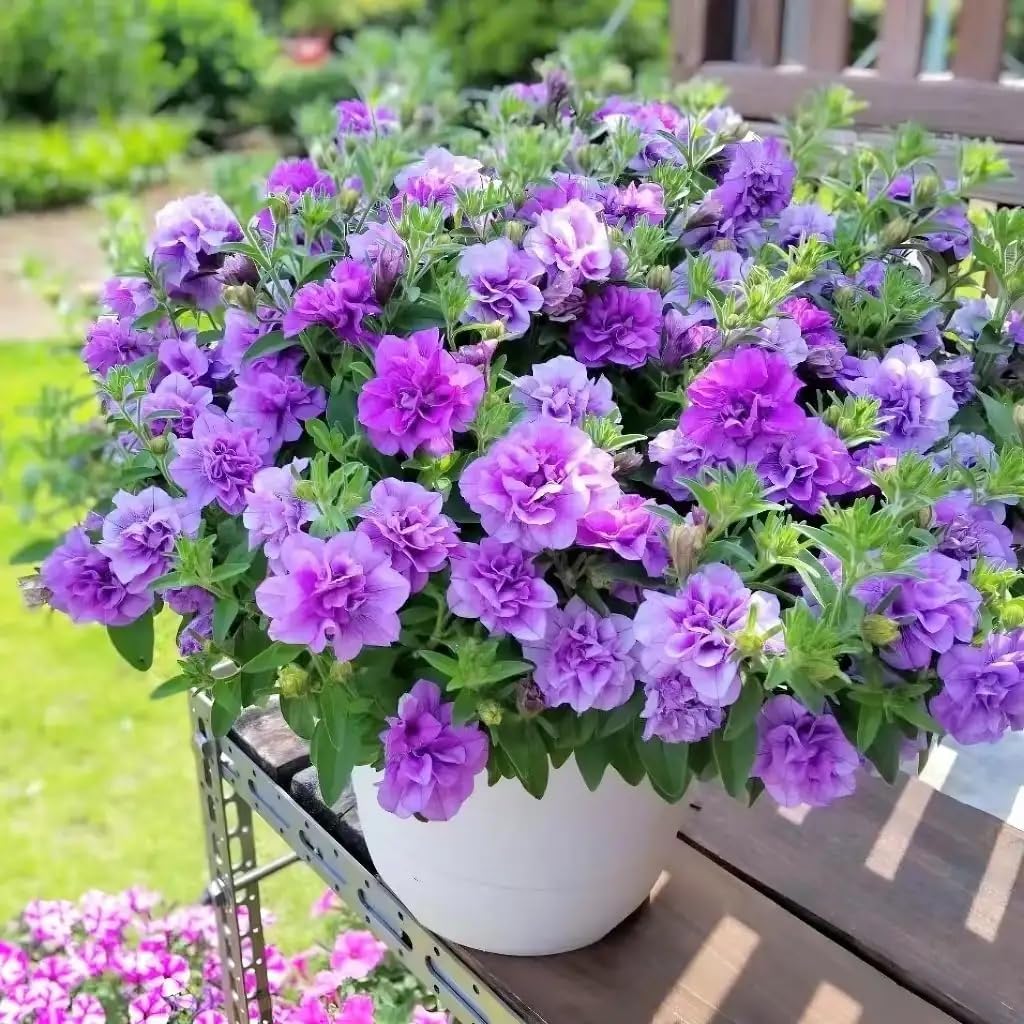
These BuggyBeds petunia seeds offer a high-count, budget-friendly way to fill pots, hanging baskets, and garden borders with continuous, colorful blooms. The packet contains 1000 seeds of mixed petunia varieties that are described as fast-growing and beginner-friendly, so you can sow directly into containers or start indoors for transplanting to full-sun locations. Petunias are known for long flowering runs in warm, sunny spots and the mix is marketed to attract butterflies, which adds pollinator value to ornamental plantings. Practical benefits include a large seed count that stretches across many pots or a few seasons of replanting and the ability to create mixed-color displays without buying multiple small packets. Limitations are that germination rates and variety specifics are not stated, so results may vary and some thinning will be required to avoid overcrowding. As with most seed mixes, establishing strong early growth needs proper sun, regular watering, and deadheading to prolong blooms.
Best for: Buyers who want an inexpensive way to fill multiple sun‑exposed pots or hanging baskets with continuous color and are comfortable managing seeds and thinning seedlings.
Less Ideal for: Gardeners who need guaranteed cultivars, exact colors, or precise counts per variety should choose labeled single-variety seeds or plugs instead.
- High seed count provides many plants from a single purchase
- Mix of colors simplifies creating vibrant container displays
- Described as fast-growing and easy for beginners
- Attracts butterflies and other pollinators in full sun plantings
- No listed germination rate or variety breakdown, which makes yield uncertain
- Mix may produce uneven plant sizes and bloom timing across varieties
Verdict: A cost-effective 1000-count petunia seed mix for quickly filling full-sun pots and hanging baskets with colorful, pollinator-friendly blooms.
ELLA'S HOMES Portulaca (Moss Rose) Live Plants — 4 Mixed Plants

| Indoor Outdoor Usage | Outdoor |
|---|---|
| Expected Blooming Period | Spring to Fall |
| Sunlight Exposure | Full Sun |
| USDA Hardiness Zone | 2-11 |
| Moisture Needs | Little To No Watering |
These Portulaca (moss rose) plants provide bright, multi‑colored blooms and are intended as easy-care bedding for sunny pots, containers, and garden edges. They thrive in full sun and very well-draining, sandy soil, which makes them a straightforward choice for summer planting and for gardeners who want seasonal color with minimal fuss. The listing supplies four individual live plants about 4–6 inches tall that tolerate dry conditions and need little to no watering once established, so they work well in hot, exposed spots and low-water landscapes. Because they are hardy across USDA zones 2–11 and bloom from spring through fall, they offer a long display in warm seasons. Limitations are that these are sold without pots and require fast-draining media and full sun to perform; in shaded or persistently wet sites they will struggle. If you plant in containers, use a gritty potting mix and ensure good drainage to prevent root rot and support consistent flowering.
Best for: Gardeners who need dependable, low‑care bedding for sunny pots or hot garden beds and prioritize reliable, drought‑tolerant color with minimal upkeep.
Less Ideal for: People who keep plants in shade, want moisture‑loving species, or prefer ready‑to‑display potted specimens are better off with different varieties.
- Bright, multi‑color blooms that refresh containers and beds through spring to fall
- Designed for full sun and low moisture which reduces watering frequency
- Low maintenance and suitable for hot, exposed locations
- Sold as a four‑plant pack so you can fill a small container or edge quickly
- Requires very well‑draining, sandy soil and will not tolerate soggy conditions
- Plants are delivered without pots or soil, so additional planting supplies are needed
Verdict: A fuss‑free choice for reliable, drought‑tolerant color in full‑sun pots and hot garden spots.
Carpet Creeping Mixed Dahlia Seeds — 400+ Heirloom Dahlia pinnata for Long Blooming Cut Flowers

| Indoor Outdoor Usage | Outdoor |
|---|---|
| Expected Blooming Period | Summer to Fall |
| Sunlight Exposure | Full Sun |
| Soil Type | Loam/Sandy Soil |
| Moisture Needs | Moderate Watering |
This mixed dahlia seed pack is aimed at gardeners who want months of cut-flower color from plants they start from seed. The packet contains hundreds of seeds in many forms and colors so you can sow directly into containers, raised beds or borders in spring and expect blooms from mid-summer to the first frost. Dahlias from this mix prefer full sun, fertile well-drained loam or sandy soil and regular watering; taller varieties may need staking in pots or large containers. Notable points are the long bloom period and the claim the seeds are non-GMO and heirloom, which should appeal to home gardeners seeking traditional varieties and pollinator-friendly beds. Because the mix contains many varieties you will get unpredictable height and flower form, which works well for informal container groupings but is less suited to tightly coordinated color schemes. Germination rates and variety uniformity can vary with mixed, inexpensive seed lots, so expect some variability in emergence and bloom timing when compared with named cultivars.
Best for: Growers who prioritize long-season, pollinator-friendly blooms in full-sun pots and want the value and variety of a large mixed seed lot rather than precise cultivar uniformity.
Less Ideal for: Gardeners seeking uniform, named dahlia cultivars for matched container displays or guaranteed single-color results should choose labeled varieties instead.
- Long flowering season from mid-summer to first frost for extended container displays
- Large seed count (400+ listed) gives many planting options and multiple containers
- Heirloom, non-GMO seeds suited to pollinator-friendly planting
- Versatile use: appropriate for containers, borders and cut-flower beds
- Mixed seed packs produce variable heights and flower forms, making coordinated container schemes harder
- Germination and uniformity can be inconsistent compared with named, single-variety seeds
Verdict: If you want months of colorful, pollinator-friendly blooms in full-sun pots and value quantity and variety over strict uniformity, this mixed dahlia seed pack is a cost-effective choice.
KVITER Mix Moss Rose (Portulaca grandiflora) Heirloom Flower Seeds — Double Moss Rose Mix

| Indoor Outdoor Usage | Outdoor |
|---|---|
| Other Special Features of the Product | Drought Tolerant, Growing Guide Included, High Germination Rate, Made in the USA |
| Expected Blooming Period | Late Spring to Fall |
| Sunlight Exposure | Full Sun |
| USDA Hardiness Zone | 2-12 |
KVITER Mix Moss Rose seeds provide a straightforward way to establish a low, flowering ground cover that blooms from late spring through fall. The packet contains heirloom, non-GMO seeds of Portulaca grandiflora selected for double, ruffled blooms in pinks, reds, yellows and oranges; the included growing guide and high germination rate make direct sowing into warm, well-drained soil simple. These plants thrive in full sun and minimal water, so they are ideal for hot, dry spots, rocky borders, edging and shallow containers where you want continuous pink and mixed-color flowers without much care. Expect compact succulent foliage that spreads to form a colorful mat and attracts pollinators. Limitations are that moss rose prefers sandy or loamy, very well-drained soils and will not do well in shade or waterlogged conditions, and the low height means it is decorative rather than structural. Seed mix variability means color distribution is not uniform, so the result is a blended, natural look rather than a single solid block of pink.
Best for: Gardeners who want an easy, low-maintenance flowering ground cover for sunny, dry areas and who prioritize continuous seasonal color with minimal watering.
Less Ideal for: People seeking tall or structural plants, dense single-color lawns of pink flowers, or gardeners with shady, poorly drained sites should look elsewhere.
- Heirloom non-GMO seeds with high stated germination for reliable sprouting
- Drought tolerant and thrives in full sun, suited to hot, dry sites
- Large unit count suitable for covering substantial ground or many containers
- Includes step-by-step growing guide to simplify direct sowing for beginners
- Performs poorly in shade or wet soils so site selection is important
- Seed mix produces a varied color blend rather than uniform pink-only coverage
Verdict: A simple, low-water choice to create a long-blooming, low pink-and-mix ground cover in hot sunny spots.
Choosing the Right Bedding Plants for Pots in Full Sun: Key Factors to Consider
Sun and Heat Tolerance
Plants labeled for full sun can handle extended direct sunlight, but there is a range in how they cope with heat spikes. In pots, surface soil warms more quickly than in beds and roots are more exposed to temperature swings. Choosing varieties with high heat tolerance reduces wilting, leaf scorch, and shortened flowering in mid-summer.
Consider local peak temperatures and reflected heat from walls or pavement. Even sun-loving bedding plants benefit from afternoon shade in extreme climates, or from lighter-colored potting mixes and reflective pot placement to limit heat stress.
Watering Needs and Drought Resilience
Containers dry out faster than garden soil, so water requirements directly affect maintenance frequency. Some bedding plants have succulent or adapted foliage that tolerates occasional dry-downs, while others need consistently moist soil to keep blooms.
Match plant water habits to how often you realistically can irrigate. Drought-resilient options cut down on daily watering during heat waves, but even these benefit from deep, infrequent watering to encourage stronger root systems in pots.
Bloom Duration and Rebloom Habit
Long-blooming plants extend the display without constant replanting. Some bedding plants flower in a single flush then quiet down, while others rebloom steadily with regular deadheading or light feeding.
If you want continuous color with low fuss, prioritize plants known for sustained bloom and those tolerant of light pruning. For maximum color intensity early in the season, choose varieties with a strong first flush and plan for supplemental plantings later in summer.
Root Size and Container Compatibility
How a plant roots affects the pot size you need and how often you will repot. Some bedding plants develop shallow, fibrous roots suited to small to medium pots. Others form thicker or more aggressive roots that require larger containers to avoid becoming root-bound quickly.
Think about long-term container plans: if you prefer a single planting to last the season, pick plants with moderate root habits or use larger pots to give roots room. For tight spaces, compact or trailing varieties perform better in smaller containers.
Maintenance and Feeding Requirements
Maintenance covers deadheading, pinching, fertilizing, and pest monitoring. High-flower-output bedding plants often need more fertilizer to sustain blooms, while foliage-focused varieties are lower feeding. Some species need regular deadheading to keep producing, which raises labor needs.
Assess how much time you can spend on container care. Low-effort choices still need occasional checks for pests, mid-season feedings, and refresher potting mix to maintain vigor.
Texture, Habit, and Companion Planting
The foliage texture and growth habit determine how a plant reads in a pot. Upright plants establish vertical presence, trailing plants soften edges, and mounding types create dense color blocks. Combining different habits improves visual balance and can help microclimates within the container-trailers can shade soil and reduce evaporation for center plants.
Plan container compositions with habits in mind to ensure sun-loving bedding plants are placed where they get the light they need while creating an attractive, balanced arrangement.
Preparing Pots for Full Sun Conditions
Start with a pot that offers good drainage and enough volume for the mature root system of sun-loving bedding plants. Clay and terracotta pots breathe but dry faster, while glazed containers retain moisture longer; choose based on how often you can water.
Use a high-quality potting mix formulated for containers rather than garden soil. Mixes with moisture-retaining components and good aeration help buffer rapid drying in full sun. Adding a light layer of mulch or decorative gravel at the surface can slow evaporation and keep roots cooler.
- Ensure drainage holes are unobstructed to prevent root rot after heavy watering.
- Choose pot color and placement to reduce heat gain on extremely hot sites.
- Consider self-watering inserts or reservoirs if watering frequency is a concern.
Sun Timing and Microclimate Management
Not all 'full sun' sites are equal. Morning sun plus hot afternoon exposure is harsher than consistent morning and late-day light. Observe your site to note reflected heat sources, wind exposure, and how long direct sun hits pots each day.
Where afternoon temperatures spike, provide temporary afternoon shade or move lightweight pots to protected spots during heat waves. Grouping containers together can create shared microclimates that moderate wind and retain humidity.
- Position taller plants to shield more sensitive companions from the harshest late afternoon rays.
- Use breathable fabric shade or temporary screens rather than dense coverings that trap heat.
Feeding and Seasonal Care for Continuous Color
Sun-loving bedding plants in pots need steady nutrition to sustain blooms. Use a balanced, water-soluble fertilizer on a regular schedule, and consider a slow-release granule at planting to provide an initial feed. Monitor leaf color and bloom rate to adjust feeding frequency.
Deadheading and light pruning promote rebloom in many species. Remove spent flowers and thin congested growth midseason to improve air circulation and reduce disease pressure. Refresh the top inch of potting mix or replace the medium if plants show nutrient fatigue.
- Follow fertilizer label guidance; overfeeding can burn roots or encourage leggy growth.
- Pinch back leggy stems early in the season to maintain compact form and more blooms.
Combining Plants for Visual Impact and Health
Design containers with a thriller, filler, spiller approach: a taller central plant for height, compact flowering fillers for color mass, and trailing spillers to soften edges. This arrangement works well in full sun and helps distribute care needs across different habits.
Choose companions with similar water and sun requirements to avoid over- or underwatering one plant to suit another. Contrasting leaf textures and bloom shapes keep the display interesting through long sunny days.
- Group plants by watering needs, not just by flower color.
- Use lightweight trailing plants to shade potting mix and reduce evaporation.
Managing Pests and Diseases in Sunny Containers
Sunny, warm conditions can favor certain pests like whiteflies or thrips and can also stress plants, making them more susceptible to disease. Regularly inspect foliage for insect activity and treat early with appropriate, garden-safe controls or manual removal.
Good air circulation, proper spacing in large saucers or benches, and avoiding overhead watering reduce fungal problems. Replace heavily infested or declining plants to protect the rest of your containers.
- Inspect undersides of leaves where pests often hide.
- Avoid excessive nitrogen, which can increase pest attraction to lush new growth.
How We Chose the Best Bedding Plants for Pots in Full Sun
We focused on traits that matter for containers set in full sun and applied practical filters to narrow the list to seven dependable bedding plants. Evaluation prioritized heat tolerance and drought resilience so plants survive long midday exposure and dry surface soil. Bloom longevity and rebloom habit were included to favor plants that provide continuous color without constant deadheading. Root behavior and pot suitability were assessed to avoid choices that quickly become root-bound or need oversized containers. Water and feeding needs were considered so picks span low- and moderate-attention gardeners. Finally, disease resistance and general hardiness in sun-exposed sites were used to reduce seasonal failures. We excluded plants that perform well only in shaded or partly shaded conditions, varieties that require specialized greenhouse care, and species that reliably outgrow standard container sizes within weeks. The final list reflects options that balance floral performance, container adaptability, and realistic maintenance for outdoor pots in full sun.
FAQ
How often should I water bedding plants in full sun pots?
It depends on pot size, mix, and weather. Small pots often need daily checks during heat waves, while larger containers may go two to three days between thorough waterings. Water deeply until it drains from the bottom, then allow the top inch of mix to dry before the next soak.
Can I mix annual bedding plants with perennials in the same pot?
Yes. Combining annual bedding plants with small perennials can extend color and reduce replanting. Match their sun and water needs and ensure the pot is large enough for the perennial's longer-term root growth.
Do sun-loving bedding plants need fertilizing more often in containers?
Usually yes. Container media contains limited nutrients that wash out with frequent watering. A monthly liquid feed or a timed-release fertilizer at planting provides the steady nutrients many blooming bedding plants need in pots.
How do I prevent pots from overheating in full sun?
Use lighter-colored pots, position containers where they receive some afternoon relief, and add a surface mulch to reduce soil temperature. Grouping pots and providing temporary shade during heat waves also helps protect roots.
When should I pinching or deadhead bedding plants in pots?
Pinch back young growth early in the season to encourage branching and more blooms. Deadhead spent flowers regularly if the species responds by reblooming; otherwise, leave seed heads on plants that do not rebloom and replace them later.
Final Verdict
For sunny containers, prioritize plants with strong heat tolerance, moderate water needs, and reliable rebloom traits. Balance visual goals with practical considerations like pot size, root habit, and how often you can water and feed. Your ideal choice depends on whether you want a low-maintenance grouping or an intense, continuous color display. Focus on habits and care requirements to match plants to your schedule and microclimate, and you will get lasting, vibrant results from pots in full sun.
