

Note: This article contains affiliate links. If you click on these links and make a purchase, I may earn a small commission at no extra cost to you. This helps support my research and content. Read my full affiliate disclosure here.
If you grow a rubber plant indoors or on a sheltered patio, the right planter changes how the tree establishes and how often you water. A planter that provides steady support, sufficient root volume, and predictable drainage helps prevent common problems like root rot, leaning stems, and slow growth. This guide presents five carefully shortlisted planters for rubber plant that perform well in real-world home and container-garden conditions. We evaluated options for drainage, stability, material suitability, and how easy each is to manage in a living space. Read on to see which planter type fits your space and care routine.
Top Picks at a Glance
| Best Overall The best all-around choice for most situations | Kante Tall Round Weathered Concrete Planter (17.7" H) |  |
| Best Value The sweet spot between price and what you get | KUGAZ Self-Watering Planter Set (12/10/8 inch, 3-Pack) |  |
| Highest Rated A top-rated pick with lots of positive feedback | homenote 13-Inch Plastic Planter with Drainage Plug |  |
| Most Popular A crowd favorite that many people choose with confidence | Root & Vessel Majestic Full Depth Cylinder Pot, 12-Inch, Glossy White |  |
| Best Seller A high-volume bestseller chosen again and again | Fielda 8/10/12 Inch Self-Watering Planter Set |  |
Kante Tall Round Weathered Concrete Planter (17.7" H)

| Capacity | 4.6 gallons |
|---|---|
| Other Special Features of the Product | Drainage Hole, Lightweight, Rust Resistant, UV Resistant, Weather Resistant |
| Material Type | Concrete |
| Indoor Outdoor Usage | Indoor, Outdoor |
| Included Components | Rubber Plug |
This Kante tall round planter is a modern, fluted concrete pot intended to showcase mid-size houseplants such as a rubber plant on a porch or indoors. It is made from a concrete and fiberglass blend that keeps the look and durability of concrete while reducing weight, and includes a drainage hole with a rubber plug so you can use it outdoors or block drainage for indoor use. At about 4.6 gallons capacity it fits a single specimen and provides a stable base for upright plants. The painted weathered concrete finish gives an industrial-chic look that masks dirt and pairs well with green foliage. Practical benefits include UV, rust and weather resistance for year-round outdoor placement and a lightweight feel that makes repositioning easier than solid concrete. Limitations are that the tapered, decorative shape limits soil volume compared with wider planters and the handmade finish means slight surface variation between units.
Best for: Ideal for plant owners who want a sturdy, decorative pot that supports upright houseplants like a rubber plant and can live on a porch or inside without frequent moving.
Less Ideal for: Not a good choice for growers who need very large soil volume or a wide root spread for mature, heavily pot-bound plants.
- Durable concrete and fiberglass blend for weather and damage resistance
- Built-in drainage hole with rubber plug for indoor or outdoor flexibility
- Painted weathered finish with UV resistance to retain appearance outdoors
- Lightweight compared with solid concrete for easier moving
- Narrow, tall shape reduces usable soil volume for deep-rooted specimens
Verdict: A stylish, weather-resistant concrete planter that gives rubber plants a stable, low-maintenance home while remaining light enough to move as needed.
KUGAZ Self-Watering Planter Set (12/10/8 inch, 3-Pack)

| Capacity | 22.6 liters |
|---|---|
| Number of Pieces | 3 |
| Material Type | Plastic |
| Other Special Features of the Product | Breathable, Lightweight, Self Watering |
| Indoor Outdoor Usage | Indoor, Outdoor |
These KUGAZ planters are designed to simplify routine care for larger houseplants like monstera. Each pot includes a deep reservoir and an absorbent wick plus a visible water level window so you can top up the reservoir without disturbing the root ball. The set contains three sizes suited to young plants through more established specimens, and the plastic construction keeps each pot light and easy to move for repotting or repositioning. Built-in drainage holes and a breathable design help prevent overwatering and encourage healthier roots compared with sealed pots. Practical extras include a saucer and watering lip for cleaner filling. Expect the pots to perform well for routine watering and to save time between hand-watering sessions, though the plastic finish is not decorative like ceramic and large heavy plants will still need a stable stand or saucer. If you need a long-term decorative pot or heavier, premium materials, look elsewhere, but for straightforward, low-maintenance container growing these planters are a solid, efficient choice.
Best for: Buyers who prioritize low-maintenance, reliable watering for houseplants and want a practical set that covers small to medium monstera stages without fuss.
Less Ideal for: Gardeners seeking decorative, high-end materials or very large, mature plants that require heavy, long-term stable pots should consider sturdier ceramic or resin alternatives.
- Self-watering reservoir with wick and visible water level makes watering predictable and hands-off
- Includes three practical sizes suitable for progressive repotting
- Drainage holes and breathable design reduce risk of root rot
- Lightweight plastic construction is easy to move and reposition
- Includes saucer and watering lip for cleaner filling
- Plastic construction is utilitarian and less decorative than ceramic or terracotta
- Not a heavy-duty planter for very large, top-heavy specimens
Verdict: If you want a practical, low-maintenance planter set that keeps monsteras consistently hydrated with minimal effort, this self-watering trio delivers.
homenote 13-Inch Plastic Planter with Drainage Plug
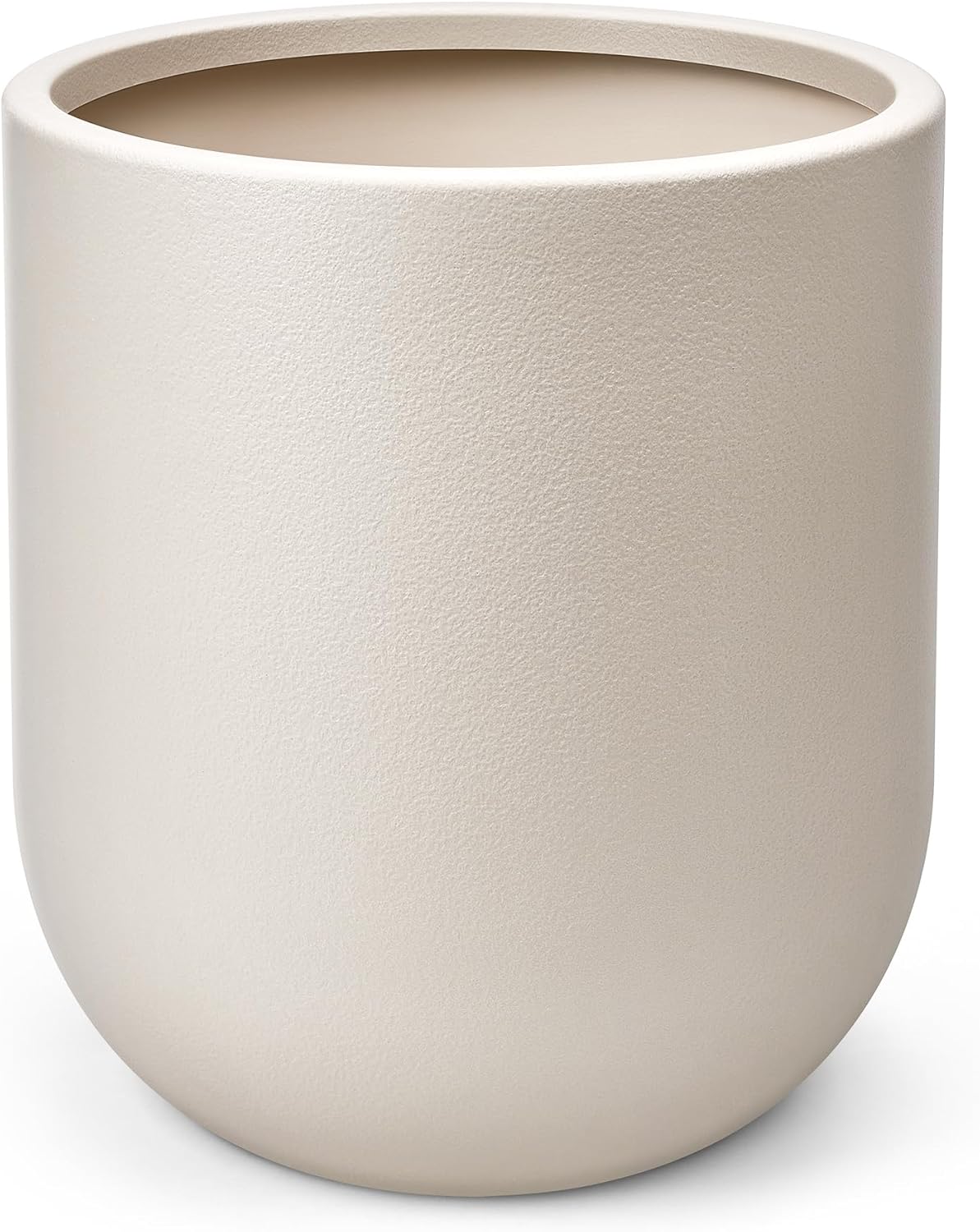
| Capacity | 7.48 gallons |
|---|---|
| Features | Drainage Hole |
| Mounting Type | Floor Standing |
| Material Type | Plastic |
| Indoor Outdoor Usage | Indoor |
This 13-inch homenote planter is built for everyday reliability with thick plastic construction, an integrated drainage hole and a removable rubber plug so you can control moisture for plants that dislike sitting in water. It works as a floor-standing indoor pot for larger houseplants such as rubber plants, fiddle-leaf figs and monsteras where root space and stability matter. The 7.48 gallon capacity and taller profile give room for a developing root ball and the wide base helps prevent tipping when the plant gets top-heavy. Because it is plastic, the pot is lightweight to move but durable enough to resist cracking and weathering indoors. The removable plug also makes the pot versatile: leave it in for indoor use to retain moisture or remove it on a porch to improve drainage. Limitations to note are that the pot is plastic rather than ceramic or terracotta so it will not provide the same breathability or premium finish, and it may look less upscale in very formal interiors.
Best for: Buyers who prioritize a dependable, low-maintenance planter for large indoor houseplants and want something easy to move and manage moisture for plants like rubber plants.
Less Ideal for: Shoppers seeking a decorative premium finish or a porous potting material that actively wicks moisture should consider ceramic or terracotta alternatives.
- Built-in drainage hole with removable rubber plug for precise moisture control
- Thick plastic construction resists cracking while remaining lightweight to move
- Tall, roomy 7.48 gallon capacity gives ample root space for larger houseplants
- Wide base improves stability for top-heavy plants
- Plastic material does not offer the breathability or premium look of terracotta or ceramic
Verdict: A practical, stable plastic planter that reliably protects larger indoor plants by combining roomy root space with controllable drainage.
Root & Vessel Majestic Full Depth Cylinder Pot, 12-Inch, Glossy White

| Capacity | 18.85 liters |
|---|---|
| Material Type | Plastic |
| Finish Types | Glossy Finish |
| Other Special Features of the Product | Drainage Hole, Lightweight, Rust Resistant, UV Resistant, Weather Resistant |
| Indoor Outdoor Usage | Indoor, Outdoor |
The Root & Vessel Majestic Full Depth Cylinder Pot is a simple, modern plastic planter intended for everyday container gardening. It provides a deep planting profile that supports root development and includes a removable snap-on tray so you can protect indoor surfaces or expose drainage holes when using it outdoors. The glossy finish gives a clean, contemporary look while the polypropylene construction keeps the pot lightweight and weather resistant for season-to-season use. Practical benefits include easy repositioning on plant stands or shelves, low maintenance compared with ceramic, and recyclable BPA-free material. Limitations are that it is a basic plastic pot without insulating mass, so soil in hot or cold climates will change temperature more quickly than in heavier pots, and very large plants may need additional support or a larger container. For planting, add a drainage layer or remove the tray outdoors to avoid overwatering and follow species-specific potting advice for best results.
Best for: Buyers who prioritize a practical, low-maintenance planter that looks modern and is easy to move and care for, and who value products with many user reviews for reassurance.
Less Ideal for: Those seeking heavy, decorative ceramic planters that provide thermal mass for temperature stability or collectors wanting handcrafted finishes.
- Deep planting depth supports stronger root growth
- Built-in snap-on tray protects indoor surfaces and can be removed to expose drainage
- Lightweight and easy to move for repositioning or seasonal changes
- Durable, weather and UV resistant plastic suitable for indoor or outdoor use
- Plastic construction offers less thermal insulation than ceramic or terracotta pots
Verdict: A durable, lightweight full-depth planter that combines easy indoor protection with outdoor drainage for reliable everyday container gardening.
Fielda 8/10/12 Inch Self-Watering Planter Set

| Included Components | Saucer, Water Level Indicator Window |
|---|---|
| Capacity | 2.5 gallons |
| Material Type | Plastic |
| Indoor Outdoor Usage | Indoor, Outdoor |
These Fielda planters are a practical self-watering set for anyone who wants lower-maintenance container gardening. Each pot has a deep reservoir and an absorbent cotton wick that draws water up to the root zone, while a transparent water-level window lets you check reservoir volume without disturbing the plant. Detachable saucers and multiple drainage holes simplify cleaning and prevent overwatering, and the thicker plastic walls make the pots durable for both indoor and outdoor placement. In real use they keep soil evenly moist for roughly a week for typical houseplants, which is convenient for busy schedules or short trips. Limitations to note are the reduced usable planting depth because of the reservoir and the lightweight plastic construction, which can tip with very top-heavy plants in windy outdoor spots. The design is straightforward to set up and maintain, and the visible indicator and removable tray make it easy to avoid waterlogging while reducing daily watering chores.
Best for: Buyers who want a low-maintenance, reliable self-watering solution that visibly shows reservoir status and simplifies weekly care for common houseplants and balcony pots.
Less Ideal for: Growers needing maximum root depth for large specimen plants or those who prefer heavy, terracotta-style pots for stability and aesthetic weight.
- Self-watering reservoir with cotton wick delivers consistent moisture to roots for up to 7–10 days
- Transparent water-level window provides easy visual monitoring without moving the pot
- Removable saucer tray and multiple drainage holes simplify cleaning and prevent waterlogging
- Durable, high-temperature-resistant plastic resists fading and cracking for indoor or outdoor use
- Reservoir reduces usable planting depth compared with a regular pot of the same outer size
- Lightweight plastic can be prone to tipping with large, top-heavy plants in windy conditions
Verdict: A convenient, visible self-watering planter set that cuts down weekly watering while working reliably for typical houseplants and balcony containers.
Choosing the Right Planter for Rubber Plant: Key Factors to Consider
Drainage Performance
Proper drainage is essential because rubber plants are sensitive to prolonged wet soil. A planter should let excess water escape quickly so the root zone does not remain soggy between waterings. Look for well-placed drain holes or a design that allows water to move freely out of the pot rather than pooling at the bottom.
Drainage also affects how often you water and how you mix potting medium. A freely draining pot encourages a lighter, more aerated soil mix and reduces the need for frequent shallow watering, which can compact the medium and restrict oxygen to roots.
Stability and Tipping Resistance
Rubber plants can grow tall and top-heavy, so planter stability matters. A container with a wider footprint or a heavier base reduces the risk of tipping as the plant leaf canopy expands. Materials with naturally higher weight or the ability to be ballasted help keep the plant upright without forcing aggressive pruning.
Consider how the planter sits on your floor or stand. Narrow, tall pots may look elegant but often require saucers or additional support. If you place the pot in a high-traffic area or on a balcony with wind exposure, prioritize a stable geometry over purely decorative shapes.
Root Volume and Depth
Rubber plants develop a substantial central root that benefits from good vertical depth and some lateral space. A planter that provides adequate root volume relative to the plant size prevents the roots from becoming pot-bound too quickly and supports steady top growth.
Choose a pot sized to allow one to two years of root development before repotting. Too-small planters force frequent repotting and can stress the plant; excessively large containers keep the soil wetter for longer, so balance volume with expected watering frequency.
Material and Moisture Behavior
Different planter materials interact with water differently. Porous materials like terracotta allow moisture to evaporate through the walls, which can help prevent overwatering but increases watering frequency. Nonporous materials such as glazed ceramic or plastic retain moisture longer and can reduce watering frequency but demand reliable drainage to avoid waterlogging.
Also consider how the material stands up to indoor conditions: UV exposure, temperature swings, and the risk of chipping or cracking. Material choice affects both plant health and long-term aesthetic maintenance.
Ease of Repotting and Maintenance
Rubber plants will need repotting as they grow, so choose planters that make this task manageable. Lightweight materials with built-in handles or those that come in modular nursery liner systems simplify lifting and root inspection. Removable inner pots or saucers make watering and drainage checks easier.
Maintenance also includes cleaning mineral buildup, wiping leaves after soil spills, and replacing soil. Planters with smooth interiors and accessible rims reduce the labor involved and lower the risk of damaging roots during handling.
Finding the Right Size for Your Space
Sizing a planter for a rubber plant is a balance between immediate root needs and future growth. Start by matching pot diameter to the root ball width with room for one to two inches of new soil around the edges for small specimens. For more established plants, choose a pot that increases root volume by roughly 20 to 30 percent so the tree has space to expand without excessive soil moisture retention.
If you plan to keep a rubber plant for many years, factor in eventual canopy spread and how often you are willing to repot. Bigger pots mean more soil that holds moisture, so if you prefer less frequent watering, do not oversize the container dramatically.
- Measure current root ball before upgrading pots
- Aim for gradual size increases rather than jumping multiple sizes
- Consider how pot size affects watering frequency
Indoor Placement and Floor Protection
Where you place the planter affects both plant health and flooring. A solid saucer or tray protects hardwood and tile from stray water but should not block drainage. If a planter lacks an integrated saucer, use a waterproof liner that still leaves clearance below drain holes.
Think about light exposure and airflow. A planter that is easy to move helps you shift the plant for seasonal light changes or to clean beneath it. For very heavy pots, consider rolling stands or a fixed location that receives optimal light year-round.
- Use a saucer with raised feet when possible
- Place heavy pots on protective pads to avoid floor damage
- Keep planters away from cold drafts or heating vents
Soil Mix and Pot Interaction
The planter and potting mix work together to determine moisture retention. For rubber plants, a well-draining indoor potting mix that includes chunky components such as coarse perlite or pine bark reduces compaction and promotes oxygen near the roots. Layering coarse material at the bottom is less important than ensuring the entire soil column drains well.
If you use a nonporous planter, choose a mix that dries moderately between waterings and monitor top-to-bottom moisture. In porous pots, expect quicker surface drying and adjust watering accordingly.
- Avoid heavy, compacting garden soils in containers
- Incorporate coarse amendments for long-term aeration
- Match watering schedule to pot material and soil behavior
Aesthetics Versus Functionality
Planters are a major decorative element but should not sacrifice function. Sleek, thin-walled pots look modern but may lack the mass needed to stabilize tall rubber plants. Conversely, heavy stone or concrete-style planters add stability but can be impractical to move and may require supports during repotting.
Decide which tradeoffs you accept. If appearance is paramount, use a decorative outer cachepot with a functional inner pot that provides drainage. This approach preserves the look while delivering the necessary performance for plant health.
- Consider a two-piece setup: inner draining pot plus cachepot
- Balance color and finish with the room's humidity and light
- Think about long-term maintenance when choosing decorative finishes
Preparing for Long-Term Care
Rubber plants are slow to moderate growers but can live for many years in containers. Plan ahead for pruning, stake support, and occasional root work. A planter that allows easy access to the root ball and inner soil makes it less stressful to check root health and to refresh the substrate when needed.
Also plan for pest checks and leaf cleaning. Stable, slightly elevated pots make it easier to inspect undersides of leaves and reduce the chance of soil-borne pests moving between plants.
- Keep tools and potting supplies nearby for seasonal maintenance
- Choose pots that permit inserting stakes or supports if the trunk needs training
- Schedule repotting as part of an annual care routine rather than an emergency
How We Chose the Best Planter for Rubber Plant
We focused on attributes that directly affect the health and appearance of rubber plants in containers. Primary evaluation criteria included drainage performance, pot stability and weight distribution, internal root volume relative to planter footprint, material durability and moisture behavior, and ease of maintenance such as cleaning and repotting. Each candidate was assessed on how its design either promotes airflow and excess-water escape or traps moisture that could harm Ficus elastica-like plants. We favored planters that offer a balance between shallow top dimensions and deep rooting space so the plant can establish without excessive tipping risk. Exclusions: decorative-only pots without drainage provision, planters intended solely for hydroponic or indoor self-watering systems, and very small novelty containers were excluded because they do not support typical rubber plant growth. The final shortlist highlights planters that match the typical size, watering rhythm, and structural needs of rubber plants kept in homes, offices, or covered outdoor areas.
FAQ
How big should a planter be for a young rubber plant?
A young rubber plant does well in a pot slightly larger than its nursery container, giving one to two inches of extra soil around the root ball. That size supports steady root growth without excessive water retention and keeps repotting manageable in the first year or two.
Do rubber plants need drainage holes in their pots?
Yes, drainage holes are usually important because rubber plants dislike sitting in water. If you use a pot without holes, pair it with a well-draining soil and monitor moisture closely, or use an inner pot with drainage inside a decorative outer container.
Is terracotta a good material for rubber plant planters?
Terracotta is useful because it breathes and allows some moisture evaporation through the walls, which reduces overwatering risk. Expect to water more frequently than with nonporous pots, and be cautious of salts building up on the exterior in hard-water areas.
How often will I need to repot a rubber plant?
Repotting frequency depends on growth rate and container size but commonly occurs every one to three years for young plants and less often as they mature. Signs you need to repot include roots circling the pot, very reduced growth, or soil that dries out exceptionally fast due to root density.
Can I use a very large pot to avoid repotting?
Using an oversized pot can reduce the number of repottings but often leads to wetter soil for longer, increasing root-rot risk. It is better to step up sizes gradually so the soil column and root growth remain in balance with watering habits.
Final Verdict
Choose a planter that balances drainage, stability, and appropriate root volume for the size of your rubber plant. Prioritize a pot that matches your watering rhythm and the plant's expected growth so you avoid frequent repotting or chronic moisture issues. Consider material and ease of handling as secondary factors that influence long-term care. With those priorities in mind, you can pick a container that keeps a rubber plant healthy and upright for years.
