

Note: This article contains affiliate links. If you click on these links and make a purchase, I may earn a small commission at no extra cost to you. This helps support my research and content. Read my full affiliate disclosure here.
Choosing the right outdoor potted plants for shade matters because containers behave differently than in-ground beds. In low-light corners, patio planters, balcony pots, and shaded entryways need species that tolerate less sun while staying healthy in confined soil volumes. This guide shortlists the top options for shaded outdoor containers and explains the characteristics that make each plant work well in pots. We evaluated candidates for shade tolerance, container performance, watering needs, and seasonal interest to help you pick plants that will thrive where direct sun is scarce.
Top Picks at a Glance
| Best Overall The best all-around choice for most situations | Southern Living Obsession Nandina Shrub (2 Gal) |  |
| Best Quality Built to a higher standard if you want something more solid | Green Promise Farms Helleborus x 'Ivory Prince' (Christmas Rose) 1-Gallon Perennial |  |
| Best Value The sweet spot between price and what you get | Plants for Pets Autumn Fern (Dryopteris erythrosora) 1-Gallon Live Outdoor Plant |  |
| Best Budget The cheapest option that still gets the job done reliably | CZ Grain Crimson Sky Caladium Bulbs (6) |  |
| Highest Rated A top-rated pick with lots of positive feedback | Blooming & Beautiful Sawtoothed Japanese Aucuba, Live Evergreen Shrub, 3 Gallon |  |
| Most Popular A crowd favorite that many people choose with confidence | Touch Of ECO Hosta Bare Roots 6-Pack (Mixed Heart-Shaped) |  |
| Best Seller A high-volume bestseller chosen again and again | PERFECT PLANTS Frostproof Gardenia Live Plant, 1 Gallon |  |
Southern Living Obsession Nandina Shrub (2 Gal)

| Sunlight Exposure | Full Sun to Part Shade |
|---|---|
| USDA Hardiness Zone | 6, 7, 8, 9, 10 |
| Moisture Needs | Moderate Watering |
| Expected Planting Period | Year Round |
The Southern Living Obsession Nandina is a 2-gallon evergreen shrub prized for intense red foliage that holds color through much of the year. It is marketed for outdoor beds and containers, and performs in full sun to part shade across USDA zones 6 to 10. Typical use is as an accent in mixed borders, a colorful container specimen on a patio, or a low hedge where a 3- to 4-foot mature height is acceptable. Practical benefits include low maintenance, deer resistance, and moderate water needs once established; the plant is described as organic and suited to loam soils with well-drained conditions. Limitations to consider are that it does not produce notable blossoms and requires routine watering while establishing; it will also reach about 48 inches, so plan placement or pruning accordingly. For container use, choose a generous pot and monitor soil moisture to keep foliage vibrant in hot, sunny sites.
Best for: Gardeners who want a low-maintenance, colorful evergreen for patio containers or small landscape accents and value year-round foliage interest.
Less Ideal for: People seeking a showy flowering shrub or those who need a very small dwarf variety for tight spaces should consider other options.
- Bright red evergreen foliage provides season-long color
- Suitable for containers or landscape beds thanks to compact mature size
- Tolerates full sun to part shade across USDA zones 6–10
- Low maintenance and described as deer resistant
- Does not produce significant blossoms for floral interest
- Requires consistent watering until established
Verdict: Choose this nandina when you want an easy-care, brightly colored evergreen that performs well in pots and small garden settings.
Green Promise Farms Helleborus x 'Ivory Prince' (Christmas Rose) 1-Gallon Perennial

| Sunlight Exposure | Full Shade |
|---|---|
| USDA Hardiness Zone | 6 |
| Expected Blooming Period | Fall |
| Soil Type | Sandy Soil |
| Moisture Needs | Moderate Watering |
The Green Promise Farms Helleborus x 'Ivory Prince' is a ready-to-plant perennial that performs in shade where many potted flowers struggle. It arrives in a 1‑gallon container with established roots and forms a tidy mound of leathery evergreen leaves; reddish-pink buds open to up-facing creamy white flowers from late fall into early spring, extending visual interest when most other plants are dormant. Use it in shaded patio containers, mixed shade borders, or as a low groundcover in rock gardens. It prefers organically rich, well-drained soil and moderate watering, and tolerates summer heat and humidity in USDA zones 5–8. Notable practical benefits are low ongoing maintenance, winter-to-spring bloom timing that fills a seasonal gap, and a compact habit that fits small pots and tight shade spots. Limitations are that it is adapted to part to full shade so it will not perform well in hot full sun, and buyers seeking very large showy summer blooms should consider other species. Planting instruction and care guidance are included to help ensure quick establishment after planting.
Best for: Gardeners who need a low‑maintenance, high‑impact shade perennial for patios, containers, or shaded borders and who prioritize seasonal performance over large summer blooms.
Less Ideal for: Those wanting bright full‑sun annuals or very large, showy summer flowering plants should look elsewhere.
- Delivered in a 1‑gallon pot ready to plant, reducing transplant shock
- Blooms in late fall through early spring to provide color when most shade flowers are dormant
- Evergreen, leathery foliage forms an attractive low mound year‑round
- Performs reliably in part to full shade and tolerates heat and humidity in appropriate zones
- Not suited for full sun exposure which can stress the plant
- Mature spread recommends planting multiple inches apart, so single small pots limit long‑term growth potential
Verdict: Choose this Helleborus if you want an easy‑care potted perennial that reliably blooms in late fall to early spring and thrives in shaded patios and containers.
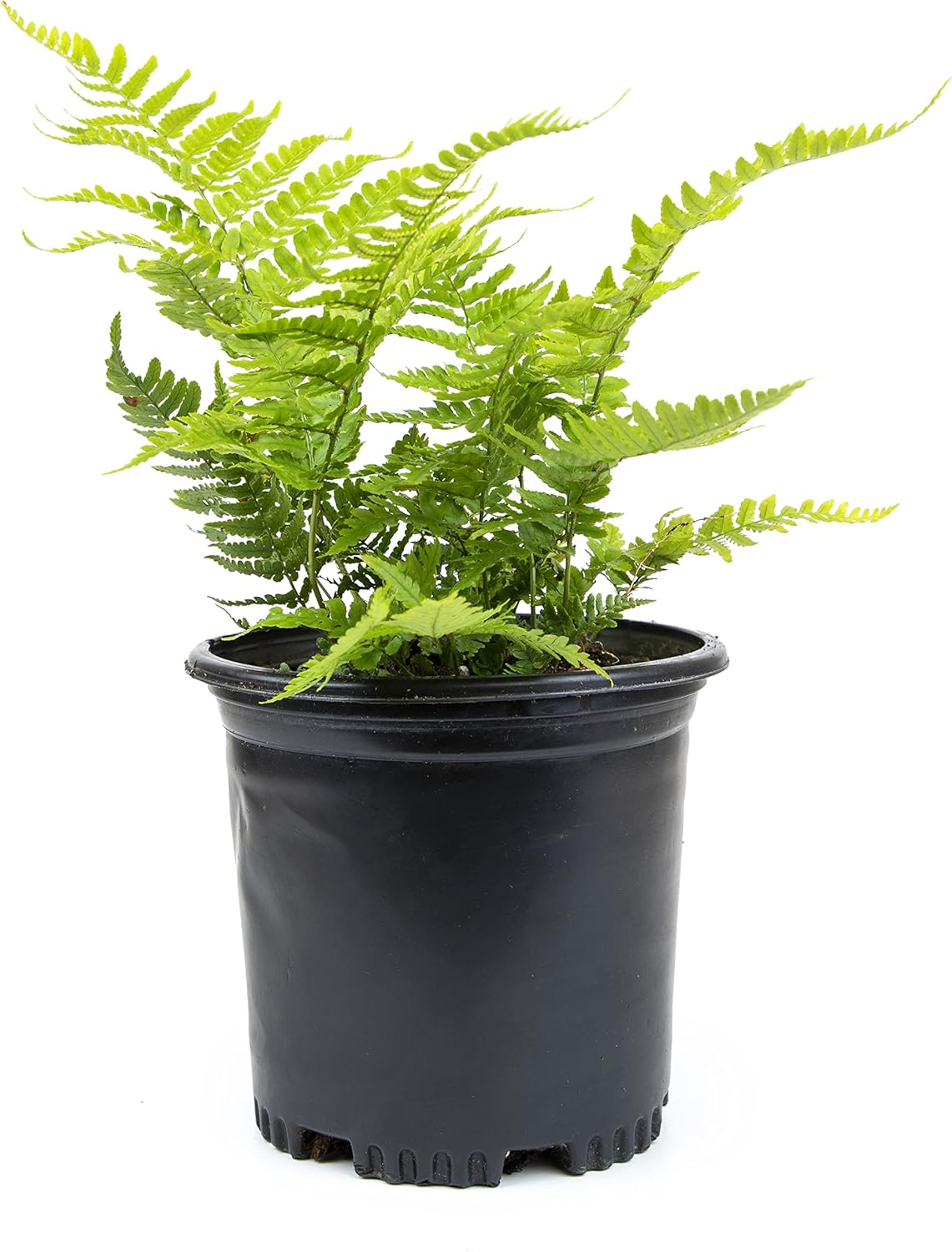
Plants for Pets Autumn Fern (Dryopteris erythrosora) 1-Gallon Live Outdoor Plant
| Indoor Outdoor Usage | Outdoor |
|---|---|
| Sunlight Exposure | Partial Shade |
| USDA Hardiness Zone | 7 |
| Moisture Needs | Moderate Watering |
| Soil Type | Sandy Soil |
This autumn fern is a shade-tolerant perennial sold in a 1-gallon nursery pot and intended for outdoor planting. It is used as ground cover, a border or understory specimen where filtered light prevails; new fronds emerge copper-red in spring and mature to deep green for seasonal interest. The plant spreads slowly by rhizomes, so you can expect gradual filling-in rather than rapid crowding. It prefers evenly moist, well-drained soil and regular watering but is reported to tolerate short dry periods once established. Notable features include deer and rabbit resistance, suitability for heavy shade, and hardiness to Zone 7. Practical benefits for planter use include attractive, low-profile foliage that adds texture and color contrast to shady containers and paired plantings. Limitations are that it is sized for outdoor beds and planters rather than indoor display, and it will need consistent moisture and appropriate shade to keep fronds healthy; it is not a fast spreader for quick coverage if you need instant fill in a large planter group.
Best for: Buyers who want a low-profile, reliable shade plant for planters or shady borders and prioritize attractive foliage and low pest pressure over rapid spread.
Less Ideal for: Gardeners who need fast ground cover or immediate dense screening, or those planning bright sun containers or indoor plantings.
- Shade-tolerant with attractive seasonal color from copper-red new fronds to deep green mature fronds
- Hardy to Zone 7 and resistant to deer and rabbits for low-loss outdoor planting
- Sold fully rooted in a 1-gallon nursery pot ready for transplanting into planters or beds
- Slow, rhizome-driven spread gives controlled ground-cover without aggressive invasion
- Requires consistently moist, well-drained soil and regular watering for best foliage condition
- Not intended as an indoor houseplant and may decline in bright sun or dry indoor conditions
Verdict: Choose this autumn fern when you need a hardy, shade-loving planter plant that delivers year-round foliage interest with minimal pest problems.
CZ Grain Crimson Sky Caladium Bulbs (6)

| Indoor Outdoor Usage | Outdoor |
|---|---|
| Expected Blooming Period | Summer |
| Sunlight Exposure | Partial shade to bright filtered light |
| USDA Hardiness Zone | Zones 9–11 for outdoor overwintering; lift and store tubers in colder zones |
| Moisture Needs | Evenly moist, well drained soil; avoid standing water |
These Crimson Sky caladium tubers offer an easy way to add dramatic red-and-pink foliage to a shade border or patio container during the warm season. Each pack contains six dormant tubers you plant about 2 inches deep after the soil has warmed; give plants partial shade or bright filtered light and consistently moist, well-drained soil for best results. The variety is grown for its leaves rather than flowers and can reach about 5 feet tall in favorable conditions, making it useful as a background or specimen in moist, shady spots. Because caladiums are tender, gardeners in colder zones should lift and store tubers before frost or treat them as annuals. Practical benefits include quick seasonal impact from a small number of tubers and flexible use in pots or beds, but you will need to manage winter storage in zones below 9 and avoid waterlogged soils that cause rot. Overall care is straightforward if you can provide regular moisture and filtered light.
Best for: Gardeners who want a low-effort, high-impact foliage plant for moist, partially shaded beds or containers and who prefer seasonal color they can manage year to year.
Less Ideal for: Those seeking cold-hardy perennials or gardeners who cannot provide regular moisture management and winter storage.
- Bold, decorative red and pink foliage that adds instant color to shady areas
- Six tubers allow planting as a group in one container or spacing across a bed
- Clear planting and care guidance for warm-season planting and overwintering
- Performs well in evenly moist, well drained soils suited to the article's moist-soil focus
- Tender tubers need to be lifted and stored in climates colder than USDA zones 9–11 or treated as annuals
Verdict: If you want an easy seasonal splash of bold foliage for moist, shady spots, these six Crimson Sky caladium tubers deliver immediate impact with simple warm‑season care.
Blooming & Beautiful Sawtoothed Japanese Aucuba, Live Evergreen Shrub, 3 Gallon

| Sunlight Exposure | Partial Shade |
|---|---|
| Moisture Needs | Moderate Watering |
| Soil Type | Sandy Soil |
| Expected Blooming Period | Fall, Winter |
The Sawtoothed Japanese Aucuba is a low-maintenance evergreen shrub built for shady spots where many plants struggle. Typically grown in a 3 gallon pot and planted in the landscape or a large container, it prefers full to partial shade and moderately moist, well-draining soil. Notable features are its dark, glossy serrated leaves that give a tropical look year-round and the potential for red berries in fall and winter if a male aucuba is present nearby. It reaches a mature height and spread that make it useful for background planting, under tree canopies, or as a foliage-focused container specimen. Practical benefits include reliable year-round greenery in USDA zones 6 to 10 and tolerance for a range of climates once established. Important limitations are its intolerance of too much sun, which can yellow and burn leaves, and the berry production depends on having the opposite sex plant close enough to pollinate. Expect straightforward care but plan placement for consistent shade.
Best for: Homeowners who need a dependable, low-maintenance shade plant for containers or shaded garden beds and prioritize consistent evergreen foliage over seasonal flowers.
Less Ideal for: Gardeners who want a sun-loving flowering shrub or those seeking an immediate privacy screen from small plants should look for faster-growing or sun-tolerant alternatives.
- Performs reliably in full to partial shade where many plants fail
- Year-round glossy evergreen foliage provides continuous screening or focal interest
- Low maintenance once established and tolerant of various climatic challenges
- Can produce ornamental red berries in fall and winter when a male plant is nearby
- Leaves can yellow and burn in too much sun, limiting placement options
- Berry set requires a nearby male aucuba, so a single plant may not fruit
Verdict: Choose this aucuba when you need a tough, low-maintenance evergreen that reliably thrives in shaded pots or beds.
Touch Of ECO Hosta Bare Roots 6-Pack (Mixed Heart-Shaped)

| Unit Count | 6 Count |
|---|---|
| Indoor Outdoor Usage | Outdoor |
| USDA Hardiness Zone | 3-9 |
| Moisture Needs | Regular Watering |
These Touch Of ECO hosta bare roots arrive dormant and are intended to be planted in fall or early spring for reliable, low-maintenance shade interest. Each pack contains six mixed heart-shaped hosta crowns that produce rich green foliage and fragrant white or purple flowers on tall stems from spring through fall. Hostas are typically used in shady borders, under trees, or in large planters where regular watering and indirect light suit them best. The listing notes hardiness to zones 3 through 9, so they will return year after year in a wide range of climates, and the plants attract pollinators while being resistant to deer. Practical gardeners will appreciate that the plants ship as bare roots for easy planting and faster establishment when placed with the crown at soil level and watered in. Limitations are that these are not container-ready potted plants and need initial attention to planting depth and moisture; smaller or shallow planters may not give the crowns enough room to spread.
Best for: Gardeners who want reliable, low-maintenance shade plants to establish in planters or beds and prefer economical bare-root stock they can plant themselves.
Less Ideal for: Buyers who want instant, display-ready potted plants or who need specimens sized for very small decorative containers.
- Six bare-root crowns per pack provide quick value for filling multiple planters or a shady border
- Hardy across USDA zones 3–9 so they are suitable for most climates
- Attractive heart-shaped foliage with seasonal fragrant blooms adds texture and pollinator value
- Ships dormant for easy handling and planting in fall or early spring
- Arrives as bare roots rather than established potted plants, so initial planting care is required
- Not suitable for very small or shallow containers where crowns cannot spread
Verdict: A cost-effective way to fill shady planters or beds with hardy, low-maintenance hostas if you are comfortable planting bare-root stock.
PERFECT PLANTS Frostproof Gardenia Live Plant, 1 Gallon

| Indoor Outdoor Usage | Outdoor |
|---|---|
| Other Special Features of the Product | Deer Resistant, Fragrant |
| Expected Blooming Period | Summer |
| Sunlight Exposure | Full Sun, Partial Shade |
| Expected Planting Period | Spring |
This 1-gallon Frostproof gardenia is a compact, fragrant shrub intended for outdoor landscape use. It arrives as a live plant with a recommended mature height around 5 feet and is typically planted in mulch beds, as a low hedge, or as an accent near entries where its scent can be enjoyed. Notable features include deer resistance, a history of reliable spring and summer blooms, and included easy-to-use plant food for a simpler start. The plant prefers full sun to partial shade, so it will tolerate some shaded locations but performs best where it receives several hours of direct light. Practical benefits for a cautious buyer are straightforward care, minimal pruning to maintain shape, and an aromatic presence that enhances small gardens or patios. Limitations are that it is sold as a 1-gallon specimen so it will need time to reach mature size, and the product text notes shipping exclusions to a few states which affects availability for some buyers.
Best for: Buyers who want an easy-care, scented shrub for a small garden or patio and prefer reliable, low-maintenance plants that establish steadily rather than instant large specimens.
Less Ideal for: Gardeners seeking an immediate tall screening hedge or a plant for deep, full shade should consider alternative species better suited to dense shade or instant privacy needs.
- Fragrant white blooms that enhance outdoor seating areas during spring and summer
- Deer resistant variety reduces need for protective measures in deer-prone yards
- Includes plant food to simplify initial establishment
- Tolerates partial shade, allowing placement in spots without full sun all day
- Sold as a small 1-gallon plant so it requires time to reach mature size
- Per product notes it does not ship to certain states which limits access for some buyers
Verdict: Choose this gardenia if you want a low-maintenance, fragrant shrub that tolerates some shade and adds seasonal white blooms to small outdoor spaces.
Choosing the Right Outdoor Potted Plants for Shade: Key Factors to Consider
Shade Tolerance and Light Needs
Plants vary widely in how little light they can handle. For shaded containers, favor species described as shade-tolerant or adapted to under-canopy conditions rather than those that simply tolerate occasional shade. In deeper shade, leaf morphology and chlorophyll distribution determine whether a plant can photosynthesize enough to maintain growth and bloom. Choosing a true shade-adapted plant reduces stretching, leaf drop, and lack of flower production.
Placement within the shaded area also matters. Dappled light near tree edges is different from north-facing walls where light levels are low all day. Match the plant's documented light preference to the specific microclimate of your porch, balcony, or patio to avoid trial-and-error disappointment.
Container Size and Rooting Behavior
Potted plants have limited root space, so container size must match a plant's root habit. Some shade-tolerant species stay compact and do well in shallow pots, while others need deeper containers to avoid becoming rootbound quickly. Consider the mature root spread and whether the plant tolerates periodic root restriction.
A well-sized container also helps regulate soil moisture and temperature. Too-small pots dry out faster and can stress shade plants that prefer consistently moist but not waterlogged soil. Choose containers with adequate depth and volume for the selected species and plan for repotting or root pruning as the plant matures.
Soil Mix and Drainage Needs
Soil in containers dries and warms differently than garden soil. For shade containers, use a potting mix that balances moisture retention with drainage to prevent crown rot. Many shade plants prefer humus-rich, well-draining mixes that hold some moisture without becoming saturated.
Include organic matter to feed slower-growing shade species, but avoid heavy garden soil that compacts. Ensure containers have sufficient drainage holes and consider a layer of coarse material or a well-draining mix to keep roots healthy in consistently low-light conditions.
Watering Frequency and Moisture Sensitivity
Shade reduces evaporation and can lead gardeners to overwater. Shade-loving container plants often need less frequent irrigation than sun-loving specimens, but they may still require consistent moisture, especially in larger pots that retain water. Learn each species' moisture preference: some tolerate periodic drying while others need steady damp soil.
Adjust watering by checking soil moisture with your finger or a probe rather than following a fixed schedule. Consider pot position and ambient humidity, as sheltered corners may stay damp longer and need less watering, whereas breezy shaded balconies can dry out faster.
Pest and Disease Susceptibility
Shaded, humid conditions can favor fungal problems and some insect pests. When choosing plants for shaded pots, favor species with documented resistance to common foliar diseases and pests in your region. Good air circulation around containers and periodic inspection reduce the likelihood of outbreaks.
Select plants that allow easy removal of damaged leaves and that do not require dense, humid canopies to look attractive. This lowers maintenance and keeps shaded containers healthy without heavy fungicide or pesticide use.
Designing a Shaded Container Display
Start with an assessment of the specific shade type you have: deep shade, part shade, or dappled light. That determines whether you prioritize foliage contrast, texture, or occasional blooms. Combine plants with different leaf sizes and colors to maintain visual interest when flowers are minimal.
Think vertically and horizontally. Use a taller background plant or upright foliage to create height, a mid-layer for texture, and a trailing component to soften the pot edge. This layered approach makes shaded containers appear lush even without abundant flowers.
- Group plants with similar moisture needs to simplify watering.
- Use varied leaf textures-broad leaves, fine ferns, and glossy foliage-for contrast.
- Choose trailing plants to spill over pot rims and conceal the container base.
Best Potting Mixes and Amendments for Shade
A good potting mix for shaded containers balances moisture retention and drainage. Include compost or well-rotted leaf mold to supply slow-release nutrients that support foliage production. Adding a small amount of perlite or coarse sand can improve drainage without drying the mix too fast.
Topdress containers with a thin layer of compost each spring to refresh nutrients. Avoid heavy, clay-rich mixes that compact and hold too much water around crowns, which increases the risk of rot in low-light conditions.
- Aim for a light, friable mix that holds moisture but drains freely.
- Incorporate organic matter to feed shade-loving plants.
- Avoid tall, narrow pots that restrict root spread for species that need depth.
Watering and Fertilizing Strategies
Check soil moisture before watering rather than following a strict schedule. In full shade, the top inch of soil may remain moist for several days. Water deeply but infrequently to encourage healthy root development, allowing the upper layer to start drying before the next irrigation for species that tolerate it.
Fertilize shaded containers lightly during the growing season. Shade plants often produce less foliage and fewer blooms than those in sun, so they do not need heavy feeding. Use a balanced, slow-release fertilizer or a dilute liquid feed to avoid forcing weak, leggy growth.
- Water at the base to keep foliage dry and reduce disease risk.
- Reduce fertilizer rates compared with sun containers to maintain proportionate growth.
- Monitor pots after rain, since shaded locations can stay wet longer.
Seasonal Care and Overwintering
Plan for seasonal changes in light and temperature. Some shade-tolerant plants are tender and need protection or to be moved into sheltered spots for cold months. Others are hardy and can remain outdoors with minimal extra care.
Before winter, trim back spent foliage, top up potting mix if necessary, and consider insulating containers to protect roots from freeze-thaw cycles. Move lighter pots off cold surfaces or group them to reduce exposure to wind and temperature swings.
- Inspect plants in spring for winter damage and remove dead material.
- Repot or refresh the top layer of soil every couple of years to maintain vigor.
- Use frost cloth or temporary shelter for tender shaded containers in early cold snaps.
Companion Plants That Complement Shaded Pots
Pair shade-tolerant plants that have compatible moisture and size requirements. Combine bold-leaved plants with fine-textured companions and include a trailing species to soften edges. Thoughtful combinations reduce maintenance and create a cohesive display.
Avoid pairing a moisture-loving species with a drought-tolerant companion in the same pot. Instead, select plants that share similar root depth and watering frequency to prevent over- or under-watering stress.
- Match plants by water and soil preferences before considering aesthetics.
- Mix foliage colors-variegated, chartreuse, deep green-for year-round interest.
- Use a single dramatic focal plant with subtler companions for easy styling.
How We Chose the Best Outdoor Potted Plants for Shade
We focused on plants that reliably perform in outdoor containers located in partial to full shade. Selection prioritized species that show consistent low-light tolerance, compact or controllable growth habit suitable for pots, and resistance to common container problems such as crown rot or rootbound stress. We considered ease of care for typical gardeners, including predictable watering intervals and straightforward pruning or renewal techniques. Seasonal interest was weighed so selections offer foliage, texture, or bloom across the growing season even with limited sun. Hardiness and tolerance to outdoor weather swings for typical temperate climates were also factored in so plants remain robust in pots through common seasonal changes. We excluded plants that require bright sun, invasive rooting behavior, or extensive vertical support because those traits make them poor fits for shaded containers. Final picks represent a balance of aesthetics, container-specific resilience, and manageable maintenance.
FAQ
How much light do shade potted plants actually need?
It depends on the species. Some shade plants do well in deep, consistent shade, while others need bright, indirect light or dappled sun. Evaluate the specific light measurements in your spot and match plants labeled for that shade level.
Can I grow flowering plants in shaded containers?
Yes, some shade-tolerant species will bloom with the right conditions, though floriferousness is often reduced compared with sunnier spots. Choose varieties known for shade blooms and provide consistent moisture and good nutrition to encourage flowering.
How often should I repot shaded plants in containers?
Repotting frequency depends on growth rate and pot size. Many shade plants in containers benefit from repotting or topdressing every one to three years to refresh soil and prevent root binding. Check the root system when growth slows or water drains poorly.
Will shaded containers attract more pests or diseases?
Shaded, humid microclimates can increase the risk of fungal issues and some pests. Good airflow, careful watering at the soil level, and removing dead foliage reduce problems. Selecting disease-resistant species also helps minimize outbreaks.
What size pots work best for shade-tolerant plants?
Choose pots that provide enough root volume for the plant's mature size. Many shade plants do well in medium to large containers that stabilize moisture and temperature. Avoid very small pots that dry quickly and stress shade-adapted species.
Final Verdict
When choosing outdoor potted plants for shade, prioritize species that are adapted to low light, have manageable root habits for containers, and tolerate the moisture regime of sheltered spots. Match container size and potting mix to a plant's needs, and group plants by similar watering requirements to simplify care. Balance foliage texture and seasonal interest so shaded displays remain attractive even when blooms are limited. Focus on the tradeoffs between growth vigor and maintenance to select plants that give you lush, reliable shade containers with minimal fuss.
