

Note: This article contains affiliate links. If you click on these links and make a purchase, I may earn a small commission at no extra cost to you. This helps support my research and content. Read my full affiliate disclosure here.
If you want healthier, more resilient garden plants, choosing the right liquid seaweed plant food matters. These concentrates and ready-to-use formulas behave differently in soils, containers, and foliar sprays, so matching form and strength to how you garden prevents waste and stress on plants. This guide covers seven shortlisted options that work well across patios, raised beds, and vegetable plots. We evaluate nutrient balance and application ease plus dilution flexibility and organic standards so you can pick the formula that fits your routine. Read on for practical notes about application timing, mixing, and which formulas suit regular feeding versus rescue treatments.
Top Picks at a Glance
| Best Overall The best all-around choice for most situations | Maxicrop Original Liquid Seaweed, 1 Gallon |  |
| Best Quality Built to a higher standard if you want something more solid | Blue Planet Nutrients Liquid Kelp Seaweed Fertilizer Concentrate (32 oz) | 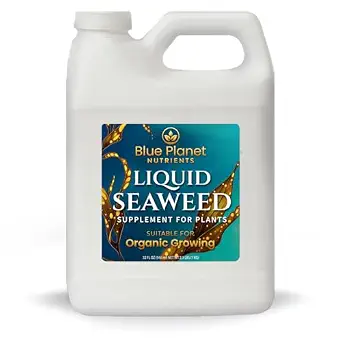 |
| Best Value The sweet spot between price and what you get | GS Plant Foods Liquid Kelp Fertilizer (1 Gallon) |  |
| Best Budget The cheapest option that still gets the job done reliably | Grow More Liquified Seaweed Extract Liquid Kelp Fertilizer, 16 oz |  |
| Highest Rated A top-rated pick with lots of positive feedback | Ocean's Bounty Organic Seaweed Liquid Kelp Concentrate, 16 oz |  |
| Most Popular A crowd favorite that many people choose with confidence | Bloom City Organic Seaweed & Kelp Liquid Fertilizer, 32 oz |  |
| Best Seller A high-volume bestseller chosen again and again | Neptune's Harvest Fish & Seaweed Liquid Fertilizer (2-3-1) 36 oz |  |
Maxicrop Original Liquid Seaweed, 1 Gallon

| Item Form | Liquid |
|---|---|
| Liquid Volume | 128 fluid ounces |
| Application Method | watering, soaking, spraying |
| Mixing Ratio | 1:128 |
| Target Species | trees, flowers, fruits, vegetables |
Maxicrop Original Liquid Seaweed is a versatile, water-soluble seaweed concentrate designed to feed and stimulate roots across a wide range of garden plants. It mixes at a 1:128 ratio and is applied by watering, soaking or spraying, so you can soak seeds or bulbs, water seedlings weekly, dip cuttings for rooting, or foliar-spray lawns and ornamentals. The product’s practical strength is in its broad compatibility and simple dosing: a single gallon covers many small applications and can be used indoors and out. Because it is derived from seaweed it supplies trace minerals and natural biostimulants rather than high NPK macronutrients, so expect improved root development, stress resilience and quicker establishment rather than rapid vegetative growth. Limitations are that it is not a complete fertilizer replacement for feeding-heavy crops that need defined NPK ratios and that results are gradual and cumulative rather than immediate.
Best for: Gardeners who want a single, easy-to-use seaweed tonic to support root development and plant resilience across a variety of ornamentals, edibles and container plants.
Less Ideal for: Growers who need fast, high-nutrient feeding for heavy-feeding vegetables or who want a product with precise NPK values should choose a dedicated balanced fertilizer or bloom/feed formula.
- Broadly compatible with trees, flowers, fruits, vegetables, seedlings and cuttings
- Multiple application methods: watering, soaking and spraying
- Concentrated 1:128 mixing ratio yields many treatments from one gallon
- Derived from seaweed so it provides natural trace minerals and biostimulants
- Not formulated as a complete NPK fertilizer for feeding-hungry crops
- Effects are gradual and may require repeated applications to see benefits
Verdict: A concentrated, easy-to-use seaweed tonic that supports root health and plant resilience for a wide range of garden and container plants.
Blue Planet Nutrients Liquid Kelp Seaweed Fertilizer Concentrate (32 oz)

| Item Form | Liquid |
|---|---|
| Unit Count | 32 Fluid Ounces |
| Specific Uses For Product | Kelp Seaweed Supplement Fertilizer For All Gardens and Plants |
| Mixing Ratio | 1:650, 1:325, 1:162 |
This liquid kelp concentrate is a versatile transplant and growth booster derived from cold-water Ascophyllum nodosum. Gardeners use it as a root drench, foliar spray, transplant soak, or reservoir additive to encourage rapid root development and help plants recover from transplant shock. The product is highly concentrated so a 32 oz bottle dilutes to hundreds of gallons of feed at recommended rates, which makes regular applications affordable for large beds or repeated transplant cycles. Notable features include a pH-neutral, non-clogging formula suitable for seedlings through flowering and compatibility with soil, coco, hydroponic, and aeroponic systems. Practical benefits are stronger roots, improved stress tolerance to heat and drought, and potential yield and flavor improvements in vegetables and herbs. Limitations are that it is a seaweed supplement rather than a complete fertilizer so it should be paired with a balanced nutrient program when plants need specific NPK feeding, and users must follow dilution guidelines carefully to avoid overuse.
Best for: Gardeners and growers who prioritize vigorous transplant recovery and fast root establishment and who plan regular supplemental feedings across beds, containers, or hydro systems.
Less Ideal for: Casual gardeners seeking an all-in-one fertilizer or anyone wanting a single product to meet complete macronutrient needs without pairing it with a balanced nutrient program.
- High concentration stretches one quart into up to 470 gallons of feed making it cost-effective for repeated transplanting
- Derived from Ascophyllum nodosum with natural growth hormones, trace minerals, and amino acids to stimulate root growth
- 100% soluble and pH-neutral so it works in soil, hydroponics, coco, and foliar applications without clogging
- Safe for seedlings to harvest allowing use as a gentle transplant soak and regular weekly applications
- Not a complete NPK fertilizer so you will need to combine it with base nutrients for full feeding schedules
- Requires careful dilution and dosing to match application (multiple recommended mixing ratios)
Verdict: Use this concentrated liquid kelp when you want an effective, budget-friendly transplant and root stimulator to speed recovery and promote strong root systems.
GS Plant Foods Liquid Kelp Fertilizer (1 Gallon)

| Unit Count | 128 Fluid Ounces |
|---|---|
| Item Form | Liquid |
| Application Method | Spray |
| Mixing Ratio | 2 ounces: 1 gallon |
| Specific Uses For Product | Lawns,Organic,Plant Food |
GS Plant Foods Liquid Kelp is a concentrated seaweed extract made from Ascophyllum nodosum that gardeners mix into water and apply by spray to lawns, shrubs, vegetables, and ornamentals. Designed for organic growing, the product is mixed at 2 ounces per gallon and the one-gallon jug claims enough concentrate to make hundreds of gallons of feed solution, which makes it practical for regular turf and landscape applications. Users will notice the fertilizer is low in synthetic nutrients and instead delivers trace minerals and carbohydrates that support root development, nutrient uptake, and stress resilience during heat or drought. Because it is a foliar and soil drench-compatible liquid, it can be used as part of a regular maintenance program or to revive stressed areas. Limitations are that it is not a complete NPK fertilizer so it should be paired with a balanced feed when plants need significant nitrogen or phosphorus for rapid growth, and application requires measuring and mixing rather than a ready-to-use spray.
Best for: Buyers who prioritize plant performance and resilience using organic inputs and who want a concentrated seaweed feed to support root health and stress tolerance across lawns and landscape plants.
Less Ideal for: Gardeners seeking a single-product, high-nitrogen fertilizer for rapid greening or heavy feeding needs should choose a balanced NPK product instead.
- OMRI listed and suitable for certified organic production
- Concentrated formula with a 2 oz per gallon mixing ratio for long-lasting supply
- Contains Ascophyllum nodosum seaweed extract plus trace minerals to support roots and stress tolerance
- Versatile application by foliar spray or soil drench for lawns, vegetables, and ornamentals
- Low macronutrient content so it is not a standalone NPK solution for aggressive growth
Verdict: Choose this concentrated, OMRI-listed kelp extract if you want an organic performance boost that strengthens roots and improves lawn and plant stress resilience.
Grow More Liquified Seaweed Extract Liquid Kelp Fertilizer, 16 oz

| Item Form | Liquid |
|---|---|
| Application Method | foliar spray or soil drench |
| Target Species | plants |
| Liquid Volume | 16 fluid ounces |
| Mixing Ratio | 0.1:0:0.44 |
Grow More Liquified Seaweed Extract is a liquid kelp concentrate intended for foliar spray or soil drench to boost root growth and help plants recover from transplant shock. It is a cold‑water extracted Ascophyllum nodosum product that preserves naturally occurring plant hormones and supplies trace minerals such as boron, molybdenum, copper, and zinc. Typical use is diluting per the label and applying during transplanting, as a periodic foliar feed, or to support seedlings and mature vegetables. The liquid form makes it easy to mix and apply with a pump sprayer or watering can and it leaves no chemical residue, so it can be used throughout the season. Limitations are the small 16 oz bottle for larger gardens and that it is a biostimulant rather than a complete NPK feed, so it should be paired with a balanced fertilizer when plants need macronutrients for heavy feeding or fruiting.
Best for: Gardeners who prioritize organic, residue‑free plant boosters and want an easy foliar or soil treatment to reduce transplant shock and support root development.
Less Ideal for: Growers who need a primary all‑purpose fertilizer for high‑feed crops or those managing very large beds where a larger concentrate would be more economical.
- 100% natural Ascophyllum nodosum kelp extract preserves natural growth hormones
- Versatile application as foliar spray or soil drench for seedlings, transplants, and established plants
- Provides trace minerals (boron, molybdenum, copper, zinc) that support overall plant health
- No harmful chemical residues so it can be used throughout the growing season
- Not a complete fertilizer so it does not replace macronutrient NPK feeds
- 16 oz bottle may require frequent repurchasing for medium to large gardens
Verdict: Choose this liquid kelp if you want a natural foliar or soil biostimulant that eases transplant shock and supports healthier roots.
Ocean's Bounty Organic Seaweed Liquid Kelp Concentrate, 16 oz

| Item Form | Liquid |
|---|---|
| Target Species | plants |
| Liquid Volume | 16 fluid ounces |
This organic liquid kelp concentrate is a seaweed-based fertilizer meant to give plants a nutrient-rich tonic that supports deeper roots and stronger stems. It is typically diluted and applied as a drench or foliar feed for container plants, garden beds, lawns, and indoor plants to encourage greener leaves and improved vigor. Notable features include OMRI certification and a blend of tropical red and brown seaweeds harvested for micronutrients, which makes it appealing for growers who prefer organic inputs. Practical benefits for potato growers include improved root development and stress resilience during tuber formation when used as a supplement to a balanced NPK program. Limitations are that it is not a complete fertilizer by itself and provides primarily micronutrients and biostimulants rather than the higher nitrogen or potassium potatoes need for vigorous foliage and tuber bulking. Expect to use it regularly as a complementary treatment rather than a sole source of fertility.
Best for: Gardeners who prioritize reliable organic inputs and want a consistent, certified seaweed biostimulant to support root health and plant resilience alongside their regular potato fertilization routine.
Less Ideal for: Growers looking for a single product to meet primary nitrogen or potassium needs for high-yield potato production should choose a balanced NPK fertilizer instead.
- OMRI certified organic seaweed concentrate suitable for organic gardening
- Formulated to stimulate root development and strengthen stems
- Works as a foliar spray or soil drench for versatile application
- Sustainably sourced seaweed with community support in harvesting regions
- Not a complete NPK fertilizer so additional fertilization is required for crops like potatoes
- 16 oz bottle may require frequent repurchases for larger gardens
Verdict: Use this OMRI‑certified liquid kelp as a dependable organic root and vigor booster alongside a proper NPK program for healthier potato plants.
Bloom City Organic Seaweed & Kelp Liquid Fertilizer, 32 oz

| Item Form | Liquid |
|---|---|
| Specific Uses For Product | Lawn,Organic |
| Application Method | watering, root dips, foliar sprays, compost teas |
| Unit Count | 31.79 Fluid Ounces |
| Mixing Ratio | 5mL per gallon (veg), 5-10mL per gallon (bloom) |
Bloom City Seaweed and Kelp is an organic liquid fertilizer you mix with water for use as a watering drench, root dip, foliar spray, or in compost teas. It is typically used at low dilution during the vegetative phase and slightly higher during bloom, with an option for stronger foliar feeds for rapid uptake. The formula is made from multiple kelp species and is intended to promote stronger roots, improve nutrient absorption, and help plants tolerate transplant shock and environmental stress. Practical features include a clear mixing guide for every watering, compatibility with hose-end sprayers for larger areas, and versatility across pots, garden beds, and indoor plants. Limitations are that it is a nutritional supplement rather than a complete N-P-K bloom fertilizer, so growers seeking higher phosphorus for heavy flowering will want to combine it with a bloom-specific feed. Users should also measure carefully because the product is concentrated and instructions differ between soil and foliar applications.
Best for: Gardeners who want a natural, easy-to-use supplement to strengthen roots and improve plant resilience across containers, beds, and indoor plants while keeping routines simple and low-risk.
Less Ideal for: Growers focused on maximizing bloom size with high-phosphorus feedings who need a complete N-P-K bloom fertilizer as their primary nutrient source.
- Organic kelp-based formula that supports root growth and stress tolerance.
- Multiple application methods including soil drench, foliar spray, root dips, and compost teas.
- Simple, published mixing ratios for vegetative and bloom phases to make dosing straightforward.
- Works with watering cans and hose-end sprayers for both small and larger plantings.
- Not a complete bloom fertilizer on its own since it does not list specific N-P-K values.
- Concentrated formula requires careful measuring to avoid overapplication.
Verdict: Pick this organic kelp concentrate if you want a versatile, low-effort supplement that boosts root strength and plant resilience during vegetative and bloom cycles.
Neptune's Harvest Fish & Seaweed Liquid Fertilizer (2-3-1) 36 oz

| Item Form | Liquid |
|---|---|
| Mixing Ratio | 2:3 |
| Specific Uses For Product | Plant Growth |
| Liquid Volume | 946 ml |
Neptune's Harvest Fish & Seaweed Liquid Fertilizer is a concentrated organic plant food that mixes with water for use as a soil drench or foliar feed. It is typically diluted (manufacturer directions give roughly 1 fl oz per gallon for outdoor use and 1 tablespoon per gallon for houseplants) and applied every 1 to 3 weeks depending on the crop. The formula combines hydrolyzed fish and seaweed to deliver nitrogen, micronutrients, and seaweed-derived growth compounds in a plant-ready form, which helps green growth, flowering color, and vegetable flavor. Because it is a liquid concentrate it is easy to measure and applies evenly, and regular use can improve soil biology and structure over time. Limitations are that it is low in phosphorus and potassium relative to some specialty bloom or fruit formulas and it has an odor typical of fish-based fertilizers that some users may find strong. This product suits gardeners who want an effective, organic regular feed that supports both potted houseplants and garden beds.
Best for: Gardeners seeking a reliable, organic everyday fertilizer that simplifies feeding for a mixture of houseplants, vegetables, flowers and shrubs and who value soil health as well as plant vigor.
Less Ideal for: Growers who need a high-phosphorus bloom booster or a fertilizer formulated specifically for fruit set or lawns should look for a targeted specialty product instead.
- Organic concentrate blending hydrolyzed fish and seaweed for plant-ready nutrients
- Versatile application as soil drench or foliar feed for indoor and outdoor plants
- Supports soil biology and structure with regular use
- Easy-to-measure mixing ratios for routine feeding
- Has a strong fish odor that some users may find unpleasant
- Lower phosphorus and potassium compared with specialized bloom or fruit formulas
Verdict: A dependable organic liquid concentrate that provides balanced, plant-ready nutrients and improves soil health for routine feeding of mixed garden and houseplants.
Choosing the Right Liquid Seaweed Plant Food: Key Factors to Consider
Formulation Concentration and Extract Type
Seaweed extracts vary from weak, ready-to-use mixes to concentrated liquids that require dilution. Higher concentration formulas let you treat larger areas per bottle and offer stronger hormonal and mineral effects per application. However, concentrates require careful measuring and correct dilution rates to avoid overfeeding or foliar-phytotoxicity.
Also note the extract type. Cold-processed extracts preserve more of the fragile growth hormones and trace elements. Hot-processed or heavily filtered liquids may still provide beneficial minerals but can have reduced levels of active hormones that help root growth and stress recovery.
Application Method and Versatility
Liquid seaweed can be applied as a soil drench, a foliar spray, or mixed into irrigation systems. Some gardeners need a product that works well as both foliar feed and root drench, while others only want a soil drench for container watering. Versatile products reduce the number of supplies you store and make it easier to switch between uses during the season.
If you plan to use the product through drip lines or fertigation, check for specific instructions about compatibility and recommended dilution ranges. Products that clearly list irrigation-compatible concentrations save time and reduce the risk of clogging emitters.
Compatibility With Soil and Plant Types
Seaweed supplements support many ornamental and edible plants but interact with media differently. In light, soilless mixes, seaweed can supply trace elements that are otherwise low. In heavy soils, seaweed helps microbial activity and can mobilize locked nutrients. Consider whether you'll use the product on seedlings, established shrubs, or fruiting vegetables because sensitive seedlings need gentler dilutions than mature plants.
Also think about acid-loving versus alkaline-favoring plants. While seaweed itself is broadly safe, combining it repeatedly with other acidifying or strongly alkaline inputs can shift pH over time, so monitor soil or substrate pH during regular feeding.
Timing and Frequency of Applications
Seaweed works best as a complementary feed rather than a primary fertilizer. Regular, low-concentration applications during active growth promote steady root development and stress resilience. For transplanting or after environmental stress, a stronger but controlled application helps recovery.
Avoid heavy, repeated foliar applications in hot sun to reduce leaf burn risk. Many gardeners apply dilute foliar sprays in the morning or late afternoon and use slightly stronger soil drenches at planting or after pruning.
Packaging, Storage, and Shelf Life
Liquid organic products can oxidize or lose potency if exposed to air, heat, or sunlight. Opaque or UV-resistant bottles with tight caps maintain potency longer. Concentrates should include clear storage guidance and reasonable shelf-life expectations.
Also consider convenient bottle sizes for the scale of your garden. Small bottles are easier for container gardeners, while larger jugs reduce waste for heavier users. Check whether the product requires refrigeration after opening or simply a cool, dark place to store.
Certification and Ingredient Transparency
Look for clear labeling about the seaweed species used and whether the product is certified organic or meets local organic program standards. Transparency about extraction methods, additional ingredients, and any fillers gives you a better sense of what you are applying to edibles or ornamentals.
Certifications matter for gardeners who grow food or follow organic protocols. When certification is absent, ingredient lists and third-party lab results, if available, help you assess suitability.
When to Use Liquid Seaweed in the Garden
Use liquid seaweed as a regular tonic during active growth and as a rescue treatment after stress events. It is especially helpful at transplanting to encourage root establishment, after heavy pruning to stimulate regrowth, and during periods of heat or drought to support plant physiological resilience.
Apply foliar sprays early in the morning or late in the afternoon, and prefer soil drenches when you want longer-lasting effects in the root zone. For seedlings and new transplants, reduce concentration and frequency compared with established plants.
- Transplanting: gentle soil drench at planting
- After pruning: medium-strength drench to aid recovery
- Heat or drought stress: repeat dilute foliar sprays over several weeks
Mixing and Application Best Practices
Always follow label dilution recommendations, then adjust based on plant response. Start at the low end of concentration ranges for sensitive plants. Mix in a clean container and avoid leaving diluted solution standing for long periods because microbial growth can increase rapidly.
When spraying, use a fine nozzle for even coverage and agitate the bottle or concentrate before diluting if the product suggests it. Rinse sprayers between different inputs to prevent unwanted reactions.
- Measure precisely using marked measuring caps or syringes
- Avoid mixing with strong acids or alkalis without guidance
- Test a small area before whole-garden foliar applications
Combining Seaweed With Fertilizers and Soil Amendments
Liquid seaweed complements balanced fertilizers rather than replacing them. It provides hormones and trace elements that help plants access nutrients, so using it alongside a base fertilizer program often yields better results than either product alone.
When combining with other liquid feeds, stagger applications or check compatibility charts. Overlapping inputs with high salt content can stress roots, so maintain awareness of total nutrient loads in soils and irrigation water.
- Use seaweed alongside a base N-P-K plan for best results
- Avoid doubling up on concentrated mineral feeds the same day
- Monitor soil EC if using multiple soluble fertilizers
Safety and Environmental Considerations
Seaweed extracts are generally low-toxicity, but concentrated solutions can still irritate skin or eyes. Wear basic gloves and eye protection when mixing concentrates, and keep children and pets away from stored containers.
Source responsibly where possible. Some gardeners prefer sustainably harvested seaweed products. Also be mindful of runoff near water bodies; while seaweed is natural, concentrated runoff can alter local nutrient balances.
- Use personal protective equipment when handling concentrates
- Store out of reach and in a cool, shaded place
- Avoid applying large volumes near storm drains or streams
Adjusting Use for Containers and Small Spaces
Containers dry faster and concentrate salts more quickly than in-ground beds. Use lower concentrations and shorter intervals in pots. Frequent shallow feedings with dilute seaweed support root health without overwhelming the small root zone.
When repotting, mix a mild seaweed drench into the fresh potting medium to give roots an early boost. For balcony gardens, foliar sprays are an efficient way to deliver benefits without adding excess weight through heavy drenches.
- Reduce concentration by 25 to 50 percent for seedlings and small pots
- Prefer foliar sprays for hanging baskets and shallow containers
- Combine with slow-release base fertilizers to avoid frequent heavy watering
How We Chose the Best Liquid Seaweed Plant Food
We focused on formulas and features that matter in real gardens. Selection began by filtering for products formulated primarily from seaweed extracts, excluding blends where seaweed was a minor ingredient or where synthetic growth regulators dominated. We prioritized efficacy signals that gardeners can verify: clear dilution instructions, recommended application rates for foliar and soil use, and evidence of trace minerals or naturally occurring cytokinins. Key evaluation criteria included nutrient profile and extract concentration, ease of application and dilution, compatibility with common soil mixes and hydroponic setups, claimed stress-response benefits such as frost or drought tolerance, and adherence to organic standards or certifications where applicable. We also considered packaging that reduces oxidation and contamination for liquid products. We excluded products lacking basic usage guidance or those intended only for narrow commercial uses. The resulting list represents formulas suitable for home gardeners seeking reliable seaweed-based feeding options across containers, beds, and houseplants.
FAQ
How often should I apply liquid seaweed to vegetable plants?
It often depends on the concentration and product guidance. A common approach is a dilute foliar spray every 7 to 14 days during active growth, or a soil drench every 2 to 4 weeks. Reduce frequency on seedlings or after heavy rain.
Can I use liquid seaweed on seedlings and transplants?
Yes, but use much lower concentrations for seedlings and newly transplanted specimens. A mild drench at planting and very light foliar applications help root establishment without overwhelming young tissues.
Is liquid seaweed safe for edible plants?
Seaweed-based products are generally safe for edibles when used according to label instructions. Choose formulas with clear ingredient lists and organic certification if that is important for your produce.
Will liquid seaweed replace my regular fertilizer?
No. Liquid seaweed is primarily a biostimulant that supports root growth and stress tolerance. It complements balanced fertilizers rather than supplying complete macronutrient needs on its own.
Can I mix liquid seaweed with other garden sprays?
Sometimes. Compatibility depends on the other product. When in doubt, conduct a jar test with the diluted concentrations or follow manufacturer compatibility recommendations. Avoid mixing with strong acids, lye, or concentrated mineral feeds without guidance.
What signs indicate my plants are responding well to seaweed feedings?
Look for quicker recovery after stress, steadier new growth, and improved root vigor if you dig gently. Responses are often subtle and cumulative rather than instant, so track changes over several weeks.
Final Verdict
Liquid seaweed is a low-risk, broadly useful tool for gardeners who want stronger root systems and better stress tolerance in ornamentals and edibles. Prioritize a formulation that matches your application style: concentrated bottles for larger plots and clear ready-to-use or low-strength options for containers and delicate seedlings. Balance seaweed use with a proper fertilization program and watch for plant responses to dial in dilution and frequency. Focus on extract concentration, application versatility, and ingredient transparency when choosing a product. That approach will help you apply seaweed confidently and get steady, measurable benefits in the garden.
