

Note: This article contains affiliate links. If you click on these links and make a purchase, I may earn a small commission at no extra cost to you. This helps support my research and content. Read my full affiliate disclosure here.
Calathea are prized for dramatic leaf patterns but can be finicky about fertilizing. The right plant food for Calathea keeps foliage bold, supports steady new growth, and avoids salt buildup that can scorch delicate leaf edges. This guide covers seven top plant foods shortlisted for Calathea care and explains how each type fits common growing setups, from low-light living rooms to humid terrariums. We evaluated products on nutrient formulation, application method, and how they interact with typical Calathea water and light conditions. Read on to match a feeding approach to your plant's situation and routine.
Top Picks at a Glance
| Best Overall The best all-around choice for most situations | Farmer's Secret Calathea Liquid Plant Food (8 oz) |  |
| Best Quality Built to a higher standard if you want something more solid | Purived All-Purpose Liquid Houseplant Fertilizer, 16 fl oz (Makes 50 Gallons) |  |
| Best Value The sweet spot between price and what you get | Southside Plants Leafy All-Purpose Plant Food with Mycorrhizal Fungi (Powder) |  |
| Best Budget The cheapest option that still gets the job done reliably | Farmer's Secret Tropical Houseplant Booster (4 oz) |  |
| Highest Rated A top-rated pick with lots of positive feedback | YARDi Indoor Plant Food 3-1-4 Liquid Houseplant Fertilizer 16 oz Pump |  |
| Most Popular A crowd favorite that many people choose with confidence | Grow Queen Organic Liquid Indoor Plant Food 5-5-5 with Sea Kelp, 8 oz | 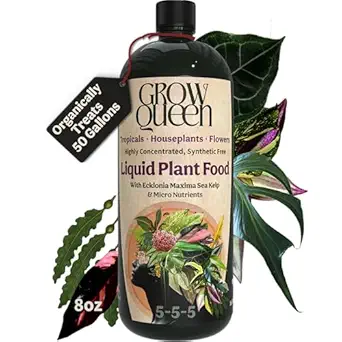 |
| Best Seller A high-volume bestseller chosen again and again | TPS NUTRIENTS Indoor Plant Food Liquid Fertilizer, 8 fl oz |  |
Farmer's Secret Calathea Liquid Plant Food (8 oz)

| Item Form | Liquid |
|---|---|
| Specific Uses For Product | Plant Growth, Calathea Plant Care |
| Application Method | Dilute into watering routine |
| Mixing Ratio | 6:5:3 |
| Liquid Volume | 8 fluid ounces |
This 8 ounce bottle of Farmer's Secret Calathea liquid plant food is a super-concentrated fertilizer made for promoting growth and new shoots on Calathea and related houseplants. It is used by adding a small measured amount to your regular watering schedule—directions call for one teaspoon per four cups of water for mature plants and half a teaspoon for smaller plants every other watering during the growing season. The 6:5:3 mixing ratio and liquid form make it easy to dose precisely and feed regularly, and the concentrate means a single bottle lasts many feedings. Practical benefits include targeted nutrition for foliage-driven houseplants, a simple dilute-and-water application, and the convenience of a product developed by agronomists. Important limitations are that the bottle is small compared with multi-gallon concentrates and it is formulated specifically for Calathea so it may not be ideal as a one-size-fits-all fertilizer for all indoor plants.
Best for: Plant owners who want a straightforward, foliage-focused fertilizer for Calathea and similar prayer plants and prefer easy, regular feeding with measured doses.
Less Ideal for: Gardeners seeking a large-volume or multi-purpose indoor fertilizer for a wide variety of species should consider broader-spectrum or larger-pack alternatives.
- Formulated specifically for Calathea to support foliage growth and new shoots.
- Liquid concentrate allows precise, easy dosing into the watering routine.
- Simple directions for small and mature plants make it beginner-friendly.
- Super-concentrated formula means a little product covers many feedings.
- Small 8 oz bottle may require repurchasing sooner for owners with many plants.
- Targeted formulation may not suit growers who want a single universal houseplant fertilizer.
Verdict: A compact, easy-to-use concentrated liquid fertilizer that makes feeding Calathea simple and effective.
Purived All-Purpose Liquid Houseplant Fertilizer, 16 fl oz (Makes 50 Gallons)

| Item Form | Liquid |
|---|---|
| Application Method | soil drench, foliar feed, full & semi hydroponics |
| Target Species | Houseplants |
| Mixing Ratio | 320:1 |
Purived All-Purpose Liquid Houseplant Fertilizer is a concentrated 16 fl oz bottle that mixes 1 cap per gallon to treat up to 50 gallons of water. It is formulated for indoor potted plants and supports multiple application methods including soil drench, foliar spray, and full or semi-hydroponics, so you can use the same product whether you water, mist, or run nutrient solutions. The formula lists primary macronutrients and a range of micronutrients, which helps correct common deficiencies and supports steady growth when used at the recommended dilution. Practical benefits include an easy-to-follow mixing ratio, an odorless solution that is simple to store, and broad compatibility with different feeding routines. Important limits are that the label gives no N-P-K percentages, so precise nutrient planning for sensitive seedlings or specialty plants is not possible, and safety precautions mean you must handle and store it carefully. For new plants, start at or below the recommended dilution and observe growth before increasing frequency.
Best for: Buyers who want a versatile, no-fuss fertilizer for establishing and maintaining new houseplants and who value a single product that works across watering, misting, and basic hydroponic setups.
Less Ideal for: Growers who need exact N-P-K formulations for seedlings, specialty plants, or strict hydroponic nutrient regimens should consider a product with full nutrient breakdown and concentration details.
- Very concentrated so one bottle treats up to 50 gallons, reducing repurchase frequency
- Suitable for multiple application methods: soil drench, foliar feed, and hydroponics
- Includes a range of micronutrients in addition to primary NPK components
- Simple, clear mixing ratio (320:1) that is easy to follow
- No N-P-K ratio listed on the product information, limiting precise nutrient management
- Requires careful handling and storage due to safety warnings
Verdict: A concentrated, easy-to-use all-purpose fertilizer that covers feeding, foliar, and basic hydroponic needs for new houseplants.
Southside Plants Leafy All-Purpose Plant Food with Mycorrhizal Fungi (Powder)

| Item Form | Powder |
|---|---|
| Application Method | Water Soluble |
| Specific Uses For Product | Leaf Health, Plant Growth, Root Development, Soil Conditioning |
| Mixing Ratio | 14:4:9 |
| Included Components | Fertilizer, Bag, and Spoon |
Leafy is a gentle, water-soluble powdered fertilizer designed for routine feeding of houseplants, including foliage-first species like Calathea. It mixes at a low dose (1/8 teaspoon per liter) and is intended to be used every time you water, which simplifies a weekly or monthly fertilizing schedule into a single step. The 14-4-9 NPK plus calcium and magnesium supports leaf growth and overall vigor, while included mycorrhizal fungi help roots take up nutrients and improve soil resilience. Practical conveniences include a small measuring scoop and a formulation the brand advertises as unlikely to cause root burn when used as directed. Limitations are the small unit size and concentrated labeling: the 5 ounce package will make a limited volume of solution, so frequent users with many plants may need larger quantities; directions rely on precise measuring to avoid overconcentration. For Calathea specifically, the balanced NPK and gentle application style suit their leafy growth habit, but users should still monitor light and watering together with fertilizing to avoid stress.
Best for: Houseplant owners who prioritize a simple, steady feeding routine and want a gentle formula that supports leaf growth and root health without complex schedules.
Less Ideal for: Growers needing bulk fertilizer for many plants or those who prefer liquid concentrates pre-diluted for spray applications.
- Balanced 14-4-9 NPK with added calcium and magnesium to support lush foliage
- Includes mycorrhizal fungi to improve root nutrient uptake and soil health
- Water-soluble powder that doses at 1/8 teaspoon per liter for easy, regular use
- Designed to be used every time you water, simplifying fertilization routine
- Small 5 ounce unit may require frequent repurchasing for multiple or large collections
- Mixing requires precise measuring so accidental overuse is possible
Verdict: A gentle, easy-to-dose houseplant fertilizer with mycorrhizal fungi that makes regular feeding simple for leaf-focused plants like Calathea.
Farmer's Secret Tropical Houseplant Booster (4 oz)

| Item Form | Liquid |
|---|---|
| Specific Uses For Product | Tropical Houseplants |
| Application Method | Drip Top |
| Mixing Ratio | 10 drops per quart or 1/2 teaspoon per gallon |
| Liquid Volume | 118 ml |
Farmer's Secret Tropical Houseplant Booster is a small, highly concentrated liquid fertilizer intended for tropical houseplants such as monstera, fiddle leaf fig, and zz plants. You dilute it very sparingly (10 drops per quart or 1/2 teaspoon per gallon) and apply it on a weekly schedule or every other watering in winter; it can also be used as a foliar spray. The drip-top bottle makes dosing low-mess and convenient for small watering cans. Its formulation includes nitrogen, phosphorus sources and micronutrients like zinc that support leaf growth and overall vigor, so you can expect steadier growth and richer foliage when used regularly. Because one 4 oz bottle makes up to 48 gallons, it is economical for growers who want frequent light feedings without storing multiple products. Limitations are its small bottle size for heavy feeders and the need to follow dilution closely since the concentrate is strong; it is not a slow-release granular alternative for hands-off regimes.
Best for: A cost-conscious houseplant owner growing monstera and other tropical foliage who prefers regular liquid feedings and wants an easy, low-waste dosing method.
Less Ideal for: People who prefer single-application granular or slow-release fertilizers or those managing very large collections where larger-volume concentrates are more convenient.
- Very concentrated so one bottle treats a large number of waterings
- Drip-top applicator enables easy, low-mess dosing
- Formulated for tropical houseplants with macronutrients and micronutrients
- Can be applied as a foliar spray or in soil waterings
- Small bottle may require frequent replacement for large collections
- Requires careful dilution because the product is strong
Verdict: If you want an inexpensive, easy-to-dilute liquid feed to keep monstera leaves lush, this super-concentrated booster stretches far and delivers regular nutrients with minimal fuss.
YARDi Indoor Plant Food 3-1-4 Liquid Houseplant Fertilizer 16 oz Pump

| NPK | 3-1-4 |
|---|---|
| Form | Liquid |
| Target Species | Houseplants |
| Unit Count | 16 Fluid Ounces |
| Mixing Ratio | 2-4 pumps per quart |
This liquid houseplant fertilizer is designed to support leafy growth with a 3-1-4 NPK formula and comes in a 16 oz pump bottle that makes mixing straightforward. Use 2 to 4 pumps per quart of water and apply as a soil drench every two to three weeks during the growing season; the product includes calcium and magnesium so you are feeding more than just the primary macronutrients. The pump delivery and liquid form mean nutrients are immediately available to roots without waiting for granules to dissolve, and the bottle claims roughly 128 feedings at the label rate. For plants like Calathea the label recommends using reduced strength, which gives you flexibility when treating sensitive foliage. The main limitations are the single-strength packaging and the nitrogen-forward balance, which is great for leaf production but less suited to plants needing higher phosphorus for flowering; you will need to adjust dilution for delicate species and cannot change the NPK ratio in the bottle. Overall it is a convenient, reliable routine feed for indoor leafy plants when used at the recommended reduced strength for more sensitive varieties.
Best for: Houseplant owners who want a simple, consistent liquid feed to encourage foliage growth and prefer predictable, pump-measured dosing for routine care.
Less Ideal for: Growers who prioritize flowering or need a custom NPK ratio or automated fertigation system should consider specialized or adjustable formulas instead.
- Nitrogen-forward 3-1-4 formula supports robust leaf growth for foliage plants
- Liquid concentrate with pump makes mixing and dosing quick and repeatable
- Includes calcium and magnesium to support overall plant vigor
- About 128 feedings per 16 oz bottle at the recommended dilution
- Fixed NPK ratio may not suit plants that need higher phosphorus for flowering
- Requires manual dilution and dose adjustment for sensitive species like Calathea
Verdict: A convenient, pump-dosed liquid fertilizer that reliably promotes leafy growth in indoor plants when used at the proper reduced strength for sensitive species like Calathea.
Grow Queen Organic Liquid Indoor Plant Food 5-5-5 with Sea Kelp, 8 oz

| Item Form | Liquid |
|---|---|
| Mixing Ratio | 1:1 |
| Specific Uses For Product | Plant Growth |
| Application Method | Watering |
| Target Species | Plants |
Grow Queen's 8 oz concentrated liquid plant food is a balanced 5-5-5 organic fertilizer designed for regular use on houseplants, tropicals and container gardens. You mix one capful (about 4 ml) per gallon of water and either drench the soil or apply as a foliar mist every one to three weeks, which makes it straightforward to fold into a weekly watering routine. The formula includes Ecklonia maxima sea kelp and trace micronutrients, which help support greener foliage, stronger stems and root development without the burning risk of high-strength synthetic feeds. At the stated dilution the bottle treats up to 50 gallons so it will last a small collection for months. It is also labeled safe for aerated hydroponic systems when reservoirs are changed regularly, though it can form a film in stagnant water so fresh mixes are recommended. The product has an earthy ocean scent from real kelp and excludes perfumes and dyes, but that natural smell may bother some users. Directions are simple and the fertilizer pairs well with slow-release feeds for longer-term nutrition.
Best for: Buyers who want a simple, one-bottle solution to feed a mixed collection of houseplants regularly and prefer organic ingredients and seaweed benefits.
Less Ideal for: Growers who need precision nutrient formulas for specific flowering or high-yield vegetable crops or those who require ready-to-use sprays without mixing.
- Balanced 5-5-5 NPK suitable for general indoor plant feeding
- Concentrated formula stretches up to 50 gallons from an 8 oz bottle
- Contains sea kelp and micronutrients to promote foliage color and root strength
- Safe for regular use at recommended dilution with low burn risk
- Natural kelp scent may be noticeable indoors
- Can form a film in standing water so not ideal for non-aerated reservoirs
Verdict: A concentrated, easy-to-use organic 5-5-5 liquid fertilizer with sea kelp that provides straightforward, all-purpose nutrition for indoor plant collections.
TPS NUTRIENTS Indoor Plant Food Liquid Fertilizer, 8 fl oz

| Item Form | Liquid |
|---|---|
| Specific Uses For Product | Plant Food |
| Application Method | Watering can |
| Mixing Ratio | 2:1 (oz/gallon) or 1:64 (tbsp/gallon) |
TPS NUTRIENTS Indoor Plant Food is a concentrated liquid fertilizer made for regular use with houseplants. You mix the measured dose into water and apply it with your usual watering can; the label gives an easy mixing ratio for household use. Its kelp-enriched formula is pitched at improving leaf color, encouraging steady new growth, and supporting root health, so expect glossier foliage and more frequent leaf production when plants are fed consistently. The 8 fl oz bottle is portable and fits on a plant shelf or utility area, and the liquid form dissolves readily for even application. It is intended for medium coverage and labeled as gentle for weekly feeding, which simplifies care for busy owners. Important limitations are that this is a small bottle meant for regular top-up feedings rather than long-term bulk use, and it assumes you will follow dilution directions to avoid overfeeding. Keep it away from children and pets and avoid skin or eye contact when handling.
Best for: Plant owners who want a simple, low-effort weekly fertilizer to keep indoor foliage vibrant and encourage steady new leaf growth. Good for people who prefer an easy liquid mix applied during regular watering routines.
Less Ideal for: Gardeners needing a bulk or multi-season fertilizer for outdoor beds or large collections should consider larger-capacity or specialized products instead.
- Liquid concentrate mixes easily for even application with a watering can
- Kelp-enriched formula aimed at improving foliage color and encouraging new growth
- Gentle enough for weekly feedings according to product guidance
- Clear mixing instructions for home use
- Small 8 fl oz volume limits how many plants you can feed before repurchasing
- Not formulated or labeled for outdoor or large-scale garden use
Verdict: A convenient kelp-enriched liquid concentrate that makes weekly feeding easy for anyone who wants healthier, more vibrant indoor foliage.
Choosing the Right Plant Food for Calathea: Key Factors to Consider
Nutrient Ratio and Micronutrients
Calathea benefit from a balanced nutrient profile that supports leaf color and steady foliage production. Look for formulas with moderate nitrogen to promote lush leaves without encouraging weak, elongated growth. Adequate phosphorus and potassium support root function and overall plant hardiness. Micronutrients such as iron, magnesium, and manganese are important for maintaining the deep pigments in Calathea leaves and preventing subtle chlorosis.
Too much nitrogen or a spur of high-phosphorus feeding can change leaf appearance or cause rapid, tender shoots that are more prone to damage. A product that lists micronutrient content and chelated forms is useful in indoor settings where pH and water quality vary.
Risk of Salt Buildup
Calathea are sensitive to soluble-salt accumulation in potting mix, which can show up as leaf-tip burn, brown margins, or stunted new growth. Fertilizers with high salt index or those applied at full strength frequently increase this risk. Choosing a product with low recommended dosing or one designed for repeated dilute feeding reduces buildup.
Also consider how you water and flush containers. Products that provide guidance on leaching intervals and safe concentrations help you avoid chronic salt stress. Slow-release granules can lower acute salt risk but still require monitoring over time.
Form and Application Method
Plant foods come as water-soluble concentrates, slow-release granules, spikes, or ready-to-use sprays. Each form changes how often you must dose and how precisely you can control strength. Water-soluble formulas let you feed at low concentrations with each watering, which suits Calathea's sensitivity. Slow-release products reduce frequency but may be harder to adjust if plants show stress.
Think about your pot size and whether you repot frequently. Small pots and surface-rooted houseplants need gentler, more frequent dilute feeds. If you prefer set-and-forget care, a low-dose slow-release that lists release duration can be a practical option.
Compatibility With Water Quality and pH
Tap water hardness and pH affect nutrient availability and can interact with fertilizer chemistry. Hard water can contribute calcium and magnesium that mask micronutrient deficiencies, while high pH reduces availability of iron and manganese important for leaf color. Choose formulas with chelated micronutrients or recommendations for adjusting concentration when using hard water.
If you use filtered or rainwater, you may need slightly higher micronutrient input. Products that note pH range suitability or provide dilution guidance for various water types reduce guesswork.
Frequency and Seasonality of Feeding
Calathea's growth slows in cooler months and often in lower light, so feeding schedules should reflect active growth periods. Heavy feeding during dormancy increases salt risk without benefit. A schedule that specifies lower winter rates or skipping feedings in low-light months helps avoid overfertilizing.
Many houseplant growers opt for a maintenance dilution year-round and increase frequency or concentration in spring and summer. Products that give clear seasonal guidance or rate charts work better for this approach.
Ease of Dosing and Instructions
Clear, simple dosing instructions are crucial because Calathea require conservative application. Labels that show tablespoon-to-liters conversions, dilution examples for small pots, or dosing per square foot of soil reduce user error. Products sold as concentrated solutions should include safe starting dilutions and guidance for adjusting strength.
Also check for storage and shelf-life guidance. A product that remains stable after dilution or lists how long a mixed solution lasts helps you plan weekly or biweekly feedings without wasting product.
When to Feed Calathea During the Year
Timing feedings to the plant's active growth window maximizes results and reduces stress. In most homes, Calathea actively grows in spring and summer when light levels and temperatures are higher. During these months, a regular dilute feeding every two to four weeks is usually appropriate depending on product strength and pot size.
In fall and winter, reduce feeding frequency or skip entirely if the plant shows slowed growth. Watch new leaf emergence for cues: consistently pale or slow-to-develop new leaves suggest either a need for nutrients or adjustments to light and humidity, not necessarily stronger fertilizer.
- Feed more frequently in higher light and warmth.
- Cut back in cooler, lower-light months to avoid buildup.
- Watch new leaf quality as an early indicator of feeding needs.
Best Practices for Applying Liquid Fertilizers
Dilute liquid fertilizers to at least half or quarter of the label-recommended strength for container Calathea unless the product explicitly advises low-dose indoor rates. Apply during regular watering so nutrients are distributed throughout the potting mix rather than applied to dry soil.
Flush the pot every few months by running water through the container to leach accumulated salts. This is especially important if you use tap water with higher mineral content or feed on a regular schedule.
- Mix feed into water used for normal irrigation to avoid overconcentrating the root zone.
- Avoid foliar feeding on patterned leaves; misting for humidity is preferable to foliar fertilizer unless a product is labeled safe for leaves.
Using Slow-Release Options and When They Help
Slow-release granules or resin-coated prills provide steady nutrient delivery over weeks or months and can be useful if you travel or prefer less frequent dosing. Pick a low-dose product and monitor leaf margins for signs of buildup because gradual release still accumulates salts over time.
Slow-release is less flexible if you need to quickly correct a deficiency. For adjustable dosing and rapid corrections, soluble formulas let you tweak concentration and frequency more precisely.
- Choose slow-release for low-maintenance care but with conservative application rates.
- Use soluble feeds for rapid adjustments or when you repot or top-dress frequently.
Adjusting Feeding for Potting Mix and Repotting
Fresh potting mix often contains starter nutrients that reduce the immediate need for fertilizer. After repotting, wait a few weeks before resuming a feeding schedule to let roots recover and to avoid compounding starter nutrients.
Well-draining, airy mixes used for Calathea dry faster and may require more frequent, dilute feedings compared with denser mixes. Match feed concentration to how often you water to keep nutrient exposure gentle and consistent.
- Hold off feeding after repotting until plants show stable watering patterns.
- Increase feeding frequency rather than concentration for fast-draining mixes.
Troubleshooting Common Feeding Problems
Brown leaf edges, scorched tips, and stunted new growth often indicate salt stress from overfertilization or insufficient flushing. If you see these signs, flush the potting mix thoroughly with clean water and hold off feeding for several weeks while monitoring recovery.
Pale new leaves or slow growth may indicate insufficient micronutrients or low-light conditions. Before increasing fertilizer strength, adjust humidity and light and consider a product that includes chelated iron and magnesium if symptoms persist.
- Flush soil to remove excess salts if tip burn appears.
- Address light and humidity before increasing nutrient concentration.
How We Chose the Best Plant Food for Calathea
We focused on criteria that matter for keeping Calathea healthy and colorful. First, nutrient balance was essential: products needed an appropriate ratio of nitrogen, phosphorus, and potassium plus micronutrients that support leaf pigment and robust foliage without promoting leggy growth. Second, salt buildup risk was evaluated because Calathea are sensitive to soluble-salt accumulation from concentrated feeds. Third, application method and dosing flexibility were considered since growers use different containers, potting mixes, and watering schedules. Fourth, compatibility with common indoor water qualities and pH ranges was assessed because hard water or high-pH mixes can change nutrient availability. Finally, product form and ease of use were included to reflect real-world routines-liquids, slow-release granules, and soluble powders all have trade-offs. We excluded products targeted only at outdoor garden beds or heavy-feeding vegetables because their formulations and dosing recommendations do not suit Calathea. Items were filtered for indoor-plant suitability, clear dosing instructions, and ingredient transparency. The shortlisted items represent formulations and delivery methods that align with gentle, regular feeding suitable for delicate-leaved tropical houseplants.
FAQ
How often should I fertilize Calathea indoors?
Often a dilute feed every two to four weeks during spring and summer is adequate. In fall and winter cut back or skip feedings because growth slows and plants need fewer nutrients.
Can I use standard houseplant fertilizer on Calathea?
Usually yes if you reduce the recommended strength to a conservative dilution. Many standard houseplant fertilizers are fine when applied weakly and less frequently to avoid salt buildup and leaf scorch.
Is foliar feeding recommended for Calathea leaves?
Foliar feeding is generally unnecessary and can leave residue on patterned leaves. Misting for humidity is better; use foliar applications only if a product is explicitly labeled safe and needed to correct an acute deficiency.
What should I do if my Calathea shows brown leaf edges after feeding?
Brown margins often signal salt buildup or overfeeding. Flush the potting mix thoroughly with clean water, pause fertilization, and resume with a more diluted schedule only after recovery.
Do I need to adjust feeding if I use rainwater or filtered water?
Yes. Rainwater and filtered water lack dissolved minerals, so you may need a formulation with chelated micronutrients or slightly higher micronutrient frequency. Monitor leaf color to guide adjustments.
Are slow-release granules safe for Calathea?
They can be safe if applied conservatively and with awareness that nutrients release continuously. Choose low-dose options and monitor for gradual salt buildup, flushing pots occasionally.
Final Verdict
Choose a plant food for Calathea that prioritizes balanced macro- and micronutrients while minimizing salt buildup. Match the product form to your routine: dilute liquid feeds give control and quick correction, while low-dose slow-release options reduce maintenance. Always adjust feeding frequency to seasonal growth and water quality, and use pot flushing as a regular safeguard. Prioritize clear dosing instructions and compatibility with indoor water conditions. With conservative application and attention to leaf response, you can keep Calathea foliage vibrant without stressing these sensitive tropicals.
