

Note: This article contains affiliate links. If you click on these links and make a purchase, I may earn a small commission at no extra cost to you. This helps support my research and content. Read my full affiliate disclosure here.
Trailing plants for raised beds add instant drama and soft edges to vegetable plots, herb gardens, and ornamental borders. The right trailing habit hides bare soil, suppresses weeds, and creates a finished look on retaining walls and raised planters while minimizing maintenance. This guide covers six shortlisted trailing plants for raised beds chosen for reliable spillover, garden resilience, and straightforward care. We evaluate each pick on practical gardener priorities like light tolerance, water needs, and habit so you can pick plants that suit your bed height and exposure. Read on for quick-care tips and placement ideas before the plant summaries.
Top Picks at a Glance
| Best Overall The best all-around choice for most situations | The Three Company Creeping Jenny (Lysimachia nummularia) 4‑Pack Live Trailing Groundcover |  |
| Best Quality Built to a higher standard if you want something more solid | Perfect Plants Confederate Jasmine Live Plant, 1 Gallon |  |
| Best Value The sweet spot between price and what you get | Outsidepride Jewel Mix Nasturtium Seeds (Heirloom Mix) |  |
| Best Budget The cheapest option that still gets the job done reliably | Carpet Creeping Verbena Seeds — 300 Count |  |
| Highest Rated A top-rated pick with lots of positive feedback | Seeds Of Strength Mixed Fuchsia Seeds (100 count) |  |
| Most Popular A crowd favorite that many people choose with confidence | HOME GROWN Nasturtium Seeds — Dwarf/Tall Trailing Mix (250 Seeds) |  |
The Three Company Creeping Jenny (Lysimachia nummularia) 4‑Pack Live Trailing Groundcover

| USDA Hardiness Zone | 4-9 |
|---|---|
| Sunlight Exposure | Full Sun |
| Expected Blooming Period | Summer |
| Soil Type | Well-draining Soil |
| Unit Count | 4 Count |
Creeping Jenny is a vigorous trailing perennial used to create a dense mat of chartreuse foliage in raised beds, containers, or hanging baskets. Each pack contains four one‑pint plants that establish quickly and spread to fill gaps, making it useful for edging, erosion control, and weed suppression in sunny to partly shaded spots. The plant is hardy in USDA zones 4–9, prefers well‑draining soil and regular watering while establishing, and blooms in summer. Notable features are its eye‑catching color and fast coverage, which reduce maintenance and the need for frequent replanting. Limitations to consider are its aggressive spreading habit, which can overrun small beds if not edged or regularly trimmed, and its preference for regular moisture so it may struggle in very dry, unmulched raised beds. Buyers should plan for containment or periodic pruning when using it with slower‑growing neighbors.
Best for: Gardeners who want an attractive, low‑height trailing groundcover to quickly fill raised bed edges, containers, or pathways with minimal initial effort.
Less Ideal for: Those who prefer strictly contained, slow‑growing plantings or who cannot provide regular watering in dry raised beds.
- Fast spreading habit quickly fills gaps and suppresses weeds
- Vivid chartreuse foliage adds long‑season color and texture
- Works in sun to partial shade and adapts to a range of soils
- Sold as a four‑pack for quick site coverage and value
- Can become aggressive and require regular trimming or edging to prevent overrunning other plants
- Needs consistent moisture when establishing and may not tolerate drought without care
Verdict: Choose this Creeping Jenny four‑pack when you want fast, eye‑catching groundcover to quickly edge and fill raised beds with minimal fuss.
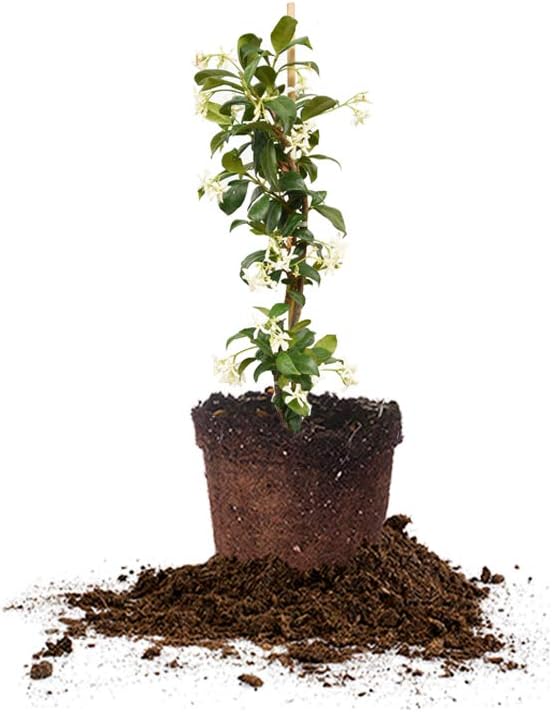
Perfect Plants Confederate Jasmine Live Plant, 1 Gallon
| Indoor Outdoor Usage | Outdoor |
|---|---|
| Other Special Features of the Product | Fragrant |
| Expected Blooming Period | Summer, Spring |
| Sunlight Exposure | Full Sun, Partial Shade |
| USDA Hardiness Zone | 4 |
This 1-gallon Confederate jasmine arrives as a young vine that quickly establishes in sunny spots and rewards with heavily scented, pale pinwheel flowers in spring and summer. Growers typically train it on a trellis, fence, hanging basket with support, or along railings; the vine is noted for cascading lime-green foliage and responds well to light shaping with clips or garden wire. Notable features from the listing include suitability for full sun to partial shade, moderate watering needs, and USDA hardiness to zone 4, which means it can persist in a wide range of climates when planted in appropriate sites. As a live plant it is straightforward to plant in loam-based soils and is described as easy to grow and maintain. Limitations to consider are that this is a young, single-plant offering so it will take time to reach its mature height and spread, and it requires support and periodic pruning to control vigor if used in baskets or confined containers. Also it does not ship to certain states according to the product notes.
Best for: Buyers who want an easy-care, fragrant climbing vine to add scent and cascading foliage to sunny baskets or supported containers and who value proven plant performance backed by customer feedback.
Less Ideal for: Gardeners seeking an instant full basket display or a no-maintenance groundcover should look elsewhere, as this vine needs time, training, and occasional pruning to fill space.
- Fragrant spring and summer blooms that add strong scent to outdoor spaces
- Tolerates full sun to partial shade making placement flexible
- Described as easy to grow which suits novice gardeners
- Hardy to USDA zone 4 so adaptable across many climates
- Sold as a single 1-gallon plant so it needs time and space to reach full coverage
- Requires a trellis or support and pruning to train and control growth
Verdict: A fragrant, easy-to-grow jasmine vine ideal for gardeners who want a proven, sun-tolerant climber to add scent and cascading foliage to hanging baskets and supported containers.
Outsidepride Jewel Mix Nasturtium Seeds (Heirloom Mix)

| Sunlight Exposure | Full Sun |
|---|---|
| USDA Hardiness Zone | 3 |
| Expected Blooming Period | Summer to Winter |
| Material Features | Heirloom |
| Moisture Needs | Moderate Watering |
These Jewel Mix nasturtium seeds produce vibrant red, orange and yellow flowers that work well as low mounds or trailing vines in raised beds and containers. They are easy to grow from seed in full sun and well drained loam, germinating in about a week and blooming from mid summer until frost. Plants are versatile in habit, forming compact 12-inch mounds or long trailing vines up to several feet that spill attractively over raised-bed edges and soften hard lines. The flowers and leaves are edible with a peppery flavor and the blooms attract pollinators while helping deter some garden pests, which makes them useful as companion plants alongside vegetables. Because they are heirloom seeds with moderate water needs, they require little maintenance once established but prefer regular drainage and sun to avoid leggy growth. Expect variable height by variety and seed density so spacing and occasional thinning will give the best trailing effect.
Best for: Gardeners who want a low-maintenance, dual-purpose trailing plant for raised beds that adds color, pollinator value, and edible flowers without complex care.
Less Ideal for: Growers with predominantly shady raised beds or heavy clay beds that do not drain well should choose shade-tolerant or moisture-loving trailing plants instead.
- Versatile growth habit that can form compact mounds or long trailing vines suitable for raised-bed edges
- Edible flowers and leaves add culinary value and visual interest
- Attracts pollinators and can act as a companion plant to help reduce some pest pressure
- Heirloom seed mix with broadly adaptable USDA zones (3–10) for many climates
- Performance varies by variety and planting density so results can be inconsistent without thinning or spacing
- Requires full sun and well drained soil, so not suited to shady or waterlogged raised beds
Verdict: A practical, low-maintenance choice for raised beds when you want colorful, edible trailing plants that attract pollinators and double as companion plants.
Carpet Creeping Verbena Seeds — 300 Count

| Indoor Outdoor Usage | Indoor, Outdoor |
|---|---|
| Expected Blooming Period | Summer |
| Sunlight Exposure | Full Sun |
| Soil Type | Loam/Sandy Soil |
| Moisture Needs | Moderate Watering |
These Carpet Creeping verbena seeds provide a large quantity of seed for filling hanging baskets, containers, borders, or for use as low ground cover. Planted in spring and given full sun and well-drained loam or sandy soil, the seeds produce trailing plants that bloom from late spring through summer and often until frost in warm areas. The package highlights drought tolerance and low maintenance once established, and the nectar-rich flowers attract pollinators, which is useful for wildlife-friendly displays in hanging baskets. Practical benefits for budget gardeners include the high seed count and suitability for multiple containers or baskets from one packet. Limitations are typical of seed packets: germination and bloom timing depend on seed quality, sowing technique, and local conditions, and grown as a perennial only in warmer zones; in cooler climates you will treat it as an annual. For hanging baskets expect plants that trail 6 to 18 inches and need regular watering until established.
Best for: Gardeners looking to fill several hanging baskets or containers on a tight budget who want long-blooming, pollinator-friendly plants for sunny sites.
Less Ideal for: Buyers who prefer guaranteed mature plants or need immediate, uniform basket-ready specimens rather than starting from seed.
- Large 300-count packet allows seeding multiple hanging baskets or containers
- Trailing habit and long bloom period provide continuous color in full sun
- Drought tolerant once established, reducing watering needs
- Attracts pollinators like bees and butterflies for wildlife-friendly displays
- Seed packet performance can vary and germination is not guaranteed
- Perennial habit is limited to warmer zones so colder regions must replant annually
Verdict: If you want an inexpensive way to produce trailing, long-blooming baskets and containers for sunny spots, this 300-count verbena seed packet stretches your budget and plantings.
Seeds Of Strength Mixed Fuchsia Seeds (100 count)

| Unit Count | 100 Count |
|---|---|
| USDA Hardiness Zone | 3-9 |
| Expected Blooming Period | Spring to Fall |
| Seed Treatment Method | Soak Seeds In Warm Water For 24 Hours |
| Sunlight Exposure | Full Sun |
These mixed fuchsia seeds are intended for gardeners who want a reliable crop of hanging-basket fuchsias from seed. The packet contains 100 heirloom seeds that are recommended to be started indoors 10 to 12 weeks before the last frost, after a 24-hour warm soak to help germination. Seeds are sown lightly on moist, well-draining seed-starting mix and kept at 65 to 75°F with indirect light until transplanting into partial to full shade. In practice these produce pendulous, colorful blooms from spring through fall and perform best when kept evenly moist, deadheaded, and protected from harsh afternoon sun. Notable features include a stated high germination rate, suitability for USDA zones 3 to 9, and clear care instructions for seedlings and transplanting. Expect about 18-inch plants that make full, trailing displays in hanging baskets. Limitations are that starting from seed requires more time and attention than buying established plants and that success depends on following the seed soak and indoor-start timing closely to hit the growing season.
Best for: Gardeners who prioritize dependable germination and want to grow a steady supply of trailing fuchsias for hanging baskets from seed, and who are willing to start seedlings indoors and follow timing instructions.
Less Ideal for: People who need instant color or prefer low-effort planting should choose established nursery plants or plugs instead of starting from seed.
- Large 100-seed count suitable for multiple hanging baskets or backup sowings
- Heirloom seed selection with a stated high germination rate
- Clear planting and care instructions for indoor starting and transplanting
- Shade-tolerant habit that performs well in partial to full shade locations
- Requires indoor seed starting and a 24-hour soak, which adds time and handling compared with plug plants
- Success depends on timely transplanting after frost risk and consistent moisture management
Verdict: A dependable 100-seed pack for gardeners who want to start multiple hanging-basket fuchsias from seed and value predictable germination and season-long blooms.
HOME GROWN Nasturtium Seeds — Dwarf/Tall Trailing Mix (250 Seeds)

| Unit Count | 1 Count |
|---|---|
| Number of Pieces | 250 |
| Material Features | GMO Free, Heirloom |
| Expected Blooming Period | Spring to Fall |
| USDA Hardiness Zone | 2, 3, 4, 5, 6, 7, 8, 9, 10, 11 |
These HOME GROWN nasturtium seeds are a versatile choice for adding fast color and trailing habit to raised beds or containers. The pack contains 250 heirloom, non-GMO seeds and comes with an online grow guide to walk you through sowing, thinning, and maintenance. In practice they germinate reliably and produce a mix of single and double blooms from spring through fall; plants are described as trailing and can be trained up trellises or left to cascade over bed edges. Nasturtiums are low maintenance, tolerate a range of USDA zones, and attract pollinators while serving as a living groundcover to help suppress weeds. Practical benefits for raised beds include edible petals and leaves for salads and a companion-planting role near vegetables. Important limitations are that they prefer loam and regular watering and perform best in the recommended planting season, so success requires following basic timing and moisture care; those seeking strictly compact, non-vining varieties or precise color control may prefer a different seed mix.
Best for: Gardeners who want an easy-to-grow, pollinator-friendly trailing flower to soften raised-bed edges and provide edible blooms without complex care, and who value seed count and clear growing instructions.
Less Ideal for: Growers who need a uniform, compact bedding plant with predictable bloom color or those unwilling to water regularly during dry spells.
- High seed count (250) gives plenty for multiple raised beds or repeat sowings
- Heirloom, non-GMO seeds with a stated high germination rate
- Includes a comprehensive online grow guide for step-by-step planting and care
- Trailing habit works well draping over raised bed edges or trained on small trellises
- Attracts pollinators and provides edible flowers and leaves for culinary use
- Performs best with regular watering and loam soil so may need extra attention in poor soils
- Mix includes varied flower types so color and form are not precisely controlled
Verdict: A high-count, heirloom nasturtium mix that reliably fills raised-bed edges with trailing, pollinator-attracting blooms while doubling as an edible, low-maintenance companion plant.
Choosing the Right Trailing Plants for Raised Beds: Key Factors to Consider
Trailing Habit and Growth Form
How a plant trails determines how it looks and behaves on a raised edge. Some species make fine, cascading stems that drape beautifully without overwhelming adjacent plants. Others have thicker runners that can root if they touch soil below. Consider whether you want a soft spillover effect, groundcover spread below the bed, or long runners that can be trained. The growth form also affects how often you will prune or pinch back stems to keep the bed tidy.
Matching habit to bed height matters too. Taller beds reveal more of the cascade, so choose plants with longer, elegant trails for high beds and shorter, denser trailers for low-profile containers.
Light Requirements and Placement
Raised beds often sit in microclimates different from surrounding garden areas. A bed against a sunny wall will be hotter and brighter, while one beneath a tree will receive patchy shade. Understanding each plant's light tolerance ensures it will flower and trail predictably.
Pick trailing plants rated for the sun exposure of your bed. Some trailing species thrive in full sun and tolerate reflected heat from paths and walls, while others perform best in part shade and will scorch in midday sun. Place sun lovers on the south or west side of the bed and shade-tolerant trailers where light is dappled.
Watering Frequency and Soil Drainage
Raised beds drain faster than in-ground beds, which affects how often trailing plants need watering. Soil mix, bed depth, and material permeability all change water retention. Choose trailing plants that match your watering routine and soil's moisture-holding capacity.
If you prefer low-irrigation care, favor drought-tolerant trailers that store water in leaves or roots. For water-hungry varieties, plan for more frequent irrigation or a moisture-retentive mix with compost and biochar. Good drainage is still essential; standing water at the roots can cause rot even for moisture-loving species.
Maintenance Needs and Pruning
Trailing plants range from near care-free to those demanding regular deadheading, pinching, or trimming to maintain shape. Consider how much time you are willing to spend on grooming. Low-maintenance trailers will hold shape, self-clean spent flowers, and require little training. Showier varieties may need weekly attention during peak growth to prevent legginess.
Also think about seasonal clean-up. Some trailing perennials benefit from cutting back in spring to encourage fresh growth, while annual trailers are often removed at season end. Choose according to whether you want a long-term perennial edge or seasonal annual color.
Compatibility with Neighboring Plants
Trailing plants sit at the interface between the bed interior and the surrounding space. Their habit affects adjacent vegetables, herbs, or ornamentals. Vigorous trailers can shade low-growing crops or steal moisture from roots. Conversely, fine-textured trailers can soften edges without competing heavily.
When designing a bed, pair trailers with center plants that tolerate the same light and water regime. Avoid aggressive trailers next to shallow-rooted seedlings or tightly spaced herbs that need consistent moisture. Placement planning prevents unintended competition and keeps the bed balanced.
Cold Hardiness and Seasonal Performance
Raised beds can warm earlier in spring and cool faster in fall, influencing how long trailing plants remain attractive. Cold-hardy trailers will bounce back after light frosts, while tender annuals may provide longer summer color but not overwinter.
Choose plants whose hardiness matches your climate and bed microclimate. For longer seasonal display, combine hardy perennials at the back with tender trailers in front. Consider whether you want a short burst of summer bloom or extended spillover through multiple seasons.
Designing for Edge Impact
Think about the visual role trailing plants play. Use them to soften hard edges, create motion, or lead the eye along beds and paths. For a cohesive look, limit the bed to two or three trailer species and echo their color or texture in other planting layers. Mixing leaf textures-fine, feathery foliage with broader leaves-adds depth to the edge without cluttering the bed.
Plants with contrasting bloom times can be alternated to keep the edge interesting from spring through fall. Also consider planting density: closer spacing creates a fuller cascade sooner but may require earlier pruning and division.
- Use two to three trailer species for balance
- Match textures to center plants for a layered effect
- Stagger bloom times for season-long interest
Soil Mix and Bed Preparation Tips
Raised-bed soil should be loose and friable to allow trailing roots to explore without becoming waterlogged. Amendments like compost and well-decomposed organic matter improve moisture retention and nutrient availability. If your trailer of choice prefers lean, gritty soil, blend in more sand or grit to improve drainage.
Installing an even layer of mulch at the soil surface helps retain moisture and reduces splashback onto trailing foliage. For very shallow beds, choose trailers with compact root systems so roots are not restricted and plants do not decline from confinement.
- Aim for a well-draining, fertile mix
- Match amendments to plant moisture preferences
- Mulch to moderate moisture swings and reduce disease risk
Irrigation and Seasonal Water Strategies
Because raised beds dry faster, adjust irrigation frequency seasonally. In hot weather you may need to water more frequently, especially for trailing plants with high water needs. Drip irrigation or soaker lines deliver water to the root zone with minimal wetting of trailing foliage, which reduces leaf disease.
For drought-tolerant trailers, water deeply but infrequently to encourage stronger root systems. Monitor moisture by checking the root zone a few inches below the surface rather than relying solely on topsoil dryness.
- Use targeted irrigation to keep foliage dry
- Water deeply for drought-tolerant trailers
- Increase frequency during heat waves or wind
Training and Containment Techniques
Some trailing plants benefit from light training. Gently tucking stems or weaving them through a front-edge trellis can control direction and prevent seedlings below from being smothered. Short stakes can lift heavy cascades away from paths or to create a layered look.
To prevent root escape from raised beds, use root barriers or position aggressive trailers in contained pockets. Regular monitoring and timely pruning prevent runners from establishing outside the bed footprint.
- Tuck stems for direction and to prevent smothering
- Use short stakes or low trellises to shape cascades
- Contain aggressive roots with barriers or pockets
How We Chose the Best Trailing Plants for Raised Beds
To assemble this list we focused on traits that matter in raised-bed settings. We prioritized plants with consistent trailing or cascading habits that reliably spill over bed edges without becoming invasive. Drought tolerance and water demand were key filters, because beds often dry faster than in-ground borders. Light tolerance across shade to full sun situations was used to find options for northern and southern exposures. We scored vigor and habit stability to avoid plants that flop unpredictably or need constant pinching. Hardiness and disease resistance were considered so picks survive common bed stressors such as root restriction and surface heat. We excluded species known to be aggressively spreading by roots in confined beds or those requiring specialized greenhouse conditions. Final selections favor straightforward care, predictable season-long appearance, and compatibility with common raised-bed soil mixes.
FAQ
Can trailing plants damage raised bed walls or structures?
Most trailing plants do not damage walls because they do not produce strong, climbing roots. However, heavy wet growth can press against lightweight materials or lead to moisture buildup. Use breathable bed materials and avoid planting very vigorous trailers directly against fragile borders.
How close together should I plant trailing species at the bed edge?
Spacing depends on the species and desired fullness. For quick coverage, plant slightly closer than usual but expect to thin or prune in the first season. For long-term beds, follow recommended mature spacing so plants do not overwhelm one another as they grow.
Do trailing plants need different fertilizer than center bed crops?
Trailing plants usually do well with the same balanced feed used in the bed, though some flowering trailers benefit from moderate phosphorus to encourage blooms. Avoid heavy nitrogen that promotes leggy growth at the expense of flowers.
Are there trailing plants suited to shade under trees in raised beds?
Yes. Several trailing species tolerate part shade and will perform under dappled light beneath trees. Choose shade-tolerant trailers with lower water needs if the tree roots compete for moisture.
How do I prevent trailing plants from becoming invasive?
Select species with restrained spreading habits for confined beds. If you use vigorous trailers, contain them with root barriers, regular pruning, and removal of runners that escape the bed. Monitor the site each season for any unwanted spread.
Final Verdict
When choosing trailing plants for raised beds, prioritize how the plant trails, its light and water preferences, and how much maintenance you are willing to do. Match plant habit and hardiness to your bed height and exposure to avoid surprise competition or seasonal failure. Balance aesthetics with practical concerns: combine hardy perennials for structure and tender trailers for seasonal color, use appropriate soil mixes and irrigation, and contain aggressive roots where needed. With the right pairing of trailers and center plants you can create a low-stress, high-impact edge that enhances the whole bed.
