

Note: This article contains affiliate links. If you click on these links and make a purchase, I may earn a small commission at no extra cost to you. This helps support my research and content. Read my full affiliate disclosure here.
A pergola becomes a true outdoor room when its roof and posts are softly wrapped in living vines. Choosing the right vining plants for a pergola affects how quickly you get canopy, how much shade you gain, and how much pruning and support work you will need over the years. This guide shortlists seven excellent vining options suited to pergola use, focusing on how they behave in a real garden setting. We evaluated candidates for growth habit, seasonal interest, structural considerations, and care needs. Read on to find vines that match your climate, aesthetic goals, and maintenance cadence before the product list.
Top Picks at a Glance
| Best Overall The best all-around choice for most situations | Plants by Mail Star Jasmine 'Large Leaf' (2.5 Quart) – Evergreen Climbing Vine |  |
| Best Quality Built to a higher standard if you want something more solid | Plants by Mail Carolina Jessamine (2.5 Quart) Semi-Evergreen Blooming Vine |  |
| Best Value The sweet spot between price and what you get | Seed Needs Cardinal Climber (Ipomoea x multifida) Seeds — 2 Pack (200 Seeds) |  |
| Best Budget The cheapest option that still gets the job done reliably | TomorrowSeeds Mixed Colors Cypress Vine Seeds (200 count) |  |
| Highest Rated A top-rated pick with lots of positive feedback | CZ Grain Wisteria Live Plants (3 pack) |  |
| Most Popular A crowd favorite that many people choose with confidence | Perfect Plants Confederate Jasmine Live Plant, 1 Gallon |  |
| Best Seller A high-volume bestseller chosen again and again | KVITER 50 Count Tall Morning Glory Seeds Mix (Ipomoea purpurea) |  |
Plants by Mail Star Jasmine 'Large Leaf' (2.5 Quart) – Evergreen Climbing Vine

| Expected Blooming Period | Spring to Summer |
|---|---|
| Sunlight Exposure | sun to partial shade |
| USDA Hardiness Zone | 9 |
| Moisture Needs | Moderate Watering |
| Soil Type | Loam Soil |
This large-leaf Star Jasmine is a versatile, fast-growing evergreen vine that is typically used on trellises, arbors, fences, or as a groundcover. It produces clusters of fragrant white, star-shaped flowers in late spring through summer and can be trained to reach tall supports where it will twine and fill in quickly. The plant prefers full sun but tolerates partial shade and benefits from regular watering during its first seasons to establish strong roots. Practical features include vigorous twining habit that makes it easy to train on a trellis and glossy leathery leaves that provide year-round greenery. Expect steady vertical coverage and strong fragrance that attracts pollinators. Limitations to consider are its USDA zone preference (best in warmer climates) and the need for routine watering and occasional pruning after flowering to keep it neat and encourage denser growth. For gardeners wanting a reliable, fragrant climber for sunny trellis sites, this jasmine is a straightforward choice.
Best for: Gardeners who want a reliable, fragrant climber to quickly cover a sunny trellis or fence and value year-round evergreen screening with seasonal blooms.
Less Ideal for: Those in consistently cold climates or gardeners seeking a low-water, drought-tolerant climber should consider alternative species better adapted to cooler or xeric conditions.
- Fast-growing twining habit that quickly covers trellises and fences
- Fragrant clusters of white star-shaped flowers in spring and summer
- Evergreen glossy foliage provides year-round screening
- Tolerates full sun to partial shade and attracts pollinators
- Best suited to warmer USDA zones so may not survive cold winters without protection
- Requires regular watering and occasional pruning to maintain shape and vigor
Verdict: Choose this Star Jasmine when you need a fast, fragrant evergreen climber to quickly fill a full-sun trellis and provide seasonal white blooms.
Plants by Mail Carolina Jessamine (2.5 Quart) Semi-Evergreen Blooming Vine

| Sunlight Exposure | Full Sun, Partial Shade |
|---|---|
| USDA Hardiness Zone | 7,8,9 |
| Expected Blooming Period | Spring |
| Moisture Needs | Little To No Watering |
This Carolina jessamine is a fast-growing, semi-evergreen vine prized for its aromatic yellow, trumpet-shaped flowers and glossy foliage. Gardeners typically train it on pergolas, trellises, fences, or allow it to sprawl as a ground cover; it can reach lengths around 20 feet so it creates quick vertical coverage. The plant is adaptable to full sun or partial shade and is rated for USDA zones 7 through 9, making it a good choice for mild-winter climates. Establishment care is straightforward: regular watering and light fertilizer during the first couple of seasons, then only supplemental water in drought. Notable features are its sturdy habit, strong climbing tendency, and early-season floral display that brightens pergolas when few other vines are blooming. Limitations are its zone range and tendency to grow vigorously, which requires timely pruning after flowering to keep it confined on a pergola and to encourage next season's blooms.
Best for: A gardener who wants a fast, showy vine for covering a pergola and prioritizes seasonal fragrance and quick coverage over a compact growth habit.
Less Ideal for: Those in colder hardiness zones or gardeners who prefer slow, low-maintenance plants that need little or no pruning to stay tidy.
- Vigorous climber that quickly covers pergolas and trellises
- Fragrant, early spring yellow blooms add seasonal interest when few other vines flower
- Tolerates full sun to partial shade for flexible placement
- Low supplemental watering needs after establishment
- Hardiness limited to USDA zones 7–9 so not suitable for colder regions
- Strong growth habit requires regular pruning to keep it controlled on structures
Verdict: Choose this Carolina jessamine when you need a fast, fragrant vine to quickly dress a pergola and deliver an early-season display.
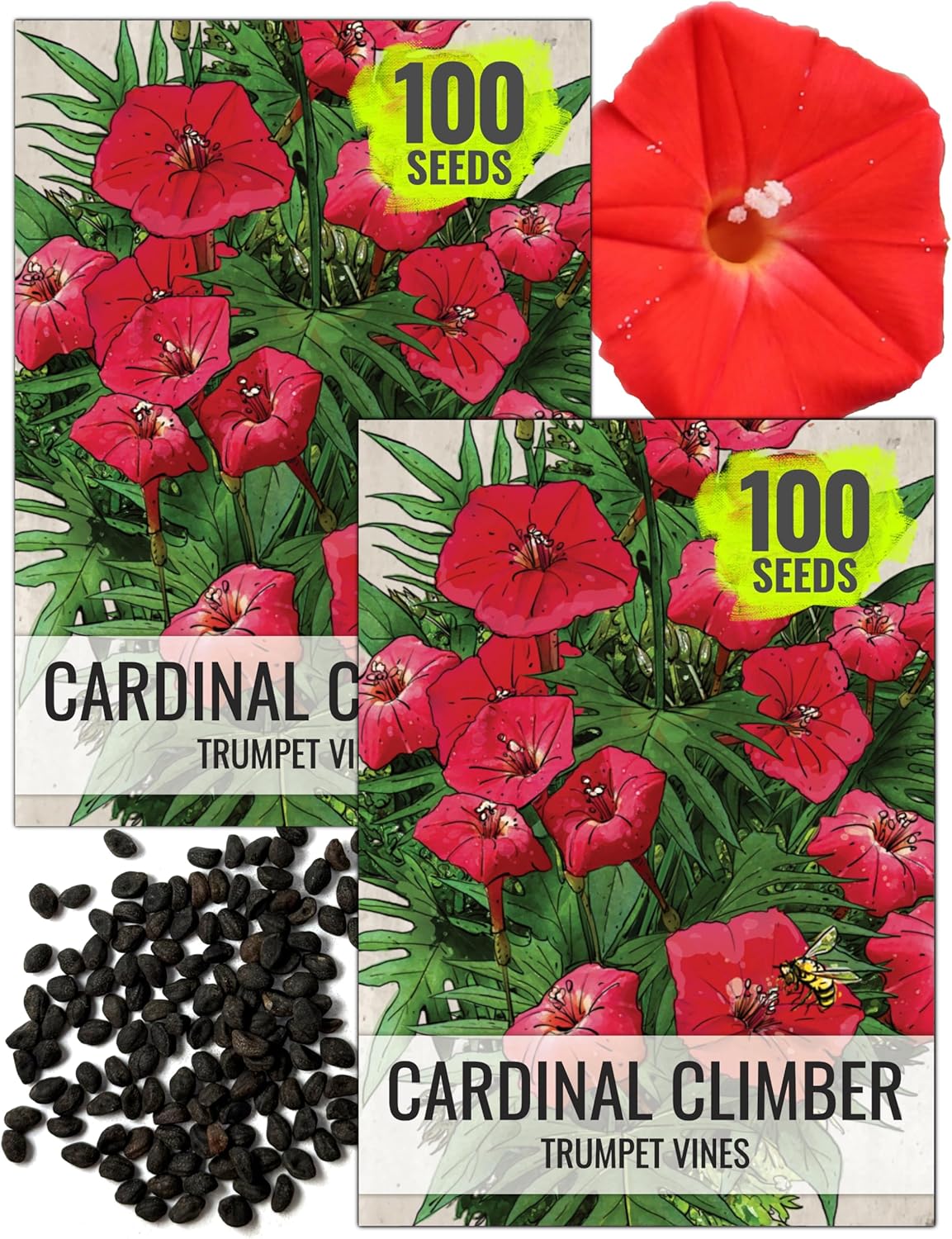
Seed Needs Cardinal Climber (Ipomoea x multifida) Seeds — 2 Pack (200 Seeds)
| Expected Blooming Period | Summer to Fall |
|---|---|
| Sunlight Exposure | Full Sun |
| USDA Hardiness Zone | 3,4,5,6,7 |
| Expected Plant Height | 15 feet |
| Material Features | GMO Free, Heirloom |
These Cardinal Climber seeds are intended for gardeners who want a quick, hummingbird-attracting vining annual for a trellis or fence. Sow in spring in full sun and the vines will establish rapidly, producing 1.5-inch red, trumpet-shaped blooms from summer into fall. The packet notes heirloom, non-GMO seed stored in moisture-resistant packaging and offers ample quantity — two packs totaling 200 seeds — so you can plant a dense screen or stagger sowings. The plants prefer average to sandy, not overly nitrogen-rich soil and regular watering, and they reach an expected height of about 15 feet when given support. Expect good germination from fresh seed, but remember these are annuals so foliage dies back with cooler weather and they will not overwinter in cold climates outside their USDA zones. Packet artwork and printed sowing instructions are helpful for less experienced growers, but you should still plan trellis support and routine maintenance to keep the vines tidy and prevent them from smothering neighbors on a shared fence.
Best for: Gardeners who want a fast-establishing, showy annual vine for trellises or privacy screens and who value reliable germination and pollinator attraction.
Less Ideal for: Those seeking a perennial or cold-hardy climber that will return year after year should choose an evergreen or hardy species instead.
- Fast vining habit that quickly covers trellises or fences
- Bright red, trumpet-shaped flowers that attract hummingbirds and pollinators
- Generous seed count (two packs, 200 seeds) allows dense planting or sharing
- Heirloom, non-GMO seeds in moisture-resistant packaging to preserve freshness
- Clear packet instructions and fresh seed for reliable germination
- Annual habit means plants will not persist through winter in colder zones
Verdict: Choose these seeds if you want an easy, fast-growing annual vine that quickly covers a trellis with red, hummingbird-attracting flowers.
TomorrowSeeds Mixed Colors Cypress Vine Seeds (200 count)

| Unit Count | 200 Count |
|---|---|
| Number of Pieces | 200 |
These TomorrowSeeds cypress vine seeds are a budget-friendly way to add a fast-growing climber to pergolas, arbors, fences, or containers. The packet contains about 200 seeds in a red, pink, and white mix that germinates readily in full sun and well-drained soil. In practice the vines reach several feet in a single season and quickly climb supports, producing delicate, fern-like foliage and star-shaped blooms that attract hummingbirds. Because the seeds are plentiful, you can sow densely for quick coverage or space them out to train individual stems up a pergola. The main limits are that this is an annual vine in most climates and it prefers full sun, so it will not perform well in deep shade or as a permanent structural plant. Also, mixed seed packets mean some color variation and occasional non-typical plants, so expect diversity rather than strict uniformity. For the price and seed count, it is a low-risk way to fill vertical spaces with seasonal color and wildlife appeal.
Best for: Gardeners on a tight budget who want rapid, seasonal coverage of a pergola or arbor and who value easy-to-grow, wildlife-attracting flowering vines.
Less Ideal for: Those seeking a long-lived permanent woody climber or a shade-tolerant plant for a low-light pergola should look at alternative species.
- Large 200-seed count gives good value and allows dense sowing or multiple plantings.
- Fast growth habit that quickly covers pergolas, trellises, and arbors in a single season.
- Attractive, nectar-rich flowers that draw hummingbirds and add seasonal interest.
- Suitable for containers as well as in-ground vertical plantings for flexible use.
- Annual habit in most regions so it will need to be reseeded each year to maintain coverage.
- Requires full sun and well-drained soil and will not thrive in heavy shade.
Verdict: If you want inexpensive, fast seasonal coverage and hummingbird-friendly blooms on a pergola, this 200-count cypress vine seed packet delivers strong value.
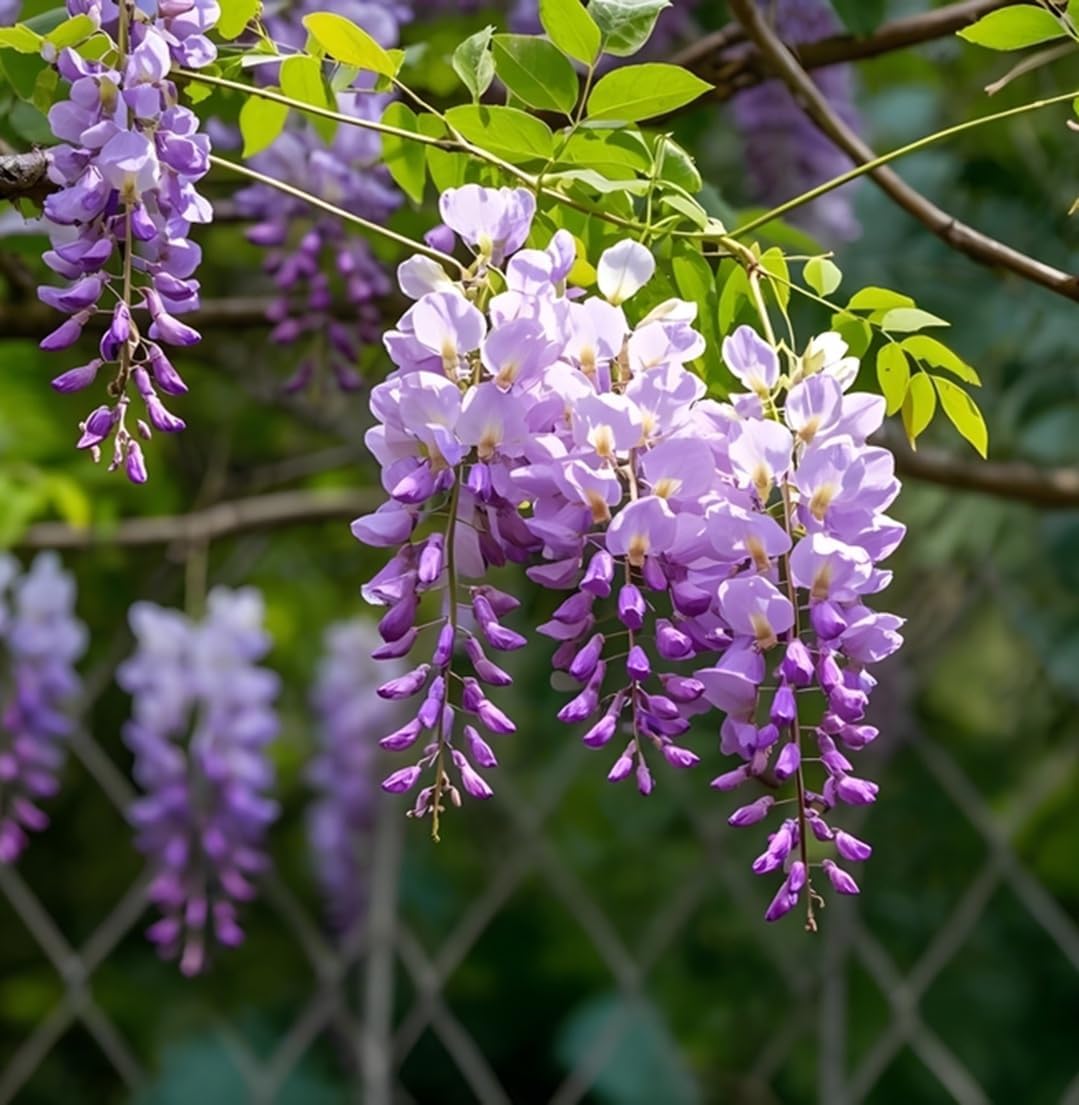
CZ Grain Wisteria Live Plants (3 pack)
| Expected Blooming Period | Summer to Winter |
|---|---|
| Sunlight Exposure | Partial Shade |
| USDA Hardiness Zone | 3-10 |
| Moisture Needs | Moderate Watering |
These CZ Grain Wisteria plants arrive as healthy, well-rooted young vines about 1–2 feet tall and are intended for fast establishment on trellises, pergolas, fences or in containers. Wisteria floribunda is a vigorous climber noted for long, cascading purple blooms and a long flowering season from summer into winter. Buyers typically plant each vine at the base of a support, train stems up and across structures, and prune annually to control size and encourage flowering. Notable product details include heirloom material, moderate moisture needs, partial shade tolerance, and a wide USDA hardiness range of zones 3–10, which supports reliability across climates. The plants need regular watering the first year to maximize root and shoot growth and will reward patient training with dense foliage and dramatic blooms. Expect the usual wisteria responsibilities: regular pruning to prevent excessive woody growth and sturdy support to handle a mature vine. These are best for gardeners prepared for long-term maintenance rather than a no-care instant screen.
Best for: Gardeners who want a reliable, long-term vining plant to train on a trellis or pergola and who plan to provide routine watering and pruning.
Less Ideal for: Those seeking a low-maintenance instant privacy screen or people unwilling to install strong supports and commit to seasonal pruning.
- Sold as well-rooted live plants ready to transplant
- Fast-growing species suitable for quickly covering trellises and pergolas
- Wide hardiness range (USDA zones 3–10) for use in many climates
- Extended bloom period and fragrant cascading flowers for strong visual impact
- Requires regular first-year watering and ongoing pruning to control vigor and encourage blooms
- Needs a sturdy support structure as mature vines become heavy
Verdict: Choose these well-rooted Wisteria plants when you want a dependable, fast-growing vine that can be trained into a dramatic trellis display with attentive watering and pruning.
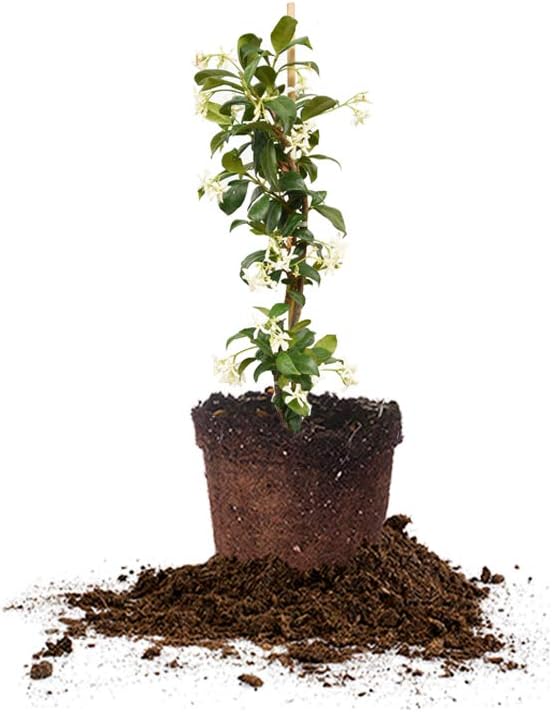
Perfect Plants Confederate Jasmine Live Plant, 1 Gallon
| Indoor Outdoor Usage | Outdoor |
|---|---|
| Other Special Features of the Product | Fragrant |
| Expected Blooming Period | Summer, Spring |
| Sunlight Exposure | Full Sun, Partial Shade |
| USDA Hardiness Zone | 4 |
This 1-gallon Confederate jasmine arrives as a young vine that quickly establishes in sunny spots and rewards with heavily scented, pale pinwheel flowers in spring and summer. Growers typically train it on a trellis, fence, hanging basket with support, or along railings; the vine is noted for cascading lime-green foliage and responds well to light shaping with clips or garden wire. Notable features from the listing include suitability for full sun to partial shade, moderate watering needs, and USDA hardiness to zone 4, which means it can persist in a wide range of climates when planted in appropriate sites. As a live plant it is straightforward to plant in loam-based soils and is described as easy to grow and maintain. Limitations to consider are that this is a young, single-plant offering so it will take time to reach its mature height and spread, and it requires support and periodic pruning to control vigor if used in baskets or confined containers. Also it does not ship to certain states according to the product notes.
Best for: Buyers who want an easy-care, fragrant climbing vine to add scent and cascading foliage to sunny baskets or supported containers and who value proven plant performance backed by customer feedback.
Less Ideal for: Gardeners seeking an instant full basket display or a no-maintenance groundcover should look elsewhere, as this vine needs time, training, and occasional pruning to fill space.
- Fragrant spring and summer blooms that add strong scent to outdoor spaces
- Tolerates full sun to partial shade making placement flexible
- Described as easy to grow which suits novice gardeners
- Hardy to USDA zone 4 so adaptable across many climates
- Sold as a single 1-gallon plant so it needs time and space to reach full coverage
- Requires a trellis or support and pruning to train and control growth
Verdict: A fragrant, easy-to-grow jasmine vine ideal for gardeners who want a proven, sun-tolerant climber to add scent and cascading foliage to hanging baskets and supported containers.
KVITER 50 Count Tall Morning Glory Seeds Mix (Ipomoea purpurea)

| Unit Count | 50 Count |
|---|---|
| Sunlight Exposure | Full Sun |
| Expected Blooming Period | Summer to Fall |
| USDA Hardiness Zone | 1-12 |
| Material Features | GMO Free, Heirloom |
These KVITER morning glory seeds are an easy-to-grow heirloom mix intended for trellises, fences, pergolas and containers where you want fast, flowering vines. The packet contains 50 non-GMO seeds and includes a step-by-step growing guide that explains soaking, sowing depth and spacing so even cautious gardeners can get reliable results. Morning glories prefer full sun but will tolerate some dappled shade and germinate in warm soil within one to three weeks. Plants are reported to reach very tall heights, making them well suited to cover vertical structures and provide seasonal color from summer into fall. Practical benefits include low maintenance, pollinator attraction and use across a wide range of USDA zones. Limitations are that these are annual vines so they need replanting each year and vigorous growth can require regular training and pruning to keep a pergola neat. Also, performance will vary with local climate and soil despite clear planting instructions.
Best for: Gardeners who want a low-risk, easy-to-follow way to establish fast-growing flowering vines on pergolas or trellises and prefer clear instructions and predictable results.
Less Ideal for: People seeking permanent woody coverage or a no-maintenance perennial solution should consider evergreen climbers or established perennial vines instead.
- Heirloom, non-GMO seeds with a detailed growing guide included
- Designed to produce tall vining plants suitable for trellises and pergolas
- Low-maintenance and attractive to pollinators
- Wide USDA zone range for use in many climates
- Annual plants that must be replanted each year
- Vigorous vines require regular training and pruning to prevent overgrowth
Verdict: A straightforward, low-risk seed option for quickly establishing colorful annual vines on a pergola with clear planting instructions included.
Choosing the Right Vining Plants for Pergola: Key Factors to Consider
Growth Habit and Coverage Timing
Understand how quickly a vine fills a pergola and whether it grows as a twining, clinging, or tendril-bearing plant. Fast growers give canopy sooner but often need more frequent pruning to keep the structure usable and to prevent the vine from smothering itself. Slower-growing vines may take several seasons to provide shade but usually require less intervention once established.
Consider whether you want seasonal bloom followed by dormancy, or evergreen coverage in mild climates. Coverage timing affects when you will get shade and how long the structure will be bare each year.
Climbing Method and Pergola Compatibility
Vines climb in different ways: some wrap around supports, some use tendrils, and others attach with adhesive pads or aerial roots. Choose vines whose climbing method suits your pergola material and design. Twining vines are easy to train on beams and slats. Tendril climbers are effective on lattices and wires. Adhesive-root vines can adhere to wood or masonry but may be harder to remove and can damage softer materials.
Match the plant to the support you plan to provide: open beams, lattice panels, or added cables. You may need to install training wires or trellis elements for some species.
Maintenance Needs and Pruning Frequency
Regular pruning keeps a pergola-sprung canopy tidy and prevents overloading the structure. Some vines require yearly hard pruning to encourage flowering, while others respond well to light seasonal shaping. Think about how much time you can commit to pruning and maintenance, and whether you are comfortable removing heavy growth if the vine becomes woody or congested.
Also consider training needs when young. Many vines require hands-on guidance for the first one to three years while they establish predictable routes across the pergola.
Flowering, Fragrance, and Seasonal Interest
Decide whether you want a showy flowering canopy, a scented walk-under, or simple leafy shade. Flowering vines can transform a pergola into a focal point, but blooms may be brief or tied to pruning timing. Fragrant species create an immersive sensory experience for spring and summer evenings but may attract pollinators and increased insect activity.
Balance bloom displays with foliage longevity. In some climates, evergreen vines provide continuous cover but little seasonal bloom.
Hardiness, Heat Tolerance, and Pest Resistance
Match the vine to your local climate zone. Some vines tolerate cold winters and go dormant; others are semi-evergreen or evergreen in milder areas but will suffer frost in colder regions. Heat tolerance matters for hot, exposed pergolas where leaves can scorch and flowers drop early.
Also consider pest and disease susceptibility. Choosing species known for resilience in your region reduces long-term maintenance and replacement risk.
Impact on Structure and Root Behavior
Consider how a vine's roots and attachment habits interact with pergola materials and nearby plantings. Vines that develop heavy, woody frameworks can add significant weight to overhead beams and may require reinforced supports. Species with aggressive root systems can compete with nearby trees or damage shallow foundations if planted too close.
Plan planting distance from posts and inspect posts periodically. If you want to avoid long-term structural concerns, choose lighter-climbing or less woody species and provide removable training supports.
Training a Pergola Framework for Vines
Set up a permit-ready training system before planting so vines follow intended routes rather than random growth. Add horizontal wires or lattice panels between beams to give young climbers regular attachment points and to promote even canopy development.
Start training within the first growing season by loosely tying fresh shoots to the supports. Replace ties with natural twining or tendril attachment as plants mature to reduce interference with stem development.
- Install corrosion-resistant wire or trellis to last through seasons
- Space support elements to balance sunlight and coverage
- Provide temporary soft ties during early training, removing them after one year
Watering and Feeding for Overhead Canopies
Pergola vines benefit from deep, infrequent watering that encourages root depth rather than shallow surface roots. Mulch at the base keeps soil moisture stable and reduces weeds that compete for water.
Fertilize according to the plant type: some flowering vines respond to moderate feedings in spring and early summer, while others need little supplemental nutrition. Avoid excessive nitrogen that promotes foliage at the expense of blooms.
- Water at the root zone, not from above to avoid disease on leaves
- Mulch 2 to 4 inches away from the stem to prevent rot
- Use slow-release fertilizer if soil is poor or plants look weak
Managing Weight and Seasonal Clean-Up
As vines age they can become heavy and woody. Inspect pergola beams annually and prune back congested growth to reduce wind load and potential structural strain. Remove dead or diseased wood promptly to maintain a healthy canopy.
Seasonal clean-up also helps light reach lower plantings and prevents fungal problems. Clear fallen leaves and flower debris from the pergola and the area beneath to keep the space inviting.
- Plan for periodic thinning rather than one large removal operation
- Keep spare fastenings on hand for re-tensioning wires or replacing ties
- Consider light pruning in late winter and shaping after bloom if needed
Designing for Shade, Light, or Flower Emphasis
Decide whether the pergola's primary role is to provide dense shade, dappled light, or a floral display. Dense shade requires vigorous foliage and close planting; a floral emphasis needs species that bloom prolifically and may be spaced to show individual displays.
Mixing vines with complimentary growth habits can create layered interest but requires careful maintenance planning so one species does not dominate the others.
- Use evergreen vines where year-round cover is desired
- Reserve one or two supports for showier bloomers and others for foliage producers
- Stagger planting times when combining species to ease early training
Safety and Accessibility Considerations
Keep pergola walkways and seating areas clear by pruning lower growth and training shoots upward. Ensure that vines do not obstruct lighting or hanging fixtures and that branches are trimmed away from rooflines to prevent rubbing and damage.
If the pergola is near utilities or gutters, avoid species with adhesive roots that can cling to and damage surfaces. Lightweight supports near high-traffic zones reduce the risk of falling branches.
- Trim annually to maintain head clearance
- Avoid planting climbers that produce an abundance of slippery fruit directly over walkways
- Inspect fastenings for wear to prevent sudden failures
How We Chose the Best Vining Plants for Pergola
We selected plants that reliably establish on free-standing pergolas and similar overhead structures. Key evaluation criteria included growth habit and speed, structural compatibility with typical pergola materials, seasonal interest and flowering, pruning and maintenance demands, and climate adaptability. We favored vines that provide sufficient canopy to create shade without excessive invasive tendencies or destructive attachment methods. We excluded species known to damage wood or masonry with aggressive root or holdfast systems, as well as vines that require specialized greenhouse conditions. Our filters prioritized real-world garden performance: how a vine climbs and anchors, how it is maintained through pruning, how it performs across seasons, and whether it tolerates common regional climates and sun exposures. The result is a concise list of plants practical for gardeners installing or refurbishing a pergola.
FAQ
How long does it take for a vine to cover a pergola?
It depends on the species and growing conditions. Fast-growing vines can provide substantial coverage in one to three seasons, while slower growers may take several years. Soil fertility, water, and training speed up coverage.
Can I plant multiple vine types on the same pergola?
You can, but mixing species requires careful planning. Pair vines with compatible growth rates and pruning needs to avoid one species overwhelming the others. Staggered planting and dedicated support zones help manage competition.
Will vines damage my pergola structure?
Some vines can add significant weight or use attachment methods that harm soft wood or mortar. Choose climbers whose climbing method suits your materials, monitor structural load, and prune to prevent excessive buildup. Installing separate training wires reduces direct contact with the pergola.
How do I keep a flowering vine blooming on a pergola?
Timing and technique of pruning are key. Many flowering vines set buds on old wood, so aggressive late-season pruning can remove next year's flowers. Learn each species' bloom habit and prune accordingly to balance shape and bloom production.
What maintenance is required in winter?
Pruning needs vary by species and climate. In colder zones, remove dead wood and do major structural pruning in late winter while plants are dormant. In milder climates, target pruning after flowering or in early spring to shape growth without removing floral buds.
How should I water vines trained over an elevated structure?
Water deeply at the root zone rather than overhead. Use drip irrigation or slow-soak watering to encourage deeper roots and reduce wet foliage that can promote disease. Mulch helps preserve moisture and moderates soil temperature.
Final Verdict
When choosing vining plants for a pergola, match the plant's climbing method, growth rate, and hardiness to your structure and local climate. Prioritize how much shade and seasonal interest you want versus how much pruning and training you can commit to. Accept tradeoffs: faster coverage often means more maintenance, and showy bloomers may need careful pruning to preserve future flowers. Focus on compatible climbing methods and routine training to create a safe, attractive pergola canopy that suits your garden life.
