

Note: This article contains affiliate links. If you click on these links and make a purchase, I may earn a small commission at no extra cost to you. This helps support my research and content. Read my full affiliate disclosure here.
Choosing the right perennials for containers matters because potted plants face different stresses than those in the ground. Container soil dries faster, root space is limited, and temperature swings can be sharper, so varieties that thrive in pots make a big difference for long-lasting color and plant health. This guide covers seven top perennial choices suited for containers, shortlisted for consistent bloom, manageable size, and resilience in pot culture. We evaluate each option for hardiness, bloom performance, root behavior, and maintenance needs to help you pick plants that fit your light, watering routine, and design goals.
Top Picks at a Glance
| Best Overall The best all-around choice for most situations | Green Promise Farms Geranium 'Rozanne' (Cranesbill) Perennial, 1-plant container |  |
| Best Quality Built to a higher standard if you want something more solid | Perennial Farm Aster 'Wood's Purple' Live Perennial in #1 Container |  |
| Best Value The sweet spot between price and what you get | KVITER Red Yarrow (Achillea millefolium) Heirloom Flower Seeds — 14,000 Count |  |
| Best Budget The cheapest option that still gets the job done reliably | BuggyBeds Dianthus Seeds — 5000 Count Fragrant Perennial Flower Seeds |  |
| Highest Rated A top-rated pick with lots of positive feedback | CZ Grain Blue Moon Crocus Bulbs (mix of purple, lavender and striped) |  |
| Most Popular A crowd favorite that many people choose with confidence | HOME GROWN English Lavender Seeds (Vera) — 1,500+ Seeds |  |
| Best Seller A high-volume bestseller chosen again and again | KVITER Purple Coneflower (Echinacea purpurea) Heirloom Seeds, 550 Count |  |
Green Promise Farms Geranium 'Rozanne' (Cranesbill) Perennial, 1-plant container

| Sunlight Exposure | Full Sun |
|---|---|
| USDA Hardiness Zone | 5 |
| Soil Type | Loam Soil |
| Expected Plant Height | 10 inches |
The 'Rozanne' cranesbill geranium is a compact, spreading perennial prized for a long bloom season of violet-blue saucer-shaped flowers from mid-June through October. Supplied in a #1 container and fully rooted, it is usually planted into containers or garden beds in full sun and loam-based soils. Notable features include its continuous flowering habit, deep green slightly marbled foliage that provides season-long interest, and cold hardiness to USDA Zone 5. In containers it works well as a low, spill-over element or repeated in groups for sustained color on patios. Practical benefits are low maintenance once established, strong repeat blooms that reduce the need for constant replanting, and reliable performance in cooler summer climates. Limitations are modest mature height—best as a front-of-border or container filler rather than a focal upright specimen—and it prefers full sun so may underperform in dense shade. Gardeners should also allow adequate container soil and drainage for best results.
Best for: Gardeners who want low-maintenance, long-flowering perennials to provide continuous color in containers or at the front of beds and who prioritize reliable seasonal blooms over height.
Less Ideal for: Those seeking tall upright specimens or plants for deep shade should consider alternatives better suited to height or low-light conditions.
- Long bloom period from mid-June to October for extended container color
- Compact, spreading habit that fills edges and spills attractively over container rims
- Hardy to USDA Zone 5 so suitable for cooler climates
- Delivered in a rooted #1 container ready to plant
- Not suited as a tall structural focal plant due to its low 8–10 inch height
- Performs best in full sun so will produce fewer flowers in shade
Verdict: Choose 'Rozanne' for a hardy, long-blooming container geranium that delivers consistent violet-blue color with minimal fuss.
Perennial Farm Aster 'Wood's Purple' Live Perennial in #1 Container

| Indoor Outdoor Usage | Outdoor |
|---|---|
| Expected Blooming Period | Summer to Fall |
| Sunlight Exposure | Full Sun |
| USDA Hardiness Zone | 4 |
| Moisture Needs | Moderate Watering |
Perennial Farm's Aster 'Wood's Purple' is a compact, pollinator-friendly perennial sold in a ready-rooted #1 container for immediate planting. It forms neat mounds of pale violet daisy-like flowers that bloom from summer into fall, making it useful for adding late-season color in containers, borders, and small garden beds. The plant prefers full sun and moderate watering and is rated hardy to USDA zone 4, so it performs reliably in cooler climates and in-season conditions. Its short stature keeps container displays tidy without frequent pruning, and the organic material feature and pollinator attraction are practical benefits for gardeners focused on ecological performance. Limitations include the single available size and color option and the modest bloom height, which means it pairs best with taller companions for layered container compositions rather than serving as a standalone focal point.
Best for: Gardeners who want a reliable, compact perennial to extend color in containers and small beds late in the season and who prioritize pollinator-friendly, low-maintenance plants.
Less Ideal for: People seeking a dramatic tall centerpiece for large containers or those who need multiple color choices from a single purchase.
- Long late-summer to fall bloom period for extended container interest
- Compact, tidy habit keeps container plantings neat with minimal pruning
- Attracts pollinators which enhances ecological value in container gardens
- Hardy to USDA zone 4 so suitable for a range of cooler climates
- Offered only in one container size and a single color option
- Short stature means it will not provide height alone in mixed container designs
Verdict: Choose this compact, late-blooming aster when you need a hardy, pollinator-friendly perennial to add reliable fall color to containers.
KVITER Red Yarrow (Achillea millefolium) Heirloom Flower Seeds — 14,000 Count

| Unit Count | 14000 Count |
|---|---|
| Sunlight Exposure | Full Sun |
| USDA Hardiness Zone | 1-12 |
| Moisture Needs | Little To No Watering |
| Material Features | GMO Free, Heirloom |
These KVITER red yarrow seed packets deliver a very high seed count of heirloom, non-GMO Achillea millefolium that are suited to low-maintenance perennial plantings. The seeds are described as needing light to germinate and will sprout in 20 to 45 days under 65–75°F, after which plants form upright 2–3 foot stems with flat red flower heads that attract pollinators. Typical uses include perennial beds, wildflower mixes, rock gardens and containers where full sun and well-drained, sandy soil are available. Notable features are broad USDA zone hardiness, a step-by-step growing guide included with packets, and claims of deer and disease resistance plus low water needs. In containers the compact, upright habit and drought tolerance make yarrow a useful filler or accent that requires minimal watering and occasional deadheading or dividing to maintain vigor. Important limitations are that seeds need light for germination and a longer wait to bloom, and mature plants can spread if not divided regularly, so they need management in confined containers.
Best for: Gardeners who prioritize efficient, low-maintenance perennials for sunny containers and want lots of seed to plant several pots or replace plants over seasons.
Less Ideal for: Those seeking instant container color from established plants or gardeners who prefer strictly contained, non-spreading varieties in very small pots.
- Very large seed count suitable for multiple containers or larger plantings
- Heirloom non-GMO seed with step-by-step growing guide included
- Drought tolerant and low watering needs once established
- Attracts pollinators while being deer and disease resistant
- Seeds require light to germinate and can take 20–45 days to sprout
- Mature plants spread and need occasional dividing to prevent overcrowding in containers
Verdict: A cost-effective choice for filling multiple sunny containers with sturdy, drought-tolerant perennial yarrow grown from heirloom seeds.
BuggyBeds Dianthus Seeds — 5000 Count Fragrant Perennial Flower Seeds

| Unit Count | 5000 Count |
|---|---|
| Indoor Outdoor Usage | Outdoor |
| Other Special Features of the Product | Fragrant |
| Item Type Name | seeds |
This 5000-count packet of BuggyBeds Dianthus seeds is a budget-friendly way to add fragrant, long-lived blooms to container gardens and border plantings. Dianthus are hardy perennials often grown in pots, window boxes, rock gardens, and small beds; these seeds let you mass-seed containers or start many pots for staged blooms. The listing highlights fragrance and perennial habit, which means once established you can expect recurring color and useful cut flowers for arrangements. Practical advantages are the very large seed count for spreading across multiple containers and the flower type that tolerates typical container soils and regular deadheading. Important limitations are that seed-grown plants take a season to establish and bloom compared with buying established plants, and germination and bloom timing depend on proper sowing and local climate. For gardeners on a tight budget who are willing to start plants from seed, this pack provides a lot of planting potential for containers and small displays.
Best for: Budget-minded gardeners who want to fill multiple containers or create repeated plantings from seed and who are comfortable starting and tending seedlings.
Less Ideal for: Buyers who need instant color or mature container specimens right away should choose potted plants instead.
- Very large seed count (5000) supplies many containers or repeat plantings
- Fragrant perennial flowers suitable for cut bouquets
- Versatile use in containers, borders, and rock gardens
- Hardy perennial habit provides return blooms in subsequent seasons
- Seed propagation requires time and attention before plants bloom
- Germination rates can vary and are not specified
Verdict: If you want the most flower-producing seed value for container gardens on a tight budget, this 5000-count Dianthus seed pack delivers the greatest planting potential.
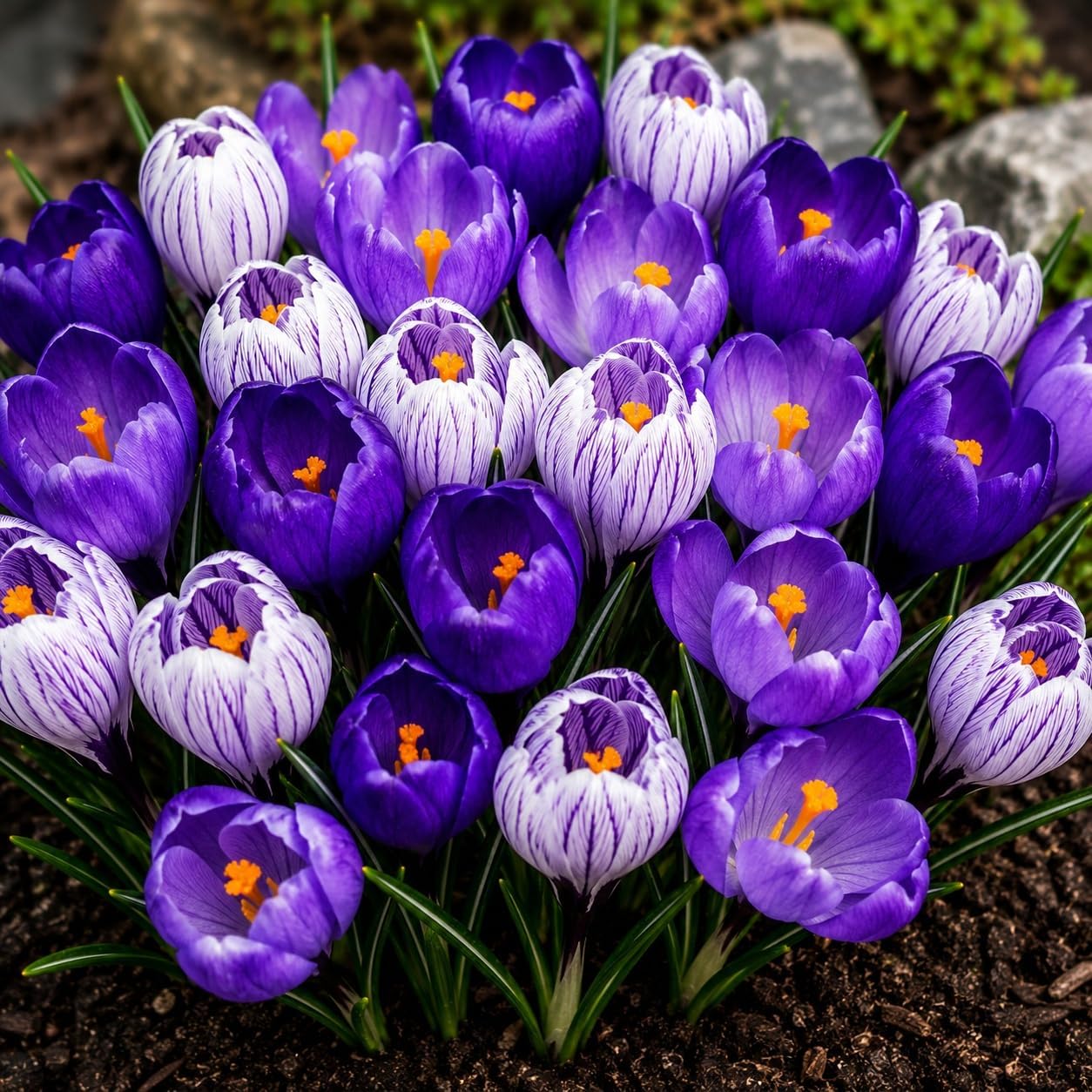
CZ Grain Blue Moon Crocus Bulbs (mix of purple, lavender and striped)
| Expected Blooming Period | Summer to Winter |
|---|---|
| Sunlight Exposure | Full Sun |
| USDA Hardiness Zone | Zones 4,5,6,7 and 8 |
| Soil Type | Loam Soil |
| Moisture Needs | Moderate Watering |
These Blue Moon crocus bulbs are a low-maintenance choice for adding early spring color to containers and front-of-bed plantings. Plant the dormant corms in fall about 3–4 inches deep in well-draining potting mix or garden soil, space several together for a clustered display, water after planting, and expect jewel-toned blooms with orange-yellow centers the following spring. They are hardy across USDA zones 4–8 and tolerate moderate watering, which makes them reliable for seasonal container displays and rock garden pots placed in full sun. Because they are compact and meant for massing, they work best when grouped rather than used as single specimen plants. Crocuses can naturalize and return in subsequent seasons if conditions are right, but they will benefit from a sheltered container location over harsh winters. Expect an early-season burst of color rather than long summer interest, so pair them with later-blooming perennials or bulbs to extend the container display.
Best for: Gardeners who want a dependable, low-effort way to add early spring color to containers and small beds and who plan displays in clusters for best effect.
Less Ideal for: Those seeking long-season flowering in a single container or a summer-long focal plant should choose later-blooming perennials instead.
- Low-maintenance heirloom bulbs that are easy to plant in fall
- Compact habit suited to containers, rock gardens, and front-of-bed plantings
- Hardy across USDA zones 4–8 for reliable spring returns in many climates
- Creates strong early-season color when planted in clusters
- Provides only early spring interest and not continuous summer blooms
- Best effect requires planting multiple bulbs together rather than single specimens
Verdict: Plant these Blue Moon crocus bulbs in fall for an easy, dependable burst of early spring color in containers when massed together.
HOME GROWN English Lavender Seeds (Vera) — 1,500+ Seeds

| Indoor Outdoor Usage | Indoor, Outdoor |
|---|---|
| Expected Blooming Period | Spring to Fall |
| USDA Hardiness Zone | 4, 5, 6, 7, 8, 9 |
| Soil Type | Loam Soil |
| Material Features | GMO Free |
These HOME GROWN English Lavender Vera seeds are a high-count pack of heirloom seeds for growing true English lavender in containers or garden beds. The seed packet supports cold stratification and includes an online grow guide, which helps boost germination and is useful whether you start seeds indoors or sow directly outdoors in spring. Vera is noted for its classic, intense fragrance and oil quality, so plants grown in containers will provide strong scent for patios, balconies, and nearby indoor spaces. The variety is hardy across USDA zones 4–9 and prefers loam and full sun, and once established lavender is drought tolerant and low maintenance. Practical benefits for container gardeners include suitability for pots and raised beds, pollinator attraction, and culinary or craft uses like sachets and tea. Limitations are typical of seed-starting: germination needs cold stratification and patience before bloom, and results depend on proper light, drainage, and seed-start care rather than being an instant planted specimen.
Best for: Buyers who prefer evidence-backed choices and want a reliable heirloom lavender to grow in pots, valuing fragrance, multiple plants from one pack, and available growing guidance to reduce risk.
Less Ideal for: People who need immediate, mature plants for instant container displays or who prefer low-effort, no-seed planting like buying established potted lavender.
- Large seed count (1,500+) for many container plants or repeat sowings
- Heirloom English 'Vera' variety with strong fragrance suitable for culinary and aromatic uses
- Includes an online grow guide and supports cold stratification to improve germination
- Adaptable for indoor or outdoor container growing and attracts pollinators
- Requires cold stratification and careful seed-starting for best germination
- Not an instant decorative plant since you must grow from seed and wait until flowering
Verdict: If you want fragrant, true English lavender for containers and prefer a proven heirloom seed option with growing support, this high-count Vera seed pack is the practical choice.
KVITER Purple Coneflower (Echinacea purpurea) Heirloom Seeds, 550 Count

| Unit Count | 550 Count |
|---|---|
| USDA Hardiness Zone | 4-9 |
| Sunlight Exposure | Full Sun |
| Material Features | GMO Free, Heirloom |
| Expected Blooming Period | Summer to Fall |
These KVITER purple coneflower seeds provide a high-count, heirloom option for adding durable, pollinator-friendly perennials to garden beds or large containers. The packet of 550 seeds is GMO-free and comes with a step-by-step growing guide, which helps reduce guesswork for gardeners who prefer reliable results. Coneflowers are sun-loving perennials that establish from seed in about 3–4 weeks under consistent moisture and will bloom from summer into fall, attracting bees and butterflies. Practical benefits include deer resistance, suitability for USDA zones 4–9, and low to moderate watering needs once established. In containers, start seeds in a quality loam-based mix, allow good drainage, and plan for 18–24 inch spacing as plants mature or thin to one healthy seedling per pot to avoid overcrowding. The main limitations are that coneflowers take a season to fully mature from seed and large containers will need regular watering compared with in-ground beds. For risk-averse gardeners this pack’s growing guide and high germination claim make it a sensible choice, but expect to baby seedlings the first summer.
Best for: Gardeners who want a low-risk way to establish long‑lived, pollinator‑attracting perennials from seed and prefer clear growing instructions to ensure success in containers or beds.
Less Ideal for: Buyers who need instant container color or want mature plants immediately rather than growing from seed.
- Large 550-count pack supplies many plants or multiple container plantings
- Heirloom non-GMO seeds with a step-by-step growing guide to support beginners
- Attracts pollinators and is reported deer resistant, useful for wildlife-friendly gardens
- Suitable for a wide range of climates (USDA zones 4–9) and blooms summer to fall
- Plants grown from seed can take a full season to reach flowering size
- Requires regular watering and thinning when used in containers to avoid crowding
Verdict: A high-count, heirloom seed pack with clear instructions that makes establishing pollinator‑friendly coneflowers from seed a low-risk option for container gardeners.
Choosing the Right Perennials for Containers: Key Factors to Consider
Mature Size and Root Habit
A plant's mature top growth and root habit determine whether it will be comfortable in a pot. Compact clumping perennials or those with fibrous, non-invasive roots usually perform best; vigorous spreaders and large tap-rooted species often become root-bound or blow over in wind.
Match the expected mature height and spread to the container dimensions and the visual role you want the plant to play. If you want a long-lived container, choose varieties with moderate root mass that can be repotted or divided periodically rather than those that demand deep, unrestricted soil.
Light Requirements
Sun exposure on a patio or balcony can vary dramatically, so choose perennials whose light needs match the location. Full-sun perennials in small pots will dry out faster and may need more frequent irrigation, while shade-tolerant perennials can suffer if placed in a southwest corner with reflected heat.
Consider the combination of direct sun hours and reflected heat from nearby walls or pavement. Plants that handle bright afternoon sun are useful for hot exposures, while those rated for part shade are better for covered porches or north-facing balconies.
Water and Drainage Needs
Containers force you to manage water carefully. Soil in pots heats and dries quickly, so drought-tolerant species or those adaptable to regular watering cycles make maintenance easier. Conversely, plants that require consistently moist soil need larger pots with good drainage and a disciplined watering schedule.
Look at the plant's tolerance for short dry spells. Choose mixes and pot sizes that retain moisture for the needed time between waterings, and ensure drainage holes and an appropriate potting mix to avoid root rot in species that dislike soggy soil.
Bloom Timing and Floral Display
Flowering period matters when the goal is season-long color. Some perennials offer a concentrated flush of bloom, while others provide repeated or extended flowering with light deadheading. For containers intended as focal points, pick plants with longer or repeat bloom cycles to reduce maintenance and keep pots looking full.
Think about the interaction between bloom time and companion plants in the same pot. Combining early, mid, and late bloomers or pairing a continuous bloomer with attractive foliage creates visual interest across the season.
Cold Hardiness and Overwintering Strategy
How a perennial handles winter affects whether you can leave it in place or need special protection. In colder regions, some container perennials tolerate frost while others should be moved to sheltered spots or given mulch and insulation to protect roots in shallow pots.
Plan for local minimum temperatures and whether you will overwinter containers in an unheated garage, against a sheltered wall, or indoors. Some gardeners opt to lift and replant crowns in spring, while others choose truly hardy varieties that can remain outdoors with minimal intervention.
Maintenance and Division
Maintenance needs drive the long-term success of container perennials. Some require regular deadheading, division every few years, or trimming to keep a compact habit. Others are nearly carefree but may need seasonal feeding or repotting to refresh soil and nutrients.
Evaluate how much time you want to invest. For high-traffic patios, choose lower-maintenance perennials or those that remain tidy with infrequent care. If you enjoy seasonal tasks, select plants that reward regular grooming with better bloom and shape.
Designing Container Combinations
When assembling a container planting, think in terms of thriller, filler, and spiller to create a balanced composition. Choose a central focal perennial for height, then add mid-height companions for color and low, trailing plants to soften edges.
Select companions with compatible water and light needs so care routines stay simple. Grouping plants with similar watering schedules reduces the risk of overwatering some and underwatering others.
- Use one taller perennial to provide structure
- Add 2-3 companion plants with similar light and moisture needs
- Include a trailing variety to hide pot rims and add movement
Potting Mix and Fertility for Long-Term Containers
A well-draining, nutrient-rich potting mix keeps perennials healthy in containers. Look for mixes that include components that hold moisture but do not compact, such as composted bark, coco coir, or peat alternatives combined with aerating materials.
Plan to refresh the top few inches of soil or repot every one to three years depending on the plant and pot size. Regular feeding with a balanced, slow-release fertilizer or monthly liquid feed during the growing season supports steady bloom without causing excessive, floppy growth.
- Ensure adequate drainage holes and a coarse layer if needed
- Use slow-release fertilizer for manageable feeding
- Repot or refresh soil every 1-3 years to prevent nutrient depletion
Managing Water on Hot and Windy Sites
Containers on exposed sites require a proactive watering plan. Wind and reflected heat amplify evaporation, and small pots can go from moist to dry in a single day during hot spells. Increase pot size where possible to provide a larger moisture reservoir.
Consider self-watering containers or using moisture-retentive mixes and mulches to lengthen intervals between waterings. Also, cluster pots together to create a microclimate that reduces drying and makes irrigation more efficient.
- Use larger pots for heat-exposed placements
- Group containers to reduce evaporation
- Consider self-watering systems or moisture crystals for busy schedules
Seasonal Care and Overwintering Tips
Adjust care as seasons change. Reduce feeding and watering as growth slows in autumn, and cut back foliage only after frosts for species that benefit from winter protection. In colder zones, insulate pots with bubble wrap, straw, or move them to sheltered microclimates.
For tender perennials, plan a winter storage strategy such as moving containers indoors or lifting roots into protected soil. For hardy varieties, top up mulch around the crown to guard against freeze-thaw heaving in shallow pots.
- Cut back or leave stems depending on species and shelter needs
- Insulate shallow pots or move them to protected areas
- Reduce watering in autumn to prevent winter root issues
Styling Small Balconies and Urban Spaces
In compact urban settings, pick perennials that stay small but offer strong architectural form or repeated bloom. Use vertical space with tiered containers, railing boxes, and hanging baskets to maximize planting area without crowding floorspace.
Favor low-maintenance varieties and designs that can tolerate intermittent care. Combine evergreens or interesting foliage with seasonal bloomers to keep visual interest through multiple seasons.
- Use vertical planters to expand growing space
- Choose compact varieties with architectural foliage
- Combine evergreen foliage with seasonal bloomers for year-round interest
How We Chose the Best Perennials for Containers
We focused on characteristics that predict success in confined soil and real patio conditions. Selection criteria included proven container performance across multiple climates, compact mature size to fit standard and small pots, and reliable bloom duration so containers remain attractive without constant replanting. We prioritized species and cultivars known for robust root systems that tolerate repeated drying and for pot-friendly growth habits that minimize aggressive spread. Drought tolerance and watering flexibility were weighed because containers experience faster moisture loss than beds. Cold hardiness and season length were considered so plants survive typical local winters or can be expected to resprout reliably. We excluded plants that require extensive pruning, invasive spreaders unsuited to pots, or varieties that need large in-ground root volume to thrive. The final list emphasizes container-adapted perennials that balance appearance, maintenance, and resilience in small soil volumes.
FAQ
How often should I water perennials in containers?
It depends on pot size, exposure, and the plant's drought tolerance. Small pots in hot sun often need daily checks and may require watering every day in heat. Larger pots and moisture-retentive mixes can last several days between waterings.
Can perennials survive winter in containers?
Some perennials are hardy enough to overwinter in pots, but shallow containers are more prone to root freeze. In cold climates, insulate pots, move them to a sheltered spot, or temporarily store them in an unheated garage to protect roots.
Should I fertilize container perennials, and how often?
Yes. Container-grown perennials rely on you for nutrients. Use a balanced slow-release fertilizer at the start of the season and supplement with monthly liquid feeds during active growth for long-blooming varieties.
When is the best time to repot or divide perennials in containers?
Early spring or early fall are usually best for dividing and repotting, when the plant is not in peak bloom and temperatures are moderate. Smaller pots may need division more often as roots become crowded.
What potting mix works best for perennials in containers?
A well-draining, lightweight mix that retains some moisture is ideal. Look for blends with organic matter plus aerating components like bark or perlite to prevent compaction and support healthy root growth.
Final Verdict
For container gardening, prioritize perennials with compact habits, reliable bloom cycles, and tolerance for the drying and temperature swings that pots create. Balance aesthetic goals with practical needs such as pot size, watering routine, and winter protection. By focusing on root habit, light and moisture compatibility, and manageable maintenance, you can select container perennials that deliver season-long interest with minimal fuss.
