

Note: This article contains affiliate links. If you click on these links and make a purchase, I may earn a small commission at no extra cost to you. This helps support my research and content. Read my full affiliate disclosure here.
If you want reliably productive bell pepper plants, the right planter makes a big difference. Peppers need enough root volume to set heavy fruit, consistent moisture without waterlogging, and a stable container that resists tipping as fruit develops. This guide covers six shortlisted planters for bell peppers chosen for their root space, drainage, material, and ease of use. Each option is evaluated on the practical garden factors that matter to growers, so you can pick a container that fits your patio, balcony, or raised bed setup. Read on for the decision criteria and straightforward guidance to match a planter to your growing situation.
Top Picks at a Glance
| Best Overall The best all-around choice for most situations | PHYEX 12-Pack 7-Gallon Fabric Grow Bags with Handles and Plant Labels |  |
| Best Quality Built to a higher standard if you want something more solid | Gardzen 10-Pack 5 Gallon Fabric Grow Bags with Heavy-Duty Handles | 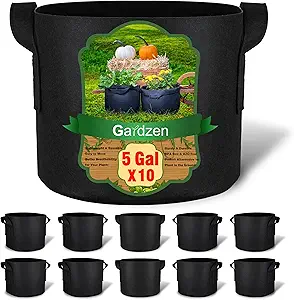 |
| Best Value The sweet spot between price and what you get | FEED GARDEN 10 Gallon Nonwoven Grow Bags, 8-Pack |  |
| Best Budget The cheapest option that still gets the job done reliably | 10 Gallon Potato Grow Bags, 2-Pack PE Fabric Planters with Flap and Handles |  |
| Most Popular A crowd favorite that many people choose with confidence | VIVOSUN 5-Pack 15-Gallon Fabric Grow Bags with Handles |  |
| Best Seller A high-volume bestseller chosen again and again | VIVOSUN 5-Pack 5-Gallon Fabric Grow Bags with Handles |  |
PHYEX 12-Pack 7-Gallon Fabric Grow Bags with Handles and Plant Labels

| Capacity | 7 gallons |
|---|---|
| Unit Count | 12 Count |
| Material Type | Polyester Felt Fabric |
| Other Special Features of the Product | Aeration, Breathable, Drainage Hole, Durable Handles, Foldable |
| Indoor Outdoor Usage | Outdoor |
These PHYEX 7-gallon fabric grow bags are a practical choice for growing bell peppers in containers. Made from 300g polyester felt, the bags are breathable and promote aeration and drainage, which helps prevent root rot and encourages a healthy, fibrous root system that peppers prefer. Each set includes 12 bags and plant labels, making it easy to start multiple plants or stagger plantings across the season. Double-stitched handles let you move loaded pots to follow sun or protect plants from weather. The foldable design keeps storage compact between seasons and the fabric is reusable for several crops. Limitations are that the fabric can dry out faster than rigid pots, so pepper plants will need more frequent watering and monitoring, and the 7-gallon size is adequate for one pepper plant but may restrict very large varieties or long-season heirlooms that benefit from larger volumes of soil. Overall the kit gives a durable, space-efficient option for patio or small-plot pepper production with easy handling and good root health benefits.
Best for: Buyers who want a reliable, space-efficient container system for growing multiple bell pepper plants on a patio or small garden and who value healthy root aeration and easy repositioning.
Less Ideal for: Gardeners who plan to grow very large pepper varieties or prefer low-maintenance containers that hold more moisture without frequent watering.
- Breathable felt fabric improves aeration and drainage to reduce overwatering risks
- Seven-gallon capacity suits a single bell pepper plant in a container
- Durable double-stitched handles make it easy to move plants for light or weather control
- Comes as a 12-pack with reusable plant labels for starting multiple peppers or succession planting
- Foldable and reusable design stores flat between seasons for convenience
- Fabric pots dry out faster than plastic or ceramic so they require more frequent watering
- Seven-gallon volume may be small for very large or long-season pepper varieties
Verdict: A convenient 12-pack of breathable 7-gallon fabric pots that makes growing healthy bell peppers on a patio simple and portable.
Gardzen 10-Pack 5 Gallon Fabric Grow Bags with Heavy-Duty Handles

| Capacity | 5 gallons |
|---|---|
| Included Components | 10 x 5 Gal Grow Bags |
| Material Type | Thick Nonwoven Fabric |
| Other Special Features of the Product | Aeration |
| Indoor Outdoor Usage | Outdoor |
These Gardzen fabric grow bags are a practical multi-season solution for container gardeners who want reliable aeration and easy handling. Made from thick nonwoven fabric, the bags promote air pruning and drainage so roots stay fibrous instead of circling, which helps vegetables and flowers develop healthier root systems. Each bag includes heavy-duty, cross-stitched handles that make filling, moving, and repositioning planted containers straightforward. The set of ten is washable and folds flat for off-season storage, letting you plant multiple crops or rotate containers across beds and patios. Expect good durability for repeated use, though fabric pots will eventually wear faster than rigid planters if left constantly in sun and wet conditions. The 5‑gallon capacity suits tomatoes, peppers, herbs, and potatoes when combined with appropriate staking or support. These bags are primarily functional rather than decorative, so planters you want for display-only or very long-term buried use may need different choices.
Best for: Gardeners who want a practical, space-efficient way to grow multiple vegetables and herbs with healthier root development and easy seasonal storage.
Less Ideal for: People seeking long-term decorative planters or fully permanent in-ground solutions should consider ceramic, plastic, or buried bed alternatives.
- Breathable nonwoven fabric encourages air pruning and prevents root circling.
- Reinforced X-shaped stitching on handles for easier lifting and moving full bags.
- Superior drainage reduces waterlogging risk compared with solid pots.
- Sold as a 10-pack so you can plant multiple crops or replace worn bags economically.
- Fabric will degrade sooner than rigid planters if constantly exposed to sun and moisture.
- Not decorative — plain fabric appearance may need a secondary container for display.
Verdict: Buy this ten-pack if you need durable, breathable 5‑gallon grow bags to grow multiple vegetables and move or store containers easily.
FEED GARDEN 10 Gallon Nonwoven Grow Bags, 8-Pack

| Capacity | 10 gallons |
|---|---|
| Unit Count | 8 Count |
| Material Type | Nonwoven |
| Other Special Features of the Product | Breathable, Drainage Hole, Foldable, UV Resistant, Weather Resistant |
| Indoor Outdoor Usage | Indoor, Outdoor |
These FEED GARDEN 10‑gallon grow bags are a practical container for pepper plants and other mid‑sized vegetables. The 300G thickened nonwoven fabric breathes and drains well, which helps prevent waterlogging and encourages a fibrous root system suited to bell peppers. Reinforced double‑stitched handles make it straightforward to move planted bags for sun or shade, and the foldable design stores flat between seasons or when not in use. The material is described as UV and weather resistant so it should hold up longer than thin, economy bags, though heavy clay soils or very large specimens will still stress any fabric handle over time. These are sold as an eight‑pack, so you can set up a small patch of peppers on a balcony or group several plants on a patio without sourcing separate pots. Expect regular watering and occasional repositioning to maintain even soil moisture and avoid exposing the fabric to abrasive surfaces that could shorten lifespan.
Best for: Gardeners who want a space-efficient, durable container system to grow multiple bell pepper plants on a patio, balcony, or small backyard and who value easy seasonal storage and mobility.
Less Ideal for: Growers who prefer rigid decorative planters, need integrated water collection, or plan to grow very large single specimens that need heavy structural support.
- Breathable 300G nonwoven fabric promotes healthier roots and faster drainage
- Thicker material and UV resistant treatment for better durability than thin grow bags
- Double-stitched handles let you move filled bags without tearing
- Foldable for compact off‑season storage and easy setup
- Sold in an 8‑pack so multiple plants can be established at once
- Fabric still vulnerable to sharp edges or prolonged abrasive contact which can shorten life
- No built‑in saucer or rigid base, so bags need a level, protected surface to avoid wear
Verdict: A durable, space‑saving eight‑pack of breathable 10‑gallon grow bags that makes establishing several healthy bell pepper plants quick and movable.
10 Gallon Potato Grow Bags, 2-Pack PE Fabric Planters with Flap and Handles

| Pack quantity | 2 |
|---|---|
| Capacity | 10 gallon |
| Material | PE fabric |
These 10 gallon PE fabric grow bags come as a two‑pack and are built for small-scale potato growing in containers, patios, or raised beds. Each bag has a removable side flap that lets you check and harvest tubers without digging through the whole container, plus stitched handles for moving filled bags when needed. The lightweight, breathable fabric promotes good drainage and air pruning of roots compared with rigid pots, which helps reduce waterlogging and encourages healthier tuber development. Because they are compact 10‑gallon sizes, they are easy to store and fit on balconies or small garden plots but will hold fewer plants than larger sacks. Expect some wear over multiple seasons if left outdoors constantly and plan to support them on a tray or surface to avoid staining or tearing from rough concrete. For gardeners watching their budget these bags offer a practical, space-saving way to grow potatoes with minimal setup and easy harvest access.
Best for: Practical gardeners on a tight budget who want a low‑effort way to grow potatoes in small spaces like balconies, patios, or compact vegetable beds.
Less Ideal for: Gardeners who need to produce large yields or who prefer permanent heavy‑duty containers for multi‑year use should consider larger or more robust options.
- Removable side flap simplifies inspecting and harvesting tubers without full excavation
- Breathable PE fabric improves drainage and reduces root circling compared with rigid pots
- Two bags in the pack give immediate capacity for multiple plants or staggered crops
- Stitched handles make it easier to move filled bags for repositioning or winter storage
- 10 gallon size limits number and final size of potato plants compared with larger grow bags
- Fabric may degrade over several seasons if left exposed to sun and rough surfaces
Verdict: A budget‑friendly, space‑saving two‑pack of breathable 10‑gallon grow bags that makes potato growing and harvesting simple for small‑space gardeners.
VIVOSUN 5-Pack 15-Gallon Fabric Grow Bags with Handles

| Capacity | 15 gallons |
|---|---|
| Unit Count | 5 Count |
| Material Type | Nonwoven Fabric |
| Indoor Outdoor Usage | Indoor, Outdoor |
| Other Special Features of the Product | Drainage Hole |
These VIVOSUN fabric grow bags are a durable, reusable option for container plants that need good aeration and drainage. Made from 300g nonwoven fabric, the bags breathe to keep roots cooler and oxygenated, which helps develop a fibrous root system and reduces root circling compared with rigid pots. Each pack includes five 15-gallon bags with reinforced serger-stitched handles that make moving filled pots easier. The built-in drainage and porous sides mean you will water more frequently than in impermeable containers, but the payoff is healthier root structure and less risk of overwatering. The material is thick enough for multiple seasons if you handle and store them properly, though repeated heavy use on abrasive surfaces will eventually wear fabric pots. These are well suited for patio or balcony plantings and for growers who prioritize root health and portability; expect to pair them with saucers or trays to protect surfaces from seepage during watering.
Best for: Gardeners who value proven, low-risk container solutions for healthy roots and want durable, easy-to-move pots for patios, balconies, or grow tents.
Less Ideal for: People who need fully waterproof, decorative planters or who prefer low-maintenance containers that require less frequent watering.
- Breathable nonwoven fabric promotes air pruning and healthier root systems
- Reinforced serger-stitched handles make full bags easier to lift and move
- Built-in drainage reduces waterlogging and root rot risk
- Thicker 300g material designed for multi-season reuse
- Porous fabric means more frequent watering and potential surface seepage
- Fabric will eventually abrade or weaken with heavy outdoor use on rough surfaces
Verdict: Choose these VIVOSUN 15‑gallon fabric grow bags when you want durable, breathable containers that improve root health and are easy to move.
VIVOSUN 5-Pack 5-Gallon Fabric Grow Bags with Handles

| Capacity | 5 Gallons |
|---|---|
| Material Type | Nonwoven fabric |
| Included Components | 5 Bags |
| Indoor Outdoor Usage | Indoor, Outdoor |
| Other Special Features of the Product | Drainage Hole |
These VIVOSUN grow bags are basic, reliable fabric planters for small- to medium-sized container crops. Made from 300g nonwoven fabric they breathe and drain well, which helps keep roots cooler and reduces waterlogging compared with plastic pots. The set includes five 5-gallon bags that work for vegetables, herbs, and annual flowers in raised beds, patios, or a grow tent. Notable features are reinforced serged handles that make filled bags easier to move and a built-in drainage hole to prevent standing water. Because the fabric encourages air pruning, you can develop a healthier, fibrous root system and reuse the bags for multiple seasons with reasonable care. Limitations are the modest 5-gallon capacity, which is not suitable for large shrubs or trees, and the fabric will eventually show wear if left constantly exposed to UV and abrasion. Occasional hand-washing and storing them out of direct sun when not in use will extend their life.
Best for: Buyers who prioritize proven, well-reviewed basics and want a reliable set of breathable containers for vegetables, herbs, or patio flowers that are easy to move and reuse.
Less Ideal for: Not a good choice for gardeners who need large containers for trees or permanent decorative pots that must withstand long-term outdoor exposure.
- Breathable nonwoven fabric improves drainage and root aeration
- Reinforced serged handles make moving filled bags practical
- Reusable construction for multiple seasons with proper care
- Built-in drainage hole reduces risk of waterlogging
- 5-gallon size limits use to small- and medium-rooted plants
- Fabric will degrade faster than rigid pots if left in constant sun or abrasive conditions
Verdict: A dependable, well-made 5-pack of breathable grow bags that gives risk-conscious gardeners a proven, easy-to-handle solution for small to medium container plants.
Choosing the Right Planter for Bell Peppers: Key Factors to Consider
Soil Volume and Root Depth
Bell peppers develop a moderately deep root system that needs consistent moisture and space for nutrient uptake. A planter that lists overall capacity is helpful, but pay attention to usable soil volume and effective root depth rather than just top diameter. Shallow wide pots can dry out quickly and limit root development, while deep containers provide better buffering against temperature swings and water stress.
Choosing a planter with at least 5 to 7 gallons of usable soil per plant is a practical rule for most pepper varieties grown in containers. If you plan to grow multiple plants in one container, increase volume proportionally and account for plant spacing so roots do not compete excessively.
Drainage Design and Water Management
Good drainage prevents waterlogging while allowing you to water thoroughly and let the soil drain between sessions. Look for planters with multiple drain holes or a raised channel that keeps roots out of sitting water. Drain hole placement matters: holes near the center can lead to uneven drying, while peripheral or raised drainage helps water escape without pulling all moisture from the root zone.
Consider whether the planter includes a built-in saucer or if you will need one. A removable saucer is helpful for patio growers but should not block drainage during rainy periods. Some containers include overflow or secondary drainage zones to manage heavy rain events, which is useful in outdoor settings.
Material and Weather Resistance
Planter materials influence heat retention, durability, and weight. Thin plastic is lightweight and inexpensive but can break down under strong sun and become brittle in cold. Thick molded plastic and resin blends resist fading and cracking better. Terra cotta breathes well but can dry out fast and may crack in freeze-thaw conditions. Lightweight fiberglass or composite materials provide a middle ground with good durability and moderate thermal behavior.
Think about how the material affects root-zone temperature. Dark, thin materials heat quickly in full sun and can stress peppers. Lighter-colored or insulated planters moderate temperature swings and preserve root health during hot spells.
Stability and Support for Fruit Load
Bell pepper plants can become top-heavy as they set multiple large fruits, especially when grown in a single pot. A planter with a low center of gravity or a wider base reduces tipping risk. Narrow tall pots are more likely to tip in wind or when plants are tied for support.
Also consider whether the planter allows anchoring or staking. Some containers include integrated tie points or a broad rim to attach stakes or cages. If you plan to use tall cages or stakes, choose a stable planter that resists shifting when the plant leans against support.
Ease of Planting, Feeding, and Maintenance
How easy it is to fill, plant, feed, and tend the pepper plants will shape your overall success. Large, heavy planters can be difficult to move once filled, so gardeners should plan placement before adding soil. Removable inner liners, wide planting openings, and accessible drain plugs make repotting and soil refreshes less of a chore.
Consider maintenance features such as clear soil depth markers, included saucers, or built-in reservoirs that simplify watering. Also think about how you will top-dress or amend soil mid-season and whether the planter design allows for that without disturbing roots excessively.
Portability and Placement Flexibility
Where you put the planter affects light exposure, wind exposure, and how convenient it is for watering and harvesting. Portable planters with wheels, handles, or lightweight construction let you follow the sun or move plants indoors for cold snaps. However, extreme portability sometimes sacrifices durability or insulating properties.
If you have limited space, stackable or slim-profile planters can fit narrow balconies, but be sure they still provide the necessary soil volume and stability for pepper production. Evaluate how easy it will be to move the container when full and plan accordingly.
Best Planter Shapes for Bell Peppers
Round and slightly tapered pots are common and work well when they offer sufficient soil volume. Wide, squat containers provide more surface area for root spread and better stability against top-heavy plants. Deep, narrow pots can be used when space is limited, but they must still deliver adequate soil volume.
Rectangular troughs are useful for growing multiple pepper plants in a small footprint. They allow efficient spacing and shared root zones, but require careful watering to avoid dry spots at the edges or waterlogged pockets in the middle.
- Wide, low pots = better stability and consistent moisture
- Deep pots = useful for buffering temperature swings
- Troughs = efficient for multiple plants but need even watering
Soil Mix and Amendments for Container Peppers
A light, well-draining potting mix with good water retention is ideal for bell peppers. Incorporate compost or well-aged organic matter for nutrients and structure, and add a moisture-retaining amendment such as coconut coir or a small amount of peat-free peat alternative to reduce rapid drying in warm weather.
Slow-release fertilizer or regular liquid feeding keeps peppers productive. Because containers have a limited nutrient reservoir, plan on feeding on a schedule through the growing season and top-dressing with compost or balanced granular fertilizer when plants show signs of nutrient depletion.
- Aim for a mix that drains but holds moisture
- Add compost for nutrients and structure
- Feed regularly because containers leach nutrients faster
Watering Techniques and Scheduling
Consistent moisture is critical for bell peppers to set fruit and avoid blossom drop. Water deeply so the entire root zone becomes moist, then allow the top inch or two to dry before the next watering. This pattern encourages roots to explore the soil and prevents chronic saturation.
Adjust frequency based on container size, ambient temperature, and sun exposure. Smaller pots need more frequent checks. Mulching the soil surface reduces evaporation and keeps soil temperatures steadier during hot spells.
- Deep, infrequent watering encourages root growth
- Check soil moisture with a finger or meter rather than fixed schedules
- Mulch container surfaces to reduce evaporation
Support and Pruning Tips for Potted Pepper Plants
Providing cages or stakes keeps branches from breaking under the weight of large fruit and helps maintain good airflow around foliage. Tie branches gently and avoid constricting growth points. For multi-stem varieties, a small cage is often more effective than a single stake.
Pruning is usually minimal for bell peppers. Remove yellowing leaves and thin crowded growth to improve light penetration and reduce disease risk. Light tip pruning can encourage bushier growth but avoid heavy pruning that reduces total fruiting wood.
- Use cages for multi-branch plants to distribute fruit weight
- Remove dead or diseased foliage promptly
- Thin only when growth is excessively crowded
Winter Care and Off-Season Storage for Containers
If you live where temperatures drop below freezing, either move containers to a protected area or empty and store fragile planters to prevent cracking. For durable materials, drain and store them upside down to avoid water pooling inside during freeze-thaw cycles.
Consider repurposing the potting mix after removing spent plants by refreshing with compost and a fungicidal solarization if disease was present. Many container gardeners switch to hearty winter crops or clean the soil and store containers until spring.
- Bring sensitive containers indoors or empty them before freeze
- Refresh potting mix before the next season if disease was present
- Store stacked planters in a dry, sheltered spot
How We Chose the Best Planter for Bell Peppers
We selected containers that perform in real garden conditions rather than just looking good on a label. Our filters prioritized planters that provide appropriate soil volume for bell peppers, reliable drainage options to prevent root rot, and durable materials that handle repeated outdoor exposure. We also considered ergonomic factors such as weight when filled, portability for repositioning to follow sun, and ease of planting and maintenance. Excluded from the list were tiny decorative pots that lack minimum root space, planters without any drainage or with permanently blocked drain holes, and fragile materials that degrade quickly in sun and freeze cycles. Measured criteria included usable soil volume, drain hole design and placement, material durability and UV resistance, stability once loaded, and gardener-facing features such as built-in saucers or carry handles. These same dimensions drive the scoring labels used in our per-product breakdowns.
FAQ
How big should a planter be for a single bell pepper plant?
A single bell pepper generally does well in a planter with about 5 to 7 gallons of usable soil. This volume provides enough root space for steady moisture and nutrient uptake while keeping the container manageable for most patios and balconies.
Can I grow multiple pepper plants in one long trough?
Yes, a long trough can accommodate multiple plants if you increase overall soil volume and space them so roots and foliage do not compete excessively. Make sure the trough drains evenly and water carefully to avoid dry spots at the edges.
Do I need a saucer under my outdoor pepper planter?
A saucer is useful on patios to catch overflow, but it should not prevent drainage during rain. Use a removable saucer or place the pot on a riser so water can escape when needed while protecting the surface beneath the pot.
What material keeps soil temperatures most stable for peppers?
Thicker, insulated containers such as composite or thick resin pots moderate root-zone temperatures better than thin plastic or unglazed terra cotta. Light-colored materials also reduce heat absorption in full sun.
How often should I fertilize peppers in containers?
Containers lose nutrients more quickly than garden soil, so plan on feeding with a balanced liquid fertilizer every 10 to 14 days or using a slow-release formula per label directions. Adjust frequency based on plant vigor and leaf color.
Can I reuse potting mix from last season for peppers?
You can reuse potting mix if it is refreshed with compost and nutrients, but avoid reusing soil that had significant disease or pest issues. Solarize or replace heavily depleted mix and add organic matter to restore structure and fertility.
Final Verdict
Choose a planter that balances usable soil volume, reliable drainage, and stability for loaded fruit. Prioritize containers that let you water deeply without creating standing water and that provide enough root depth to buffer temperature swings and nutrient needs. Consider material and portability based on where you will place the plants and how often you will move them. With attention to these tradeoffs, you can pick a planter that supports healthy plants and a steady bell pepper harvest.
