

Note: This article contains affiliate links. If you click on these links and make a purchase, I may earn a small commission at no extra cost to you. This helps support my research and content. Read my full affiliate disclosure here.
A healthy large peace lily depends as much on its container as on light and watering. The right planter for a large peace lily gives ample root volume, predictable drainage, and enough weight or stability to support tall, heavy foliage so the plant does not tip or suffer root stress. This guide covers five carefully shortlisted planters that suit larger specimens and growing situations where space, moisture control, and durability matter. We evaluated options across practical gardener concerns like root space, drainage, material longevity, and ease of repotting to help you choose the best fit.
Top Picks at a Glance
| Best Overall The best all-around choice for most situations | Vego Garden 15-inch Self-Watering Indoor Planter with Reservoir and Wheels |  |
| Best Quality Built to a higher standard if you want something more solid | Eightpot 12-inch Ceramic Planter with Drainage Hole and Saucer |  |
| Best Value The sweet spot between price and what you get | Meowell 3‑Pack Large Plastic Flower Pots (12/10/9 in) with Drainage Saucers |  |
| Highest Rated A top-rated pick with lots of positive feedback | KUTE NEST 14" Fiberstone Square Planter (Ethereal Mood) |  |
| Most Popular A crowd favorite that many people choose with confidence | homenote 14.5-Inch Plastic Plant Pot with Drainage |  |
Vego Garden 15-inch Self-Watering Indoor Planter with Reservoir and Wheels
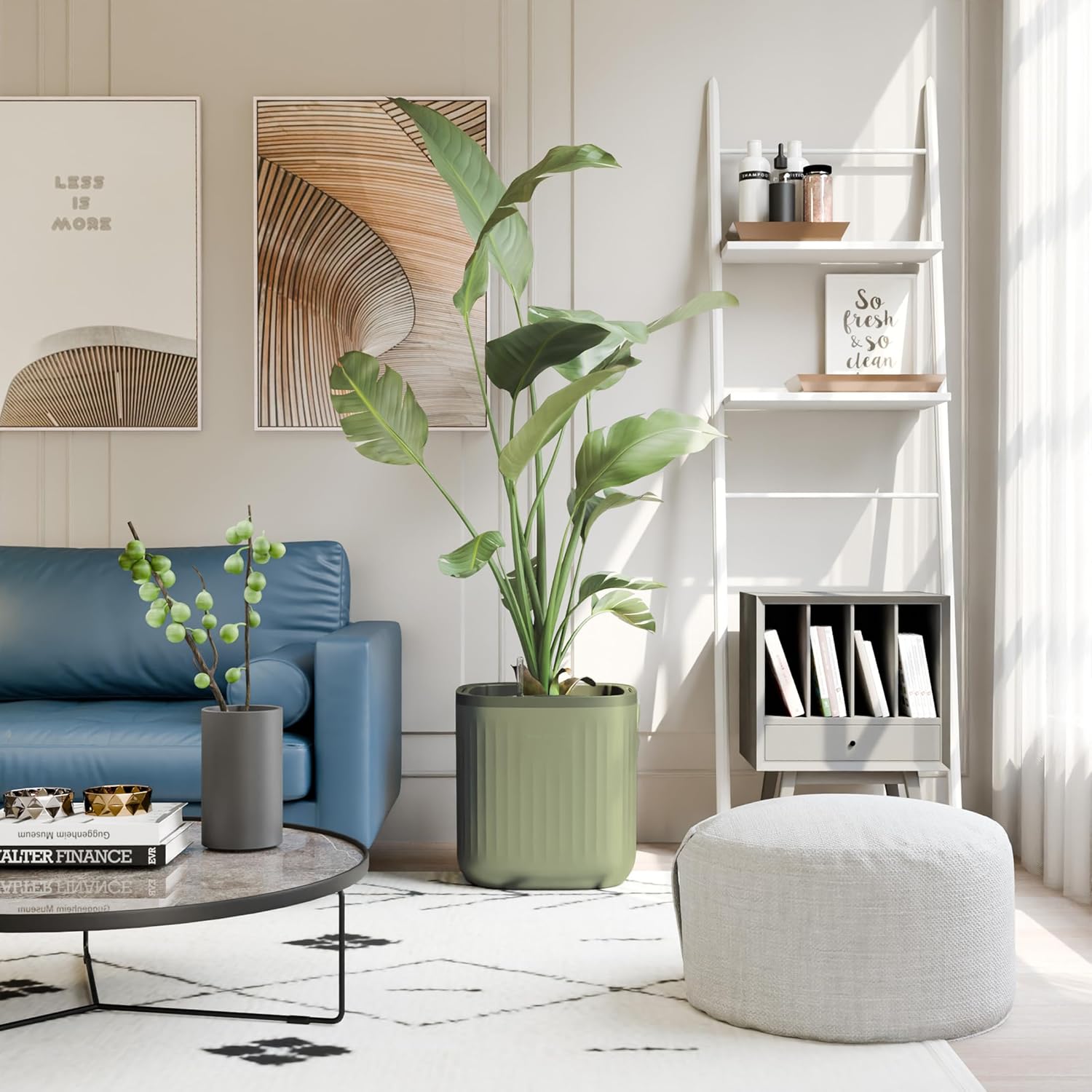
| Capacity | 1 cubic feet |
|---|---|
| Water Capacity | 2.4 Gallons |
| Mounting Type | Floor Standing |
| Indoor Outdoor Usage | Indoor |
This 15-inch Vego Garden planter is built for houseplants that need steady moisture, like Monstera or fiddle leaf figs. It uses a bottom reservoir and wicking system so soil can draw moisture as needed, plus a visible water gauge and an adjustable regulating lever to change stored water volume for different plant needs. The inner pot lifts out for cleaning or repotting and the included wheels make it easy to move the planter to brighter light or away from drafts. For indoor living spaces the planter’s modern, round design is unobtrusive and provides roughly 1 cubic foot of soil capacity, enough for plants around 4 to 7 feet tall. Expect less frequent watering and lower risk of overwatering, though the reservoir adds bulk and requires periodic monitoring of the gauge and occasional emptying to refresh water. If you prefer a completely decorative, shallow pot or need an outdoor-rated container, this indoor-focused self-watering system may not match those specific needs.
Best for: Buyers who want a low-maintenance, reliable planter for larger indoor foliage plants and who prioritize consistent moisture and easy mobility.
Less Ideal for: People seeking a shallow decorative pot, outdoor planters, or those who prefer hands-off, soil-only pots without a reservoir system.
- Self-watering reservoir with wicking system reduces watering frequency
- Water level gauge and regulating lever let you monitor and adjust stored water
- Removable inner pot simplifies cleaning and repotting
- Wheels make it easy to reposition heavy plants indoors
- Designed for indoor use only so not suited to outdoor exposure
- Reservoir increases overall bulk and requires occasional maintenance
Verdict: If you want a dependable, low-maintenance planter that keeps Monsteras and other large houseplants evenly watered and easy to move, this self-watering 15-inch pot is a strong choice.
Eightpot 12-inch Ceramic Planter with Drainage Hole and Saucer
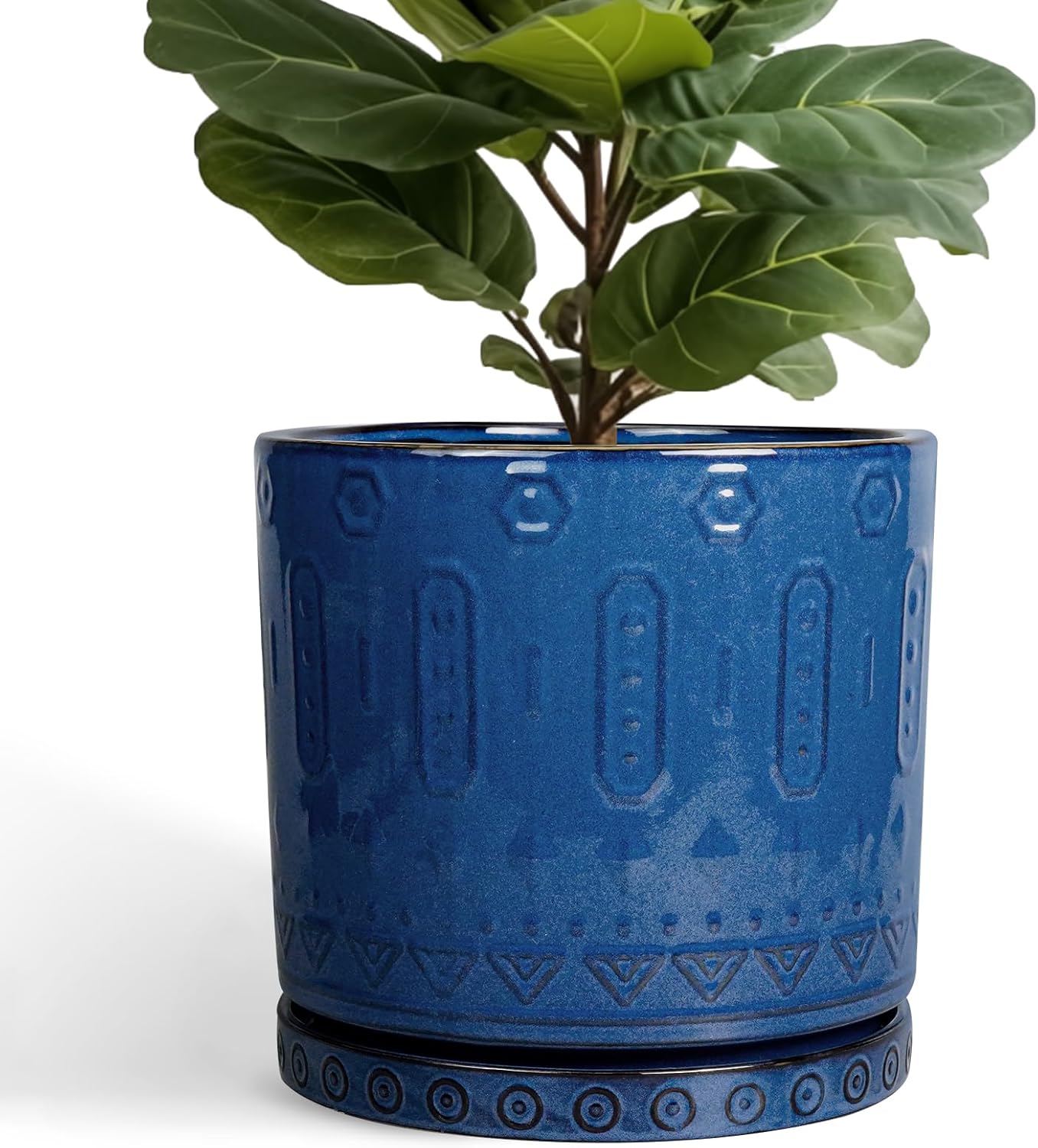
| Material Type | Ceramic |
|---|---|
| Other Special Features of the Product | Drainage Hole, Weather Resistant |
| Indoor Outdoor Usage | Indoor, Outdoor |
| Included Components | Saucer |
| Size | 12 Inch |
This Eightpot 12-inch ceramic planter is a heavy, decorative pot built for larger houseplants like a peace lily. The painted ceramic finish and geometric pattern give it a clean, modern look for living rooms, patios, or offices. In use it functions as a practical container: the built-in drainage hole and included saucer let you water freely without risking root rot or surface staining, and the weather-resistant ceramic means it can stay on a covered porch. Because it is substantial and solid, it stays stable for top-heavy plants and holds enough potting mix to support a mature peace lily’s root ball. The main compromises are the weight and fragility common to ceramic: it is awkward to move when filled and can chip or crack if dropped or frozen outdoors. For growers who prioritize a visually finished, low-maintenance container that supports healthy watering practices, this planter performs well.
Best for: Buyers who want a decorative, stable planter that encourages correct watering and supports a larger houseplant like a peace lily without needing constant oversight.
Less Ideal for: People who need frequent mobility for plants, gardeners who want lightweight or unbreakable containers, or those placing pots in fully exposed freezing outdoor locations.
- Built-in drainage hole and included saucer protect roots and surfaces when watering
- Sturdy, heavy ceramic provides stability for larger, top-heavy plants
- Painted geometric finish adds decorative appeal for indoor or covered outdoor spots
- Weather-resistant construction suitable for patios and sheltered outdoor use
- Heavy when filled, making repositioning difficult
- Ceramic can chip or crack if dropped or exposed to hard freezes
Verdict: A heavy, attractive ceramic planter that gives large indoor plants like a peace lily stable support and reliable drainage.
Meowell 3‑Pack Large Plastic Flower Pots (12/10/9 in) with Drainage Saucers

| Material Type | Plastic |
|---|---|
| Set Quantity | 3 pieces |
| Sizes | 12+10+9 Inch |
| Special Features | Drainage Hole, Lightweight, Water Ripples Texture |
| Indoor Outdoor Usage | Indoor, Outdoor |
These Meowell planters are a practical set for planting large houseplants like a peace lily. The trio comes in 12, 10, and 9‑inch diameters and is made from reinforced plastic with a matte ripple texture that resists fading and keeps the pots lightweight for easy repositioning. Each pot includes a drainage hole and a matching saucer so you can water freely without damaging furniture or floors. In use they work well for potted peace lilies because the wider pots give room for root spread and the saucer helps control runoff. The plastic construction makes them weather resistant and less likely to crack than ceramic, but they do not provide the insulation of heavier clay or ceramic pots so soil can dry faster in hot, sunny spots. The aesthetic ripple finish is modern and hides dirt better than smooth plastic, but the pots are not self‑watering, so you will still need a consistent watering routine.
Best for: Plant owners who want a practical, easy‑care set of large pots for indoor peace lilies and other broad‑leaf houseplants and who prioritize light weight and durability over heavy decorative materials.
Less Ideal for: Gardeners who prefer natural clay or decorative ceramic for thermal mass and premium presentation or those who need built‑in self‑watering planters.
- Includes three useful sizes (12, 10, 9 in) for potting and repotting a peace lily at different growth stages
- Built‑in drainage holes plus matching saucers allow thorough watering without mess
- Lightweight, UV‑resistant plastic is easy to move and less prone to cracking outdoors
- Textured matte ripple finish hides soil marks and adds a modern look
- Plastic walls offer less thermal insulation than terracotta so soil can dry faster in hot conditions
- Not a self‑watering system so requires regular monitoring of soil moisture
Verdict: A durable, lightweight three‑pot set that gives peace lilies ample root space and hassle‑free drainage for practical indoor or patio planting.
KUTE NEST 14" Fiberstone Square Planter (Ethereal Mood)

| Indoor Outdoor Usage | Indoor, Outdoor |
|---|---|
| Other Special Features of the Product | Lightweight, UV Resistant, Weather Resistant |
| Mounting Type | Floor Standing |
| Included Components | Coco Pellet |
This 14-inch fiberstone cube planter is designed to look like natural stone while staying much lighter and easier to move. It is made from a fiberglass and crushed stone composite with a weather- and UV-resistant automotive-style coating, so it resists fading and surface wear for season-to-season use. The planter ships with two coco fiber mats and a pre-drilled drainage hole plus a removable rubber plug, which makes switching between outdoor potted planting and indoor cachepot use straightforward and tidy. Practical details such as the included coco pellets and the frost-proof rating mean you can leave common houseplants like peace lilies and monsteras outdoors in mild winters or keep them inside without worrying about waterlogging. Expect the clean, smooth finish to elevate modern patios, entries, or living rooms, but note that while the material mimics stone it is a composite rather than solid concrete so it will not have the same heft or impact resistance as true stone.
Best for: Buyers who prioritize a durable, low-maintenance planter that can be left outdoors and still look good over time, especially those who want a tidy solution for common houseplants like peace lilies.
Less Ideal for: People who want the solid heft and extreme impact resistance of real concrete or natural stone planters should consider heavier alternatives.
- Weather-resistant, UV-stable automotive-grade coating that resists fading and staining
- Pre-drilled drainage hole with removable rubber plug for easy indoor or outdoor use
- Lightweight fiberstone composite gives stone look without heavy weight
- Includes coco fiber mats to improve drainage and reduce soil compaction
- Composite construction is less impact-resistant and not as heavy as real stone
Verdict: A weatherproof, lightweight fiberstone planter that keeps peace lilies healthy with built-in drainage and easy indoor or outdoor use.
homenote 14.5-Inch Plastic Plant Pot with Drainage

| Material Type | Plastic |
|---|---|
| Other Special Features of the Product | Drainage Hole |
| Mounting Type | Floor Standing |
| Indoor Outdoor Usage | Indoor |
| Size | 14.5" top opening, 9" base width, 14.5" height |
This 14.5-inch homenote planter is a straightforward, roomy plastic pot intended for larger houseplants like peace lilies. It provides a wide top opening and deep profile so roots can spread, and the molded drainage hole plus removable rubber plug makes it easy to switch between self-contained indoor use and freer draining on a porch. The thickened plastic construction resists warping and cracking, so the pot stays stable under a full, moist rootball and is less likely to tip with top-heavy foliage. Its contemporary round shape and solid finish blend with most interiors. Limitations are typical of plastic planters: it does not breathe like terracotta, so you must monitor moisture more closely to avoid waterlogging when the plug is in place, and it offers less insulation for roots in very hot or cold locations. The unit ships as a single pot and includes a plug for the drainage hole, so you can use a saucer or tray if you prefer to keep the planter indoors without unplugging.
Best for: Buyers who want a low-maintenance, durable planter for a larger indoor plant and who prioritize ease of use and visible social proof when choosing a reliable, no-fuss container.
Less Ideal for: Growers who prefer porous materials for maximum root aeration or who need heavy, decorative ceramic planters for a formal interior design scheme.
- Large 14.5-inch top opening and deep profile accommodates root growth for big houseplants
- Built-in drainage hole with removable rubber plug lets you control moisture for indoor or outdoor use
- Thickened plastic construction resists warping and reduces tipping with heavy plants
- Plastic does not provide the natural breathability or temperature buffering of clay or ceramic pots
Verdict: A roomy, durable plastic planter with a removable drainage plug that makes caring for large peace lilies simple and flexible.
Choosing the Right Planter for Large Peace Lily: Key Factors to Consider
Usable Root Volume
Large peace lilies need pots that provide real root room, not just extra surface width. Measure the actual internal volume and usable depth rather than relying on external dimensions. A planter that looks spacious but has a narrow taper or thick walls can restrict roots and lead to faster drying and more frequent repotting.
Sufficient root volume lets you use a looser potting mix that retains moisture without becoming waterlogged. It also reduces the frequency of root-bound stress, which shows up as smaller leaves or diminished flowering. When shopping, picture the mature root ball and opt for a container that gives a few inches of clearance on all sides.
Drainage and Water Management
Peace lilies tolerate evenly moist soil but dislike standing water. Reliable drainage is essential to prevent root rot while still allowing the potting mix to hold some moisture between waterings. Look for planters with drainage holes, or designs that include a well-sized saucer or reservoir system that keeps excess water away from the roots.
Good drainage design can include multiple well-placed holes, a removable inner liner, or a constructed reservoir that allows you to water thoroughly and then let excess escape. Consider how easy it is to flush salts or repotting media through the drainage path if you fertilize regularly.
Material and Thermal Behavior
The material of the planter affects weight, heat transfer, and how the pot interacts with moisture. Terracotta breathes and can help prevent overwatering by wicking moisture, but it dries faster and can crack in temperature swings. Plastic holds moisture and is lightweight, making it easier to move but potentially less stable in tall plants. Glazed ceramic looks attractive and retains moisture longer, though heavy glazed pots may be hard to lift when repotting.
Think about the growing location when judging material: indoor spots with stable temperatures benefit from moisture-retentive materials, while sunny patios may favor breathable options. Also consider how frost, humidity, or direct sun will affect the chosen material over time.
Stability and Weight Distribution
Large peace lilies can become top-heavy as leaves grow long and arch. A narrow, lightweight planter increases tipping risk, which can damage stems and roots. Choose pots with a low center of gravity or heavier materials at the base to keep the plant upright. Wide bases and flared rims add stability without sacrificing root volume.
If you need mobility, look for planters that balance weight with handles or that fit rolling plant caddies. Avoid very tall, skinny pots unless they include a heavy base or can be anchored to prevent tipping in busy households or breezy patios.
Ease of Repotting and Maintenance
Repotting a large peace lily is a hands-on task once the root ball grows heavy. Planters that allow quick access-such as those with removable liners, split designs, or wide mouths-make repotting and root inspection easier. Smooth inner walls can help slide the root ball out with minimal damage.
Also consider how easily you can change the potting mix, replace or clean saucers, and flush the soil when salts build up from fertilizer. Features that simplify these chores save time and keep the plant healthier over the long term.
Aesthetics and Placement Practicalities
While functionality is paramount, the planter should also suit your space visually and practically. Choose finishes and shapes that fit your décor and allow the plant to sit comfortably in its intended spot. A very wide pot may limit placement options or crowd other furniture, while a compact but deep container may work better in narrow corners.
Consider whether you will keep the planter indoors or move it outdoors seasonally. Color, glaze, and texture will influence how well the pot blends with room finishes and how it ages with exposure to sunlight or moisture.
Sizing a Planter for Mature Peace Lily Specimens
When sizing a planter, target a container that gives at least 2 to 4 inches of clearance around the mature root ball. That margin supports steady growth and reduces the need for frequent repotting. Depth matters too because peace lily roots like some vertical room to explore.
If you are unsure of the current root spread, gently lift the plant from its existing pot to estimate the root ball diameter. Match that diameter to the usable internal diameter of the new planter rather than the external measurement.
- Measure internal diameter and depth where possible
- Allow extra room for fresh potting mix and root expansion
- Prioritize width for lateral root systems common to peace lilies
Indoor Placement and Drainage Solutions
Indoor settings require a plan for drainage that protects floors and furniture. Use saucers that fit the planter snugly or choose self-watering designs with overflow protections. If you use an inner liner planter, ensure you can monitor moisture and empty accumulated water when needed.
Elevating pots on plant stands improves air circulation and makes it easier to check for leaks. In rooms with hardwood or delicate flooring, a waterproof tray beneath the saucer adds a second line of defense.
- Match saucer size to the planter base
- Consider plant stands that raise the pot for airflow and cleaning
- Avoid decorative liners that conceal drainage holes unless modified
Potting Mix and Soil Depth Recommendations
Choose a light, well-draining potting mix that retains some moisture without becoming compacted. A blend with peat-free compost, coco coir, and perlite or coarse horticultural sand works well for larger peace lilies. The right mix affects how often you must water and how roots breathe.
Provide enough soil depth so the root crown sits a little below the rim, allowing for a fresh top layer and space to water. Avoid burying the crown deeply, which can encourage crown rot.
- Use airy mixes with good drainage
- Keep crown position slightly below rim level
- Refresh the top few inches of mix annually or when signs of nutrient depletion appear
Moving and Securing Heavy Planters
Heavy planters add stability but complicate movement. If you need to move a large peace lily for light or cleaning, consider a discreet rolling plant caddy or a planter with integrated handles. Use padding when sliding pots to protect floors.
For outdoor placement in windy areas, anchor planters with weight at the base or place them against walls and corners to reduce tipping risk.
- Use plant caddies for occasional moves
- Place heavy pots on nonabrasive pads to prevent floor damage
- Anchor or position pots in sheltered spots on exposed patios
Seasonal Care and Pot Management
Large peace lilies often need different care across seasons. In cooler months reduce watering and monitor soil moisture more closely, especially if the planter material retains warmth. In growing seasons you may need to water more frequently and check drainage more often.
Inspect root systems during spring repotting windows to determine if the plant needs more space, fresh soil, or root pruning. Managing the planter proactively keeps leaves lush and reduces stress.
- Adjust watering frequency by season
- Inspect roots annually for repotting needs
- Clean saucers and trays to prevent salt buildup
How We Chose the Best Planter for Large Peace Lily
We selected planters that meet the practical needs of larger peace lilies in everyday home and patio settings. Our filters focused on dimensions and usable root volume to ensure pots provide adequate space for established root balls and future growth. Drainage design was a key criterion: we prioritized planters with clear drainage paths or reliable insert systems that help prevent waterlogged soil and root rot. Material durability and moisture behavior were evaluated so options that resist cracking, excessive evaporation, or rapid heat transfer scored higher. Ease of repotting and maintenance also mattered, including how simple it is to remove the plant, access the root ball, and refresh potting mix. Finally, stability and weight distribution were considered so a tall foliage canopy is less likely to tip the container. We excluded very small pots, novelty containers without functional drainage, and items unsuited to container gardening for larger houseplants. We did not consider decorative-only pieces that require substantial modification to meet drainage and root volume needs. The resulting list emphasizes functional, gardener-friendly planters that balance room for roots, moisture control, durability, and handling.
FAQ
How large should a planter be for a full-size peace lily?
Aim for a pot that is 2 to 4 inches wider than the plant's current root ball. That extra room supports growth without leaving the soil so large that it stays constantly soggy.
Can I use a decorative pot without drainage for a large peace lily?
You can, but only if you use a properly fitted inner pot with drainage or modify the decorative piece with a reliable drainage method. Without drainage, the risk of root rot increases, especially for larger specimens.
Is a heavy clay pot better than plastic for stability?
Heavier pots are generally more stable for tall foliage, but material choice depends on your location. Clay provides weight and breathability but dries faster and can crack outdoors in freeze-thaw conditions. Plastic retains moisture and is easier to move but may need a wider base for stability.
How deep should the soil be relative to the peace lily crown?
Set the crown slightly below the rim so the top roots are covered but the crown is not buried. This position allows for watering space and reduces the chance of crown rot while giving roots enough depth to spread.
What potting mix works best for a large peace lily?
A light, well-draining mix that holds some moisture is best. Combine a quality indoor potting mix with ingredients like coco coir or peat-free compost and perlite to improve aeration and water retention balance.
Final Verdict
When choosing a planter for a large peace lily, prioritize usable root volume and dependable drainage first. Material and stability come next, since weight and thermal behavior influence both tipping risk and moisture cycles. Balance ease of repotting and maintenance with the aesthetic and placement needs of your space. Focus on containers that offer a few extra inches of root room, a clear drainage strategy, and a shape that resists tipping. Those tradeoffs will keep foliage full and reduce repotting stress, helping you enjoy a thriving large peace lily for years.
