

Note: This article contains affiliate links. If you click on these links and make a purchase, I may earn a small commission at no extra cost to you. This helps support my research and content. Read my full affiliate disclosure here.
Growing watermelon in a container changes the rules of planting. You still need lots of root volume, steady moisture control, and a planter that can stand up to heavy vines and fruit. The right planter for watermelon keeps soil evenly moist without waterlogging, gives roots room to expand, and helps you manage plant weight and support. This guide shortlists six top planters for watermelon suited to a range of patios, balconies, and small yards. We focused on the attributes that matter in a real garden: container volume, drainage, durability, weight when filled, and compatibility with vine support. Read on to see the evaluation criteria used and practical tips to match a planter to your growing space.
Top Picks at a Glance
| Best Overall The best all-around choice for most situations | GADI 67-Inch Galvanized Raised Garden Bed |  |
| Best Quality Built to a higher standard if you want something more solid | Rakukiri 5 ft Galvanized Raised Garden Bed Planter Box |  |
| Best Budget The cheapest option that still gets the job done reliably | ZtohPyo 15 Gallon Fabric Grow Bag Planter (1-pack) |  |
| Highest Rated A top-rated pick with lots of positive feedback | Vego Garden 17" Tall Modular Metal Raised Garden Bed Kit (8ft x 2ft) |  |
| Most Popular A crowd favorite that many people choose with confidence | VIVOSUN 5-Pack 15-Gallon Fabric Grow Bags with Handles |  |
| Best Seller A high-volume bestseller chosen again and again | Land Guard Galvanized Oval Raised Garden Bed Kit (4×2×1 ft) |  |
GADI 67-Inch Galvanized Raised Garden Bed
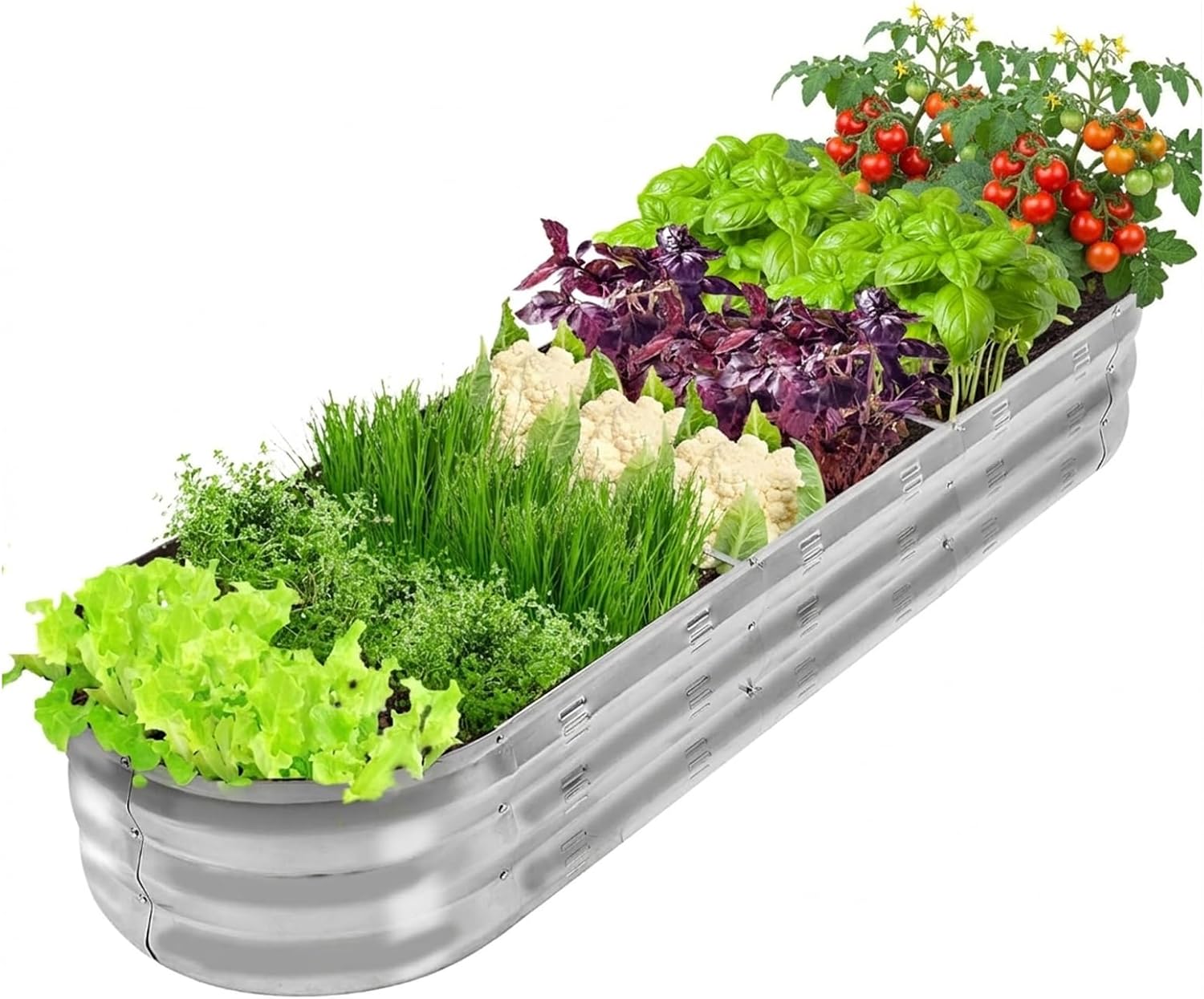
| Capacity | 7 cubic feet |
|---|---|
| Material Type | Metal |
| Finish Types | Powder Coated |
| Other Special Features | Breathable, Drainage Hole, Rust Resistant, UV Resistant, Weather Resistant |
| Mounting Type | Floor Standing |
This GADI 67-inch galvanized raised garden bed is a straightforward metal planter built for outdoor vegetable and flower gardening. It assembles quickly with the included hardware and tools into a sturdy, floor-standing bed that uses a wave-shaped metal design for added rigidity. The galvanized steel with powder-coated finish and two layers of anti-corrosion paint give it rust resistance and UV/weather protection, while the open-bottom and drainage hole design prevent waterlogging and let roots access native soil. Side vents improve airflow to roots and help prevent excess moisture buildup. At roughly 7 cubic feet capacity it suits shallow-root vegetables, herbs, and annual flowers planted in patio or backyard settings. Expect limited depth for very deep-rooted crops and the metal construction will warm and cool with ambient temperatures, which affects watering needs. If you want a low-maintenance, durable raised bed that is quick to set up and resists corrosion, this is a practical choice for an efficient vegetable plot.
Best for: Gardeners who prioritize durable, low-maintenance solutions and want a quick-to-assemble raised bed for growing vegetables, herbs, and flowers in patios or small yards.
Less Ideal for: Growers planning to cultivate deep-rooted crops like large root vegetables or small fruit trees should consider deeper, soil-retaining alternatives or wooden beds.
- Galvanized steel with powder-coated finish resists rust and weathering
- Open-bottom design and drainage hole prevent water buildup and improve root access to soil
- Wave-shaped metal panels add structural strength for stability
- Includes necessary hardware and tools for quick assembly
- Shallow depth limits suitability for deep-rooted vegetables or large perennials
- Metal walls can heat up or cool quickly, affecting soil temperature and watering frequency
Verdict: A sturdy, weather-resistant galvanized raised bed that makes it easy to set up a productive vegetable patch with minimal upkeep.
Rakukiri 5 ft Galvanized Raised Garden Bed Planter Box

| Capacity | 68 gallons |
|---|---|
| Material Type | Metal |
| Finish Types | Powder Coated |
| Other Special Features of the Product | Rust Resistant, Weather Resistant |
| Indoor Outdoor Usage | Outdoor |
This Rakukiri 5 ft galvanized raised garden bed is a straightforward, durable planter for growing vegetables and herbs. It assembles with simple hardware and butterfly nuts, then sits as an open-bottom oval that lets excess water drain into the soil below while keeping roots from sitting in standing water. The 0.8 mm galvanized sheet and powder-coated finish provide corrosion resistance that suits year-round outdoor use and reduces the need for frequent replacement. With roughly 68 gallons of planting capacity the bed gives enough soil depth for most shallow- to medium-rooted vegetables and herbs. Because it is metal and not insulated, soil in very hot or cold climates will respond faster to ambient temperatures, so you may need to add mulch or insulation for extreme conditions. The open base also means you must place it on stable, reasonably level ground and expect some root growth into the subsoil. For gardeners who want a low-maintenance, long-lasting planting container that maximizes growing area per footprint, this is a practical choice.
Best for: Gardeners who want a sturdy, low-maintenance raised bed to maximize productive vegetable and herb growing area without complex installation.
Less Ideal for: People needing a portable or insulated raised bed for container-only production or those who must prevent any root penetration into underlying soil.
- Thicker 0.8 mm galvanized metal construction for better durability and rust resistance
- Open-bottom design provides natural drainage and improved root access to subsoil
- Powder-coated finish adds weather resistance for outdoor use
- Easy assembly with butterfly nuts and included hardware
- Metal walls offer little thermal insulation so soil temperature can fluctuate in extreme heat or cold
- Open bottom allows roots to grow into underlying soil which may complicate relocation
Verdict: A robust, easy-to-assemble galvanized raised bed that gives practical, long-lasting planting space for vegetable and herb gardeners.
ZtohPyo 15 Gallon Fabric Grow Bag Planter (1-pack)

| Capacity | 15 gallons |
|---|---|
| Material Type | Fabric |
| Plant or Animal Product Type | Vegetable |
| Indoor Outdoor Usage | Outdoor |
This 15‑gallon ZtohPyo fabric grow bag is a simple, budget-friendly container for growing zucchini and other vegetables in limited space. Made from breathable non-woven fabric with reinforced stitching and multiple handles, the bag improves drainage and airflow to reduce root circling and helps keep soil temperatures more stable. Typical use is filling with a quality potting mix, placing on a patio or in a raised bed area, and moving the bag as needed thanks to the built-in handles. The bag is reusable from season to season and folds flat for off‑season storage. Important limitations are its relatively shallow height compared with in-ground beds and the lightweight fabric that offers little insulation against extreme cold without extra protection; heavy winds or pets could shift it if not anchored. For a budget gardener this bag offers an affordable, breathable alternative to plastic pots and permanent beds, but you may need a larger or deeper container for heavy-feeding, large zucchini varieties.
Best for: Gardeners on a tight budget who want an inexpensive, portable container to grow zucchini on a patio, balcony, or small yard and prefer easy seasonal setup and storage.
Less Ideal for: Growers who want a permanent raised bed or need extra-deep containers for very large heirloom zucchini should consider deeper rigid planters or in-ground planting instead.
- Breathable non-woven fabric promotes healthy root aeration and reduces root circling
- Lightweight and foldable for easy storage between seasons
- Reinforced stitching and multiple handles make moving filled bags manageable
- Reusable construction suitable for multiple growing seasons
- Shallow height may limit root volume for very large or heavy-feeding zucchini varieties
- Fabric offers limited insulation in cold climates without additional protection
Verdict: A low-cost, breathable fabric grow bag that makes starting zucchini in small outdoor spaces quick and portable.
Vego Garden 17" Tall Modular Metal Raised Garden Bed Kit (8ft x 2ft)

| Material Type | Metal |
|---|---|
| Finish Types | Powder Coated |
| Capacity | 23 cubic feet |
| Number of Pieces | 20 |
| Indoor Outdoor Usage | Outdoor |
This Vego Garden raised bed kit is a modular metal planter designed for growing vegetables and flowers without bending to ground level. The 9-in-1 system assembles into multiple layouts so you can build an 8ft x 2ft oval bed or reconfigure panels to fit different garden footprints. Constructed from a Zn-Mg-Al coated steel with a powder-coated finish, the kit is marketed for long durability and corrosion resistance and includes rubber edging to cover panel edges for safer handling. At 17 inches deep it gives room for healthy root development and better drainage compared with shallow containers, which makes it suitable for most common vegetables. Installation is straightforward and uses fasteners and preformed panels so no specialized carpentry is required, though assembly of 20 pieces still takes time and two people make alignment easier. The system accepts add-ons such as trellises, covers, and irrigation to expand functionality, but those accessories are sold separately. This is a solid, low-maintenance option if you want a long-lasting, reconfigurable metal raised bed for productive vegetable planting.
Best for: Gardeners who want a durable, reconfigurable raised bed that supports productive vegetable growing and reduces bending while working. It suits practical owners who value long-term weather resistance and modular flexibility over a quick, one-piece planter.
Less Ideal for: People who need a ready-to-plant, lightweight single-piece container or those who prefer untreated wood or plastic planters for aesthetic or budget reasons.
- Modular 9-in-1 design lets you reconfigure layout to fit different garden spaces
- 17" planting depth supports deeper root systems and improved drainage for vegetables
- Powder-coated, Zn-Mg-Al treated steel construction for weather resistance and long life
- Rubber-edged panels reduce sharp edges for safer handling during assembly
- Accessories like trellises, covers, and irrigation are not included and must be purchased separately
- Assembly involves multiple panels and fasteners so it requires time and at least one helper
Verdict: A durable, 17" deep modular metal raised bed that gives serious vegetable growers a reconfigurable, low-maintenance planting system.
VIVOSUN 5-Pack 15-Gallon Fabric Grow Bags with Handles

| Capacity | 15 gallons |
|---|---|
| Unit Count | 5 Count |
| Material Type | Nonwoven Fabric |
| Indoor Outdoor Usage | Indoor, Outdoor |
| Other Special Features of the Product | Drainage Hole |
These VIVOSUN fabric grow bags are a durable, reusable option for container plants that need good aeration and drainage. Made from 300g nonwoven fabric, the bags breathe to keep roots cooler and oxygenated, which helps develop a fibrous root system and reduces root circling compared with rigid pots. Each pack includes five 15-gallon bags with reinforced serger-stitched handles that make moving filled pots easier. The built-in drainage and porous sides mean you will water more frequently than in impermeable containers, but the payoff is healthier root structure and less risk of overwatering. The material is thick enough for multiple seasons if you handle and store them properly, though repeated heavy use on abrasive surfaces will eventually wear fabric pots. These are well suited for patio or balcony plantings and for growers who prioritize root health and portability; expect to pair them with saucers or trays to protect surfaces from seepage during watering.
Best for: Gardeners who value proven, low-risk container solutions for healthy roots and want durable, easy-to-move pots for patios, balconies, or grow tents.
Less Ideal for: People who need fully waterproof, decorative planters or who prefer low-maintenance containers that require less frequent watering.
- Breathable nonwoven fabric promotes air pruning and healthier root systems
- Reinforced serger-stitched handles make full bags easier to lift and move
- Built-in drainage reduces waterlogging and root rot risk
- Thicker 300g material designed for multi-season reuse
- Porous fabric means more frequent watering and potential surface seepage
- Fabric will eventually abrade or weaken with heavy outdoor use on rough surfaces
Verdict: Choose these VIVOSUN 15‑gallon fabric grow bags when you want durable, breathable containers that improve root health and are easy to move.
Land Guard Galvanized Oval Raised Garden Bed Kit (4×2×1 ft)

| Material Type | Metal |
|---|---|
| Finish Types | Double-layer galvanized |
| Capacity | 7.14 cubic feet |
| Mounting Type | Floor Standing |
This Land Guard raised garden bed is a simple, durable option for planting vegetables, herbs, or mixed annuals in a compact outdoor space. The kit arrives as flat panels that assemble into an oval planter about 4 by 2 feet and 1 foot deep, and setup is straightforward so you can fill and plant in minutes. Its double-layer galvanized steel construction and wave-shaped panels are intended to resist corrosion and add rigidity, and the manufacturer states thicker panels at stress points to reduce deformation. An open base design lets excess water drain and helps avoid root rot if placed on soil or lawn. Practical benefits include low maintenance, a tidy planted border that keeps soil contained, and a metal finish that lasts longer than untreated steel. Limitations are the shallow depth for deep-rooted crops and the likelihood the metal will warm quickly in hot sun, which may require more frequent watering or shade management. It is best used as a portable, long-lasting planter for raised-bed style container gardening rather than a full replacement for deeper in-ground beds.
Best for: Gardeners who want a quick-to-assemble, durable raised planter to grow vegetables or herbs in small outdoor spaces and who prioritize evidence of longevity over decorative complexity.
Less Ideal for: Growers who need deep soil for large root crops, or those looking for insulated or fully enclosed beds to control soil temperature and moisture long-term.
- Galvanized double-layer steel resists corrosion for multi-season outdoor use
- Oval, interlocking panel design assembles quickly with included tools
- Open base allows natural drainage to reduce standing water and root rot
- Compact footprint fits small patios, balconies, and tight garden beds
- Only 12 inches deep which limits planting of larger, deep-rooted vegetables or shrubs
- Metal surface can heat up in full sun and increase watering needs
Verdict: A tough, easy-to-assemble galvanized oval raised bed that gives small-space gardeners a durable, low-maintenance container for vegetables and herbs.
Choosing the Right Planter for Watermelon: Key Factors to Consider
Container Volume and Shape
Watermelon plants develop large, aggressive root systems that need substantial soil to support vine growth and fruit development. A container with generous usable soil volume lets roots access more water and nutrients, reducing the need for constant watering and feeding. Depth helps with anchoring the plant and developing a stable root ball, while width matters for lateral root spread and for stabilizing heavy fruit.
Shape influences how roots grow and how stable the planter will be once fruit forms. Deeper, cylindrical planters encourage a strong taproot and are often easier to support, while wide, shallow boxes may require more frequent watering and can be less stable under heavy fruit loads. Consider both the stated volume and the actual usable depth after any internal liners or drainage layers are added.
Drainage and Moisture Retention
Good drainage prevents waterlogged soil and root rot by letting excess water escape while retaining enough moisture for steady growth. Planters with built-in drainage holes or removable plugs make it easier to control water flow. Some designs include dual-wall construction or built-in reservoirs that moderate drying, which can reduce watering frequency.
At the same time, overly free-draining containers will require much more frequent irrigation. Balance is key: choose a planter that drains reliably but can also be amended with moisture-retentive mixes or liners if you expect hot, windy conditions that increase evaporation.
Material Durability and Weather Resistance
Materials determine how long a planter will last outdoors and how it handles sun, cold, and wet conditions. UV-resistant plastics, thick fiberglass, rot-treated wood, and powder-coated metal each have tradeoffs around weight, longevity, and heat transmission. Thin plastics may crack or become brittle under prolonged sun exposure, while untreated wood can rot without proper sealing.
Consider how the material affects root temperature as well. Dark, thin-walled containers can heat quickly in full sun and stress roots, while thicker or insulated materials help buffer temperature swings. Durability also affects whether a planter can be reused over multiple seasons or needs winter storage to prolong life.
Support and Reinforcement Options
Watermelon vines can become heavy as fruit develops, so the planter must allow for adding a support system. Look for containers with attachment points or rims sturdy enough to secure trellising, cages, or stakes. Some planters are compatible with external frames or provide enough edge to lash a small trellis.
If you plan to train vines upward or to cradle fruit in slings, confirm the planter lets you anchor supports without cracking or tipping. Consider whether the design allows installing internal stakes or whether you will need freestanding supports around the container.
Weight and Mobility When Filled
A planter suitable for watermelon will be heavy once filled with soil and water. That weight affects where you can place it and whether you can move it for seasonal sun or storage. Lightweight materials reduce the empty weight but can still become impractical when filled. Rolling bases or dollies can help, but these add another layer of planning around stability and drainage.
Think about the surface that will bear the planter. Balconies and raised decks have load limits, and moving a full container up stairs is usually impractical. Choose a planter and placement plan that account for filled weight and the need to reposition plants during the season.
Soil Mix and Feeding Access
A planter is only as effective as the medium it holds. Watermelons need a well-draining but nutrient-rich mix. The planter should allow easy topping up of compost or slow-release fertilizer and provide access for replacing or amending soil between seasons. Removable liners or wide openings make routine feeding and root inspection easier.
Also consider how easy it will be to flush salts from the soil if using container fertilizers or municipal water. Planters with removable drainage plugs or accessible bottoms make it simpler to leach excess salts and refresh the root zone.
Matching Planter Size to Your Growing Space
Measure available space before choosing a planter. A container that fits your patio might still be too narrow for vine spread or too heavy for a balcony. Account for the footprint of any trellis or support you plan to add and leave room for airflow around plants to reduce disease pressure.
If space is tight, prioritize deeper, narrower planters that maximize soil volume while keeping a smaller surface footprint. For larger patios or yards, wider trough-style planters let vines run horizontally and make it easier to cradle developing fruit on the soil surface.
- Deep round planters concentrate root volume with smaller footprints
- Wide troughs are easier for training vines and placing supports under fruit
- Allow extra clearance for vine growth and harvesting access
Managing Watering and Fertility in Containers
Containers dry faster than garden beds, so establish a watering routine and choose a soil mix with good water-holding capacity. Mulch the top of the soil to reduce surface evaporation and check moisture at root depth rather than at the surface. Consider drip irrigation or soaker hoses on timers for consistent moisture.
Fertilize regularly with balanced nutrients suited to fruiting vines. Slow-release fertilizers can reduce the number of feedings, but periodic liquid feeds during fruit set help maintain vigor. Planters that allow easy top-dressing make it simpler to refresh nutrients without disturbing roots.
- Mulch to reduce evaporation
- Use moisture meters or finger tests at root depth
- Consider drip irrigation for large containers
Protecting Fruit and Supporting Heavy Melons
As melons grow, support and protection prevent bruising and help fruit develop evenly. Use slings made from cloth or mesh to cradle single melons if training vines upward. On the ground, place a flat, breathable pad under fruit to reduce rot and pest damage.
For heavy fruit, ensure the planter and its stand cannot tip. Wide bases and low centers of gravity reduce tipping risk. If using a raised platform, confirm it can handle the static load of a filled planter plus fruit.
- Cradle upward-trained melons in breathable slings
- Pad the soil under ground-level fruit to prevent rot
- Stabilize planters with low centers of gravity or added ballast
Seasonal Care and Overwintering Strategies
In cooler climates, use planters that can be moved to warmer microclimates or sheltered areas to extend the season. Thin-walled containers may be more vulnerable to frost damage; consider insulating or moving them off cold surfaces. Emptying and storing fragile planters over winter can prolong their life.
Plan for end-of-season soil management. Remove spent vines and refresh the planting medium to prevent pests and diseases from carrying over. Compact planters may need complete soil replacement annually to maintain fertility and structure.
- Move containers to warm spots to extend the season
- Insulate thin-walled planters against frost when necessary
- Replace or rejuvenate soil between seasons
Placement for Sun, Wind, and Pollination
Watermelon needs full sun for best fruit set. Place planters where they receive at least six to eight hours of direct sun. Avoid overly windy spots that increase evapotranspiration and can damage vines or flowers.
Good airflow helps reduce disease but extreme wind can desiccate plants and topple planters. Consider nearby pollinator habitat or hand-pollination if pollinator activity is limited on balconies or in dense urban settings.
- Prioritize full sun exposures
- Balance airflow with protection from strong winds
- Encourage pollinators or plan for hand-pollination if needed
How We Chose the Best Planter for Watermelon
We selected planters that meet the specific demands of growing watermelons in containers rather than general-purpose pots. Primary filters included minimum usable soil volume, durable construction that resists UV and rot, and drainage systems that prevent root rot while allowing consistent moisture. We also favored designs that make it possible to anchor or attach vine supports and that keep overall weight manageable for common deck and patio structures. Concrete evaluation criteria were volume per plant, drainage performance, structural durability, ease of moving or positioning, and support compatibility for trellising or anchoring fruit. We excluded very shallow pots, purely decorative containers with inadequate depth, and materials known to degrade rapidly outdoors. We also avoided planters that do not allow adding extra drainage or reinforcing supports when needed. These filters ensured the shortlist contains containers that let gardeners successfully grow watermelon in limited spaces while managing moisture, weight, and vine support needs.
FAQ
How large should a planter be for a single watermelon plant?
A single watermelon plant typically benefits from a planter that provides substantial usable soil volume. While exact sizes vary, aim for a deep container that lets roots expand and holds enough moisture between waterings. Smaller pots increase watering frequency and reduce yield potential.
Can watermelons be trained vertically in containers?
Yes, many gardeners train watermelon vines vertically to save space. Successful vertical training requires a sturdy support system and slings to cradle developing fruit. The planter must allow anchoring for the support and be stable enough to resist tipping as fruit adds weight.
What soil mix works best in a watermelon planter?
Use a light, well-draining but moisture-retentive mix rich in organic matter. A base of high-quality potting soil amended with compost and a moisture-holding amendment like coconut coir or aged compost works well. Ensure the mix drains so roots are not waterlogged.
How often will container-grown watermelons need watering?
Container-grown watermelons usually need more frequent watering than in-ground plants, often daily in hot weather. Frequency depends on container size, material, and weather. Larger volume planters and mulching reduce how often you need to water.
Will my balcony support a filled watermelon planter?
That depends on the structure. Filled planters can be very heavy. Check balcony load limits and the weight of the planter when filled with soil and water. If in doubt, use larger planters placed on ground level or consult a structural assessment for elevated surfaces.
Final Verdict
Choose a planter that balances usable soil volume, reliable drainage, and structural stability. Prioritize containers that let you anchor supports and that manage moisture without constant micromanagement. Expect tradeoffs between weight and convenience: larger, thicker-walled planters last longer and regulate root temperature better but are heavier when filled. Focus on the factors that match your space and season length. For small spaces, deep narrow planters and vertical supports save room. For patios with room to spread, wider troughs make vine management and fruit support easier. Use the evaluation criteria above to pick the planter that best fits your site and growing approach.
