

Note: This article contains affiliate links. If you click on these links and make a purchase, I may earn a small commission at no extra cost to you. This helps support my research and content. Read my full affiliate disclosure here.
If you want to add more growing space without sacrificing patio or balcony floor area, a vertical wall planter is one of the most practical solutions. These planting systems let you stack or hang containers vertically so you can grow herbs, salad greens, trailing flowers, or small vegetables on a narrow wall, fence, or balcony railing. This guide shortlists the top options suited to compact yards and urban balconies and explains the real-world tradeoffs gardeners face. We evaluate each pick for drainage performance, mounting reliability, planting depth, and maintenance ease to help you choose the right wall planter for your space. Read on for the criteria and practical tips to install and care for vertical plantings safely.
Top Picks at a Glance
| Best Overall The best all-around choice for most situations | Ogrmar 36-Pocket Felt Vertical Wall Planter Grow Bag |  |
| Best Value The sweet spot between price and what you get | Generic Self-Watering Wall Mounted Planter Set (4-Pack) |  |
| Best Budget The cheapest option that still gets the job done reliably | MANCHAP 36-Pocket Felt Vertical Hanging Wall Planter |  |
| Highest Rated A top-rated pick with lots of positive feedback | NEATOOM 36-Pocket Self-Watering Wall Planter System with Timer and Rain Sensor | 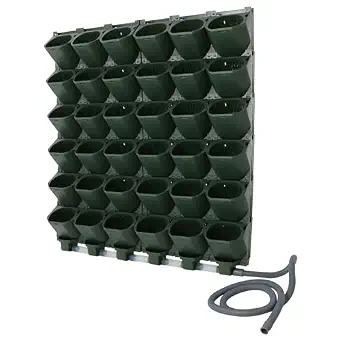 |
| Most Popular A crowd favorite that many people choose with confidence | Mkono Glass Wall Propagation Planters, 4-Pack Hanging Terrarium Vases |  |
| Best Seller A high-volume bestseller chosen again and again | Make Good PlantPod Luxe Self-Watering Wall Planters (Set of 6) |  |
Ogrmar 36-Pocket Felt Vertical Wall Planter Grow Bag

| Material Type | Felt |
|---|---|
| Number of Pieces | 36 |
| Mounting Type | Wall Mount |
| Indoor Outdoor Usage | Indoor |
The Ogrmar 36-pocket vertical wall planter is a felt grow bag that turns a blank wall, fence, or balcony into a dense planting surface. You hang it by the reinforced metal grommets and use the individual pockets for herbs, trailing flowers, strawberries, succulents, or compact leafy greens. The breathable felt holds moisture while allowing excess drainage so roots avoid waterlogging, and the lightweight construction makes it easy to move or reposition. With 36 pockets across a roughly 39 x 39 inch panel you can pack a lot of plants into a small footprint, which is useful for tight patios or apartment balconies. Expect straightforward installation with nails, hooks, or zip ties, but note the felt is not rigid so larger plants need support and pockets will dry faster than deep pots in hot, sunny locations. The unit is best for high-density, shallow-rooted plantings rather than large vegetables or long-term trees.
Best for: Gardeners who want to maximize planting area on a balcony, fence, or small yard and prefer a flexible, easy-to-install system for herbs, flowers, or small edibles.
Less Ideal for: Growers who need deep soil for large vegetables, long-term shrubs, or heavy potted plants should choose traditional pots or deeper planters instead of this shallow pocket system.
- 36 individual planting pockets for high-density vertical planting
- Breathable felt fabric retains moisture while allowing drainage
- Reinforced grommets make hanging on walls, fences, or railings simple
- Lightweight and easy to move or store when not in use
- Felt pockets are not rigid so they offer limited support for large or heavy plants
- Pockets are shallow so plants dry faster and are best for shallow-rooted species
Verdict: Choose this planter when you want a compact, easy-to-hang solution to create a dense vertical garden of herbs and shallow-rooted plants.
Generic Self-Watering Wall Mounted Planter Set (4-Pack)

| Capacity | 8.66 liters |
|---|---|
| Unit Count | 4 |
| Mounting Type | Wall Mount |
| Material Type | plastics |
These stackable, trapezoidal planters are designed to create a vertical display on walls or railings while reducing how often you need to water. Each planter is made from lightweight PP/ABS plastic, includes mounting bolts, and features a self-watering system plus drainage holes for outdoor use. Typical use is mounting several units in a row or column for flowers, herbs, or small ornamentals on a balcony or garden wall; the included hardware makes installation straightforward and the compact footprint preserves outdoor living space. The plastic construction resists sun and rain and keeps the set inexpensive and easy to move when rearranging. Limitations to consider are the modest individual capacity and shallow profile, which constrain root depth and plant size, and the outdoor-only design because of drainage. For buyers prioritizing low-maintenance vertical planting and easy installation, these planters offer a practical, space-saving solution; for larger plants or indoor displays without drainage, look elsewhere.
Best for: Buyers who want a low-maintenance, space-saving way to add flowers or herbs to a balcony or garden wall and prefer quick installation and minimal upkeep.
Less Ideal for: Gardeners seeking deep-rooted vegetables, large shrubs, or indoor planters without drainage should choose a different product.
- Self-watering feature reduces watering frequency and helps maintain consistent moisture.
- Wall-mount design and included bolts save floor space and simplify installation.
- Lightweight plastic construction resists outdoor weather and is easy to reposition.
- Set of four allows building continuous vertical rows for a cohesive look.
- Shallow interior depth limits planting to small herbs, annuals, or shallow-rooted ornamentals.
- Designed for outdoor use only due to drainage holes, so not suitable for indoor displays.
Verdict: A practical, easy-to-install four-pack of self-watering wall planters that saves space and reduces watering for small outdoor plants.
MANCHAP 36-Pocket Felt Vertical Hanging Wall Planter

| Material Type | Felt |
|---|---|
| Mounting Type | Hanging |
| Number of Levels | 1 |
| Number of Pieces | 1 |
| Other Special Features of the Product | Drainage Hole |
This MANCHAP vertical hanging planter is a budget-friendly felt pocket system that turns a wall, fence, or balcony into a compact planting area. It has 36 individual pockets so you can install seedlings, small ornamentals, or lightweight pots across a single panel. The felt material is breathable and promotes soil aeration while the built-in drainage holes help prevent waterlogging. Multiple eyelets along the edge make it easy to secure with nails, hooks, or zip ties and reinforced stitching improves load-bearing where plants concentrate. Expect simple, low-effort setup and easy access for watering and pruning when used for herbs, succulents, or annual flowers. Limitations are the felt construction and single-layer, which are best for small plants or shallow soil rather than heavy ceramic pots or large perennials, and the product is intended for indoor use or sheltered outdoor locations to avoid rapid weather wear.
Best for: Buyers who want an inexpensive way to create a compact vertical garden for herbs, succulents, or annuals in small indoor or sheltered outdoor spaces and prefer low-cost, easy-to-install solutions.
Less Ideal for: Gardeners planning to grow large, heavy, or deep-rooted plants or those needing a frostproof permanent outdoor installation should consider sturdier containers.
- Large 36-pocket layout for many small plants or seedlings
- Breathable felt material that promotes aeration
- Drainage holes to reduce risk of overwatering
- Multiple eyelets for flexible hanging options
- Reinforced sewing increases durability at stress points
- Felt is not as weather-resistant as plastic or metal for long-term outdoor exposure
- Not suitable for heavy pots or deep-rooted plants
Verdict: A very affordable, easy-to-hang 36-pocket felt planter for turning small indoor or sheltered outdoor walls into productive herb and small-plant displays.
NEATOOM 36-Pocket Self-Watering Wall Planter System with Timer and Rain Sensor

| Number of Planting Baskets | 36 |
|---|---|
| Hose Length | 9.84 feet |
| Drainage Pipe Length | 6.56 feet |
| Water-proof Level | IPX6 |
| Power Supply | Battery powered (2 × 1.5V AA, not included) |
This NEATOOM wall planter turns vertical walls into a low-maintenance garden by combining 36 leak-proof soil pockets with a battery-powered timer and rain sensor. Install the rectangular frame on a balcony or exterior wall, hang the included soil bags, connect the 9.84 ft irrigation hose to a threaded faucet, and set watering interval and duration on the LED timer. The adjustable drip heads offer small, medium, or strong flow so you can match water to herbs, flowers, or vegetables, and overflow drains through the included drainage pipe. Built from PP and PE, the system is lightweight but rated to carry up to about 180 lb when mounted properly. Practical benefits include automated irrigation for vacations, water savings from drip and stacked runoff, and an IPX6 rain sensor that pauses cycles in wet weather. Important limitations are the need for a faucet with external threads, batteries for the timer, and prohibition on horizontal or submerged installation, so plan mounting location and winter storage accordingly.
Best for: Buyers who prioritize a dependable, low-touch vertical garden setup for balconies or small outdoor walls and want automated watering that works while they travel or have busy schedules.
Less Ideal for: Gardeners without an accessible threaded water source or those who cannot mount a system to a wall should consider freestanding planters or simpler container setups.
- Complete kit with 36 leak-proof planting pockets plus timer and irrigation hose for quick setup
- Adjustable drip heads let you tailor water output for different plant types
- Rain sensor (IPX6) and programmable timer enable reliable automated watering while away
- Stacked design and drip irrigation reduce water waste and reuse runoff from upper pockets
- Rated to support substantial load so it can hold mature plants when properly mounted
- Requires a faucet with external threads and sufficient water pressure to operate
- Timer is battery powered so you must replace batteries to maintain automation
- Not suitable for horizontal or submerged installation and must be removed or winterized in freezing conditions
Verdict: If you want a reliable, automated vertical garden that saves water and maintains plants while you are away, this all-in-one 36-pocket system delivers.
Mkono Glass Wall Propagation Planters, 4-Pack Hanging Terrarium Vases

| Material Type | Glass |
|---|---|
| Mounting Type | Hanging,Wall Mount |
| Number of Pieces | 4 |
| Indoor Outdoor Usage | Indoor |
These Mkono glass wall planters are small oblate vases meant for propagating cuttings, displaying air plants, or staging tiny hydroponic arrangements indoors. Each set includes four heat-resistant glass containers with single hanging holes and white nail hooks so you can hammer them into drywall and group them as a decorative display. The clear glass makes it easy to monitor root development and water levels, and the compact shape fits narrow walls, shelves, or picture-frame style groupings. Practical benefits include simple installation, easy daily removal for cleaning or water changes, and an attractive minimalist look that suits modern interiors. Important limitations are the delicate glass construction, which requires careful handling and secure mounting, and the small capacity that only supports cuttings or very small plants rather than soil pots or larger specimens. If you need robust outdoor planters or larger planting volume, look elsewhere, but for tidy indoor propagation and decorative displays these are effective and visually pleasing.
Best for: Buyers who want an attractive, low-profile indoor propagation station or decorative wall display and value easy monitoring of cuttings and minimal, modern styling.
Less Ideal for: People who need outdoor planters, larger planting volume, or heavy-duty, impact-resistant containers for high-traffic areas.
- Clear glass makes root growth and water level easy to see.
- Includes nail hooks and cleaning brush for straightforward hanging and maintenance.
- Heat-resistant borosilicate-style glass reduces thermal stress and improves durability compared with ordinary glass.
- Compact oblate shape fits narrow wall spaces and allows creative group arrangements.
- Fragile glass construction needs careful handling and secure mounting to avoid breakage.
- Small capacity limits use to cuttings, air plants, or tiny hydroponic displays rather than potted plants.
Verdict: A stylish, space-saving indoor propagation station that makes watching cuttings root simple and decorative.
Make Good PlantPod Luxe Self-Watering Wall Planters (Set of 6)

| Unit Count | 6 Count |
|---|---|
| Capacity | 0.1 liters |
| Mounting Type | Wall Mount |
| Material Type | Plastic, Resin |
| Indoor Outdoor Usage | Indoor |
The PlantPod Luxe set provides six compact wall-mounted planters that make it simple to build a vertical indoor display without frequent watering. Each planter has a built-in self-watering reservoir so potted plants and small succulents can go several days to weeks between top-ups depending on plant type. The lightweight plastic/resin construction with a matte finish looks clean and modern and is installed with a single small nail per pod, which minimizes wall damage and makes rearranging straightforward. These are best for small plants and decorative groupings rather than large specimens because the capacity is very limited. The included hangers and consistent shape produce a tidy, uniform look across a wall or hallway. Expect to manage watering schedules for higher-drain plants and to limit plant size because the pods are shallow; also plastic construction is durable but not intended to mimic heavy ceramic. For buyers focused on efficient use of indoor wall space, this set delivers an easy-to-install, low-maintenance solution for casual houseplants.
Best for: Buyers who want a space-efficient, low-maintenance way to create a neat indoor vertical garden and prefer easy installation and minimal upkeep.
Less Ideal for: Not a good fit for people who want to grow larger houseplants, vegetable herbs that need deep soil, or those seeking ceramic or heavyweight planters for a premium look.
- Self-watering reservoir reduces how often you need to water plants
- Lightweight plastic construction is easy to mount and move
- Matte finish and uniform shape create a clean, modern vertical display
- Single-nail installation keeps wall damage minimal and simplifies setup
- Very small capacity unsuitable for larger or fast-draining plants
- Shallow depth limits root growth and plant choices
Verdict: An efficient, low-maintenance set for building compact indoor vertical displays with minimal installation and watering effort.
Choosing the Right Vertical Wall Planter: Key Factors to Consider
Mounting Strength and Wall Compatibility
How a vertical wall planter attaches to your wall or fence determines long-term safety and performance. Many planters rely on screws, brackets, or cleats; the anchors you use must match the substrate, whether masonry, siding, wood, or metal. Overloading anchors with wet soil can cause failure, so weight ratings and recommended anchor types matter.
Consider where on the wall you will install the planter. A full-sun south-facing brick wall can handle heavier hardware than thin cladding. If mounting to a balcony railing or a freestanding fence, confirm the planter's hardware supports that attachment method and that wind exposure will not create a sail effect. Proper mounting also affects maintenance access, because a securely fastened system reduces wobble when you reach in to water or harvest.
Drainage and Water Management
Vertical planters need controlled drainage so excess water leaves the pockets without saturating plants below. Designs with individual pocket drainage, internal wicking layers, or integrated reservoirs manage moisture differently. Look for planters that avoid pooling at the bottom of pockets and that direct run-off away from siding or decking.
Watering frequency and method will change with the planter design. Shallow pockets dry faster, so they need more frequent top watering or a drip system. If you're using edibles, avoid designs that cause cross-contamination of runoff between pockets. Good drainage also reduces root rot risk and keeps soil oxygenated, which is essential for healthy roots in compact vertical profiles.
Planting Depth and Pocket Size
Pocket depth and width determine which plants will thrive. Many vertical wall planters are best for shallow-rooted herbs, lettuces, and annual flowers; others provide deeper pockets suitable for baby tomatoes, strawberries, or small perennials. Check the depth relative to the expected root ball of your chosen plants.
Smaller pockets limit soil volume, which affects nutrient retention and watering frequency. If you plan to grow a mix of crops, select a planter with varied pocket sizes or allow space for container swaps. Also consider how pockets hold soil when the planter is vertical; some designs use inserts or liners that stabilize the medium and make replanting easier.
Material, UV Resistance, and Longevity
Outdoor exposure causes materials to fade, become brittle, or rot over time. Fabric planters breathe well but can degrade faster under high UV and may stretch when saturated. Rigid plastic resists rot and is often UV-stabilized, but lower-grade plastic can become brittle. Metal frames offer strength but may corrode without proper coatings.
Select materials that match your climate and exposure. In hot, sunny locations choose UV-resistant finishes. In wet or humid regions favor rot-resistant materials and stainless or coated hardware. The material choice also affects insulation of roots; rigid walls can heat up quickly, while fabric or thicker plastics moderate temperature swings better.
Maintenance Access and Modularity
Vertical plantings require regular attention for watering, pruning, pest checks, and replacements. Systems that allow you to remove pockets or access plants from the front make routine tasks easier. Modularity also means you can replace single pockets or expand the system without disturbing the entire installation.
Consider how easy it is to change soil mixes, add fertilizer, or install drip irrigation. Some planters offer removable liners, which make seasonal changes simpler. If you anticipate swapping crops frequently, favor designs that minimize the need for ladder work or awkward reaches.
Weight and Soil Volume
The total weight of a filled vertical planter affects what walls and railings can support. Soil becomes much heavier when wet, so multiply dry soil weight estimates by at least 1.2 to approximate saturated weight. Lightweight soil mixes and soilless media reduce load but may hold less water and nutrients.
Plan for distribution of weight across multiple anchors rather than a single point. Some systems include integrated reservoirs to reduce the amount of potting mix needed, while others require full pockets of soil. Think through where runoff will go and whether a drip tray or splash guard is necessary to protect surfaces below.
Best Plants for Vertical Wall Planters
Choose plants that match pocket depth and light exposure. Shallow-pocket planters favor herbs, salad greens, alpine strawberries, and trailing annuals. Deeper pockets can host compact dwarf vegetables and small perennials with modest root systems.
Consider plant habits to avoid overcrowding. Trailing plants soften the vertical lines and help shade soil, while upright varieties can block airflow if placed too densely. Mix fast-growing edibles with slower fillers to maintain continuous harvests and a balanced canopy.
- Herbs: basil, parsley, thyme, chives
- Leafy greens: lettuce, arugula, spinach
- Fruits: alpine strawberries, small cherry-type varieties
- Flowers: petunias, lobelia, nasturtiums
Installation Tips for Secure and Level Mounting
Start by marking the wall studs or masonry anchors and pre-drill where needed. Use a level to align the mounting rail or bracket so the pockets hang straight. If mounting multiple panels, measure between anchors to maintain an even planting plane.
Protect your wall with a waterproof barrier or spacer if runoff could contact siding. For masonry, use appropriate sleeve anchors; for wood studs, use lag bolts that match the planter's recommended load. Check the anchors after the first week of watering to ensure nothing has shifted.
- Use a level and temporary supports during installation
- Choose anchor hardware rated for wet soil loads
- Include spacers to allow airflow behind the planter
Watering Strategies and Irrigation Options
Watering frequency depends on pocket volume, sun exposure, and plant type. Shallow pockets will dry quickly in sun and wind. A light daily check during hot spells prevents stress on shallow-rooted crops.
Consider adding a simple drip-line with emitters directed into each pocket for consistent moisture. Some planters work with a top-fill irrigation tube and internal wicking to distribute water. If using hand watering, aim for thorough soak cycles rather than frequent shallow sprinkles to encourage deeper root growth.
- Check moisture at root level, not just the surface
- Use drip irrigation for consistent results and water savings
- Elevate watering frequency in hot, windy microclimates
Seasonal Care and Overwintering
Planter care changes with the seasons. In summer, monitor water and fertility closely because vertical setups have limited soil to buffer nutrient depletion. In cooler months, protect sensitive plants from frost and reduce watering as growth slows.
If your plan applies to perennial herbs or small ornamentals, consider removing or replacing pockets before hard freezes, or move removable pockets indoors. Use mulches or fabric covers to moderate temperature swings for root systems in exposed walls.
- Reduce watering and fertilizing in fall
- Bring removable pockets indoors for tender perennials
- Flush salt buildup occasionally if using tap water
Safety Considerations and Neighbor-Friendly Practices
Securely fastened planters protect both people and property. Consider how runoff will affect neighbors or pathways below and use drip trays or splash guards to minimize nuisance water. Avoid using heavy soil mixes on light-duty railings or thin siding.
Also be mindful of view obstruction and wind loads on taller vertical installations. In shared spaces like apartment balconies, check building rules about attachments and hanging planters before installation.
- Use drip trays to control runoff
- Confirm mounting permission on shared walls or balconies
- Spread weight across multiple anchors to reduce strain
How We Chose the Best Vertical Wall Planter
We focused on features that matter for planting on vertical surfaces and excluded systems intended only for horizontal raised beds or free-standing towers. Key evaluation criteria included mounting strength and hardware compatibility, because secure attachment prevents accidents and protects walls. Drainage and water management was another primary filter, since poor drainage quickly harms roots in a vertical setup. Planting depth and pocket size were evaluated to ensure the planter supports the intended crops, from shallow herbs to deeper-rooted vegetables. Materials and UV resistance were considered to determine durability outdoors and resistance to rot or fading. Finally, maintenance access and modularity were assessed to make routine watering, pruning, and replanting practical in tight spaces. We excluded units that lack clear mounting options or that require custom carpentry to install. We also filtered out designs with insufficient drainage or extremely shallow pockets unsuited to edible or perennial plantings. The remaining selections balance secure installation, water control, appropriate soil depth, and durability for everyday garden use.
FAQ
Will a vertical wall planter damage my siding?
It can if runoff pools against the siding or if anchors are installed incorrectly. Use spacers or a waterproof barrier behind the planter and direct drainage away from vulnerable surfaces. Choose appropriate anchors for your siding material and inspect periodically.
How often do I need to water a vertical wall planter?
Frequency depends on pocket depth, exposure, and plant type. Shallow pockets often need daily checks in hot weather, while deeper pockets may only need watering every few days. Using drip irrigation reduces guesswork and evens moisture levels.
Can I grow vegetables in a vertical wall planter?
Yes. Leafy greens, herbs, strawberries, and some compact vegetable varieties do well. Ensure pockets are deep enough for the root systems and plan for more frequent feeding and watering than with in-ground beds.
How do I keep pests from spreading between pockets?
Regular inspection and quick removal of affected leaves limit spread. Physical barriers, proper spacing, and crop rotation between seasons help. If infestation persists, remove and treat individual pockets rather than disturbing the whole setup.
Are fabric wall planters better than plastic ones?
Each has tradeoffs. Fabric breathes and can reduce root overheating, but may degrade faster in strong sun. Plastic pockets hold shape and resist rot but can retain more heat. Match material choice to your climate and maintenance preferences.
Do I need special soil for a vertical wall planter?
Lightweight potting mixes or mixes with added coco coir and perlite work well because they retain moisture while draining. Avoid heavy garden soil, which adds unnecessary weight and can compact in shallow pockets.
Final Verdict
Choose a vertical wall planter that matches your wall type, plant choices, and maintenance willingness. Prioritize secure mounting and good drainage first, then select pocket depth that fits the crops you want to grow. Expect to water and feed more frequently than with conventional beds, but enjoy the space savings and visual impact vertical planting brings. Focus on the tradeoffs between material longevity and breathability, and pick a modular system if you plan to change crops often. With the right installation and routine care, a vertical wall planter can expand your productive space and add year-round interest to a small garden.
