

Note: This article contains affiliate links. If you click on these links and make a purchase, I may earn a small commission at no extra cost to you. This helps support my research and content. Read my full affiliate disclosure here.
Choosing the right weeding tool changes routine maintenance for any garden. The right tool removes roots reliably, reduces time spent crouched or bending, and helps preserve nearby plants and soil structure. This guide covers six shortlisted weeding tools selected for different gardener needs and situations. We evaluate each by ergonomics, digging and root removal ability, build durability, and how they behave in common garden soils. Read on to match a tool to your beds, borders, containers, or hard-to-reach spots.
Top Picks at a Glance
| Best Quality Built to a higher standard if you want something more solid | Fiskars 39" Deluxe Stand-Up 4-Claw Weed Puller | 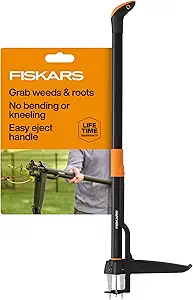 |
| Best Value The sweet spot between price and what you get | WORKPRO 11.5" Dandelion Weeder Puller Tool with Soft Handle |  |
| Best Budget The cheapest option that still gets the job done reliably | Linatikou Stand-Up Dandelion Weeder with Ergonomic Handle |  |
| Highest Rated A top-rated pick with lots of positive feedback | Nisaku Namibagata Hori Hori Stainless Steel Weeding Knife, 7.25" Blade |  |
| Most Popular A crowd favorite that many people choose with confidence | Grampa's Weeder Original Stand-Up Weed Puller with Bamboo Handle |  |
| Best Seller A high-volume bestseller chosen again and again | Grenebo 9-Piece Stainless Steel Gardening Tool Set with Storage Bag | 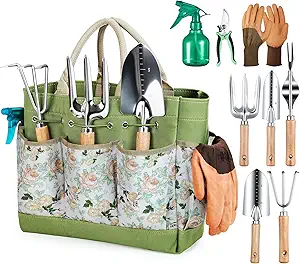 |
Fiskars 39" Deluxe Stand-Up 4-Claw Weed Puller

| Head Material | Stainless Steel |
|---|---|
| Handle Material | Aluminum |
| Grip Material | Thermoplastic Elastomer (TPE) |
| Number of Items | 1 |
The Fiskars 39" Deluxe Stand-Up Weeder is built for fast, permanent removal of dandelions, thistles, and other deep-rooted weeds without kneeling or herbicides. You position the head over the weed, step on the reinforced foot pedal to drive four serrated stainless-steel claws into the soil, pull back to extract the root, then use the easy-eject mechanism to clear the head. The long aluminum shaft and offset handle reduce back and wrist strain for longer sessions, while the viewing window in the pedal helps accurate placement. It performs best in moist or recently watered soil; in hard, compacted, or clay-heavy ground you will need to pre-soften the area for the claws to penetrate fully. The tool is light enough for extended use yet feels sturdy when you step down, and the stainless blades are made to stay sharp through repeated use. If you want a durable, ergonomically designed manual weeder that prioritizes effective root removal and less physical strain, this is a practical choice.
Best for: Buyers who want an efficient, ergonomic hand tool to remove broadleaf and taproot weeds by the root while avoiding bending and repeated chemical treatments.
Less Ideal for: Gardeners who need a tool for cutting large woody roots, heavy-duty excavation, or frequent use in hard, compacted clay without pre-wetting the soil should consider more heavy-duty or powered options.
- Long 39-inch shaft and offset handle reduce bending and wrist strain for extended use
- Four serrated stainless-steel claws grab roots for thorough removal
- Reinforced foot pedal and viewing window enable confident placement and penetration
- Easy-eject mechanism clears pulled weeds quickly for faster repetition
- Requires moist or softened soil to penetrate compacted or clay-heavy ground effectively
- Not suited for very large woody roots or extremely dense turf
Verdict: Choose this weeder if you want a durable, ergonomic stand-up tool that reliably extracts weeds by the root with minimal bending.
WORKPRO 11.5" Dandelion Weeder Puller Tool with Soft Handle

| Head Material | Stainless Steel |
|---|---|
| Handle Material | PP+TPR |
| Item Weight | 7.4 ounces |
This WORKPRO hand weeder is a simple, purpose-built tool for pulling dandelions, thistles, and other taproot weeds from beds, borders, and cracks. The polished stainless steel two-pronged fork slices into soil and grips roots so you can lever them out without excessive twisting. Its soft, non-slip plastic handle improves control and reduces wrist strain for longer sessions, and the hanging hole makes storage easy. Because it is only 11.5 inches long and lightweight, it is convenient for close work around plants and for carrying when tending small plots or container gardens. The stainless construction resists rust and holds up to regular outdoor use, but the short handle means you will be bending or kneeling rather than working upright for extended periods. It is best used on loosened or moist soil where the fork can penetrate and grab roots; very large or deep-rooted plants may need a longer tool or a digging spade. For gardeners who value efficient, durable hand tools for routine spot-weeding, this is a solid, no-frills choice.
Best for: Gardeners who prioritize efficient, durable hand tools for regular spot-weeding in beds, borders, and containers and who prefer a compact tool for close-up work.
Less Ideal for: People who need a tool for long stretches without bending or for removing very large deep-rooted plants should consider a long-handled weed puller or digging tool instead.
- Polished stainless steel fork resists rust and provides strong leverage for root removal
- Two-pronged design penetrates soil and grips taproots for effective dandelion extraction
- Soft, non-slip handle reduces hand and wrist fatigue during repetitive weeding
- Compact and lightweight for precise work in beds, containers, and along sidewalks
- Short 11.5-inch length requires bending or kneeling for most tasks
- Not intended for very large or deeply rooted weeds where a long-handled tool is preferable
Verdict: A durable, compact stainless steel hand weeder that makes fast work of dandelions and other taproots for gardeners who do close-up spot-weeding.
Linatikou Stand-Up Dandelion Weeder with Ergonomic Handle

| Material Type | Plastic, Stainless Steel |
|---|---|
| Blade Material | Stainless Steel |
| Handle Material | Plastic |
| Grip Type | Ergonomic Rubber |
This hand weeder is built to extract deep-rooted weeds by driving a V-shaped two-prong tip into the soil and levering out the root system. It is typically used for dandelions, thistles and weeds in tight spots such as flower beds, between pavers, and lawn patches where precision matters. The polished stainless steel blade resists rust and bending for regular outdoor use while the soft ergonomic rubber grip reduces hand fatigue during longer sessions. Because it is a simple, single-piece tool with a compact footprint it stores easily and doubles as a crack weeder for patios and sidewalks. Important limitations are its manual nature and small size: it is best for isolated weeds and spot-cleaning rather than treating large areas quickly, and it still requires some leverage and effort for very stubborn roots. For gardeners who want a durable, no-frills tool that targets roots cleanly, this tool performs reliably at a low cost.
Best for: Gardeners on a tight budget who need a durable, precise hand tool for spot weeding and cleaning cracks around the yard.
Less Ideal for: Those who need to clear large expanses of turf quickly or who prefer powered or long-handled mechanical solutions.
- Stainless steel fork tip resists rust and holds up to repeated digging
- V-shaped two-prong design extracts entire roots to help prevent regrowth
- Ergonomic rubber grip reduces hand and wrist strain during use
- Compact size works well in tight spaces, cracks, and between plants
- Small, manual tool is slow for large areas and requires physical effort
- Plastic handle may be less durable than full metal or wood alternatives
Verdict: A low-cost, durable hand weeder that reliably pulls deep roots and excels at precise spot removal in lawns and tight spaces.
Nisaku Namibagata Hori Hori Stainless Steel Weeding Knife, 7.25" Blade

| Blade Material | Stainless Steel |
|---|---|
| Handle Material | Wood |
| Blade Edge | Plain, Serrated |
| Special Features | Ergonomic Handle |
| Hand Orientation | Ambidextrous |
The Nisaku Namibagata Hori Hori is a reliable, multipurpose garden knife built around a 7.25-inch stainless steel blade and a comfortable wooden handle. It combines a straight edge and a serrated edge for cutting roots, slicing through compacted soil, and prying weeds, while inch markings on the blade make planting bulbs and seeds to a precise depth straightforward. The blade is described as rust-proof and scratch resistant, and the wooden handle is ergonomically shaped for extended use; a faux leather sheath keeps the blade covered when not in use. Typical use cases are weeding deep taproots, dividing small bulbs, and light chopping or digging in beds and borders. The compact size and ambidextrous handle make it easy to control in tight spaces. The main limitations are that the tool requires hand washing and some users may prefer a synthetic handle for wet conditions, and heavy excavation or larger roots will still need a trowel or hand saw. For gardeners who prioritize a durable, precise hand tool, this hori hori performs dependably season after season.
Best for: Gardeners who value a dependable, versatile hand tool for routine bed work and precise planting, and who prefer a durable, well-finished tool that holds up across seasons.
Less Ideal for: Those who need heavy-duty digging equipment or who want an all-weather synthetic handle that requires less maintenance.
- Dual-edge blade (straight and serrated) handles cutting, digging, and root slicing without switching tools
- Engraved inch markings let you plant bulbs and seeds to consistent depths
- Stainless steel blade marketed as rust- and scratch-resistant for long-term use
- Ergonomic wooden handle provides secure grip for extended tasks and ambidextrous use
- Includes a sheath for safe storage and tidy tool organization
- Wooden handle needs more care in wet conditions compared with synthetic grips
- Not intended for heavy excavation or very large roots where larger tools are required
Verdict: A durable, precision hori hori that reliably handles weeding, planting, and small digging tasks season after season.
Grampa's Weeder Original Stand-Up Weed Puller with Bamboo Handle

| Handle Material | Bamboo |
|---|---|
| Head Material | Alloy Steel |
| Head Size | Small |
| Item Weight | 2.3 pounds |
Grampa's Weeder is a simple lever-style stand-up tool that uses a four-claw steel head and a long bamboo handle to pry weeds and their taproots from the soil while you remain standing. To use it you place the claws over the weed, press the footpad to seat the forks, then lean the handle back so the claws pinch and extract the root. The tool works best in softer, recently watered soil and is designed to remove dandelions, crabgrass and similar taprooted weeds without chemicals or kneeling. Notable features include a lightweight bamboo shaft for comfortable reach, an all‑steel claw head for gripping roots, and a small head profile that fits into tight beds. Practical benefits are reduced strain on knees and back, low maintenance, and a long service life when used as intended. Limits: it is less effective in hard clay or stony ground and the small head means it is slower for very large infestations compared with powered or wider tools. Expect the most reliable results after watering and when working individual weeds rather than broad weed-clearing tasks.
Best for: Buyers who prioritize proven, low-risk tools that protect the back and remove individual taproot weeds without chemicals and who prefer a manual, durable solution backed by long-standing user experience.
Less Ideal for: People who need to clear large infestations quickly or who garden primarily in compacted clay or very rocky soils should consider broader or powered options instead.
- Stand-up design reduces bending and knee strain
- Four-claw alloy steel head grips and extracts taproots
- Long bamboo handle gives good reach with a lightweight feel
- Chemical-free weed removal safe for children, pets, and gardens
- Small head and manual action make it slower for large areas
- Performance drops on hard clay or rocky soil
Verdict: Choose this classic stand-up weeder if you want a proven, low‑effort manual tool that removes taproot weeds while saving your back.
Grenebo 9-Piece Stainless Steel Gardening Tool Set with Storage Bag
| Number of Items | 9 |
|---|---|
| Material Type | Stainless Steel |
| Handle Material | Carbon Steel,Stainless Steel |
| Additional Features | Rust Resistant |
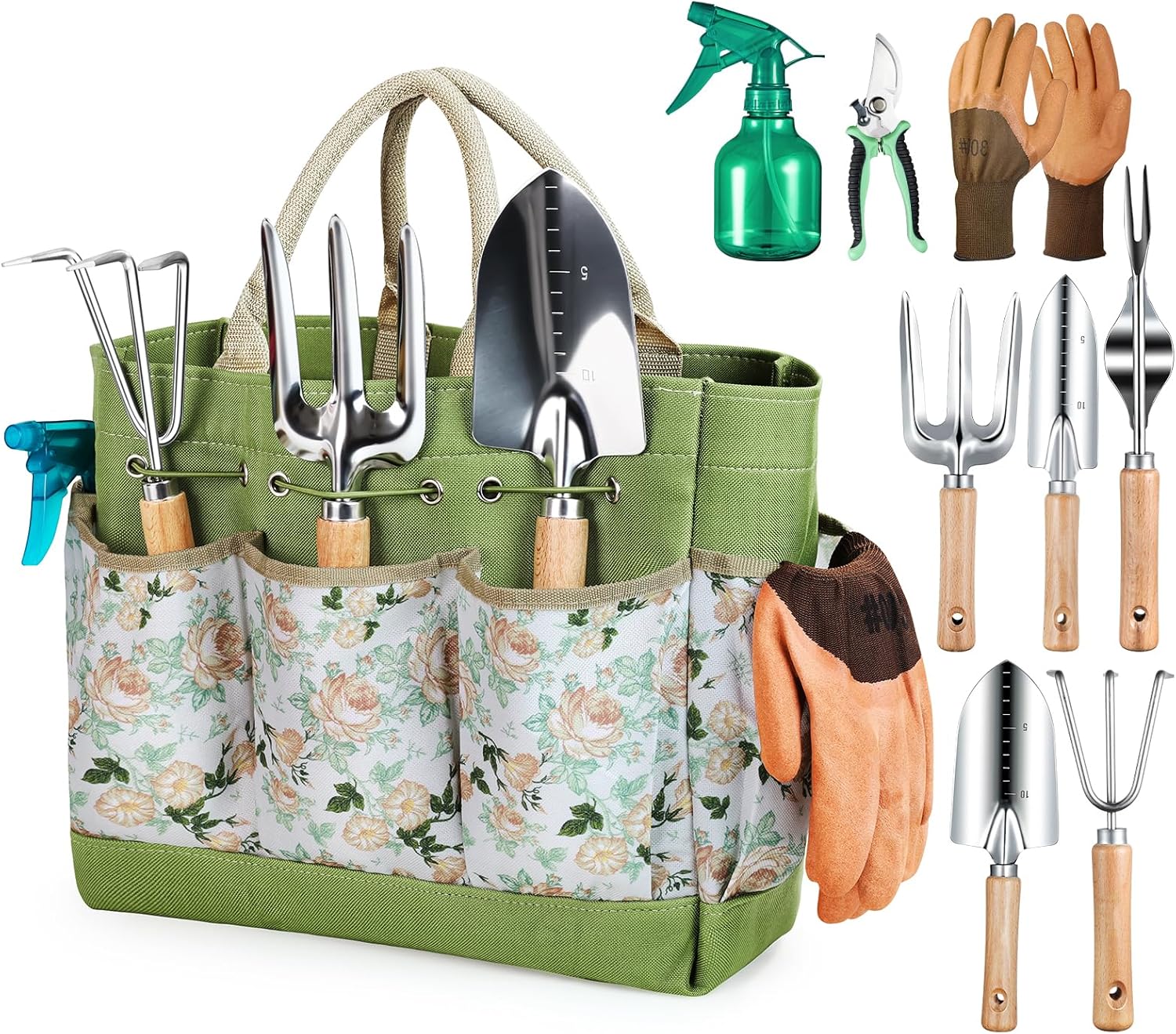
This Grenebo 9-piece set supplies the common hand tools for everyday weeding, transplanting and light pruning. The kit includes a trowel, transplanter, cultivator, weeder, hand rake, pruner, spray bottle, gloves and a floral storage bag, so you can carry the tools to beds and containers and hang them up after use. Tools are made from stainless steel and labeled rust resistant, which makes them suitable for routine outdoor use and easier to maintain than plain carbon steel. Wooden ergonomic handles provide a comfortable grip for extended weeding sessions but are not the same as heavy full-tang professional tools, so they suit frequent home gardeners rather than commercial users. The included tote keeps pieces organized and portable for moving between raised beds and borders. Important limitations are that this is a general-purpose hand set rather than a dedicated, long-handled weeding tool for deep taproots, and the kit does not list heavy-duty handle reinforcements for high-leverage tasks.
Best for: Careful home gardeners who want a complete, easy-to-maintain hand-tool kit for beds, borders and container gardens and who prioritize rust resistance and organized storage.
Less Ideal for: Gardeners who need professional-grade, high-leverage or long-handled weeding tools for compacted soil or deep-rooted weeds should look for specialized single-purpose tools instead.
- Stainless steel construction marketed as rust resistant for easier maintenance
- Comes as a 9-piece set including dedicated weeder and cultivator for common weeding tasks
- Ergonomic wooden handles designed for comfortable grip during extended use
- Floral heavy-duty tote bag keeps tools organized and portable
- Hand tools are general-purpose and not a substitute for a long-handled weeder for deep roots
- Wooden handles are comfortable but not reinforced for heavy leverage tasks
Verdict: A rust-resistant, well-rounded 9-piece hand-tool set that keeps common weeding and planting jobs organized and comfortable for home gardeners.
Choosing the Right Weeding Tool: Key Factors to Consider
Handle Shape and Grip
Handle shape controls how long you can use a tool before fatigue sets in. Contoured grips reduce pressure points on palms and fingers, and thicker handles can be easier to hold when you need extra leverage. A non-slip texture helps when hands are wet with sweat or soil, and soft overmolds can cut down on vibration. Consider whether you prefer a short hand tool for close work or a long-handled variant that lets you stand upright; each reduces strain in different ways.
A well-attached handle also matters. Look for secure joinery between handle and working head to avoid wobble. For long-handled tools, balance and weight distribution affect control around borders and in raised beds.
Tip Shape and Cutting Action
The working tip defines what weeds the tool excels at removing. Narrow forked or saddled tips are designed to slide alongside roots and lift them out with minimal soil disruption. Serrated or sharpened edges help cut through fibrous roots and small taproots when pulling is not enough. Wide blade tips can scour surface weeds and moss but may damage nearby ornamental roots.
Match tip geometry to common weeds in your garden. Deep taproots need a slender, penetrating tip that reaches and hooks roots. Shallow, mat-forming weeds respond better to a blade or hoe that severs at the crown.
Length and Reach
Tool length affects posture and access. Long-handled weeding tools let you stand and use body weight for leverage, which is easier on the back for larger plots or long sessions. Short hand tools give precise control for container plantings, tight borders, and between closely spaced perennials.
Consider storage and handling too. Long tools require more storage space and can be heavier to maneuver, while short tools are compact but demand more bending. Some designs balance reach with a pivoting head or extendable shaft for versatility.
Material and Corrosion Resistance
Soil moisture and acidic conditions accelerate corrosion on metal parts. Hardened steel, stainless finishes, or protective coatings extend life and preserve sharpness. Wooden handles can last for decades if sealed and kept dry but may need occasional sanding and oiling. Synthetic composite handles resist rot and weathering but can crack under extreme impact.
Fastenings and welds are also critical. A weak joint where the head meets the handle is a common failure point, so look for solid construction and components rated for outdoor use.
Leverage and Mechanical Advantage
Some weeding tools use leverage to reduce the effort needed to remove stubborn roots. Forked prongs that act as a fulcrum or step-on features let you use body weight instead of pure arm strength. This is particularly helpful for perennial weeds with deep, woody roots.
Evaluate whether the tool's leverage system is simple to use and does not require awkward body positions. Tools that convert motion into pulling force efficiently will speed the job and reduce repeated strain on the same muscles.
Maintenance and Sharpening
A tool that is easy to clean and sharpen stays effective. Smooth finishes and removable parts simplify removing caked soil and root debris. Hardened edges that accept sharpening will maintain cutting performance; some tool heads can be rehoned with a file or stone.
Routine maintenance includes drying and light oiling of metal parts, checking handle attachments, and storing tools under cover. Consider how much time you are willing to spend on upkeep when selecting a tool.
Best Weeding Tools by Garden Situation
Different gardens present different challenges. For container and patio plantings you need compact tools with precise tips to avoid disturbing adjacent roots. In established borders with perennials, reach and leverage are more important to avoid damaging desirable plants. For larger landscapes or vegetable plots, standing tools that let you work long rows without constant bending reduce accumulated fatigue.
Match the tool geometry and length to the typical planting spacing and soil type in your plot. Compact loamy soils are forgiving of narrow tips, while heavy clay often requires a sturdier blade and greater leverage to pry out roots.
- Containers and tight borders: short, precise tips and good grip
- Perennial beds: tools that remove roots without disturbing neighbors
- Large plots: long-handled tools for standing work and leverage
Using Weeding Tools Without Harming Soil Structure
Overworking the soil when weeding can damage soil structure and harm beneficial organisms. Use a tool that targets the root zone precisely and avoids turning entire slices of soil. Lift roots with a gentle levering motion rather than prying large chunks out.
When soil is very wet, it is easier to lift weeds but doing so can compact and smear soil. Aim to work when soil is moist but not saturated, and follow with light fork aeration in compacted patches rather than aggressive digging.
- Prefer precise extraction over wholesale digging
- Work in moisture conditions that minimize compaction
- Repair disturbed areas with light raking and mulch
Maintaining Tool Edges and Joints
Keep metal edges clean and periodically hone them with a flat file or sharpening stone to maintain penetration. Remove rust with a wire brush and apply a light coat of oil to slow future corrosion. Tighten bolts and inspect welds after heavy use to prevent failures in the garden.
If a wooden handle shows wear, sand and apply boiled linseed oil or a similar finish to extend life. For composite handles, check for cracks after winter storage and replace any that show structural compromise.
- Hone edges for easier penetration in compacted soils
- Oil metal parts after cleaning to prevent rust
- Inspect handle attachments seasonally
Safe Weeding Techniques
Adopt ergonomically sound postures: keep your back straight when possible, bend at the hips, and use leg and core muscles when applying force. For long sessions, alternate tasks so you are not repeating the same motion for extended periods. Use gloves that balance protection with tactile feel so you can handle small roots and debris without losing grip.
Be mindful near desired plants. Work from the outer edge of a bed toward the plant bases to avoid inadvertently cutting roots. Use shallow, angled motions when working close to crowns to prevent damage.
- Stand or kneel on a pad to reduce joint stress
- Use body weight instead of arm strength where possible
- Work from edges inward around ornamentals
Adapting Tools to Seasonal Needs
Season affects both weed types and soil conditions. Spring brings tender seedlings best removed with a light hoe or blade. Summer weeds often have deeper roots and may require a sturdy forked tool. In fall and winter, persistent perennials can be pried out when soil remains workable, and some tools double as transplanting aids when prepping beds.
Consider storing a secondary, lighter tool for touch-ups between major sessions so you do not overuse a heavy implement on small tasks.
- Spring: light tools for seedlings
- Summer: sturdy tips for deeper roots
- Fall: leverage tools for perennial removal
How We Chose the Best Weeding Tool
We focused on real-garden performance and durability when compiling this list of six weeding tools. Key evaluation criteria included ergonomic design and handle comfort to judge how the tool affects wrist and back strain during repeated use. We assessed digging and root removal capability with attention to tip shape, penetrating power, and how cleanly the tool extracts taproots and fibrous roots without breaking them. Durability and corrosion resistance were emphasized because tools face moist soil, repeated leverage, and impact; materials and finish matter for lifespan. Maneuverability and reach were considered for work in beds, between tight plantings, and along edges. Finally, maintenance and ease of sharpening or servicing were included so gardeners understand long-term care needs. We excluded tools that are purely multipurpose implements where weeding is a minor function, and items with materials or construction that do not meet basic rust resistance or handle-attachment standards. The resulting selections represent designs gardeners can rely on in common soil conditions and planting situations.
FAQ
What weeding tool is best for deep taproots?
A narrow, penetrating tip with good length and a solid shaft works best for deep taproots. The slender profile reaches down alongside the root so you can hook and lift it out with minimal breakage.
Can I use a long-handled weeding tool in tight borders?
Long-handled tools can be awkward in narrow beds. Choose a design with a slim head or a pivoting tip for better access, or use a short hand tool for precision work between closely spaced plants.
How often should I sharpen my weeding tools?
Sharpening frequency depends on use and soil type. For regular garden use, a light hone every few weeks during the season keeps edges effective; heavy clay soils may require more frequent attention.
Are coated steel heads necessary for garden tools?
Coatings help slow corrosion and reduce soil sticking, which extends working life and keeps edges performing. They are not strictly necessary if you dry and oil tools after use, but coatings reduce maintenance burden.
Is it better to pull weeds when soil is wet or dry?
Weeds are easiest to remove when soil is moist but not waterlogged. Moist soil allows roots to release more cleanly, while very wet soil can compact and smear when worked. Aim for workable moisture for best results.
Can weeding tools damage nearby plant roots?
They can if used carelessly. Work from the outside of a planting toward the crown, use shallow angled motions near desired roots, and choose tools designed for precision when working close to other plants.
Final Verdict
Prioritize the tool features that match how and where you garden. Ergonomics and handle design matter if you spend long periods weeding. Tip shape and leverage determine how effectively stubborn roots are removed and how much soil disturbance you create. Durable materials and simple maintenance keep a tool useful season after season. Decide which tradeoffs you accept between precision and reach, then pick a tool that suits the common weeds and soil in your plot for faster, less tiring weeding.
