

Note: This article contains affiliate links. If you click on these links and make a purchase, I may earn a small commission at no extra cost to you. This helps support my research and content. Read my full affiliate disclosure here.
If you need a living surface that can handle regular foot traffic without turning into a muddy mess, choosing the right walkable ground cover makes a big difference. The wrong plant will thin out underfoot and invite weeds, while a good choice fills in, tolerates trampling, and reduces erosion. This guide looks at six top walkable ground cover options suited for garden paths, between stepping stones, and around patios. We shortlisted selections that balance durability, maintenance needs, and appearance. Below you will find practical notes on how these ground covers behave in a real garden, plus the criteria we used to evaluate them and factors to weigh when deciding which to use in your space.
Top Picks at a Glance
| Best Overall The best all-around choice for most situations | Outsidepride MiniClover Perennial White Micro Clover Seed, 5 lb |  |
| Best Quality Built to a higher standard if you want something more solid | Plants for Pets 10" x 20" Sedum Groundcover Mat |  |
| Best Budget The cheapest option that still gets the job done reliably | Carpet Creeping Creeping Thyme Seeds (150,000 Count) |  |
| Highest Rated A top-rated pick with lots of positive feedback | LipLopBest Recycled Felt Mulch Mat 2 ft x 8.2 ft (Reusable) |  |
| Most Popular A crowd favorite that many people choose with confidence | HOME GROWN Verbena Moss Seeds (6,000 Seeds) |  |
| Best Seller A high-volume bestseller chosen again and again | Outsidepride Irish Moss (Sagina subulata) Ground Cover Seeds, 10,000 Pack |  |
Outsidepride MiniClover Perennial White Micro Clover Seed, 5 lb

| Seed type | Trifolium repens (mini white clover) |
|---|---|
| Perennial | Yes |
| Mowing height | Tolerates low mowing (about 4-6 inches growth height) |
| USDA zones | Zones 3-10 |
This MiniClover seed mix is a perennial, small-leaved white clover designed for use as a walkable ground cover or blended into existing lawns. It spreads by stolons to form an even mat that tolerates low mowing heights and reaches about 4 to 6 inches tall, so it stays low and neat in a yard. The plants fix nitrogen from the air, which helps improve soil fertility and reduces the need for supplemental fertilizer when used as an overseed or mixed at low percentages with grass seed. It is drought tolerant and requires less frequent watering and mowing than many grasses, and it produces a brief flush of white flowers in summer if left unmowed, which can attract pollinators. Limitations to consider are that it is seasonal in flower and may not provide the uniform appearance of a traditional turf grass in every setting, and it performs best in prepared or existing lawn areas rather than in heavy shade or high-traffic surfaces that need very rapid recovery.
Best for: Homeowners seeking a low-maintenance, eco-friendly alternative or mix-in for lawns who want a walkable, attractive ground cover with reduced watering and fertilizer needs.
Less Ideal for: People who need a perfectly uniform turf for formal landscapes or who require a ground cover for heavy, continuous foot traffic where rapid recovery is essential.
- Low-growing habit tolerates short mowing and maintains a neat lawn-like surface
- Nitrogen-fixing improves soil fertility and can reduce fertilizer needs
- Drought-tolerant once established, cutting back watering needs
- Spreads by stolons to fill bare patches and create even ground cover
- Does not form the same uniform look as dense turf grass in all conditions
- Flowers are seasonal and appear only if not routinely mowed
Verdict: A low-maintenance, walkable ground cover that improves soil fertility and reduces watering and mowing when used as a lawn alternative or mix-in.
Plants for Pets 10" x 20" Sedum Groundcover Mat

| Indoor Outdoor Usage | Indoor, Outdoor |
|---|---|
| Sunlight Exposure | Full Sun |
| USDA Hardiness Zone | 3, 4, 5, 6, 7 |
| Soil Type | Sandy Soil |
| Moisture Needs | Moderate Watering |
This pre-planted sedum mat arrives as a 10 by 20 live tile of mixed sedum varieties intended for fast groundcover and vertical accents in full-sun locations. You can lay the mat directly into a well-drained, sandy bed, separate it into sections for multiple small plantings, or attach it to a living wall frame; the drought- and heat-tolerant succulents need bright sun and infrequent watering once established. Notable features include a ready-to-plant live mat that blooms in late spring to early summer, biodegradable material, and plant mixes that tolerate neglect and resume growth after dry periods. Practical benefits are quick visual coverage without transplanting many small pots, low watering needs for waterwise landscapes, and suitability for hardiness zones listed by the maker. Important limitations are the small tray size that covers only a modest area per unit and the seasonal sensitivities of some sedum types which may go semi-dormant under 50°F, so multiple tiles or dividing the mat is necessary for larger projects.
Best for: Buyers who want a low-maintenance, fast-establishing groundcover for sunny beds or living walls and prioritize reliable drought performance and easy installation.
Less Ideal for: Not a great fit for large-scale monoculture lawns where bulk coverage and uniformity are needed or for gardeners who need shade-tolerant groundcovers.
- Ready-to-plant live mat simplifies installation and speeds groundcover establishment
- Drought and heat tolerant sedum mix reduces watering and maintenance needs
- Versatile use for beds, edging, green roofs and vertical gardens
- Biodegradable mat material integrates into soil over time
- Small 10×20 mat covers a limited area so larger projects require multiple tiles
- Some varieties may go dormant or thin in cooler temperatures below about 50°F
Verdict: An easy-to-install live sedum mat that delivers fast, drought-tolerant groundcover for sunny spots where low maintenance and quick coverage matter.
Carpet Creeping Creeping Thyme Seeds (150,000 Count)
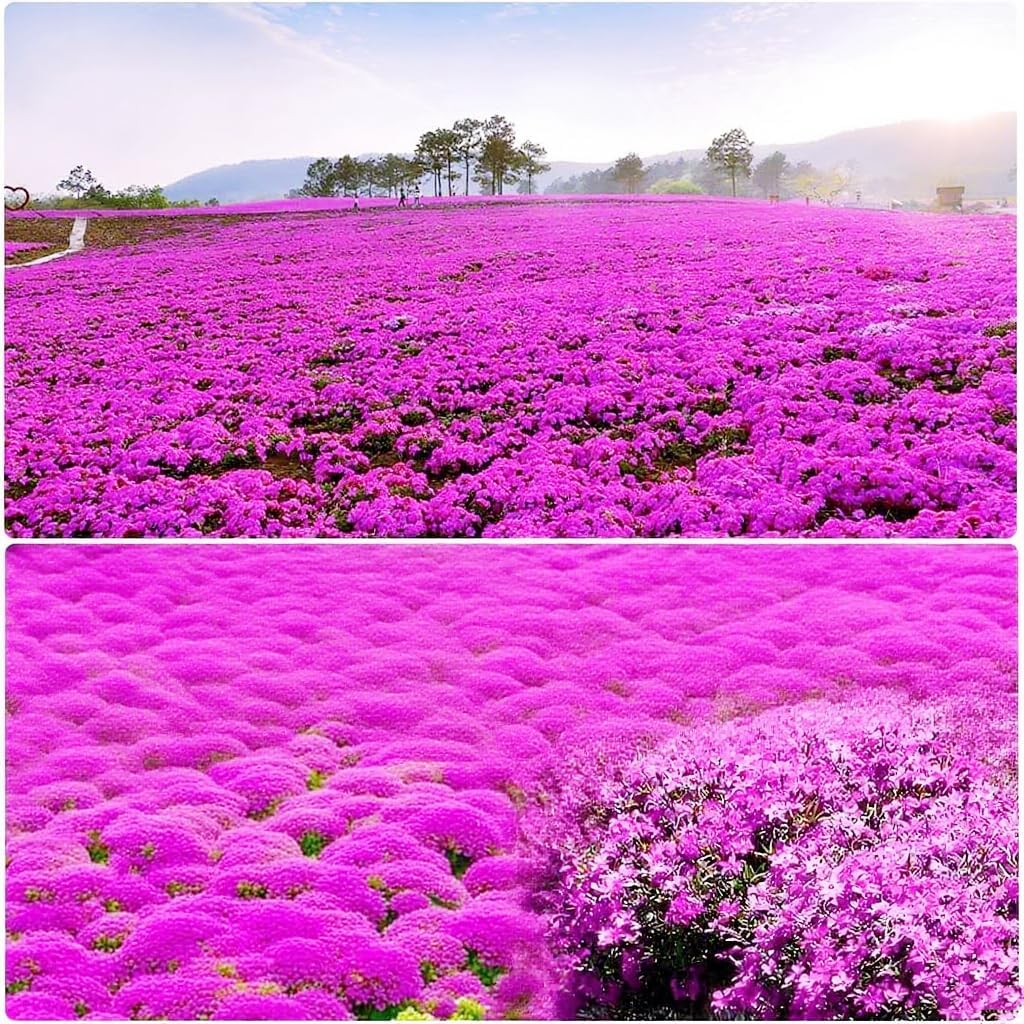
| Indoor Outdoor Usage | Outdoor |
|---|---|
| Other Special Features of the Product | Attracts Pollinators, Fragrant, High Germination Rate |
| Expected Blooming Period | Spring to Fall |
| Sunlight Exposure | Full Sun |
| Unit Count | 150000 Count |
This packet of creeping thyme seeds is aimed at establishing a low-growing perennial groundcover that attracts pollinators and tolerates dry, sandy sites. It is typically sown in summer in full sun, where thin, well-drained soil and moderate watering help seedlings germinate in roughly two to four weeks. The listing emphasizes non-GMO, heirloom seeds and a high germination rate, which makes it a sensible option when you need a lot of seed to cover pathways, slopes, or large beds. Practical benefits include aromatic foliage useful for edging and light foot traffic, extended bloom from spring through fall, and minimal upkeep once established. Important limitations are that success depends on good drainage and full sun exposure, and buyers should expect a delay before a dense carpet forms since thyme can be slow to fill in compared with plug plants or established mats. The very large unit count suits broad projects but may be more seed than a small garden needs.
Best for: Gardeners needing an affordable way to seed large areas with a low-maintenance, fragrant perennial groundcover and who prioritize coverage over immediate results.
Less Ideal for: People wanting instant groundcover or small-plot gardeners who would prefer plugs or pre-grown mats to fill tight spaces quickly.
- Very large unit count suitable for covering extensive areas
- Non-GMO, heirloom seeds with stated high germination rate
- Drought tolerant and attractive to pollinators once established
- Long bloom period from spring through fall for extended color and nectar
- Requires full sun and well-drained, sandy soil to perform well
- Can take several weeks to germinate and more time to form a dense carpet
Verdict: If you need to seed a large area on a budget with a drought-tolerant, aromatic perennial, this bulk creeping thyme seed packet is a practical choice.
LipLopBest Recycled Felt Mulch Mat 2 ft x 8.2 ft (Reusable)

| Unit Count | 13.47 Square Feet |
|---|---|
| Material Type | felt |
| Number of Packs | 1 |
| Surface Recommendation | Hard Floor |
This recycled felt mulch mat is a simple, no-frills solution for suppressing weeds and stabilizing soil along pathways, vegetable rows, and around trees. It is made from felt with a waterproof PE backing, comes in a 2 by 8.2 foot roll and includes garden staples for anchoring. Typical use is to cut the mat to fit a planting strip, lay it over exposed soil, and secure it with the provided staples; the felt surface also helps moderate soil temperature and reduce compaction under light foot traffic. The mat is reusable and can be trimmed with scissors to adapt to irregular beds, which makes it convenient for seasonal beds and edging. Limitations are that it is intended as a surface cover rather than a durable hardscape, so heavy, continuous foot traffic or sharp tools can wear it down over time, and its black color absorbs heat which may affect heat-sensitive plants if left exposed in full sun.
Best for: Buyers who want a dependable, low-maintenance ground cover to control weeds and stabilize soil along walkable garden strips or beds and who value reusable, easy-to-fit materials.
Less Ideal for: Those needing a permanent hardscape or a mat built for heavy commercial foot traffic should consider paving or thicker industrial matting instead.
- Recycled felt front with waterproof PE backing for combined moisture control and durability
- Includes garden staples for quick, secure installation
- Reusable and easy to cut to shape for custom bed and pathway layouts
- Helps suppress weeds, prevent soil erosion, and reduce soil compaction
- Not designed for heavy or continuous foot traffic and can wear under abrasion
- Black surface can absorb heat and potentially raise soil temperatures in full sun
Verdict: A practical, reusable felt mulch mat that reliably suppresses weeds and stabilizes soil for walkable garden edges and beds.
HOME GROWN Verbena Moss Seeds (6,000 Seeds)

| Expected Blooming Period | Spring to Fall |
|---|---|
| Sunlight Exposure | Full Sun |
| USDA Hardiness Zone | 2, 3, 4, 5, 6, 7, 8, 9, 10, 11 |
| Number of Pieces | 6000 |
| Moisture Needs | Moderate Watering |
These HOME GROWN Verbena Moss seeds provide a high-count mix (6,000 seeds) of Verbena tenuisecta designed for mass planting as a colorful ground cover. Intended for full‑sun sites, the seeds produce compact, feathery foliage topped by rounded clusters of tiny star-shaped flowers in shades from white to purple, blooming from spring through fall. The packet is marketed as heirloom and non-GMO and comes with an online grow guide, which helps with sowing, establishing, and basic care. In practice this mix is useful for filling borders, rock gardens, slopes, or bare patches to create a continuous floral carpet and to attract pollinators. Strengths are the very high seed count for wide coverage, long blooming season, and low maintenance once established. Expect moderate watering and loam soil for best results, and treat it as a perennial only where frost is mild; in colder zones it behaves more like an annual. Buyers should allow time for germination and establishment before judging density, and plan for deadheading or light pinching to keep plants tidy and encourage reblooming.
Best for: Gardeners who want an easy, showy ground cover for sunny beds and borders and who value social proof and guidance when trying a larger scale planting.
Less Ideal for: Shade gardeners or those needing an immediate, fully established lawn‑like cover; also unsuitable for planting sites where winter survival is critical and perennial habit is mandatory.
- Very high seed count suitable for large beds or mass plantings
- Heirloom non-GMO seed mix with an included online grow guide to support success
- Long bloom window from spring to fall for sustained garden color
- Low maintenance once established and attractive to pollinators
- Suitable for poor soils and erosion control on slopes
- Perennial performance depends on local winter hardiness so may behave as an annual in cold climates
- Requires full sun and moderate watering so not suited to shade or very dry xeric sites
Verdict: Choose this large non‑GMO seed pack when you want an affordable, pollinator‑friendly ground cover that delivers long, low‑maintenance color across large sunny areas.
Outsidepride Irish Moss (Sagina subulata) Ground Cover Seeds, 10,000 Pack

| Unit Count | 10000 Count |
|---|---|
| USDA Hardiness Zone | 4 |
| Sunlight Exposure | Partial Sun |
| Expected Blooming Period | Spring to Fall |
| Moisture Needs | Moderate Watering |
Outsidepride Irish Moss seeds (Sagina subulata) are sold as a bulk packet intended to establish a dense, carpet-like ground cover that stays 1 to 2 inches tall. Typical use is surface-sowing in well-drained soil in spring, then keeping the seedbed consistently moist until seedlings are established; the packet claims coverage up to about 100 square feet when sown at recommended rates. Notable features include shade tolerance, small white spring-to-summer flowers, and suitability for light foot traffic between pavers or on pathways. Practically, it is a low-maintenance option that suppresses bare soil, helps retain moisture, and creates a soft, barefoot-friendly surface where a low-profile look is desired. Limitations are that it prefers consistent moisture and cooler conditions in warm regions, can be slow to fill in compared with faster-spreading lawn alternatives, and is intended only for light traffic situations rather than play areas or heavy use.
Best for: Gardeners and landscapers who need a tidy, low-profile ground cover for shaded paths, rock gardens, or between stepping stones and prioritize a neat, long-term carpet effect over rapid coverage.
Less Ideal for: Those needing an immediate, dense turf for heavy foot traffic areas or for locations with prolonged drought and high heat where moisture is difficult to maintain.
- Very low growth habit creates a neat, 1–2 inch living carpet ideal for filling gaps between stones
- Tolerates partial shade so it works in shaded borders and under trees
- Produces delicate white blooms that add seasonal interest without increasing height
- Bulk pack (10,000 seeds) can cover a substantial area when sown at recommended rates
- Requires consistent moisture and well-drained soil for reliable establishment
- Slower to establish and fill in than some aggressive ground covers
Verdict: Choose these Irish Moss seeds when you want a low-growing, shade-tolerant living carpet between pavers or in rock gardens that creates a soft, long-term ground cover.
Choosing the Right Walkable Ground Cover: Key Factors to Consider
Traffic Tolerance and Recovery
How well a ground cover stands up to foot traffic determines its usefulness along paths and between pavers. Some plants can handle occasional stepping but will thin quickly under frequent use, leading to bare patches and weed invasion. Choose species that compress rather than bruise and that reshoot or spread back into gaps after being stepped on.
Also consider the type of traffic. Light, occasional footfall is different from repeated daily use or children running and pets. For heavier use, prioritize very low-growing, mat-forming plants with strong stolons or rhizomes that can repair wear quickly.
Establishment Speed and Spread
Fast-establishing covers close gaps sooner, preventing erosion and making paths usable faster. Some options form dense mats within a season, while others take multiple seasons to fully spread. Faster spread can mean more frequent trimming or edge control, but it also reduces weed pressure and the need for frequent reseeding.
Balance speed with control: aggressive spreaders work well in open areas but may require edging to keep them away from beds or borders. Slower spreaders are easier to contain but might need initial supplemental seed or plugs to avoid bare spots.
Soil Type and Moisture Preferences
Different walkable ground covers have distinct soil and moisture tolerances. Some prefer well-drained, sandy soils and will rot in constantly wet conditions. Others tolerate compacted or clay soils and brief flooding. Matching the plant to your site's drainage and pH reduces establishment failure and ongoing problems.
Consider microclimates created by paving, shade from structures or trees, and irrigation patterns. A cover that does well in dry, sunny corridors may struggle in shaded, damp nooks, so pick species that align with the actual conditions where you plan to plant.
Maintenance and Upkeep
Maintenance needs vary widely. Low-maintenance covers require little trimming, rarely need fertilizer, and resist common pests and disease. Others benefit from seasonal shearing to keep them level with paving or to encourage denser growth.
Think about long-term care: will you mow or prune around these areas? Will fallen leaves need raking? Choose covers whose maintenance fits your routine. Also factor in how easy replacements are if small patches fail-options that are simple to plug or reseed reduce future labor.
Cold and Heat Hardiness
Climate extremes affect survival and appearance. Some ground covers brown back in heat or winter-kill in cold zones, leaving exposed soil and requiring seasonal reseeding. Know your local hardiness range and pick plants rated for your region.
Also consider seasonal behavior: evergreen covers provide year-round protection and appearance, while deciduous or semi-evergreen types may leave gaps for part of the year that need management to avoid erosion or weeds.
Appearance and Functional Use
Aesthetic fit matters if the cover is visible from patios or windows. Leaf texture, flower color, and growth habit influence whether a cover reads as intentionally planted or like an overgrown patch. Low, dense forms give a neat, lawn-like look, while flowering mats add seasonal interest.
Functional uses include reducing erosion on slopes, filling paving joints, or softening hardscape edges. Choose a cover whose height and habit suit the specific function you need rather than assuming every ground cover will work for every use.
Best Uses Around Paths and Stepping Stones
Walkable ground covers serve different roles around hardscape. In joints between pavers, low-growing, tightly matting plants that tolerate compression and close spacing are preferable. For the edges of wide gravel paths, a slightly taller but still traffic-tolerant cover can soften borders without being trampled flat.
Placement and installation matter. Prepare the soil by removing weeds, improving drainage if needed, and using starter fertilizer lightly. Installing plugs or dense plugs rather than scattered seed speeds the look of completion and helps plants survive early foot traffic.
- Use denser plugs near high-traffic spots to prevent initial wear.
- Allow a short settling period before heavy use to let roots establish.
- Edge with stone, metal, or a low border to prevent lateral spread into beds.
Designing with Texture and Color
Ground covers are as much about texture as coverage. Fine-textured mats create a lawn-like plane between pavers, while broader-leafed covers add a cottage-garden feel. Consider leaf color and bloom time when planning sightlines from patios and windows.
Mixing two compatible covers can add seasonal interest and resilience, but keep monitoring to avoid one outcompeting the other. Use contrasting textures to highlight stepping stones or to define a border.
- Pair low, evergreen mats with seasonal bloomers set back in beds.
- Use color contrast to highlight paths or create natural wayfinding.
Preparing Soil and Microclimates for Success
Good results depend on preparing the planting site. Aerate compacted pathways, add grit or sand to heavy clay to improve drainage, and incorporate organic matter where soils are poor. For tight joints, use a shallow, well-draining planting medium to avoid rot.
Pay attention to microclimates. Areas near walls or under eaves often dry out faster, while ground-level shade can keep soil cool and damp. Choose a cover suited to these local conditions rather than the general garden climate.
- Improve drainage where water pools to prevent root rot.
- Match planting depth to the species to prevent burial of crowns.
Establishing and Protecting New Plantings
New plantings need gentle protection from heavy foot traffic until they root. Temporary stepping stones, narrow boards, or short garden fencing can direct traffic. Water newly installed plugs or seed appropriately for the species, keeping soil moist but not waterlogged.
Initial weed control is crucial. A thin mulch around plugs can suppress weeds without smothering low-growing mats. Remove aggressive weed seedlings by hand while the ground cover is still sparse.
- Reduce foot traffic for the first few weeks to allow root development.
- Use light mulches or weed control fabrics only where they will not inhibit mat-forming growth.
Managing Common Problems
Even durable covers can thin from drought, disease, or wear. Regularly inspect high-use corridors and patch thin spots with plugs or seed. Correct drainage issues promptly, and prune encroaching neighbors to maintain sun levels if needed.
For pest or disease outbreaks, spot-treat affected areas and improve cultural conditions like airflow and soil drainage. Rotating or replacing small sections with a more tolerant cover may be the best long-term fix for persistent trouble.
- Patch thin areas early to prevent weed colonization.
- Adjust irrigation and airflow before using chemical controls.
How We Chose the Best Walkable Ground Cover
We evaluated candidate walkable ground covers using criteria that reflect real garden use. Durability under foot traffic was a primary filter-plants had to tolerate repeated stepping and recover quickly. Establishment speed and spread mattered because fast fill-in reduces exposed soil and weed pressure. Soil and moisture tolerance were weighed to ensure options work in common garden conditions from dry pathways to intermittently wet spots. Maintenance demands were evaluated for trimming, reseeding, and pest control so recommendations suit gardeners who prefer low- or moderate-effort landscapes. Visual appeal and seasonal interest were included to ensure the cover contributes to overall garden aesthetics. Exclusions: plants that require intensive care, invasive species known to cause ecological harm, and types that perform only in highly specialized climates were removed from consideration. The result is a list of walkable ground covers that balance resilience, ease of care, and landscape value for typical home gardens.
FAQ
How soon can I walk on newly planted ground cover?
It depends on the species and planting method. Plugs usually need several weeks to root before regular use, while well-established mats can tolerate light traffic sooner. Aim to limit heavy use for the first month to let roots anchor.
Will walkable ground cover damage lawn mowers or equipment?
Most low-growing covers are below mower height and will be trimmed rather than damaged. However, some thicker or taller mats can tangle or dull blades. Use edging and adjust mower height or use shears for maintenance in planted areas.
Can walkable ground cover handle dogs and children?
Many varieties tolerate occasional pet and child traffic, but constant rough use may thin out plants. Choose the most traffic-tolerant species for play areas and expect to do occasional patching and maintenance.
Do walkable ground covers need fertilizer?
Most require minimal feeding. A light application of balanced fertilizer at establishment helps growth, but over-fertilizing can encourage leggy growth and reduce durability. Match feeding to plant vigor and soil fertility.
How do I prevent weeds in ground cover areas?
Fast establishment and dense planting are your best defenses. Prepare the bed carefully, hand-weed while the cover is still filling in, and avoid thick mulches that stop mat-formers from spreading. Spot-treat persistent weeds early before they set seed.
Are walkable ground covers suitable for slopes?
Yes, many covers help stabilize soil on gentle to moderate slopes. Choose species with good root mats and rapid spread to reduce erosion. For steep slopes, combine ground cover with structural solutions like terraces or retaining features.
Final Verdict
Picking the right walkable ground cover comes down to matching site conditions and expected use. Prioritize traffic tolerance and establishment speed in high-use corridors, and consider soil moisture, climate, and maintenance ability for long-term success. Expect tradeoffs between speed of spread, containment needs, and seasonal appearance. Decide first how the area will be used and then select a cover that meets that functional need. With proper soil preparation and early protection while plants establish, a well-chosen walkable ground cover will create durable, attractive surfaces that reduce erosion and maintenance over time.
