

Note: This article contains affiliate links. If you click on these links and make a purchase, I may earn a small commission at no extra cost to you. This helps support my research and content. Read my full affiliate disclosure here.
Growing peppers in containers demands consistent moisture control, good drainage, and enough room for roots to develop. A proper grow bag for peppers changes how the root zone breathes, reduces waterlogging, and helps keep soil temperatures manageable on patios, balconies, or small garden plots. This guide covers the seven best grow bags for peppers across common garden situations, from compact urban setups to larger backyard beds. We shortlisted options that meet common gardener needs and evaluated them on practical criteria like drainage, fabric quality, and capacity for healthy root development. Scroll to the product shortlist for the top picks and read on for how we evaluated each bag and what matters when choosing for peppers.
Top Picks at a Glance
| Best Overall The best all-around choice for most situations | Cavisoo 10 Gallon Fabric Grow Bags, 5-Pack |  |
| Best Quality Built to a higher standard if you want something more solid | AC Infinity Heavy-Duty 500G Fabric Grow Bags, 5 Gallon — 5-Pack |  |
| Best Value The sweet spot between price and what you get | JERIA 12-Pack 10-Gallon Fabric Grow Bags with Handles |  |
| Best Budget The cheapest option that still gets the job done reliably | Land Guard 4-Pack 5-Gallon Nonwoven Fabric Grow Bags with Handles |  |
| Highest Rated A top-rated pick with lots of positive feedback | FVOTNW 5-Pack 7-Gallon Potato Grow Bags with Harvest & Inspection Windows |  |
| Most Popular A crowd favorite that many people choose with confidence | VIVOSUN 5-Pack 5-Gallon Fabric Grow Bags with Handles |  |
| Best Seller A high-volume bestseller chosen again and again | VIVOSUN 5-Pack 25 Gallon Fabric Grow Bags with Handles |  |
Cavisoo 10 Gallon Fabric Grow Bags, 5-Pack
| Capacity | 10 gallons |
|---|---|
| Unit Count | 5 |
| Material Type | Non-woven fabric (300g) |
| Other Special Features of the Product | Drainage Hole |
| Included Components | Planters |
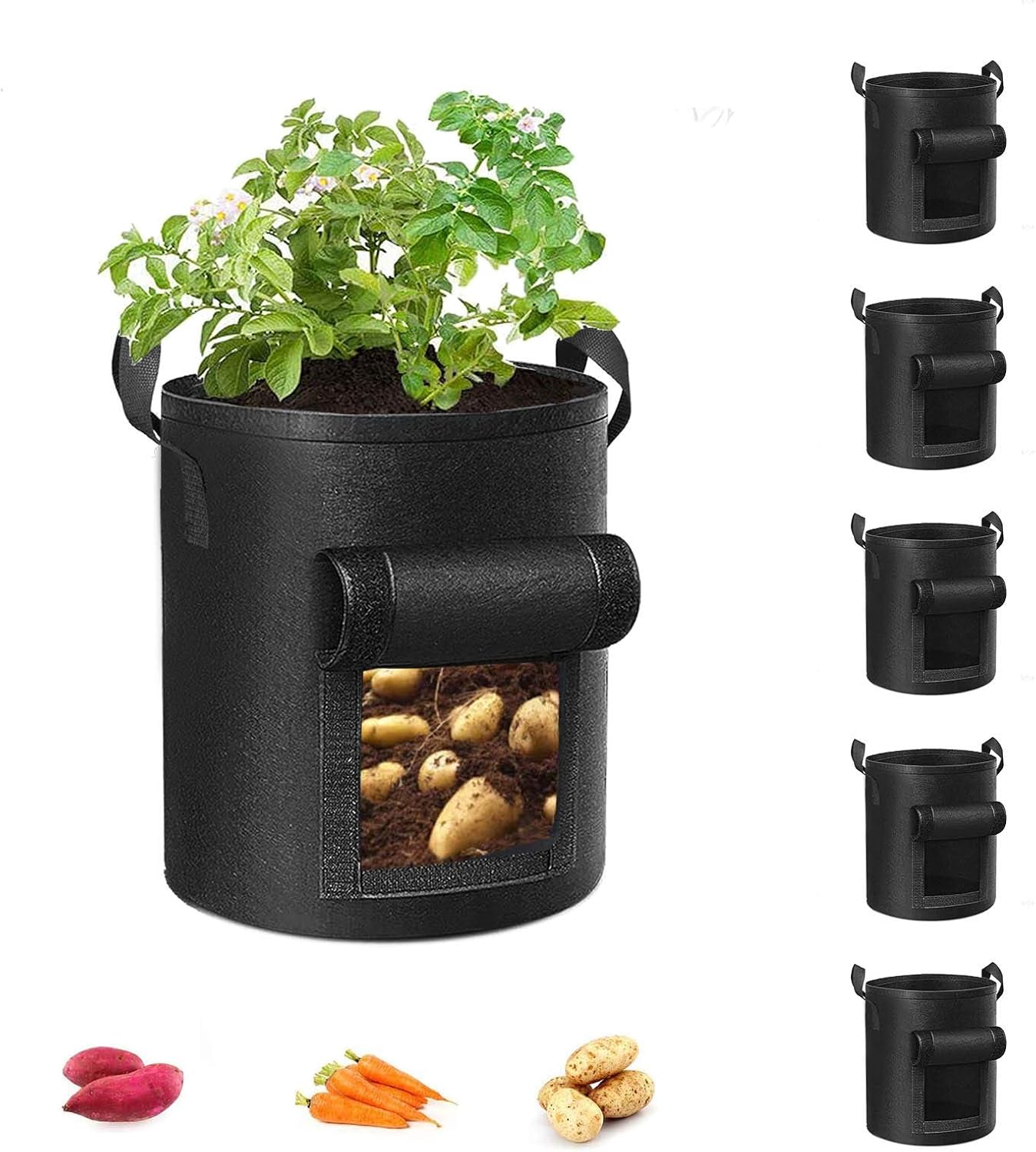
These Cavisoo 10 gallon fabric grow bags are a practical option for container growing of peppers and other vegetables. Made from 300g nonwoven fabric, the bags are breathable so excess water drains and roots are air‑pruned rather than circling, which helps produce healthier plants in a limited space. Each set includes five bags with reinforced polypropylene webbing handles and X‑stitching so you can move filled bags for repositioning or storage. The built‑in drainage and a visual harvest window make it easier to check tubers or root development without disturbing the plant, and the fabric is reusable and washable for multiple seasons. Expect simple setup: add soil, plant seedlings, water and feed as usual; the bags perform well on patios, balconies, or vegetable beds where in‑ground planting is not possible. Limitations are that the 10 gallon size restricts very large pepper varieties or multi‑season permanent planting and the fabric offers less insulation than rigid pots in extremes of temperature. For a balanced home gardener wanting easy-to-use portable containers, these hit the mark.
Best for: Home gardeners who want a balanced, easy container solution for peppers on patios, balconies, or small plots and value portability, root health, and reusability.
Less Ideal for: Gardeners seeking permanent oversized containers for large pepper cultivars or those who need heavy thermal protection in extreme climates should consider larger or rigid planters.
- Breathable 300g nonwoven fabric improves drainage and air‑prunes roots to reduce circling
- Reinforced polypropylene webbing handles with X‑stitching for sturdy lifting and repositioning
- Includes a visualization window to check root/tuber development without digging
- Reusable and washable material rated for multiple seasons
- 10 gallon capacity may be too small for large pepper varieties or densely planted setups
- Fabric offers limited thermal insulation compared with rigid pots in very hot or cold conditions
Verdict: A versatile, reusable 10‑gallon fabric grow bag set that balances drainage, root health, and portability for most home pepper growers.
AC Infinity Heavy-Duty 500G Fabric Grow Bags, 5 Gallon — 5-Pack
| Capacity | 5.39 gallons |
|---|---|
| Number of Pieces | 5 |
| Material Type | Nonwoven Fabric |
| Other Special Features of the Product | Aeration, Durable, Permeable |
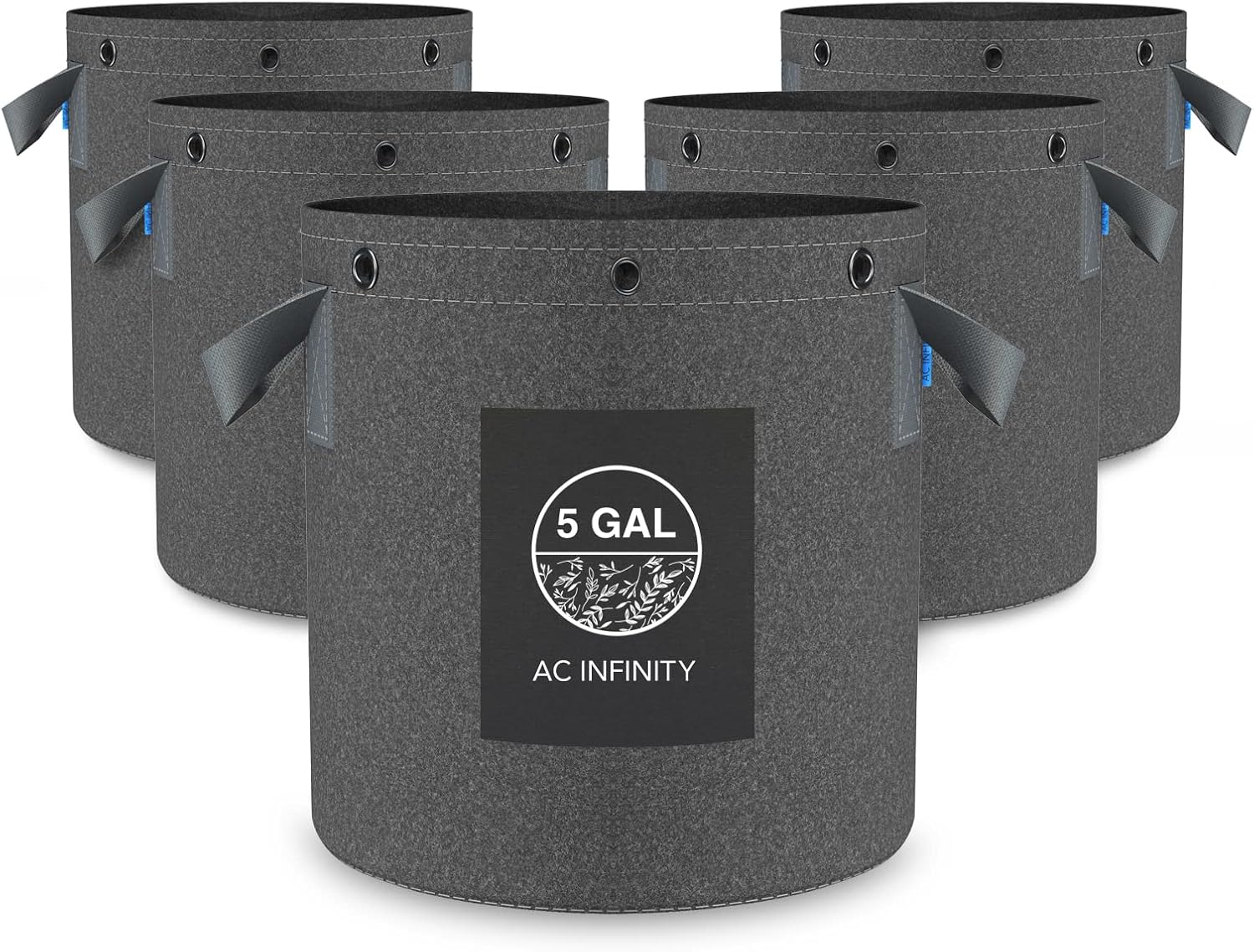
These AC Infinity fabric grow bags are built for performance-minded gardeners who want better root structure and reliable drainage. The 500G thick nonwoven fabric promotes air pruning so roots stop circling and develop a dense feeder root system, and the permeable material helps excess water escape to reduce overwatering issues. Each bag includes reinforced nylon handles and strong stitching that make moving full containers easier, plus built-in metal rings for neat low-stress plant training. In practice they work well for vegetables, flowers, and small fruiting plants where improved aeration accelerates growth and reduces transplant shock. The five-pack gives enough units to run a small production or rotate crops. Limitations are that these are intended for outdoor use and lack rigid sides, so they need a flat surface or tray for stability and frequent watering checks in hot, dry conditions because fabric pots can dry faster than solid containers.
Best for: Gardeners focused on maximizing plant performance and root health who grow vegetables, fruits, or flowering plants outdoors and want durable, production-ready containers.
Less Ideal for: People who need rigid, decorative planters for patios or those who prefer low-maintenance containers that retain moisture longer.
- Thick 500G nonwoven fabric improves aeration and supports air pruning
- Reinforced nylon handles and stitching make lifting and moving easier
- Built-in metal rings allow low-stress plant training without modifications
- Sold as a five-pack so you can outfit multiple plants or start a small batch at once
- Designed for outdoor use only and not suitable as a decorative rigid planter
- Fabric construction means faster drying so you may need more frequent watering
Verdict: Choose these heavy-duty 500G fabric grow bags when you want outdoor containers that actively improve root development and hold up to season-long use.
JERIA 12-Pack 10-Gallon Fabric Grow Bags with Handles

| Capacity | 10 gallons |
|---|---|
| Unit Count | 12 Count |
| Material Type | Fabric |
| Other Special Features of the Product | Drainage Hole |
| Indoor Outdoor Usage | Indoor, Outdoor |
These JERIA 10-gallon fabric grow bags are a straightforward option for container gardening, supplied as a 12-pack with plant labels. Made from thickened nonwoven fabric, the bags are breathable which helps prevent root circling and supports air pruning for healthier root systems. Built-in reinforced handles make moving planted bags easier while the fabric and integrated drainage let excess water escape quickly so you are less likely to overwater. Typical uses include vegetables, annuals and small fruiting plants and the 10-gallon size is well suited to growing potato varieties in a single bag when filled and hilled. They fold flat for compact storage when not in use and are reusable across seasons if handled gently. Limitations are that fabric grow bags can dry out faster than solid containers so you will need a consistent watering schedule or mulching, and the fabric will eventually show wear if dragged across rough surfaces. Overall these are a practical, space-saving solution for gardeners who want many uniform containers for productive potato growing on patios or balconies.
Best for: Gardeners who want a reliable, space-efficient way to grow multiple potato plants or other vegetables on patios, balconies, or small yards and prefer reusable, breathable containers.
Less Ideal for: People who need low-maintenance, infrequent-watering containers or who plan to move heavily loaded bags across rough ground frequently should consider rigid planters or wheeled solutions instead.
- Breathable fabric promotes air pruning and healthier root growth
- Reinforced handles allow easy repositioning of planted bags
- Built-in drainage reduces risk of overwatering
- Comes as a 12-pack with plant labels for starting multiple plants at once
- Fabric can dry out faster than rigid pots requiring more frequent watering
- Durability depends on gentle handling and may decline with heavy abrasion
Verdict: A cost-effective 12-pack of breathable 10-gallon fabric grow bags that make growing potatoes in containers easy and space-efficient.
Land Guard 4-Pack 5-Gallon Nonwoven Fabric Grow Bags with Handles

| Capacity | 18.93 liters |
|---|---|
| Number of Pieces | 4 |
| Material Type | Nonwoven Fabric |
| Other Special Features of the Product | Breathable |
| Indoor Outdoor Usage | Outdoor |
These Land Guard grow bags are simple, inexpensive containers for growing herbs and small vegetables in limited space. The nonwoven fabric lets air and water pass through the soil, which reduces root circling and improves drainage so herbs like basil, parsley, and thyme establish healthier root systems. Each set includes four 5‑gallon bags with reinforced handles that make moving filled bags easier for repositioning or harvesting. The material is lightweight and folds flat for storage when not in use, and the breathable fabric provides modest insulation for roots during warm weather. Expect them to last multiple seasons with gentle use but know they are not indestructible; rough edges, constant sun exposure, or heavy abrasion can shorten their life. These are best for small-scale container herb gardens on patios, balconies, or raised beds where cost and portability matter more than decorative appearance or long-term commercial durability.
Best for: Budget-minded home gardeners who want an easy, portable way to grow several culinary herbs in containers on a patio, balcony, or small garden area.
Less Ideal for: Those seeking decorative or long-lasting hard planters for permanent displays or commercial growers who need very heavy-duty containers.
- Breathable nonwoven fabric improves drainage and reduces root circling.
- Includes reinforced handles for easier lifting and repositioning filled bags.
- Pack of four gives multiple planting spots for a small herb collection.
- Lightweight and foldable for compact storage when not in use.
- Material is not as durable as rigid planters and can wear faster with heavy use.
- Not decorative—plain utilitarian look that may not suit all outdoor aesthetics.
Verdict: An affordable, practical set of breathable 5‑gallon grow bags that gives budget gardeners a quick way to start a small container herb garden.
FVOTNW 5-Pack 7-Gallon Potato Grow Bags with Harvest & Inspection Windows

| Capacity | 7 gallons |
|---|---|
| Unit Count | 5 Count |
| Material Type | Fabric |
| Other Special Features of the Product | Breathable, Foldable |
| Indoor Outdoor Usage | Indoor, Outdoor |
These 7-gallon fabric grow bags are built for repeated use and easy harvests. Each bag is made from thick nonwoven fabric with reinforced handles so you can move planted peppers without tearing the material, and the bags fold flat for off-season storage. Two practical windows are built into each bag: a clear inspection window lets you check soil moisture and root development without disturbing the plant, and a separate harvest flap makes digging up root crops quick and neat. The breathable, well-draining fabric reduces waterlogging and helps keep pepper roots aerated, which is helpful for healthy fruit set. The five-pack in assorted colors makes it simple to organize different pepper varieties or fertilization schedules. Because capacity is 7 gallons these bags suit single pepper plants or compact pepper varieties rather than large multi-plant setups, and they will need a stable surface since they are floor-standing bags rather than rigid containers.
Best for: Gardeners who prioritize dependable, reusable containers and want low-fuss monitoring and harvesting for individual pepper plants or small varieties.
Less Ideal for: Growers planning to cultivate many large pepper plants together or those who need rigid, decorative planters for display in formal patios.
- Durable nonwoven fabric with reinforced handles for frequent lifting and repositioning
- Clear inspection window and dedicated harvest flap for easy monitoring and clean harvesting
- Breathable, well-draining material that promotes root aeration and reduces waterlogging
- Folds flat for compact storage and comes as a 5-pack to grow multiple pepper varieties
- 7-gallon capacity is best for single plants or smaller pepper varieties, not large multiple-plant containers
- Soft-sided design requires a stable, level surface and may tip if overloaded or unevenly filled
Verdict: A reliable, reusable five-pack of breathable 7-gallon grow bags with inspection and harvest windows that make growing and harvesting peppers easier for gardeners who value durability and convenience.
VIVOSUN 5-Pack 5-Gallon Fabric Grow Bags with Handles

| Capacity | 5 Gallons |
|---|---|
| Material Type | Nonwoven fabric |
| Included Components | 5 Bags |
| Indoor Outdoor Usage | Indoor, Outdoor |
| Other Special Features of the Product | Drainage Hole |
These VIVOSUN grow bags are basic, reliable fabric planters for small- to medium-sized container crops. Made from 300g nonwoven fabric they breathe and drain well, which helps keep roots cooler and reduces waterlogging compared with plastic pots. The set includes five 5-gallon bags that work for vegetables, herbs, and annual flowers in raised beds, patios, or a grow tent. Notable features are reinforced serged handles that make filled bags easier to move and a built-in drainage hole to prevent standing water. Because the fabric encourages air pruning, you can develop a healthier, fibrous root system and reuse the bags for multiple seasons with reasonable care. Limitations are the modest 5-gallon capacity, which is not suitable for large shrubs or trees, and the fabric will eventually show wear if left constantly exposed to UV and abrasion. Occasional hand-washing and storing them out of direct sun when not in use will extend their life.
Best for: Buyers who prioritize proven, well-reviewed basics and want a reliable set of breathable containers for vegetables, herbs, or patio flowers that are easy to move and reuse.
Less Ideal for: Not a good choice for gardeners who need large containers for trees or permanent decorative pots that must withstand long-term outdoor exposure.
- Breathable nonwoven fabric improves drainage and root aeration
- Reinforced serged handles make moving filled bags practical
- Reusable construction for multiple seasons with proper care
- Built-in drainage hole reduces risk of waterlogging
- 5-gallon size limits use to small- and medium-rooted plants
- Fabric will degrade faster than rigid pots if left in constant sun or abrasive conditions
Verdict: A dependable, well-made 5-pack of breathable grow bags that gives risk-conscious gardeners a proven, easy-to-handle solution for small to medium container plants.
VIVOSUN 5-Pack 25 Gallon Fabric Grow Bags with Handles

| Capacity | 25 Gallons |
|---|---|
| Number of Pieces | 5 |
| Material Type | Nonwoven Fabric |
| Other Special Features of the Product | Drainage Hole |
| Indoor Outdoor Usage | Indoor, Outdoor |
These VIVOSUN grow bags are a straightforward choice for growing peppers in containers. Made from thickened nonwoven fabric they let air and water pass through for good drainage and air pruning, which helps roots stay healthy and reduces circling. The set includes five 25‑gallon bags that are large enough for most pepper varieties and the reinforced sewn handles make it practical to move filled bags when needed. Typical use is fill with a quality potting mix, sit on a flat surface or saucer, and water as peppers require; the breathable fabric keeps soil cooler in warm weather and speeds drying after watering. The design is durable for repeated seasons if you clean and store them when not in use but the fabric will eventually wear faster than rigid pots if exposed to constant abrasion or sharp sunlight. These bags do not include internal liners or saucers so you may need drip trays to protect decking or patios, and sizes are fixed so you cannot change container volume without buying a different set.
Best for: Peppers growers who want a low‑stress, reliable container solution that encourages healthy roots and is easy to move between sun and shade.
Less Ideal for: Gardeners who prefer permanent decorative planters or need stackable rigid pots for a very compact patio layout should consider alternatives.
- Breathable nonwoven fabric promotes air pruning and reduces root circling
- Good drainage helps prevent overwatering problems common with peppers
- Reinforced serger-stitched handles make full bags easier to move
- Large 25‑gallon capacity suits most pepper varieties and supports healthy root systems
- Fabric will wear faster than rigid planters with prolonged sun or abrasion
- No built-in saucer or liner so surface protection is needed for patios and decks
Verdict: A practical, low‑risk choice for pepper growers who want breathable 25‑gallon fabric bags that support healthy roots and are easy to reposition.
Choosing the Right Grow Bag for Peppers: Key Factors to Consider
Drainage and Side Aeration
Peppers need consistent moisture without sitting in saturated soil. A grow bag should allow excess water to escape and let the root zone breathe through the sides. Good drainage reduces root rot risk and prevents nutrient lockup caused by waterlogged soil.
Fabric bags with porous walls encourage air pruning, which keeps roots fibrous rather than root-bound. That aeration also helps beneficial microbes thrive at the root surface. When drainage and side aeration are balanced, you can water more confidently and get better fruit set and plant vigor.
Fabric Weight and Material Quality
Fabric weight affects how the bag holds shape, resists tearing, and survives season-to-season use. Heavier, tightly woven nonwoven fabrics resist abrasion from soil and roots and last longer under repeated wetting and drying.
Material quality also influences breathability. Some fabrics wick water and dry quickly, while others may shed fibers or degrade under constant sun exposure. Look for construction details such as reinforced seams and a fabric weight rating when assessing durability for outdoor pepper production.
Bag Size, Depth, and Root Volume
Peppers develop relatively deep root systems compared with very small herbs, so bag depth is more important than surface area alone. Too shallow a bag limits root expansion and increases stress during hot spells. The right size supports consistent water retention without forcing frequent, small waterings that can cause fluctuations in soil moisture.
Consider the mature size of the pepper variety you grow. Compact hot peppers need less volume than large bell or poblano types. Choosing the correct capacity reduces transplant shock and supports steady fruit production.
Handles, Seams, and Ease of Moving
Grow bags that get moved for sun exposure, overwintering, or cleaning should have durable handles and reinforced seams. Thin or poorly attached handles are common failure points when a heavy bag full of moist potting mix is lifted.
Ease of moving also matters for practical garden workflows. If you plan to rotate plants for pest management or move containers into cover during heavy rain, choose a design that lets you lift or slide bags safely without risking a seam split.
Water Retention Versus Evaporation Balance
Fabric grow bags dry faster than solid pots due to airflow through the sides and bottom. That helps prevent soggy soil but increases irrigation frequency. The ideal bag balances quick drying to prevent root disease with enough water-holding ability to avoid daily watering in warm weather.
Mulching, using moisture-retentive mixes, or choosing a bag with a slightly heavier fabric can reduce watering workload. Understand the tradeoff: drier root zones reduce rot but demand more attentive watering schedules.
UV Stability and Weather Resistance
Outdoor bags are exposed to sun, rain, and temperature swings that accelerate material breakdown. UV-stable fabrics and reinforced stitching extend service life, especially when bags sit on hot decking or are left outside all season.
Weather-resistant construction also prevents premature tearing when bags are dragged across gravel or moved while wet. Longer-lasting bags lower replacement frequency and keep your pepper plants safe from sudden container failures.
Best Sizes for Different Pepper Types
Choose a bag size based on the pepper variety and how long you plan to keep the plant in the container. Small hot peppers and compact ornamentals can thrive in shallower, narrower bags, while larger-fruited varieties benefit from deeper, higher-capacity bags that allow more root growth and better water buffering.
- Compact peppers: 3-5 gallon equivalent for small varieties
- Mid-size peppers: 7-10 gallon equivalent for many common varieties
- Large bell-type peppers: 10-15 gallon equivalent for sustained production
Soil Mix and Amendments for Bags
A lightweight, well-draining potting mix with added organic matter helps peppers in grow bags flourish. Include components that improve both drainage and water retention, such as coir, compost, and a small amount of perlite or pumice. Avoid garden soil that compacts and reduces oxygen at the roots.
- Start with a quality potting mix formulated for vegetables
- Add 10-20% aged compost for nutrients and moisture buffering
- Include perlite or pumice if your mix feels heavy
Watering Strategies in Fabric Bags
Because fabric bags drain and aerate more quickly than rigid pots, adjust your watering rhythm accordingly. Water deeply until excess runs from the bottom, then allow the top layer to dry slightly before the next session. This encourages deep rooting and reduces surface salt buildup.
Overhead watering early in the day helps keep foliage dry and lowers disease pressure. During heat waves, check moisture at root depth rather than relying solely on surface feel.
- Water deeply and less frequently to encourage root spread
- Use a moisture meter or finger test down several inches for accuracy
- Mulch the surface to moderate evaporation and keep soil temperature stable
Positioning and Sun Exposure Considerations
Peppers generally want full sun, but containers heat up faster than ground beds. Place grow bags where they get morning sun and some afternoon relief if you are in very hot climates. Elevated positions can improve drainage, while placing bags on light-colored surfaces reduces heat buildup.
If you rely on balcony or patio space, arrange bags to maximize airflow around plants; tidal airflow reduces fungal risks and helps with pollination.
- Morning sun with afternoon partial shade in extreme heat climates
- Elevate slightly for better drainage and airflow
- Avoid placing bags directly on heat-absorbing dark surfaces if possible
Season Extension and Winter Care
Fabric grow bags can be moved to sheltered spots or indoors to protect pepper plants from unexpected cold snaps. Their portability also makes it easier to cluster bags under row covers or bring them inside a cold frame for late-season ripening.
At the end of the season, empty and dry bags thoroughly before storage. Fabrics left wet and filled with plant residues can harbor pests and diseases over winter.
- Move bags to protect from frost or extreme weather
- Empty, clean, and dry bags before storing for winter
- Store in a cool, dry place away from direct sunlight
How We Chose the Best Grow Bag for Peppers
We focused on grow bags that suit pepper production in containers and small-space gardens. Our editorial filters prioritized real-world performance factors gardeners report matter most when growing fruiting peppers in bags. We evaluated each candidate across multiple measurable dimensions: drainage effectiveness and side aeration, fabric breathability and thickness, seam and handle durability for repeated moves, and the capacity versus depth appropriate for common pepper varieties. We also considered how each bag handled repeated wet-dry cycles and exposure to sun without breaking down quickly. Excluded items included indoor-only grow containers that lack breathable fabric, non-porous plastic pots, and bags with insufficient depth for root systems. We did not include products lacking clear specification on fabric weight or construction. The resulting list favors bags that balance breathability and moisture retention, practical sizing for pepper root volume, and durable construction that stands up to regular gardening use.
FAQ
What size grow bag do peppers need?
It depends on the variety. Small hot peppers do fine in 3-5 gallon equivalent bags, while larger bell peppers usually need 10-15 gallon capacity for sustained production. Depth matters more than surface area, so choose a bag that allows several inches of root depth.
How often should I water peppers in fabric grow bags?
Fabric bags dry faster, so expect to water more frequently than with rigid pots. Water deeply and check moisture a few inches down; during hot weather you may need to water daily, while cooler periods often need less. Mulch and a moisture-retentive mix reduce watering frequency.
Can I reuse grow bags season after season?
Many grow bags last multiple seasons if you choose heavier fabric with reinforced seams and protect them from constant sun when not in use. Clean and dry bags before storage to avoid disease carryover. Lighter fabrics tend to degrade faster and may need replacement sooner.
Do grow bags improve pepper yields?
Grow bags can improve root health by encouraging air pruning and reducing waterlogging, which often translates to better plant vigor and fruiting. Yield gains depend on proper sizing, soil mix, and consistent care rather than the bag alone.
Where should I place grow bags for best results?
Place bags where peppers get at least six hours of sun, with morning sun preferred in hot climates. Ensure good airflow around plants and avoid extremely hot surfaces that increase root-zone temperatures.
Final Verdict
For growing peppers, prioritize a grow bag that balances drainage with enough depth for healthy root development. Look for durable fabric and reinforced handles if you plan to move bags seasonally, and choose capacity based on the pepper type you grow. Expect slightly higher watering frequency with fabric containers, and use a well-structured potting mix plus mulch to stabilize moisture. In short, pick a bag sized for the mature root system, favor materials that withstand sun and wet-dry cycles, and adjust watering and placement to control soil temperature. Those tradeoffs will help you get consistent flowering and fuller harvests from peppers grown in grow bags.
