

Note: This article contains affiliate links. If you click on these links and make a purchase, I may earn a small commission at no extra cost to you. This helps support my research and content. Read my full affiliate disclosure here.
Using the right insecticide for a thermal fogger changes how effectively you treat mosquitoes, flies, gnats, and resting insects around patios, barns, or garden edges. Thermal fogging puts a very fine aerosol into the air that contacts pests in flight and on surfaces, so compatibility, droplet size, and the product's persistence matter as much as the active ingredient. This guide covers the top shortlisted insecticides suitable for thermal fogger use and explains the practical tradeoffs gardeners should consider. We evaluated options for knockdown speed, residual control, safety handling, and compatibility with common fogging equipment to help you pick the best fit for your situation.
Top Picks at a Glance
| Best Overall The best all-around choice for most situations | MGK Shockwave Fogging Concentrate, 1 Gallon |  |
| Best Quality Built to a higher standard if you want something more solid | USA Supply ULD BP-100 Oil-Based Pyrethrin Fogger Concentrate, 1 Gallon (with Gloves) |  |
| Best Value The sweet spot between price and what you get | MGK ULD BP-100 Fogging Concentrate, 1 Gallon |  |
| Highest Rated A top-rated pick with lots of positive feedback | Pyrocide 300 Pyrethrin Fogging Concentrate (1 gallon) | 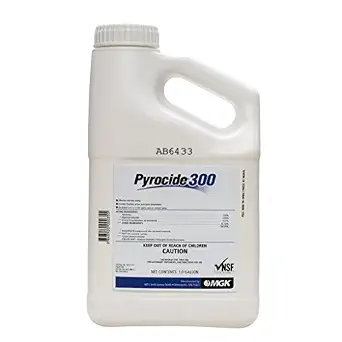 |
| Most Popular A crowd favorite that many people choose with confidence | Black Flag 32 oz. Thermal Mosquito Fogging Liquid |  |
MGK Shockwave Fogging Concentrate, 1 Gallon

| Brand | MGK |
|---|---|
| Unit Count | 128 Fluid Ounces |
| Target Species | Insects |
| Liquid Volume | 1 gallons |
The MGK Shockwave Fogging Concentrate is a one-gallon insecticide blend designed for use in thermal foggers to treat indoor and commercial spaces. It is labeled to kill more than 75 kinds of pantry pests, crawling insects and flying insects and is intended for use in homes, schools, hotels, restaurants, food processing plants and warehouses. In practice this concentrate is mixed and run through a thermal fogger to produce a fine aerosol that penetrates cracks, voids and storage areas where insects hide. The product’s commercial-sized volume makes it practical for larger jobs or repeated treatments, and the manufacturer targeting of multiple pest types means you can treat mixed infestations without swapping formulations. Limitations to expect are the need to follow label directions for safe mixing and application and to evacuate or protect treated spaces while fogging; the concentrate itself requires appropriate PPE and handling and is not ready-to-use straight from the bottle. For technicians and experienced applicators it provides strong coverage and flexibility, while occasional users should plan for safe prep and disposal.
Best for: Ideal for pest control technicians or experienced property managers who need a concentrated fogging solution for routine or large-area treatments and who are comfortable following label directions and safety procedures.
Less Ideal for: Not a good choice for casual homeowners who prefer ready-to-use sprays or who lack a compatible thermal fogger and the ability to follow commercial application safety requirements.
- Formulated to control over 75 species of pantry, crawling and flying insects
- One-gallon volume suitable for multiple treatments or large spaces
- Designed for thermal fogger application to reach cracks, voids and stored-product areas
- Concentrate requires mixing and appropriate personal protective equipment before use
- Not a ready-to-use product and needs a compatible thermal fogger for application
Verdict: A concentrated, commercial-grade fogging formula that delivers broad-spectrum insect control when used with a thermal fogger.
USA Supply ULD BP-100 Oil-Based Pyrethrin Fogger Concentrate, 1 Gallon (with Gloves)

| Unit Count | 128 Fluid Ounces |
|---|---|
| Included Components | 1 Bottle, 1 Pair of Protective Gloves |
| Target Species | Roaches, ants, fleas, beetles, crickets, houseflies, mosquitoes, spiders, ticks, waterbugs. |
| Specification Met | EPA |
The USA Supply ULD BP-100 is a one-gallon, oil-based pyrethrin concentrate designed for use as an ultra-low volume space spray or thermal fogger concentrate. It contains 1% pyrethrins with 5% piperonyl butoxide to boost knockdown and is intended for commercial and residential pest control when mixed per label directions. Typical use is mixing the concentrate into a fogger or ULV applicator to treat indoor and outdoor spaces, animal premises, and food-handling areas for flies, mosquitoes, roaches, ants, fleas, ticks and other pests. Notable features include its oil-based formulation that disperses well in thermal fogging equipment, EPA specification compliance, and included protective gloves for safer handling. Practical benefits are fast knockdown of a broad pest spectrum and enough volume for multiple large treatments from a single gallon. Important limitations are that it is a concentrated insecticide requiring correct dilution and protective equipment, and it must be used according to label restrictions for food areas and occupied spaces to avoid exposure risks.
Best for: People who prioritize high-performance, professional-grade fogging solutions and need a concentrate capable of delivering rapid knockdown across large or recurring pest problems.
Less Ideal for: Casual users who want ready-to-use sprays or those who need products labeled for frequent use around occupied food-preparation surfaces and sensitive indoor environments.
- Formulated for ULV/thermal fogging for good dispersion in fogger equipment
- Contains synergized active ingredients (1% pyrethrins with 5% PBO) for rapid knockdown
- One-gallon concentrate provides enough product for multiple treatments
- Includes protective gloves to aid safe handling during mixing
- Concentrate requires careful dilution and PPE to avoid exposure risks
- Oil-based formula may not be suitable for all indoor surfaces or sensitive environments
Verdict: Choose this concentrate when you need a professional-strength, thermal fogger-ready insecticide that delivers fast, broad-spectrum knockdown.
MGK ULD BP-100 Fogging Concentrate, 1 Gallon

| Item Form | Oil |
|---|---|
| Target Species | Insects |
| Liquid Volume | 1 gallons |
| Specification Met | Ulv |
The MGK ULD BP-100 is a one-gallon fogging concentrate intended for use in ULV, thermal, propane and conventional fogging equipment to control a wide range of flying and crawling insects. It contains 1% pyrethrins and 2% piperonyl butoxide (PBO) with inert carriers, and can be applied undiluted for maximum knockdown or diluted for lower pyrethrin strength. In practice this makes it a flexible option for pest-control operators working in restaurants, storage areas, hotels and similar commercial or large residential settings where fogging coverage and quick contact control are required. The formulation meets ULV specification for fine droplet distribution, so it disperses well from thermal foggers and reaches cracks and voids that sprays miss. Limitations include that it is an oil-based concentrate requiring appropriate fogging equipment and protective procedures, and it is not labeled for direct use on food or exposed produce without following site-specific restrictions. Also it targets contact pests and offers no residual long-term barrier like some residual insecticides.
Best for: Technicians and property managers who need a flexible, ready-to-use fogging concentrate for routine commercial or large residential thermal fogging and indoor perimeter treatments.
Less Ideal for: Homeowners looking for a simple pump-spray or long-residual product for small gardens or direct food-crop treatment should consider alternative formulations.
- Formulated for ULV/thermal foggers so it produces fine droplets for good penetration
- Contains pyrethrins with PBO for effective quick knockdown of a broad list of pests
- Available in a one-gallon concentrate suitable for multiple treatments or large spaces
- Can be used undiluted or diluted to adjust active concentration to the site need
- Oil-based concentrate that requires suitable fogging equipment and handling precautions
- Not intended as a long-residual barrier treatment
- Not labeled for direct application to exposed food or produce without restrictions
Verdict: Choose this concentrate when you need a ULV/thermal fogging solution that delivers rapid knockdown across a wide range of indoor and perimeter pests.
Pyrocide 300 Pyrethrin Fogging Concentrate (1 gallon)

| Item Form | Oil |
|---|---|
| Target Species | Insects |
| Liquid Volume | 1 gallons |
| Active ingredient concentration | 3% Pyrethrum |
Pyrocide 300 is a pyrethrin-based fogging concentrate intended for use in thermal foggers to treat insects in buildings and industrial sites. You mix one part concentrate with nine parts oil or mineral spirits to create a foggable solution, then apply it with a properly rated thermal fogger to reach cracks, voids, and open spaces where insects hide. The 3% pyrethrum formulation provides quick knockdown of flying and resting insects, and the oil vehicle helps the aerosol persist long enough for contact with targets. This product is sized for professional or heavy-duty use around warehouses, hotels, schools, and food and non-food processing areas when used according to label directions. Limitations include the need to handle and store a flammable solvent mixture, mandatory adherence to label restrictions for occupied spaces and food areas, and the requirement for correct fogger calibration and operator training to get uniform coverage and avoid over-application.
Best for: Buyers who need a reliable, professional-grade fogging concentrate for scheduled or large-scale insect control and who follow regulatory label directions and safety procedures.
Less Ideal for: Casual users seeking an easy, ready-to-use spray for small home jobs or anyone unwilling to handle flammable solvents and follow commercial application rules.
- Designed for thermal foggers with a ready mix ratio for creating a foggable solution
- 3% pyrethrum oil formulation gives rapid knockdown of a wide range of insects
- Suitable for large or commercial spaces such as warehouses, hotels, and processing areas when used per label
- Requires mixing with oil or mineral spirits, creating a flammable working solution
- Not intended for casual homeowner spot treatments or use without trained application and label compliance
Verdict: A professional-strength 3% pyrethrum fogging concentrate made for reliable thermal-fog insect control in large or commercial spaces when used per label.
Black Flag 32 oz. Thermal Mosquito Fogging Liquid

| Unit Count | 1 Count |
|---|---|
| Included Components | Insecticide |
| Item Form | Spray |
| Target Species | Insects |
| Liquid Volume | 32 fluid ounces |
This ready-to-use thermal fogging liquid is formulated for use with common thermal foggers to treat yards quickly and deeply into foliage where mosquitoes rest. You pour the liquid into a compatible fogger and apply a drifting fog around shrubs, groundcover, and dense plantings; one application is intended to protect an average backyard and the fog dissipates in minutes so people and pets can re-enter the area soon after treatment. Notable features include a nearly odorless formulation, EPA specification compliance, and compatibility with multiple fogger brands. Practically, the product is fast and effective for short-term knockdown of adult mosquitoes and biting flies and is useful before outdoor gatherings or at dusk when mosquitoes become active. Important limitations are that it targets adult insects only and provides short-term protection rather than long-term population control, and it must be used with a thermal fogger and according to label safety instructions.
Best for: Buyers who prioritize a fast, reliable way to clear adult mosquitoes before outdoor events and who want a low-odor, regulatorily compliant solution they can apply themselves.
Less Ideal for: Gardeners seeking long-term mosquito prevention or non-chemical control methods should consider larval treatments, habitat modification, or traps instead.
- Ready-to-use formula requires no mixing for quick application
- Works with common thermal foggers from several brands
- Nearly odorless fog that dissipates within minutes so treated areas can be reoccupied quickly
- EPA specification met, indicating it conforms to regulatory standards
- Provides short-term adult mosquito knockdown rather than ongoing larval control
- Requires a compatible thermal fogger to apply, so an additional device is necessary
Verdict: A quick, nearly odorless thermal fogging liquid that delivers fast adult mosquito and biting fly knockdown for short-term backyard protection.
Choosing the Right Insecticide for Thermal Fogger: Key Factors to Consider
Active Ingredient and Spectrum
The active ingredient determines which pests the insecticide will control and how quickly effects appear. Pyrethroids, organophosphates, and certain botanical actives all behave differently in a thermal fogger application, with some offering rapid knockdown of flying insects and others providing longer contact mortality on resting pests.
Choosing a product with the right spectrum avoids wasted applications and reduces non-target impacts. Read label directions to confirm the active ingredient targets the specific pests you face and that the concentration is suitable for fogging to achieve effective knockdown without overexposure.
Formulation and Droplet Behavior
Formulation type affects droplet formation, suspension time, and deposition on foliage and structures. Thermal fogging works best with formulations designed to produce a fine aerosol that stays aloft long enough to contact flying insects while still settling onto surfaces where pests rest.
Some concentrates are meant specifically for thermal foggers and include solvents or carriers that control evaporation and droplet size. Using a formulation not intended for thermal fogging can clog the heater or produce droplets that evaporate too quickly, reducing efficacy. Check label recommendations for dilution and compatible fogger types.
Residual Duration and Surface Persistence
Fogging provides both airborne contact and surface residues. Residual duration tells you how long treated surfaces will continue to kill or repel pests after the aerosol settles. Longer residuals reduce the frequency of reapplications but can increase risk to non-target organisms and extend reentry intervals.
Consider where you are fogging. Areas with direct sunlight, rain, or frequent irrigation will degrade residues faster, so a product with proven persistence under those conditions may be necessary. Balance desired protection time against environmental and safety considerations.
Safety Labeling and Personal Protective Equipment
Thermal fogging creates inhalable aerosols that increase potential exposure for the applicator and anyone nearby. The label will specify required personal protective equipment, reentry intervals, and precautions for pets, livestock, and pollinators.
Prioritize products with clear, stringent label directions and manageable PPE requirements that match your ability to comply. If you need to fog near people, food crops, or pollinator habitat, choose products and timing that minimize unintended exposure.
Compatibility With Equipment and Dilution Rates
Not every insecticide concentrate can be used in every thermal fogger. Compatibility affects heater life, nozzle performance, and droplet size. Labels should state whether a product is suitable for thermal fogging and provide exact dilution ratios and mixing instructions.
Using recommended dilutions helps maintain equipment and achieve consistent coverage. If you plan frequent fogging, consider formulations that do not require complex mixing and that are known to be gentle on fogger internals.
Environmental Impact and Non-target Effects
Fogging disperses insecticide over a wider area than a focused spray, so non-target exposure can be greater. Consider persistence in soil and water, toxicity to pollinators and aquatic life, and whether applications will drift into sensitive areas.
Select products with mitigation instructions for minimizing runoff and drift and schedule applications when non-target activity is low. In many cases, timing fogging for early morning or late evening reduces pollinator contact while still reaching nocturnal or crepuscular pests.
When To Use a Thermal Fogger
Thermal foggers are best when you need rapid area-wide knockdown of flying pests or to reach insects hiding in dense foliage, under eaves, or inside voids. They are useful for treating mosquito harborage, fly populations in farm buildings, or heavy outbreaks that require quick suppression.
Avoid fogging when people, pets, or pollinators are present, and do not use fogging as a routine substitute for sanitation or habitat modification. Targeted fogging combined with source reduction provides the best long-term control.
- Use for acute, high-pressure pest situations or seasonal surges.
- Not ideal for spot treatments of single plants or small potted collections.
- Time applications to minimize non-target exposure.
Preparing the Area and Timing Applications
Clear the area of people, pets, and exposed food items before fogging. Close doors and windows on adjacent buildings where practical, and cover water features if advised on the label. Consider wind conditions; light wind or calm early morning or dusk conditions give more even distribution.
Follow label reentry times and avoid fogging immediately before rain or irrigation that would wash residues away. For mosquito control, treat resting sites and nearby vegetation rather than open sky where droplets will disperse.
- Check weather: avoid windy or rainy conditions.
- Remove or cover exposed food and water.
- Schedule when pollinators are least active.
Mixing, Loading, and Running a Thermal Fogger Safely
Mix insecticide concentrates exactly as the label prescribes. Use chemical-resistant gloves, eye protection, and respiratory protection if the label requires it, and pour in a well-ventilated outdoor area. Never exceed recommended concentrations; denser aerosols will settle faster and may reduce airborne contact.
When running the fogger, maintain a steady pace and avoid turning the unit directly toward people or animals. Keep a record of tank contents and dilution ratios so you can replicate applications correctly and avoid cross-contamination between products.
- Use recommended PPE and mixing equipment.
- Label and date mixed tanks; discard unused mix per instructions.
- Operate machine at manufacturer-recommended settings for fine aerosol.
Managing Reentry, Drift, and Non-target Risks
Reentry intervals vary by product and affect how soon people and animals can safely return to the treated area. Follow label-specified reentry times and post warnings if necessary. To reduce drift, fog horizontally and avoid spraying into open fields where wind could carry the aerosol into sensitive habitat.
Protect pollinators by avoiding bloom periods and applying when bees are inactive. Use buffer zones around water bodies and manage runoff by not fogging before heavy rain or irrigation events.
- Follow reentry interval guidance exactly.
- Avoid treating flowering plants during pollinator activity.
- Use buffer zones near water and sensitive habitat.
Storage, Disposal, and Long-Term Safety
Store insecticide concentrates in their original labeled containers, upright and secured in a cool, dry place away from children, pets, and food. Keep products separated by chemical class to avoid accidental mixing and ensure spill cleanup materials are available.
Dispose of leftover mix and empty containers according to label directions and local regulations. Do not pour unused solutions into drains, soil, or surface water. Proper storage and disposal reduce accidental exposures and environmental contamination.
- Store in original containers with labels intact.
- Follow local rules for pesticide disposal.
- Keep spill kit and PPE near storage area.
How We Chose the Best Insecticide for Thermal Fogger
We selected insecticides based on attributes that directly affect performance in thermal fogging applications. Primary evaluation criteria included knockdown speed and spectrum of control to assess how quickly and how many pest types the formulation will affect. We checked residual activity and surface persistence to determine how long treated areas remain protected after a fogging application. Compatibility with thermal fogger equipment and recommended dilution rates were assessed to avoid fouling the machine and ensure proper droplet formation. Safety profile and label instructions, including PPE requirements, reentry intervals, and environmental precautions, were reviewed because fogging produces inhalable aerosols that require strict handling. Finally, formulation stability and storage characteristics were considered to ensure products remain effective in typical garden storage conditions. We excluded products not labeled for thermal fogging or those intended only for cold misting or backpack spray, and we did not include formulations lacking clear label directions for outdoor aerosol use. The list focuses on products with explicit guidance for thermal fogger application, measurable residual data, and clear safety labeling. Editorial selection emphasized practical use in gardens, patios, and small agricultural settings rather than industrial-scale pest control.
FAQ
Can I use any insecticide concentrate in a thermal fogger?
Not all concentrates are suitable. Only use products labeled for thermal fogger or aerosol application. Using incompatible formulations can clog the unit, produce ineffective droplet sizes, and create unsafe exposure risks.
How long do fogging residues usually last outdoors?
Residual duration depends on the active ingredient, exposure to sunlight, and weather. Some formulations provide only short-term residual protection of a few hours, while others may persist on shaded surfaces for days. Expect faster breakdown in sun and rain.
What personal protective equipment is required for thermal fogging?
PPE requirements vary by product but often include chemical-resistant gloves, eye protection, and respiratory protection rated for pesticide aerosols. Follow the specific label instructions for required PPE and fit the respirator correctly.
Will fogging harm pollinators in my garden?
Fogging can harm pollinators if applied to blooming plants or during active foraging times. To reduce risk, avoid treating flowering vegetation, apply when pollinators are inactive, and use products and timings that minimize non-target exposure.
How should I handle leftover mixed solution?
Do not store mixed solution for long periods. Use it within the time frame specified on the label or dispose of it per label and local regulations. Never pour leftovers into drains, soil, or water bodies.
Final Verdict
Choose an insecticide for thermal fogger by balancing rapid airborne knockdown with appropriate residual duration and a safety profile you can manage. Give priority to products labeled for thermal fogging, follow dilution and PPE instructions, and time applications to minimize non-target exposure. By matching active ingredient, formulation, and application timing to your specific pest pressure and site conditions, you can achieve effective control while reducing risks.
