

Note: This article contains affiliate links. If you click on these links and make a purchase, I may earn a small commission at no extra cost to you. This helps support my research and content. Read my full affiliate disclosure here.
You want containers that stay attractive when the days shorten and temperatures drop. Plants for winter colour in pots can do heavy lifting during the cold season, giving entryways, patios, and balconies reliable foliage texture or flowers when many summer plants have finished. This guide covers seven shortlisted winter-worthy choices that perform well in containers. We focus on traits that matter in real gardens: cold tolerance, bloom longevity, maintenance needs, and how they behave in sheltered versus exposed positions. Read on to match the right plant to your container size and winter conditions.
Top Picks at a Glance
| Best Overall The best all-around choice for most situations | The Three Company Zygocactus (4-Pack) — Live Christmas/Thanksgiving Cactus with Deco Covers |  |
| Best Quality Built to a higher standard if you want something more solid | Green Promise Farms Helleborus x 'Ivory Prince' (Christmas Rose) 1-Gallon Perennial |  |
| Best Value The sweet spot between price and what you get | Ficoszo Purple Shamrocks (Oxalis triangularis) Bulbs, 12-Pack |  |
| Best Budget The cheapest option that still gets the job done reliably | Perfect Plants Autumn Bonfire Encore Azalea, 1 Gallon, Live Shrub |  |
| Highest Rated A top-rated pick with lots of positive feedback | Blooming & Beautiful Yuletide Camellia, Live Evergreen Flowering Shrub, 3 Gallon |  |
| Most Popular A crowd favorite that many people choose with confidence | Daylily Nursery Hellebore (3-pack) in 2.5-inch Pots |  |
| Best Seller A high-volume bestseller chosen again and again | Southern Living Obsession Nandina Shrub (2 Gal) |  |
The Three Company Zygocactus (4-Pack) — Live Christmas/Thanksgiving Cactus with Deco Covers

| Indoor Outdoor Usage | Indoor |
|---|---|
| Expected Blooming Period | Winter to Spring |
| Sunlight Exposure | Partial Shade |
| USDA Hardiness Zone | 9-11 |
| Moisture Needs | Moderate Watering |
This four-pack of Zygocactus arrives as ready potted plants with decorative covers and is designed to provide seasonal holiday blooms with minimal fuss. Each plant is a live Christmas or Thanksgiving cactus that prefers bright indirect light and moderate watering; owners typically place them on a well-lit tabletop or windowsill away from direct sun and mist occasionally to maintain humidity. Notable features include winter-to-spring blooming, USDA hardiness listed for zones 9–11, and guidance to give plants a cool, darker rest after flowering to encourage future blooms. Practical benefits are immediate decorative impact during the holidays, low day-to-day maintenance, and longevity when given proper rest cycles. Limitations: colors are sold grower’s choice so you cannot select exact bloom colors, and these are indoor plants not suited for outdoor planting in cold climates; the listing gives basic care pointers but does not include detailed instructions for forcing blooms or troubleshooting pests. Expect healthy seasonal houseplants ideal for bringing color indoors with modest attention.
Best for: Buyers who want an easy, low‑effort holiday houseplant that reliably produces seasonal blooms and who value social proof from other buyers when choosing a plant.
Less Ideal for: Gardeners who need exact color-matched plants for arrangements or who plan to grow large outdoor cactus beds in cold climates.
- Four live plants provided with decorative covers for instant holiday display
- Seasonal winter-to-spring blooms that brighten indoor spaces
- Low maintenance care: moderate watering and partial shade needs
- Plants benefit from simple rest cycles to reliably rebloom year after year
- Grower’s choice color selection means specific bloom colors cannot be guaranteed
- Not suitable for outdoor use in cooler zones outside USDA 9–11
Verdict: If you want a fuss‑friendly holiday plant that delivers reliable winter blooms and instant decor in a four‑plant set, this Zygocactus pack is a safe, crowd‑pleasing choice.
Green Promise Farms Helleborus x 'Ivory Prince' (Christmas Rose) 1-Gallon Perennial

| Sunlight Exposure | Full Shade |
|---|---|
| USDA Hardiness Zone | 6 |
| Expected Blooming Period | Fall |
| Soil Type | Sandy Soil |
| Moisture Needs | Moderate Watering |
The Green Promise Farms Helleborus x 'Ivory Prince' is a ready-to-plant perennial that performs in shade where many potted flowers struggle. It arrives in a 1‑gallon container with established roots and forms a tidy mound of leathery evergreen leaves; reddish-pink buds open to up-facing creamy white flowers from late fall into early spring, extending visual interest when most other plants are dormant. Use it in shaded patio containers, mixed shade borders, or as a low groundcover in rock gardens. It prefers organically rich, well-drained soil and moderate watering, and tolerates summer heat and humidity in USDA zones 5–8. Notable practical benefits are low ongoing maintenance, winter-to-spring bloom timing that fills a seasonal gap, and a compact habit that fits small pots and tight shade spots. Limitations are that it is adapted to part to full shade so it will not perform well in hot full sun, and buyers seeking very large showy summer blooms should consider other species. Planting instruction and care guidance are included to help ensure quick establishment after planting.
Best for: Gardeners who need a low‑maintenance, high‑impact shade perennial for patios, containers, or shaded borders and who prioritize seasonal performance over large summer blooms.
Less Ideal for: Those wanting bright full‑sun annuals or very large, showy summer flowering plants should look elsewhere.
- Delivered in a 1‑gallon pot ready to plant, reducing transplant shock
- Blooms in late fall through early spring to provide color when most shade flowers are dormant
- Evergreen, leathery foliage forms an attractive low mound year‑round
- Performs reliably in part to full shade and tolerates heat and humidity in appropriate zones
- Not suited for full sun exposure which can stress the plant
- Mature spread recommends planting multiple inches apart, so single small pots limit long‑term growth potential
Verdict: Choose this Helleborus if you want an easy‑care potted perennial that reliably blooms in late fall to early spring and thrives in shaded patios and containers.
Ficoszo Purple Shamrocks (Oxalis triangularis) Bulbs, 12-Pack

| Indoor Outdoor Usage | Indoor, Outdoor |
|---|---|
| Other Special Features of the Product | Air Purification |
| Expected Blooming Period | Fall, Spring, Summer, Winter, Year Round |
| Expected Planting Period | Spring |
| Material Features | Heirloom |
These Ficoszo purple shamrock bulbs (Oxalis triangularis) are sold as a 12-piece set intended for easy planting in pots or garden beds. The plants are prized for triangular, deep-purple leaves with rose patterning that provide season-long color and occasional blooms in spring through autumn, making them useful as a foliage-focused container plant for winter interest in mild climates or bright indoor spots. The listing highlights indoor and outdoor use, heirloom material, and a high germination rate, so novices can expect straightforward establishment if bulbs are planted promptly on arrival. Practical benefits include vivid, low-growing foliage that fills pots and mixes well with evergreen or winter-flowering companions, plus reported air-purifying qualities. Limitations are that success depends on providing sufficient light and timely planting, and in cold climates the bulbs may need protection or to be grown indoors over winter; the product listing does not include detailed planting depth, hardiness zone guidance, or size expectations for mature clumps.
Best for: Buyers who want an easy-to-grow, foliage-focused container plant to add reliable purple color to pots through the cooler months and who prefer low-maintenance, beginner-friendly plants.
Less Ideal for: Gardeners in very cold, exposed climates who need fully hardy winter-flowering bulbs or those seeking detailed horticultural specs should consider alternatives better suited to freezing conditions.
- Provides striking year-round purple foliage that adds winter color in pots
- Sold as a 12-bulb pack so you can fill multiple containers or create dense clumps
- Marketed as easy to grow with a high germination rate suitable for beginners
- Versatile for indoor or sheltered outdoor placement to extend seasonal interest
- No hardiness zone, planting depth, or mature size guidance included in the listing
- Requires sufficient light and prompt planting on receipt for best results
Verdict: Choose this 12-pack if you want an easy, beginner-friendly way to add bold purple foliage to pots for winter and shoulder-season color.
Perfect Plants Autumn Bonfire Encore Azalea, 1 Gallon, Live Shrub

| Indoor Outdoor Usage | Outdoor |
|---|---|
| Expected Blooming Period | Spring to Fall |
| Sunlight Exposure | Full Sun |
| USDA Hardiness Zone | 10, 6, 7, 8, 9 |
| Moisture Needs | Regular Watering |
The Autumn Bonfire Encore Azalea is a compact, performance-focused flowering shrub that delivers repeat red blooms and year-round evergreen foliage. Typically used as a mass planting, accent shrub, or in larger containers, it flowers from spring through fall and tolerates some drought while resisting common pests and deer. Notable features include its semi-double and single funnel-shaped flowers, suitability for USDA zones 6 to 10, and low-maintenance needs with only occasional fertilizing. In practical use it prefers 4 to 6 hours of sun with some afternoon shade and moist, well-drained slightly acidic soil; this makes it a strong choice for sunny window boxes that can supply regular watering. Limitations are that it will need consistent moisture and slightly acidic soil to thrive in containers, and its compact mature spread (listed as up to 3 feet in description) means it is better for medium window boxes rather than very small sill boxes. Expect reliable seasonal color and minimal pest fuss when placed in the right light and soil conditions.
Best for: Gardeners who prioritize dependable seasonal performance and low-maintenance color in sunny to part-shade window boxes and want a compact evergreen that flowers repeatedly through the growing season.
Less Ideal for: Those who need a tiny sill-plant or want a no-water, drought-only container solution should choose a smaller or more drought-specialized species instead.
- Repeat bloomer with bright red semi-double and single flowers from spring to fall
- Evergreen foliage provides year-round visual interest
- Pest resistant and deer resistant for lower maintenance
- Performs across a wide range of climates (USDA zones 6–10)
- Requires regular watering and slightly acidic, well-drained soil to perform well in containers
- May be too large for very small or narrow window boxes when mature
Verdict: Choose this compact evergreen azalea when you want reliable, repeat red blooms and year-round foliage for sunny window boxes that receive regular watering.
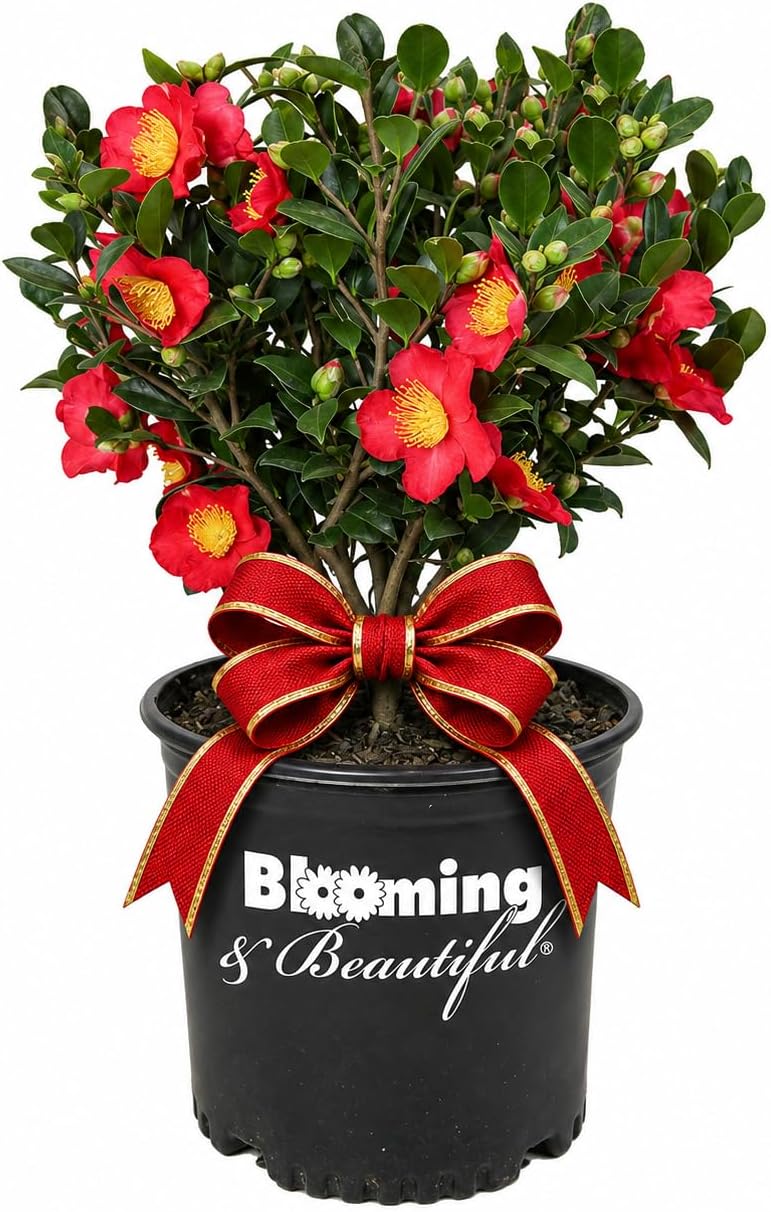
Blooming & Beautiful Yuletide Camellia, Live Evergreen Flowering Shrub, 3 Gallon
| Expected Blooming Period | Fall to Winter |
|---|---|
| Sunlight Exposure | Full Sun |
| USDA Hardiness Zone | 7 |
| Moisture Needs | Moderate Watering |
| Expected Planting Period | Spring |
This 3-gallon Yuletide camellia arrives nursery-grown with established roots and glossy evergreen foliage, making it a low-risk choice for gardeners who want reliable seasonal color. It produces small orange-red blooms with gold stamens in fall through winter, and its year-round foliage helps a container or small garden look attractive beyond the bloom period. Typical use is as a specimen shrub, foundation planting, or planted in a large pot on a protected patio where it will receive morning sun and afternoon shade. The plant is best in acidic, moist, well-drained soil and is described for USDA zones 7 to 10. Practical benefits include strong root establishment at purchase, extended bloom time, and compact upright habit that fits a large pot or tight landscape space. Limitations are climate and site needs: it is not cold-hardy below zone 7 and prefers specific light and soil acidity, so it will need placement or winter protection in cooler areas and monitoring of soil moisture and pH for best performance.
Best for: Gardeners who prioritize a dependable, professionally grown shrub that establishes quickly and provides seasonal blooms and year-round foliage in a container or protected patio setting.
Less Ideal for: Gardeners in cold climates below zone 7 or those who cannot provide acidic soil conditions and consistent moisture should consider hardier or lower-maintenance alternatives.
- Nursery-grown with established root system for quicker establishment
- Produces late-season orange-red blooms when many plants are dormant
- Evergreen foliage provides year-round structure and interest
- Compact upright habit suitable for large pots or small garden sites
- Recommended for USDA zones 7–10 so not suitable for colder climates
- Prefers acidic, moist, well-drained soil which may require soil amendments
Verdict: Choose this Yuletide camellia when you want a reliably established evergreen shrub that delivers late-season color and fits well in a large pot or protected outdoor spot.
Daylily Nursery Hellebore (3-pack) in 2.5-inch Pots

| Expected Blooming Period | Winter |
|---|---|
| Sunlight Exposure | Full Shade, Partial Shade |
| Expected Planting Period | Fall |
| USDA Hardiness Zone | 4 |
| Moisture Needs | Moderate Watering |
These three Helleborus plants arrive in 2.5-inch pots and are intended to add early-season color to shady containers or border edges. Hellebores are evergreen perennials that set nodding, long-lasting blooms as early as midwinter and keep glossy foliage year-round, making them good for winter interest in pots placed in full to partial shade. They are marketed as tolerant of a wide range of conditions and resistant to many pests and diseases, so they work well for gardeners who want low-maintenance, reliable shade flowers. Practical benefits include showy blooms for cutting, evergreen structure through winter, and a reputation for hardiness down to USDA zone 4. Limitations are that plants shipped small in 2.5-inch pots will need time to establish before reaching full size and may require careful handling after transit; the seller recommends waiting about a week before repotting. For potted use expect to replant into larger containers and provide regular moisture until roots fill the new pot.
Best for: Gardeners who want low-maintenance, winter-flowering plants for shady containers and value proven performance and community reviews when choosing plants.
Less Ideal for: Those seeking instant, full-size container specimens or gardeners who do not want to repot young plants and nurse them through establishment.
- Winter-blooming evergreen provides color and foliage interest in shade when few other plants flower
- Described as disease and pest resistant, reducing routine maintenance needs
- Three-plant bundle gives immediate visual impact for containers or grouping
- Suitable for full to partial shade and hardy to USDA zone 4
- Plants ship in small 2.5-inch pots and will need repotting and time to establish
- Sensitive to extreme shipping temperatures and may arrive stressed in heat or cold
Verdict: Choose this three-pack of hellebores when you want dependable, low-maintenance winter blooms for shady pots that will establish into attractive evergreen specimens.
Southern Living Obsession Nandina Shrub (2 Gal)

| Sunlight Exposure | Full Sun to Part Shade |
|---|---|
| USDA Hardiness Zone | 6, 7, 8, 9, 10 |
| Moisture Needs | Moderate Watering |
| Expected Planting Period | Year Round |
The Southern Living Obsession Nandina is a 2-gallon evergreen shrub prized for intense red foliage that holds color through much of the year. It is marketed for outdoor beds and containers, and performs in full sun to part shade across USDA zones 6 to 10. Typical use is as an accent in mixed borders, a colorful container specimen on a patio, or a low hedge where a 3- to 4-foot mature height is acceptable. Practical benefits include low maintenance, deer resistance, and moderate water needs once established; the plant is described as organic and suited to loam soils with well-drained conditions. Limitations to consider are that it does not produce notable blossoms and requires routine watering while establishing; it will also reach about 48 inches, so plan placement or pruning accordingly. For container use, choose a generous pot and monitor soil moisture to keep foliage vibrant in hot, sunny sites.
Best for: Gardeners who want a low-maintenance, colorful evergreen for patio containers or small landscape accents and value year-round foliage interest.
Less Ideal for: People seeking a showy flowering shrub or those who need a very small dwarf variety for tight spaces should consider other options.
- Bright red evergreen foliage provides season-long color
- Suitable for containers or landscape beds thanks to compact mature size
- Tolerates full sun to part shade across USDA zones 6–10
- Low maintenance and described as deer resistant
- Does not produce significant blossoms for floral interest
- Requires consistent watering until established
Verdict: Choose this nandina when you want an easy-care, brightly colored evergreen that performs well in pots and small garden settings.
Choosing the Right Plants for Winter Colour in Pots: Key Factors to Consider
Cold Hardiness and Microclimate
Cold hardiness determines whether a plant will survive the local winter when grown in a pot. Containers expose roots to colder temperatures than in-ground planting, so a plant rated hardy in the ground can still suffer in a pot.
Consider your garden microclimate: sheltered porches and south-facing walls moderate lows, while exposed balconies and metal railings increase freeze risk. Choose plants with a hardy zone at least one step lower than your typical low if you cannot insulate pots. Remember that pot color, material, and whether a container is raised or on the ground will affect root temperatures.
Bloom Timing and Longevity
Different winter-flowering plants peak at different times; some start late autumn and continue into early spring, while others give a shorter but intense show. Bloom longevity affects how often you need to replace or refresh containers to keep color through the season.
If you want continuous color, combine early, mid, and late-season bloomers or select foliage-focused plants that offer sustained interest. Also factor in how long individual flowers last on the plant and whether the species reblooms or simply holds decorative seedheads or berries after flowering.
Container Size, Drainage, and Insulation
Container choice changes how plants experience winter. Small pots freeze through faster and dry out more quickly, stressing roots. Bigger containers buffer temperature swings and retain moisture longer, but they are heavier and harder to move for protection.
Ensure pots have good drainage; wet, cold soil invites root rot. Consider insulating narrow pots with bubble wrap or moving containers close to building walls during cold snaps. For very cold climates, planting into larger, insulated tubs or sinking pots into the ground can improve survival.
Light Levels and Placement
Short, low-angle winter sun reduces daily light even on bright days. Some winter-flowering plants will set buds and flower in relatively low light, while others need a good few hours of sun to perform.
Assess the light where you plan to display containers throughout winter. East- or south-facing spots typically support better bloom. If light is limited, favor plants selected for foliage color and texture rather than heavy flower production.
Watering and Drainage Behavior
Plants in winter tend to need less frequent watering but are vulnerable to both drought and waterlogging. Cold, saturated media can suffocate roots and encourage disease.
Learn the moisture preferences for each plant and reduce irrigation accordingly. Use well-draining potting mixes and avoid leaving pots standing in saucers filled with water. In freeze-prone areas, check pots during thaw cycles because sudden wetting and freezing can harm root tissues.
Maintenance and Longevity in Containers
Some winter plants are essentially set-and-forget, while others need occasional deadheading, pruning, or feeding to maintain bloom and habit. Maintenance requirements affect whether a plant fits into a low-care container display or a more managed seasonal scheme.
Also consider how long you want a display to last: some container plants are short-lived perennials or biennials that provide one season of strong performance, while others can remain in pots and improve year to year with repotting and protection.
Designing a Winter Container Scheme
Think of winter containers in layers: a structural evergreen or architectural plant gives height and backbone, mid-height flowering or berrying plants provide color, and low fillers add texture and soften the rim. This layered approach extends visual interest even when blooms are intermittent.
- Use an evergreen or structural grass for height.
- Add one or two bloomers for seasonal color.
- Include low evergreen or silver-foliaged fillers for contrast.
Potting Mix and Feeding in Cold Months
Use a well-draining, loam-based potting mix with good organic matter to retain some moisture without staying waterlogged. Add grit or horticultural sand if your mix compacts easily. Fertilize sparingly before heavy frosts; many winter plants need reduced feeding compared with summer containers.
- Avoid high-nitrogen feeds late in the season.
- Mix in slow-release fertilizer at planting for steady winter nutrition.
- Top-dress compost in late winter to boost early spring growth.
Protecting Containers During Extreme Weather
Move vulnerable pots into sheltered areas during hard freezes, or group containers to create a microclimate. Wrap sensitive pots with insulation or use mulch over the media to protect roots. For long cold spells, temporarily shifting displays to an unheated garage or porch can be enough to prevent loss.
- Group pots against a warm wall to reduce wind exposure.
- Elevate containers slightly to avoid standing water.
- Cover crowns with horticultural fleece during sharp frosts if needed.
Combining Evergreens, Berries, and Flowers
Mixing plant types gives a variety of winter interest. Evergreens supply color and structure, berry-producing shrubs attract wildlife and offer bright accents, and hardy winter flowers supply the seasonal hues gardeners want. Balance proportionally so evergreen structure does not overwhelm smaller bloomers.
- Use one structural evergreen per container for backbone.
- Select berrying plants with persistent fruit for long-lasting color.
- Place lower-growing flowers at the pot edge to soften the look.
Managing Pests and Diseases in Winter Containers
Cold weather reduces many pests but does not eliminate issues like scale, slugs in mild spells, or fungal problems from poor drainage. Inspect containers regularly and remove dead material that can harbor disease. Good hygiene, tidy pruning, and clean potting mixes will mitigate many problems. If you spot pests, treat early with appropriate, low-toxicity methods to avoid stressing already cold-exposed plants.
- Remove spent flowers and rotten fruit promptly.
- Ensure media is not compacted to avoid fungal issues.
- Check undersides of evergreen leaves for overwintering pests.
How We Chose the Best Plants for Winter Colour in Pots
We filtered potential candidates by traits gardeners need from potted winter plants. Cold hardiness was a primary screen: we prioritized species and varieties that survive typical winter lows when grown in containers with proper care. Bloom and color persistence was the next filter, favoring plants that produce flowers or retain colorful foliage for multiple weeks. We also evaluated container-specific concerns: root insulation needs, growth habit suited to limited soil volumes, and how tolerant a plant is of reduced sunlight and wet media. Maintenance and irrigation frequency were assessed so picks suit gardeners who want either low- or moderate-care displays. Disease and pest resilience in cool seasons was considered to avoid selections that quickly decline in winter conditions. Excluded were plants that require greenhouse forcing, tropical species needing indoor overwintering, and varieties with known poor container performance. The final list balances visual impact, winter toughness, and realistic container culture requirements. Scoring emphasized cold hardiness, bloom longevity, winter foliage interest, and container adaptability.
FAQ
Can potted plants survive hard freezes?
Many can if they are cold-hardy species and their roots are protected. Larger, insulated containers and sheltered placement improve survival; very small pots usually suffer more damage.
How often should I water winter containers?
Watering is much less frequent than in summer. Check the top inch of soil and water only when it begins to dry, avoiding saturated media. Microclimate and pot size change the interval significantly.
Is it better to move plants indoors for winter?
That depends on the plant type. Tender or tropical species need indoor overwintering, but many hardy choices will perform outdoors if given proper insulation and site selection.
Can I use regular potting mix for winter containers?
A quality, well-draining potting mix is fine, but avoid mixes that compact or hold too much water. Adding grit or perlite improves drainage and helps roots survive freeze-thaw cycles.
How do I keep berries from falling off in wet weather?
Choose berrying plants suited to your climate and avoid overwatering. Removing excess fallen fruit and providing airflow reduces rot and helps berries remain attached longer.
Final Verdict
Prioritize cold hardiness, container adaptability, and bloom or foliage longevity when choosing plants for winter colour in pots. Think about how container size, placement, and insulation affect root survival, and combine structural evergreens with winter bloomers for continuous interest. Accept tradeoffs: the most dramatic flower displays may require a bit more care, while low-maintenance evergreen-and-berry mixes give reliable color with less fuss. Match your expected maintenance level and site exposure to the plants you choose, and you will have containers that brighten winter outdoor spaces confidently.
