

Note: This article contains affiliate links. If you click on these links and make a purchase, I may earn a small commission at no extra cost to you. This helps support my research and content. Read my full affiliate disclosure here.
If you want clearer water and a healthier backyard pond, choosing the right pond plants is one of the most effective low-maintenance strategies. Pond filter plants remove excess nutrients, shade the surface, and provide living habitat that helps suppress algae while supporting insects and amphibians. This guide presents seven shortlisted pond filter plants that perform well across a range of pond sizes and conditions. We evaluated each plant for nutrient uptake, growth habit, and habitat value so you can pick species that match your pond depth, light, and maintenance plans. Read on to see which plant types suit shallow margins, deep shelves, or floating filtration zones.
Top Picks at a Glance
| Best Overall The best all-around choice for most situations | Chalily 'Black Magic' Taro (live pond plant) |  |
| Best Quality Built to a higher standard if you want something more solid | Chalily Arrow Arum (Peltandra virginica) Live Aquatic Pond Plant |  |
| Best Value The sweet spot between price and what you get | 5 Live Water Hyacinth Plants (Floating Aquatic Plants) for Ponds and Water Gardens |  |
| Best Budget The cheapest option that still gets the job done reliably | Aqualeaf Aquatics Water Lettuce (Floating Pond Plant) |  |
| Highest Rated A top-rated pick with lots of positive feedback | Chalily Yerba Mansa (Anemopsis californica) live pond plant |  |
| Most Popular A crowd favorite that many people choose with confidence | Water Hyacinth Live Aquatic Plant (3-Count) |  |
| Best Seller A high-volume bestseller chosen again and again | Aqualeaf Aquatics Common Water Hyacinth (1 count) |  |
Chalily 'Black Magic' Taro (live pond plant)

| Sunlight Exposure | Full Sun, Partial Shade |
|---|---|
| Soil Type | Clay Soil |
| Moisture Needs | Moderate Watering |
| Unit Count | 1 Count |
| Plant or Animal Product Type | Elephant Ear, Lily, Plum |
Chalily’s 'Black Magic' Taro is a decorative marginal aquatic plant grown for dramatic dark foliage and pond function. It is planted in shallow water or on a bog shelf where the crown stays moist; typical use is around pond edges or in large marginal pots to provide shade, habitat, and visual contrast. The product is hardy for ornamental use and tolerates full sun to partial shade with moderate moisture needs, so it fits easily into most backyard water gardens. Its broad leaves help reduce algae by shading water and creating cover for fish, and the plant’s robust appearance adds year-round interest. Buyers should note this is sold as a single live plant and will need space to spread; it may require seasonal care in colder climates and periodic division if it becomes crowded. Shipment and establishment practices are important because live aquatic plants require proper planting in gravel or aquatic soil to root well.
Best for: Gardeners who want an attractive, low-effort marginal plant that adds shade and biological filtering to a backyard pond while improving visual impact.
Less Ideal for: People with very small containers, tiny water features, or those who need immediate dense coverage should consider faster-spreading or multiple-plant options.
- Striking dark foliage that provides visual contrast and pond shading
- Suitable for shallow water and bog shelves to create habitat and reduce algae growth
- Tolerates full sun to partial shade, giving flexible placement around ponds
- Sold as a single plant which may take time to establish enough coverage
Verdict: Pick this plant if you want a dramatic, easy-care marginal that shades water and helps improve pond clarity while boosting curb appeal.
Chalily Arrow Arum (Peltandra virginica) Live Aquatic Pond Plant
| Expected Blooming Period | Summer |
|---|---|
| Sunlight Exposure | Full Sun |
| USDA Hardiness Zone | 5 |
| Moisture Needs | Moderate Watering |
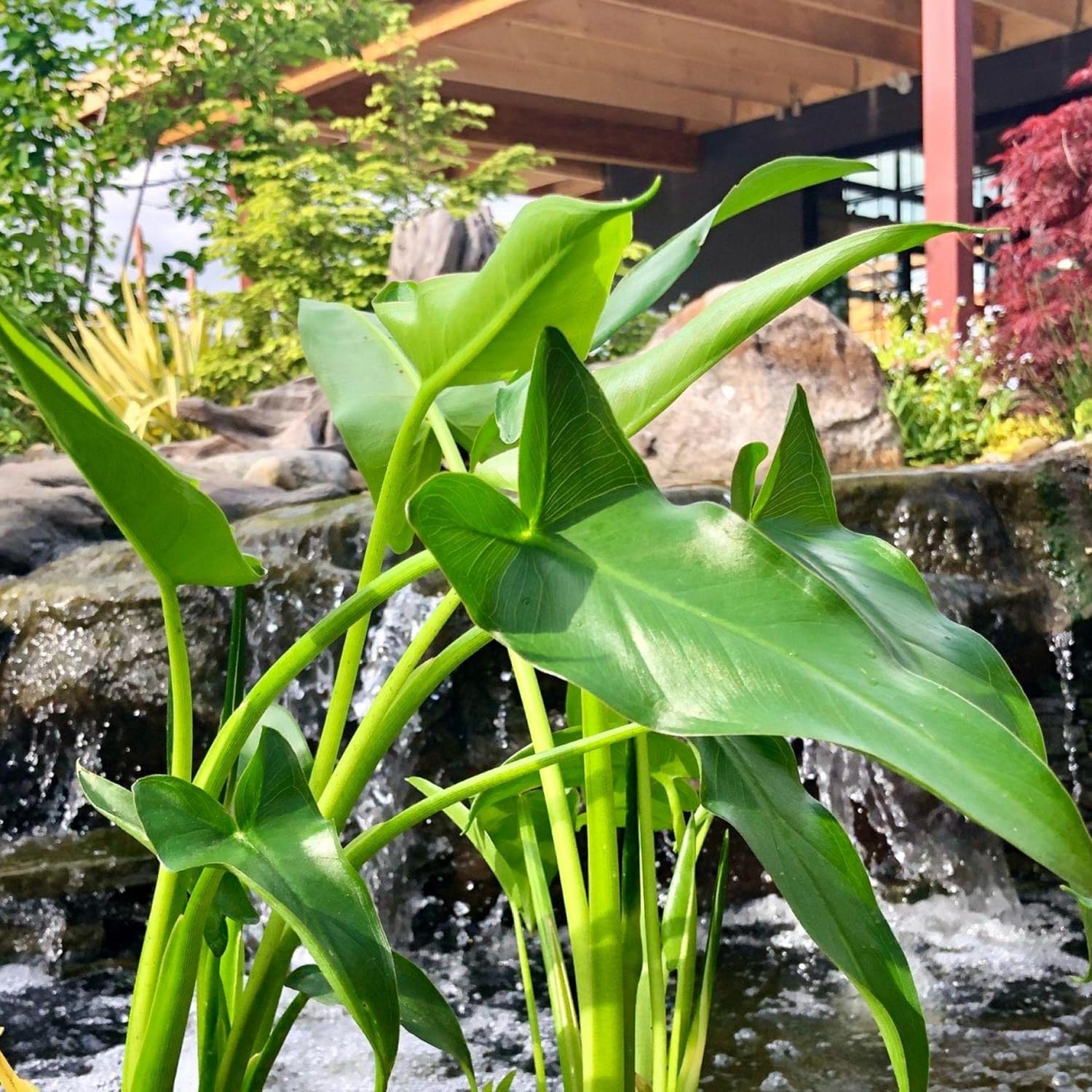
Chalily Arrow Arum is a live marginal pond plant grown and shipped bare-root for planting along pond edges, bogs, or shallow water shelves. It produces large glossy, arrowhead-shaped leaves and early spring through early summer spadix flowers, making it useful as both a decorative foliage specimen and a biological filter. In practice you plant it in a shallow basket or directly in muddy pond margins with 1 to 6 inches of water above the roots where it will establish quickly and tolerate sun to shade. Notable features include winter hardiness to USDA zone 5, low maintenance watering needs, and a reputation for improving water clarity by uptaking nutrients like other marginals. Limits to expect are modest size and spread relative to aggressive filter species and its primary function is nutrient uptake rather than fast floating surface cover, so it should be paired with other plants if you need rapid algae suppression. For a performance-focused bog setup Arrow Arum is a reliable, low-effort choice that contributes to filtration while adding strong structural foliage.
Best for: Gardeners building a performance-focused bog or pond edge who want a hardy, low-maintenance marginal that contributes to nutrient filtration while adding dramatic foliage.
Less Ideal for: Those seeking rapid floating surface coverage or a single plant solution for pond-wide algae control should choose fast-growing floating species or more aggressive filter plants instead.
- Large glossy foliage provides strong visual impact and structural cover at the pond edge
- Acts as a marginal filter plant by taking up excess nutrients to help improve water clarity
- Winter hardy to USDA zone 5 and tolerant of sun to shade, reducing seasonal risk
- Supplied as bare-root stock ready to plant in shallow water or bog conditions
- Not a fast-spreading floating species so it will not quickly blanket open water to block sunlight
- Relatively modest size compared with some aggressive bog plants, so multiple plants may be needed for effective filtration
Verdict: A dependable, low-maintenance marginal that adds bold foliage and steady nutrient uptake to a bog-filter planting scheme.
5 Live Water Hyacinth Plants (Floating Aquatic Plants) for Ponds and Water Gardens

| Indoor Outdoor Usage | Outdoor |
|---|---|
| Sunlight Exposure | Full Sun |
| USDA Hardiness Zone | 9-11 |
| Moisture Needs | Fully Aquatic – Requires Constant Water |
These live water hyacinths are fast‑growing floating plants intended for still or slow-moving ponds and water gardens. The five-plant pack arrives as buoyant plants ready to place on the water surface; once established they spread quickly to create shade, shelter for fish, and natural nutrient uptake that helps improve water clarity. They prefer full to partial sun and warm water above about 50°F, and will bloom in summer under the right conditions. Practical benefits include easy no-soil installation, quick pond coverage for visual impact, and roots that act as a biofilter for excess nutrients. Important limitations are their vigorous growth habit, which requires thinning to prevent overcrowding, and lack of frost tolerance so they must be removed or protected in cold climates. Also check local regulations before planting because water hyacinth is restricted in some regions due to its invasive potential.
Best for: Gardeners who want an easy, low-effort floating plant to add quick coverage and natural filtration to small ponds or water gardens and who monitor plant health and local regulations.
Less Ideal for: People with ponds in cold climates who cannot provide winter protection or those who prefer noninvasive, slow-growing aquatic plants for minimal maintenance.
- Provides rapid surface coverage for ponds, creating immediate shade and visual impact
- Roots absorb excess nutrients, contributing to natural filtration and improved water quality
- No soil required so plants are easy to place and maintain in established water features
- Produces attractive lavender-blue summer flowers when conditions are favorable
- Very fast growth can lead to overcrowding and requires regular thinning
- Not frost hardy so plants must be removed or sheltered in cold climates
Verdict: Choose these water hyacinths if you want fast, attractive floating coverage and natural nutrient filtration for a warm outdoor pond.
Aqualeaf Aquatics Water Lettuce (Floating Pond Plant)
| Expected Blooming Period | Spring |
|---|---|
| Sunlight Exposure | Full Sun |
| Expected Planting Period | Fall |
| Moisture Needs | Moderate Watering |
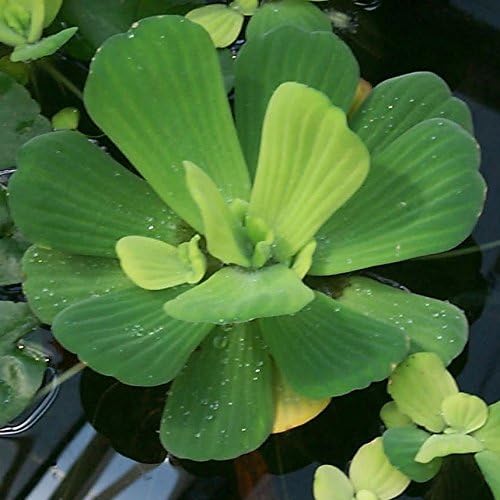
This single water lettuce plant arrives ready to float and is intended to add surface cover and natural filtration to small ponds and water gardens. Typical use is to drop the plant into still or slow-moving water where its rosette of leaves shades the surface and its roots hang into the water to trap particulates and uptake excess nutrients. Notable features include its natural material, simple care instructions of keeping it in water, and seasonal timing—best planted in fall and actively growing in spring with full sun exposure. Practical benefits are improved water clarity through natural biofiltration, added habitat and shade for fish, and a quick visual lift to a pond without planting substrate. Important limitations are that this is sold as a single 3–5 inch plant so multiple purchases are required to establish good coverage, and roots may break during transit requiring a short re-establishment period once placed in the pond; very hot shipping conditions can also stress or kill the plant if not handled promptly.
Best for: Buyers wanting an inexpensive, low-effort way to add natural filtration and surface cover to a small pond or container water garden.
Less Ideal for: Large ponds or pond owners who need immediate full-coverage filtration without buying multiple plants; not suited for fast-flowing water features.
- Provides natural surface cover and shade for ponds
- Acts as a living biofilter to help reduce nutrients and improve clarity
- Easy to use and maintain—simply place in pond water
- Suitable for outdoor ponds with full sun exposure
- Sold as a single plant so establishing good coverage requires buying multiple units
- Sensitive to extreme heat during transit which can damage plants
Verdict: A low-cost, low-maintenance floating plant that improves pond water quality and adds surface cover when purchased in sufficient quantities.
Chalily Yerba Mansa (Anemopsis californica) live pond plant

| Expected Blooming Period | Winter |
|---|---|
| Sunlight Exposure | Full Sun |
| USDA Hardiness Zone | 5 |
| Soil Type | Clay Soil |
| Moisture Needs | Moderate Watering |
Yerba Mansa is a small, shallow-water marginal plant sold as a live bare root suitable for bogs, pond shelves, and very shallow water. It establishes in moist soil or up to about 2 in. of standing water and produces long waxy leaves and white, fragrant flowers that may develop pink spotting in cold snaps. In practice it is used around pond edges, in bog filters, or in containers to add filtration, wildlife habitat, and year-to-year presence; the plant tolerates full sun to part shade and is hardy to USDA zone 5. Notable features include its compact height, aromatic blooms, and history of traditional use. Buyers will appreciate that it arrives ready to plant as a bare root and that it contributes to natural water clarity and habitat. Limitations are that it is a marginal species meant for very shallow water rather than deep planting and that it requires consistently moist conditions to thrive, so it is not a no-maintenance pond solution for dry sites.
Best for: A buyer who wants a reliable, low-growing marginal plant to add natural filtration and wildlife habitat to a bog filter or pond edge and values plants that establish well from bare roots.
Less Ideal for: Not a good choice for people seeking floating or deep-water plants, or for gardeners who cannot provide consistently wet conditions year-round.
- Works in very shallow water or moist soil so it fits bog filters and pond shelves
- Aromatic white flowers add visual and olfactory interest
- Sold as a bare root ready for planting which speeds establishment
- Hardy to USDA zone 5 and tolerant of full sun to part shade
- Not suitable for deep-water planting or as a submerged oxygenator
- Needs consistently moist to wet substrate so it will not survive dry sites
Verdict: Choose Yerba Mansa when you need a hardy, shallow-water marginal plant that reliably adds natural filtration and year-round presence to a bog or pond edge.
Water Hyacinth Live Aquatic Plant (3-Count)

| Expected Blooming Period | Summer |
|---|---|
| Expected Planting Period | Summer |
| Soil Type | Sandy Soil |
| Moisture Needs | Moderate Watering |
| Unit Count | 3 Count |
These three live water hyacinths are straightforward floating pond plants for hobbyist water gardens. You simply toss the plants onto the pond surface and their buoyant, bulbous stalks and broad leaves establish quickly, providing shade and cover for fish while reducing surface algae by shading the water. They are noted as easy to grow and suitable for beginners, with feathery roots that hang into the water and summer blooms on mature plants. Practical benefits include quick surface coverage, habitat and shade for pond animals, and simple care that mainly requires keeping them in water. Important limitations are ecological: several U.S. states restrict sale or transport of water hyacinth because it can become invasive in open waterways, so confirm local rules before use. Also the listing indicates plants may arrive without flowers and growth rate can make them require regular thinning to prevent overcrowding in small ponds.
Best for: Gardeners who want an easy, low-effort floating plant to add shade, habitat, and quick surface cover to backyard ponds and water gardens, and who will manage growth responsibly.
Less Ideal for: People with ponds connected to natural waterways or gardeners in regions where water hyacinth is regulated should avoid this plant and choose noninvasive alternatives.
- Fast surface coverage that provides shade and shelter for pond fish
- Simple care: designed to float and requires only water to establish
- Helps reduce algae growth by shading the pond surface
- Feathery roots add habitat complexity and are safe for fish and shrimp
- Considered invasive in some regions and restricted or prohibited for sale in several states
- May ship without flowers so blooms are not guaranteed on arrival
- Can grow rapidly and require regular thinning to avoid overcrowding
Verdict: If you want an easy-to-establish floating plant that quickly provides shade and habitat for backyard ponds, these water hyacinths deliver fast results when used responsibly.
Aqualeaf Aquatics Common Water Hyacinth (1 count)

| Indoor Outdoor Usage | Outdoor |
|---|---|
| Expected Blooming Period | Summer |
| Sunlight Exposure | High |
| Product Care Instructions | Float in freshwater; full sun to partial shade; remove excess growth regularly |
The Aqualeaf Aquatics common water hyacinth is a single, ready-to-float plant for freshwater ponds and water gardens that rapidly produces broad leaves and purple blooms in summer. You place it directly on the water surface—no substrate needed—and it shades the pond, reduces evaporation, and uptakes nitrates and ammonia to help control algae. Its rapid growth makes it useful for quick surface coverage and creating shelter for fish and invertebrates, but you will need to thin plants regularly to prevent overcrowding and to keep water flow and light balanced. It prefers full sun to partial shade and warm conditions, so it performs best in summer and in temperate to warm climates. Note that this species is regulated or banned in several U.S. states because it can become invasive in open waterways, so check local restrictions before using it in outdoor ponds. For small ponds and controlled water gardens it provides low-effort filtration and fast visual impact when managed properly.
Best for: Buyers who want a low-effort, fast-acting floating plant to improve water quality and provide shade in small, managed ponds or water gardens.
Less Ideal for: People with open natural waterways, large unmanaged ponds, or those in states where this species is restricted should avoid this plant and choose sterile or noninvasive alternatives.
- Provides natural filtration by absorbing excess nutrients
- Fast surface coverage for shade and shelter
- No planting or substrate required so setup is immediate
- Low maintenance once established if regularly thinned
- Very fast growth requires frequent removal to avoid overcrowding and reduced water circulation
- Restricted or prohibited in multiple U.S. states due to invasive risk
Verdict: A fast, low-effort floating plant that quickly improves pond water quality and shade when kept under active management.
Choosing the Right Pond Filter Plants: Key Factors to Consider
Nutrient Uptake and Growth Rate
Plants differ in how rapidly they remove dissolved nitrogen and phosphorus from pond water. Fast-growing species absorb more nutrients but may need regular thinning to prevent decay from returning nutrients to the water. Slower growers require less frequent maintenance but will not reduce nutrient loads as quickly.
When choosing pond filter plants, consider how quickly your pond accumulates organic material and whether you can keep on top of plant removal. If the pond receives runoff or heavy fish stocking, prioritize species with higher uptake rates and plan for seasonal pruning and biomass removal.
Planting Depth and Growth Habit
Different species are adapted to shallow margins, mid-depth shelves, or fully submerged zones. Some plants root in shallow substrate and send up emergent stems, while others float freely. Matching a plant's depth preference to your pond contours ensures healthy establishment and efficient filtration.
Also consider spread and density. Clumping marginal plants build stable edge filtration, while floating mats cover surface area and intercept light. Choose a mix of habits to create layered filtration that intercepts nutrients at multiple levels of the water column.
Winter Hardiness and Seasonal Behavior
In temperate climates many pond plants die back in winter and regrow from roots or rhizomes. Hardy species will return reliably, reducing the need for replanting. Species that are only hardy in warmer zones may require overwintering or replacement after cold winters.
Know your hardiness zone and how deep your pond freezes. Deep ponds with open water give plants a better chance to survive, while shallow or heavily iced ponds may cause annual replanting for tender species.
Wildlife and Habitat Benefits
Pond filter plants provide more than filtration: they offer shelter, foraging surfaces, and breeding habitat for insects, amphibians, and small fish. Emergent stems and leaf axils are valuable for native dragonflies and for frogs to lay eggs on, while dense submersed foliage gives young fish refuge from predators.
Prioritize species that support local wildlife if your goal is a biodiverse pond. Avoid sterile or purely ornamental choices if habitat is important to you.
Maintenance and Management
Routine maintenance includes dividing overcrowded clumps, trimming flower stalks, and removing dead material before it decomposes. Some species need annual division to prevent crown rot or to keep them from shading out other plants.
Think about how much time you can commit. Low-maintenance species still need seasonal cleanup, and aggressive growers require regular thinning to prevent them from becoming a nutrient source when they die back.
Invasiveness and Local Regulations
Some effective pond plants spread aggressively or are regulated in certain regions because they escape into natural waterways. Check local invasive species lists and pick non-invasive alternatives when possible.
Using native or well-contained species reduces the risk of escape. Consider planting in baskets or containers for marginal plants that can otherwise spread unchecked across a pond.
Designing a Layered Planting Scheme
A layered planting approach uses a combination of emergent, marginal, floating, and submerged plants to intercept nutrients at different levels. Emergent plants rooted in shallow shelves pull nutrients from the substrate, floating species absorb nutrients directly from the water column, and submerged plants oxygenate and take up dissolved nutrients below the surface.
Start by mapping your pond depth zones and sun exposure, then allocate plant types to match each zone. For small ponds, focus on a higher ratio of floating plants and marginal clumps to provide rapid nutrient uptake without overcrowding the water surface.
- Place emergent plants where water is 4 to 12 inches deep for margin filtration.
- Use floating plants in open water to shade the surface and reduce algae growth.
- Add submerged plants to deeper shelves to improve oxygen levels and utilize dissolved nutrients.
Plant Establishment and Early Care
Newly planted pond species need time to root and establish before they are relied on for filtration. Planting in nutrient-poor substrate or using planting baskets helps prevent roots from taking up too much fertilizer and becoming overly lush without stabilizing.
During the first season, monitor growth and remove any decaying material promptly. If plants show slow establishment, adjust planting depth or relocate to a sunnier or shadier position depending on species needs.
- Anchor marginal plants in baskets to control spread and make maintenance easier.
- Avoid burying crowns too deeply when planting, which can cause rot.
- Rinse new plants before introducing to remove hitchhiking snails or plant fragments.
Seasonal Management and Biomass Removal
End-of-season cleanup is an important step to prevent winter dieback from reintroducing nutrients to the pond. Cut back emergent growth after frost and remove large masses of floating vegetation before they begin to decompose in the water.
Plan a schedule for dividing and thinning vigorous species every one to three years. Removing excess biomass off-site or composting well away from the pond avoids nutrients washing back into the pond during rain events.
- Trim and remove dead foliage in late autumn once plants have senesced.
- Divide overcrowded clumps in spring to encourage healthy growth.
- Compost plant waste separately to prevent nutrient runoff back into the pond.
Integrating Plants with Other Filtration Methods
Plants are most effective when combined with mechanical filtration and proper pond management. Skimmers, debris traps, and settling zones remove large particulates, letting plants focus on dissolved nutrients and biological balance. Plants can reduce reliance on intensive mechanical filtration but rarely replace it entirely in heavily stocked ponds.
Use plants to reduce algae pressure by shading and nutrient uptake, then fine-tune water movement and oxygenation with pumps or aerators to support submerged plant health.
- Place floating plants around inflow areas to intercept incoming nutrients.
- Keep a balance between planted area and open water to maintain oxygen exchange.
- Use plants to complement, not entirely replace, mechanical skimming in high-debris ponds.
Sourcing and Quarantine Best Practices
Acquire plants from reputable local nurseries or pond specialists and observe quarantine practices before adding them to your pond. Quarantine helps prevent introducing pests, snails, or invasive fragments that can spread rapidly.
During quarantine, keep new plants in a separate tub for a week to inspect for hitchhiking animals and to let loose soil wash away. This reduces the risk of unforeseen ecological impacts after planting.
- Inspect leaves and roots for snails and plant fragments.
- Quarantine for at least a week in clean water before transfer.
- Avoid planting species banned or restricted by local authorities.
How We Chose the Best Pond Filter Plants
We selected plants that are proven to contribute to clearer water and stronger pond ecology using concrete, garden-focused criteria. Evaluation centered on nutrient uptake rate because plants that quickly absorb nitrogen and phosphorus reduce the fuel for algae. Growth habit and planting depth were assessed so gardeners can match species to shallow edges, deep shelves, or free-floating filter zones. Cold hardiness and regional adaptability were considered to ensure plants survive local winters or seasonal drawdowns. Habitat value for wildlife, including shelter and egg-laying substrate for insects and amphibians, was included because a living pond ecosystem helps maintain balance. Finally, maintenance demands were measured, covering how often plants need dividing, trimming, or removal of excess biomass to avoid nutrient release back into the pond. We excluded highly invasive species and plants that require constant greenhouse care. The shortlist favors species that establish reliably in outdoor ponds with routine garden maintenance. Plants were filtered out if they are strictly marginal in use, not effective at nutrient uptake, or present unacceptable invasive risk in typical garden settings.
FAQ
How many pond filter plants do I need for my pond?
It depends on pond size, fish load, and runoff. A good starting point is covering 30 to 50 percent of the surface with a mix of floating and marginal plants for ponds with moderate fish. Increase planted area if you have heavy feeding or frequent runoff.
Can floating plants alone keep a pond clear?
Floating plants help by shading and absorbing nutrients but usually are not enough alone. Combining floating species with submerged and emergent plants gives broader nutrient interception and supports oxygen balance throughout the water column.
When should I remove dead plant material from the pond?
Remove dead or dying material as soon as practical, especially in autumn and after large dieback events. Early removal prevents decomposition in the water and reduces the chance of nutrient spikes that fuel algae blooms.
Are native plants always better for pond filtration?
Native plants often suit local conditions and support wildlife, but not all native species are the best nutrient absorbers. Choose native species that also match your pond depth and maintenance capacity for the best balance of filtration and habitat.
How do I prevent pond plants from becoming invasive?
Plant in containers or baskets to limit spread and inspect plants regularly for runners and fragments. Remove excess growth before it establishes new colonies and avoid species known to escape into natural waterways in your region.
Can pond filter plants reduce algae without chemical treatments?
Yes, by lowering nutrient availability and shading the water, plants significantly reduce algae pressure. For persistent algae problems, combine plantings with better debris management and improved circulation rather than relying on chemicals.
Final Verdict
Effective pond filtration starts with selecting plants that match your pond's depth, climate, and maintenance rhythm. Prioritize species with strong nutrient uptake for ponds with high fish loads or runoff, and balance fast growers with lower-maintenance plants to avoid constant thinning. Consider habitat value and invasiveness when building your planting mix, and schedule seasonal biomass removal to prevent nutrient recycling. By matching planting zones and maintenance needs to your time and pond conditions, you can create a resilient plant-based filtration system that improves water clarity, supports wildlife, and reduces the workload of mechanical filtration.
